
Tabelog 100 #28
Our verdict
Soraya puts Hiroshima’s standing-bar ritual in sharp focus: counter seating, seafood-led Japanese cooking, sake and shochu, and a price band that keeps the evening closer to everyday drinking culture than destination tasting menus. Its selection for Tabelog 100 Tachinomi 2025 gives the small-format category a clear marker in a city better known to visitors for oysters, okonomiyaki, and formal regional dining.

Pearl is the En Primeur Club membership app, where members save venues, book tables and use the concierge.
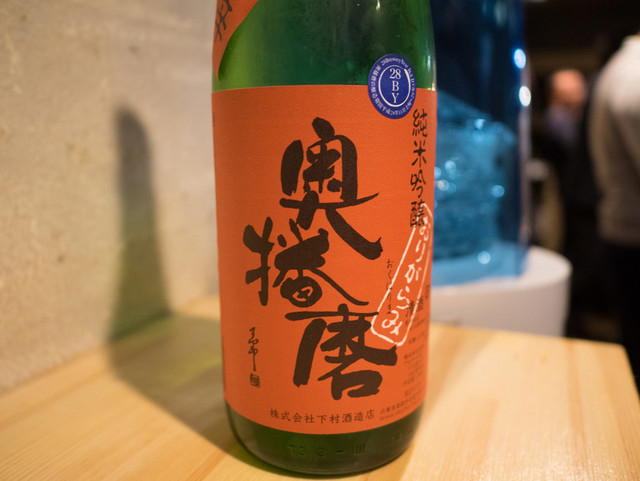
Approach Hiroshima and the dining rhythm changes from destination restaurant to after-work ritual. The city’s standing bars compress the meal into a tighter social format: counter space, short pours, plates ordered in sequence, and a pace set less by courses than by appetite and the room’s turnover. Soraya belongs to that grammar. It is classified as a stand-up bar with Japanese cuisine and seafood, and its recognition in Tabelog 100 Tachinomi 2025 places it inside a national conversation about tachinomi, a category often treated casually by travelers but judged seriously by Japanese diners.
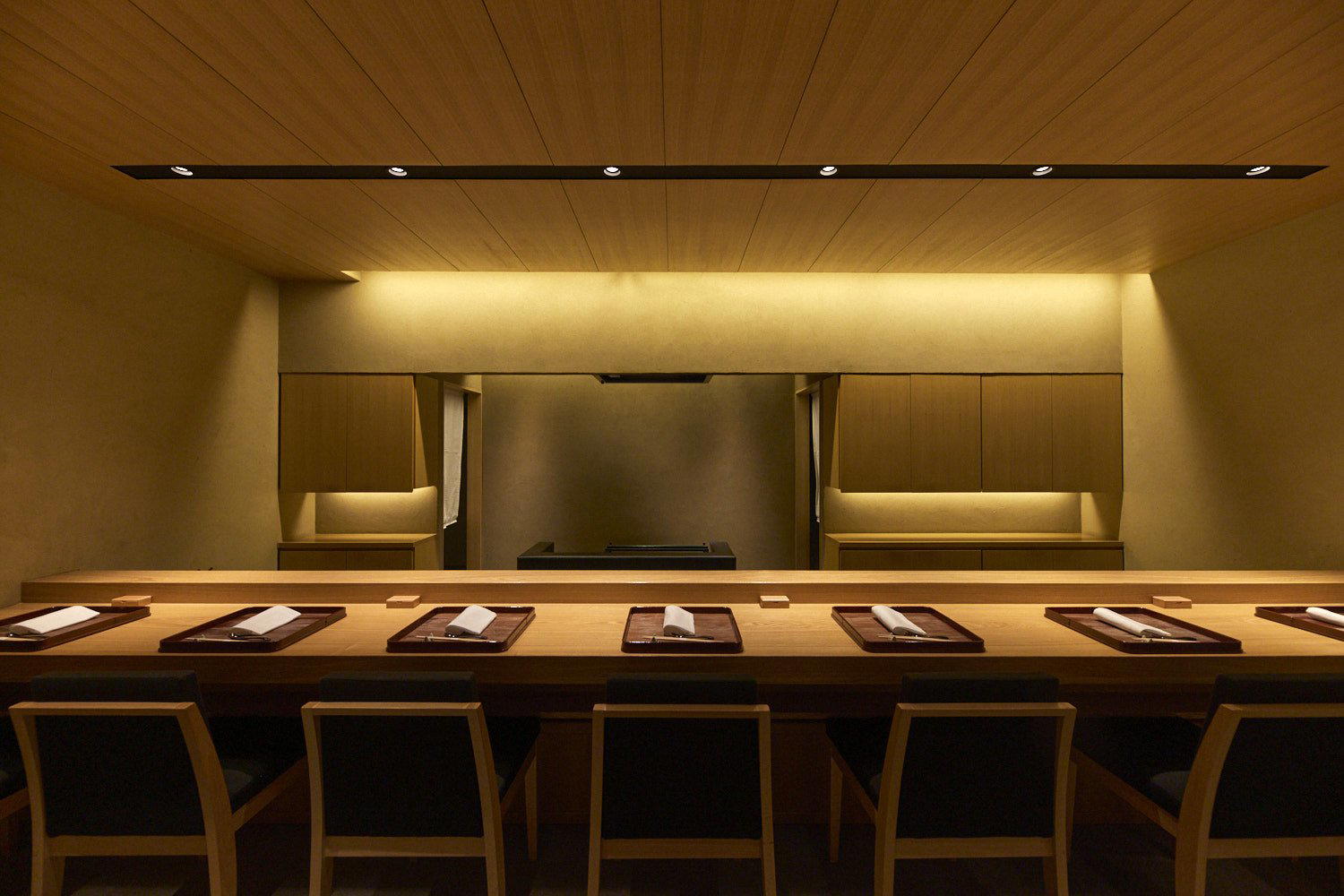
That distinction matters. Hiroshima has more formal counters and contemporary restaurants for planned evenings, while rooms such as NICON can be used by travelers as comparison points on the wider city map. Soraya sits in its own lane: not a lesser category, but a different dining ritual. The point is concentration. Food, drink, and conversation happen at close range, with less ceremony than a tasting menu and more intention than a generic pub stop.
Hiroshima tachinomi, read through fish, drink, and counter discipline
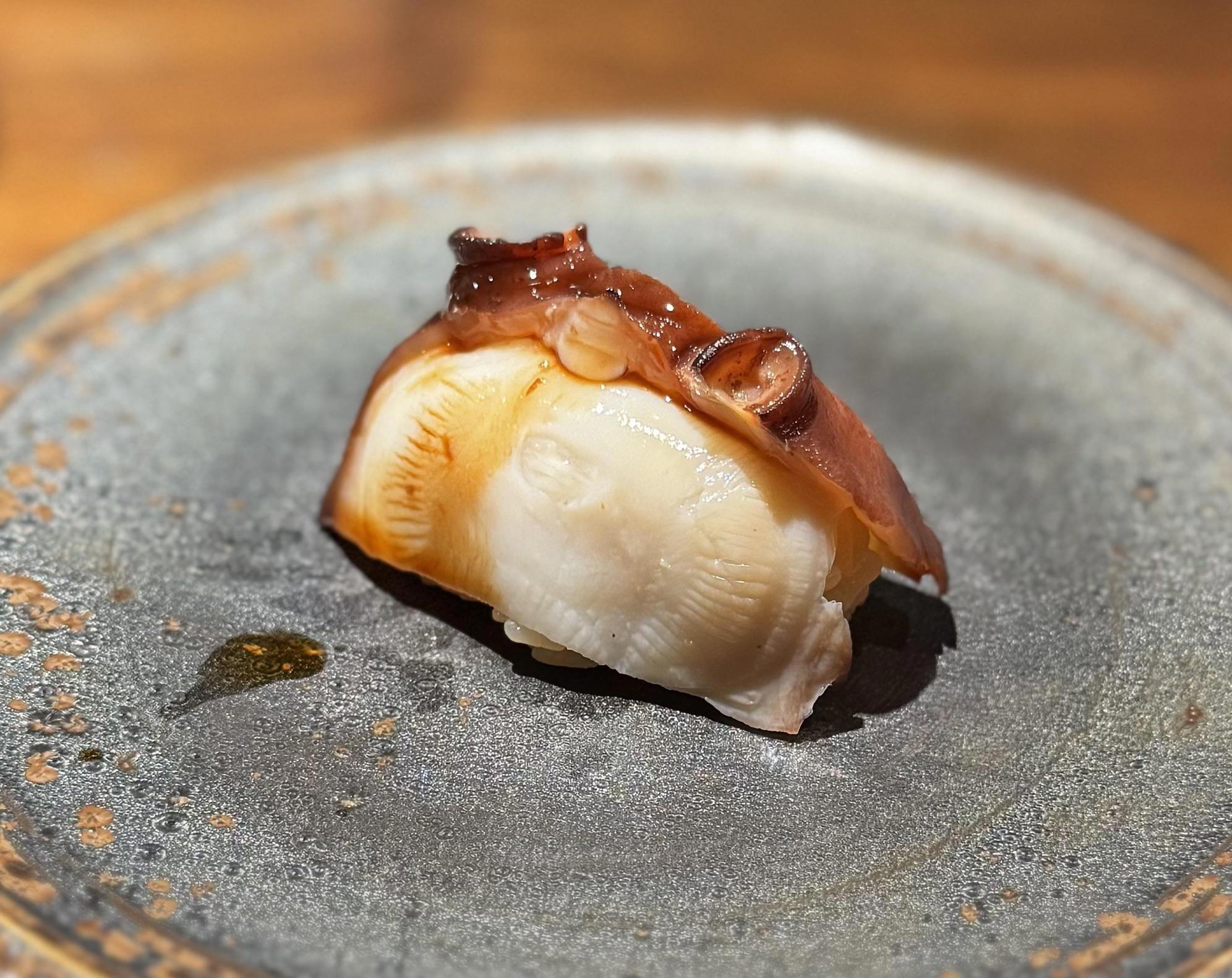
Tachinomi culture rewards decisiveness. Guests arrive, read the room, order in compact rounds, and avoid treating a counter as a private dining room. In Hiroshima, that format gains local force because seafood is not an accessory to the city’s food identity. The region’s coastal setting shapes how visitors think about local eating, and even when a standing bar stays modest in price, fish can carry the meal’s authority. Soraya’s category signals exactly that: Japanese cooking and seafood rather than a cocktail-led bar or a venue built only around volume drinking.
The price band sharpens the editorial point. A dinner range of JPY 2,000 to JPY 2,999 places the venue in a tier where selection and rhythm matter more than luxury cues. Compared with Teppanyaki Yamaoka or NICON as broader Hiroshima reference points, this is not necessarily competing for the same occasion. It is competing for trust: the confidence that a low-friction counter can still deliver a disciplined food-and-drink experience. Tabelog’s 3.52 score and 2025 Tachinomi 100 selection are useful signals because this category depends heavily on regulars, repeatable value, and consistency rather than spectacle.
For travelers mapping Hiroshima through meals, this format fills a gap between daytime grazing and formal dinner. Other Hiroshima dining rooms may speak to bakery, cafe, sweets, or more sake-facing modes of eating and drinking. Soraya’s role is different again: a compact evening stop where the etiquette is as important as the order.
The ritual is the reason: short stay, close counter, clear choices
The standing-bar experience works when guests understand its social contract. Lingering for hours changes the character of the room; ordering too broadly at once misses the point. The better approach is incremental: a first drink, a fish-focused plate, then another round if the counter’s pace allows. That custom is not precious. It is practical hospitality in a small-format venue, and it explains why tachinomi can feel more revealing than a longer dinner. The room exposes how a city eats between obligations.
Counter culture is also part of the hierarchy. At a formal sushi counter, the choreography often centers on chef-to-guest sequencing. At a tachinomi counter, the choreography is shared by everyone within earshot: staff, solo diners, friends dropping in, and regulars managing small plates around drinks. Soraya’s stand-up-bar classification aligns with how the category functions across Japan. It is an easy format to imagine entering alone, but not a format that rewards sprawling groups or special-occasion expectations.
There is a useful contrast here with Hiroshima’s broader restaurant map. Contemporary tables ask diners to commit to a more constructed evening. Tachinomi asks for literacy instead: know when to order, keep the footprint small, pay attention to the counter, and let the meal stay concise. That is why the 2025 Tachinomi 100 mention carries weight. It identifies a modestly priced venue in a category where technical ambition often hides inside ordinary habits.
How to place it in a Hiroshima itinerary
For a first Hiroshima trip, Soraya makes sense as part of a wider eating plan rather than the only reservation-shaped anchor of the night. Use the city’s restaurant circuit for contrast: a structured dinner one evening, a standing-bar run another, and a daytime pass through bakeries, sweets, or casual regional staples. The full city map is useful here, from full Hiroshima restaurant and bar guides to hotels, wineries, and cultural planning covered in Our full Hiroshima experiences guide.
Japan’s casual counter culture also travels well as a comparison point. Other cities can translate parts of the drinking vocabulary, while single-format Japanese eating can become highly legible outside Japan. Domestic comparisons are broader: seafood-and-grill counters, casual urban cafes, regional independent dining rooms, immigrant-cuisine spots, single-specialty shops, and more formal Japanese comfort restaurants all show how compact formats can carry serious intent without looking like grand dining.
The editorial case is narrow and strong: Soraya is for readers who want to understand Hiroshima through the way locals drink and eat in small increments. It is not the city’s grand dining statement, and that is precisely the point. The value lies in a compact ritual, seafood-led Japanese cooking, and a recognized tachinomi format that keeps the evening grounded.
Frequently asked questions
Where is Soraya in Hiroshima?
Hiroshima.
How much does it cost to eat at Soraya?
Pricing at Soraya is listed as JPY 2,000 - JPY 2,999 JPY 2,000 - JPY 2,999 View spending breakdown.
Do I need a reservation for Soraya?
Soraya is listed as a stand-up bar in Hiroshima. Check the venue's official channels for the latest details before going.
What's the standout thing about Soraya?
Its 2025 Tabelog 100 selection for the tachinomi category is the clearest credential. Beyond that, Soraya is defined by its stand-up-bar format, Japanese cuisine, seafood, and Hiroshima setting.
What if I have allergies at Soraya?
The public record lists seafood among Soraya's categories, so guests with seafood or other allergies should contact the restaurant at +81-82-224-6235 before going. Check the venue's official channels for the latest details.
Is Soraya good for families?
Soraya is listed as a stand-up bar, so it is better understood as a compact drinking-and-dining format than a conventional family restaurant. Check the venue's official channels for the latest details.
Cuisine and Awards Snapshot
Comparable venues by cuisine and price in the same metro.
| Venue | Cuisine | Price | Awards | Notes |
|---|---|---|---|---|
| SorayaThis venue (the venue you are viewing) | Japanese Standing Bar | $10–20 | Tabelog 100 #28 | Not listed |
| Hatsu Chan | Izakaya, Steak & Ramen | $30–50 | Tabelog 100 #2 | Naka |
| Stand Loki | Japanese Standing Bar | $10–20 | Tabelog 100 #50 | Naka |
| LOPEZ | Hiroshima okonomiyaki & teppanyaki | $20–30 | Tabelog 100 #1 | Nishi |
| Non Non | Hiroshima Okonomiyaki | $10–20 | Tabelog 100 #5 | Minami |
| ハナワイン | Japanese Wine Bar | $30–50 | Not listed | Naka |
Recognition history
Dated appearances from independent guides and award organizations, with the underlying list record or original source where available.
Tabelog 100 #28 · No. 28
Tabelog · Tabelog 100 - Tachinomi - 2025
Continue exploring
More in Hiroshima
Restaurants in Hiroshima
All restaurants in Hiroshima →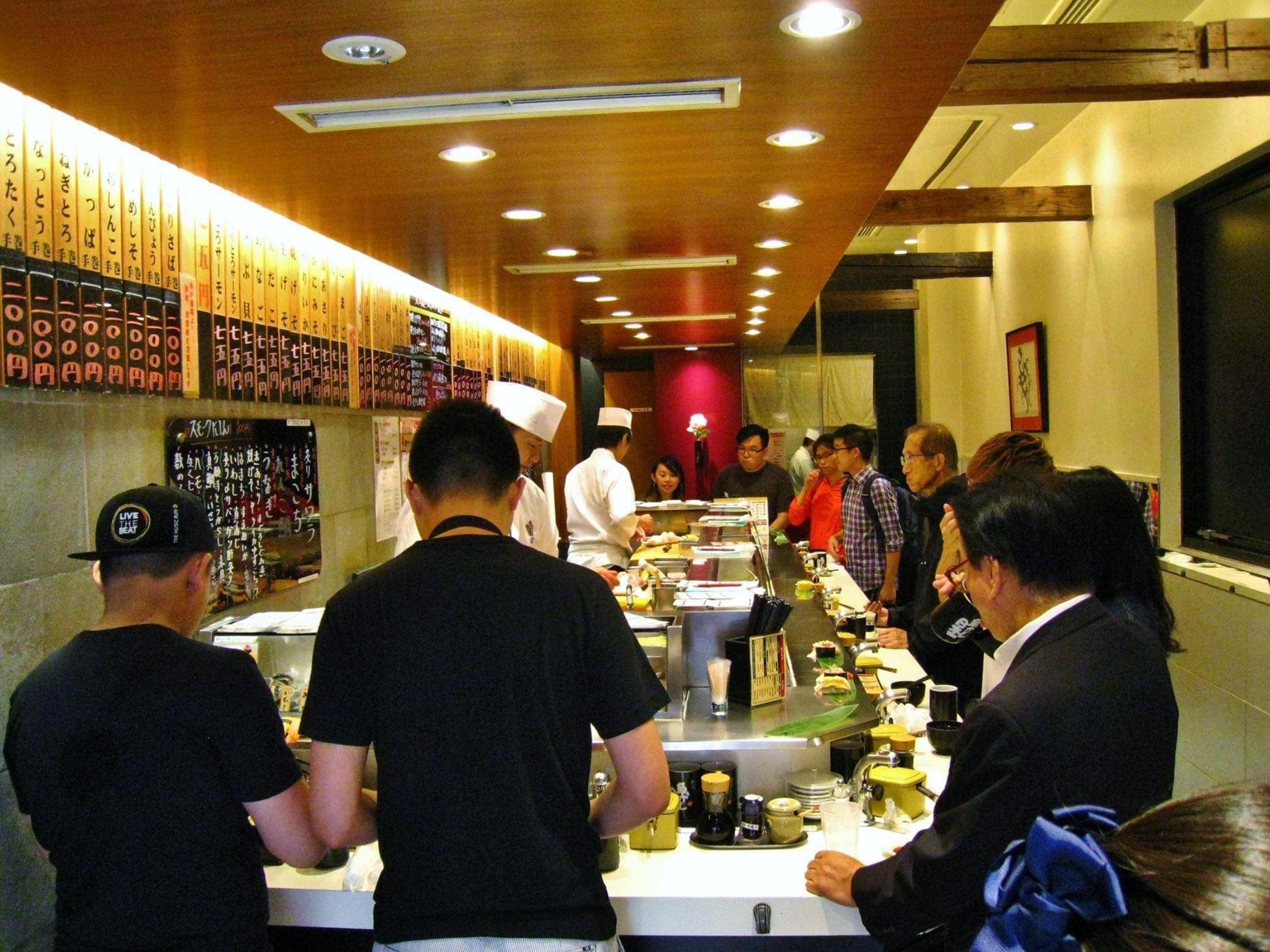
Bars in Hiroshima
All bars in Hiroshima →
Details
- Lively
- Cozy
- Casual
- Classic
- Solo
- After Work
- Casual Hangout
- Standalone
- Sake Program
- Beer Program
- Local Sourcing
- Sustainable Seafood
- Counter Dining
- A La Carte
- Sake
- Shochu
- Pescatarian Friendly
A casual, hidden-gem standing bar atmosphere with a lively, social energy centered on counter-style drinking and seafood-focused snacking.