
Tabelog 100 #50
Our verdict
Stand Loki puts Hiroshima’s tachinomi culture in a compact Shintenchi frame: counter-led, low-cost, adult-only, and selected for Tabelog 100 Tachinomi 2025. The appeal is not ceremony but compression, a standing-bar format where sourcing, turnover, and drink-friendly cooking matter more than extended tasting-menu choreography.

Pearl is the En Primeur Club membership app, where members save venues, book tables and use the concierge.
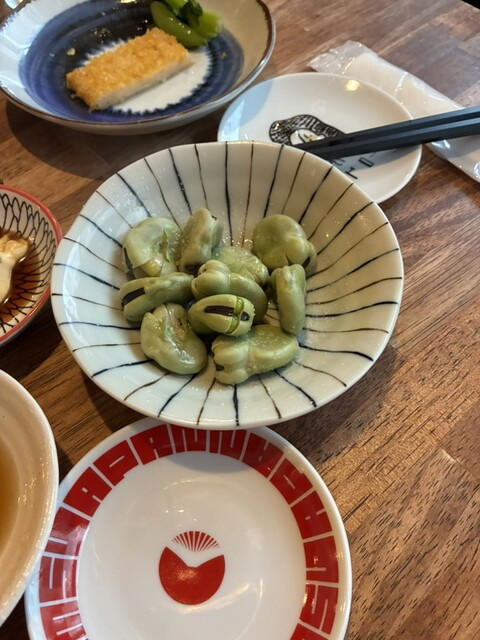
Hiroshima changes character quickly after dark: shopping streets give way to tighter drinking lanes, and the city’s eating rhythm becomes faster, louder, and more vertical. In that setting, tachinomi is not a novelty format. It is a practical urban habit built around short stays, direct ordering, and food calibrated for alcohol rather than for a long table sequence. Stand Loki belongs to that compact Hiroshima grammar, where the room, counter, and standing-bar pace all push the meal toward concentration.
Hiroshima is often reduced by outsiders to okonomiyaki, oysters, and postwar food memory, but its everyday drinking culture is broader than that shorthand. The city supports several tiers at once, from casual local staples to more polished counters, mid-range local dining, and specialist food shops such as Butter Cake no Nagasaki Do. A standing bar selected for Tabelog 100 Tachinomi 2025 sits in a different lane. It is judged less by luxury signals than by consistency, speed, drink compatibility, and the ability to make a limited footprint feel purposeful.
Hiroshima tachinomi works when sourcing stays close to the glass
The ingredient question at a tachinomi bar is rarely expressed through long menu descriptions. It shows up in the format itself. Standing bars need food that can be served quickly, eaten cleanly, and matched to repeated pours without turning heavy. In Hiroshima, that often means an implicit conversation with small-plate drinking culture, though no responsible reading should invent a house specialty where none is publicly named.
That restraint matters. The stronger editorial point is that sourcing in this category is judged through suitability rather than spectacle. A compact standing format has little room for decorative excess. Ingredients need to carry seasoning, texture, and temperature across a shorter visit, and the kitchen has to protect pace. Compared with long-form dining, tachinomi makes less noise about provenance, but the better examples live or fail by buying and preparation decisions that are visible in portion size, turnover, and the way food supports drinking rather than interrupts it.
Stand Loki’s recognition in the 2025 Tabelog 100 Tachinomi list gives the bar a useful trust signal within that category. Tabelog’s hyakumeiten selections are not Michelin-style fine-dining judgments; they are category-specific markers, and tachinomi is a category with its own standards. A score of 3.56 in Japan’s user-review ecosystem also reads differently from Western rating inflation: it places the venue inside a competitive local conversation rather than a luxury ranking.
A compact adult room, not a long-form dining performance
The standing-bar format creates a different social contract from Hiroshima’s reservation-led counters. It suits solo drinkers, pairs, and small groups who understand that the evening may be measured in rounds rather than courses. The rhythm is not that of a family-style meal or a place to stretch a business dinner into several hours; it is built for efficient drinking, direct interaction with the counter, and a controlled room that does not sprawl.
That makes the price band part of the cultural reading. At JPY 1,000 to JPY 1,999 for both dinner and lunch, Stand Loki sits near the everyday end of Hiroshima dining. Comparisons with names such as Shintenchi Micchan or Butter Cake no Nagasaki Do are useful only as a reminder that Hiroshima’s dining map includes many low-cost specialists, not as a claim of cuisine equivalence. Stand Loki’s lane is the disciplined standing bar.
For readers mapping a wider Hiroshima itinerary, the useful distinction is category, not prestige. Other Hiroshima dining rooms speak to more composed restaurant planning, while everyday shops and bars belong to different daily-use patterns. Stand-up drinking fills the gap between those modes: less formal than a booked dinner, more food-serious than a generic bar stop.
How to place it in a Hiroshima night
The strongest use case is as a focused early or mid-evening stop in Hiroshima, especially for travelers who want to understand how the city drinks when the point is not a full restaurant sitting. The room rewards flexibility, and the standing format favors people who can read the pace of a counter rather than arrive expecting a scripted meal. The experience remains firmly in the urban-drinking category.
There is a useful editorial caution here. Tachinomi is often misread by visitors as casual in the sense of disposable. In Japan, the category can be exacting precisely because it has fewer tools: a small room, a narrow time window, fast service, and ingredients that need to justify another drink. Stand Loki’s selection for a national tachinomi list makes sense in that frame. It is not trying to compete with luxury restaurants; it competes with other compact bars where repetition, sourcing discipline, and local confidence are the real measures.
For a broader city plan, use our full Hiroshima restaurants guide alongside our full Hiroshima bars guide. Travelers building a fuller trip can also cross-check our full Hiroshima hotels guide, our full Hiroshima wineries guide, and our full Hiroshima experiences guide. For contrast outside Hiroshima, the wider Japan and overseas index ranges across many other dining and drinking styles, from casual counters and specialist shops to bars and everyday food stops.
Frequently asked questions
What's Stand Loki's location?
Hiroshima.
What's the pricing like at Stand Loki?
Pricing at Stand Loki is listed as JPY 1,000 - JPY 1,999 JPY 1,000 - JPY 1,999.
Do I need a reservation for Stand Loki?
Stand Loki is a stand-up bar in Hiroshima, and it was selected for Tabelog 100 Tachinomi 2025.
What is Stand Loki known for?
Stand Loki is primarily known as a Hiroshima stand-up bar recognized in the Tabelog 100 Tachinomi 2025 list.
A Quick Peer Check
Comparable venues by cuisine and price in the same metro.
| Venue | Cuisine | Price | Awards | Notes |
|---|---|---|---|---|
| Stand LokiThis venue (the venue you are viewing) | Japanese Standing Bar | $10–20 | Tabelog 100 #50 | Not listed |
| Kanransha | Hiroshima-Style Okonomiyaki | $1–10 | Tabelog 100 #97 | Naka |
| Shintenchi Micchan | Hiroshima-style okonomiyaki | $10–20 | Tabelog 100 #41 | Naka |
| Denkou Sekka Ekie hiroshima ten | Hiroshima-style okonomiyaki & teppanyaki | $10–20 | Tabelog 100 #7 | Minami |
| Tatsu | Japanese restaurant | Not listed | Tabelog 100 #58 | Higashi |
| ハナワイン | Japanese Wine Bar | $30–50 | Not listed | Naka |
Recognition history
Dated appearances from independent guides and award organizations, with the underlying list record or original source where available.
Tabelog 100 #50 · No. 50
Tabelog · Tabelog 100 - Tachinomi - 2025
Continue exploring
More in Hiroshima
Restaurants in Hiroshima
All restaurants in Hiroshima →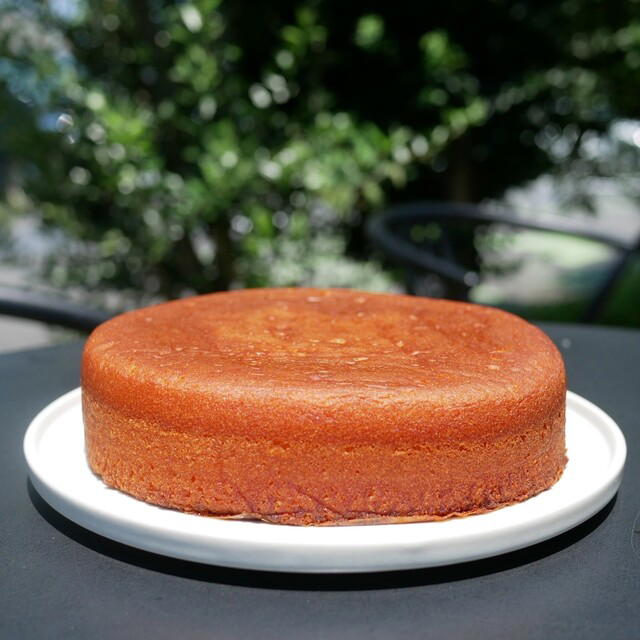
Bars in Hiroshima
All bars in Hiroshima →
Details
- Casual
- Lively
- Trendy
- Solo
- Casual Hangout
- After Work
- Standalone
- Sake Program
- Beer Program
- Counter Dining
- A La Carte
- Sake
- Beer
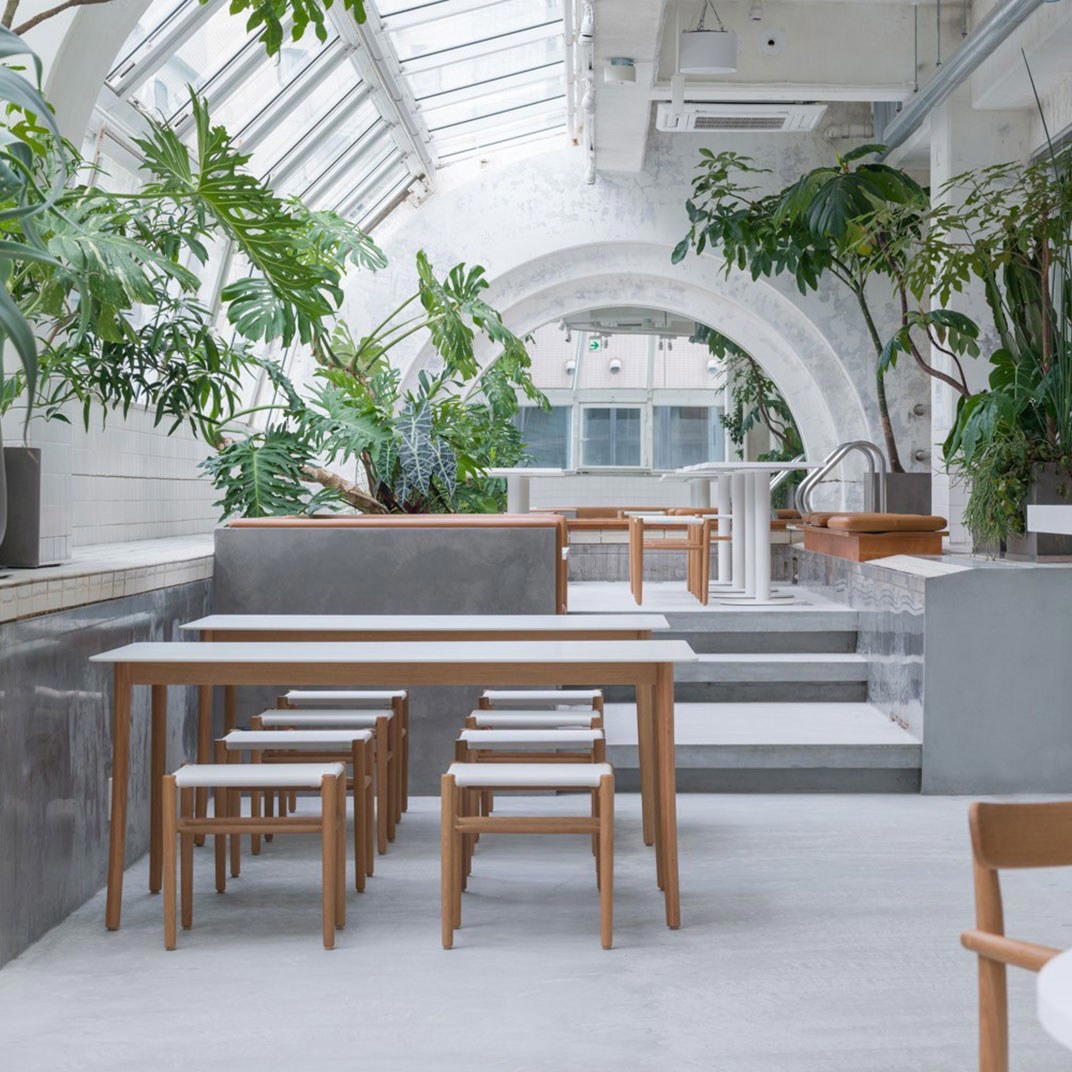
Casual and energetic standing-bar atmosphere with counter seating, suited to quick drinks and solo visits rather than long sit-down meals.