Sonoritas - DTLA
Our verdict
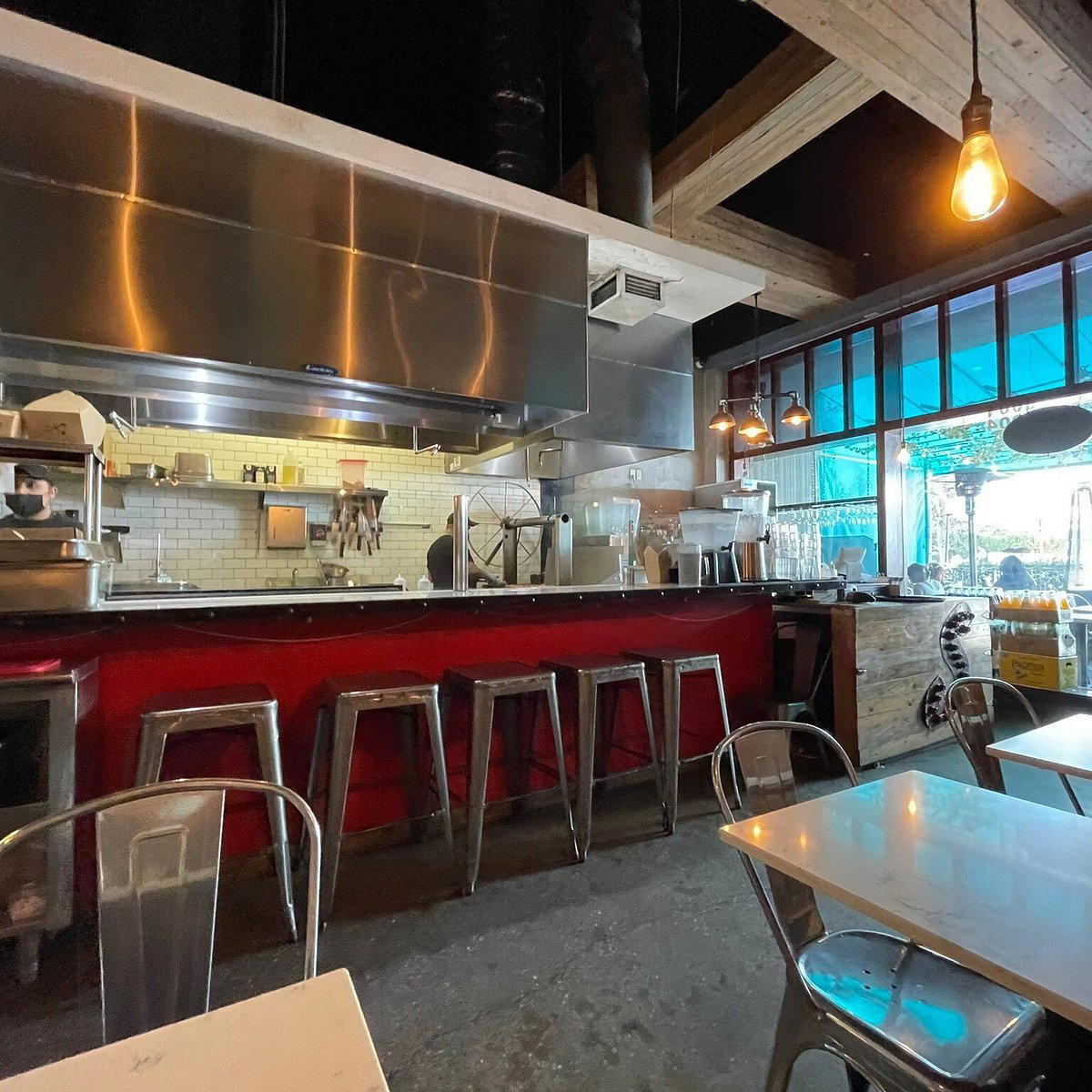
Sonoritas - DTLA occupies a fifth-floor address on Flower Street in South Park, sitting inside a downtown Los Angeles dining corridor that has grown more ambitious with each passing year.

Pearl is the En Primeur Club membership app, where members save venues, book tables and use the concierge.
The menu
What to order
- Sonoran-style asada tacos
- Filet mignon tacos
- Flour tortilla burritos
South Park, Flower Street, and the New DTLA Dining Corridor
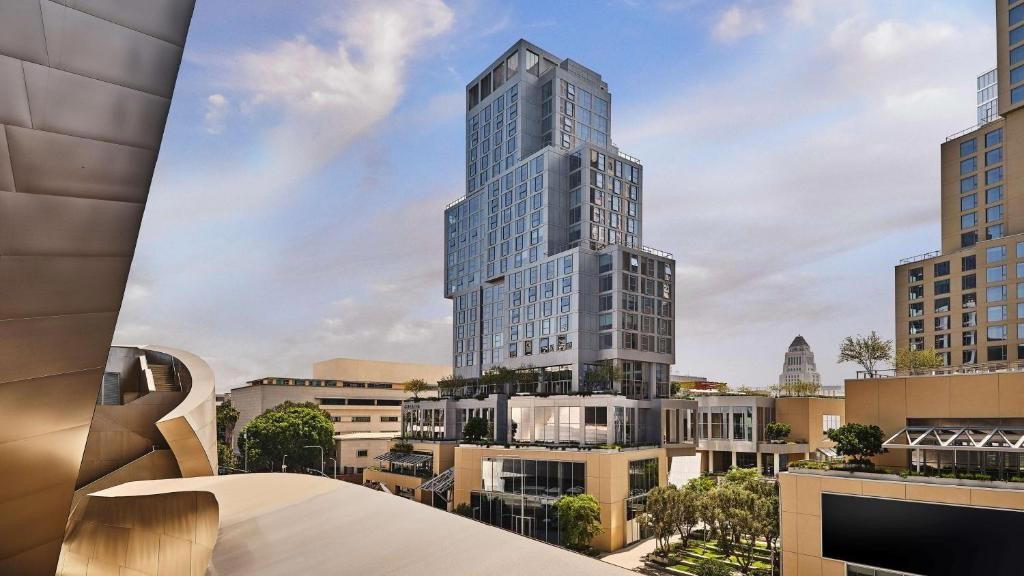
Downtown Los Angeles has reorganised itself more than once in the past decade, and the stretch around South Park is among the clearest evidence of that shift. The blocks surrounding Flower Street now sit at the intersection of residential density and restaurant ambition, drawing a crowd that is less tourist-facing and more neighbourhood-rooted than the older Financial District clusters to the north. Sonoritas occupies suite 501 at 1050 Flower Street, a fifth-floor position that already signals a certain deliberateness: you do not arrive here by accident, and the venue does not depend on foot-traffic opportunism to fill its seats.
That self-selecting dynamic has become a marker of a specific tier of DTLA dining. Where the ground-floor restaurant on a busy block competes on visibility, the upper-floor address competes on word of mouth, repeat visitation, and the kind of loyalty that survives a difficult elevator ride. In a city where the dining conversation has been dominated by the Westside for decades, venues in this corridor are making the case that DTLA can hold its own as a destination rather than a detour. For context on how the wider city stacks up, our full Los Angeles restaurants guide maps the neighbourhoods and the tiers.
Sustainability as Operating Principle, Not Marketing Posture
Across American fine and near-fine dining, sustainability rhetoric has split into two camps: venues that treat ethical sourcing as a talking point embedded in their press materials, and those that have structured their supply chains, waste systems, and menu architecture around it as an operational commitment. The distinction is rarely visible on the plate in a single visit, but it shows up in sourcing partnerships, in how seasonal shifts are handled, and in whether the kitchen has the discipline to let ingredient availability dictate the menu rather than the reverse.
The DTLA location creates specific conditions for this kind of approach. Urban kitchens in dense cores face particular logistics around waste, receiving, and supplier access. The Southern California growing region is among the most diverse in the country, with year-round production from the Central Valley, coastal farms in Ventura and Santa Barbara counties, and an expanding network of smaller producers supplying directly to restaurant accounts rather than through broadline distributors. A kitchen committed to ethical sourcing in this geography has access to exceptional raw material, but only if it has built the relationships and menu flexibility to use it consistently.
Venues that have made this commitment visible and verifiable tend to draw comparisons across a wide geographic range. Blue Hill at Stone Barns in Tarrytown is the benchmark reference point for farm-to-table as structural philosophy rather than menu decoration. On the West Coast, Single Thread Farm in Healdsburg integrates its own agricultural operation into the dining program in a way that removes the sourcing intermediary almost entirely. These are the standards against which any serious sustainability claim is measured, and they are not easily matched without equivalent operational commitment.
Placing Sonoritas in the DTLA Competitive Set
The DTLA dining tier that Sonoritas sits adjacent to includes venues with sharply different identities but shared ambitions around seriousness and specificity. Kato, with its New Taiwanese tasting menu format and consistent critical recognition, has established that downtown Los Angeles can support a counter-service fine dining model built around a singular culinary identity. Hayato, operating in a kaiseki tradition with sourcing that extends to Japan, has demonstrated that ingredient provenance can function as a primary differentiator rather than a secondary marketing note.
Further afield in the Los Angeles dining ecology, Providence has held its position as the city's most credentialed seafood-focused tasting menu, while Somni and Osteria Mozza represent distinct registers of ambition, one experimental and one deeply traditional. The city's dining spread is wide enough that a new entrant has room to carve a position, but specific enough that the position needs to be coherent to gain traction with the audience that follows these decisions closely.
Nationally, the conversation around sustainability-forward dining has produced a set of reference points that frame how serious operators are evaluated. Lazy Bear in San Francisco and Addison in San Diego both engage with California's agricultural identity in different registers. Alinea in Chicago and Le Bernardin in New York City represent the technical and sourcing standards that define what serious American fine dining looks like at its highest verification tier. Emeril's in New Orleans, Atomix in New York City, The Inn at Little Washington, and Bacchanalia in Atlanta extend the map of venues where sourcing ethics have been institutionalised over time. 8 1/2 Otto e Mezzo Bombana in Hong Kong adds an international frame to what ingredient-driven commitment looks like across different supply environments.
What the Address Tells You
Suite 501 on Flower Street sits in a building type common to South Park: mixed-use, vertical, built for a neighbourhood that lives and works in close proximity. The physical environment arriving at an upper-floor restaurant in DTLA carries a different energy than a ground-level dining room. There is a moment of transition, a small act of commitment from the diner, that tends to filter out the casual and reinforce the intentional. It is a dynamic that several of the city's more focused operators have used to their advantage, creating a sense of occasion without the formality signals of a traditional fine dining address.
For visitors approaching from outside the immediate neighbourhood, South Park sits within reach of the Metro Blue and Expo Lines, with the Pico station a walkable distance along Flower Street. Parking in the area follows standard downtown Los Angeles pricing and availability patterns, with the weekend evening window generally more forgiving than weekday dinner service in adjacent blocks.
Planning Your Visit
The South Park address at 1050 Flower St, Suite 501, Los Angeles, CA 90015 is the confirmed location. Visitors planning a broader DTLA dining evening should note that the neighbourhood's restaurant concentration makes it viable to pair a visit here with exploration of the wider South Park and Arts District corridor, where the range of formats and price points is now substantial enough to support a full evening without crossing into adjacent neighbourhoods.
Quick reference: 1050 Flower St #501, Los Angeles, CA 90015. Nearest transit: Metro Pico station (A/E Lines).
Frequently asked questions
What should I order at Sonoritas - DTLA?
Given the DTLA context, kitchens in this neighbourhood tier have increasingly moved toward focused menus that change with ingredient availability, so what is on offer at the time of your reservation will likely reflect current sourcing decisions rather than a fixed long-term menu. Checking directly with the restaurant before visiting will give you the clearest picture of what the kitchen is currently centring.
How hard is it to get a table at Sonoritas - DTLA?
Venues at this address and in this neighbourhood tier can range from walk-in accessible to weeks-out reservation windows depending on format and seat count. Los Angeles dining demand for focused, upper-floor concepts has increased consistently over the past several years, so direct inquiry with the venue will give the most accurate current lead time. Planning around weekday service, where available, tends to offer more flexibility than peak weekend evenings in most DTLA contexts.
What's the defining dish or idea at Sonoritas - DTLA?
Specific signature preparations for Sonoritas are not in the public record at a level that allows confident description. What the venue's DTLA positioning and address tier suggest is a kitchen operating with intentionality around its format, whether that centres on a particular culinary tradition, a sourcing philosophy, or a specific menu structure. The defining idea is more likely to become clear through the meal itself than through pre-visit research, which is increasingly the case for venues in this part of the city that have built their reputation on experience over publicity.
Does Sonoritas - DTLA reflect the broader Southern California emphasis on local and seasonal sourcing?
Southern California's agricultural network, spanning the Central Valley, coastal Ventura and Santa Barbara producers, and a growing direct-to-restaurant supply chain, gives urban Los Angeles kitchens access to exceptional seasonal produce year-round. Venues operating in the DTLA tier that commit to this sourcing model tend to signal it through menu flexibility and seasonal rotation rather than static descriptions. For the most current picture of how Sonoritas engages with this ingredient geography, the venue is the primary source; the Southern California context means that a kitchen choosing to work with local producers has a strong and diverse supply base to draw from.
Price Lens
Comparable venues nearby, for context on price, style, and recognition.
| Venue | Cuisine | Price | Awards | Notes |
|---|---|---|---|---|
| Sonoritas - DTLAThis venue (the venue you are viewing) | Sonoran-Style Taqueria | $20–30 | Not listed | Not listed |
| LA Cha Cha Cha | Arts District, Modern Mexican Rooftop | Not listed | Not listed | Not listed |
| MXO by Wes Avila | Modern Mexican Wood-Fired Steakhouse | Not listed | Not listed | Beverly Grove, Modern Mexican Wood-Fired Steakhouse |
| Evil Cooks | Heavy Metal Mexican Fusion Taqueria | $20–30 | James Beard Award Semi Finalist · LA Taco Best Tacos in LA #8 | El Sereno, Heavy Metal Mexican Fusion Taqueria |
| SOL Mexican Cocina | Coastal Baja Mexican | $30–50 | Not listed | Playa Vista, Coastal Baja Mexican |
| The Cliffdiver Santa Monica | Coastal Mexican Seafood | Not listed | Not listed | Sawtelle, Coastal Mexican Seafood |
Continue exploring
More in Los Angeles
Restaurants in Los Angeles
All restaurants in Los Angeles →
Bars in Los Angeles
All bars in Los Angeles →
Hotels in Los Angeles
All hotels in Los Angeles →

Wineries in Los Angeles
All wineries in Los Angeles →

Details
- Trendy
- Modern
- Casual Hangout
- Group Dining
- Open Kitchen
- Craft Cocktails
- Local Sourcing
- Organic
- A La Carte
- Small Plates
- Craft Cocktails
- Vegetarian Friendly
Current opening hours
- Monday
- Closed
- Tuesday
- 11:30 AM–7:30 PM
- Wednesday
- 11:30 AM–7:30 PM
- Thursday
- 11:30 AM–7:30 PM
- Friday
- 12–8:30 PM
- Saturday
- 12–8:30 PM
- Sunday
- 12–6 PM
Hours can change for holidays and private events. Hours as of .
Bright and casual atmosphere with a focus on fresh, flavorful Mexican dishes.