Sonne

Michelin Plate
Our verdict
Seven generations of the Rombach family have shaped Sonne into one of Kirchzarten's most grounded dining addresses, anchoring the village's main street with wood-panelled rooms and a kitchen that draws on regional Black Forest produce. The cooking moves comfortably between traditional and contemporary registers, and the attached hotel adds a practical reason to stay overnight in the Dreisamtal valley.

Pearl is the En Primeur Club membership app, where members save venues, book tables and use the concierge.
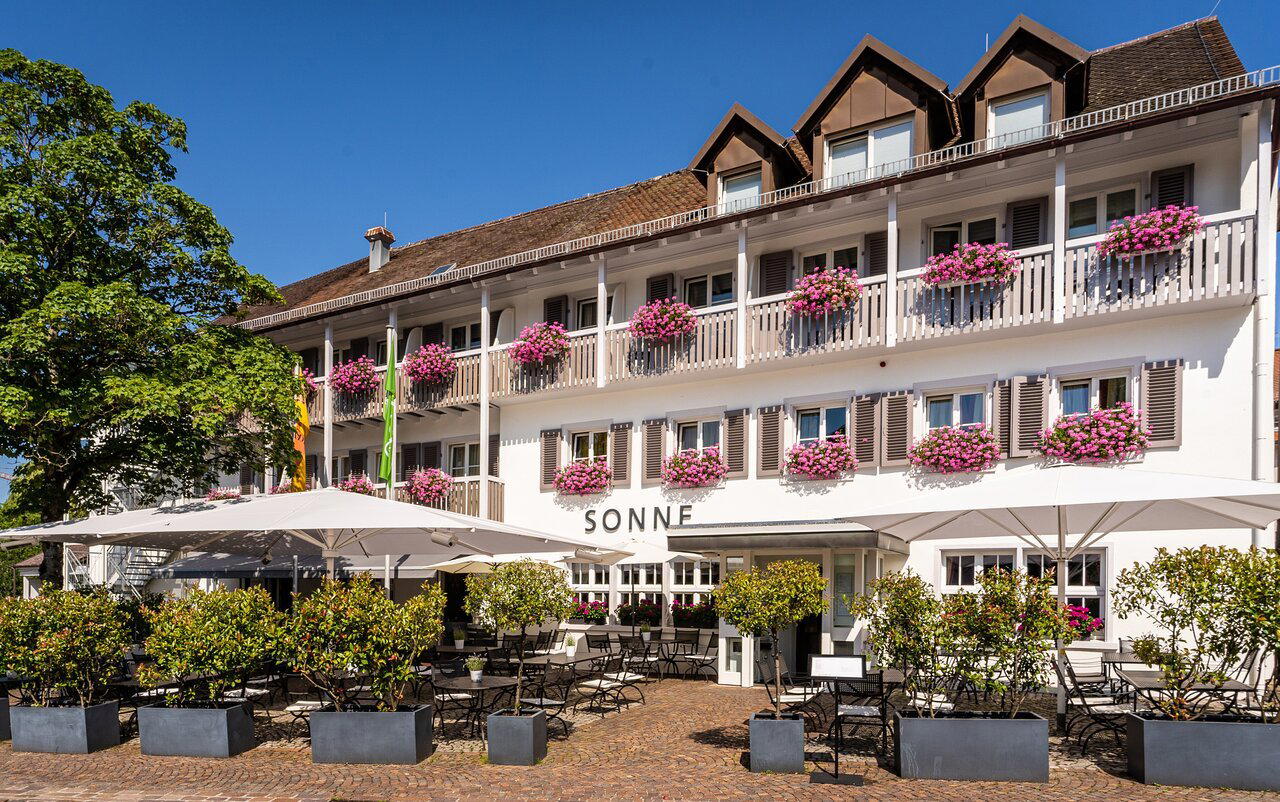
Wood, Time, and the Dreisamtal Table
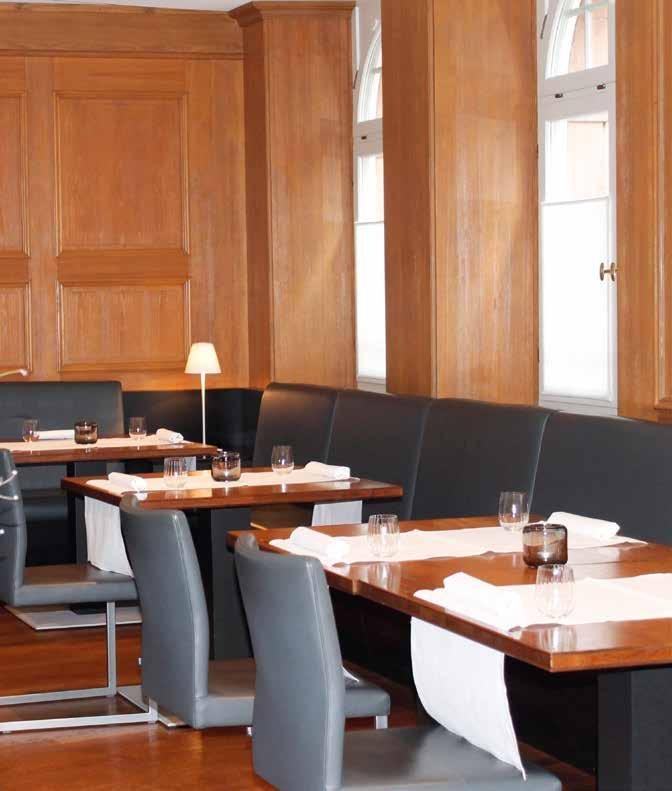
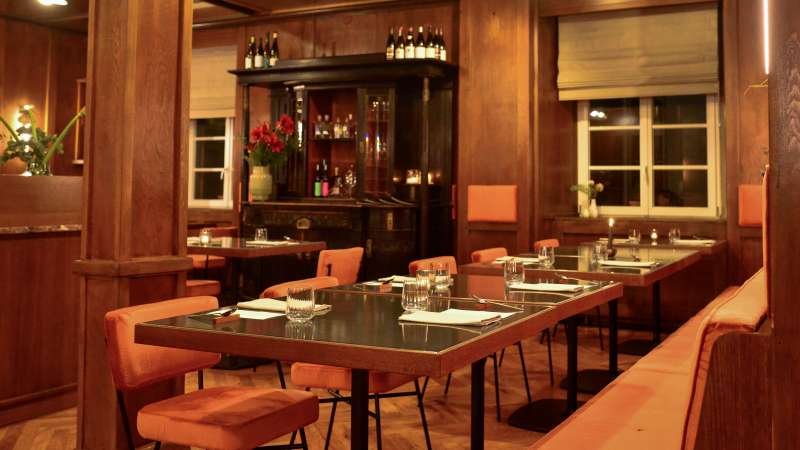
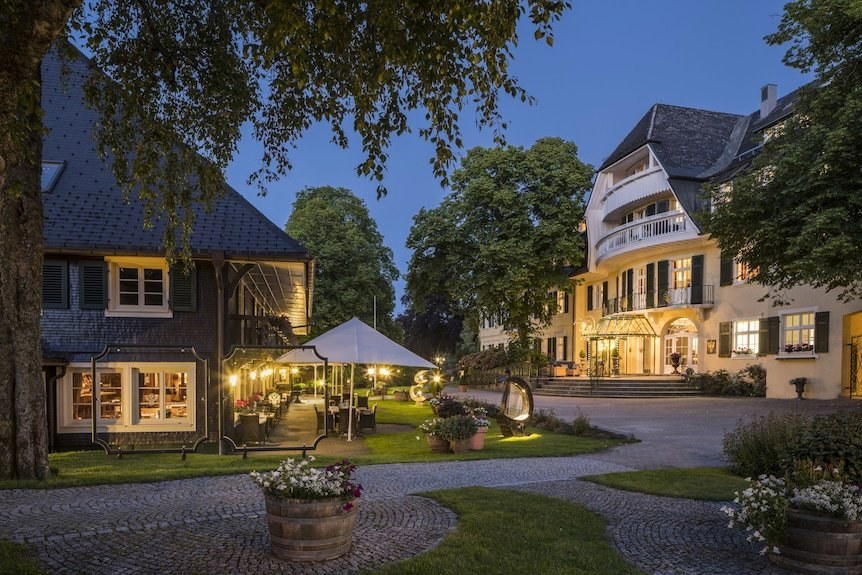
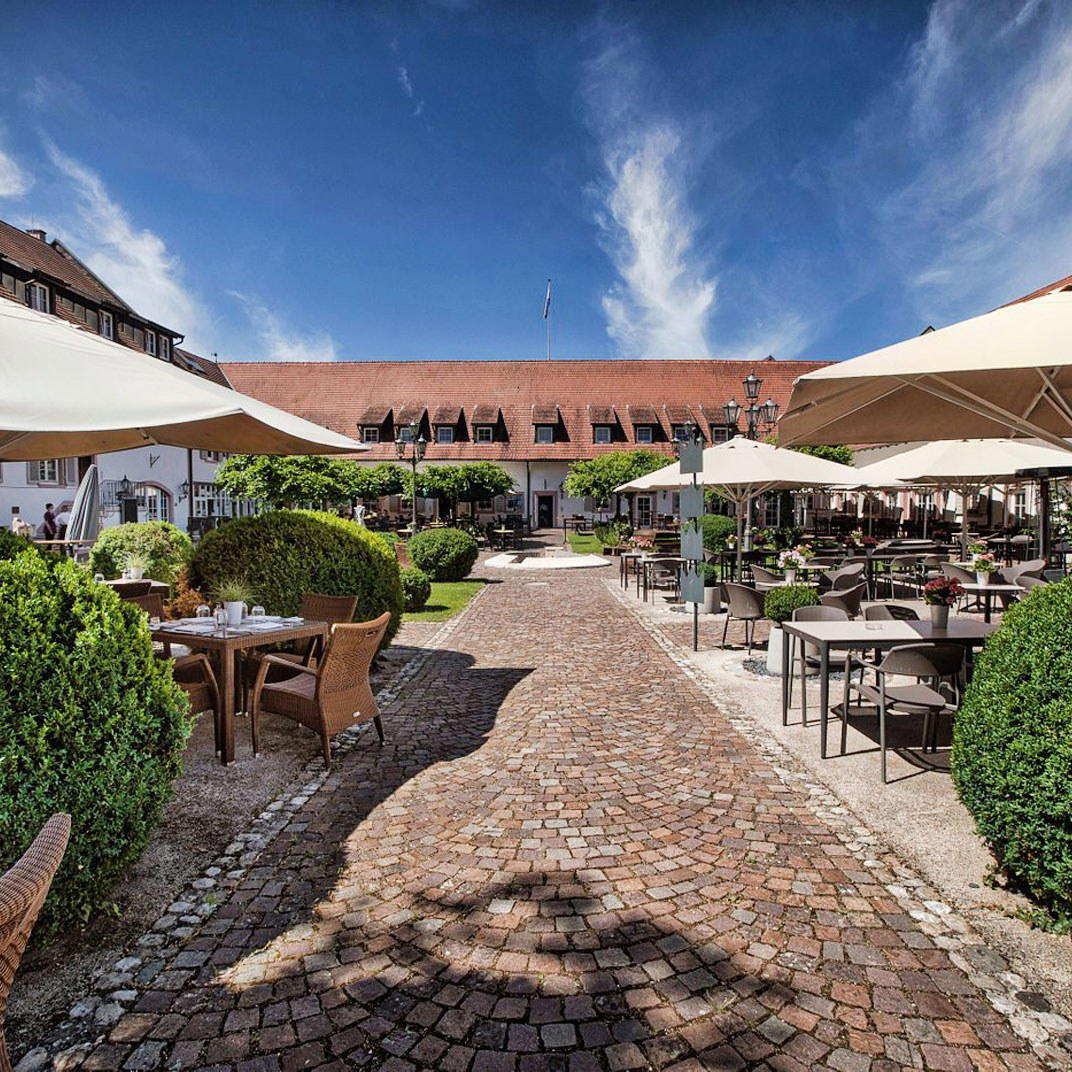
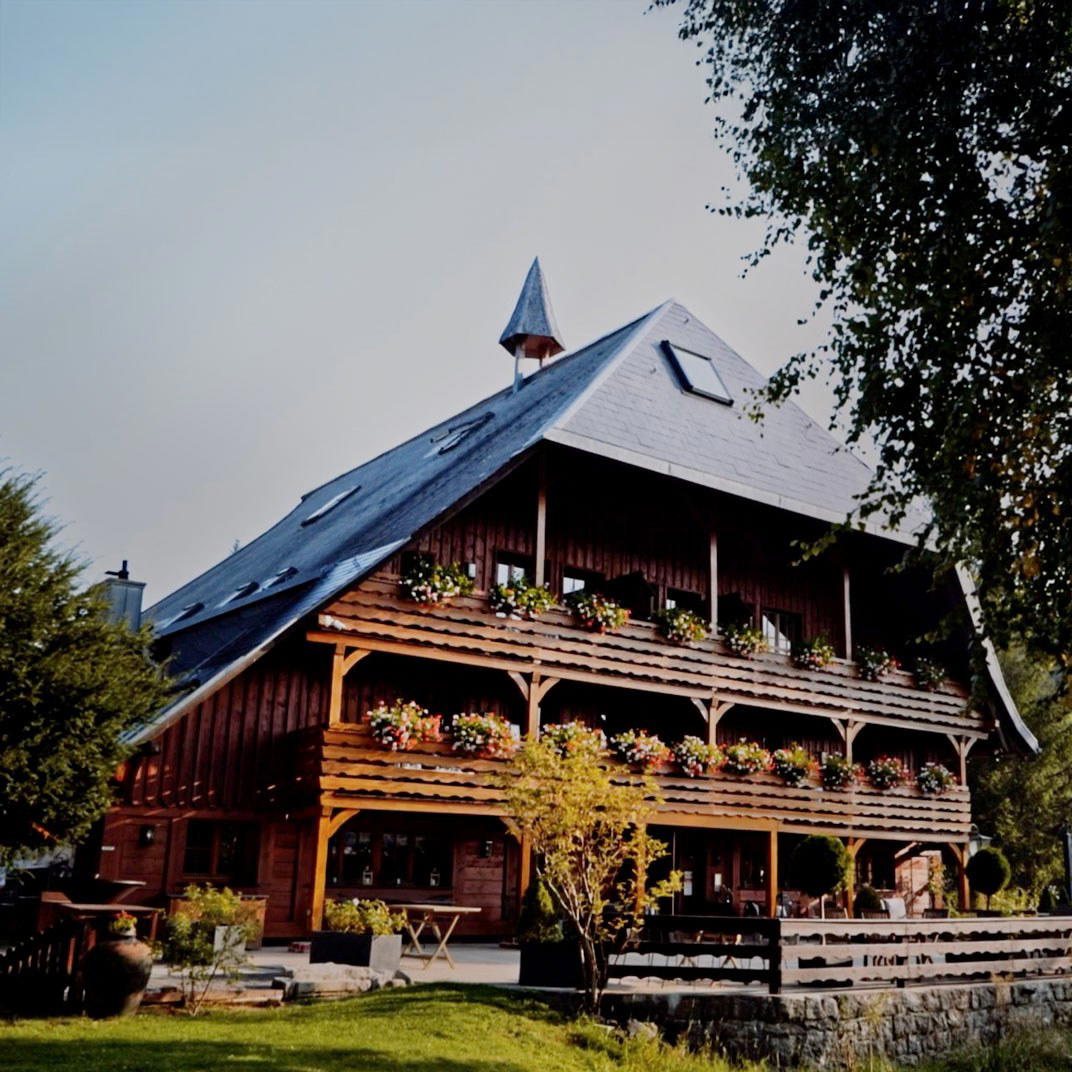
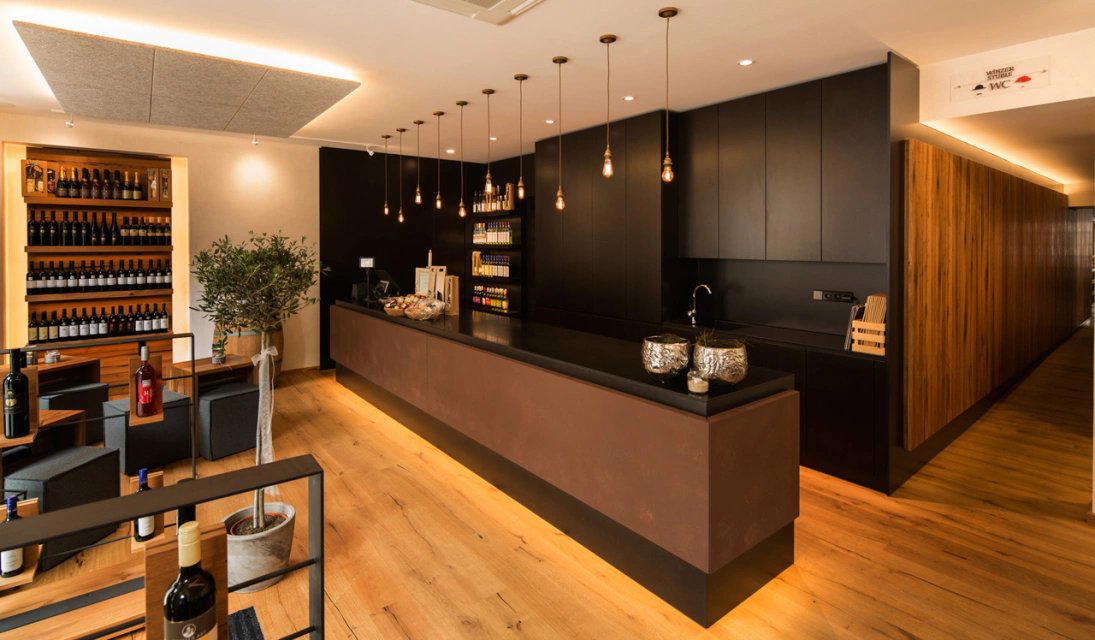
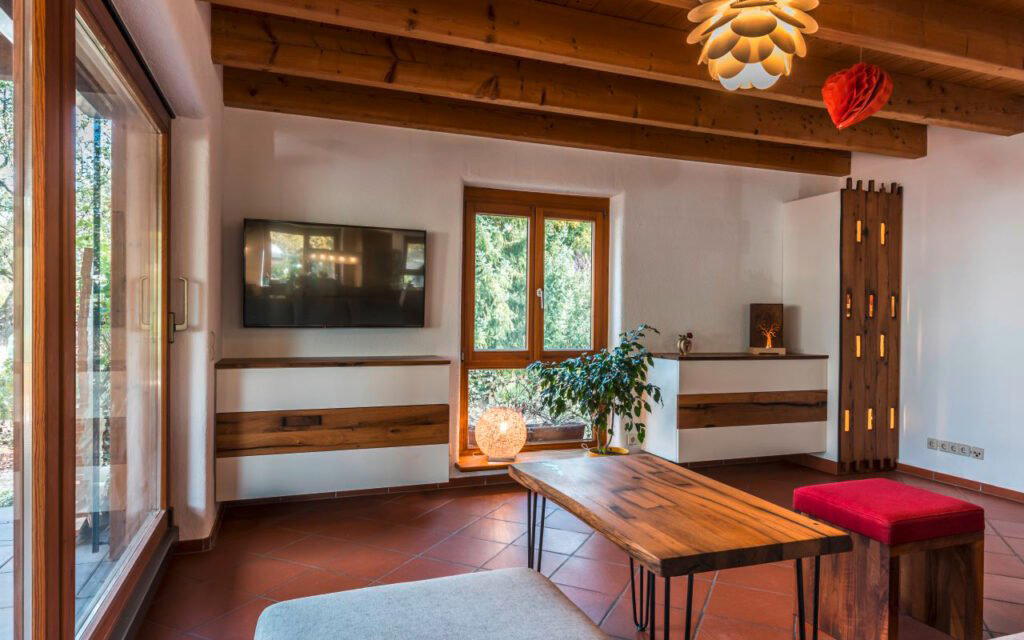
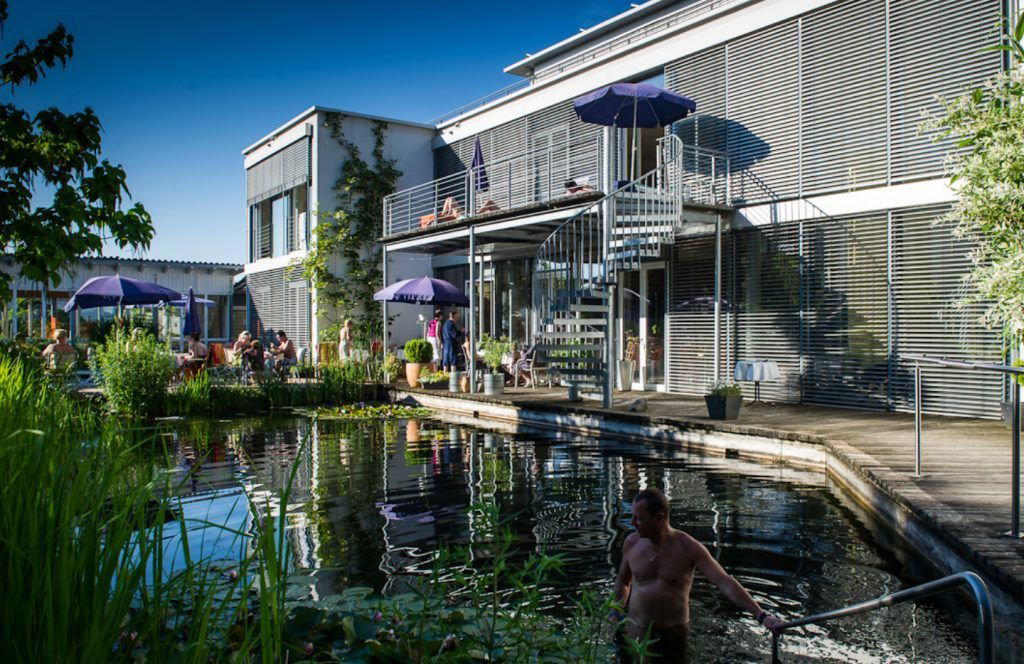
Arrive at Hauptstraße 28 on a clear afternoon and the terrace sets the register before you've ordered anything: wooden furniture, the particular quiet of a small Black Forest village, and a building that carries visible age without performing it. Inside, wood panelling and exposed floorboards absorb light rather than reflect it, producing a warmth that no recently designed hospitality space can convincingly replicate. This is what seven continuous generations in the same building looks like, accumulated rather than curated.
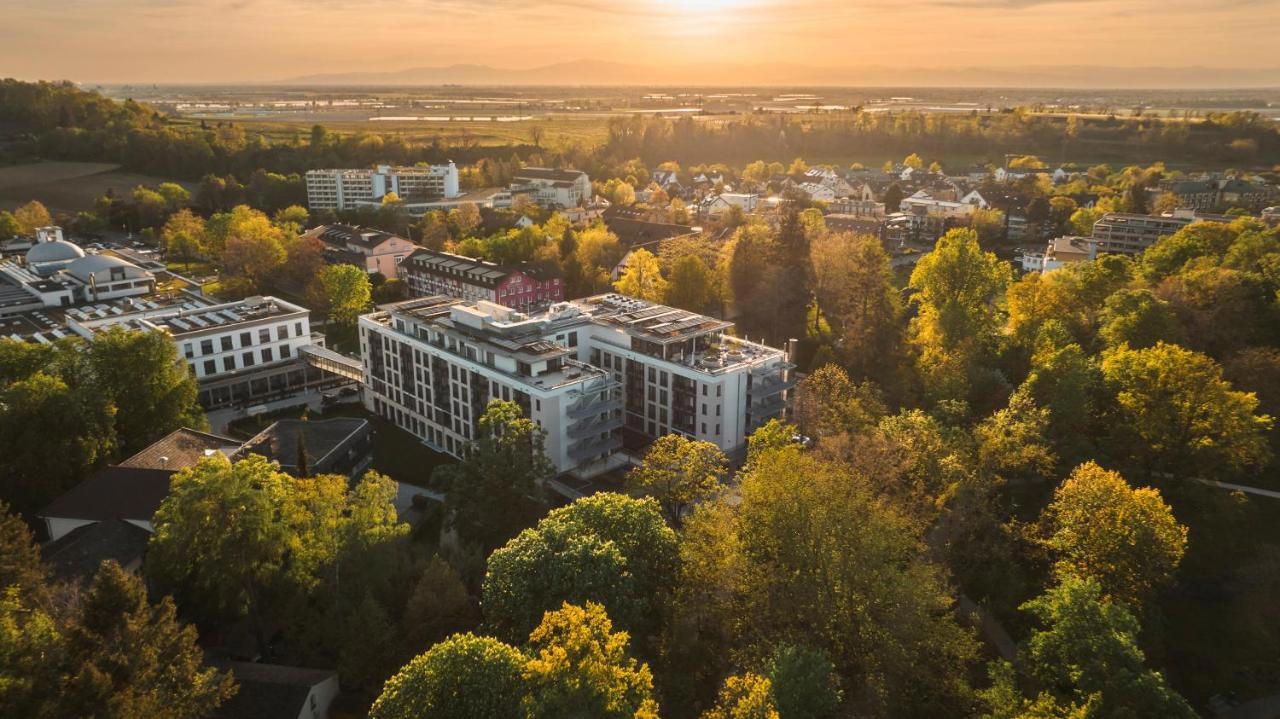
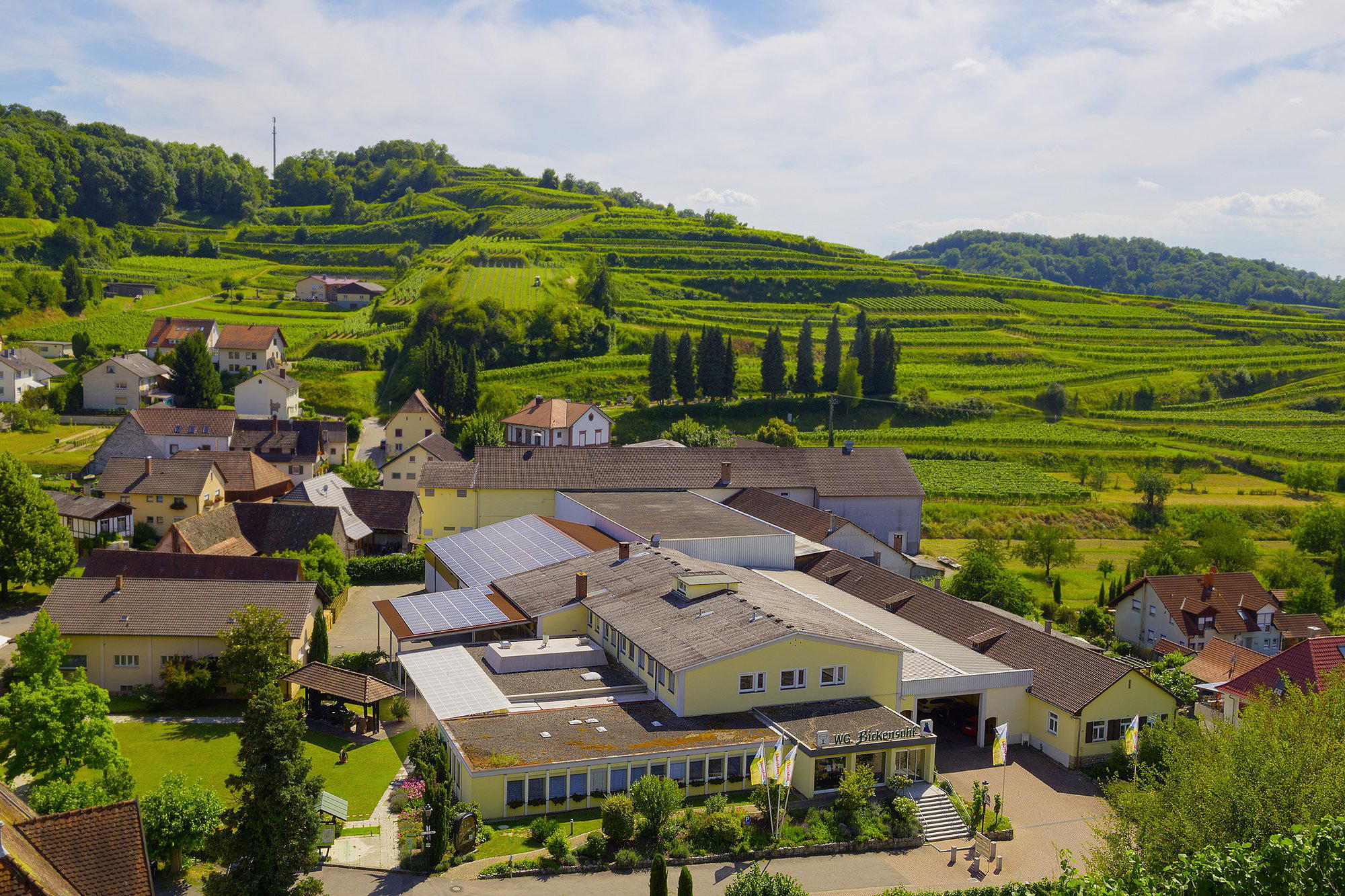
Kirchzarten sits in the Dreisamtal valley, roughly ten kilometres east of Freiburg im Breisgau, in a region where farming, forestry, and cooking have been in close conversation for centuries. The village isn't a tourist destination in the conventional sense; it functions as a residential community with deep agricultural roots, which means the restaurants that endure here do so by serving the actual population, not a passing audience. That context matters when reading Sonne's menu philosophy.
Where the Ingredients Come From, and Why That Matters
The Black Forest's culinary identity rests on a specific geography: high pastures, cold clear streams, dense forest, and a microclimate that extends growing seasons in the valleys while keeping the upland air sharp enough for curing and aging. Restaurants operating at the serious end of regional German cooking, from Schwarzwaldstube in Baiersbronn at one extreme of formality to neighbourhood Gasthäuser at the other, share a common reliance on sourcing that is geographically compressed. The distance between field and kitchen is not a marketing claim here; it is a practical reality enforced by supply chains that were always short.
Sonne's kitchen operates inside that tradition. The focus on regional produce is not a recent rebranding; it reflects the sourcing logic that family-run establishments in this part of Baden have maintained across multiple generations. What has shifted, over time, is the cooking's willingness to apply contemporary technique alongside classical preparation. That mix, traditional and modern ideas applied to a consistent local larder, places Sonne in a category distinct from both the nostalgia-driven Gasthaus and the ingredient-forward fine dining houses further afield. Consider the contrast with Aqua in Wolfsburg or Vendôme in Bergisch Gladbach, where creative menus operate at a remove from regional anchoring; Sonne's proposition is precisely the opposite, local identity as the constant, technique as the variable.
Germany's most decorated kitchens, JAN in Munich, Restaurant Haerlin in Hamburg, Victor's Fine Dining by Christian Bau in Perl, operate in the high-formality tier where sourcing stories become part of the tasting menu narrative. Sonne occupies different ground: the sourcing is equally serious, but it arrives without ceremony, embedded in dishes rather than announced.
The Atmosphere in Practice
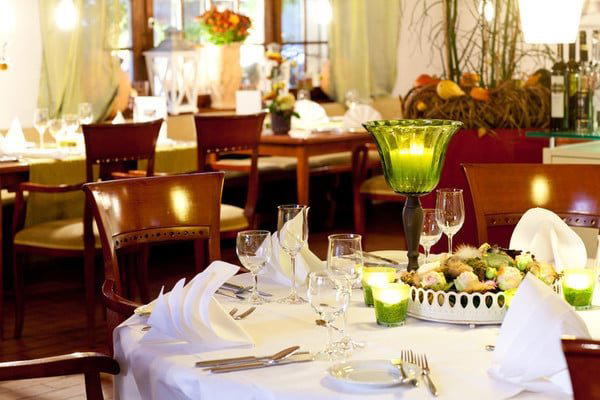
German Gaststätten with genuine multigenerational history tend to develop an atmosphere that resists easy description. It is neither the enforced cosiness of alpine tourism nor the deliberate minimalism of contemporary restaurant design. At Sonne, the wood-panelled rooms carry the kind of density that comes from use, from tables that have seated the same families across different decades. The terrace, described as beautiful in the venue's own recognition, extends the dining space during warmer months and offers the particular pleasure of eating outdoors in a valley that retains the light well into summer evenings.
This is not a stage-managed environment. The rooms work because the physical fabric is genuinely old, and because the Rombach family's seven generations of stewardship have maintained coherence without freezing the place in amber. For a comparison within the broader German dining scene, the balance is closer to an established Wirtshaus with serious cooking than to the controlled theatrical environments of CODA Dessert Dining in Berlin or ES:SENZ in Grassau.
The Hotel and Staying Overnight
The attached hotel operates under the same name and family management, with guestrooms described as appealing and comfortable. For visitors arriving from Freiburg or further afield, the overnight option changes the logic of the visit: the Dreisamtal valley rewards slower engagement, and staying at Sonne allows for an early morning in Kirchzarten before the day-trip traffic arrives. For those planning a broader stay in the area, our full Kirchzarten hotels guide covers the available options across price points.
The combination of restaurant and hotel under family management over multiple generations is not unusual in rural Baden, but it is increasingly rare in a competitive market that has pushed many similar properties toward consolidation or repositioning. Sonne's continued independence is part of what makes the address function the way it does.
Kirchzarten's Wider Scene
Kirchzarten is not a restaurant destination in the way that Baiersbronn or Freiburg's old town attracts dedicated dining visitors. It is a village with a coherent culinary identity rooted in its agricultural surroundings rather than its visitor economy. That shapes what the leading addresses here do well. For a fuller picture of where to eat in the area, our full Kirchzarten restaurants guide maps the options, and Schlegelhof, with its classic cuisine focus, sits as the immediate peer reference on the local scene. Those planning time across the region will find further context in our bars guide, our wineries guide, and our experiences guide for Kirchzarten.
For those drawing comparisons to other family-legacy restaurants internationally, the model has analogues in places as different as Waldhotel Sonnora in Dreis or Schanz in Piesport within Germany, and further afield at addresses like Le Bernardin in New York City or Emeril's in New Orleans, where institutional continuity shapes the experience as much as any single menu decision.
Planning Your Visit
Sonne sits on Kirchzarten's Hauptstraße, the village's main street, making it direct to locate on foot from the local train station, which connects to Freiburg on the Höllentalbahn line. The combination of restaurant and hotel means both day visits and overnight stays are practical, with the terrace making the warmer months particularly worthwhile. Given the family-run scale, booking ahead for dinner is sensible, especially during summer weekends when the valley draws visitors from Freiburg. Current hours and reservation contacts are best confirmed directly with the property.
Frequently asked questions
Does Sonne work for a family meal?
Seven generations of family ownership shape the tone at Hauptstraße 28: the rooms are warm, unpretentious, and built around wood panelling and exposed floorboards rather than formal service rituals. Kirchzarten's village character reinforces that ease. Mixed-age groups, including children, fit the atmosphere without adjustment.
What should I expect atmosphere-wise at Sonne?
The dining rooms carry original wood panelling and exposed floorboards accumulated across a building in continuous family operation since at least the seventh generation. It reads as lived-in rather than designed, closer to a genuine Gaststätte than a restaurant that has been restored to look like one. On clear days, the terrace extends the experience outdoors.
Has Sonne won any awards?
Sonne has received recognition including: The Rombach family (the business is in its seventh generation!) offer a cosy atmosphere in pretty rooms with wood panelling and exposed floorboards. The food is really good – a mix of traditional and modern ideas; the focus is on regional p….
What's the best thing to order at Sonne?
The kitchen works a mix of traditional and modern ideas anchored to regional Black Forest produce, so dishes rooted in that local geography reflect what the Rombach family has consistently prioritised. Specific menu details change seasonally and are not published here, so arriving with an openness to the daily offering is the practical approach.
Where is Sonne located?
Sonne is located at Hauptstraße 28, Kirchzarten.
Can I walk in to Sonne?
Sonne sits on Kirchzarten's Hauptstraße, the village's main street, within walking distance of the local train station. As a well-regarded family restaurant with a terrace and an attached hotel, it draws both local regulars and visitors passing through the Dreisamtal. Booking ahead for evening meals reduces the risk of a full house, particularly on weekends.
Side-by-Side Snapshot
Comparable venues nearby, for context on price, style, and recognition.
| Venue | Cuisine | Price | Awards | Notes |
|---|---|---|---|---|
| SonneThis venue (the venue you are viewing) | Modern German Black Forest | Not listed | Michelin Plate | Not listed |
| Schlegelhof | Classic German Farm-to-Table | Not listed | Michelin Plate | Kirchzarten |
| Zur Krone | Regional German | Not listed | Michelin Plate | Gottenheim |
| Wirtshaus zur Sonne | Traditional German Country Cooking | $30–50 | Michelin Plate | Glottertal |
| Landgasthof Hirschen | Seasonal German Cuisine with Regional Products | $30–50 | Michelin Plate | Hüfingen |
| Krone | Modern German Country Cooking | Not listed | Michelin Plate | Inzlingen |
Recognition history
Dated appearances from independent guides and award organizations, with the underlying list record or original source where available.
Michelin Plate
Michelin · 2026 Michelin Plate
Continue exploring
More in Kirchzarten
Restaurants in Kirchzarten
All restaurants in Kirchzarten →
Bars in Kirchzarten
Browse all →
Hotels in Kirchzarten
Browse all →

Details
- Cozy
- Classic
- Elegant
- Family
- Date Night
- Business Dinner
- Terrace
- Hotel Restaurant
- Extensive Wine List
- Local Sourcing
- Mountain
- A La Carte
- Family Style
- Vegetarian Friendly
- Vegan Options
Cosy atmosphere in pretty rooms with wood panelling and exposed floorboards, described as elegant, cozy, and tastefully traditional.