


Michelin Plate · SCMP 100 Top Tables Restaurants
Our verdict
Sol on Lyndhurst Terrace reimagines Korean classics through a modern Western set-menu format, opening with banchan-inspired amuse-bouches and building toward courses that include Jeju abalone seasoned with two varieties of Korean seaweed. Each dish arrives with a card explaining its cultural roots, turning the progression into a study of Korean culinary tradition as much as a meal. The kitchen's name, Latin for "sun", signals the energy that drives its cross-cultural approach.

Pearl is the En Primeur Club membership app, where members save venues, book tables and use the concierge.
The menu
What to order
- Maesaengi (Jeju Island abalone with seaweed)
- Gyeran-jjim (Korean steamed egg)
- Saewoo Jang (soy-marinated raw shrimp)
Where Korean Tradition Meets the Central Dining Scene
Central has long been Hong Kong's most competitive dining district, the neighbourhood where French grand dining rooms like Caprice sit alongside Japan-inflected innovation at Ta Vie, and where the cuisine category you occupy matters less than how convincingly you occupy it. On the fifth floor of 8 Lyndhurst Terrace, Sol works within that pressure-tested context by doing something the broader Central roster does not do often: taking Korean culinary heritage seriously as a fine-dining framework rather than as a flavour accent or a novelty premise.
Korean cuisine's arrival at the tasting-menu format is a relatively recent development in the global dining conversation. For decades, the international positioning of Korean food focused on its communal, table-grill traditions, the shared banchan spread, the interactive galbi experience, the fermented depth of kimchi as a cultural shorthand. The fine-dining translation of that tradition, one that preserves cultural specificity while adopting the pacing and precision of contemporary set menus, is still being worked out in kitchens across Seoul, London, and New York. Sol occupies that space in Hong Kong, which gives it a different kind of significance than another French contemporary room or another Japanese-influenced counter.
The Format: Banchan as Prologue
The structure Sol uses positions Korean home cooking as the conceptual foundation rather than as a decorative flourish. The meal opens with amuse-bouches drawn from banchan, the constellation of small side dishes that anchor Korean home and restaurant tables. In their original context, banchan function as a complete flavour map served simultaneously: salty, fermented, sweet, spiced, fresh. Translating that into sequential amuse-bouche form compresses and reorders the logic, turning a simultaneous spread into a curated procession. That structural decision is itself an editorial statement about how Korean dining tradition can be read through a Western tasting-menu lens without erasing what makes it Korean.
The approach has precedent internationally. Restaurants like Alinea in Chicago and Lazy Bear in San Francisco have demonstrated that the set-menu format can carry cultural specificity when the kitchen treats the progression as narrative rather than as a sequence of isolated dishes. Sol's method of attaching written cultural context cards to each course belongs to that same tradition of explicit storytelling, one that restaurants at the format-intensive end of the spectrum, from Aponiente in El Puerto de Santa María to Alléno Paris au Pavillon Ledoyen, have used to add interpretive depth to what arrives on the plate.
The Jeju Abalone Course and What It Signals
Korean seaweed culture is specific and regionally varied. The Jeju coast, Korea's largest island and a designation associated with premium seafood, has long been the source of haenyeo-harvested shellfish and marine produce. Using two varieties of Korean seaweed to season Jeju abalone is a decision rooted in that geography: it draws the dish into a regional Korean culinary identity rather than treating abalone as a generic luxury protein to be dressed with whatever commands the most technical admiration. The umami result comes from the combination of different seaweed profiles, different salinities, different iodine intensities, different textures, rather than from a single dominant ingredient. That layering within a single course reflects how Korean seasoning tradition functions: the complexity is cumulative and often fermented or sea-derived, not built on single bold notes.
Within Hong Kong's broader dining frame, abalone carries its own symbolic weight. Cantonese cuisine's reverence for dried and braised abalone, as practised at places like Forum, means that any Hong Kong kitchen presenting abalone is entering a conversation that the local dining culture takes seriously. Sol's Korean-seaweed treatment positions the same ingredient within a different cultural logic, which is part of what makes it a comparative rather than a competing dish.
Cross-Cultural Technique as an Editorial Position
The phrase the kitchen uses, reimagining Korean classics through modern Western techniques, describes an approach that several restaurants across different cities have attempted with varying degrees of coherence. The risk is always the same: when a cuisine's heritage functions only as visual or flavour decoration grafted onto a Western fine-dining armature, the result often satisfies neither tradition. What distinguishes more convincing versions of this format is whether the cultural references survive the translation with their logic intact. Sol's use of banchan structure as the opening sequence, and its retention of specifically Korean ingredients and regional sourcing, suggests the kitchen is working from the inside of the tradition outward rather than applying it from the surface in.
That methodology puts Sol in a different peer conversation than the Italian-anchored rooms like 8 1/2 Otto e Mezzo Bombana or the French contemporary format of Amber. It also sits apart from the Latin American set-menu approach at Mono, which works from a different regional tradition with different structural logic. Globally, the closest reference points are the handful of Korean-rooted fine-dining rooms that have earned serious critical attention in Seoul and in Western cities, a still-small cohort, which makes Sol's positioning in Hong Kong Central both relatively early and relatively specific.
Planning Your Visit
Sol is located on the fifth floor of 8 Lyndhurst Terrace in Central, within walking distance of Central MTR station and the Lan Kwai Fong cluster that concentrates much of the neighbourhood's evening restaurant traffic. The Lyndhurst Terrace address sits just above the Mid-Levels escalator corridor, which makes it accessible on foot from both the lower Central core and the residential Mid-Levels above. Given the set-menu format and the small-room nature of most venues operating at this level in Central, booking in advance is advisable, particularly for weekend sittings.
For readers building a wider Central itinerary, the neighbourhood's drinking scene is mapped in our full Hong Kong bars guide, and the full dining roster appears in our full Hong Kong restaurants guide. Additional context on the city's wider food and hospitality offering is available through our full Hong Kong experiences guide and our full Hong Kong wineries guide. Other fine-dining references worth considering in the broader set-menu category include Le Bernardin in New York City, Alain Ducasse at Louis XV in Monte Carlo, and Le Salon de Thé de Joël Robuchon in Hong Kong's IFC mall, each of which illustrates a different way the format has been structured around cultural identity. Emeril's in New Orleans represents another point of reference for kitchens that have built a reputation on making regional culinary tradition legible within a contemporary dining frame.
Frequently asked questions
What do people recommend at Sol?
The Jeju abalone course draws consistent attention: it is seasoned with two varieties of Korean seaweed, producing a layered seafood umami that anchors the middle of the menu in specifically Korean ingredient logic. The banchan-inspired amuse-bouches at the opening are also noted as the clearest expression of the kitchen's structural concept. Each course arrives with a cultural context card, which the format depends on to make the culinary references legible to diners unfamiliar with Korean dining tradition.
Do I need a reservation for Sol?
Sol operates a set-menu format in a Central Hong Kong address, a combination that typically means limited covers per sitting and meaningful demand from the neighbourhood's dining audience. At this price tier and format type in Central, where rooms running structured tasting menus book out days to weeks in advance, particularly on weekends, reservations are not optional in practice. Contact the restaurant directly or use a concierge service to check current availability.
What has Sol built its reputation on?
Sol's reputation rests on its treatment of Korean culinary heritage as a fine-dining framework rather than a flavour accent. The banchan-to-set-menu structural translation, the use of regionally specific Korean ingredients including Jeju abalone and Korean seaweed varieties, and the course-by-course cultural annotation together position the kitchen within a small cohort of restaurants globally that are working to make Korean culinary tradition legible in a contemporary tasting-menu context. In Hong Kong's Central district, that is a relatively distinct position.
Booking and Cost Snapshot
Comparable venues nearby, for context on price, style, and recognition.
| Venue | Cuisine | Price | Awards | Notes |
|---|---|---|---|---|
| SolThis venue (the venue you are viewing) | Modern Korean Fine Dining | $30–50 | Michelin Plate · SCMP 100 Top Tables Restaurants | Not listed |
| San Xi Lou | Authentic Sichuan with Dim Sum and Hotpot | $30–50 | Not listed | Wan Chai, Authentic Sichuan with Dim Sum and Hotpot |
| La Volta | Handcrafted Italian Pasta | $30–50 | Michelin Plate · Gambero Rosso 1 Forchetta | Wan Chai, Handcrafted Italian Pasta |
| TokyoLima | Nikkei (Japanese-Peruvian Fusion) | Not listed | Not listed | Central, Nikkei (Japanese-Peruvian Fusion) |
| Old Bazaar Kitchen - 老巴剎廚房 | Southeast Asian Chinese Classics | $50–100 | Not listed | Wan Chai, Southeast Asian Chinese Classics |
| Kin's Kitchen | Traditional Cantonese | $30–50 | Not listed | Wan Chai, Traditional Cantonese |
Recognition history
Dated appearances from independent guides and award organizations, with the underlying list record or original source where available.
Michelin Plate
Michelin
Opinionated About Dining Casual in Asia Ranked #132
Opinionated About Dining
SCMP 100 Top Tables Restaurants
SCMP 100 Top Tables
Sol
Featured Guides

Continue exploring
More in Hong Kong
Restaurants in Hong Kong
All restaurants in Hong Kong →
Bars in Hong Kong
All bars in Hong Kong →
Hotels in Hong Kong
All hotels in Hong Kong →
Wineries in Hong Kong
All wineries in Hong Kong →
Details
- Modern
- Elegant
- Sophisticated
- Special Occasion
- Date Night
- Business Dinner
- Open Kitchen
- Private Dining
- Local Sourcing
- Tasting Menu
Current opening hours
- Monday
- 12–3 PM, 6–11 PM
- Tuesday
- 12–3 PM, 6–11 PM
- Wednesday
- 12–3 PM, 6–11 PM
- Thursday
- 12–3 PM, 6–11 PM
- Friday
- 12–3 PM, 6–11 PM
- Saturday
- 12–3 PM, 6–11 PM
- Sunday
- Closed
Hours can change for holidays and private events. Hours as of .
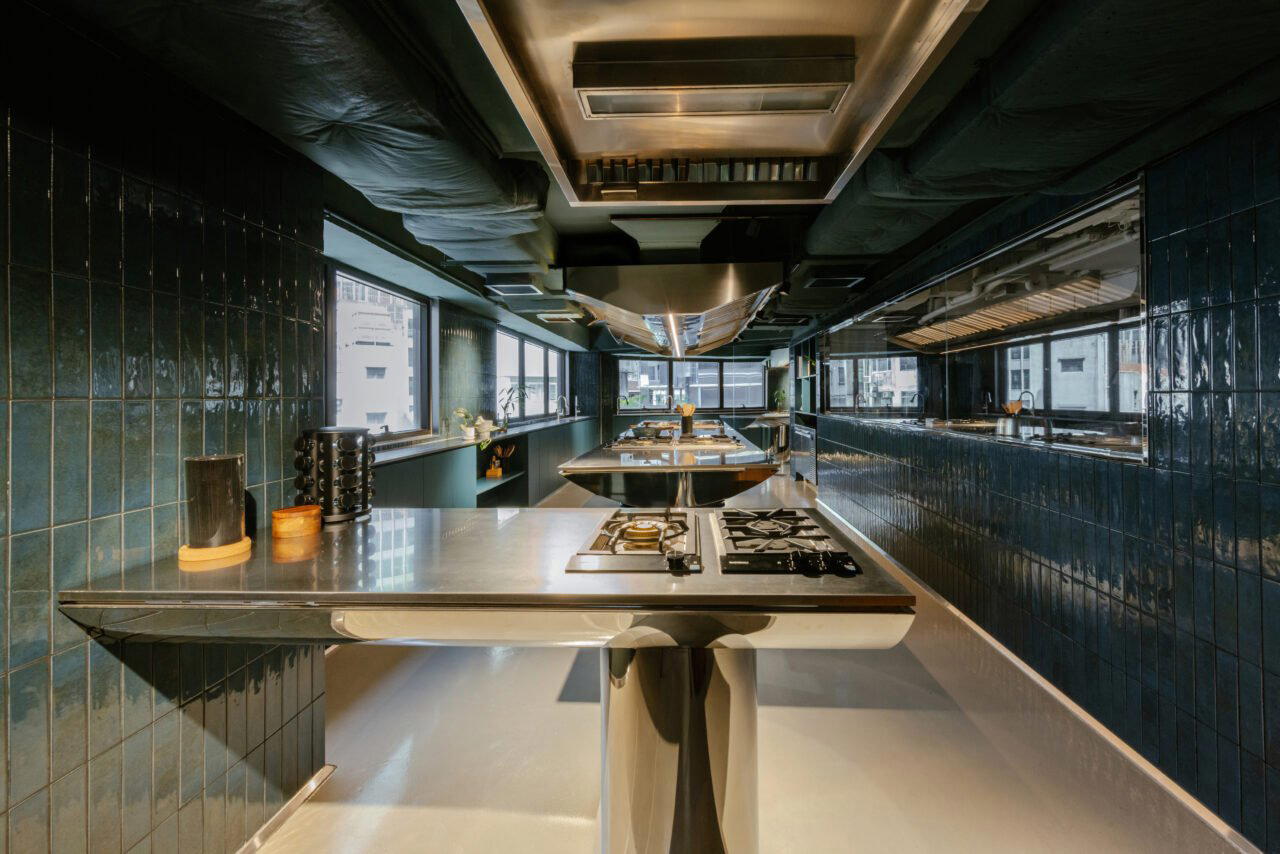
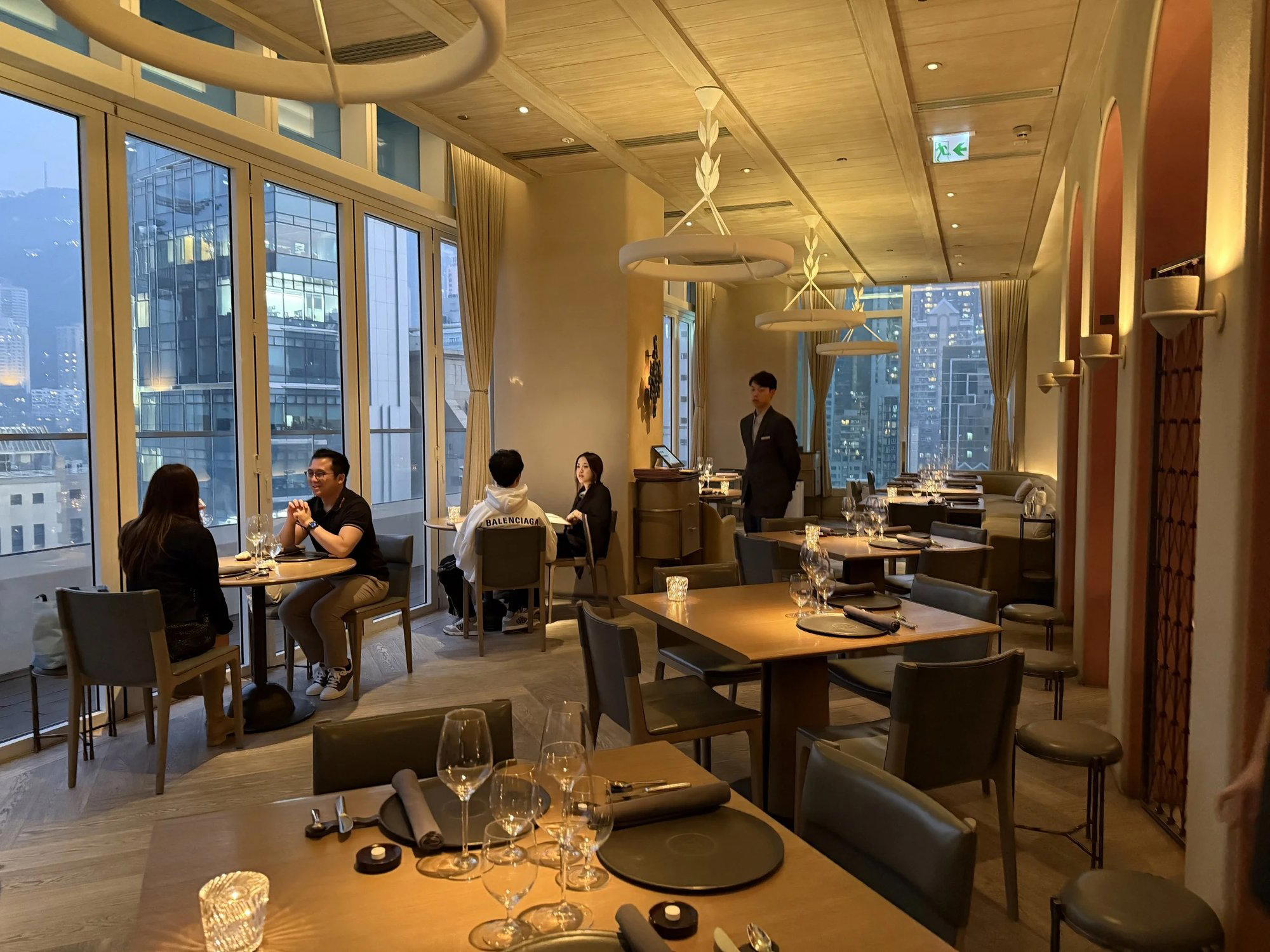
Polished, refined setting with warm and well-informed service; ingredient cards explain dishes while staff provides detailed course walkthroughs.