Sobaya


Michelin Bib Gourmand
Our verdict
One of the East Village's most consistently awarded soba and udon specialists, Sobaya has held a Michelin Bib Gourmand and ranked on Opinionated About Dining's North America Casual list across multiple years. The kitchen applies traditional Japanese noodle technique with seasonal, carefully sourced ingredients. At dollar-sign pricing on a stretch dense with Japanese options, it makes a case for itself through execution rather than ambition.

Pearl is the En Primeur Club membership app, where members save venues, book tables and use the concierge.
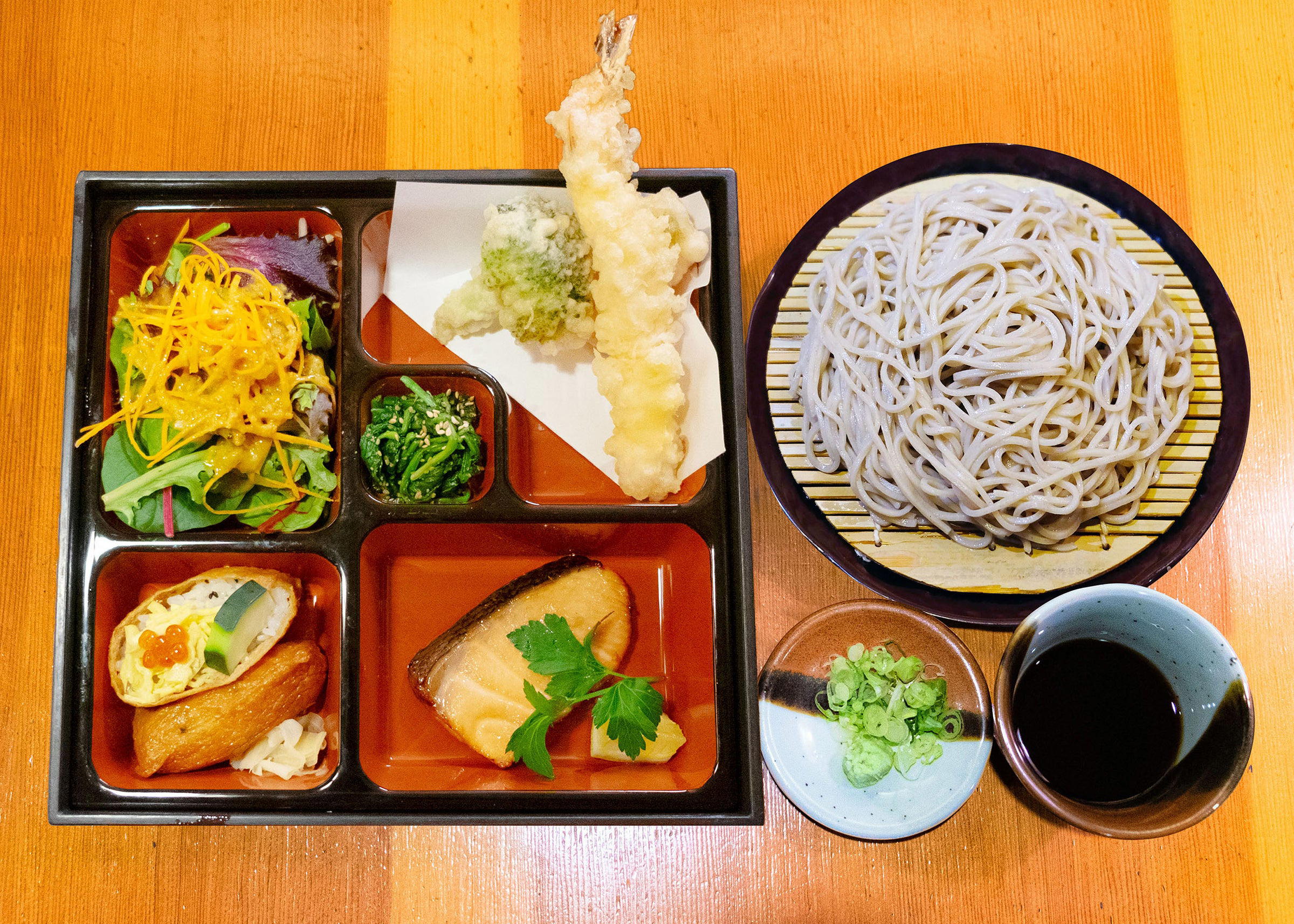
Buckwheat, Tradition, and the East Village's Long Soba Argument
The block of East 9th Street between Second and Third Avenues in the East Village has accumulated one of the densest concentrations of Japanese restaurants in New York City outside Midtown's Koreatown corridor. Ramen counters, izakayas, and kaiseki tasting menus share the same zip code. In that context, the question of why a soba-and-udon specialist drawing a loyal, repeat clientele warrants sustained critical attention is worth answering properly. The answer lives in a specific tension: Japanese noodle craft applied with enough fidelity to traditional methods that the product reads closer to what you'd find in a Tokyo soba-ya than a Japanified American lunch counter.
That combination, sustained across multiple years rather than tied to a single flush of attention, is the relevant signal here.
What Buckwheat Technique Actually Means at This Tier
Soba occupies a specific niche within Japanese noodle culture. Unlike ramen, which has absorbed relentless Western hybridization and broth competition in New York, soba's pleasure is quieter and more technique-dependent. The buckwheat-to-wheat ratio in the noodle, the precision of the cut, the temperature of the dashi, the restraint of the broth, these are the variables that separate a credible soba-ya from a place that lists soba on a broader Japanese menu as an afterthought. The editorial angle assigned to Sobaya by its critical reception is not fusion or reinvention; it is the application of imported Japanese noodle tradition to a New York setting without dilution.
This is the core of what the EA-GN-15 editorial frame surfaces: the intersection of a specific indigenous craft technique (hand-cut buckwheat soba and pulled udon, both rooted in regional Japanese tradition) with an American restaurant context that historically flattens such distinctions. Sobaya's positioning under co-owner Bon Yagi, whose portfolio prioritizes authenticity over theatrical presentation, fits a model more common in Tokyo than Manhattan. For comparison, traditional soba houses in Tokyo's Kanda or Kagurazaka neighborhoods operate under similar principles, austere décor, well-timed service, and noodles as the only real story on the plate. You can see how that ethos maps to what guides like Myojaku, Japanese in Tokyo and Azabu Kadowaki, Japanese in Tokyo treat craft and restraint as non-negotiable in the Tokyo context.
Seasonal Ingredients, Traditional Frame
The menu structure at Sobaya reflects how Japanese noodle tradition handles seasonality, not as a marketing device but as a structural logic. Toppings, broths, and accompaniments rotate with what's available, so a soba bowl in winter carries different elements than the same format in summer. Opinionated About Dining's notes reference dishes like warm soba with pickled oysters, mountain yam, cilantro, and tempura root vegetables, a construction that layers seasonal produce and preserved ingredients over a traditional noodle base. That approach is not fusion in the contemporary sense; it is the orthodox Japanese seasonal method applied in a New York kitchen.
The mention of uni and grated mountain yam with wasabi and toasted nori as a starter positions the kitchen within a range of Japanese ingredients that require careful handling. Mountain yam (nagaimo) has a particular viscosity and mild earthiness that makes it technically demanding as a component, it can dominate or disappear depending on preparation. Using it as a bridge ingredient between the clean brine of uni and the aromatic sharpness of wasabi indicates a kitchen working within a specific flavor logic rather than assembling novelty.
How Sobaya Fits the East Village's Japanese Tier
East Village's Japanese dining range in 2025 runs from tasting-menu formats at higher price points down through izakaya, ramen, and casual noodle specialists. Sobaya occupies the lower end of that pricing tier, the single dollar-sign bracket, while earning recognition that most restaurants in the neighborhood at two or three times the price do not. That inversion is worth noting for any reader calibrating where to spend time and money.
For those moving across the fuller spectrum of New York's Japanese dining, the critical tier above Sobaya includes operations like Noda, Tsukimi, and odo, each working in entirely different formats and price brackets. Closer in spirit to Sobaya's casual register are Blue Ribbon Sushi Izakaya and Chikarashi, though neither specializes in soba or udon craft at this depth. The comparison isn't hierarchy for its own sake, it's a map of where Sobaya's specific value sits: high technique, low price, narrow specialty.
For reference on how this price-to-recognition ratio reads against the broader New York fine dining tier, places like Emeril's in New Orleans, Lazy Bear in San Francisco, Alinea in Chicago, The French Laundry in Napa, Single Thread Farm in Healdsburg, and Providence in Los Angeles operate at the opposite end of the spend-per-head scale. The Bib Gourmand is specifically designed to flag restaurants where quality outpaces price, Sobaya's sustained hold on that designation across multiple guide cycles is the most direct statement Michelin makes about the value case here.
Planning Your Visit
Sobaya is located at 229 E 9th St, New York, NY 10003. Hours run Monday through Thursday from noon to 9 pm, Friday and Saturday noon to 10 pm, and Sunday noon to 8 pm. The kitchen is open seven days a week, which makes midweek lunch a workable option for avoiding the heavier weekend-evening foot traffic the neighborhood generates.
Logistics Compared: Sobaya vs. Peer Casual Japanese Spots in New York
| Venue | Price Range | Cuisine Focus | Awards Tier | Booking |
|---|---|---|---|---|
| Sobaya | $ | Soba / Udon | Michelin Bib Gourmand, OAD Ranked | Walk-in (check current policy) |
| Blue Ribbon Sushi Izakaya | $$–$$$ | Sushi / Izakaya | EP Club listed | Reservations available |
| Chikarashi | $$ | Chirashi / Donburi | EP Club listed | Walk-in / limited booking |
| Tsukimi | $$$ | Omakase / Modern Japanese | EP Club listed | Reservation required |
Regarding Sobaya reservations A Sobaya reservation may not be required for weekday lunch sittings, but weekend dinner timing should be planned with some flexibility.
Frequently Asked Question
What's the must-try dish at Sobaya?
The soba is the reference point. Opinionated About Dining's write-up specifically calls out buckwheat soba as consistently strong, and the seasonal warm soba preparations, which have included pickled oysters, mountain yam, and tempura root vegetables as components, represent the kitchen working at its most technically committed. Udon is also noted as a serious offering, but if you're making a single visit and want to understand why this restaurant has held Michelin recognition across multiple years, the soba is where that argument is made. Starters built around uni and mountain yam show the kitchen's range with Japanese ingredients beyond the noodle bowl itself.
For a fuller picture of where Sobaya sits within New York's dining options, see our full New York City restaurants guide, as well as guides to New York City hotels, New York City bars, New York City wineries, and New York City experiences.
A Quick Peer Check
A quick peer check to anchor this venue’s price and recognition.
| Venue | Cuisine | Price | Awards | Notes |
|---|---|---|---|---|
| SobayaThis venue (the venue you are viewing) | Authentic Japanese Soba | $20–30 | Michelin Bib Gourmand | Not listed |
| Le Bernardin | French Seafood Fine Dining | $300–500 | 3 Michelin Stars · World's 50 Best #13 | French, Seafood |
| Atomix | Modern Korean Tasting Menu | $300–500 | 2 Michelin Stars · World's 50 Best #7 | Modern Korean, Korean |
| Masa | Seasonal Hokkaido Tempura Omakase | $150–200 | Tabelog 100 #34 | Sushi, Japanese |
| Per Se | French Fine Dining Tasting Menu | $300–500 | 3 Michelin Stars · World's 50 Best #40 | French, Contemporary |
| Eleven Madison Park | Contemporary Plant-Based Fine Dining | $300–500 | 3 Michelin Stars · World's 50 Best #4 | French, Vegan |
Recognition history
Dated appearances from independent guides and award organizations, with the underlying list record or original source where available.
Michelin Bib Gourmand
Michelin
Opinionated About Dining Casual in North America Recommended
Opinionated About Dining
Full recognition history (6 entries)
Opinionated About Dining Casual in North America Ranked #502
Opinionated About Dining
Michelin Bib Gourmand
Michelin
Opinionated About Dining Casual in North America Ranked #368
Opinionated About Dining
Opinionated About Dining Casual in North America Highly Recommended
Opinionated About Dining
Continue exploring
More in New York City
More from Chef Various
Browse all →
Restaurants in New York City
All restaurants in New York City →
Bars in New York City
All bars in New York City →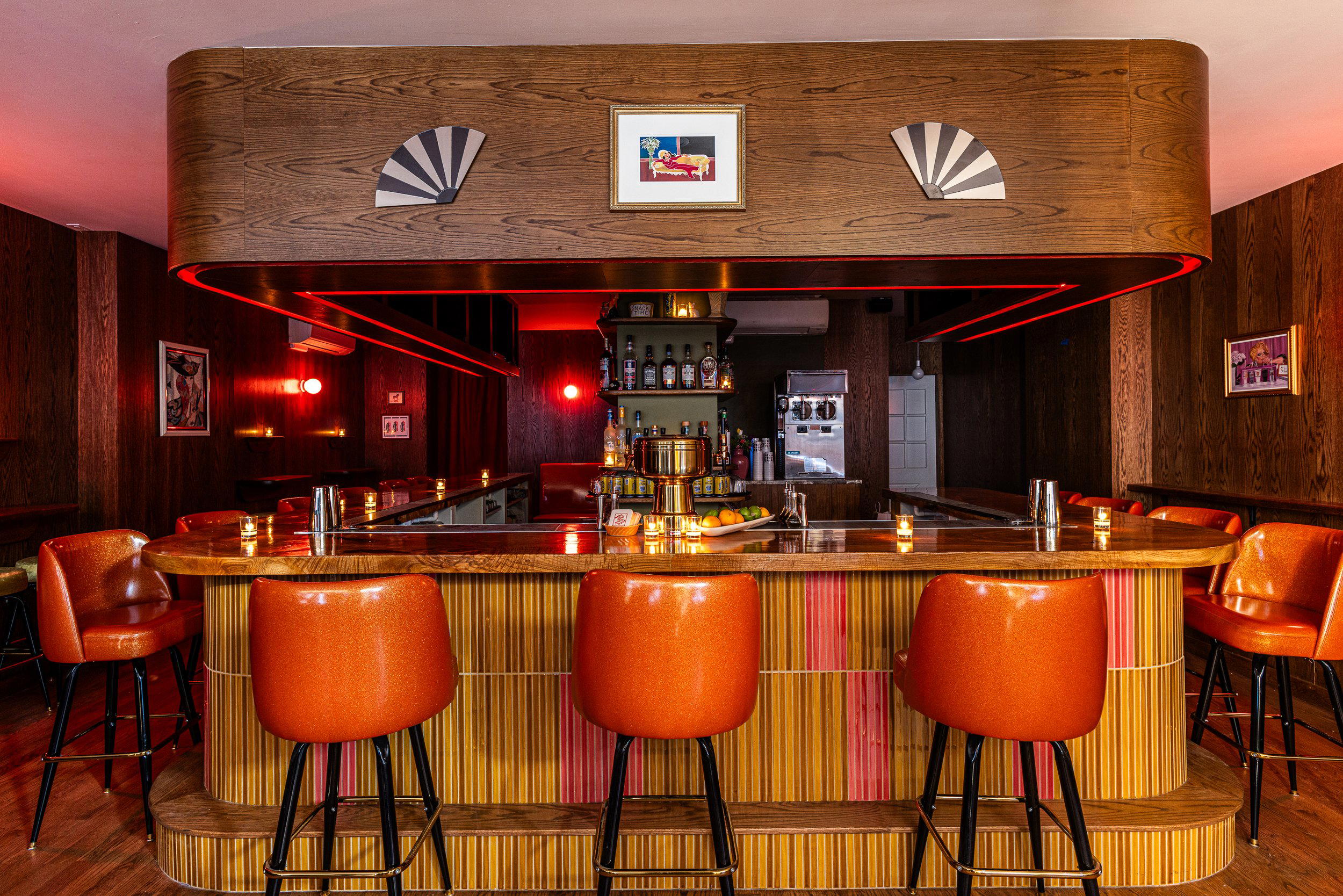




Details
- Cozy
- Intimate
- Classic
- Casual Hangout
- Date Night
- Open Kitchen
- Sake Program
- A La Carte
Current opening hours
- Monday
- 12–9 PM
- Tuesday
- 12–9 PM
- Wednesday
- 12–9 PM
- Thursday
- 12–9 PM
- Friday
- 12–10 PM
- Saturday
- 12–10 PM
- Sunday
- 12–8 PM
Hours can change for holidays and private events. Hours as of .
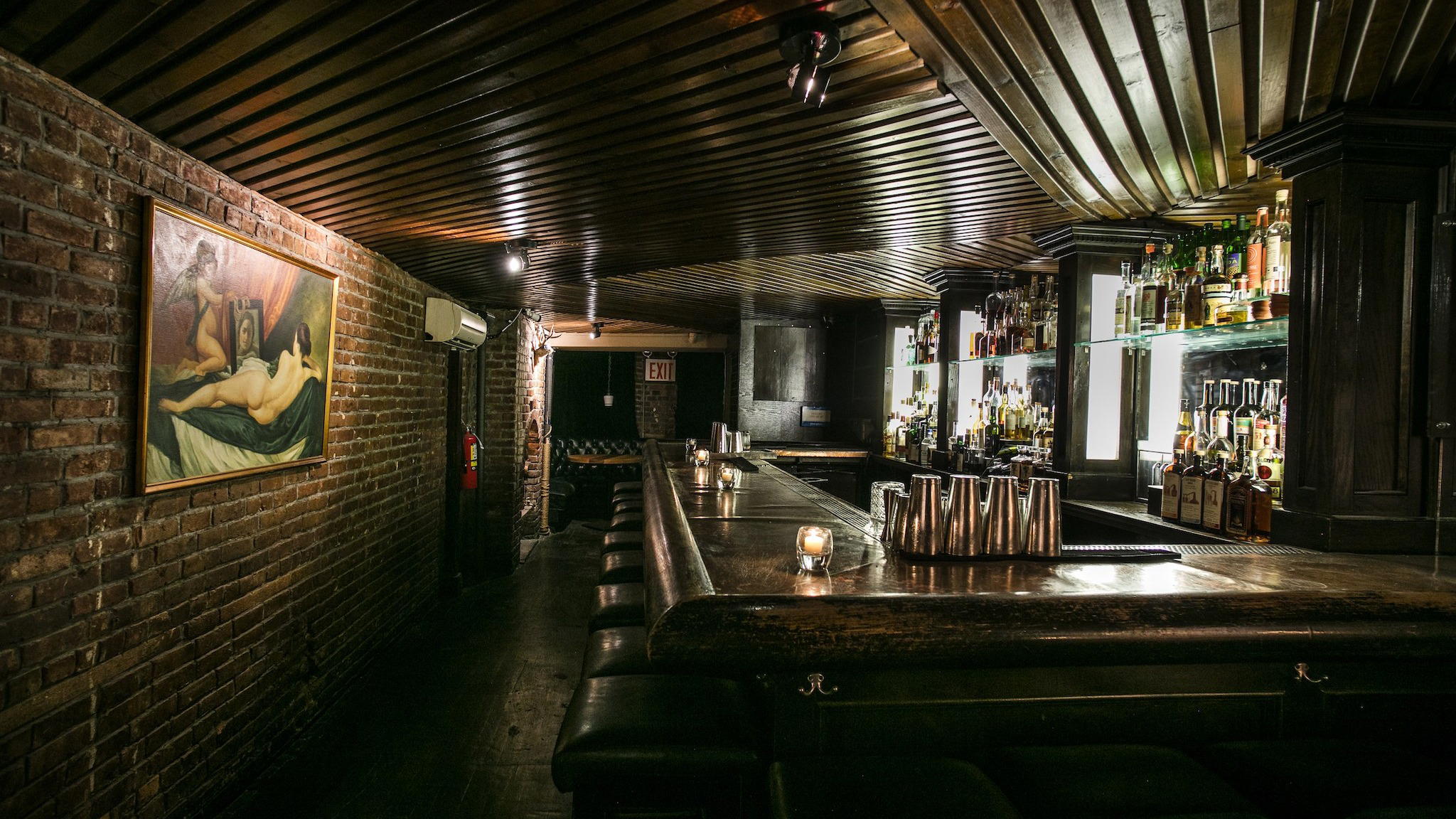
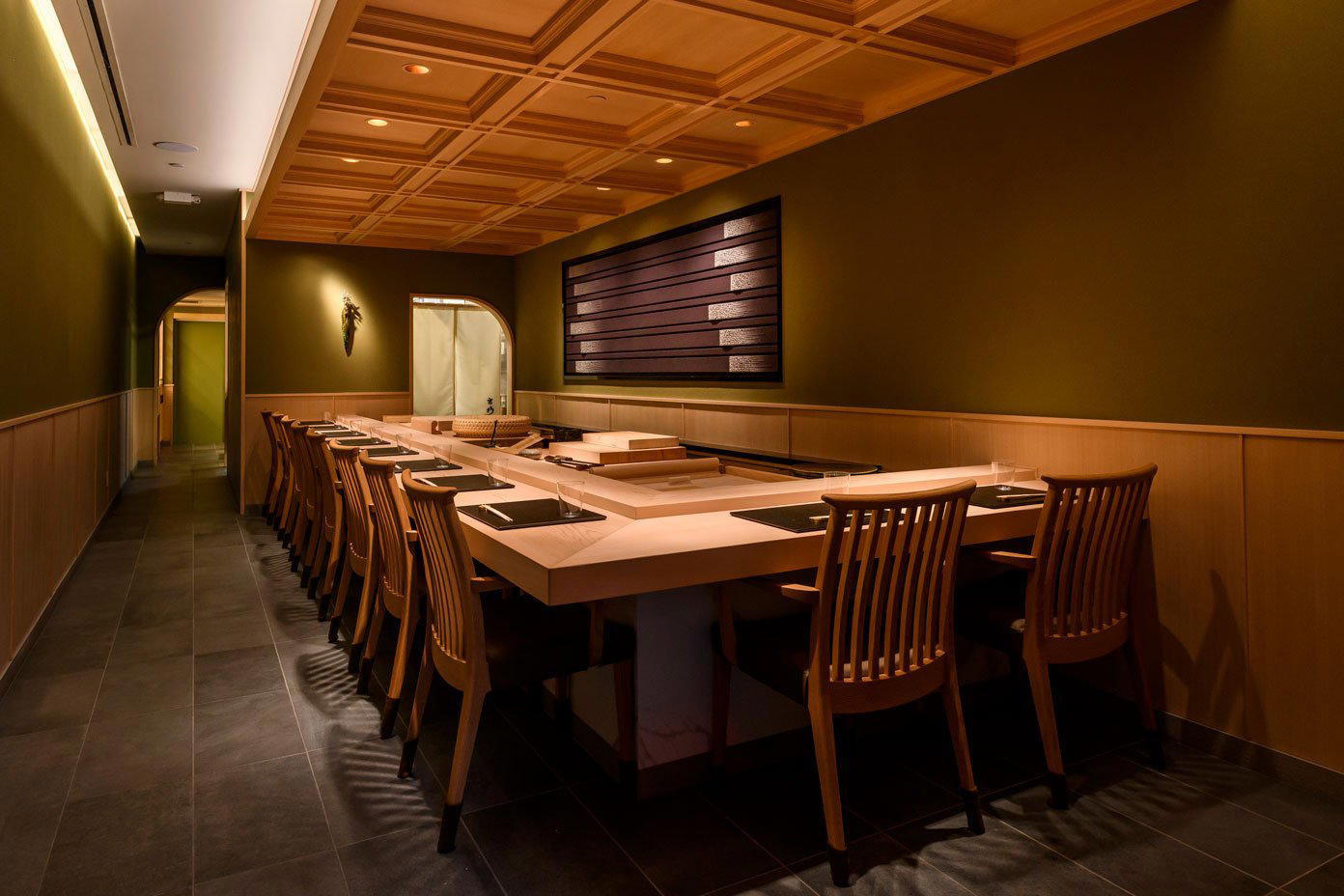
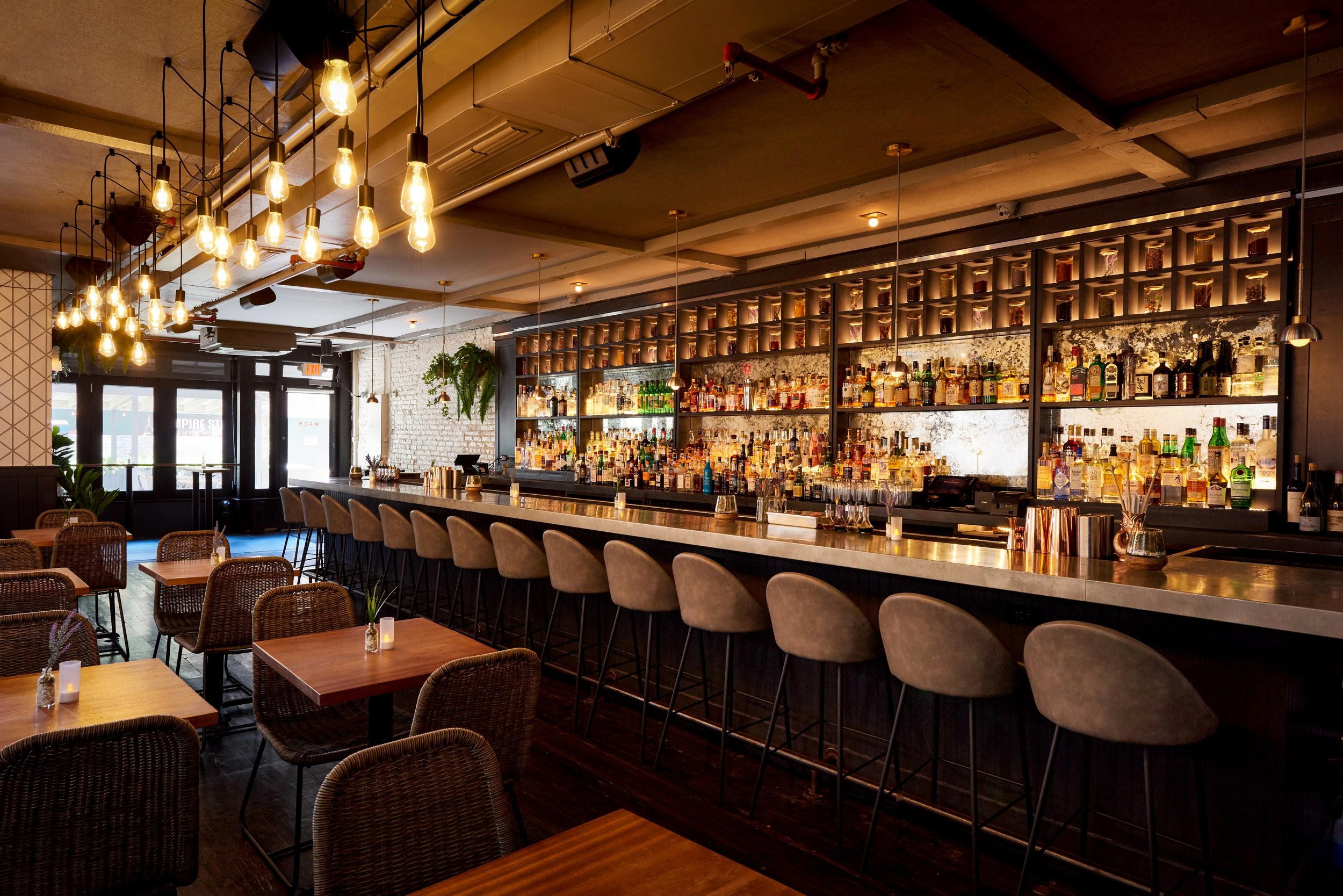
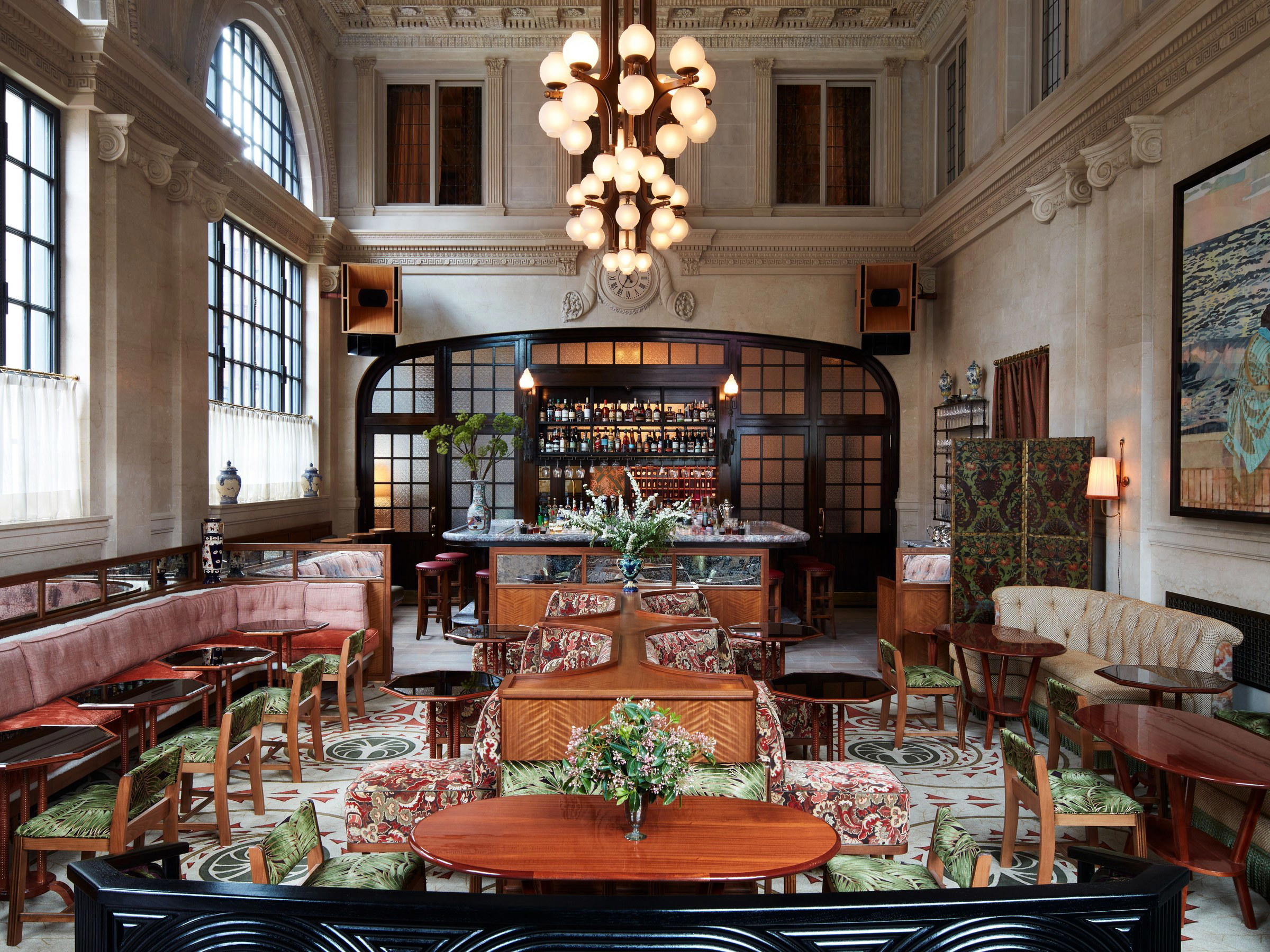
Cozy and calm with a genuine Japanese atmosphere, simply appointed dining space, and quiet, well-timed service.