Our verdict
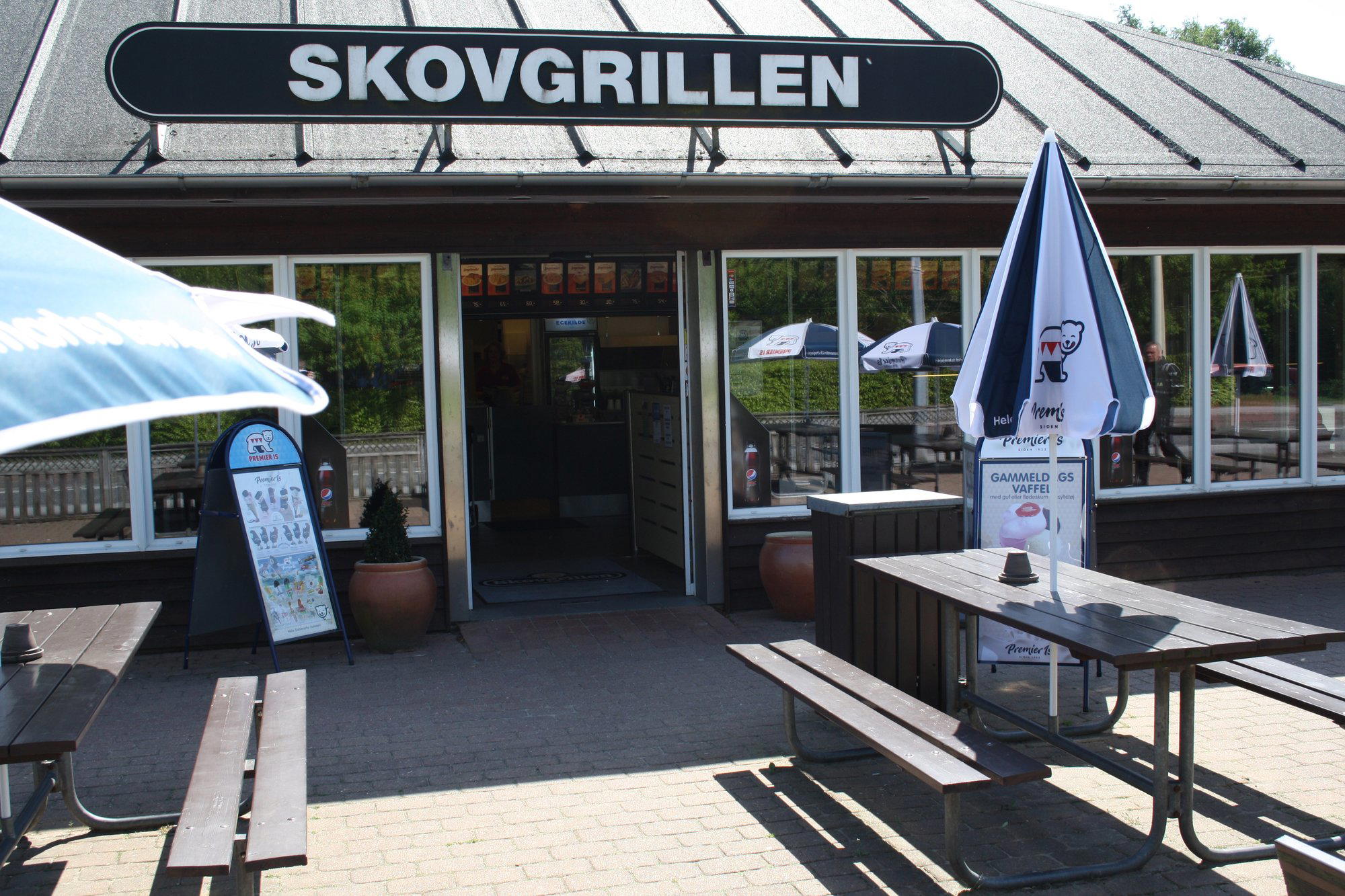
Skovgrillen sits on Plantagevej in Ribe, one of Denmark's oldest and most historically layered towns, where the surrounding landscape shapes the kitchen as much as any recipe does. The name signals the format: open-fire cooking in a woodland-adjacent setting, with sourcing anchored in the marshland and agricultural hinterland that surrounds southern Jutland. For visitors moving through Ribe's compact dining scene, it represents the grill-forward, locally rooted end of the spectrum.

Pearl is the En Primeur Club membership app, where members save venues, book tables and use the concierge.
Fire, Marsh, and the Southern Jutland Kitchen
Ribe is a town that earns its context. Denmark's oldest city, settled in the eighth century, sits at the western edge of Jutland where the marshland begins its slow transition toward the Wadden Sea. The agricultural zone around it, flat, exposed, and historically self-sufficient, has always fed the town on its own terms. What grows or grazes in this part of Denmark is not incidental to the cooking here; it is the cooking. Skovgrillen, positioned on Plantagevej at the edge of town, reflects that logic. The name translates directly: forest grill. The format anchors the menu in open-fire technique, and the setting draws on the plantation woodland that buffers this part of Ribe from the surrounding flatlands.
In a broader Danish context, this kind of kitchen sits in a clear lineage. The New Nordic movement, which placed sourcing provenance and seasonal honesty at the centre of fine dining through restaurants like Geranium in Copenhagen and Jordnær in Gentofte, filtered down across the country over the following decade. Outside the capital, that influence arrived more quietly: not through tasting menus and fermentation labs, but through a renewed attention to what the local ground actually produces. Grill-forward restaurants in small Danish towns are part of that slower diffusion, open fire as both technique and statement about directness.
What the Landscape Puts on the Plate
Southern Jutland's ingredient map is specific. The Wadden Sea coastal zone to the west supplies lamb grazed on salt marshes, a product with a distinct mineral character that needs little intervention on the grill. The agricultural interior produces root vegetables, brassicas, and grain crops suited to the short, cool growing season. This is not a region of olive oil and citrus; it is a region of rendered fat, preserved vegetables, and smoke. A kitchen built around open fire in this setting is not making an aesthetic choice so much as an honest one: the techniques and the ingredients share the same origins.
Across Denmark's provincial dining scene, the venues that hold up over time tend to be those where the sourcing logic is coherent rather than decorative. At Henne Kirkeby Kro in Henne, for instance, the kitchen operates from an on-site kitchen garden that defines the menu's structure each season. At Frederikshøj in Aarhus, fine-dining ambition is underpinned by rigorous regional sourcing. The pattern recurs across western Jutland: the further you move from Copenhagen, the more the kitchen tends to reflect what is immediately available rather than what is fashionable.
Skovgrillen's Plantagevej address places it physically within the plantation area, a deliberate location for a grill kitchen. Wood fuel, smoke variety, and proximity to the treeline are not incidental amenities; for a kitchen oriented around fire, they are operational considerations. The specific woods available in a Danish plantation influence smoke character in ways that distinguish the product from charcoal-only grilling. That specificity is where ingredient sourcing and technique overlap.
Ribe's Dining Scene and Where Skovgrillen Fits
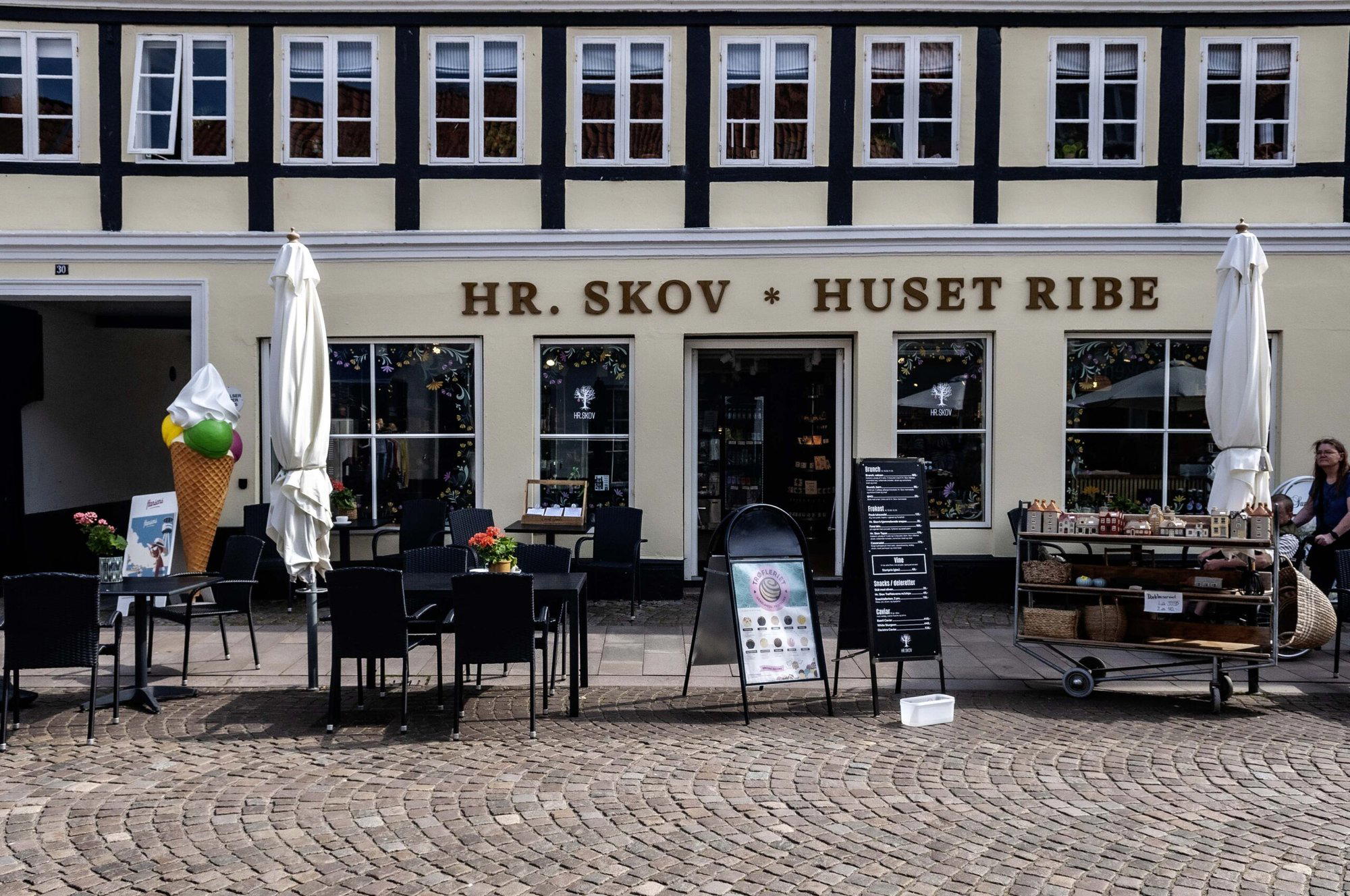
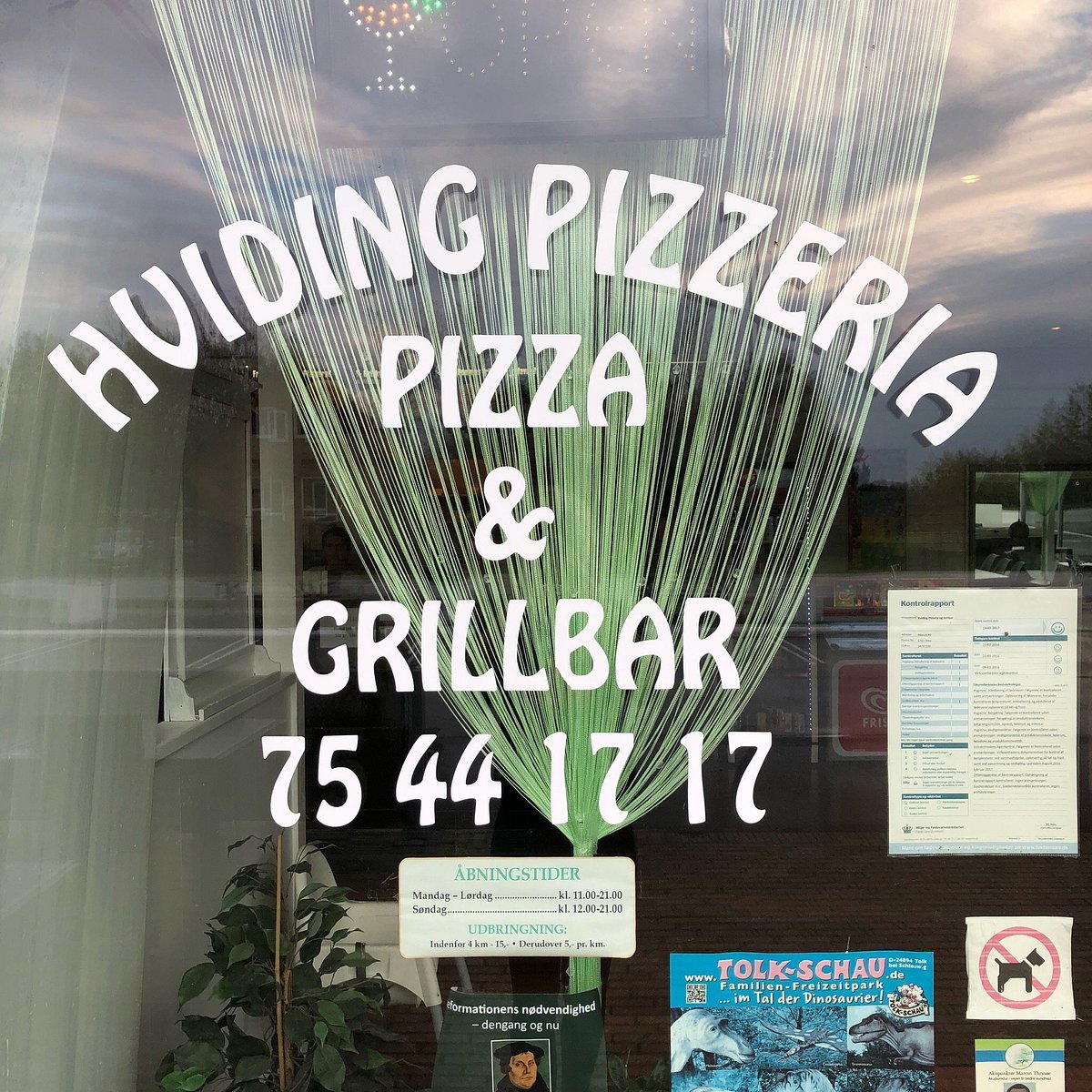
Ribe's restaurant offer is compact relative to its reputation as a destination. The town draws visitors from across Scandinavia and beyond, primarily for its medieval cathedral and preserved street plan, but the dining scene has historically been modest in scale. That is changing incrementally. Café Sallys holds the more casual daytime end of the market. Hr. Skov - Huset Ribe operates with a more curated evening format. Jacob A. Riis and Kammerslusen each cover different points on the spectrum from traditional Danish to more contemporary cooking. Hviding Pizzeria og Restaurant sits further out and serves a different audience entirely.
Within that range, Skovgrillen represents the fire-focused, outdoor-adjacent format, a category that has grown in visibility across Danish provincial dining as consumers have moved toward less formal, more ingredient-led experiences. The grill format is inherently seasonal: it performs differently in summer, when outdoor seating and long evenings allow the smoke and char to be part of the atmosphere, than it does in the compressed, grey days of a Jutland winter. Visitors planning a meal here during June through August will find the context at its most coherent. The full Ribe restaurants guide maps the broader scene for those building a longer itinerary.
Locating the Format in a National Frame
The grill restaurant has become a recognisable format across Danish cities in recent years, with Copenhagen venues establishing it as a serious culinary mode alongside the tasting menu and the natural wine bar. The provincial version of that format tends to operate with less fanfare but often with more direct sourcing chains: fewer intermediaries between the farm, the fire, and the plate. Venues like LYST in Vejle and ARO in Odense demonstrate that the ambition for serious food in provincial Denmark extends well beyond the capital. Alimentum in Aalborg, Domæne in Herning, Dragsholm Slot Gourmet in Hørve, and Frederiksminde in Præstø are further reference points in a national scene that has become genuinely pluralistic in its geography.
For international visitors accustomed to fire-led cooking at venues like Le Bernardin in New York City or the more technique-intensive formats at Atomix in New York City, the Danish provincial grill offers a different register entirely: less architectural in its construction, more dependent on the quality of what arrives from the surrounding land, and often more immediate in the relationship between fire and ingredient.
Planning a Visit
Skovgrillen is located at Plantagevej 22 in Ribe, in the plantation-adjacent western edge of the town. Given the format and the setting, summer and early autumn represent the most advantageous seasons for a visit: the outdoor-adjacent context reads differently when the Jutland light holds until late evening. For visitors building a full Ribe itinerary, the dining scene rewards advance planning: the town's small size means that the better venues operate with limited capacity and do not always absorb walk-in traffic readily.
Frequently asked questions
What's Skovgrillen's location?
Skovgrillen is located at Plantagevej 22, 6760 Ribe, Denmark, Ribe.
Is Skovgrillen a good restaurant option for visiting Ribe in summer?
Ribe, Denmark's oldest city settled in the eighth century, attracts significant visitor numbers relative to its size, and its dining options are limited enough that summer demand concentrates quickly. Skovgrillen's location at Plantagevej 22 on the plantation-adjacent western edge of town suits the warmer months particularly well given the grill format and outdoor-adjacent setting. Reaching out to the venue in advance of a summer visit is the sensible move.
What should I order at Skovgrillen?
The clearest thread through Southern Jutland's regional larder is salt-marsh lamb from the Wadden Sea coastal zone, a product with a distinct mineral depth that suits live-fire treatment. Given Skovgrillen's plantation-edge location in Ribe and the grill format the name signals, anything that puts that lamb directly over fire is the logical starting point. No specific menu items are publicly documented, so confirming current offerings directly with the venue before visiting is advisable.
Do they take walk-ins at Skovgrillen?
No booking policy is publicly documented for Skovgrillen at Plantagevej 22 in Ribe. Ribe draws visitors from across Scandinavia and the restaurant offer in town is compact relative to that demand, which means summer and early autumn visits in particular carry real walk-in risk. Contacting the venue directly ahead of any trip is the practical approach.
What's the signature at Skovgrillen?
The venue's name, skov means forest or plantation in Danish, and its address on Plantagevej point toward a format rooted in the plantation setting on Ribe's western edge. Live-fire grilling is the implied core technique, with Southern Jutland's coastal and marsh produce providing the ingredient frame. No specific signature dish is documented publicly.
Comparable Spots
Comparable venues nearby, for context on price, style, and recognition.
| Venue | Cuisine | Price | Notes |
|---|---|---|---|
| SkovgrillenThis venue (the venue you are viewing) | Danish Grill House | Not listed | Not listed |
| Hr. Skov - Huset Ribe | Danish Brasserie Café | $20–30 | central Ribe |
| Quedensgård Cafe Og Krambod | Danish Cafe | $20–30 | Ribe |
| Terpager & Co | Plant-Based Scandinavian Café | $20–30 | Ribe |
| Postgaarden | Danish Pub & Café | Not listed | Ribe Old Town |
| Peking House | Chinese Buffet | Not listed | midt i gågade |