
Awarded a Michelin Plate in 2024, Singapore Famous Rojak at Queen Street serves one of the city's most recognised versions of the Peranakan mixed salad, a dish built on fermented shrimp paste, pineapple, dough fritters, and cuttlefish. The price point sits firmly at street-food level, and the setting is a hawker stall inside a neighbourhood complex.
Pearl is the En Primeur Club membership app — saves, bookings, and concierge access live there. Same editors, same standards.
- Address
- 270 Queen St, #01-45, Singapore 180270
- Directions
- Get directions
 Saves & bookings on Pearl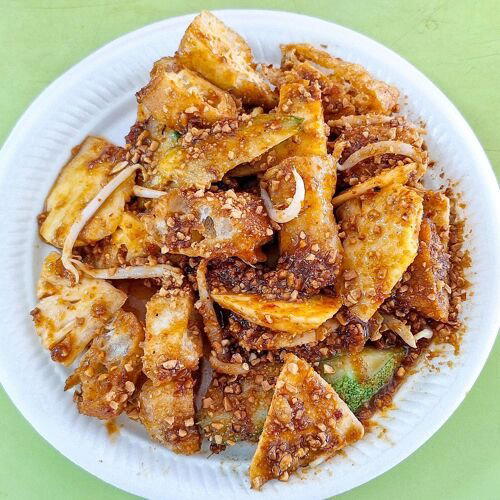
Rojak as a Document of Singapore's Food Culture
Walk into Bugis on a humid afternoon and the air shifts before you reach the stall itself: there's the sharp mineral pull of hae ko, the thick fermented prawn paste that anchors Singapore-style rojak, cutting through the fried-dough sweetness of you tiao and the acidic brightness of fresh pineapple. These are not subtle smells. Rojak, literally meaning 'mixture' in Malay, is arguably the most honest representation of Singapore's plural culinary identity — a dish assembled from Chinese, Malay, and Peranakan contributions that has been hawked in the same basic form for well over a century.
For context: Singapore's hawker scene includes Hill Street Tai Hwa Pork Noodle, which holds a Michelin star, and dozens of Plate-level stalls where the food is serious and the prices remain accessible. Singapore Famous Rojak sits in that latter tier.
What Rojak Tells You About Hawker Sustainability
Rojak is, structurally, a zero-waste dish. Its ingredients have historically been assembled from what was available, seasonal, or leftover: you tiao that might otherwise harden, fruit cut from surplus stock, tofu puffs fried to extend shelf life. The fermented prawn paste at its core is itself a preservation technique, concentrating seafood protein into a shelf-stable condiment. This is not the kind of sustainability that comes with a marketing brief or a farm-to-table narrative; it is the practical resourcefulness of a cuisine shaped by scarcity and communal cooking across generations.
That context matters when comparing hawker food to the direction Singapore's higher-end dining scene has taken. Restaurants like Born at the $$$$ tier have built explicit sustainability frameworks into their menus, foregrounding provenance and waste reduction as editorial positions. Hawker food has operated on those same principles since long before they became dining trends — the difference is that no one wrote a mission statement for it.
Across Southeast Asia, this pattern repeats. Street food in Penang's George Town, from 888 Hokkien Mee (Lebuh Presgrave) to Ah Boy Koay Teow Th'ng, or the market stalls of southern Thailand, such as A Pong Mae Sunee in Phuket and Anuwat in Phang Nga, share this same logic: local sourcing by necessity, minimal packaging, and a cook-to-order model that generates almost no food waste. The Michelin recognition now being extended to hawker operations in Singapore is, in part, an acknowledgment that these are not lesser versions of fine dining but a parallel tradition with its own discipline.
The Dish Itself: Composition and Character
Singapore-style rojak differs from its Penang counterpart in several meaningful ways. Where Penang rojak leans toward a fruit-forward, tamarind-sour dressing, the Singapore version uses hae ko as its flavour backbone, producing a sauce that is thick, dark, and intensely savoury, balanced with lime juice, sugar, and crushed peanuts. The textural range in a properly assembled bowl runs from the spongy chew of tofu puffs to the crunch of water convolvulus, the fibrous snap of jicama, and the occasional yielding softness of cuttlefish.
The dish resists standardisation, which is part of its character. The ratio of paste to fruit, the proportion of peanuts, the inclusion or exclusion of dough fritters, these variables shift between stalls and between generations of the same family operating the same counter. At the hawker level, that variation is the point. You are eating someone's version of a dish, not a replicated formula.
For visitors working through Singapore's noodle and hawker circuit, the dish offers a sharp contrast to the broth-based plates that tend to attract the most attention. Where 545 Whampoa Prawn Noodles, 91 Fried Kway Teow Mee, and Adam Rd Noo Cheng Big Prawn Noodle are built around stock and heat, rojak is cold-assembled and texture-driven. It requires no fire at the moment of service, only the quality of its fermented base and the freshness of its components.
Queen Street and the Bugis Context
The address, 270 Queen Street, places the stall within the Bugis neighbourhood, a part of central Singapore that sits between the civic density of Bras Basah and the Arab Street corridor. The Queen Street complex draws a mix of office workers, residents, and visitors navigating between Bugis MRT and the cultural institutions nearby. It is not a destination hawker complex in the way that Maxwell Food Centre or Lau Pa Sat attract tourist foot traffic, but that relative low profile is part of its character as a neighbourhood eating spot.
The Plate assesses consistency and craft relative to the category; the aggregate star rating captures a broader audience response. Both are data points, but they don't necessarily point in the same direction.
For comparison across Singapore's hawker scene at a similar recognition level, A Noodle Story offers a different category entry point. For the city's full dining range, from street food to multi-course tasting menus, our full Singapore restaurants guide covers the breadth. Those planning a wider trip can also reference our Singapore hotels guide, bars guide, wineries guide, and experiences guide.
Street food traditions in the wider region share family resemblances worth tracing: Air Itam Duck Rice and Air Itam Sister Curry Mee in Penang, Ali Nasi Lemak Daun Pisang in George Town, and Banana Boy in Hong Kong all demonstrate how single-item hawker specialisation produces depth through repetition rather than range.
Planning Your Visit
Singapore Famous Rojak operates from a hawker stall at 270 Queen Street, #01-45, in the Bugis area of central Singapore. The price range sits at the single-dollar tier, consistent with hawker stall pricing across the city. No booking infrastructure exists for hawker stalls of this type; queuing at the counter is the standard approach. Arrival during off-peak hours (mid-morning or mid-afternoon on weekdays) generally means shorter waits.
Quick reference: 270 Queen Street, #01-45, Singapore 180270 | Michelin Plate 2024 | Price range: $ | No reservations.
How Singapore Famous Rojak compares with similar nearby venues.
| Venue | Cuisine | Price | Awards |
|---|---|---|---|
| Singapore Famous Rojak | Street Food | $ | Michelin Plate (2024) |
| Ah Heng Duck Rice | Street Food | $ | Not listed |
| Sin Huat Seafood Restaurant | Street Food | $$ | Not listed |
| Pondok Makan Indonesia | Street Food | $ | Not listed |
| Bismillah Biryani | Street Food | $ | Not listed |
| Heng Gi Goose and Duck Rice | Street Food | $ | Not listed |
Recognition history
Dated appearances from independent guides and award organizations, with the underlying list record or original source where available.
Michelin Guide Plate
Michelin Guide
Michelin Plate
Michelin
Continue exploring
More in Singapore
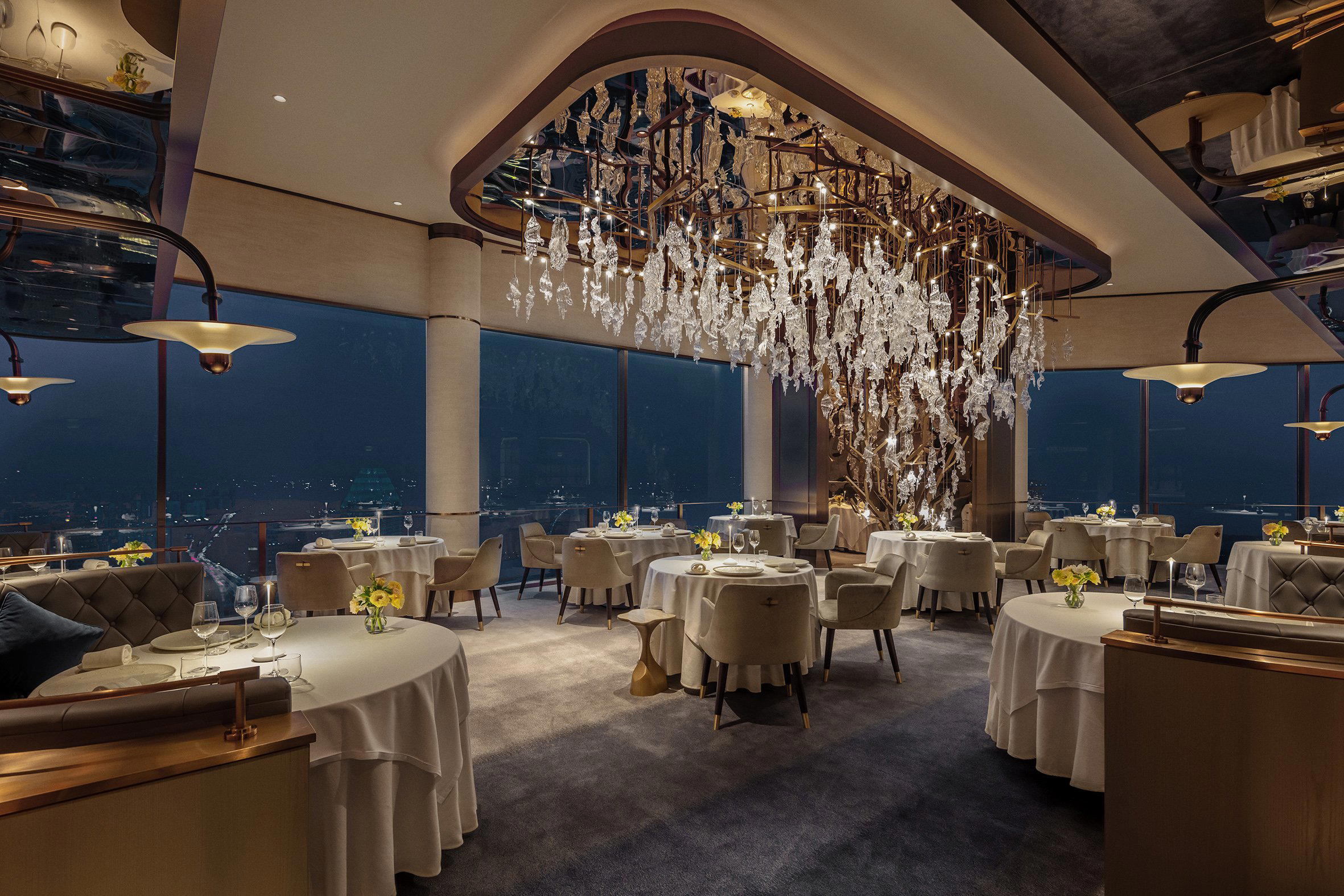
Restaurants in Singapore
Browse all →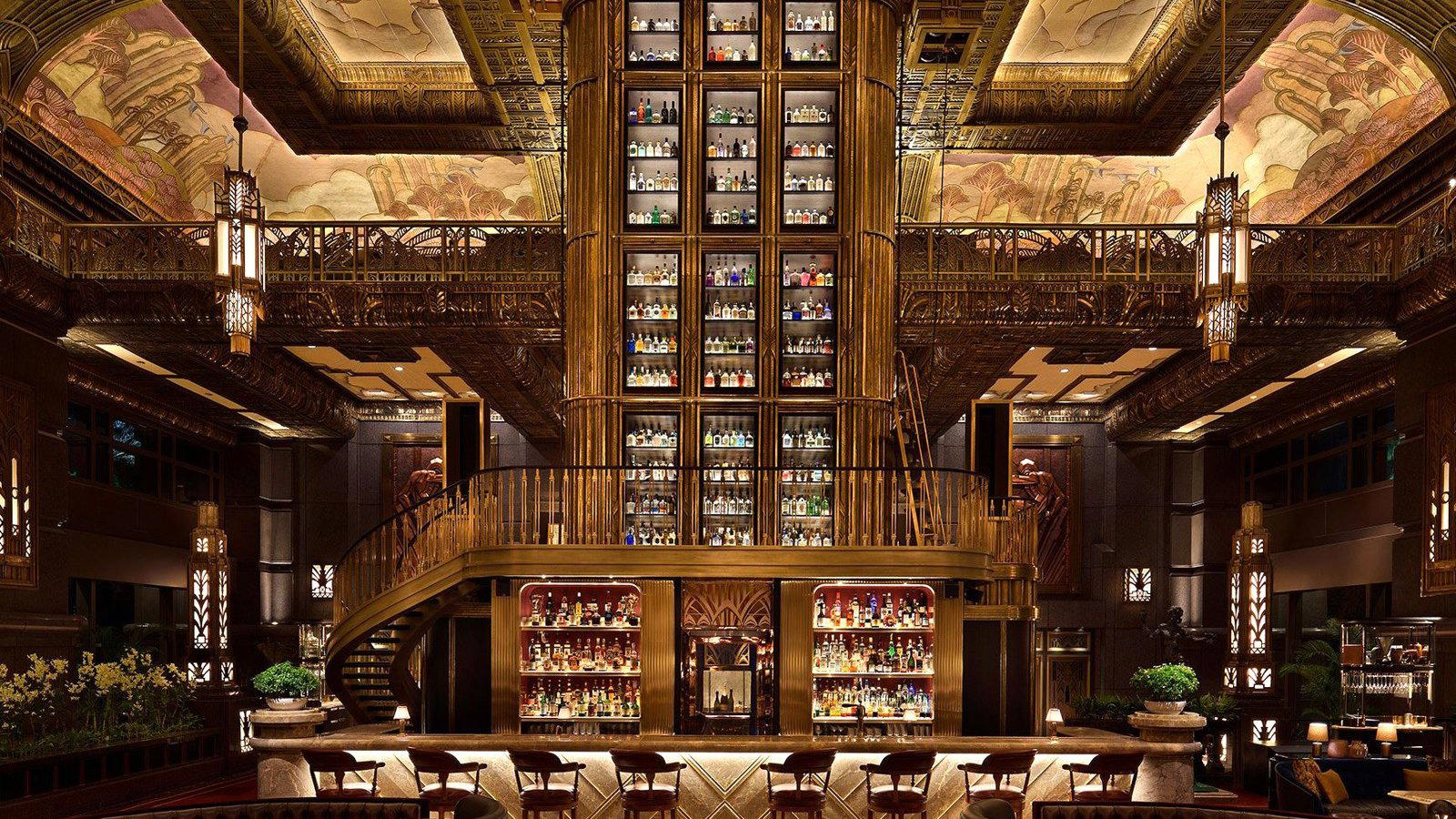
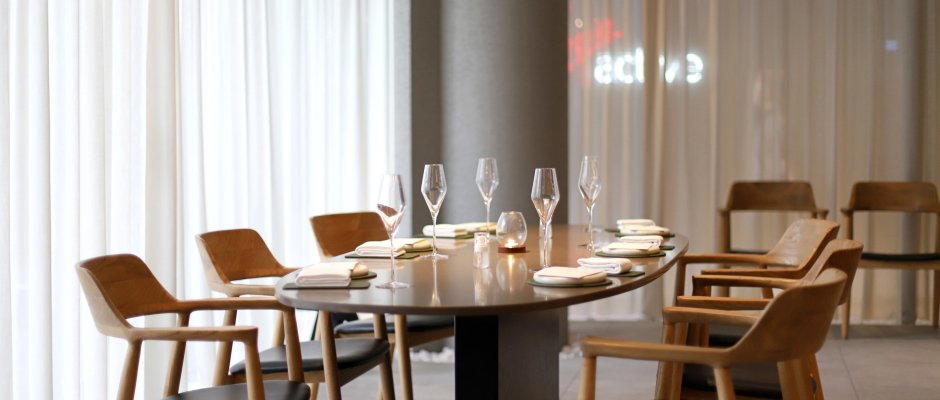
Bars in Singapore
Browse all →
At a Glance
- Classic
- Solo
- Casual Hangout
- Group Dining
- Standalone
Current opening hours
- Monday
- 1–8:30 PM
- Tuesday
- 1–8:30 PM
- Wednesday
- 1–8:30 PM
- Thursday
- 1–8:30 PM
- Friday
- 1–8:30 PM
- Saturday
- 1–8:30 PM
- Sunday
- 1–8:30 PM
Hours can change for holidays and private events. Last verified .
Casual hawker-centre atmosphere with a no-frills, busy local food-stall feel.
Know Before You Go
- Getting there
- 270 Queen St, #01-45, Singapore 180270