Our verdict
Korean cuisine occupies a narrow slice of Nassau's dining scene, and Namul on Windsor Field Road represents one of the few dedicated addresses for it. The restaurant brings a cuisine built on fermentation, layered seasoning, and communal service to a city where Caribbean and international hotel dining dominate. For Nassau diners seeking something outside that mainstream, it fills a specific gap.

Pearl is the En Primeur Club membership app, where members save venues, book tables and use the concierge.
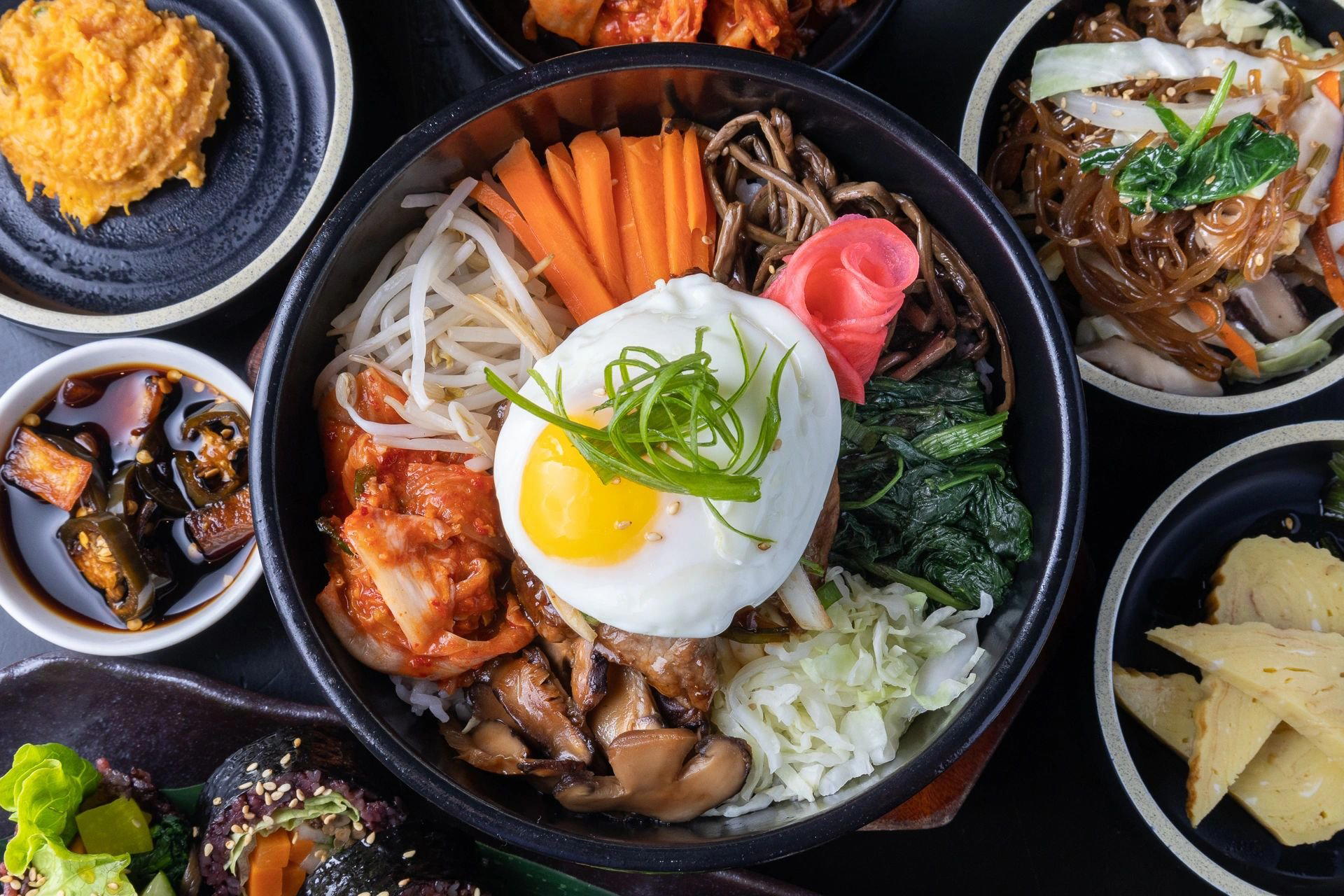
The menu
What to order
- Bulgogi
- Galbi
- Korean Fried Chicken
- Bossam
Korean Cooking in a Caribbean Capital
Nassau's restaurant scene has long organised itself around two poles: the resort-anchored hotel dining rooms of Cable Beach and Paradise Island, and the scattered independent spots serving Bahamian and broadly international food. Korean cuisine sits well outside both categories, which makes Namul's address on Windsor Field Road a meaningful data point about how the city's dining range is quietly expanding. In cities where Korean food has taken hold, whether in New York (where Atomix has made the case for Korean fine dining at the highest level) or in Hong Kong (home to 8½ Otto e Mezzo Bombana and a dense field of Asian cuisines), the cuisine's arrival in a new market tends to follow a familiar arc: a small, community-serving operation opens, builds a loyal base, and eventually earns a wider audience. Namul appears to occupy that early, essential position in Nassau.
Windsor Field Road, in the centre of New Providence island, sits away from the tourist-facing restaurant corridors that dominate visitor itineraries. Dining here draws a different crowd than the terrace tables at Café Martinique or the polished European service of Cafe Boulud Bahamas. That geographic remove is not incidental. Restaurants that open in working commercial strips rather than resort precincts are almost always oriented toward repeat local customers, which tends to produce a different kind of menu discipline: you cook what your regulars return for, not what photographs well for hotel guests on a single visit.
The Logic of Korean Sharing Food
Korean cuisine in a diaspora setting carries a particular set of pressures. The food depends on fermented staples, gochujang, doenjang, kimchi, that require either importation or local production, and the communal format of Korean dining (shared banchan, table grills, shared stews) asks more of front-of-house coordination than a conventional plated service. At restaurants like Café Matisse or Café Coco, service follows a broadly Western sequence. Korean service is structured differently: multiple dishes arrive simultaneously, the table fills quickly, and the rhythm of eating is set by the diner, not the kitchen's pacing. Running that format well in a market unfamiliar with it demands a floor team that can explain the logic of the meal without over-narrating it.
That coordination between kitchen and floor is where Korean restaurants in new markets either find their footing or lose it. The cuisine's complexity is invisible to a first-time diner who may not know that the small dishes appearing before the main order are not incidental starters but integral to the meal's structure. A confident front-of-house can frame that context in a sentence or two; a poorly briefed one simply sets the dishes down and moves on. In markets like Nassau, where Korean food competes with well-resourced hotel operations such as those connected to the broader networks represented by Cafe Boulud Bahamas, the independent restaurant's advantage is almost always intimacy and specificity, not scale.
Where Namul Sits in Nassau's Wider Dining Field
Nassau's independent dining scene has grown more varied over the past decade. Cafe Bombay covers South Asian ground; Café Coco and Café Matisse hold European-influenced positions. Against that backdrop, a Korean address is genuinely scarce. The Bahamian archipelago, taken as a whole, has a thin spread of Asian dining options: Freedom Restaurant & Sushi Bar in Gregory Town handles Japanese-influenced food on Eleuthera, while the broader Family Islands rely on local Bahamian cooking at places like Haynes Ave in Governor's Harbour and the classic marina-and-seafood format of Staniel Cay Yacht Club. Pete's Pub and Gallery in Little Harbour represents the informal end of that spectrum entirely.
None of those venues overlap with what Namul is doing. The restaurant occupies a category essentially on its own within the city, which carries both advantage and risk. The advantage is obvious: there is no direct competitor nearby. The risk is that a cuisine requiring cultural context to read correctly must do its own education work every time a new diner sits down. Restaurants in comparable positions in other cities, the first Korean address in a Caribbean or Latin American capital, have generally succeeded when the team treats that education work as a selling point rather than a burden.
For a fuller picture of where Namul sits against Nassau's broader dining options, our full Nassau restaurants guide maps the scene across price points, cuisine types, and neighbourhoods.
The Team Dynamic in a Specialist Kitchen
Korean cooking at the restaurant level, even in an informal setting, requires alignment across kitchen, floor, and sourcing that is harder to maintain in an isolated market than in a city with a Korean food supply chain already in place. The fermented condiments that anchor the cuisine have long lead times. Proteins, vegetables, and accompaniments that arrive fresh in Flushing or Koreatown in Los Angeles must be planned further ahead in Nassau. When that supply chain works, the result is a consistency that regular diners notice and return for. When it breaks, the menu shifts and the kitchen improvises, which is visible on the plate.
That logistical reality shapes how specialist restaurants in the Caribbean tend to operate: leaner menus with higher per-dish focus, fewer specials driven by daily markets, and a reliance on the core team's ability to execute a fixed repertoire with precision. At the level of technique alone, Korean cuisine rewards exactly that kind of repetition. Kimchi fermentation, stock-building for jjigae, the calibration of spice levels for a non-Korean-fluent audience, these are tasks that improve with accumulated hours rather than creative range. The restaurants that handle this format well internationally, from the rigorous tasting menus at Atomix in New York to the high-technique European discipline of Le Bernardin, share a common thread: the kitchen and floor operate as a coordinated unit, not parallel departments. In a small operation like Namul, that coordination is not an organisational achievement but a daily requirement.
Planning Your Visit
Namul is located at Windsor Field Road, centre B4, unit 6, Nassau. Current contact details, hours, and booking information are not publicly listed through standard channels, so confirming availability directly before visiting is advisable. Given the restaurant's position in a commercial area rather than a tourist precinct, visiting during regular meal service hours on weekdays may reduce wait times compared to weekend evenings. For diners accustomed to Korean food in major cities, the format will feel familiar; for first-time visitors to Korean cuisine, arriving without a fixed agenda and allowing the kitchen to pace the meal tends to produce a better result than ordering à la carte with a tight timetable.
Frequently asked questions
What's Namul Korean Restaurant's location?
Namul Korean Restaurant is located at Windsor Field Road, centre B4unit6, Nassau, Bahamas, Nassau.
Is Namul Korean Restaurant the only Korean restaurant in Nassau, Bahamas?
Nassau's independent dining scene has grown more varied over the past decade, covering South Asian, European, and Caribbean-focused kitchens, but Korean cuisine remains a narrow category in the city's restaurant field. Namul at Windsor Field Road, centre B4 unit 6, represents one of very few venues in Nassau dedicated specifically to Korean cooking. No competing Korean restaurant is currently documented in public Nassau dining records, which positions Namul as a practical reference point for this cuisine in the Bahamian capital.
What should I eat at Namul Korean Restaurant?
Korean cuisine at the diaspora level is built around fermented staples, gochujang, doenjang, and kimchi, that anchor sharing-format meals. At a restaurant named 'namul', which in Korean refers to seasoned vegetable side dishes, the kitchen's orientation is likely toward banchan-style accompaniments alongside mains. Specific dishes and current menu details are not publicly listed, so contacting the Windsor Field Road location directly is the most reliable route to confirm what is currently on offer.
Do they take walk-ins at Namul Korean Restaurant?
For a specialist Korean kitchen in a market the size of Nassau, capacity is likely limited, and arriving without prior contact carries a real risk of finding no table. Reaching out in advance is the practical approach, though contact details are not currently listed through public channels.
What has Namul Korean Restaurant built its reputation on?
Namul occupies a specific gap in Nassau's dining field: independent, non-resort Korean food in a city whose restaurant scene has historically organised around hotel dining rooms and European-leaning independents. In that context, a kitchen committed to fermentation-driven Korean cooking, an approach that relies on sourcing and technique that are hard to replicate casually, earns attention on scarcity alone. No formal awards are currently recorded for the venue.
What if I have allergies at Namul Korean Restaurant?
Korean cooking involves several common allergens at a structural level: soy appears in doenjang and ganjang, sesame oil is standard across banchan, and shellfish-based fermented pastes are frequent in traditional preparations. Given that contact details for Namul are not publicly listed, the most direct step is to visit Windsor Field Road, centre B4 unit 6, Nassau in person to speak with the kitchen before committing to a meal.
Is Namul Korean Restaurant good value for money?
Price range data for Namul is published details are limited. The Windsor Field Road address places it outside the premium Cable Beach and Paradise Island corridors, which in Nassau generally correlates with more accessible pricing. Check the venue's official channels for the latest details.
Price and Positioning
Comparable venues nearby, for context on price, style, and recognition.
| Venue | Cuisine | Price | Awards | Notes |
|---|---|---|---|---|
| Namul Korean RestaurantThis venue (the venue you are viewing) | Authentic Korean BBQ | $30–50 | Not listed | Not listed |
| Gourmet Seafood House | Bahamian Seafood & Crab House | $30–50 | Not listed | Downtown Nassau, Bahamian Seafood & Crab House |
| Café Matisse | Authentic Italian Fine Dining | $50–100 | Not listed | Downtown, Authentic Italian Fine Dining |
| Mogano by Giorgio Locatelli | Michelin-Starred Italian Fine Dining | $50–100 | Not listed | Lyford Cay, Michelin-Starred Italian Fine Dining |
| Shuang Ba | Fine Chinese Cuisine | Not listed | Wine Spectator Award of Excellence | Chinese |
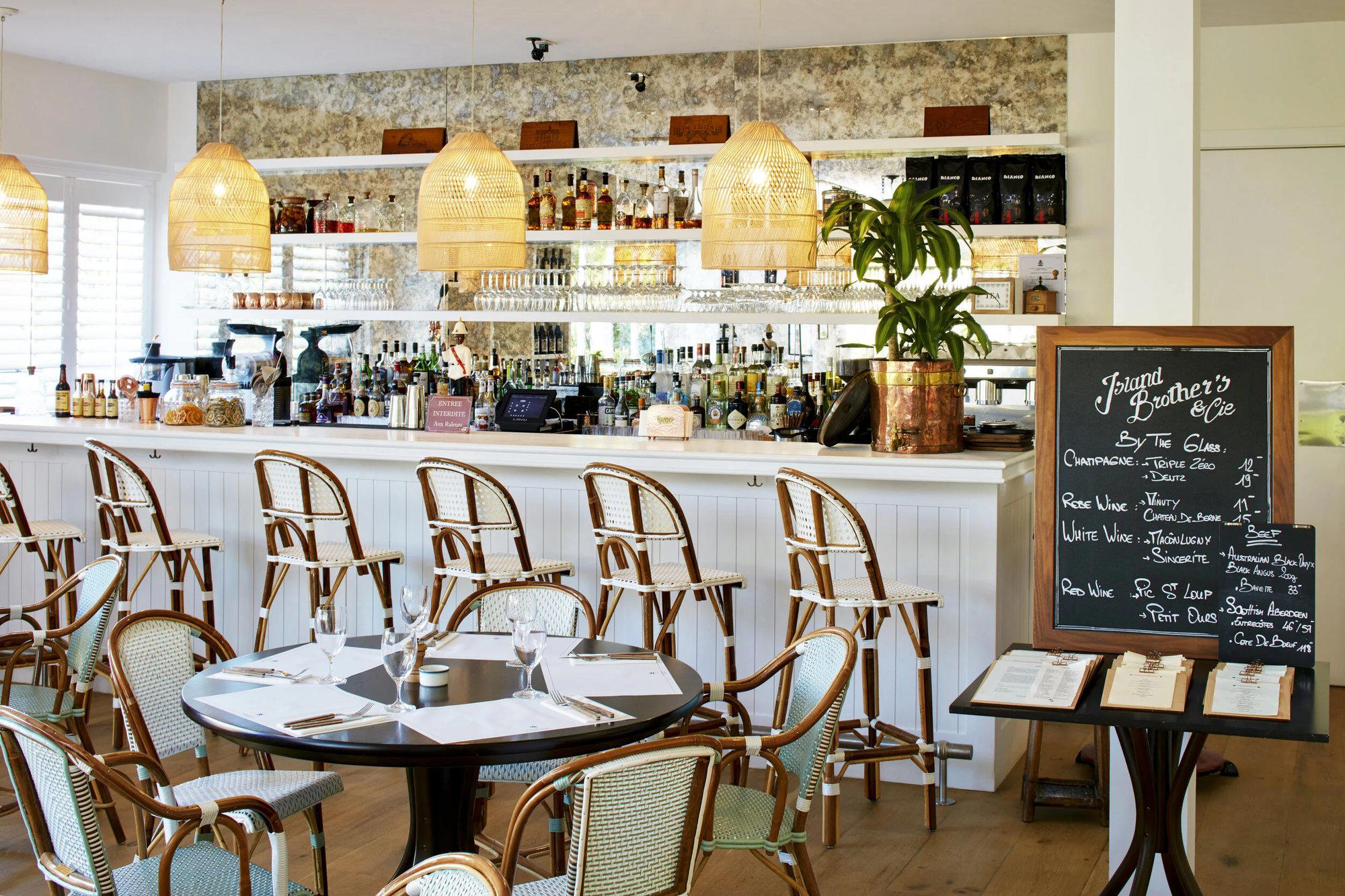
| Island Brothers Cie | French Mediterranean Bistro | $30–50 | Not listed | Lyford Cay, French Mediterranean Bistro |
Continue exploring
More in Nassau
Restaurants in Nassau
All restaurants in Nassau →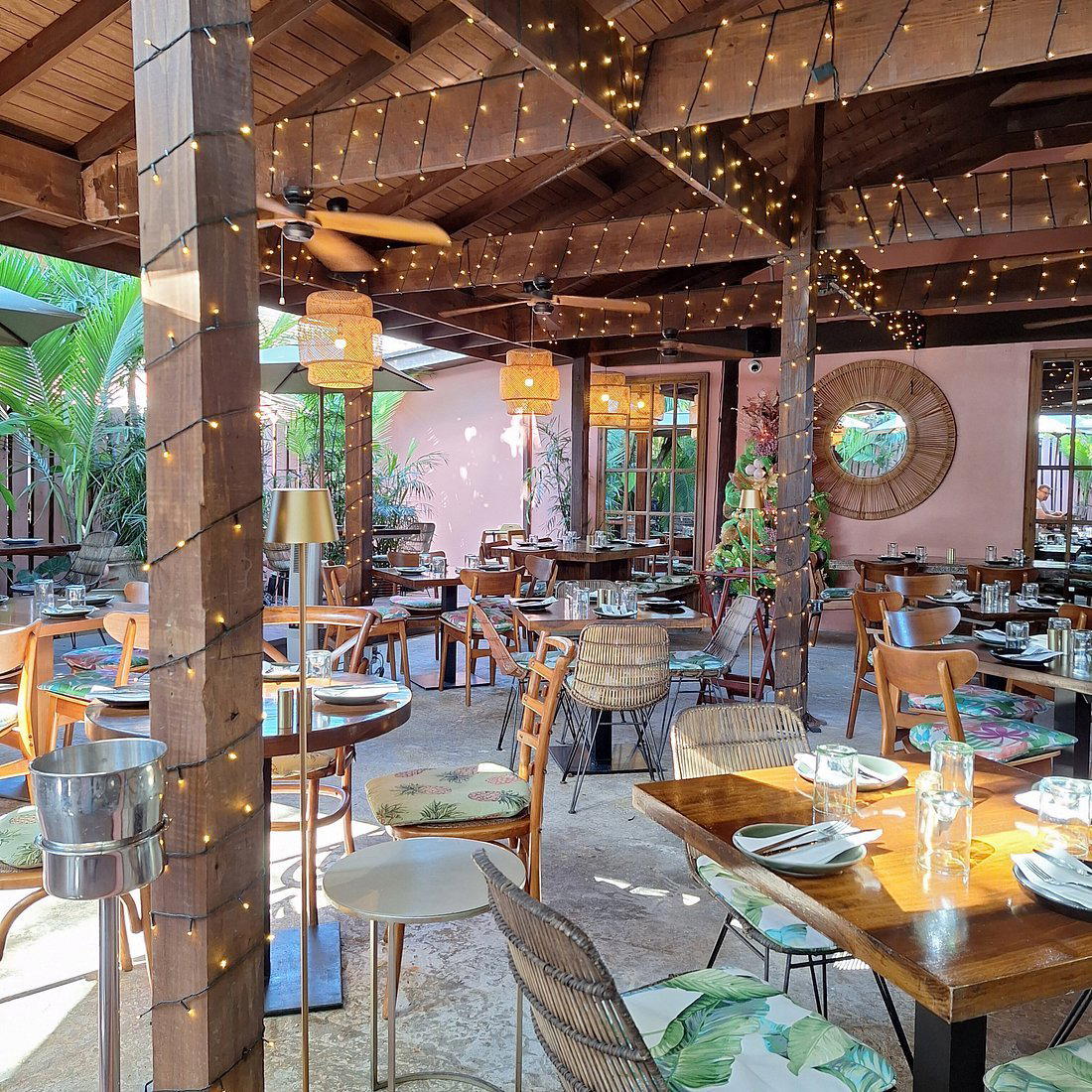
Details
- Trendy
- Modern
- Lively
- Group Dining
- Casual Hangout
- Open Kitchen
- Local Sourcing
- A La Carte
- Small Plates
Current opening hours
- Monday
- 11:30 AM–2:30 PM, 5:30–9:30 PM
- Tuesday
- 11:30 AM–2:30 PM, 5:30–9:30 PM
- Wednesday
- 11:30 AM–2:30 PM, 5:30–9:30 PM
- Thursday
- 11:30 AM–2:30 PM, 5:30–9:30 PM
- Friday
- 11:30 AM–2:30 PM, 5:30–9:30 PM
- Saturday
- 11:30 AM–2:30 PM, 5:30–9:30 PM
- Sunday
- Closed
Hours can change for holidays and private events. Hours as of .
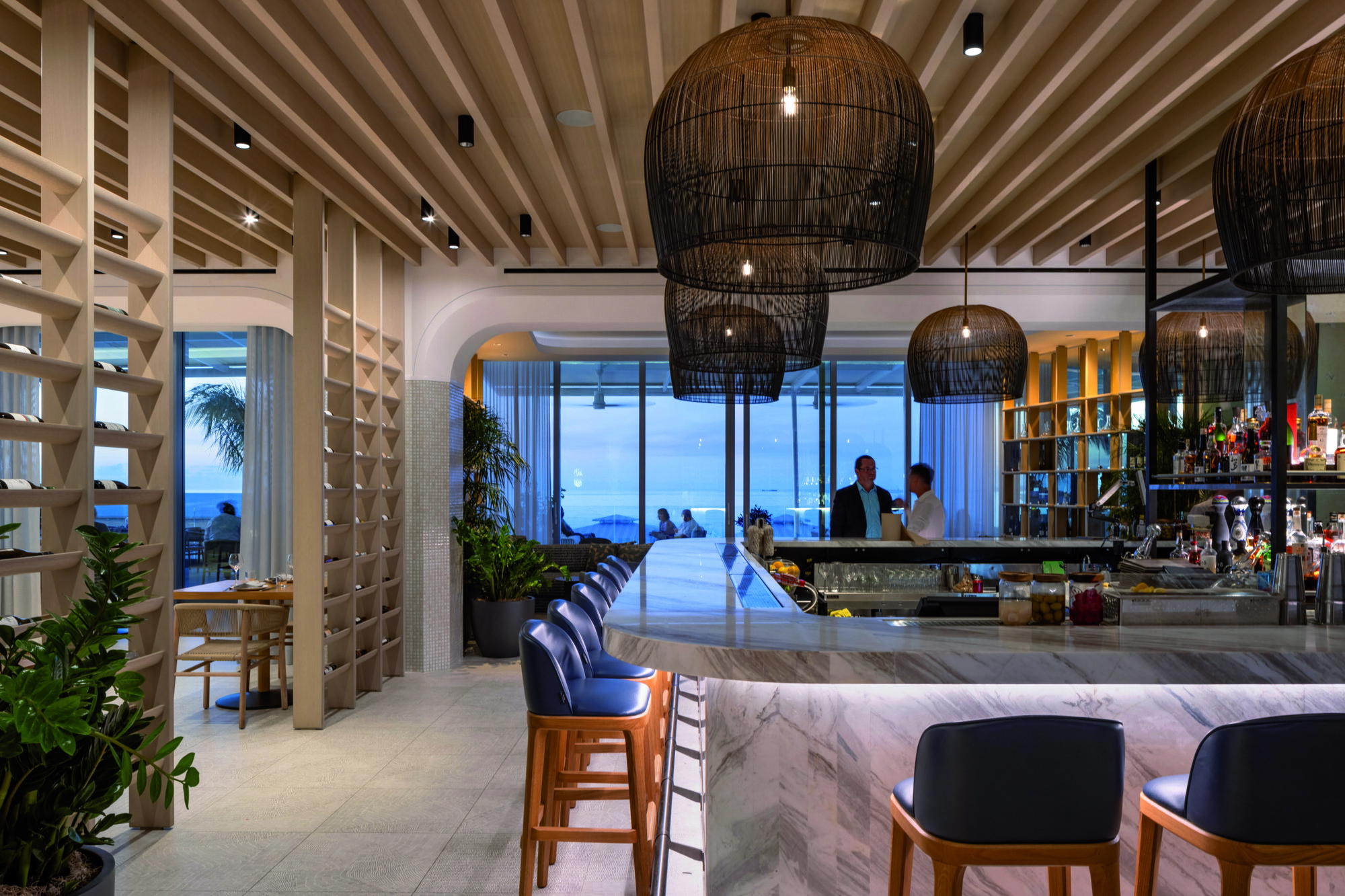
Relaxed yet engaging atmosphere with energetic noise levels, centered around table-side grilling that fosters conversation among friends and family.