Anouch
Our verdict
On Rue Bovy-Lysberg in central Geneva, Anouch draws on Armenian culinary traditions within a city more accustomed to French fine dining and international hotel restaurants. The address places it squarely in the Eaux-Vives-adjacent centre, accessible without the formality of Geneva's grand hotel dining rooms. For a city where ingredient provenance increasingly shapes the conversation, Anouch offers a distinct regional perspective.

Pearl is the En Primeur Club membership app — saves, bookings, and concierge access live there. Same editors, same standards.
- Address
- Rue Bovy-Lysberg 1, 1204 Genève, Switzerland
- Phone
- +41223203856
- Hours
- Mon ClosedTue 12–3 PMWed–Fri 12–11:30 PMSat–Sun Closed
- Website
- anouchrestaurant.com
- Directions
- Get directions
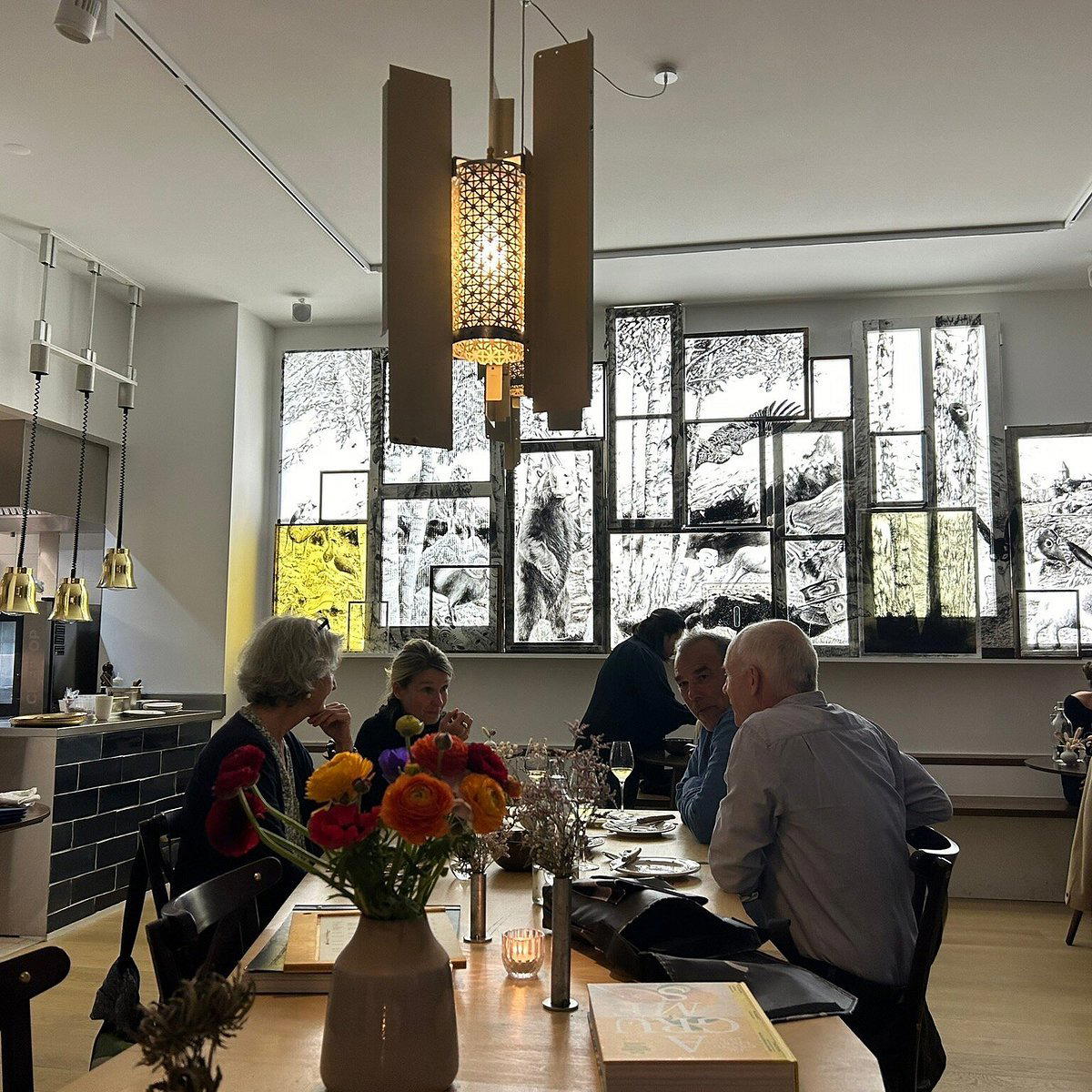
Where Geneva's Dining Map Gets Complicated
Geneva's restaurant scene has long been divided between two gravitational forces: the grand hotel dining rooms of the Rhône waterfront, where Italian and French kitchens operate at €€€€ price points with Michelin validation, and a quieter constellation of neighbourhood addresses that do something altogether different. Il Lago and L'Atelier Robuchon anchor the formal end of that spectrum. Anouch, at Rue Bovy-Lysberg 1 in the 1204 postal district, sits at a different coordinate entirely — a room shaped by Armenian culinary tradition rather than Franco-Swiss convention.
The address itself is telling. Rue Bovy-Lysberg runs through one of Geneva's more compressed central neighbourhoods, close enough to the Plainpalais cultural district to carry some of that area's less performative dining energy. You are not walking into a hotel lobby or a room designed around a power-lunch clientele. The physical approach is modest by Geneva standards, which in this city means something: Geneva's dining establishment has always used formality as a proxy for seriousness, and restaurants that opt out of that register tend to rely on what arrives at the table to make their argument.
Armenian Sourcing Logic in a Swiss Context
The ingredient sourcing traditions behind Armenian cuisine represent one of the more coherent regional food philosophies in the broader Middle Eastern and Caucasian culinary zone. The larder is built around dried fruits, pulses, fresh herbs used in volume rather than as garnish, pomegranate in both molasses and seed form, and lamb that is treated with a specificity — marination, slow cooking, spicing, that distinguishes it sharply from the braise-and-serve approach common in French kitchens. Flatbread, in the tradition of lavash, functions less as an accompaniment and more as a structural element of the meal.
What makes this sourcing logic relevant in Geneva specifically is the city's evolving relationship with provenance. Swiss fine dining has spent the better part of two decades building a narrative around local and regional ingredients: alpine dairy, lake fish, foraged herbs from canton-specific terroirs. Restaurants like Mammertsberg in Freidorf and Maison Wenger in Le Noirmont have made that localism central to their identity. Armenian cooking operates on a different provenance axis, one that treats the diaspora supply chain, dried and preserved goods, and centuries-old spice combinations as equally valid expressions of ingredient integrity. Neither approach is more rigorous than the other; they simply answer different questions about where flavour comes from.
In Geneva, a city with a significant Armenian diaspora community and a long history of absorbing displaced populations from the Caucasus and the Middle East, an Armenian restaurant is not an exotic outlier. It is part of a longer civic food story that the city's more prominent dining guides have been slow to document.
The restaurants that Geneva positions as its most serious tend to cluster around French and Italian frameworks. L'Aparté works within Modern French idiom; Arakel operates in modern cuisine territory; La Micheline draws on Mediterranean sourcing. Anouch's frame of reference sits outside all of those lineages, which means it is not competing for the same diner or the same occasion.
That positioning has implications for how you should approach a visit. This is not a restaurant where the evening is structured around a sequence of small courses designed to demonstrate technique. Armenian hospitality traditionally organises a meal around abundance and simultaneity, dishes arriving together, bread present throughout, the table as a shared surface rather than a sequenced experience. That format tends to suit groups over solo diners, and long evenings over business-hour efficiency.
Switzerland's broader fine dining circuit, represented at the upper tier by addresses like Hotel de Ville Crissier in Crissier, Schloss Schauenstein in Fürstenau, and Memories in Bad Ragaz, operates on a very different tempo and logic. Those rooms are built around the tasting menu format, where the kitchen controls the sequence and the diner follows. Anouch represents a counterpoint to that mode, a style of eating that is inherently less hierarchical between kitchen and guest.
Internationally, the comparison that holds is less a French three-star and more an Armenian-diaspora institution in a city with a long immigrant hospitality tradition, closer in spirit to what Lebanese restaurants have achieved in Paris or what Georgian kitchens have done in Berlin, where a cuisine's ingredient logic and social format travel intact into a new urban context. If you have eaten at restaurants where the sourcing story is told through preservation, spice, and technique rather than through farm-to-table proximity, the register here will be familiar.
Planning a Visit
Anouch is at Rue Bovy-Lysberg 1, 1204 Geneva, in the central city. The 1204 district is walkable from the Cornavin train station and accessible by tram from most of Geneva's major hotel zones, which matters in a city where parking is expensive and the public transit network is reliable enough to make it the default. Dress code expectations at this type of address in Geneva typically run to smart casual rather than the jacket-and-tie formality that the city's hotel restaurants still maintain in some rooms.
For a broader map of where Anouch sits within Geneva's dining options, our full Geneva restaurants guide provides context on the city's range by cuisine type and price tier. Those planning a longer Swiss itinerary with a focus on fine dining should also consider Cheval Blanc by Peter Knogl in Basel, Einstein Gourmet in Sankt Gallen, Da Vittorio in St. Moritz, focus ATELIER in Vitznau, and La Table du Valrose in Rougemont for contrast across the country's culinary range. For international reference points on sourcing-led cooking that operates outside the European fine dining mainstream, Le Bernardin in New York and Lazy Bear in San Francisco offer useful benchmarks for how regional ingredient logic can be taken seriously on a global stage.
Frequently asked questions
What part of town is Anouch in?
Anouch is located at Rue Bovy-Lysberg 1, 1204 Genève, Switzerland, Geneva.
Is Anouch in Geneva suitable for vegetarians following Armenian food traditions?
Armenian cuisine historically includes a broad range of vegetable-forward and legume-based preparations, making it structurally more accommodating for vegetarians than many European traditions. Anouch, at Rue Bovy-Lysberg 1 in central Geneva, applies this sourcing tradition in a Swiss setting.
What do people recommend at Anouch?
Anouch draws attention for its Armenian sourcing logic, which sits at a distance from the French and Italian frameworks that dominate Geneva's serious dining conversation. Regulars tend to return for the ingredient-led approach rather than any single showpiece dish. The address at Rue Bovy-Lysberg 1 puts it within easy reach of central Geneva, which makes repeat visits practical for both locals and visitors staying near Cornavin.
Can I walk in to Anouch?
Anouch is in the 1204 district, walkable from Cornavin station and accessible by tram through central Geneva. Whether the kitchen accommodates walk-ins on a given evening depends on the day and season, so contacting the restaurant directly before arriving without a reservation is advisable. No booking platform or phone number is listed in current public records, which suggests in-person or local enquiry is the most reliable approach.
What's the defining dish or idea at Anouch?
The defining idea at Anouch is the application of Armenian ingredient philosophy within a Swiss context. Armenian cuisine draws on a coherent regional sourcing tradition that differs structurally from the French and Italian frameworks Geneva's restaurant scene typically favours. That contrast is what makes Anouch a point of reference for diners looking outside the city's established dining consensus.
Quick Comparison
| Venue | Cuisine | Price | Awards | Notes |
|---|---|---|---|---|
| AnouchThis venue — the venue you are viewing | Seasonal Mediterranean with Armenian and Thai Influences | $50–100 | Not listed | Not listed |
| Il Lago | Michelin-Starred Italian | $200–300 | 1 Michelin Star · Wine Spectator Best of Award of Excellence | Italian |
| Tsé Fung | Michelin-Starred Cantonese | Not listed | 1 Michelin Star · Falstaff Restaurant - 93 Falstaff Points | Chinese |
| Fiskebar | Nordic Seafood | $100–150 | Michelin Plate | Nordic - Seafood, Modern Cuisine |
| Le Jardinier | Contemporary Seasonal French | Not listed | Michelin Plate | French, French Contemporary |
| L'Atelier Robuchon | Modern French Fine Dining | $200–300 | 2 Michelin Stars · La Liste Top Restaurants | French Contemporary |
Continue exploring
More in Geneva
Restaurants in Geneva
Browse all →
Bars in Geneva
Browse all →
Hotels in Geneva
Browse all →

Details
- Elegant
- Intimate
- Modern
- Cozy
- Date Night
- Business Dinner
- Group Dining
- Special Occasion
- Design Destination
- Open Kitchen
- Private Dining
- Sommelier Led
- Farm To Table
- Local Sourcing
- Organic
- Tasting Menu
- Set Menu
- Wine
- Vegetarian Friendly
- Organic Focus
Current opening hours
- Monday
- Closed
- Tuesday
- 12–3 PM
- Wednesday
- 12–11:30 PM
- Thursday
- 12–11:30 PM
- Friday
- 12–11:30 PM
- Saturday
- Closed
- Sunday
- Closed
Hours can change for holidays and private events. Last verified .
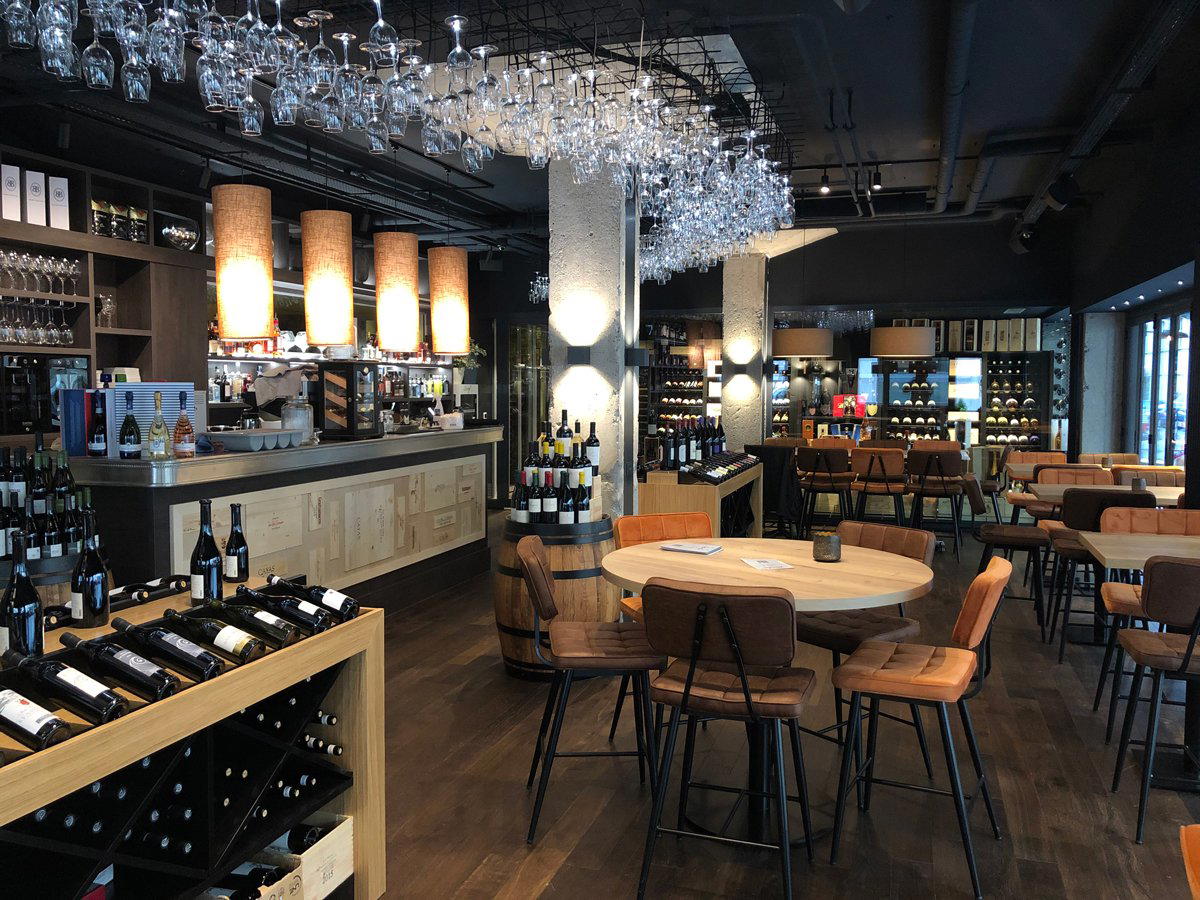
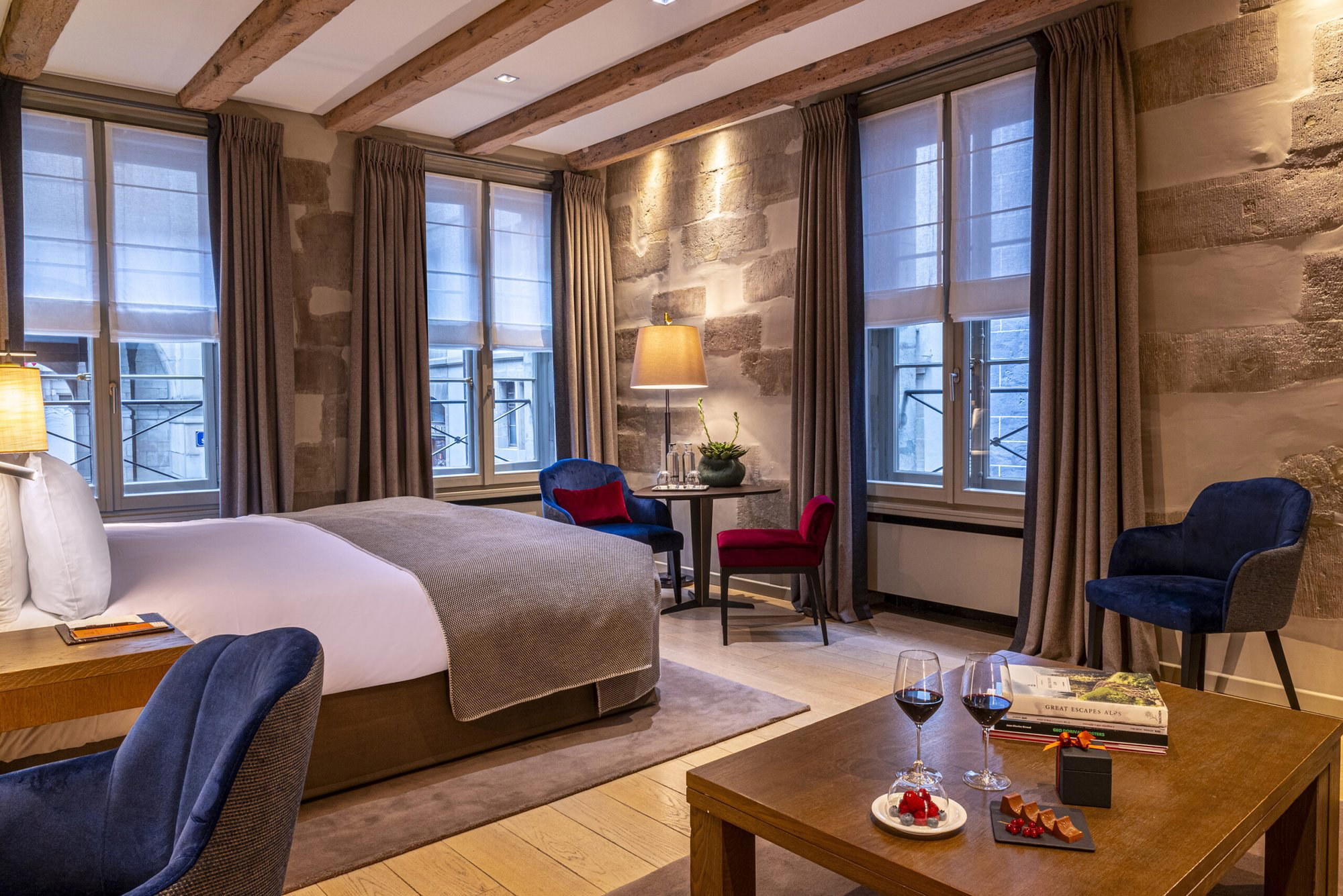
Warm and welcoming atmosphere blending contemporary art, natural materials, and thoughtful design with communal and intimate round table seating options.