Our verdict
A Decade-Long Conversation at the Corner of Sussex and Druitt The dining room at 201 Sussex Street occupies one of those CBD addresses that feels deliberately removed from Sydney's harbour spectacle. There is no waterfront view to lean on, no...

Pearl is the En Primeur Club membership app, where members save venues, book tables and use the concierge.
The menu
What to order
- Scampi with jamon cream
- Sashimi of bonito
- Marron
A Decade-Long Conversation at the Corner of Sussex and Druitt
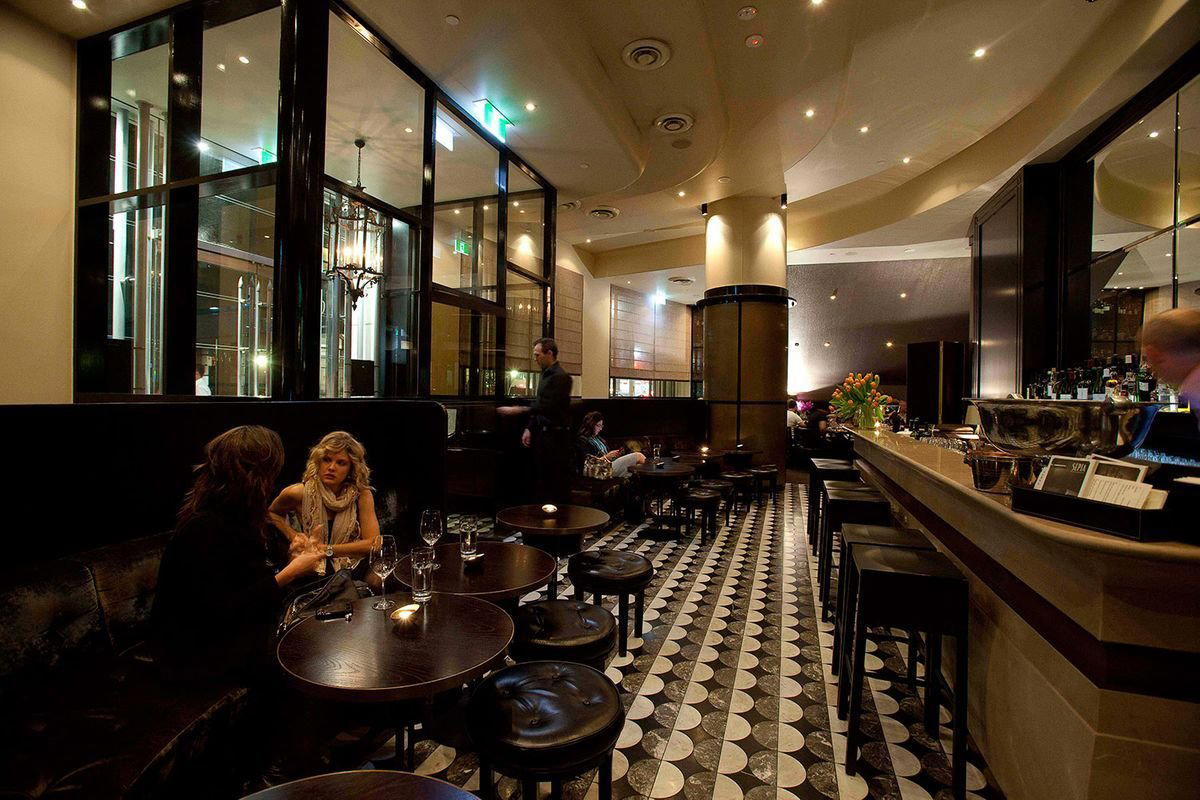
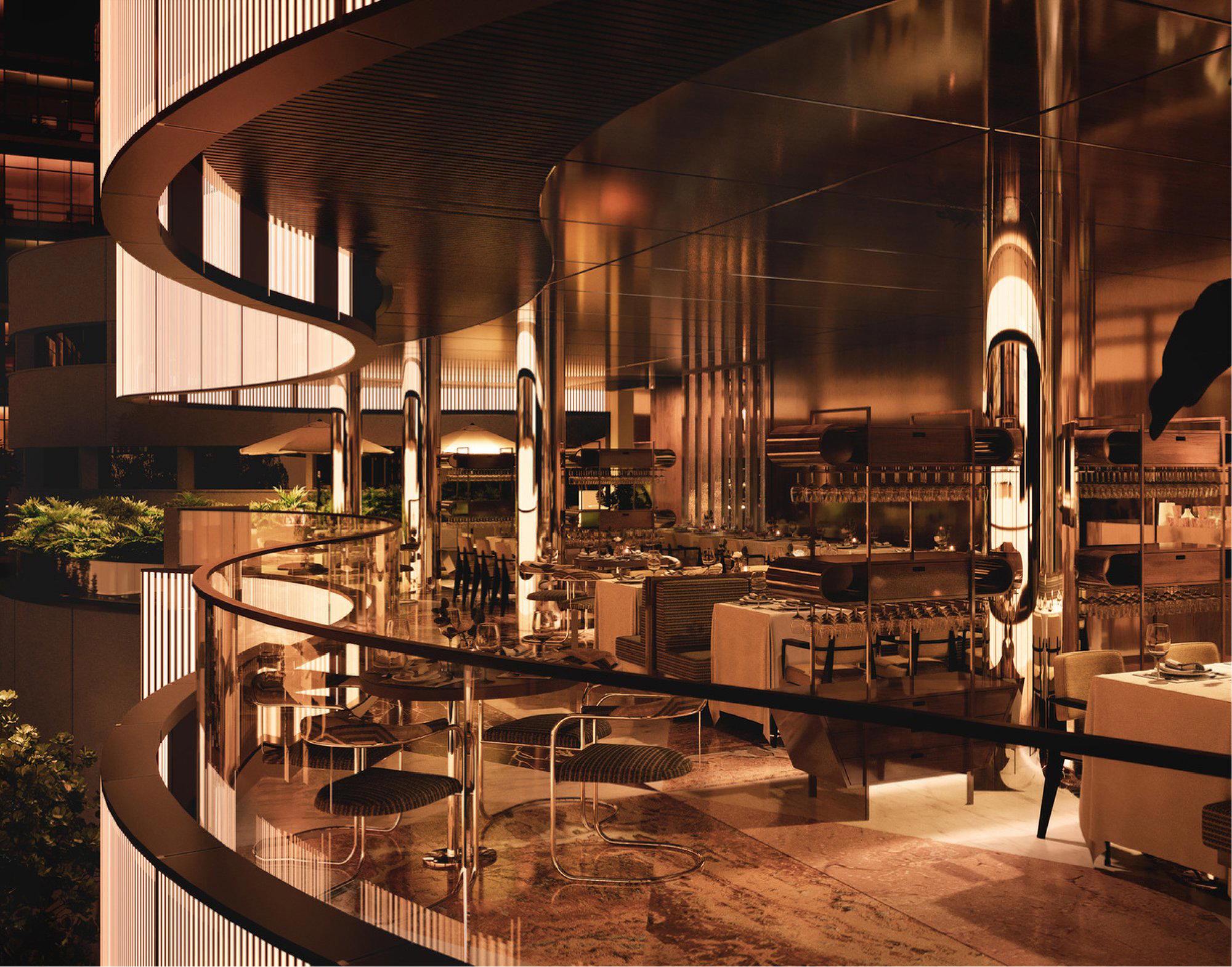
The dining room at 201 Sussex Street occupies one of those CBD addresses that feels deliberately removed from Sydney's harbour spectacle. There is no waterfront view to lean on, no postcard backdrop. What the space offers instead is compression: a room that signals intent through restraint, where the absence of distraction puts everything onto the plate. For a restaurant that has spent years repositioning itself within Sydney's fine-dining tier, that choice of environment has always been thematically consistent.
Sepia sits at a particular intersection in Sydney's premium restaurant scene, the point where Japanese technique meets Australian produce logic. That pairing has become more common across the city since Sepia first established it as a serious register, and watching how the restaurant has evolved in response to an increasingly crowded field tells you something useful about how Australian fine dining matures when it takes itself seriously.
The Evolution of a Fine-Dining Format
Sydney's upper dining tier has shifted considerably over the past decade. Restaurants that once held the category largely by default, through price point and white-tablecloth formality alone, have had to compete with a generation of more technically specific propositions. Across that same period, the Australian-Japanese synthesis that Sepia helped define has moved from novelty to established grammar. Places like Saint Peter pushed the seafood-precision argument in a different direction. Rockpool continued anchoring the category through sheer institutional weight. Sepia's response has been to consolidate around what it does most convincingly: long-form tasting menus that draw on fermentation, smoke, and preservation as structural tools rather than garnishes.
That editorial commitment to technique over trend is what separates the restaurants in this tier that age well from those that date quickly. The Japanese-Australian format, when it works, produces menus where the restraint is load-bearing. Every element is accountable. There is no sauce generous enough to cover an underdeveloped idea. Sepia has, over time, refined that accountability into something approaching a house discipline.
Across Australia, a handful of restaurants operate at the intersection of produce-obsession and Japanese precision. Attica in Melbourne takes a different route, tilting toward indigenous Australian ingredients as its primary editorial lens. Brae in Birregurra removes itself from urban competition entirely, using its regional setting as both context and ingredient source.
What the Room Does for the Meal
The address on Sussex Street places Sepia in the western fringe of the CBD, close enough to the financial district to draw the corporate dinner crowd, far enough from Circular Quay to avoid the tourist-serving reflex that can dilute a kitchen's focus. That positioning has always given the restaurant a particular kind of diner: one who made a specific decision rather than one who walked past and was persuaded by a menu board.
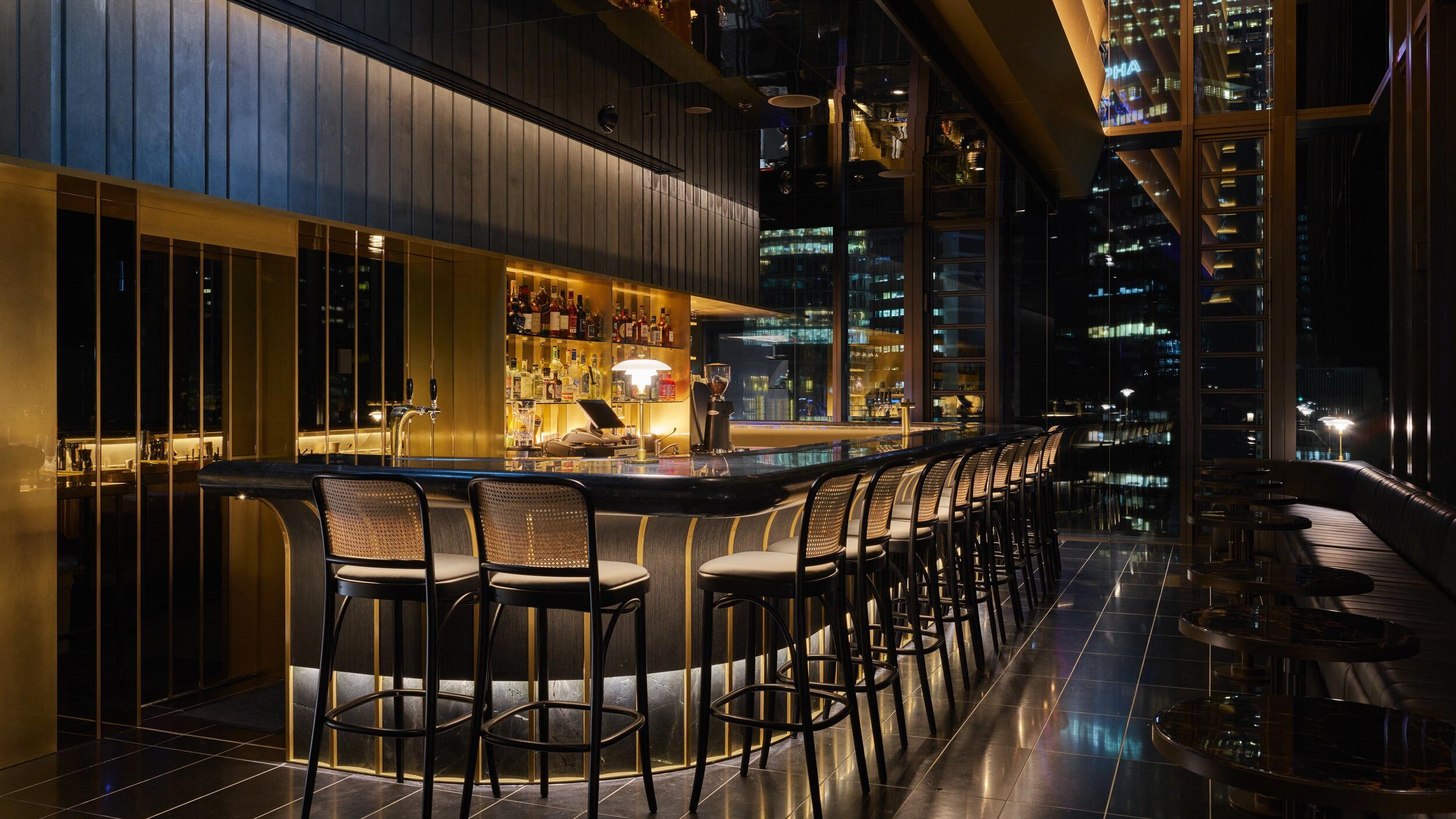
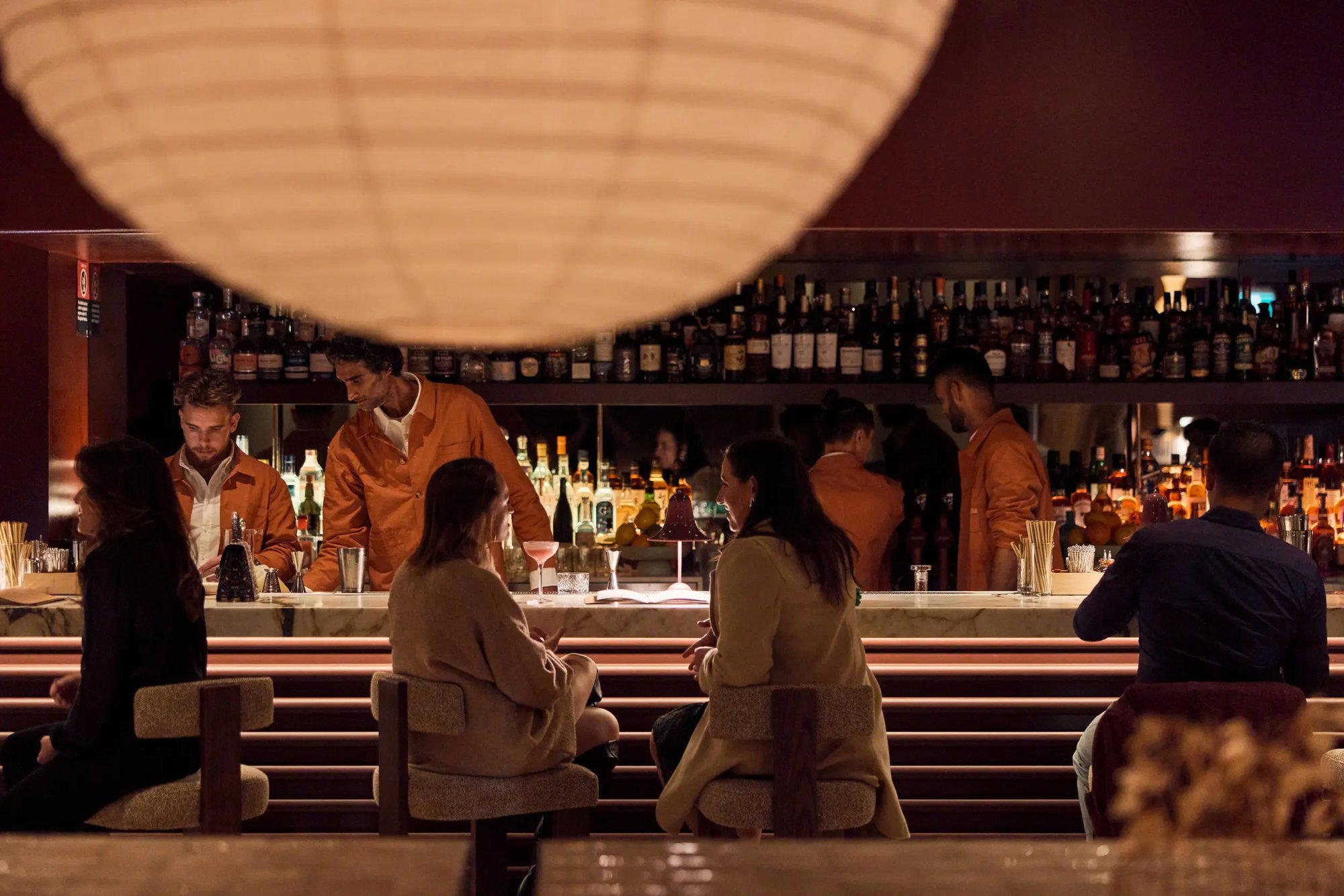
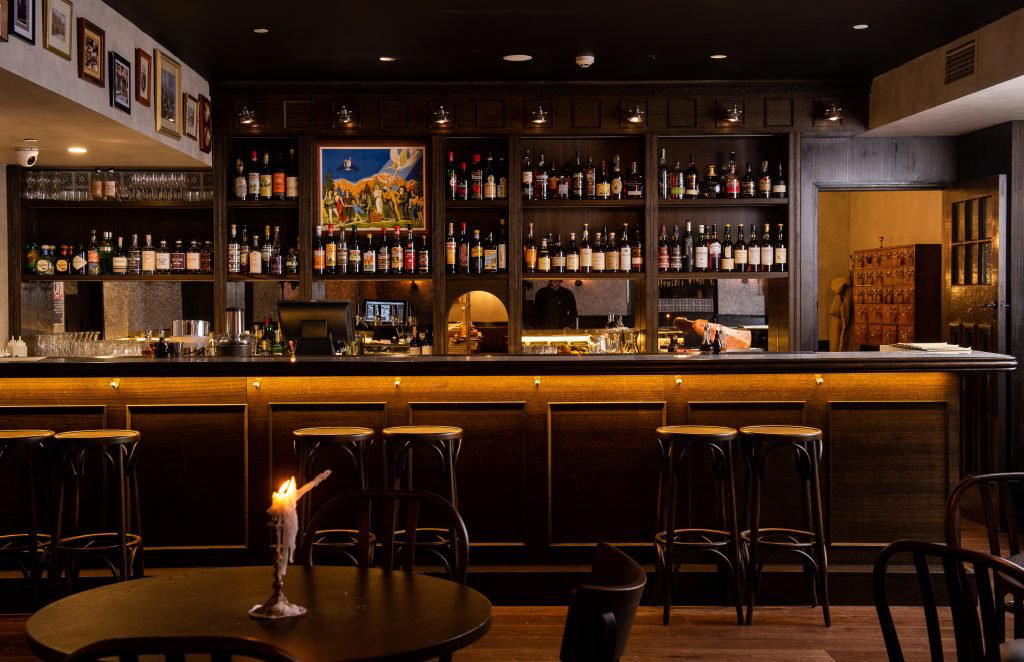
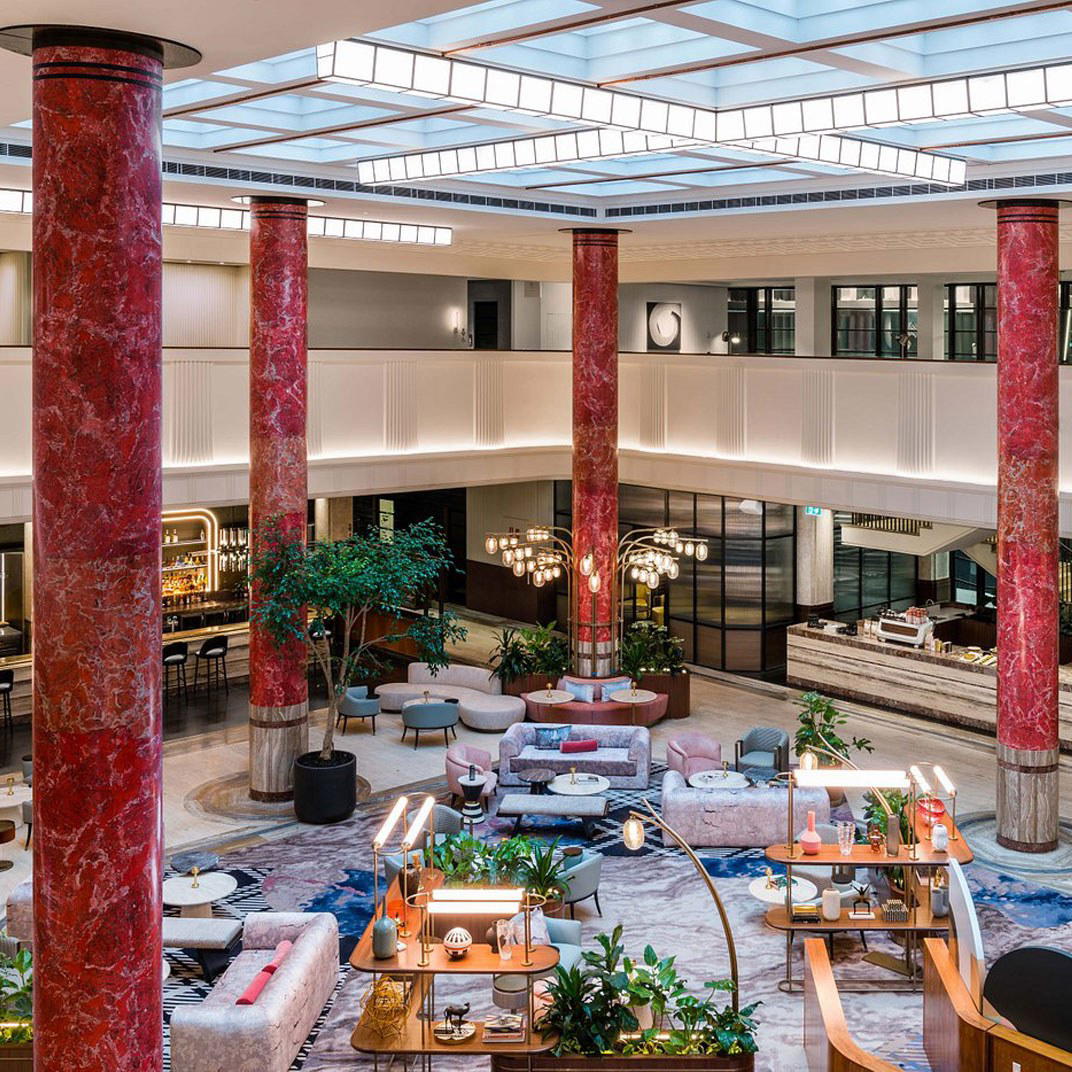
The interior choices reinforce that intentionality. Fine-dining rooms in this city have moved broadly away from the carpeted-and-hushed register toward something more material and tactile. Sepia has maintained a version of considered formality, the kind where service has weight and pacing is a design element, not an afterthought. Compared to the more casual formats now appearing across the CBD and surrounds, from the neighbourhood-bistro energy of Bayly's Bistro in Kirribilli to the relaxed approach at bills in Bondi Beach, Sepia represents the category that still treats the meal as a structured event with a beginning, middle, and deliberate end.
Sydney's Fine-Dining Tier: Where Sepia Sits
Sydney's premium restaurant market has consolidated around a handful of propositions that justify their price point through either produce access, technique depth, or room experience. The restaurants that survive at this level without a waterfront advantage or a heritage address tend to do so by becoming technically specific enough that the food itself carries the room. Sepia belongs in that grouping.
For direct comparison, the Australian modern category in Sydney includes restaurants with very different editorial identities. 10 William St argues for a wine-bar seriousness at a lower price point. 1021 Mediterranean holds a different geographic reference point entirely. 10 Pounds approaches the category from another angle. The comparison to Le Bernardin in New York City or Atomix in New York City is instructive not because the food is equivalent in every dimension, but because all three restaurants operate on the same logic: technique is the identity, and the menu exists to demonstrate it across a sequence, not to deliver individual crowd-pleasing dishes.
For a broader map of where Sepia sits within Sydney's dining options, the full Sydney restaurants guide covers the categories in more depth.
Planning Your Visit
Address: 201 Sussex Street (at Druitt St), Sydney NSW 2000. Reservations: Given Sepia's position in Sydney's fine-dining tier, advance booking is advisable; check the restaurant's current booking channel directly as formats in this category have shifted post-pandemic. Budget: Expect pricing consistent with Sydney's extended tasting-menu tier, comparable to other multi-course formats at this level. Timing: Dinner service suits the format; the CBD location makes it accessible from most inner-Sydney points. Dress: Smart, consistent with the room's register.
Frequently asked questions
What dish is Sepia famous for?
What is the ideal way to book Sepia?
What is Sepia leading at?
How does Sepia compare to other Australian fine-dining restaurants working with Japanese technique?
Comparable Options
| Venue | Cuisine | Price | Awards |
|---|---|---|---|
| SepiaThis venue (the venue you are viewing) | Modern Australian-Japanese Fine Dining | $150–200 | Not listed |
| Rockpool | Modern Australian Steakhouse | $150–200 | World's 50 Best #49 · La Liste Top Restaurants |
| Saint Peter | Modern Australian Seafood | $150–200 | World's 50 Best #50 · La Liste Top Restaurants |
| BENTLEY Restaurant & Bar | Modern Australian Fine Dining | $150–200 | La Liste Top Restaurants · Star Wine List |
| Bennelong | Modern Australian Fine Dining | $200–300 | La Liste Top Restaurants · Star Wine List |
| 20 Chapel | Modern Australian Wood-Fired Grill | $100–150 | Not listed |
Sepia
Featured Guides

Continue exploring
More in Sydney
Restaurants in Sydney
All restaurants in Sydney →
Bars in Sydney
All bars in Sydney →

Details
- Elegant
- Sophisticated
- Intimate
- Modern
- Date Night
- Special Occasion
- Open Kitchen
- Extensive Wine List
- Tasting Menu
Sophisticated and intimate atmosphere with focus on sensory culinary performance and harmonious plating.