Señor Tanaka
Our verdict
Señor Tanaka occupies a distinctive corner of Garza Garcia's dining scene, where Japanese culinary discipline meets northern Mexican sensibility in a format that rewards attention. Located on Calzada Mauricio Fernández Garza in the Del Valle district, the restaurant represents a category of cross-cultural dining that has gained serious traction in Mexico's wealthiest municipality. A reservation here situates you inside one of the more considered fusion formats the city currently offers.

Pearl is the En Primeur Club membership app — saves, bookings, and concierge access live there. Same editors, same standards.
- Address
- Calz. Mauricio Fernández Garza 102, Del Valle, 66220 Monterrey, N.L., Mexico
- Phone
- +528183352060
- Hours
- Mon–Thu 1 PM–1 AMFri–Sat 1 PM–2 AMSun 1–11 PM
- Website
- srtanaka.com
- Directions
- Get directions
- Booking
- Book on OpenTable
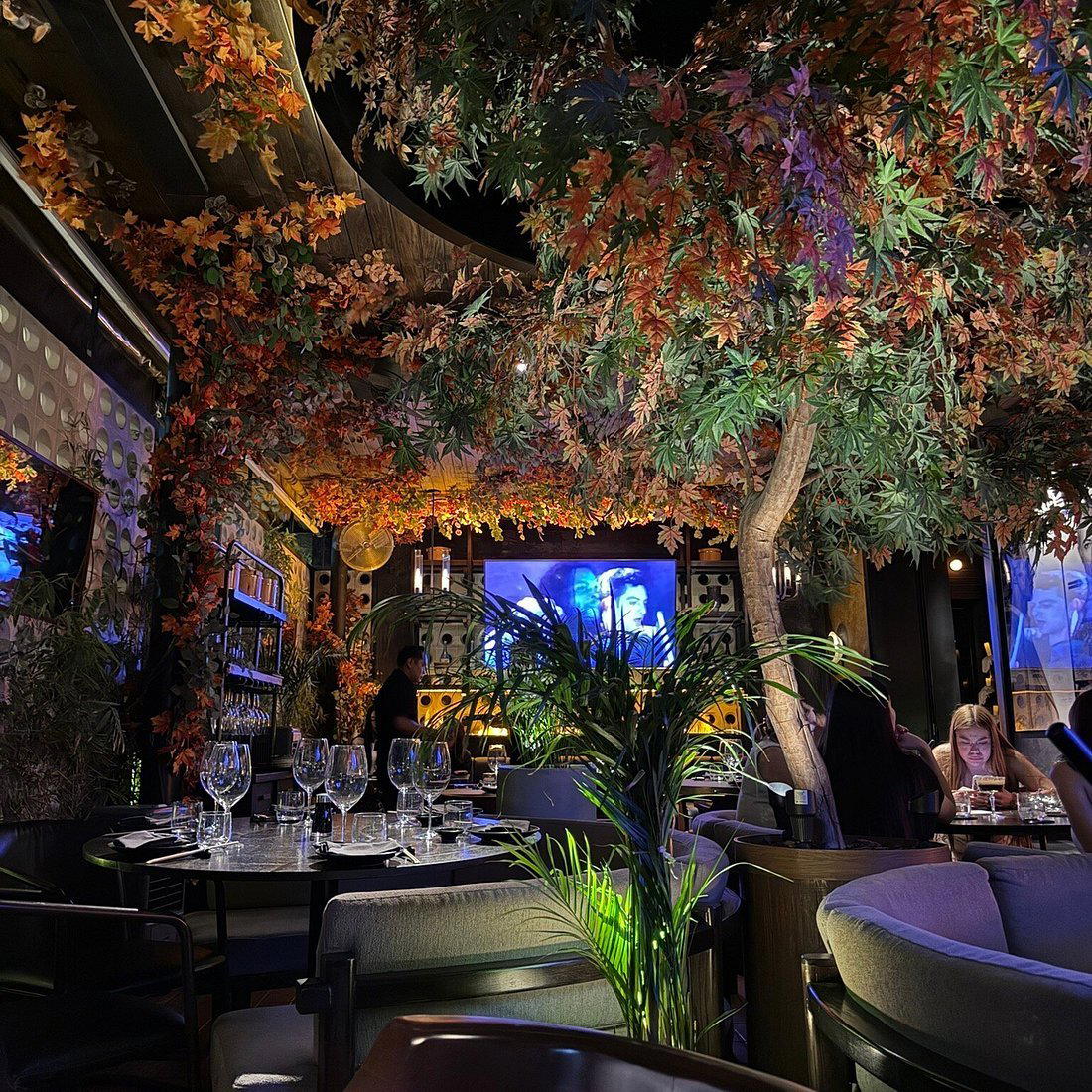
Where Japanese Structure Meets Monterrey Appetite
Garza Garcia's restaurant scene has matured well beyond the steakhouse-and-cantina binary that once defined premium dining in Mexico's northeastern corridor. The municipality, which ranks among the wealthiest in Latin America by per-capita income, now supports a varied tier of internationally inflected restaurants where technical precision competes with local identity. Into that context comes Señor Tanaka, positioned on Calzada Mauricio Fernández Garza in the Del Valle neighborhood, a stretch that increasingly functions as the area's fine-dining spine alongside addresses like Pangea in San Pedro Garza Garcia and Casa Prime Monterrey.
The name alone signals the concept before you walk through the door: a Mexican honorific grafted onto a Japanese surname, announcing that this is a restaurant built on deliberate cultural collision rather than accidental fusion. That framing matters because it tells you how to read the menu, and how the menu is structured tells you nearly everything about what a restaurant actually believes.
Menu Architecture as Argument
In Mexico's most sophisticated dining rooms, the fusion format has split into two recognizable camps. The first deploys Japanese technique as an aesthetic layer over Mexican ingredients, producing dishes that feel more like concept exercises than coherent cuisine. The second takes the structural logic of Japanese cooking, its insistence on temperature, sequence, and restraint, and applies it to ingredients and flavor profiles with genuine regional roots. Señor Tanaka operates closer to the second camp, which places it in a more demanding position: the menu has to hold together as an argument, not just as a series of interesting plates.
Japanese culinary architecture, particularly in its omakase and izakaya expressions, tends to organize a meal around progression: from lighter to richer, from raw to cooked, from delicate to assertive. When that logic is mapped onto northern Mexican flavor vocabulary, the results can be genuinely revelatory, because regio cuisine already operates on its own hierarchy of intensity, from ceviche-adjacent appetizers to the deeply savory carne asada that anchors the main course. A kitchen that understands both structures can create a menu that reads as intentional from first dish to last, rather than a collection of fusion riffs assembled for novelty.
This kind of cross-cultural discipline is not common in Mexico's dining scene, but it is not without precedent. Restaurants like Pujol in Mexico City and KOLI Cocina de Origen in Monterrey have demonstrated that international technique and Mexican ingredient logic can produce menus with genuine intellectual coherence rather than mere novelty. The question for any Japanese-Mexican hybrid is whether the architecture of one tradition serves the ingredients of the other, or merely decorates them.
Garza Garcia's Cross-Cultural Dining Tier
Understanding Señor Tanaka requires understanding Garza Garcia's competitive dining environment. The municipality sits adjacent to Monterrey proper but operates as a distinct social and commercial zone, with a concentration of high-income households that sustains a restaurant market oriented toward international formats and premium pricing. This is the same economic logic that supports destination-level Japanese restaurants in cities like São Paulo and Buenos Aires, where a critical mass of internationally traveled diners creates demand for technically demanding cuisine that would struggle elsewhere in the region.
The city's Japanese-inflected dining options include Hotaru Highpark, which approaches the format from a different angle. Señor Tanaka's specific positioning within that set is defined by its hybrid identity: it is not trying to replicate a Tokyo experience in northern Mexico, but rather to build something that could only exist at this particular intersection of cultures. That ambition is common across Mexico's more adventurous restaurant openings. Animalón in Valle de Guadalupe, Le Chique in Puerto Morelos, and HA' in Playa del Carmen each represent different versions of the same instinct: take an international culinary vocabulary and run it through a Mexican filter until something genuinely local emerges.
Garza Garcia's other dining reference points span the full range of the scene. Cabanna Restaurant, Cantina La 20, and Fonda San Francisco each anchor different points on the city's dining spectrum, from traditional Mexican formats to modern interpretations. Señor Tanaka sits outside all of those categories, which is either its strength or its challenge depending on what the kitchen delivers on a given night.
Japan-Mexico Fusion in the Wider Mexican Context
Mexico's relationship with Japanese culinary culture runs deeper than the current fusion moment suggests. The Nikkei community in Mexico, while smaller than those in Peru and Brazil, has influenced coastal and urban dining for decades. More recently, the technical prestige associated with Japanese cooking has made it an attractive framework for ambitious Mexican chefs looking to bring structural discipline to their menus without abandoning local ingredients. The results range from the purely theatrical to the genuinely considered.
What separates the more serious attempts from the decorative ones is usually sequence and restraint: does the kitchen understand why Japanese cuisine organizes flavors the way it does, or is it borrowing the aesthetic without the underlying logic? Restaurants operating at the higher end of this format, such as Atomix in New York City, demonstrate that the Japanese disciplinary framework can carry significant cultural weight when the execution is rigorous. The comparison is instructive even if the price point and context differ: the structural question is the same regardless of geography. Closer to Garza Garcia, Alcalde in Guadalajara and Levadura de Olla Restaurante in Oaxaca demonstrate how Mexican chefs across the country are applying international frameworks with increasing confidence and regional specificity.
Planning Your Visit
Señor Tanaka is located at Calzada Mauricio Fernández Garza 102, Del Valle, in what is administratively addressed as Monterrey but functions as the Garza Garcia dining corridor. The Del Valle district is accessible by car and sits within the broader San Pedro Garza Garcia municipal zone where most of the area's premium restaurants concentrate. As with most restaurants operating in this tier across Mexico's major cities, demand for tables on weekend evenings runs ahead of walk-in availability, and advance planning is advisable. For a broader map of the area's restaurant options, the full Garza Garcia restaurants guide provides comparative context across categories and price tiers. Those exploring Mexico's wider fine-dining circuit may also find reference points in Olivea Farm to Table in Ensenada and Lunario in El Porvenir, both of which represent the kind of regionally rooted, internationally informed cooking that Señor Tanaka draws from in its own way.
Frequently asked questions
Where do I go for Señor Tanaka?
Señor Tanaka is located at Calz. Mauricio Fernández Garza 102, Del Valle, 66220 Monterrey, N.L. Mexico, Garza Garcia.
Is Señor Tanaka a good option for business dining in Monterrey's Garza Garcia district?
The Del Valle address on Calzada Mauricio Fernández Garza 102 places Señor Tanaka inside the corridor Garza Garcia's corporate community uses regularly for client entertaining, sitting adjacent to Monterrey proper but operating at the municipality's own premium standard. The Japan-Mexico fusion format gives the meal a point of difference from the steakhouse circuit that dominates regional business dining, which can work in its favor for clients seeking something less predictable. It functions well as a setting where the food itself becomes part of the conversation.
What dish is Señor Tanaka famous for?
Señor Tanaka's most discussed plates sit at the intersection of Japanese technique and northern Mexican ingredients, a combination that defines the restaurant's position in Garza Garcia's premium dining tier. Rather than decorative fusion, the kitchen applies Japanese structural logic to flavors and proteins associated with Nuevo León's culinary tradition. Specific dishes change with the kitchen's direction, but the through-line is consistent: Japanese form, Mexican substance.
How hard is it to get a table at Señor Tanaka?
Garza Garcia's premium dining market is concentrated and active, with a relatively small pool of high-frequency diners cycling through a limited number of serious restaurants. That dynamic keeps demand at venues like Señor Tanaka, located on Calzada Mauricio Fernández Garza in Del Valle, consistently ahead of walk-in availability. Booking in advance is the standard practice across the municipality's upper dining tier, and Señor Tanaka is no exception.
Reputation Context
Comparable venues nearby, for context on price, style, and recognition.
| Venue | Cuisine | Price | Notes |
|---|---|---|---|
| Señor TanakaThis venue — the venue you are viewing | Trendy Japanese Fusion | $50–100 | Not listed |
| Cantina La 20 | Modern Mexican Cantina | Not listed | San Pedro Garza García |
| Hotaru Highpark | Modern Japanese Sushi | Not listed | San Pedro Garza Garcia |
| Casa Prime Monterrey | Modern Steakhouse | $50–100 | Valle Oriente |
| La Torrada | Northeastern Mexican Grilled Steakhouse | $50–100 | Valle Oriente |
| Los Hidalgos | Mexican Steakhouse | Not listed | San Pedro Garza Garcia |
Continue exploring
More in Garza Garcia
Restaurants in Garza Garcia
Browse all →
Bars in Garza Garcia
Browse all →
Details
- Trendy
- Lively
- Modern
- Date Night
- Group Dining
- Late Night
- Private Dining
- Craft Cocktails
- Sake Program
- A La Carte
- Small Plates
- Sake Program
- Full Bar
- Vegetarian Friendly
Current opening hours
- Monday
- 1 PM–1 AM
- Tuesday
- 1 PM–1 AM
- Wednesday
- 1 PM–1 AM
- Thursday
- 1 PM–1 AM
- Friday
- 1 PM–2 AM
- Saturday
- 1 PM–2 AM
- Sunday
- 1–11 PM
Hours can change for holidays and private events. Last verified .
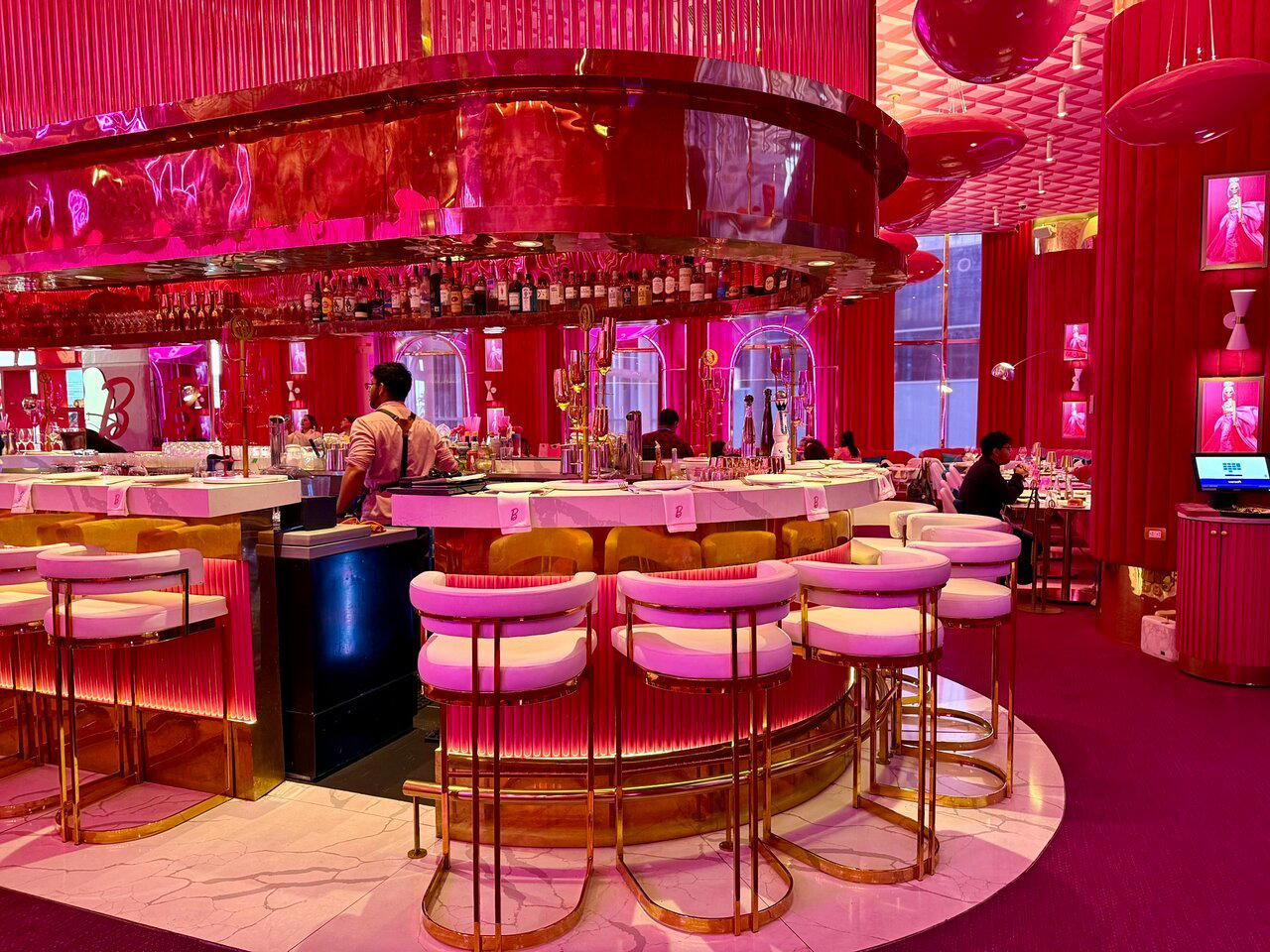
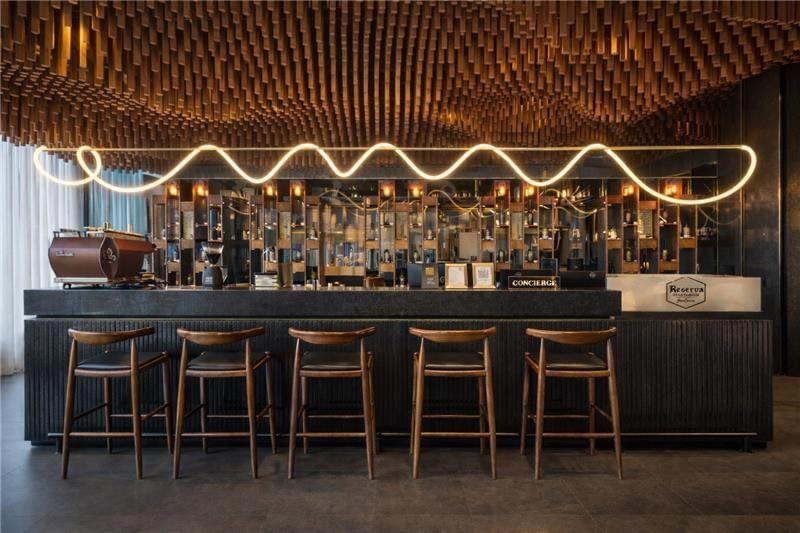
Sophisticated yet welcoming atmosphere with moderate noise levels.