Hotaru Highpark
Our verdict
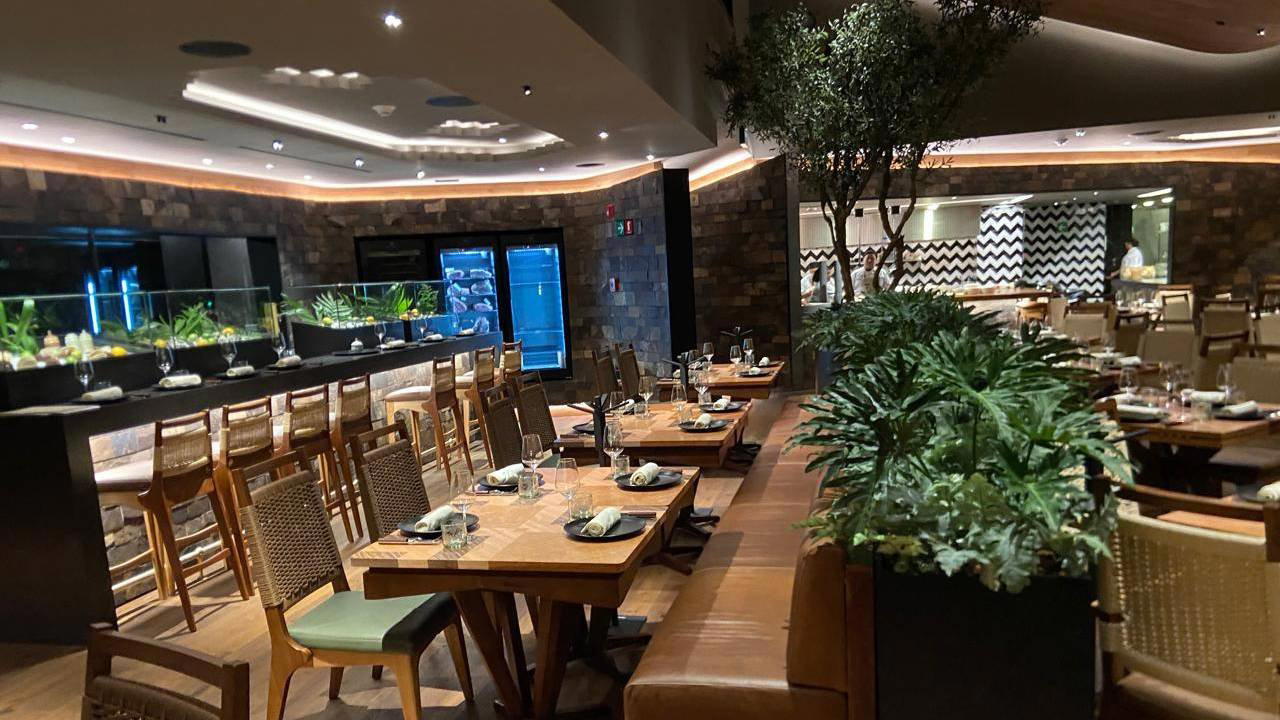
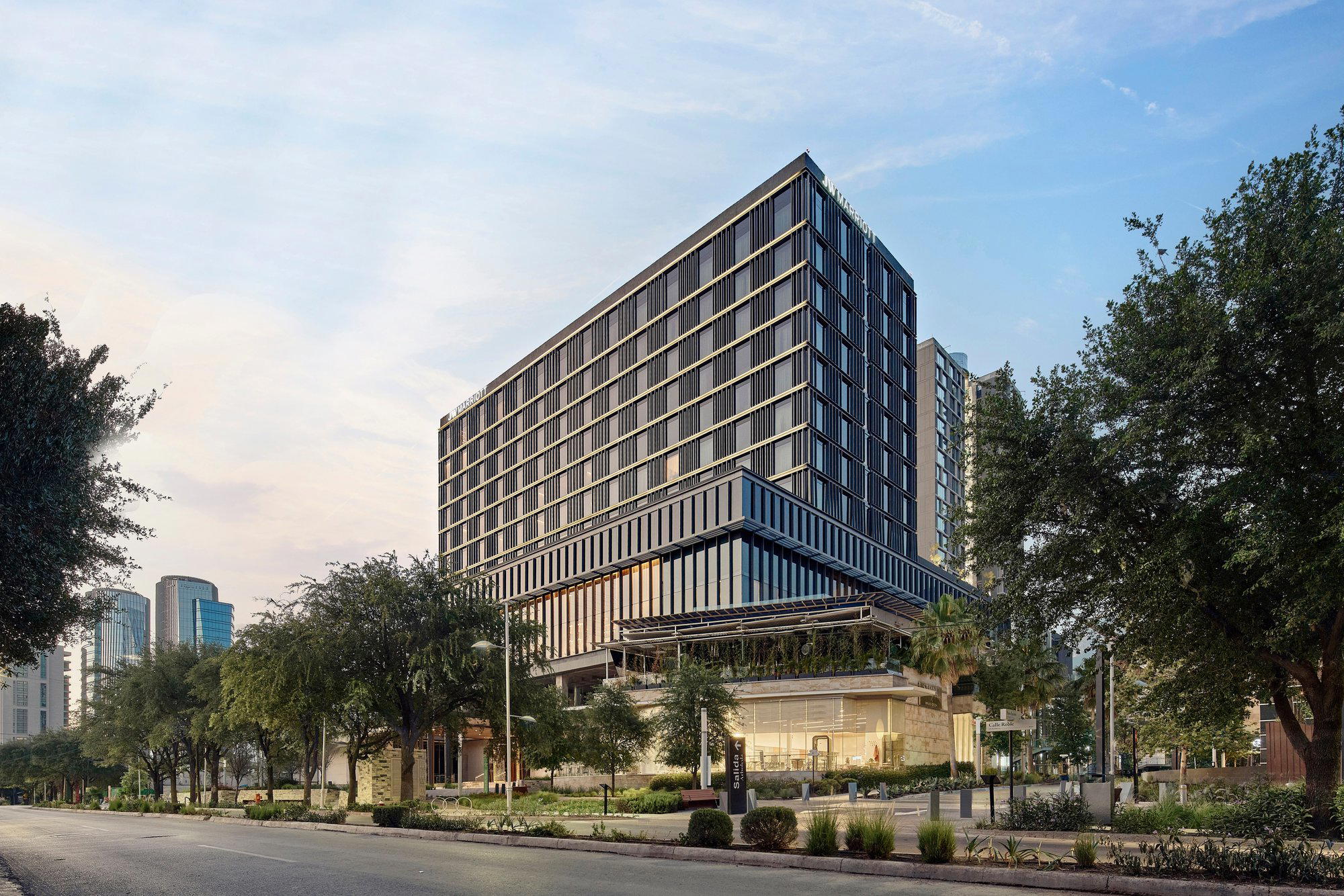
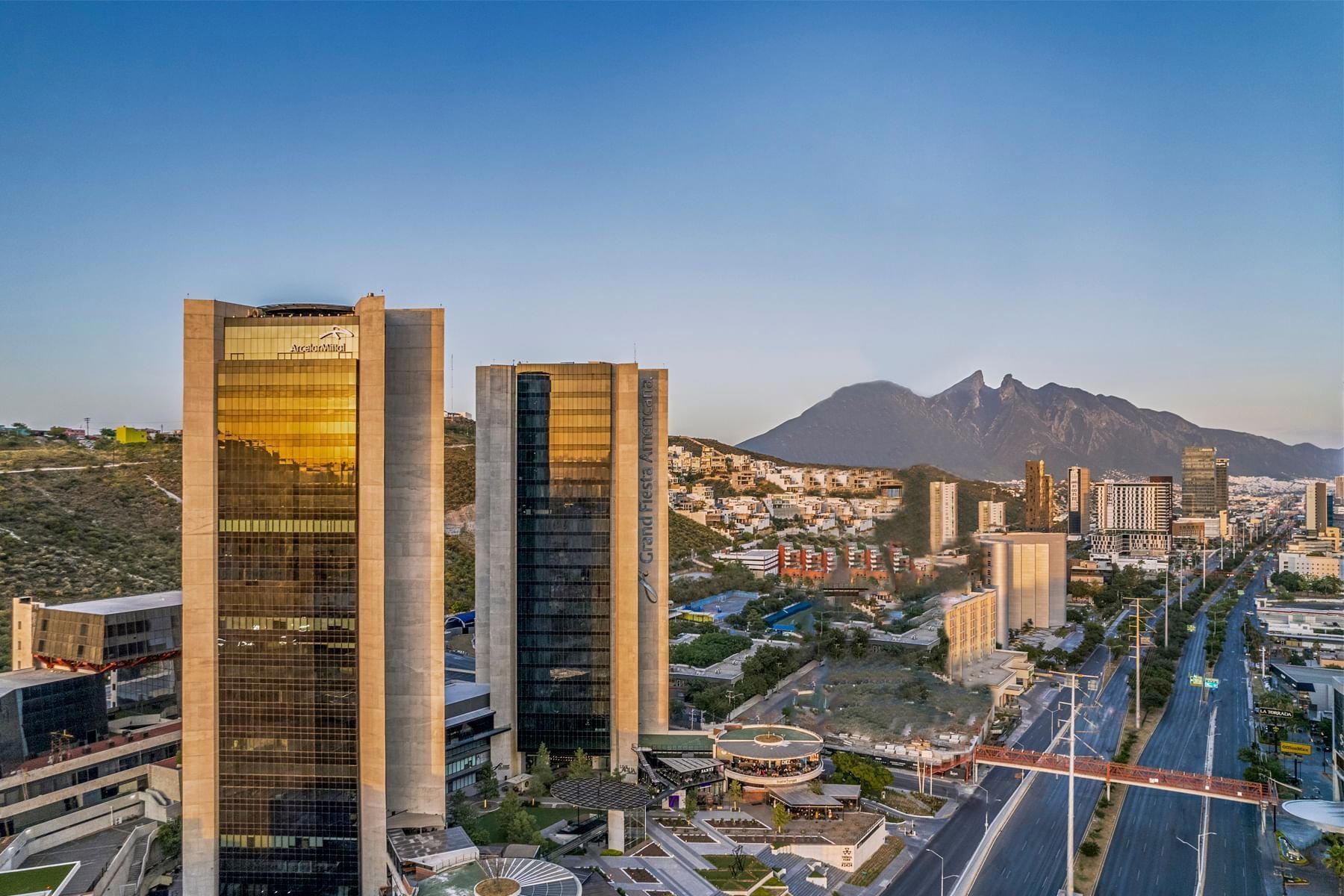
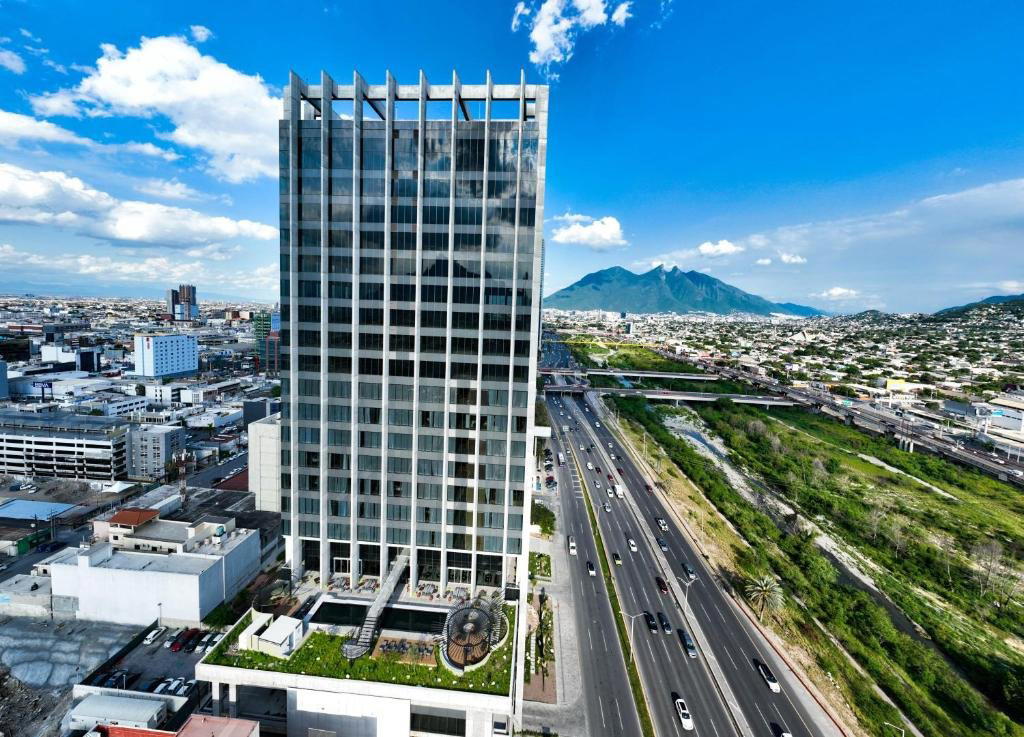
Hotaru Highpark occupies a notable address on Av. Manuel Gómez Morín in Garza García, the commercial and dining spine of Monterrey's most affluent municipality. The name — hotaru means firefly in Japanese — signals an aesthetic orientation that sits apart from the region's dominant steakhouse and northern Mexican traditions. Visitors arrive to find a dining room that draws from Japanese sensibility while rooting itself in a regio context.

Pearl is the En Primeur Club membership app — saves, bookings, and concierge access live there. Same editors, same standards.
- Address
- Av. Manuel Gómez Morín 922, Comercial Gómez Morin, 66259 Monterrey, N.L., Mexico
- Phone
- +528121388847
- Hours
- Mon–Wed 1–11 PMThu 1 PM–12 AMFri–Sat 1 PM–1 AMSun 1 PM–12 AM
- Website
- opentable.com
- Directions
- Get directions
- Booking
- Book on OpenTable
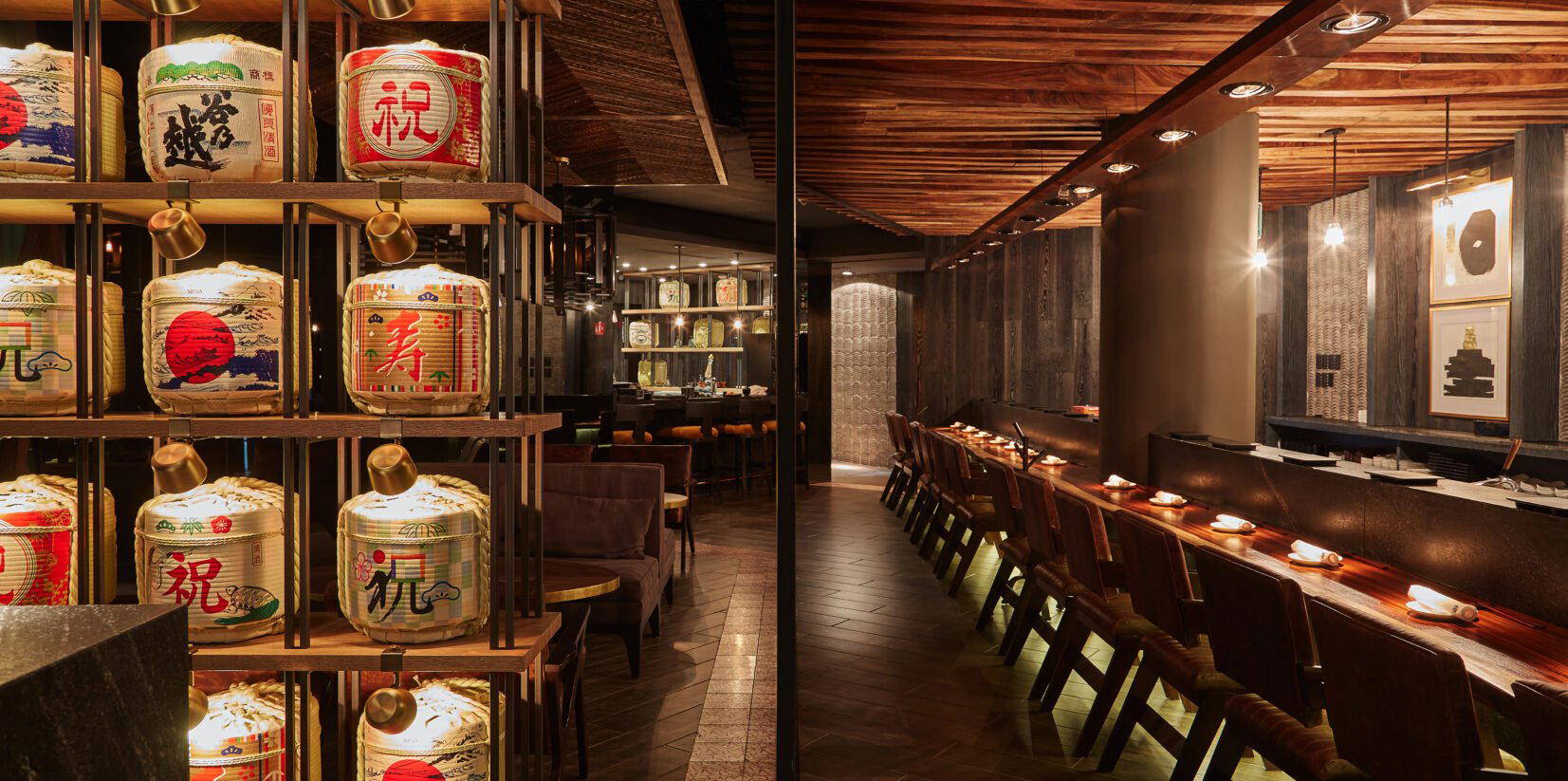
Where Japanese Restraint Meets Regio Ambition
Garza García's dining corridor along Av. Manuel Gómez Morín has spent the past decade sorting itself into recognizable tiers. At one end, classic northern Mexican formats — the carne asada tradition, the cabrito roast, the heavy weekend comida — define what the city has always done. Hotaru Highpark, at number 922 on that same avenue, occupies the latter camp. The name itself, hotaru is Japanese for firefly, announces an aesthetic and culinary orientation that departs from the regional default before you've sat down.
That departure matters in context. Monterrey's premium dining scene has historically been organized around protein weight and social ritual: the long table, the shared bottle, the theatre of the grill. Japanese-influenced formats ask something different of a dining room, a quieter attention, a focus on technique made visible rather than hidden, a different relationship between guest and kitchen. Where Pangea in San Pedro Garza Garcia helped establish the idea that Monterrey could support serious fine dining with international vocabulary, addresses like Hotaru have continued that conversation in a more specific register.
The Cultural Weight of Japanese Cuisine in a Mexican Border City
Japanese cuisine arrived in Mexican metropolitan centers through a familiar route: first as novelty, then as a category defined by cheap sushi rolls, then, in cities with a genuine appetite for precision, as a serious format capable of standing alongside the global tier. Mexico City followed that arc clearly, with a handful of counters now drawing destination diners. Monterrey, and specifically Garza García, has developed its own version of that progression, accelerated by a business class with frequent exposure to Tokyo, New York, and Miami dining markets.
The cultural significance of Japanese dining in this context is not purely about the food. It represents a statement about what kind of city Monterrey wants to be seen as, one that can sustain formats that require patience, precision, and a guest willing to follow the kitchen's lead. That dynamic plays out across Mexico's premium restaurant scene: Pujol in Mexico City reframed Mexican cuisine through a fine-dining lens; Le Chique in Puerto Morelos brought avant-garde technique to the Yucatán coast; KOLI Cocina de Origen in Monterrey applied a similar rigor to regional ingredients just a short distance from where Hotaru operates. Japanese-influenced dining fits into that same ambition: a claim that the city's appetite is not solely defined by its ranching heritage.
Garza García as a Dining Address
San Pedro Garza García is technically a separate municipality from Monterrey, though the two run together seamlessly in practice. What distinguishes it as a dining destination is density of investment: the highest per-capita income in Mexico concentrates here, and the commercial strip along Gómez Morín has attracted a consistent flow of restaurant openings that compete with each other on quality rather than price. That competitive pressure has been largely productive. Addresses like Cabanna Restaurant, Casa Prime Monterrey, and La Torrada represent the breadth of the local offer, spanning grill-forward concepts, international formats, and contemporary Mexican approaches. Fonda San Francisco and Cantina La 20 anchor the more traditional end of that spectrum. Hotaru Highpark positions itself in a different register entirely, drawing on Japanese culinary grammar to carve out space in a market that rewards differentiation.
That positioning connects Garza García to a broader pattern visible across Mexico's secondary dining cities. In Oaxaca, Levadura de Olla Restaurante demonstrates how regional specificity can anchor a serious restaurant identity. In Guadalajara, Alcalde has shown how Mexican ingredients can carry a fine-dining format. In Baja, Animalón in Valle de Guadalupe and Olivea Farm to Table in Ensenada have built their identity around place. Hotaru's Japanese reference belongs to a different but equally coherent argument: that a format built around technique and restraint can find a committed audience in the right Mexican city.
What Japanese Technique Signals at This Address
Japanese-influenced restaurants in the premium tier share a set of structural commitments that distinguish them from other international formats. Sourcing decisions tend to be made at the ingredient level rather than the dish level: the question is not what to put on the menu but which specific proteins, fish, and produce justify the format. Knife work and temperature control become visible markers of the kitchen's seriousness. The pace of service slows, and the guest is asked to track smaller increments of flavor rather than accumulate richness over a meal. Venues in this category that have built lasting reputations, from Atomix in New York City to HA' in Playa del Carmen, share that structural discipline regardless of the specific cuisine they reference. Hotaru Highpark enters that conversation as Garza García's answer to what Japanese precision looks like in a northern Mexican dining room.
For visitors planning around the full Gómez Morín dining corridor, the practical rhythm is direct: the street supports both long-lunch and dinner formats, with weekend evenings drawing the heaviest demand across the premium tier. Our full Garza García restaurants guide maps the broader options across cuisine type and occasion. For international comparison, Le Bernardin in New York City offers a useful reference point for what sustained technical commitment looks like over decades in a high-demand market, and Lunario in El Porvenir provides a closer regional example of how a format built around craft rather than spectacle can hold its audience. Hotaru operates in that same register, quieter, more focused, and asking more of its guests than a format built around spectacle and volume.
Planning Your Visit
Hotaru Highpark sits at Av. Manuel Gómez Morín 922, in the Comercial Gómez Morín district of Garza García, within the broader Monterrey metropolitan area. Given the density of dining options on this corridor and the venue's positioning in the premium tier, booking in advance is the practical approach, particularly for weekend evenings when demand across the Gómez Morín strip peaks. Dress follows the corridor's general norm: smart-casual is the floor, with the premium tier skewing toward the polished end of that range.
Frequently asked questions
Where is Hotaru Highpark in Garza Garcia?
Hotaru Highpark is located at Av. Manuel Gómez Morín 922, Comercial Gómez Morin, 66259 Monterrey, N.L. Mexico, Garza Garcia.
How does Hotaru Highpark compare to other Japanese restaurants along the Av. Gómez Morín dining corridor?
Av. Manuel Gómez Morín has become the reference address for San Pedro Garza García's serious dining, with the corridor sorting venues into recognizable tiers over the past decade. Hotaru Highpark's positioning at number 922, within the Comercial Gómez Morín district, places it among the strip's more deliberate operators rather than its casual or chain-format entries.
What do regulars order at Hotaru Highpark?
Hotaru Highpark sits within Garza García's Japanese dining tier, where regulars at venues of this format typically anchor their visits to nigiri or composed small-plate sequences that reflect Japanese technique. Given the restaurant's address on Av. Manuel Gómez Morín — the corridor that concentrates the area's most deliberate dining — the kitchen likely fields strong repeat interest in whatever it treats as its signature counter offering.
Is Hotaru Highpark reservation-only?
Booking policy for Hotaru Highpark at Av. Japanese-format restaurants in the Gómez Morín corridor that operate at a premium tier typically require advance reservations, particularly on Thursday through Saturday evenings. check the venue's official channels to confirm availability and lead times before planning your visit.
Can Hotaru Highpark adjust for dietary needs?
Japanese kitchens at this tier in Garza García generally have the precision to handle requests around shellfish, gluten, or raw preparations, but availability depends entirely on the menu format in use. Communicate requirements at the time of reservation rather than at the table to give the kitchen adequate notice.
Budget Reality Check
Comparable venues nearby, for context on price, style, and recognition.
| Venue | Cuisine | Price | Awards | Notes |
|---|---|---|---|---|
| Hotaru HighparkThis venue — the venue you are viewing | Modern Japanese Sushi | Not listed | Not listed | Not listed |
| Cantina La 20 | Modern Mexican Cantina | Not listed | Not listed | San Pedro Garza García, Modern Mexican Cantina |
| Los Hidalgos | Mexican Steakhouse | Not listed | Not listed | San Pedro Garza Garcia, Mexican Steakhouse |
| Fonda San Francisco | Modern Rustic Mexican Fonda | Not listed | Michelin Plate · Wine Spectator Award of Excellence | Santa Engracia, San Pedro Garza García, Rustic Northern Mexican with Gourmet Technique |
| Señor Tanaka | Trendy Japanese Fusion | $50–100 | Not listed | San Pedro Garza García, Trendy Japanese Fusion |
| La Torrada | Northeastern Mexican Grilled Steakhouse | $50–100 | Not listed | Valle Oriente, Northeastern Mexican Grilled Steakhouse |
Continue exploring
More in Garza Garcia
Restaurants in Garza Garcia
Browse all →
Bars in Garza Garcia
Browse all →
Details
- Modern
- Elegant
- Sophisticated
- Date Night
- Special Occasion
- Open Kitchen
- A La Carte
- Vegetarian Friendly
- Vegan Options
- Gluten Free Options
Current opening hours
- Monday
- 1–11 PM
- Tuesday
- 1–11 PM
- Wednesday
- 1–11 PM
- Thursday
- 1 PM–12 AM
- Friday
- 1 PM–1 AM
- Saturday
- 1 PM–1 AM
- Sunday
- 1 PM–12 AM
Hours can change for holidays and private events. Last verified .
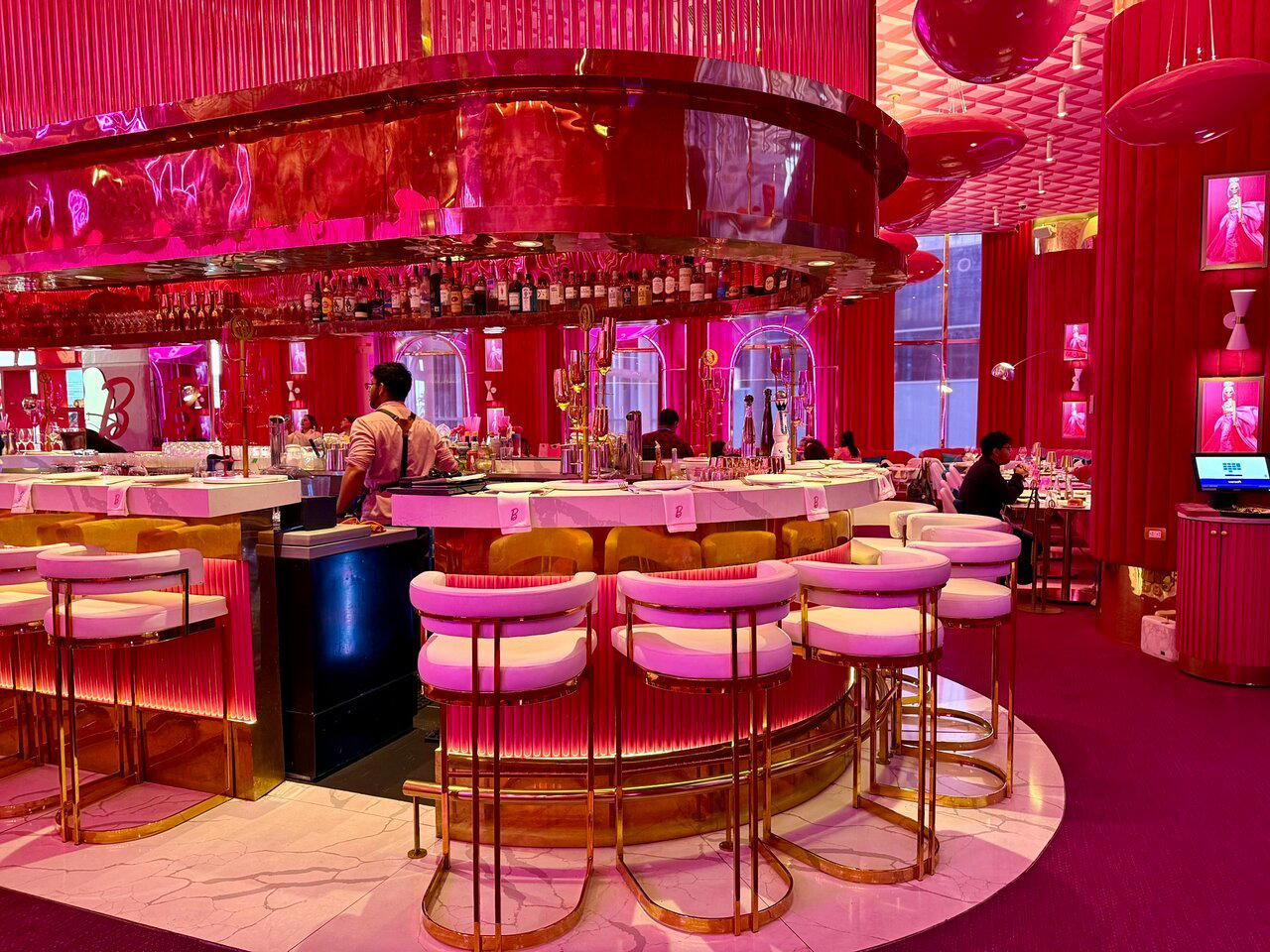
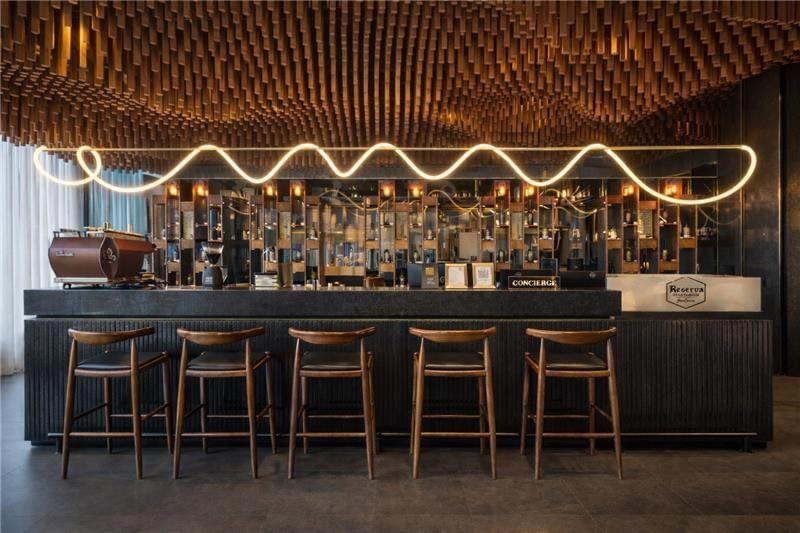
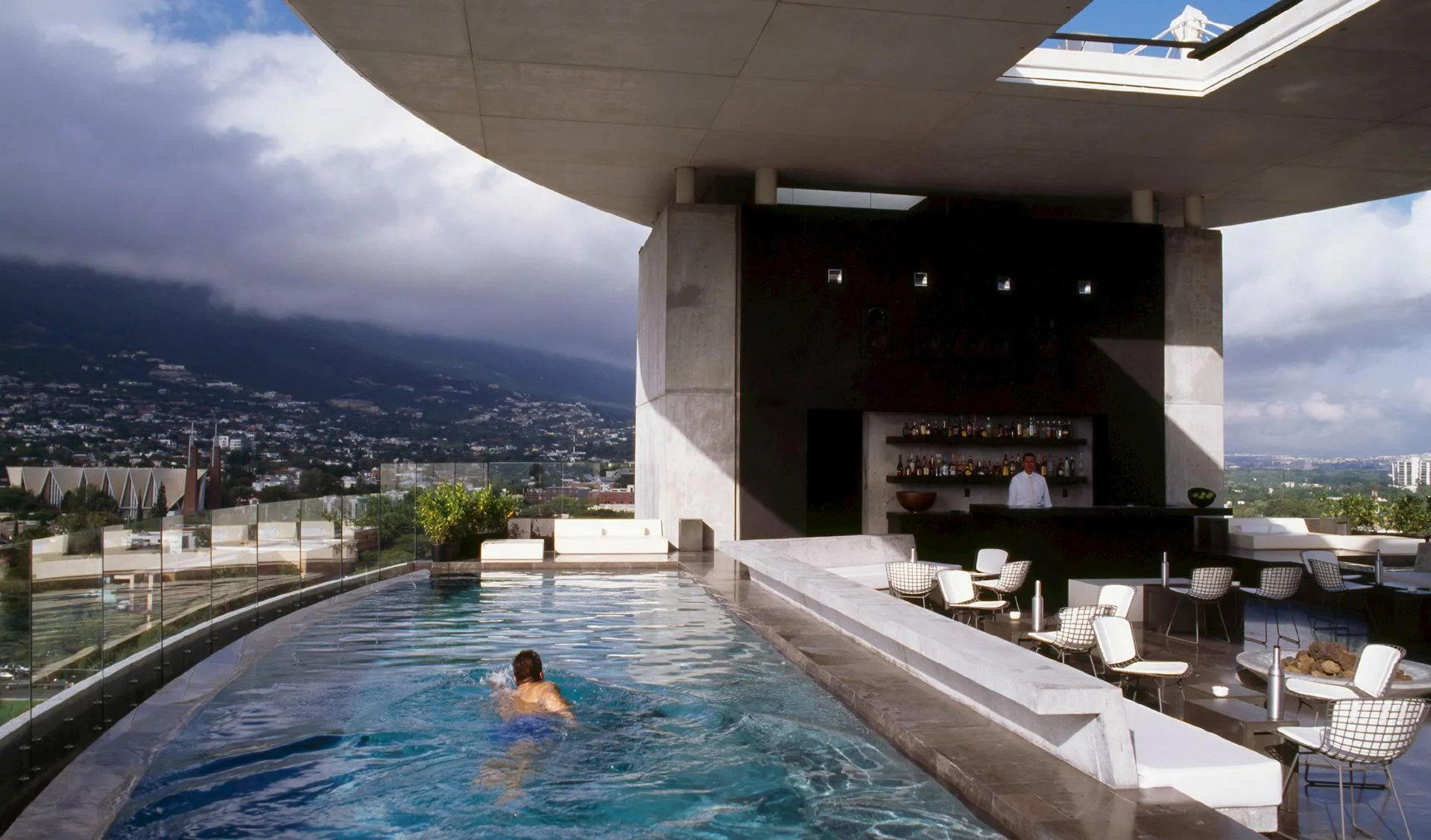
Modern elegance with traditional Japanese aesthetics, majestic space celebrating nigiri and premium ingredients.