
Tabelog 100 #48
Our verdict
Seiran sits in Osaka’s Nakadera area with a menu that reads through Chinese cooking by way of seafood, tantan-men, wine and Shaoxing rather than banquet-room excess. Its Tabelog Chinese WEST 100 selection in 2026, plus earlier selections in 2024, 2023 and 2021, places it in a serious regional set while keeping the room compact and the ordering format flexible.

Pearl is the En Primeur Club membership app, where members save venues, book tables and use the concierge.
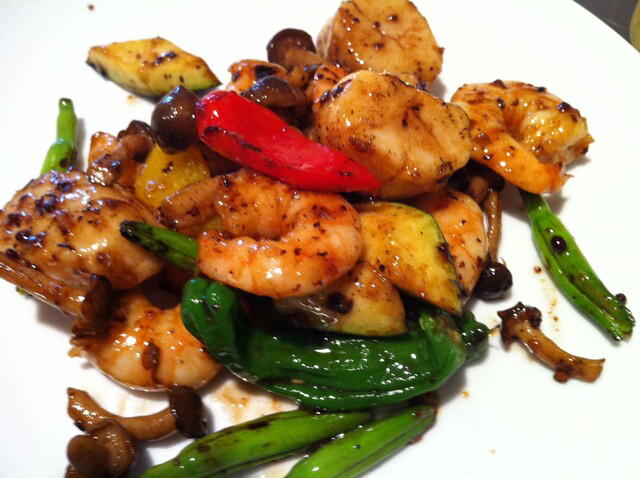
Osaka can be louder in shorthand than it is at the table: neon, queues and late-night grill smoke on one side, regulars’ dining rooms and focused counters on the other. That matters for understanding Seiran. Osaka Chinese dining has long had two public faces, the noodle-and-dumpling counter and the more formal meal. Seiran sits between those ideas, where the category can include tantan-men while still reading as a fuller Chinese restaurant rather than a single-purpose stop.
That middle tier is increasingly interesting. Osaka’s reputation often leans on okonomiyaki, kushikatsu, sushi counters and kappo, but its Chinese restaurants show another side of the city’s appetite: technique, comfort, spice, noodles and repeatable everyday luxury. Seiran’s recognition in Tabelog Hyakumeiten for 2026 confirms it belongs to the smaller group of Osaka Chinese rooms that regular diners can take seriously, not just a casual neighbourhood footnote.
A Chinese menu built around noodles and à la carte control
The category explains the restaurant. Seiran is listed for Chinese cuisine and tantan-men, which gives the room a useful dual identity: it can work for diners seeking a noodle-led meal and for those looking for a broader Chinese dinner in Osaka. In a city where strong restaurants often reveal themselves through focus rather than spectacle, that combination is a clear signal.
Chinese cooking in Osaka does not need to imitate hotel dining to feel complete. At Seiran, the appeal is the way the restaurant sits in a practical middle ground: more deliberate than a quick counter meal, but not framed as a trophy reservation. The experience should be understood through the verified basics rather than through invented dish-by-dish promises: Chinese cuisine, tantan-men, Osaka, and public recognition from Tabelog Hyakumeiten.
Tantan-men adds another marker. In Japan, tantan-men has become its own category, often detached from Sichuan dan dan noodles and adapted toward sesame richness, chilli heat and ramen-counter familiarity. Listing Chinese cuisine and tantan-men together signals a room that works as both noodle destination and broader dinner address: not simply a quick bowl stop, and not only a special-occasion Chinese table.
The same hybrid logic helps explain why Seiran is useful for visitors planning Osaka meals. It is specific enough to stand apart from generic Chinese comfort cooking, but approachable enough to fit into a broader itinerary. Rather than relying on unverified claims about service style, wine lists or kitchen personnel, the safer reading is straightforward: this is an Osaka Chinese restaurant with a recognized public profile and a noodle identity that gives the meal shape.
Where it sits in Osaka's compact-restaurant culture
Seiran belongs to Osaka’s compact dining culture in spirit: focused, city-scaled, and better understood as a purposeful meal than as a large-format banquet destination. The appeal is not in claiming a particular layout or room count, but in its place within the city’s dense network of restaurants where diners compare small differences in category, mood and value.
That scale shapes comparisons. In Osaka, il Centrino and DELI a Casa represent the Italian small-restaurant lane, while Udon to Osake Karahori Kinugawa and Kyu Yam Tei Karahori ten show casual formats competing on specificity rather than scale. Seiran’s lane is Chinese cooking with a tantan-men identity and enough recognition to make it a credible choice. If the evening calls for a focused Osaka meal with a Chinese frame, this is the answer rather than another kappo or Italian reservation.
The price position supports that reading. Dinner is listed at JPY 6,000 to JPY 7,999; lunch is listed at JPY 1,000 to JPY 1,999. In Osaka terms, that is serious but not trophy pricing, allowing diners to consider Seiran as a planned meal without entering the highest reaches of the tasting-menu economy. The split between dinner and lunch budgets also makes it easier to decide where the restaurant fits in a day of eating.
Recognition adds a filter. Tabelog scores are not the only way to judge Japanese restaurants, but a 3.68 score plus a 2026 Tabelog Hyakumeiten listing creates a credible public signal. For visitors, that helps in a deep field of small Osaka restaurants with uneven English-language visibility; awards do not guarantee preference, but they reduce noise where strong rooms are often not the loudest online.
How to plan the meal without overcomplicating it
The practical rhythm is direct: treat Seiran as a planned Osaka Chinese meal rather than a vague last-minute fallback. Because the verified listing gives a dinner budget, a lunch budget, a phone number and public recognition, the sensible approach is to check current availability and details before building the day around it. That is especially true for visitors with limited time in Osaka.
Reservations and service policies can change, so avoid relying on unverified assumptions about course rules, cancellation fees or ordering systems. The grounded planning facts are simpler: Seiran is in Osaka, its listed categories are Chinese and tantan-men, and the public budget range is moderate by destination-dining standards. If timing, party size or dietary restrictions matter, call ahead rather than guessing.
Access should be planned at the city level: Seiran is in Osaka. Do not over-read neighbourhood shorthand or landmark-based directions unless they come from a current official listing or map on the day you travel. The phone number provided in the venue data is +81-6-6777-5647, which is the most useful verified contact point for checking practical questions before arrival.
Families and groups should also confirm details directly. Without relying on unverified claims about private rooms, children’s policies or outside food, the safer advice is to contact the restaurant in advance if the meal involves children, accessibility needs, allergies or a larger party. Seiran’s appeal is clearest when the logistics are settled and the meal can be treated as a focused Osaka Chinese stop.
For a broader Osaka itinerary, place Seiran beside other focused food stops rather than treating it as a standalone detour. EP Club’s Osaka coverage includes other dining in Osaka across casual, international and specialist formats, and readers can compare Seiran with allowed nearby or city peers such as DELI a Casa, Gelateria Circo D'oro, Kyu Yam Tei Karahori ten, Udon to Osake Karahori Kinugawa and il Centrino. For city planning, use Our full Osaka restaurants guide, plus Our full Osaka hotels guide, Our full Osaka bars guide, Our full Osaka wineries guide and Our full Osaka experiences guide. Readers comparing Japanese regional dining beyond Osaka can also look more broadly at unnamed dining rooms in other cities, but Seiran is best judged within Osaka’s own dense restaurant culture.
Frequently asked questions
How do I find Seiran?
Seiran is located in Osaka.
What does dinner at Seiran typically cost?
Dinner at Seiran is listed at JPY 6,000 - JPY 7,999; lunch is listed at JPY 1,000 - JPY 1,999.
Is Seiran reservation-only?
The verified venue details do not establish that Seiran is reservation-only. For current availability, contact the restaurant directly in Osaka.
What do critics highlight about Seiran?
The strongest public signal provided is its 2026 Tabelog Hyakumeiten recognition for Chinese cuisine, with a listed Tabelog score of 3.68. The venue categories are Chinese and tantan-men.
Do they accommodate allergies at Seiran?
There is no formal allergy policy in the provided venue details. If you have restrictions, contact Seiran in advance at +81-6-6777-5647.
Can I bring kids to Seiran?
The provided venue details do not state a children’s policy. Contact Seiran directly before visiting with children.
Comparable Spots
Comparable venues for context, by category and price tier.
| Venue | Cuisine | Price | Awards | Notes |
|---|---|---|---|---|
| SeiranThis venue (the venue you are viewing) | Chinese Fine Dining | $30–50 | Tabelog 100 #48 | Not listed |
| il Centrino | Modern Italian with Japanese Seasonal Ingredients | $150–200 | 1 Michelin Star · Tabelog 100 #33 | Italian |
| DELI a Casa | Italian Deli & Wine Bar | Not listed | Michelin Bib Gourmand | Italian |
| Gelateria Circo D'oro | Not listed | $1–10 | Tabelog 100 #100 | JPY 2,000 - JPY 2,999 - JPY 999 |
| Udon to Osake Karahori Kinugawa | Udon and Sake | $10–20 | Tabelog 100 #9 | JPY 2,000 - JPY 2,999 JPY 1,000 - JPY 1,999 |
| Kyu Yam Tei Karahori ten | Spice Curry & Café in a Retro Townhouse | $10–20 | Tabelog 100 #99 | JPY 1,000 - JPY 1,999 JPY 1,000 - JPY 1,999 View spending breakdown |
Recognition history
Dated appearances from independent guides and award organizations, with the underlying list record or original source where available.
Tabelog 100 #48 · No. 48
Tabelog · Tabelog 100 - Chinese cuisine - WEST - 2026
Continue exploring
More in Osaka
Restaurants in Osaka
All restaurants in Osaka →




Bars in Osaka
All bars in Osaka →


Hotels in Osaka
All hotels in Osaka →



Wineries in Osaka
Browse all →
Details
- Sophisticated
- Classic
- Intimate
- Business Dinner
- Date Night
- Special Occasion
- Group Dining
- Standalone
- A La Carte
- Set Menu
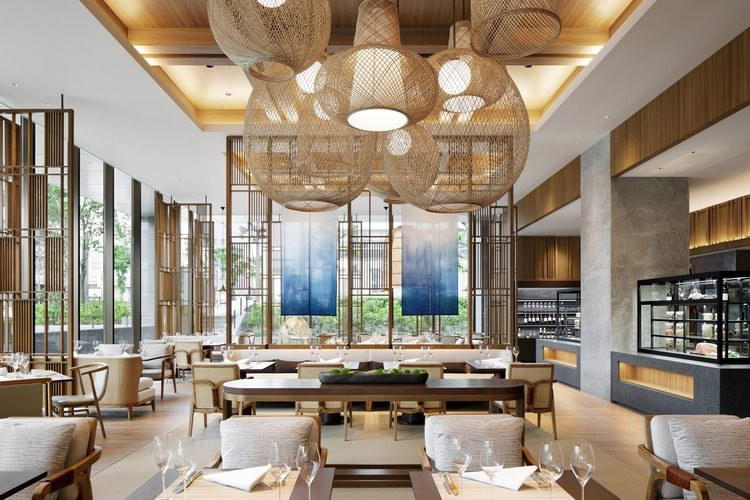
An upscale, traditional Chinese dining room with a polished, intimate feel suited to lingering meals.