Seafood Shack
Our verdict
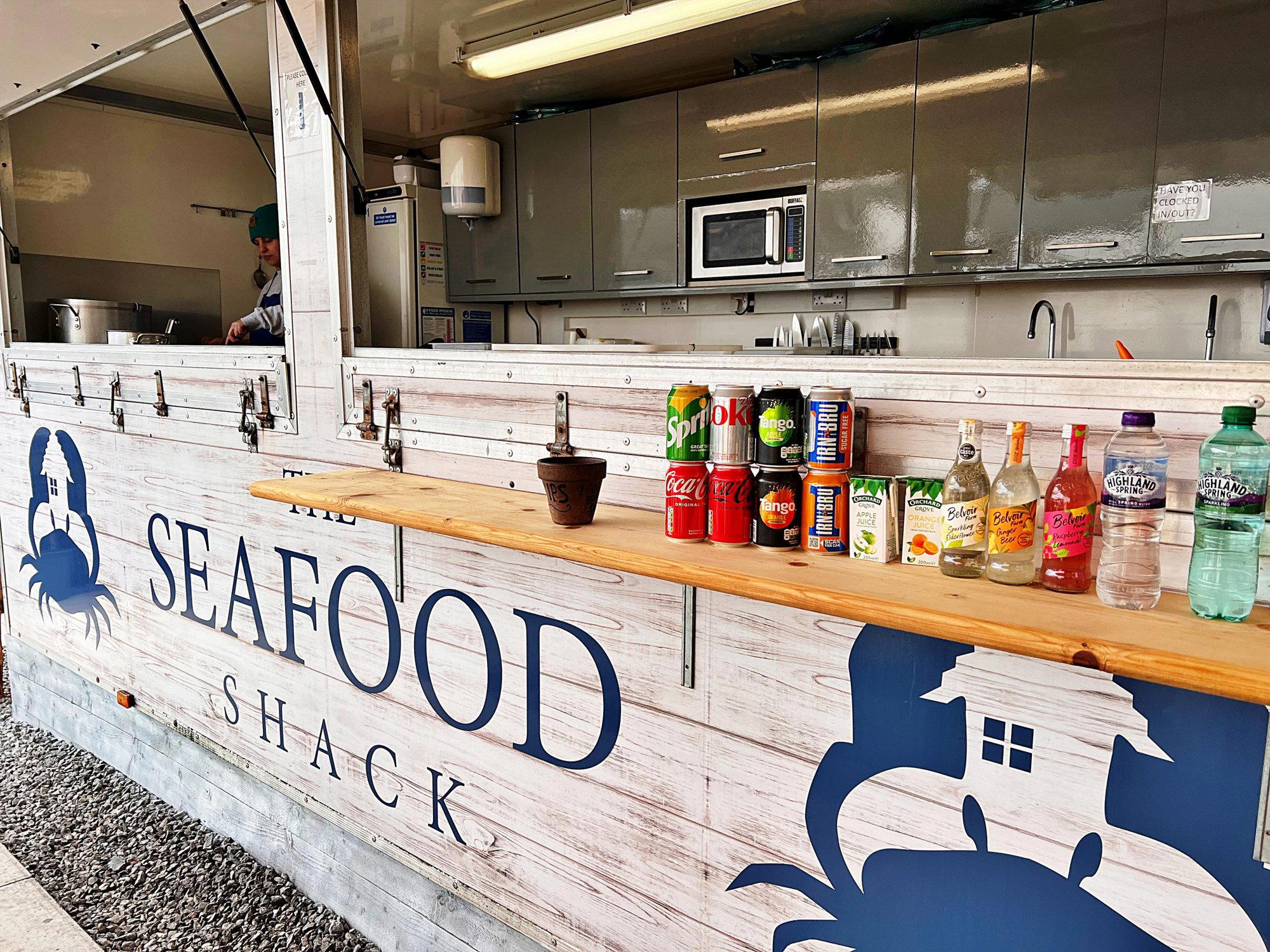
On Ullapool's waterfront, Seafood Shack operates where the catch comes off the boats and onto the plate with minimal distance between the two. The format is casual and the focus is singular: shellfish and fish sourced from the waters immediately surrounding this small Highland port. For anyone passing through Wester Ross, it is a reliable argument for eating close to the source.

Pearl is the En Primeur Club membership app, where members save venues, book tables and use the concierge.
The menu
What to order
- Tempura-battered haddock wrap
- Hand-dived scallops
- Creel-caught langoustines
- Hot garlic mussels
Where the Water Meets the Plate
Ullapool sits at the edge of Loch Broom, a sea loch that opens into the Minch and, beyond that, the North Atlantic. The town is small, a few hundred residents, a CalMac ferry terminal, and a working harbour that still lands commercial catches. It is not a dining destination in the way that, say, Cartmel is with L'Enclume, or Auchterarder with Restaurant Andrew Fairlie. Ullapool draws visitors for landscape and transit, and its food offer reflects that: unpretentious, harbour-adjacent, and oriented around what the sea produces locally. Seafood Shack, on West Argyle Street a short walk from the pier, sits squarely inside that character.
The Sourcing Argument
The editorial case for a place like Seafood Shack is fundamentally about supply chains, or rather, the absence of one. In most British cities, even the most accomplished seafood restaurants are separated from their source by at least 24 hours of logistics. The fish arrives at a central market, moves through a distributor, and reaches the kitchen the following morning at leading. At a working harbour town like Ullapool, that chain collapses. Langoustines, crab, and white fish caught in the waters off Wester Ross can, in principle, travel from boat to kitchen in a matter of hours. That compression of distance is something that kitchens in London or Birmingham, however technically accomplished, from CORE by Clare Smyth to Opheem, cannot replicate for locally-caught Highland shellfish.
The waters off the northwest Scottish coast are cold, clear, and relatively unpolluted, conditions that produce shellfish with a pronounced sweetness and firm texture. Langoustines from the Minch are among the most sought-after in the UK wholesale market, frequently exported to restaurants across Europe. Eating them at source, rather than at the end of a supply chain, is a materially different proposition. The same applies to brown crab, lobster, and the seasonal white fish that move through these waters depending on time of year.
This is the broader truth that a venue like Seafood Shack illustrates: provenance matters most when it is shortest. The premium dining world has spent considerable energy on sourcing narratives, Moor Hall in Aughton, Gidleigh Park in Chagford, and Midsummer House in Cambridge all build relationships with named suppliers to close the gap between farm or sea and table. At a harbour-side operation in Ullapool, that gap closes not through curation but through geography.
Format and Setting
Seafood Shack operates in the casual register that suits Ullapool's character. The town is a stopping point on routes to Assynt and the far north, and it attracts walkers, cyclists, and people crossing to Stornoway on the Lewis ferry. The dining format here is not the structured progression of a tasting menu, the territory of Ynyshir Hall or Restaurant Sat Bains, but something closer to the European harbour-front tradition: order what came in, eat it simply prepared, and let the ingredient carry the weight.
That approach requires confidence in the raw material. It also requires a kitchen discipline that is easy to underestimate. Simple cooking of high-quality shellfish is unforgiving in a way that complex preparations are not. There is nowhere to redirect attention from the quality of a langoustine when the preparation is as direct as grilling or steaming. The format, in other words, is a transparency test.
For context within Ullapool's food offer, The Dipping Lugger represents the more structured end of what the town provides in Modern British terms, while Seafood Shack anchors the accessible, walk-in end of the seafood category. Together they reflect a pattern visible in other Scottish coastal towns: a small premium tier and a larger casual tier, with sourcing quality often equalised between them by the shared geography. For a broader map of where these venues sit, see our full Ullapool restaurants guide.
Ullapool in a Wider British Seafood Frame
British seafood cooking at the formal end now occupies a well-recognised tier. Le Bernardin in New York sets a global benchmark for fish cookery built on classical French technique; Waterside Inn in Bray and Le Manoir aux Quat'Saisons in Oxford represent the British expression of that tradition. Hide and Fox in Saltwood and Hand and Flowers in Marlow show what thoughtful technique does to pub-adjacent British cooking.
Seafood Shack does not compete with any of them on those terms, nor should it be assessed against them. The comparison that matters here is different: how much of the quality of a place derives from technique and how much from access to exceptional raw material? At the top end of that technical register, The Glenturret Lalique in Crieff and Atomix in New York are built on execution and concept above all else. At the harbour-shack end, the argument runs the other way: what the kitchen does matters less than what the boats bring in. Both arguments are legitimate. Knowing which one you are eating is useful.
For anyone travelling the northwest Highlands, the case for eating shellfish in Ullapool rather than waiting to find it on a menu in Inverness or Edinburgh is a direct sourcing argument: the product will have covered less distance. That is not a sentimental point about local eating, it is a practical one about freshness and texture in shellfish that deteriorates faster than almost any other protein.
Planning a Visit
Ullapool is roughly 60 miles north of Inverness by the A835, a drive of around an hour depending on conditions. The town is also the departure point for CalMac ferries to Stornoway on the Isle of Lewis, which run most days of the year, so the harbour is active across seasons. Seafood Shack is at 9 West Argyle Street, within easy walking distance of the ferry terminal and the main pier. Given the casual format, booking requirements and opening hours should be confirmed directly before travelling; harbour-town operations of this type often adjust hours seasonally, particularly during the quieter winter months when visitor numbers to Wester Ross drop considerably.
Frequently asked questions
Is Seafood Shack suitable for children?
Seafood Shack's casual format in Ullapool makes it a practical stop for families passing through on the A835 route north. The relaxed, counter-style setting has none of the formality that tends to unsettle younger diners.
Is Seafood Shack formal or casual?
Casual, in keeping with Ullapool's character as a working harbour town and transit point for routes toward Assynt and Sutherland. The address on West Argyle Street places it close to the waterfront, and the operation suits the town's no-frills relationship with the sea rather than any dressed-up dining room register.
How close is Seafood Shack to the Ullapool ferry terminal, and does that affect visiting times?
Seafood Shack sits at 9 West Argyle Street, Ullapool, which is within the town's compact centre and a short walk from the Caledonian MacBrayne ferry departure point for Stornoway on Lewis. Sailings run daily and draw a predictable flow of foot traffic through the town, meaning the venue can get busy around departure and arrival windows. Arriving outside those peak periods generally means a quieter experience.
What's the must-try dish at Seafood Shack?
What the venue's location in Ullapool does confirm is proximity to some of Scotland's most direct seafood supply, with the Minch and North Atlantic accessible via Loch Broom. Whatever is freshest on the day is the most defensible order at any harbour-adjacent counter of this kind.
Where is Seafood Shack in Ullapool?
Seafood Shack is located at 9 W Argyle St, Ullapool IV26 2TY, United Kingdom, Ullapool.
Quick Comparison
Comparable venues nearby, for context on price, style, and recognition.
| Venue | Cuisine | Price | Awards | Notes |
|---|---|---|---|---|
| Seafood ShackThis venue (the venue you are viewing) | Scottish Coastal Seafood Shack | $10–20 | Not listed | Not listed |
| The Dipping Lugger | Modern Scottish Fine Dining | Not listed | Michelin Plate · Star Wine List | Ullapool |
| Bonnie Gull | British Seafood Shack | Not listed | Not listed | Soho |
| Salt Seafood Kitchen | Scottish Coastal Seafood | Not listed | Not listed | Achiltibuie |
| Saltie Girl London | Premium Tinned Fish & New England Seafood | Not listed | Not listed | Mayfair |
| Bonnie Gull Seafood Shack | British Seafood Shack | $30–50 | Not listed | Fitzrovia |
Continue exploring
More in Ullapool
Restaurants in Ullapool
All restaurants in Ullapool →

Bars in Ullapool
Browse all →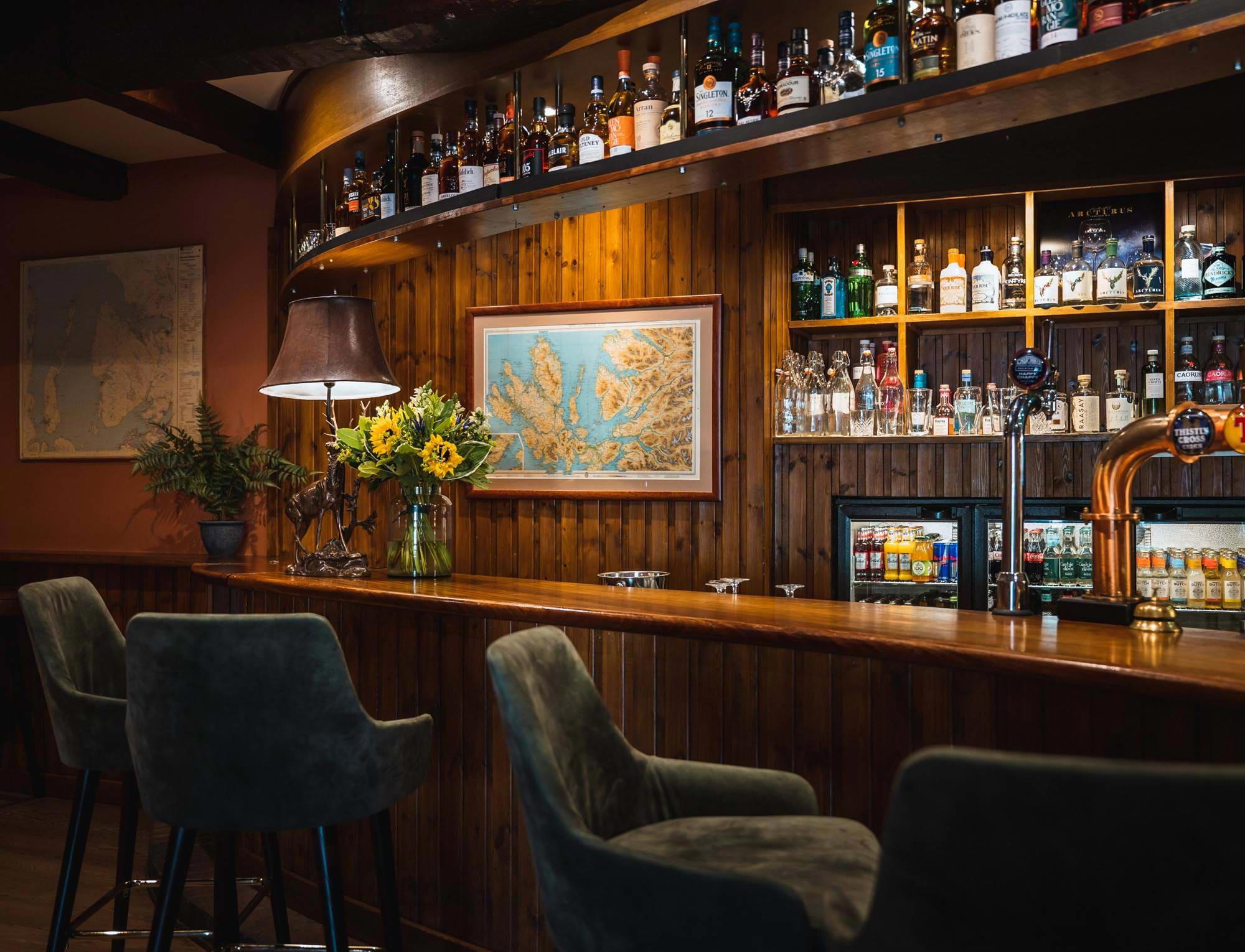
Hotels in Ullapool
Browse all →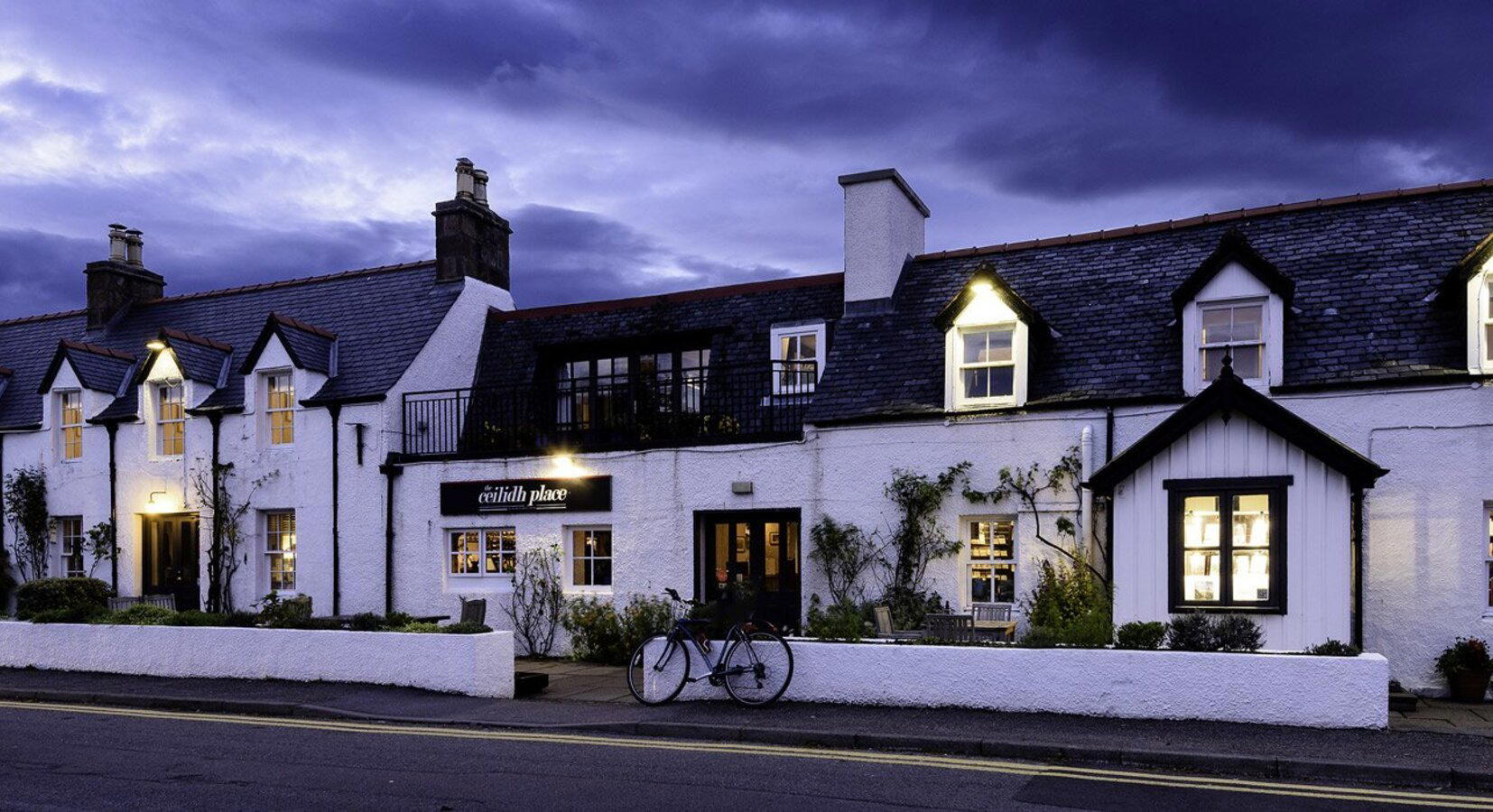

Details
- Rustic
- Cozy
- Scenic
- Casual Hangout
- Waterfront
- Local Sourcing
- Sustainable Seafood
- Waterfront
- A La Carte
Casual outdoor shack with shabby chic wooden counter, fresh sea air, and relaxed harbor atmosphere.