Sea Creatures
Our verdict
Sea Creatures brings a seafood-focused approach to Seattle's competitive waterfront dining scene, where Puget Sound proximity and Pacific Northwest sourcing traditions create a distinct framework for fish-forward cooking. Positioned within a city that has long treated sustainable seafood as a culinary baseline rather than a marketing point, the restaurant engages directly with questions of traceability, harvest ethics, and what responsible ocean cookery looks like at a fine dining level.

Pearl is the En Primeur Club membership app, where members save venues, book tables and use the concierge.
The menu
What to order
- Hama Hama Blue Pool Oysters
- Steak Tartare
- Grilled Lamb Ribs
Eating from the Sound Outward
Seattle's relationship with seafood is structural, not aspirational. The city sits at the intersection of Puget Sound, the Pacific migratory corridor, and some of the most closely regulated wild fisheries in North America. That geography produces a dining culture where sustainable sourcing is not a differentiator, it is a baseline expectation. Sea Creatures operates within that framework, and its positioning in Seattle's fine dining tier reflects a city where the gap between the water and the plate has always been narrow.
The broader context matters here. Over the past decade, seafood-forward restaurants in the Pacific Northwest have separated into two camps: those that invoke sustainability as branding language and those that build procurement infrastructure to support actual traceability. The restaurants earning serious critical attention, and the ones that hold it, tend to belong to the latter group. Sea Creatures sits in that current.
The Sustainability Argument in Practice
Pacific Northwest dining has benefited from a longer institutional history of fishery stewardship than most American coastal regions. Washington State's tribal co-management agreements, the Pacific Fishery Management Council's quota systems, and the region's deep network of small-boat fishers have created a supply chain that serious restaurants can actually access. For a seafood-focused kitchen, that infrastructure is the enabling condition, not an add-on to the creative program but the foundation of it.
What distinguishes credible ocean-conscious restaurants from posturing ones is procurement specificity. At the level Sea Creatures operates, sourcing claims are testable: named fisheries, seasonal availability windows, and species selection that reflects actual stock health rather than menu glamour. Dungeness crab, Pacific halibut, geoduck, and Olympia oysters are among the species that carry the clearest sustainability credentials in this region, and the restaurants that rotate their offerings around harvest calendars rather than fixed menus signal that their sourcing claims are load-bearing rather than decorative.
For comparison, Le Bernardin in New York City built its international standing over decades partly by treating fish sourcing as a culinary discipline in itself. The approach, knowing the fisherman, knowing the method, adjusting the menu to what is genuinely in season, is the same model that Pacific Northwest restaurants have adapted to local conditions. Sea Creatures enters that conversation within a city that already has high expectations for this kind of rigor.
Where Sea Creatures Sits in the Seattle Scene
Seattle's upper dining tier is not particularly large, but it is genuinely diverse. Canlis, operating since 1950 on the edge of Lake Union, occupies a legacy position that few restaurants in any American city can claim. Joule represents the Korean-inflected New Asian current that has found significant critical traction in the city. Archipelago works explicitly with Filipino and Pacific Northwest traditions in a format built around deep sourcing specificity. Altura holds its position as the city's most considered Italian-influenced address.
Sea Creatures is a seafood-focused restaurant rather than a broad-spectrum fine dining address, which places it in a smaller competitive subset. That focus carries both advantages and constraints. On the advantage side, it allows for deeper supplier relationships and tighter menu coherence. The constraint is that a narrowed focus raises the standard: a seafood-only kitchen cannot hedge with land-based protein when the tide turns, literally or figuratively.
Compared to the high-volume theatrical formats of places like Alinea in Chicago or the tasting-menu formalism of The French Laundry in Napa, Sea Creatures operates in a register that feels more endemic to its city, which is, in itself, a form of editorial credibility in a dining culture that has grown skeptical of transplanted prestige formats.
The Pacific Northwest Seafood Tradition
Understanding what Sea Creatures is doing requires understanding the culinary tradition it participates in. Pacific Northwest seafood cooking has its own grammar: restraint with preparation, confidence in raw material quality, and a preference for technique that clarifies rather than transforms flavor. The region's Indigenous food traditions, particularly around salmon, have increasingly influenced how contemporary chefs approach fire, fermentation, and whole-animal utilization in the fish kitchen.
This is a distinct posture from the European-trained approaches that dominate coastal fine dining on the East Coast, or even the California model represented by Single Thread Farm in Healdsburg, where farm-to-table integration runs through every course. The Pacific Northwest version is tidal rather than agricultural in its organizing metaphor, what's running, what's in season, what the boats brought in.
Waste reduction, a genuine operational concern at restaurants serious about sustainability, looks different in a fish kitchen than in a meat-forward one. Collar-to-tail cooking, stock and reduction programs built from trim, and zero-waste ambitions around shellfish processing are the practical expressions of an ethical sourcing commitment. The restaurants in Seattle's serious tier that hold their sustainability positioning over time are the ones that make these practices visible in the menu rather than keeping them in the back-of-house narrative.
Planning a Visit
For broader context on what Seattle's dining scene offers at this level, our full Seattle restaurants guide maps the current landscape from casual to fine dining, and the Seattle bars guide is worth consulting for pre- or post-dinner options. Those planning a longer stay will find the Seattle hotels guide useful for positioning, and the Seattle experiences guide covers non-dining programming. Wine-focused visitors may also want to check the Seattle wineries guide given Washington State's serious regional production.
Beyond Seattle, those interested in seafood-forward fine dining at comparable ambition levels might consider Lazy Bear in San Francisco for its tasting-menu format, Emeril's in New Orleans for Gulf Coast comparison, or further afield, 8 1/2 Otto e Mezzo Bombana in Hong Kong and Alain Ducasse at Louis XV in Monte Carlo for European coastal fine dining at its most formal register. Also worth noting for Seattle visitors who want a full picture: A.K. Pizza represents the city's more casual end with its own sourcing convictions.
Frequently asked questions
How does Sea Creatures fit into Seattle's sustainable seafood movement?
Pacific Northwest dining has a longer institutional history of fishery stewardship than most American coastal regions, and Sea Creatures participates in that tradition rather than simply marketing around it. Washington State's fishery management infrastructure gives Seattle restaurants like Sea Creatures a sourcing foundation that restaurants in less regulated coastal markets cannot easily replicate. For diners who want their seafood choices to track with documented sustainability frameworks, Seattle, and this restaurant, is a structurally sound destination.
What should I order at Sea Creatures?
Sea Creatures builds its menu around Pacific Northwest fisheries, which means the most compelling choices follow what Puget Sound and the Pacific migratory corridor are producing at any given moment. Anchoring your order to whatever the kitchen is running as a featured catch is the most reliable approach at restaurants operating in this regional tradition. Avoid locking into a fixed expectation before you arrive.
How far ahead should I plan for Sea Creatures?
Seattle's upper dining tier, the bracket Sea Creatures occupies, tends to fill two to four weeks out on weekends, with weekday seats often available on shorter notice. Booking as early as your schedule allows is the practical standard for any Seattle restaurant at this level. Check the venue's reservation channel directly for current availability windows.
What's Sea Creatures best at?
Sea Creatures operates within a Pacific Northwest seafood tradition that has one of the more developed institutional frameworks for fishery stewardship on the American coast. That context shapes what the kitchen does well: sourcing with specificity, working within Washington State's seasonal constraints, and presenting fish in ways that reflect regional technique rather than imported culinary references. It is a kitchen defined by where it sits geographically.
Can Sea Creatures accommodate dietary restrictions?
A seafood-focused restaurant in Seattle's upper dining tier will typically have staff equipped to discuss dietary needs, though the menu's orientation toward fish and shellfish means guests with shellfish allergies or pescatarian-adjacent requirements should confirm specifics directly with the venue before booking. Guests with strict land-protein requirements may find the menu range narrower than at more eclectic Seattle restaurants.
The Short List
| Venue | Cuisine | Price | Awards | Notes |
|---|---|---|---|---|
| Sea CreaturesThis venue (the venue you are viewing) | Seattle Restaurant Group | Not listed | Not listed | Not listed |
| Joule | Korean-Fusion Steakhouse | $50–100 | James Beard Award Outstanding Bar Program | New Asian |
| Canlis | Modern American Fine Dining | $200–300 | Star Wine List · James Beard Award Semi Finalist | New American |
| Altura | Italian-Inspired Pacific Northwest Tasting Menu | $150–200 | Not listed | New American |
| Ba Bar | Authentic Vietnamese Street Food | $20–30 | Not listed | Vietnamese |
| Bakery Nouveau | Bakery | $10–20 | Not listed | Not listed |
Continue exploring
More in Seattle
Restaurants in Seattle
All restaurants in Seattle →
Bars in Seattle
All bars in Seattle →
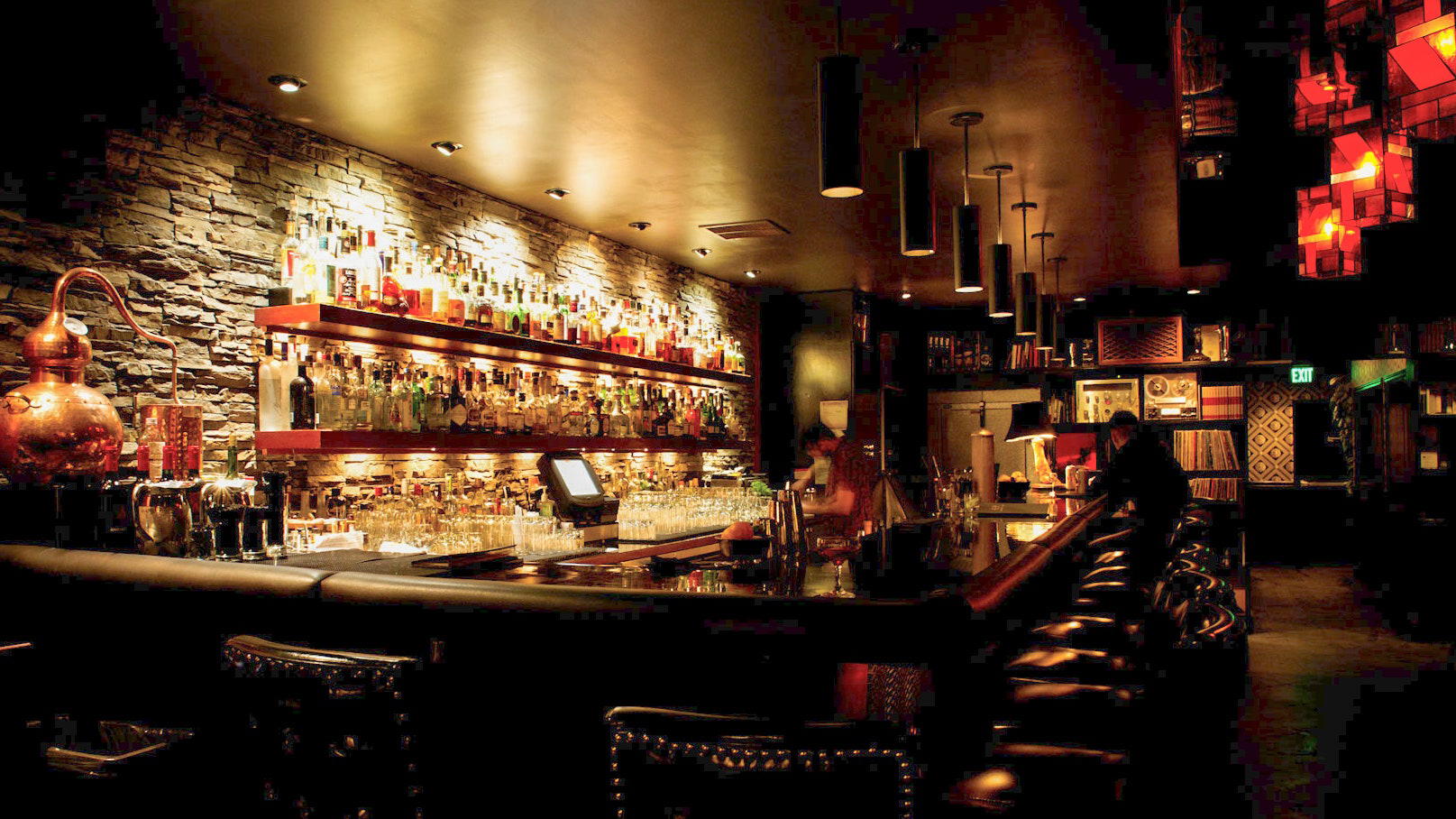
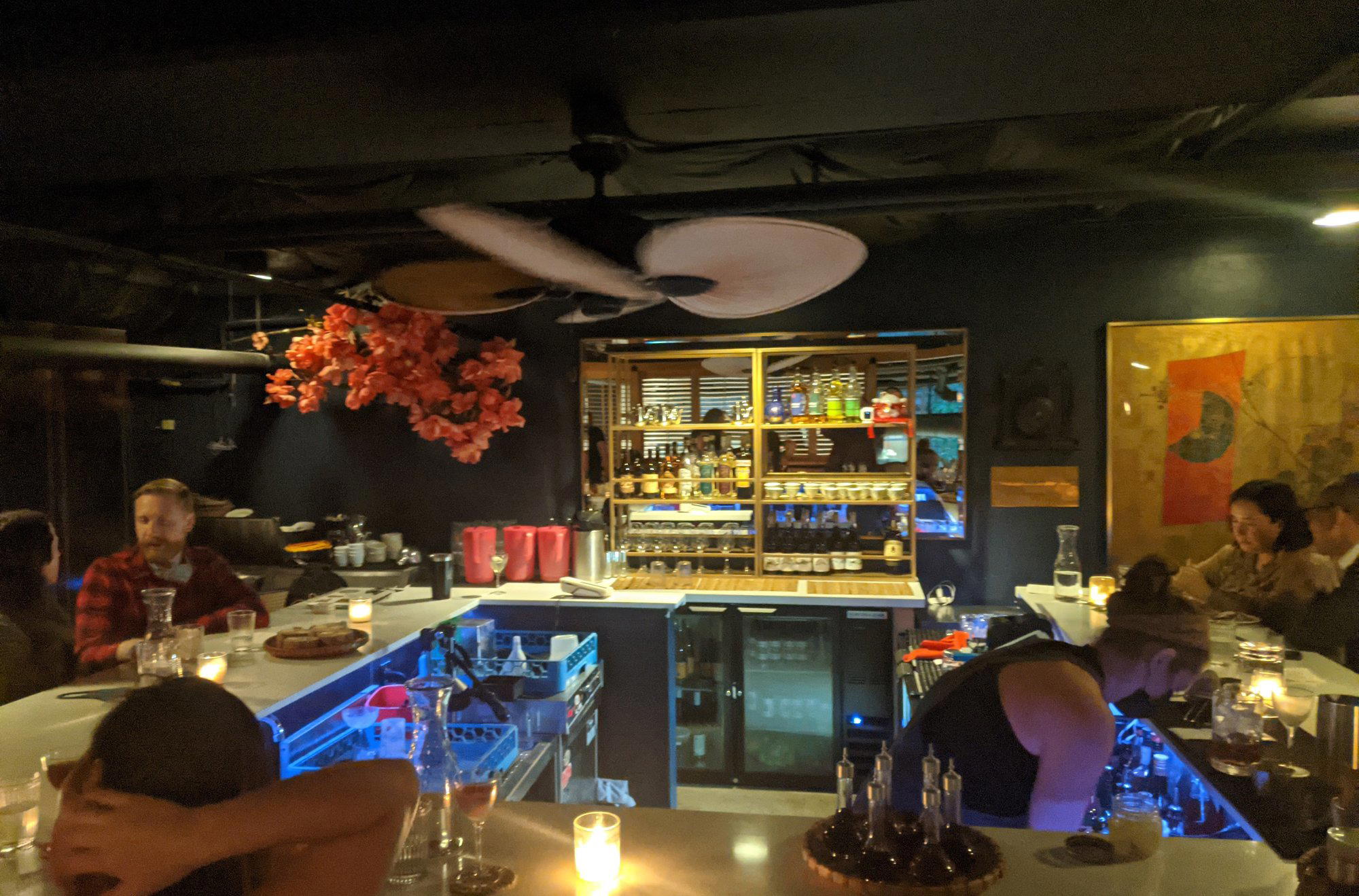
Hotels in Seattle
All hotels in Seattle →
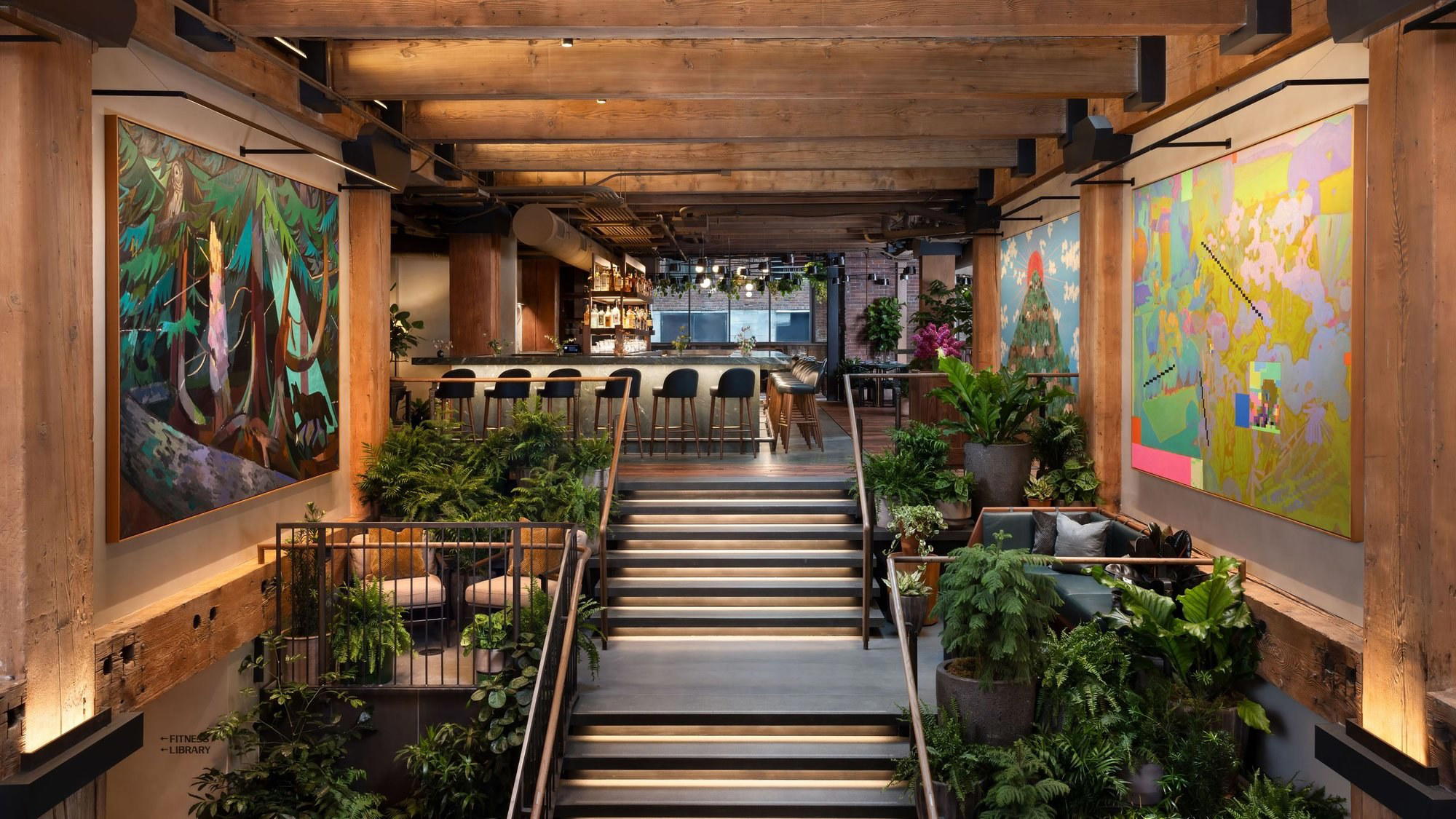
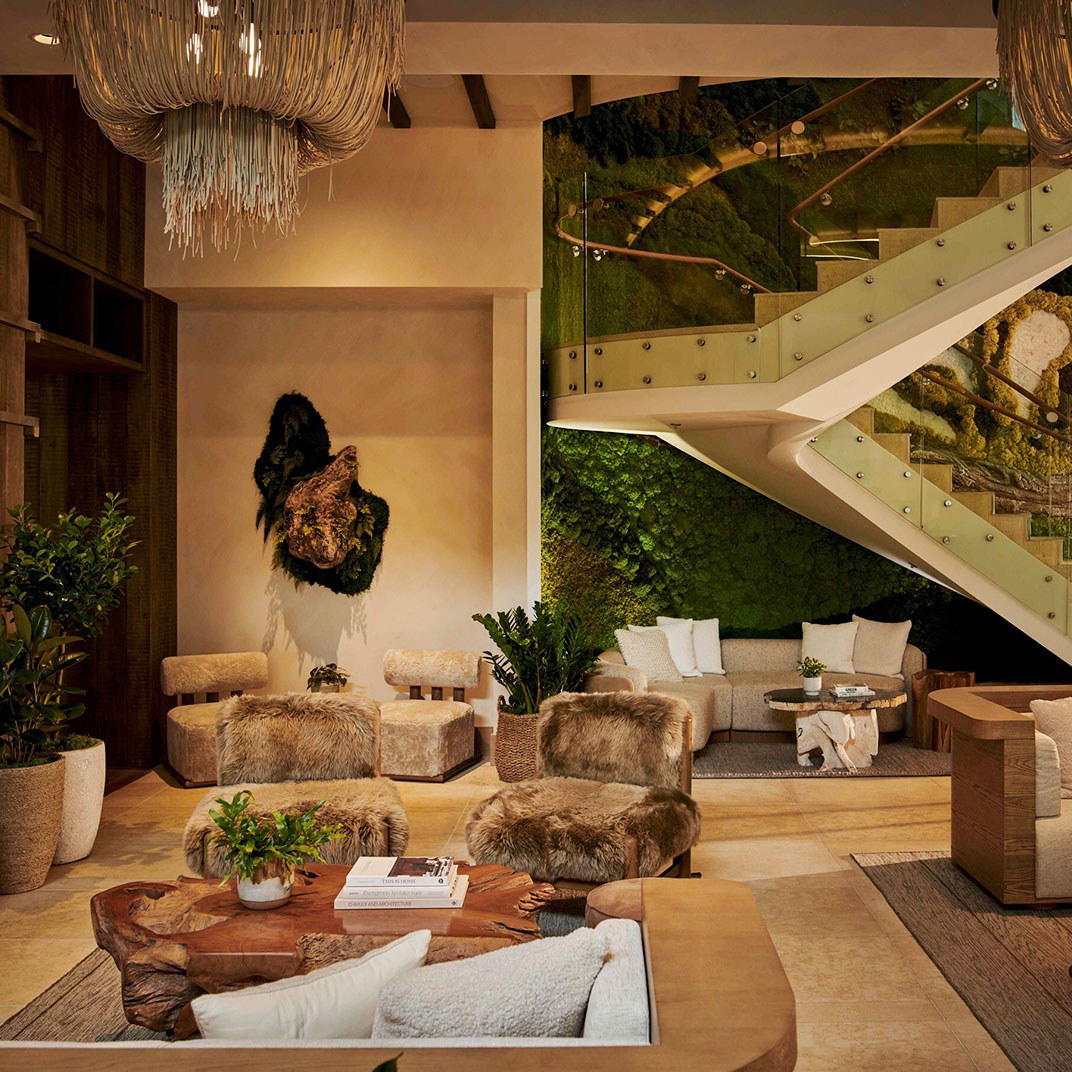
Wineries in Seattle
All wineries in Seattle →
Details
- Sophisticated
- Cozy
- Elegant
- Intimate
- Private Event
- Open Kitchen
- Historic Building
- Craft Cocktails
- Local Sourcing
- A La Carte
- Wine