Corson Building

A converted industrial building in Georgetown serves as the setting for Corson Building's communal, farm-rooted dinners. Chef Matthew Dillon built one of Seattle's most distinctive dining formats here: unhurried, produce-led, and tethered to the Pacific Northwest's agricultural depth. Opinionated About Dining ranked it among the continent's notable casual addresses in 2025.
Pearl is the En Primeur Club membership app — saves, bookings, and concierge access live there. Same editors, same standards.
- Address
- 5609 Corson Ave S, Seattle, WA 98108
- Phone
- (206) 762-3330
- Website
- thecorsonbuilding.com
- Directions
- Get directions
 Saves & bookings on Pearl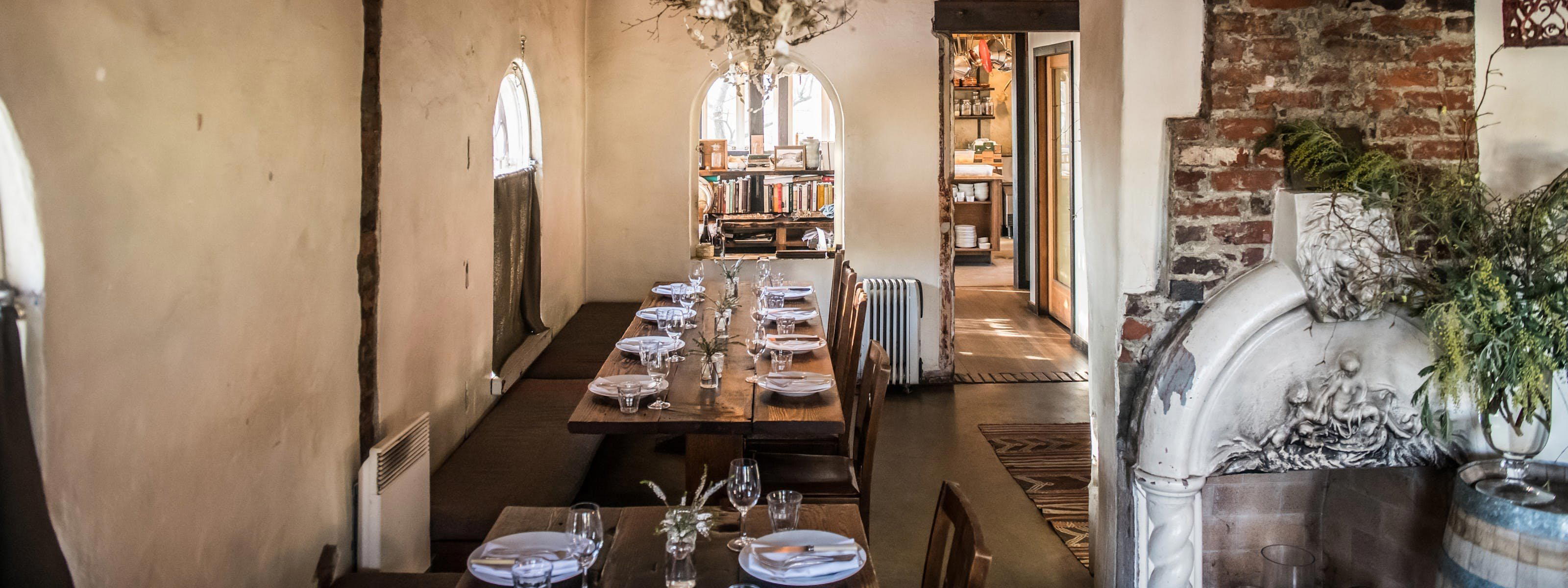
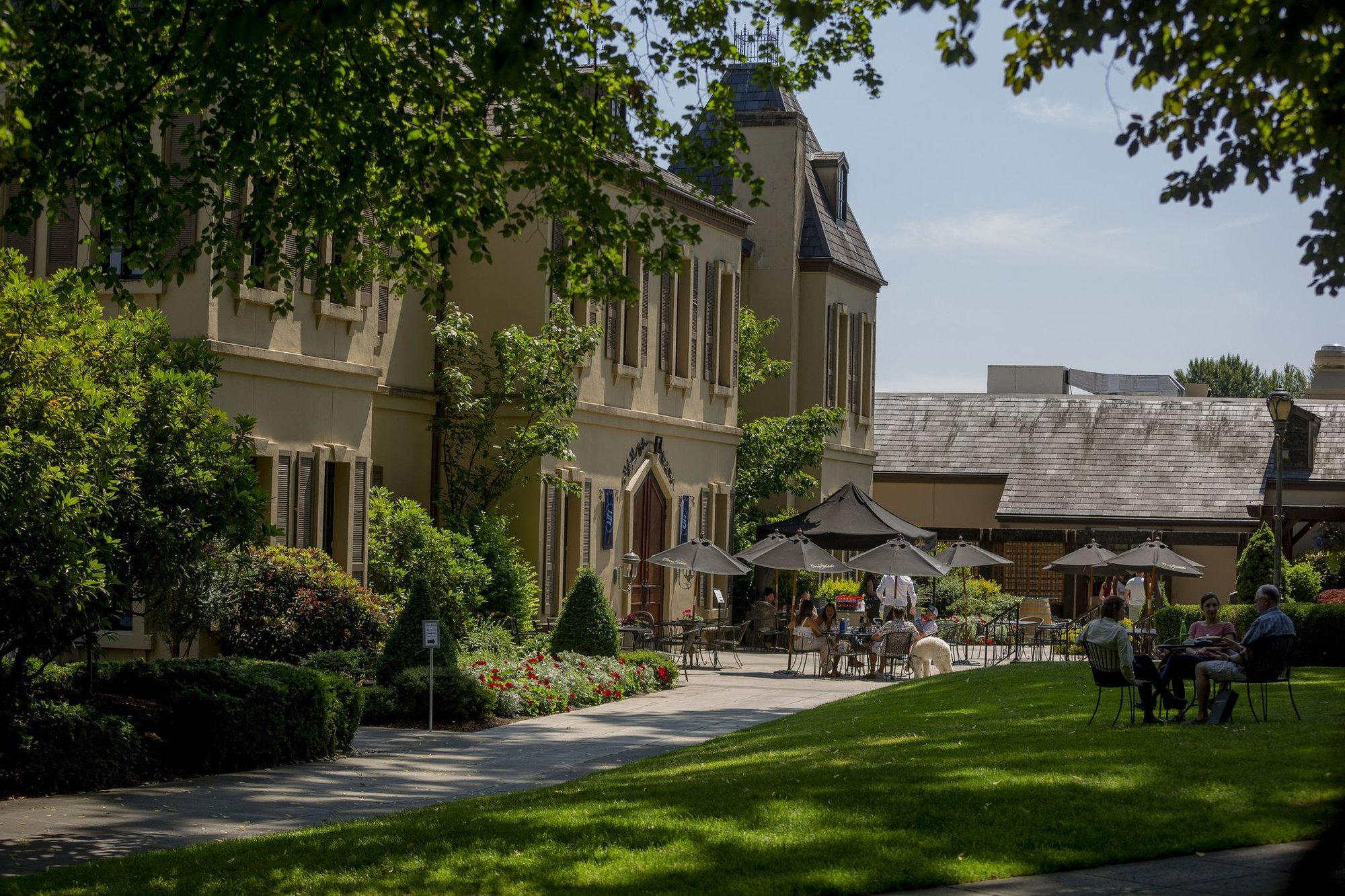
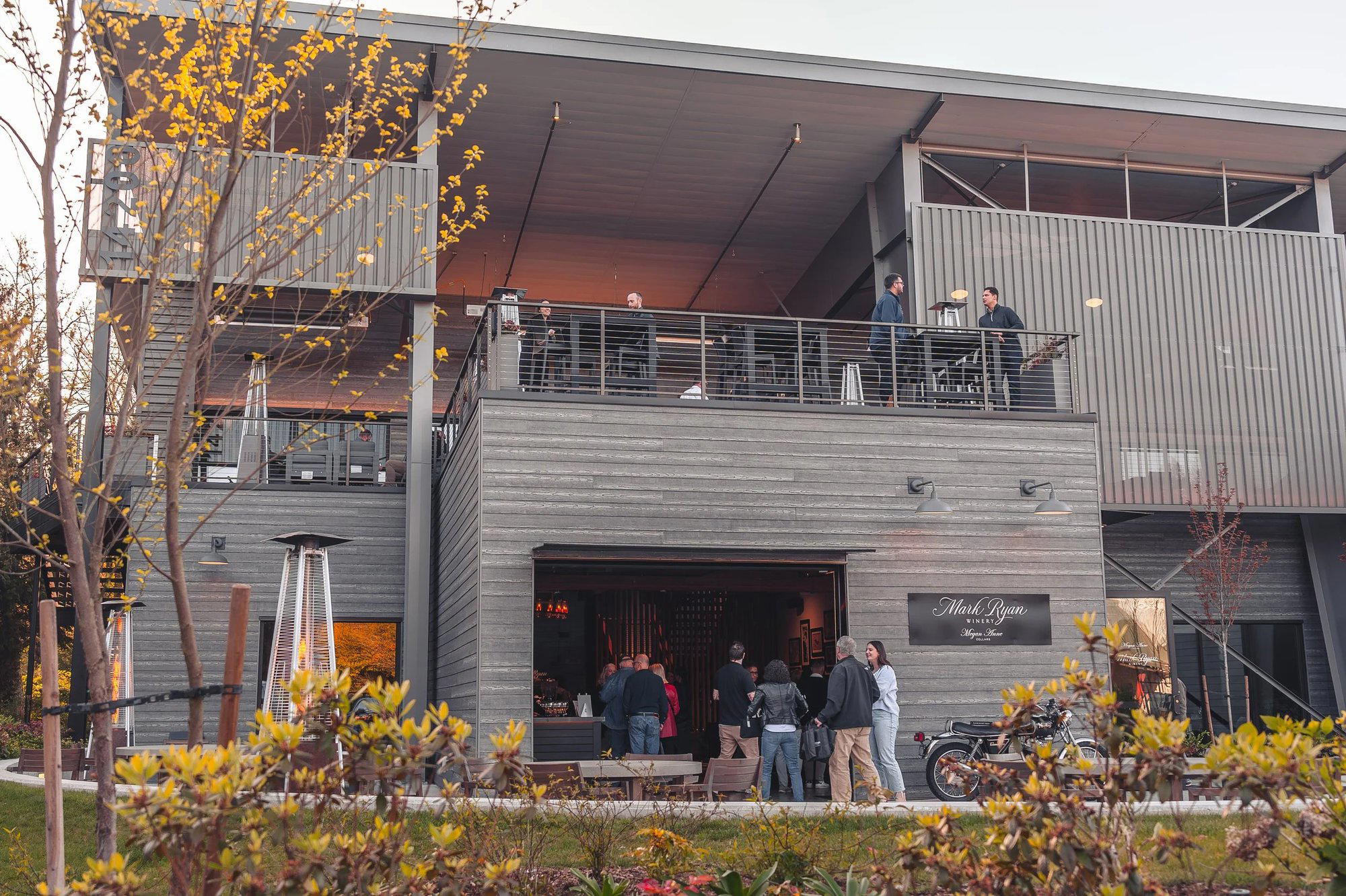
Georgetown sits south of SoDo, past the rail yards and auto shops, in a part of Seattle that resists the polish of Capitol Hill or South Lake Union. Arriving at 5609 Corson Ave S, you encounter a brick and timber structure that reads more like a working farm outpost than a restaurant address. That tension is the point. The Corson Building has always occupied an in-between space: part communal dining hall, part seasonal kitchen, part neighbourhood anchor in a district that keeps its distance from the city's tech-inflected dining mainstream.
The Ritual Before the Food
The dining experience at Corson Building centers on a communal table and a seasonal menu. It draws instead from the older practice of the communal table: everyone arrives within a narrow window, the meal moves at a shared pace, and the kitchen's rhythm determines yours. This format removes the transactional quality that can define a la carte dining and replaces it with something closer to a dinner party hosted by someone with serious sourcing contacts. The Thursday-through-Sunday schedule (Thursday and Friday from 6 to 9:30 pm, Saturday from 5:30 to 9:30 pm, Sunday from 5:30 to 9 pm) reinforces this. The limited weekly availability shapes how regulars plan around it.
Regional American cuisine, when practiced with this kind of format discipline, tends to foreground the agricultural calendar more visibly than restaurants operating nightly across a full week. The kitchen's output is inseparable from what Pacific Northwest farms and waters are producing at a given moment, which means the meal itself functions as a record of the season. This is the editorial substance of the dining experience here, not a stylistic flourish.
Where Corson Building Sits in Seattle's Dining Picture
Seattle's higher-end restaurant conversation frequently centers on venues with polished Capitol Hill addresses and tasting-menu formats priced into the triple digits. Canlis represents the city's most established formal New American tradition; Atoma and Altura occupy a technically rigorous contemporary Pacific Northwest tier. Joule brings a different cultural register altogether. The restaurant operates in a different register from all of these. Its 2025 Opinionated About Dining ranking at #756 in North America's casual category places it in a competitive set that values ingredient sourcing, format authenticity, and point of view over service formality or price-tier signalling. The ranking is a meaningful credential in this context because it weights diner experience and culinary substance over room design or press profile.
Nationally, the communal farm-table format has precedents at venues like Single Thread Farm in Healdsburg, where agricultural integration drives the menu architecture, and Lazy Bear in San Francisco, which similarly built a distinctive communal ritual around serious cooking. Both operate at higher price points and with more formal service language. The restaurant's placement in the OAD casual tier suggests a different value proposition: the cooking is taken seriously, but the format does not demand formal dining literacy from the guest.
The Regional American category itself has gained critical standing over the past decade. Big Jones in Chicago and Hen of the Wood in Waterbury represent the depth of that category across different American regions. In the Pacific Northwest, regional identity is defined by cold-water seafood, Willamette and Yakima Valley produce, foraged ingredients from the Cascade range, and a proximity to small farms that has made farm-to-table a structural reality rather than a marketing phrase. The restaurant sits within that tradition with the kind of seriousness that earns rankings rather than just press coverage.
Chef Matthew Dillon and the Question of Authorship
The broader Pacific Northwest dining scene has produced a number of chef-driven projects where the kitchen's identity is inseparable from a named practitioner's sourcing relationships and technical approach. Matthew Dillon, who has been associated with the restaurant for years, is one of the region's more respected figures in this regard. What matters for the reader assessing this venue is not the biographical arc but the practical implication: the kitchen operates with a clear point of view on ingredient provenance, and that consistency is what drives. Sustained high ratings at a venue operating on a compressed weekly schedule, in an off-centre neighbourhood, signal a loyal and informed diner base.
For comparison with other chef-driven American institutions at different price and formality tiers, see Le Bernardin in New York, Emeril's in New Orleans, and Alinea in Chicago. The restaurant operates with none of that institutional scale, which is part of its appeal to the segment of diners who find chef-driven intimacy more compelling than brand recognition.
The Georgetown Setting as Context
Seattle's dining geography has historically concentrated premium restaurants in Capitol Hill, Belltown, and South Lake Union. Georgetown's emergence as a serious address for food and drink is a more recent development, tied to the neighbourhood's industrial character rather than despite it. Archipelago is another restaurant working in this part of the city's cultural register. The restaurant's physical space, with its non-residential scale and historic structure, creates a dining environment that cannot be replicated in a standard commercial fit-out. The setting contributes to the ritual quality of the meal in ways that a conventional dining room cannot.
Planning a Visit
The four-night weekly schedule and the communal format mean advance planning is advisable. The restaurant does not operate with the daily availability of a conventional restaurant, and the Georgetown location requires intentional travel from central Seattle neighbourhoods. The Sunday close at 9 pm versus the Thursday-Friday close at 9:30 pm is a minor but useful detail for itinerary planning. Pricing sits at about $130 per person.
For a fuller picture of where the restaurant sits within Seattle's food and hospitality scene, see our full Seattle restaurants guide, Seattle hotels guide, Seattle bars guide, Seattle wineries guide, and Seattle experiences guide.
Peers Worth Knowing
Comparable venues nearby, for context on price, style, and recognition.
| Venue | Cuisine | Price | Notes |
|---|---|---|---|
| Corson BuildingThis venue — the venue you are viewing | Seasonal American Fine Dining | $$$$ | Not listed |
| Harvest Beat | Gourmet Vegan Farm-to-Table | $$$$ | Wallingford |
| Prelude at McCaw Hall | Contemporary American | $$$$ | Uptown |
| Lark | New American Pacific Northwest Fine Dining | $$$$ | First Hill |
| Sitka and Spruce | Northwest Farm-to-Table | $$$ | Pike/Pine |
| Dimitriou's Jazz Alley | Northwest American | $$$ | Denny Triangle |
Recognition history
Dated appearances from independent guides and award organizations, with the underlying list record or original source where available.
Opinionated About Dining Casual in North America Recommended
Opinionated About Dining
Opinionated About Dining Casual in North America Ranked #756
Opinionated About Dining
Continue exploring
More in Seattle
Restaurants in Seattle
Browse all →
Bars in Seattle
Browse all →
Hotels in Seattle
Browse all →

At a Glance
- Intimate
- Rustic
- Elegant
- Cozy
- Special Occasion
- Date Night
- Group Dining
- Celebration
- Garden
- Historic Building
- Open Kitchen
- Private Dining
- Farm To Table
- Local Sourcing
- Garden
Current opening hours
- Monday
- Closed
- Tuesday
- Closed
- Wednesday
- Closed
- Thursday
- 6–9:30 PM
- Friday
- 6–9:30 PM
- Saturday
- 5:30–9:30 PM
- Sunday
- 5:30–9 PM
Hours can change for holidays and private events. Last verified .
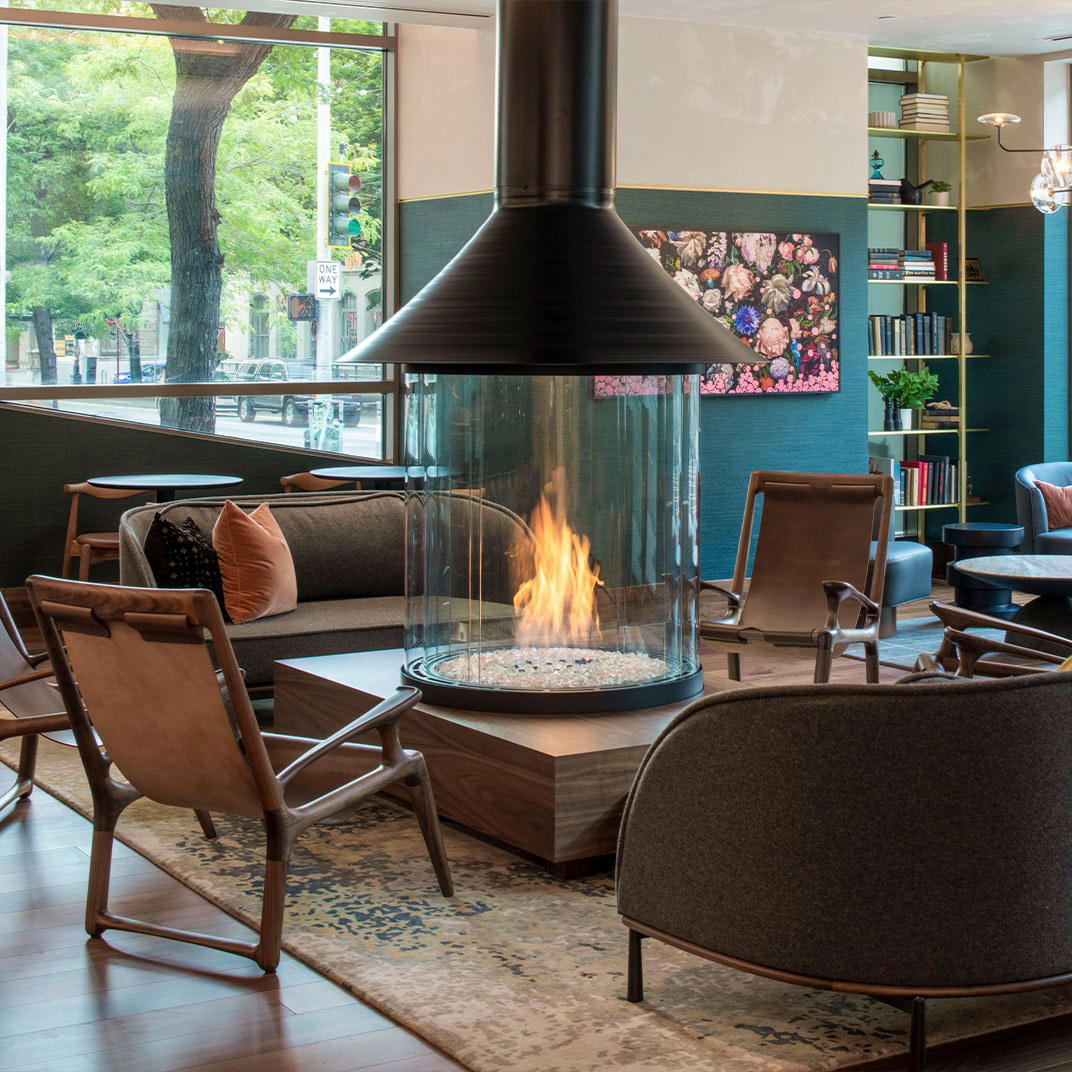
Softly lit with flickering candlelight from the fireplace, warm and cozy industrial interior, quiet conversational atmosphere.