Scottie's Pizza Parlor SE
On SE Division Street, one of Portland's most competitive dining corridors, Scottie's Pizza Parlor SE has built a following around ingredient-forward pies that reflect the city's sourcing culture as much as its appetite for casual, serious food. The address puts it squarely in a neighbourhood that has cycled through trends and kept the ones worth keeping.
Pearl is the En Primeur Club membership app — saves, bookings, and concierge access live there. Same editors, same standards.
- Address
- 2128 SE Division St, Portland, OR 97202
- Phone
- +1 971 544 7878
- Website
- scottiespizzaparlor.com
- Directions
- Get directions
 Saves & bookings on Pearl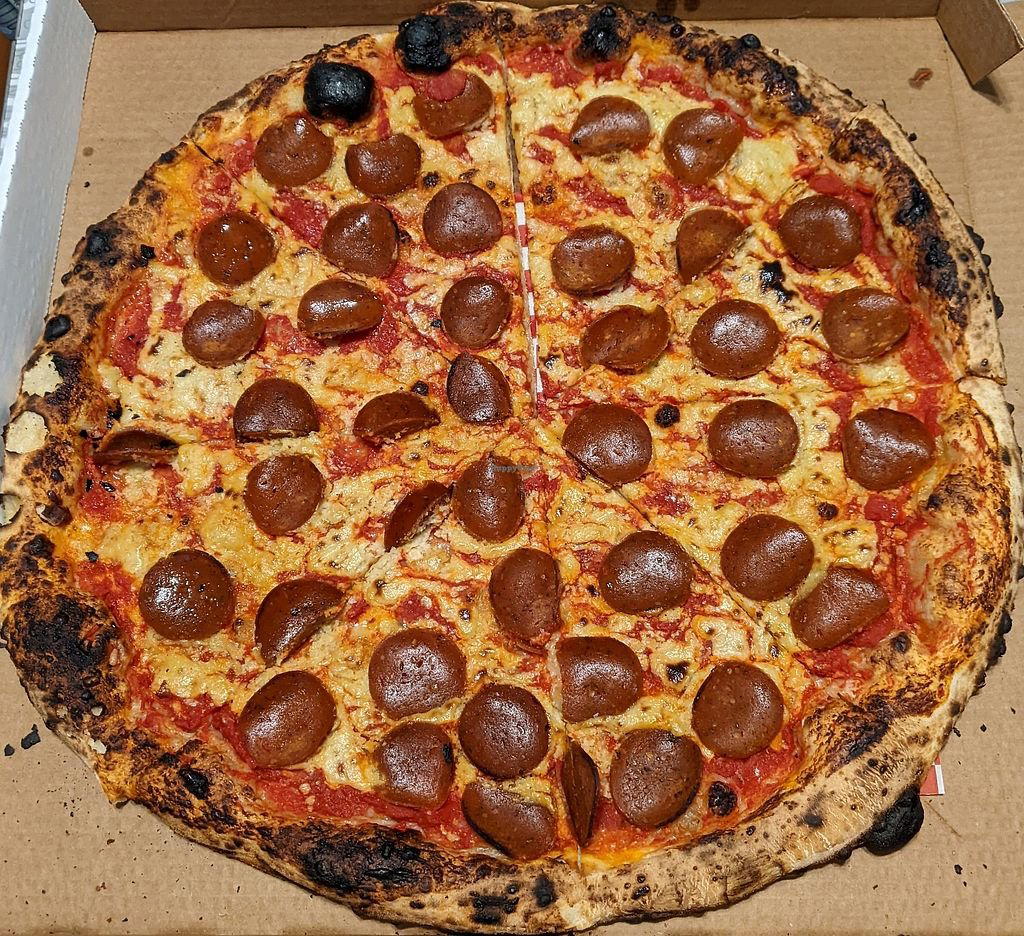
SE Division and the Sourcing Argument for Serious Pizza
Scottie's Pizza Parlor SE is a casual pizza restaurant at 2128 SE Division St in Portland, Oregon. That context matters for reading Scottie's Pizza Parlor SE, at 2128 SE Division. Pizza, more than almost any other format, exposes its ingredients: dough chemistry, tomato acidity, dairy fat content, and the quality of anything piled on leading are all amplified by high heat and a thin canvas. A pizzeria on this street faces an informed clientele that has been trained by neighbours like Nostrana and Ken's Artisan Pizza to notice the difference.
What the Ingredient Question Actually Means in Portland
The Pacific Northwest's sourcing culture developed from geography: the Willamette Valley produces grain, dairy, and produce at a scale and quality that gave Portland's restaurant community genuine access to local ingredients. For a pizzeria specifically, that access translates into choices about flour provenance, the fat content and freshness of cheese, and whether toppings are selected for availability or for flavour at peak season. Portland's serious pizza operators have, for years, positioned themselves against the national chain model by making those sourcing decisions visible, either through menu language, supplier relationships, or the evidence on the plate itself.
Scottie's Pizza Parlor SE sits on Division at a moment when that sourcing argument has become a baseline expectation. The neighbourhood has absorbed enough food-literate residents, and seen enough openings from places like Berlu and Langbaan, that the floor for ingredient quality has risen considerably. A casual pizzeria on this corridor is not competing only against other pizza; it is competing against the broader standard of intentionality that Division diners have come to expect.
The Division Street comparable set
Division runs a spectrum from fast-casual to reservation-only, but its pizza-specific options have historically skewed toward the craft end. Nostrana, though not on Division itself, set a template for wood-fired, sourcing-conscious pizza in Portland that influenced how the city thinks about the format. Ken's Artisan Pizza reinforced the point that a Portland pizzeria could draw destination traffic without pretension. Both established that the format rewards restraint and quality over volume and variety. Scottie's operates in the wake of those precedents, in a neighbourhood that absorbed them and moved on to expect them as given.
Further afield in Portland's dining geography, that sourcing ethos appears in different formats. Kann, Gregory Gourdet's Haitian-rooted restaurant, applies a similar ingredient discipline to a completely different culinary tradition. The point is that Portland's sourcing culture is not specific to any one cuisine; it is a city-wide operating principle that visitors from higher-ticket markets, accustomed to restaurants like Blue Hill at Stone Barns or Single Thread Farm in Healdsburg, will recognise as genuine rather than aspirational.
Format and Atmosphere on SE Division
SE Division operates at a specific register: unpretentious room, serious food, a crowd that is there to eat rather than to be seen. The parlour format, with its connotations of neighbourhood accessibility, fits that register well. Pizza parlours in American cities historically served as neighbourhood anchors precisely because the format allows for a wide range of occasions: a quick weeknight meal, a table of six with varying appetites, a solo diner at the counter. On Division, where the density of good options means that no single restaurant captures all occasions, the parlour model offers flexibility that a tasting-menu format cannot.
The physical address places Scottie's in a stretch that sees consistent foot traffic from both the residential neighbourhood and destination visitors making a broader Division run. That location dynamic, where locals and out-of-towners mix without the self-consciousness of a destination-dining room, is one of the things that distinguishes Division from Portland's more touristic food corridors.
Pizza at This Price Point in the American West
Across the American West, craft pizza has settled into a recognisable tier: above fast-casual chain pricing, below the multi-course tasting room. Operators in this tier compete on dough method (long ferment versus same-day), oven type (wood-fired, deck, or electric), and topping sourcing. The format's economics mean that ingredient quality decisions have direct margin implications, which is why the sourcing argument is never purely philosophical. Pizzerias that commit to local dairy, regional flour, and seasonal toppings are making a business decision as much as an ethical one, and the customer pays for it in the ticket price. For comparison, the gap between a sourcing-conscious craft pie and a national chain equivalent has widened considerably in West Coast markets over the past five years as input costs rose unevenly.
Readers who calibrate their dining expectations against higher-ticket formats, say Le Bernardin in New York or The French Laundry in Napa, will find Scottie's operating in a different register entirely, but the sourcing logic is not dissimilar. The same question that drives ingredient decisions at Providence in Los Angeles or Smyth in Chicago applies at a Division Street pizzeria: where does this ingredient come from, and does proximity and quality show up in what reaches the table?
Planning a Visit
SE Division is accessible by public transit from central Portland, and the corridor rewards arriving without a rigid itinerary. A pre- or post-pizza stop is easy to build given the density of bars and dessert options within walking distance. For visitors building a Portland restaurant itinerary, the full picture is in our Portland restaurants guide, which maps the city's dining geography across neighbourhoods and formats. Comparable destination experiences in other cities, for calibration purposes, might include Lazy Bear in San Francisco, Addison in San Diego, or Atomix in New York, though the format and price point differ substantially.
Recognition Snapshot
Comparable venues nearby, for context on price, style, and recognition.
| Venue | Cuisine | Price | Notes |
|---|---|---|---|
| Scottie's Pizza Parlor SEThis venue — the venue you are viewing | New York-Neapolitan Sourdough Pizza | $ | Not listed |
| Piazza Italia | Authentic Italian Trattoria | $$ | Pearl |
| Fillmore Trattoria | Italian-American Trattoria | $$ | Northwest District |
| Scottie's Pizza Parlor | New York- and Neapolitan-Style Pizza | $$ | Hosford-Abernethy |
| Brooklyn Trattoria | NYC-Style Italian Trattoria | $$ | Bethany Village |
| GRANA Pizza Napoletana | Neapolitan Pizza | $$ | Burnside |
Continue exploring
More in Portland
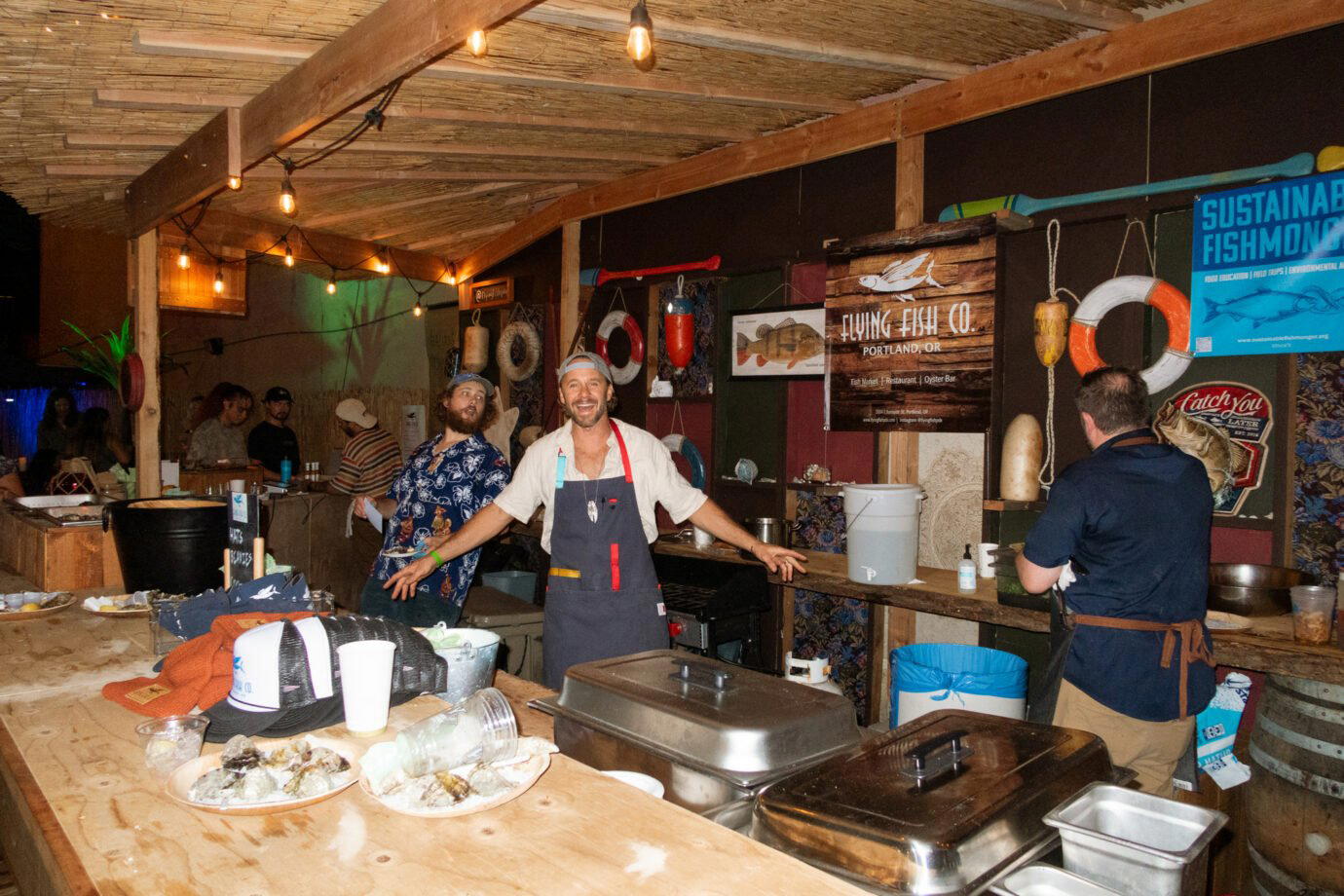
Restaurants in Portland
Browse all →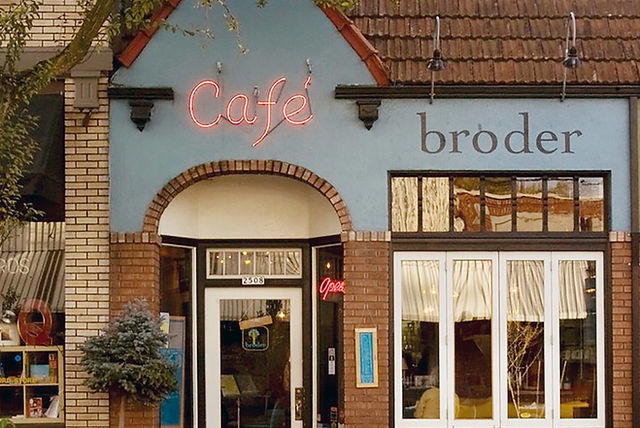
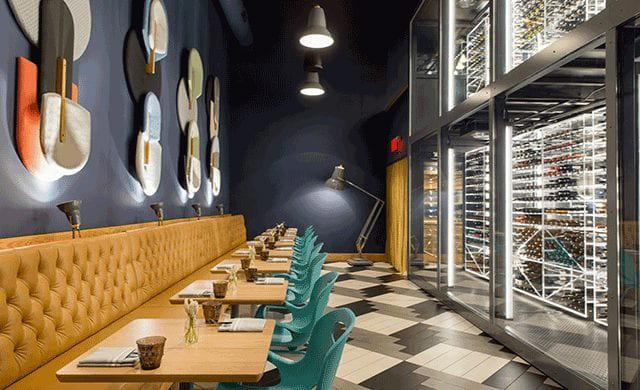
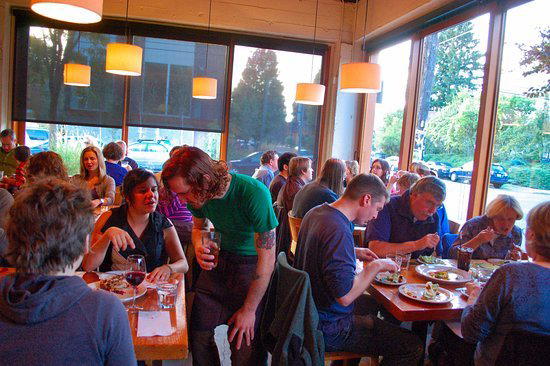
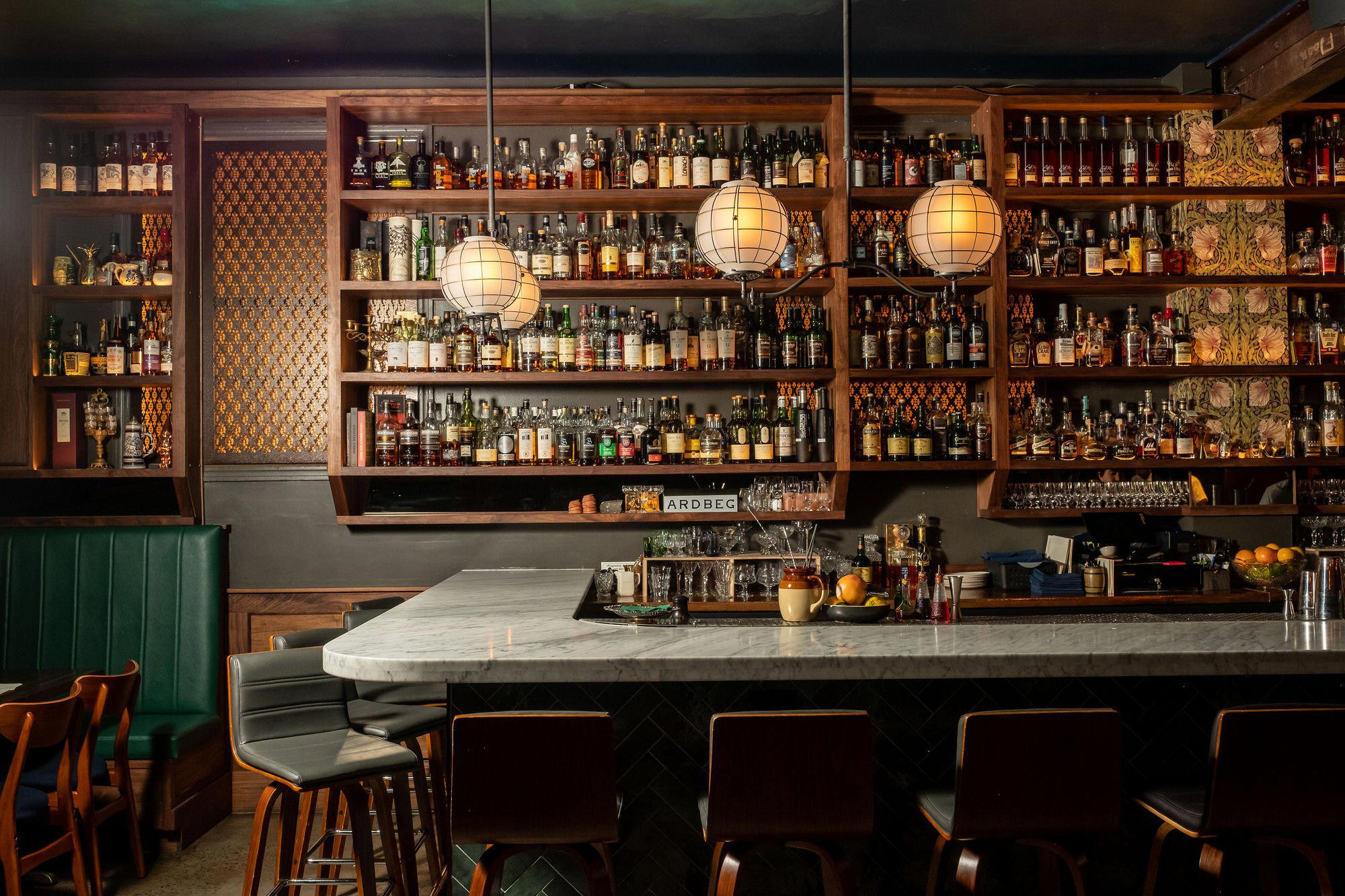
Bars in Portland
Browse all →
Hotels in Portland
Browse all →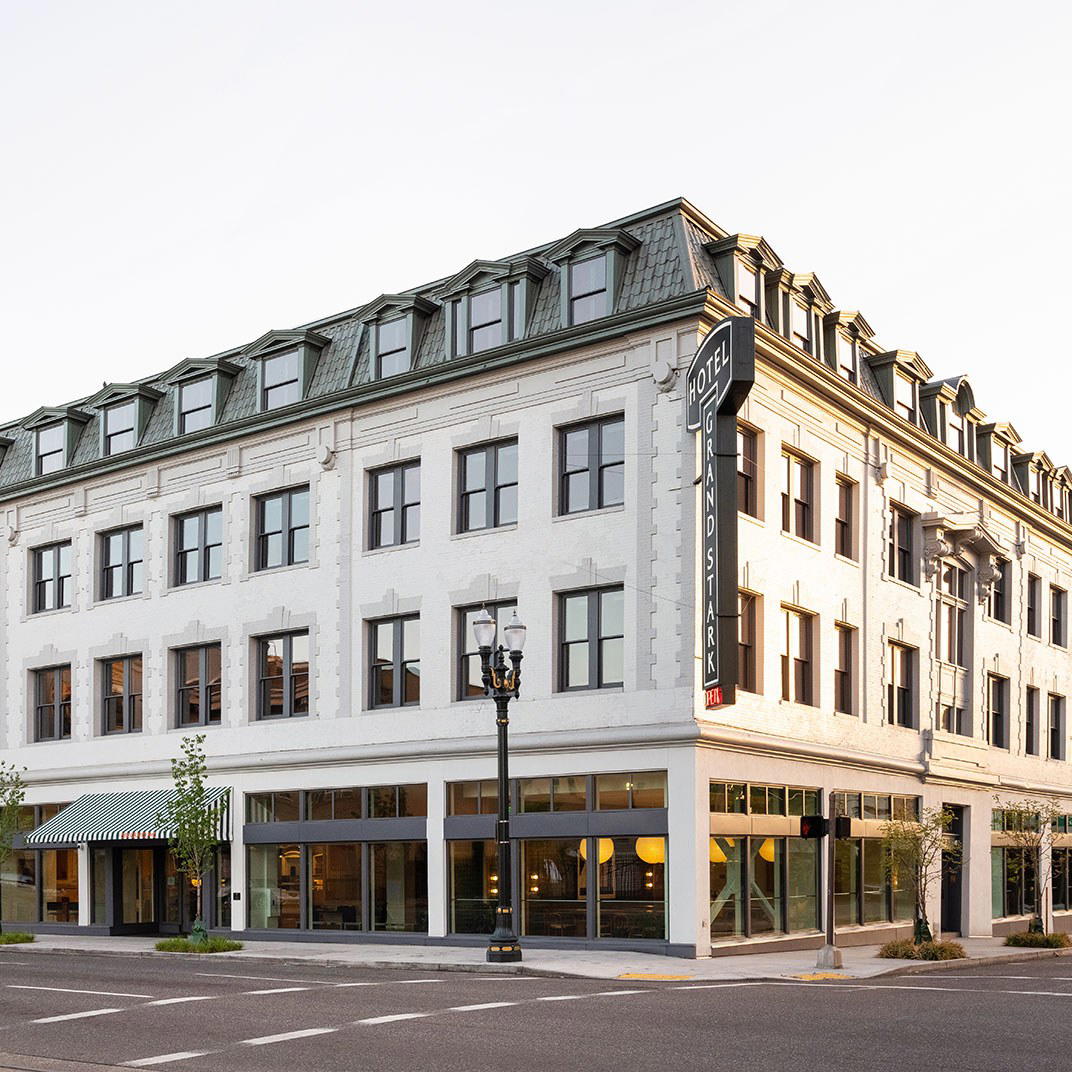

At a Glance
- Cozy
- Trendy
- Casual Hangout
- Late Night
- Open Kitchen
- Beer Program
Current opening hours
- Monday
- Closed
- Tuesday
- 11:30 AM–8:30 PM
- Wednesday
- 11:30 AM–8:30 PM
- Thursday
- 11:30 AM–8:30 PM
- Friday
- 11:30 AM–8:30 PM
- Saturday
- 11:30 AM–8:30 PM
- Sunday
- Closed
Hours can change for holidays and private events. Last verified .
Casual corner pizza shop with a small, authentic dining space featuring leopard-spotted pies from a high-heat oven.