Scottie's Pizza Parlor
Scottie's Pizza Parlor fits Portland’s ingredient-aware casual dining culture: a pizzeria where the point is less spectacle than sourcing, dough, and neighborhood rhythm. On SE Division, it belongs to the city’s broader pattern of independent restaurants treating everyday formats with the seriousness usually reserved for tasting menus.
 Discover on Pearl
Pearl is the En Primeur Club membership app — saves, bookings, and concierge access live there. Same editors, same standards.
- Address
- 2128 SE Division St, Portland, OR 97202
- Phone
- 971-544-7878
- Website
- scottiespizzaparlor.com
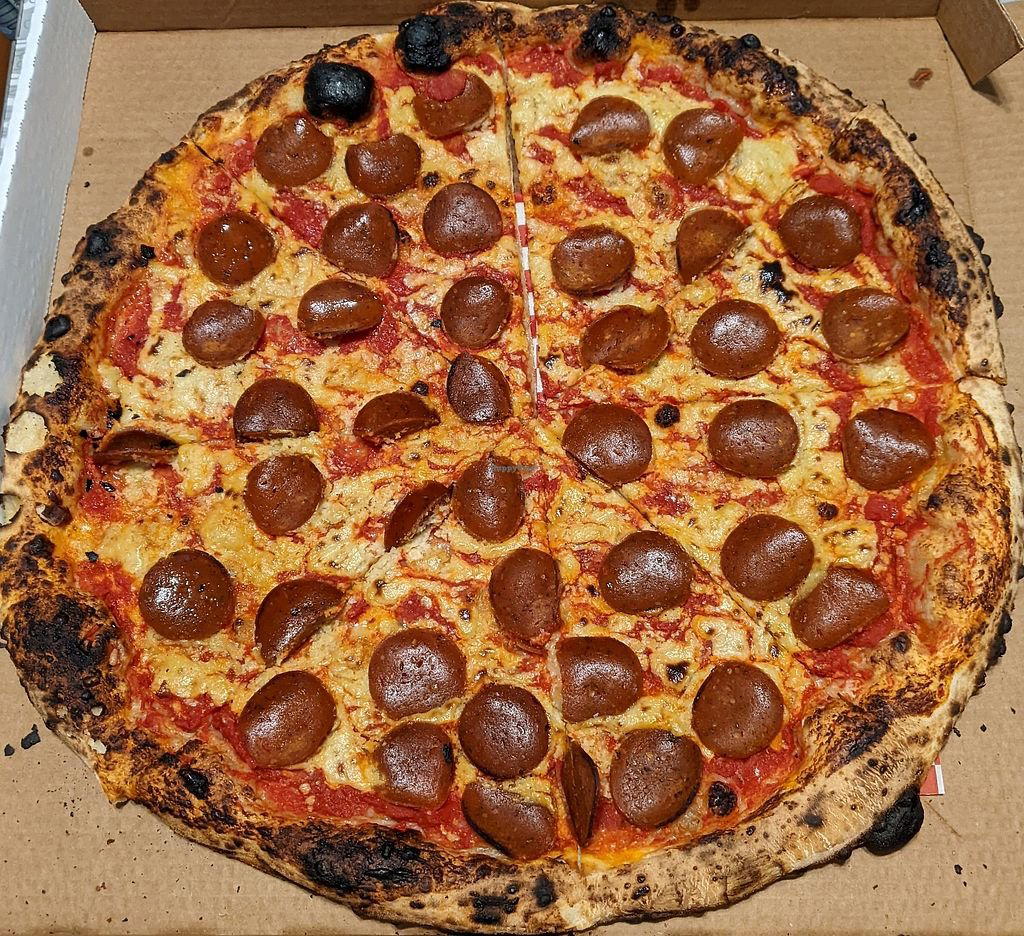
SE Division has the look of modern Portland dining in compressed form: compact storefronts, coffee traffic, small kitchens, and the steady movement of people who treat a weeknight slice with the same scrutiny another city might reserve for reservations. In that setting, Scottie's Pizza Parlor reads as part of a local habit rather than an isolated destination. Portland’s casual restaurants often turn on ingredient choices, supplier relationships, and dough or pastry discipline, and pizza gives that culture a direct test: there is nowhere for weak flour, rushed fermentation, or indifferent produce to hide.
The city’s pizzeria conversation is not just about New York imitation or wood-fired nostalgia. Portland has spent years developing a less rigid pizza identity, one that borrows from East Coast slice-shop utility, West Coast seasonality, and the Pacific Northwest’s insistence that even familiar food should show its sourcing logic. Scottie's Pizza Parlor sits inside that current. The format is approachable, but the editorial interest is in the way a common category becomes a measure of local standards: crust, cheese, tomato, heat, and restraint.
Portland pizza as an ingredient test, not a nostalgia act
Pizza in Portland works because the city has trained diners to notice inputs. Farmers’ market culture, small-batch bakeries, independent cheese counters, and beer-focused neighborhood rooms have all shaped expectations. A pizzeria here competes not only with other slice counters, but with restaurants where produce and fermentation do much of the talking. That is why the category has become sharper: the casual format lowers ceremony, while the food has to carry its own argument.
At Scottie's Pizza Parlor, the useful lens is sourcing rather than decoration. The venue’s public-facing identity is built around pizza, but the larger Portland point is that ingredient-led cooking no longer belongs only to higher-priced dining rooms. A plain slice can be judged by the same questions applied elsewhere in the city: does the dough have structure, does the tomato read clean rather than sweetened into submission, does the cheese support rather than bury the pie, and does the kitchen understand that restraint is a form of confidence?
That puts the place in conversation with a wider Portland dining pattern. 82 Acres (Seasonal local) signals the city’s seasonal-local vocabulary more explicitly, while 3 Doors Down Cafe & Lounge reflects the older neighborhood-restaurant mode. 1021 NE Grand Ave and 3808 N Williams Ave point to how Portland’s restaurant geography spreads across corridors rather than concentrating in a single downtown dining zone. The pizzeria belongs to that same map: local, specific, and more revealing than its format first suggests.
SE Division rewards places with a clear point of view
SE Division is a useful address for understanding Portland’s current restaurant mood. The corridor mixes long-running neighborhood habits with newer independent food businesses, and the better rooms tend to avoid excess polish. Diners come for specificity: a focused menu, an identifiable cooking style, and prices that make repeat visits plausible. In that environment, pizza has an advantage because it is democratic without being simple. The category welcomes children, solo diners, groups, and late-week cravings, yet it also exposes technical choices quickly.
Scottie's Pizza Parlor is therefore less interesting as a standalone profile than as evidence of Portland’s confidence in casual formats. Cities with weaker dining cultures often separate serious cooking from everyday eating. Portland blurs that line. A slice shop can sit near the same mental shelf as Nordic breakfast at 3 Doors Down Cafe & Lounge, seafood-leaning neighborhood dining at Jacqueline, or the Nordic imprint of Broder Café because the shared value is not cuisine type; it is clarity of purpose.
The comparison also extends beyond restaurants. Portland’s food culture is tied to drinking, lodging, and regional agriculture, which is why a meal plan can move from pizzerias to bars, bottle shops, and Willamette Valley-minded wine lists without changing the city’s underlying rhythm. For broader planning, Our full Portland restaurants guide, Our full Portland bars guide, Our full Portland hotels guide, Our full Portland wineries guide, and Our full Portland experiences guide frame the city as a set of overlapping habits rather than separate categories.
How to place it in a wider dining itinerary
The right expectation is not ceremony. The value here is a Portland reading of pizza: ingredient-conscious, neighborhood-scaled, and direct. That makes Scottie's Pizza Parlor a stronger fit for travelers who want to understand the city through repeatable local formats than for those chasing formal service or trophy dining. It also works as a counterweight to more composed meals, especially in a city where an ambitious day of eating can turn heavy if every stop demands a full seated agenda.
For readers building a cross-city food map, the point is comparison by format and sourcing rather than cuisine alone. Los Angeles drinking-and-dining hybrids such as Jōdo Saké Bar in Los Angeles and casual specialist counters such as Onigiri Time in Pasadena show how narrow formats can carry serious intent. Hawai‘i and California plant-forward or regional rooms, including 'Ai Love Nalo in Waimanalo Beach, 'āina in San Francisco, and 'Ama 'Ama in Kapolei, underline the same lesson from different traditions: sourcing becomes legible when the format does not smother it. Even outside the pizza category, 'Dashery in Baltimore, -Grilled beef Sukiyaki- KAMAKURA TANUKIAN 鎌倉 たぬき庵 in Kamakura, ¡Salud! in Los Angeles, and AC Kitchen help illustrate how focused concepts travel across cities without needing identical service models.
The editorial verdict is simple: use this as a Portland calibration point. Not every important meal in the city comes with awards, chef biographies, or a formal tasting structure. Some of the clearer evidence sits in everyday rooms where the ingredients, dough, and neighborhood traffic have to do the work.
In Context: Similar Options
Comparable venues by cuisine and price in the same metro.
| Venue | Cuisine | Price | Awards | Notes |
|---|---|---|---|---|
| Scottie's Pizza ParlorThis venue — the venue you are viewing | New York- and Neapolitan-Style Pizza | $$ | , | |
| Cibo | Neighborhood Italian with Wood-Fired Pizza | $$ | , | Richmond |
| Fillmore Trattoria | Italian-American Trattoria | $$ | , | Northwest District |
| Il Solito | Modern Italian-American | $$ | , | Downtown |
| Oven and Shaker | Wood-fired Neapolitan Pizza | $$ | , | Pearl |
| Flying Pie Pizzeria | Hand-Tossed Portland Pizza | $$ | , | Montavilla |
Continue exploring
More in Portland
Restaurants in Portland
Browse all →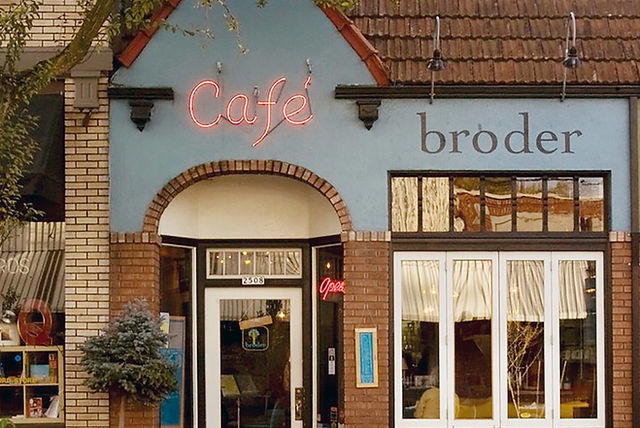

Bars in Portland
Browse all →
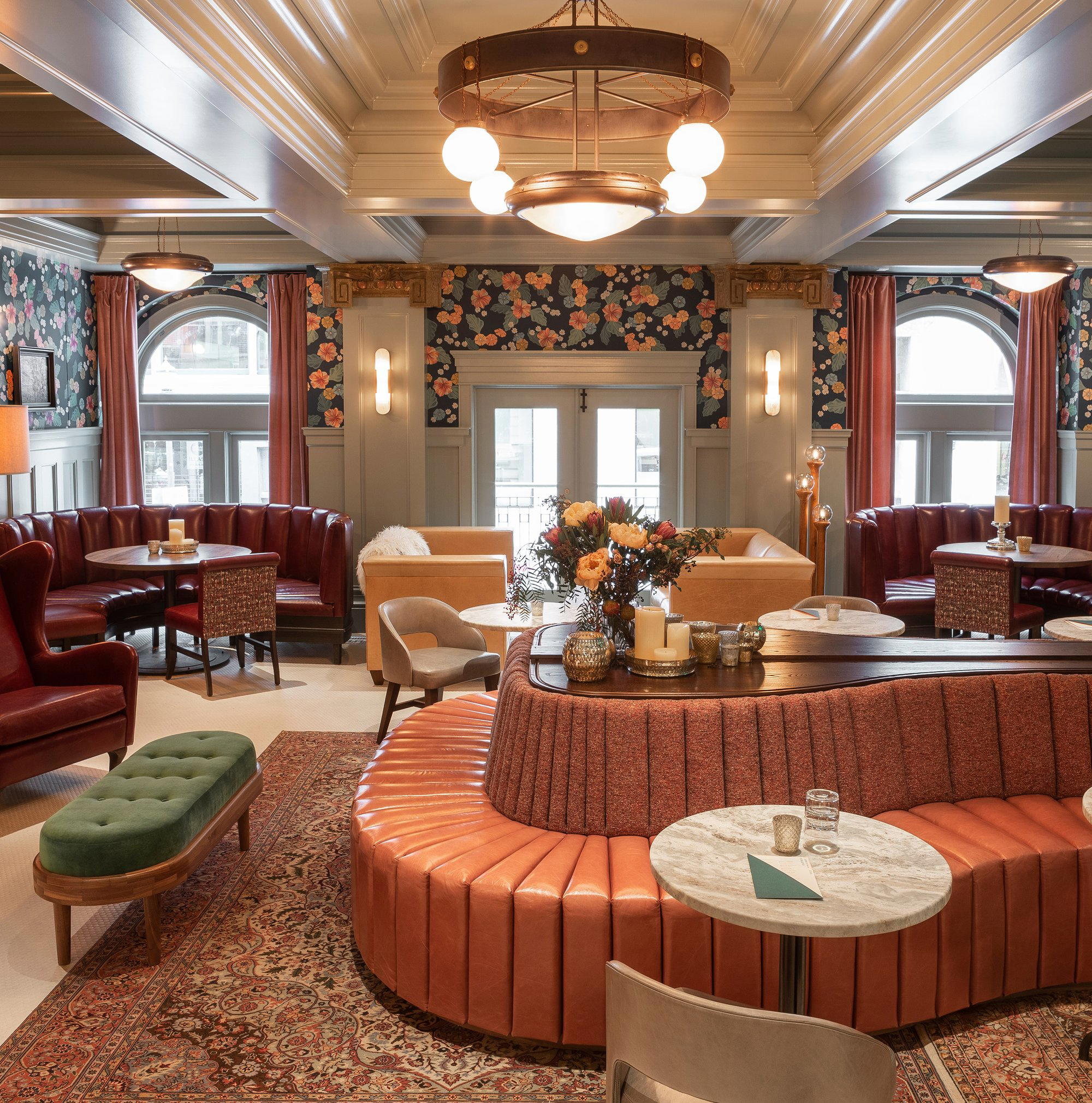
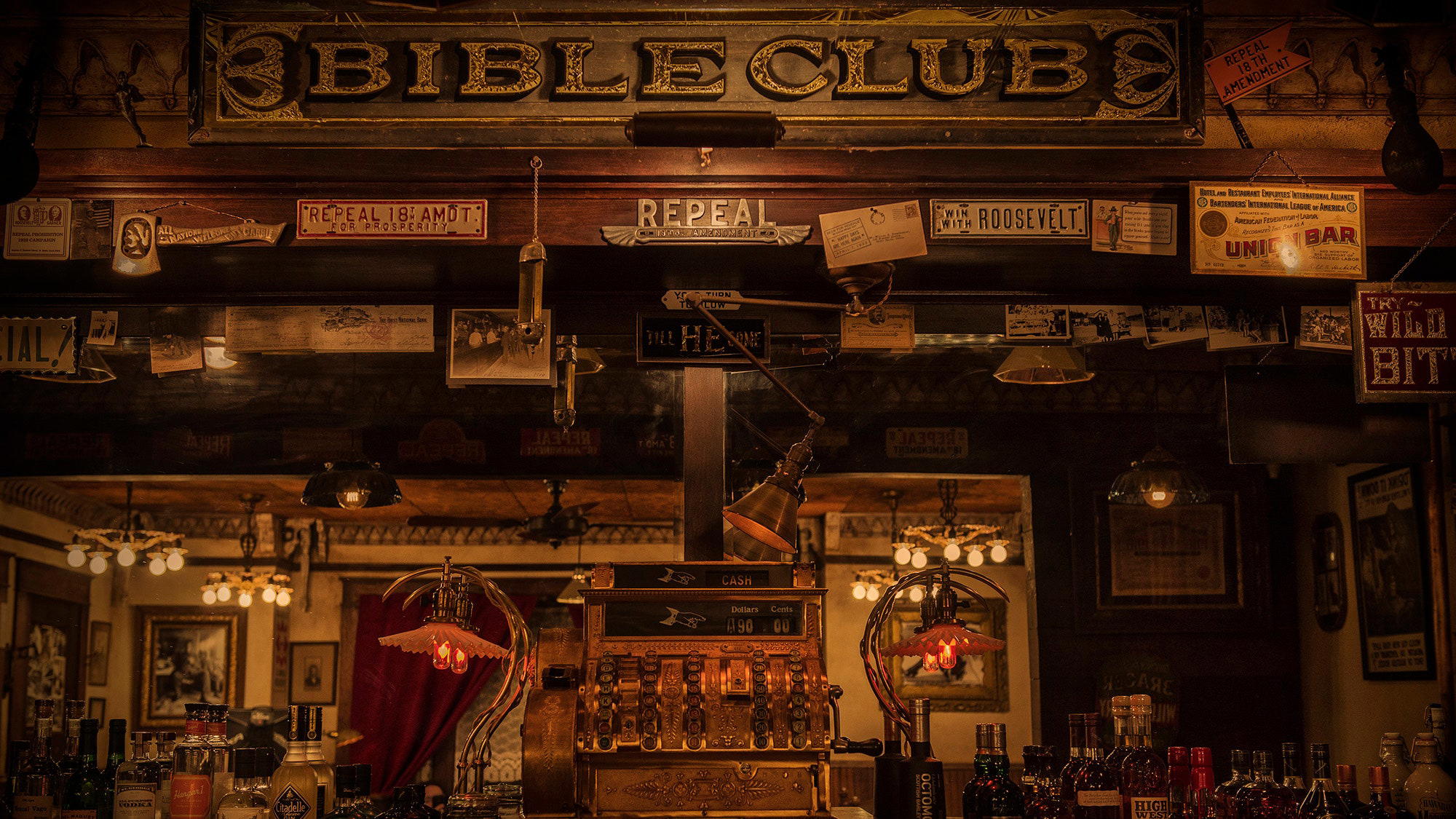
Hotels in Portland
Browse all →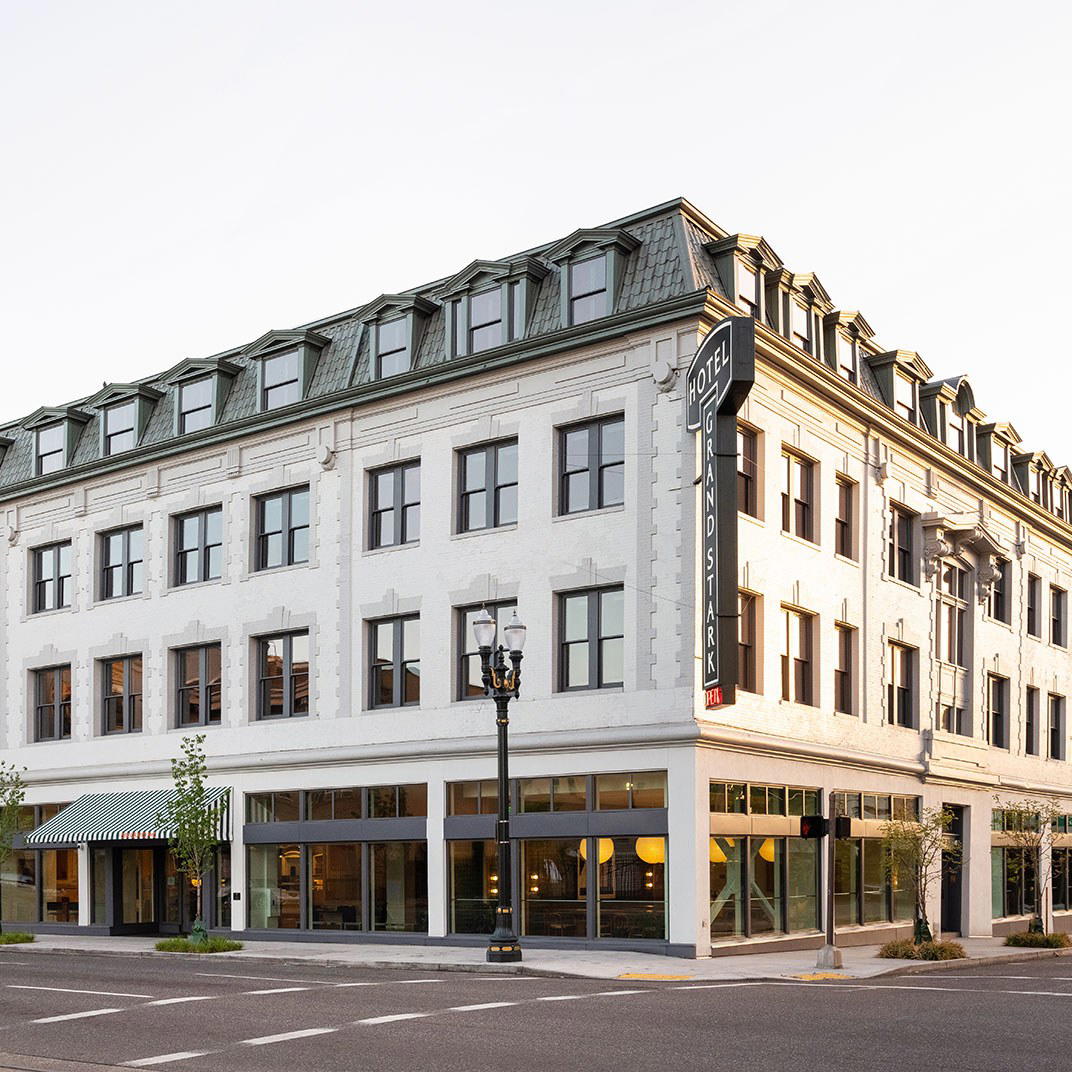
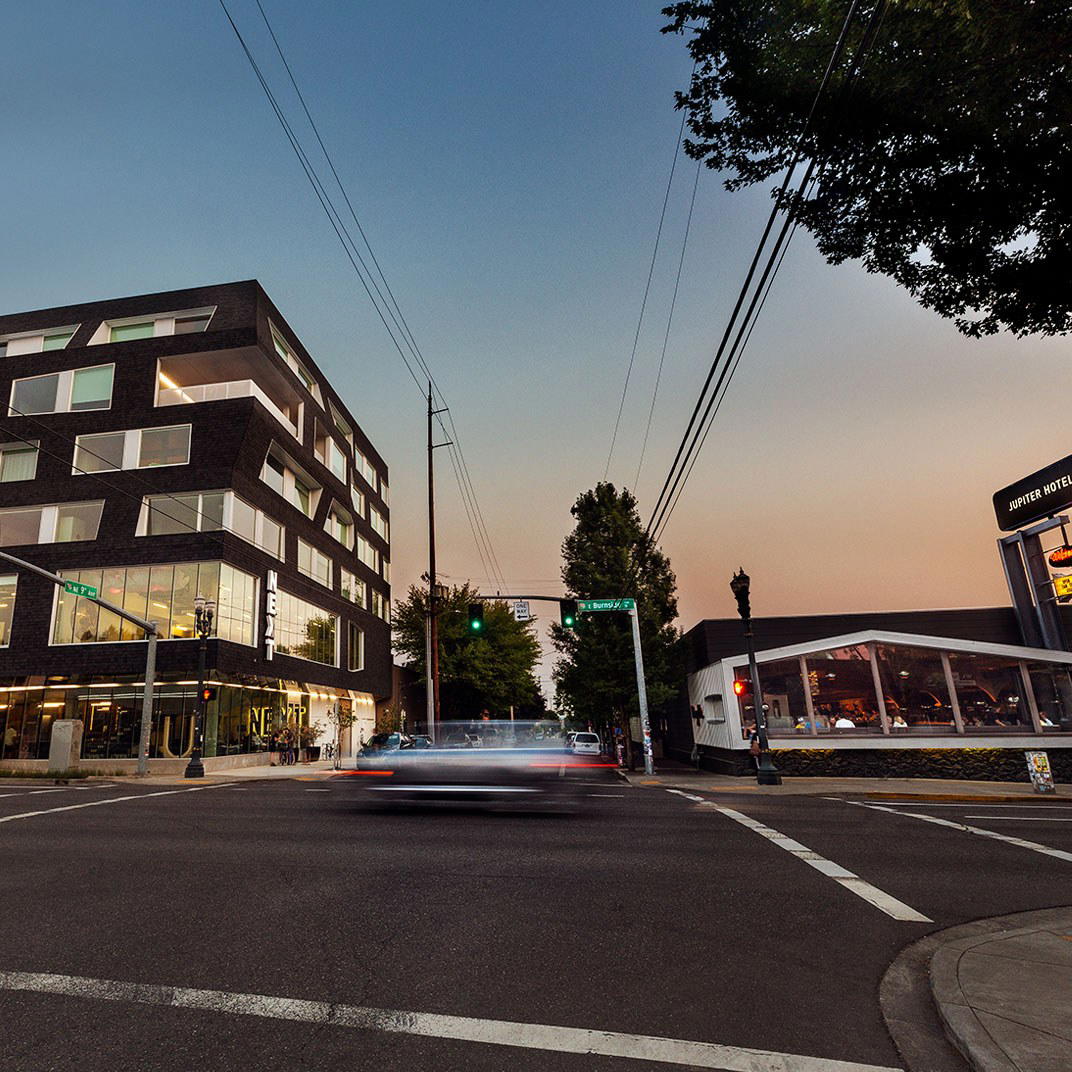

At a Glance
- Casual
- Cozy
- Classic
- Lively
- Casual Hangout
- Family
- Group Dining
- Solo
- Late Night
- Standalone
- Organic
- Local Sourcing
- Street Scene
Simple and unfussy with a neighborhood pizza-parlor feel; the NW location has lots of indoor seating and a large outdoor patio, while the SE spot is much more intimate with minimal dine-in space.