Sardi Peruvian Cuisine
Our verdict
Sardi Peruvian Cuisine brings the layered cooking traditions of Peru to Wilton Drive, placing the restaurant within Wilton Manors' growing inventory of cuisine-specific, independently owned dining rooms. Peruvian cooking draws from Japanese, Spanish, Chinese, and indigenous Andean influences, and a dedicated restaurant in this format is relatively uncommon in Broward County's dining circuit.

Pearl is the En Primeur Club membership app — saves, bookings, and concierge access live there. Same editors, same standards.
- Address
- 2041 Wilton Dr, Wilton Manors, FL 33305
- Phone
- (954) 626-0441
- Hours
- Mon ClosedTue–Thu 12–9 PMFri–Sat 12–10 PMSun 12–9 PM
- Website
- sardiperuviancuisine.com
- Directions
- Get directions
- Booking
- Book on OpenTable
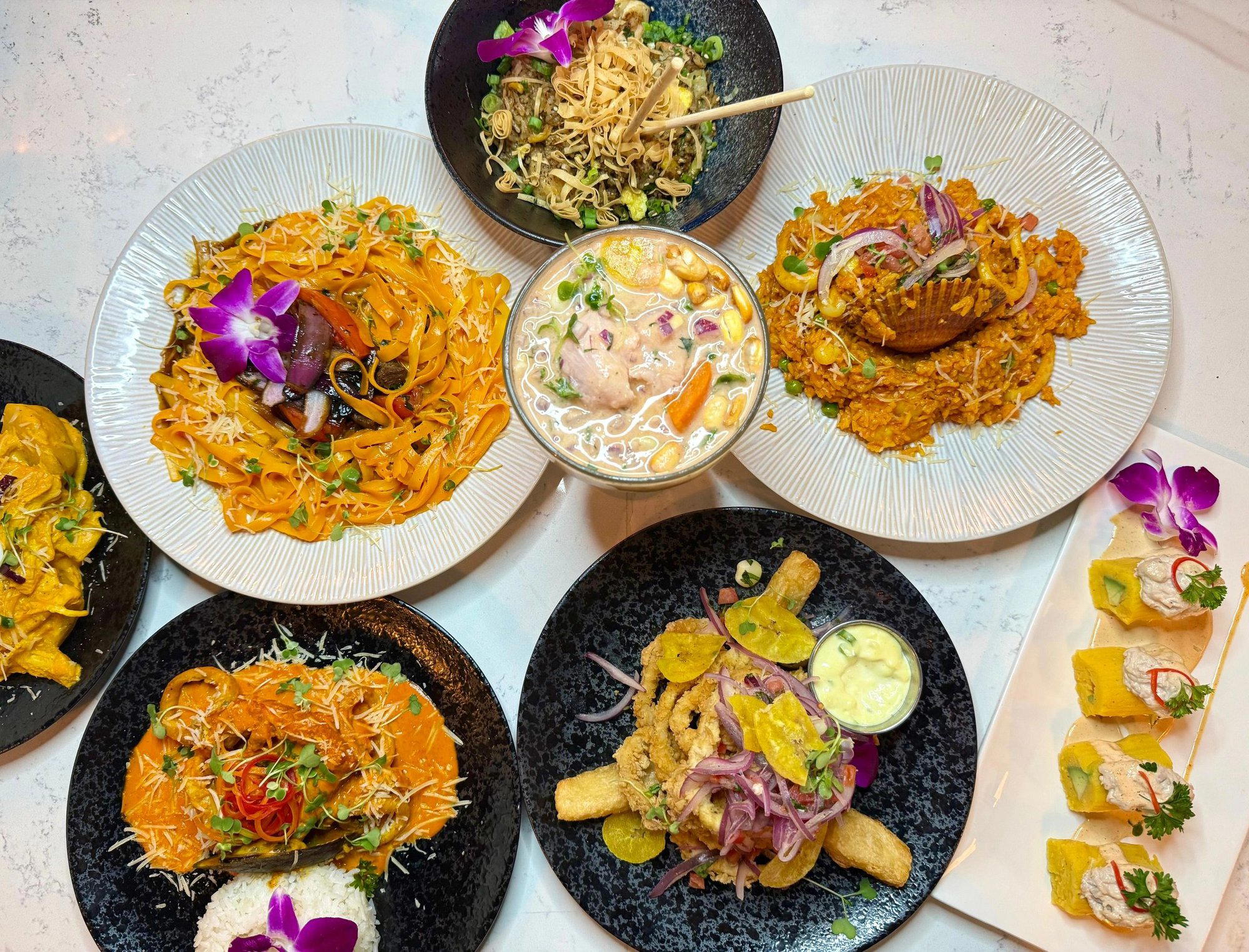
Peru on Wilton Drive: What a Dedicated Peruvian Table Means in South Florida
South Florida's dining map has long been anchored by Cuban, Haitian, and broader Latin American cooking traditions, with Peruvian cuisine occupying a smaller, more specialist corner of the region's restaurant inventory. That position is changing. Over the past decade, Peruvian restaurants have moved from ethnic-enclave staples in Miami's suburban corridors to more visible presences in food-conscious neighborhoods, carried partly by international recognition of Lima as one of Latin America's most technically sophisticated dining cities. Sardi Peruvian Cuisine, located at 2041 Wilton Dr in Wilton Manors, FL, sits inside that shift — a dedicated Peruvian table in a neighborhood better known for its bar culture and its tight-knit independent dining scene than for cuisine-specific destination restaurants.
Wilton Manors is a small, walkable city of roughly 12,000 people immediately north of Fort Lauderdale, and its commercial spine along Wilton Drive concentrates an unusually high density of independent restaurants relative to its size. The strip competes on character rather than scale. Neighbors like Candela Restaurant, ethos Greek Bistro, Le Patio, and The Alchemist Café each occupy distinct cuisine or format niches, and the street functions more like a curated block of independents than a chain corridor. Within that context, a Peruvian restaurant addresses a genuine gap in the neighborhood's cuisine coverage.
The Cultural Architecture of Peruvian Cooking
Understanding what makes Peruvian cuisine structurally different from broader Latin American cooking matters when considering what a dedicated Peruvian restaurant actually offers. Peru's culinary tradition is one of the most thoroughly hybridized in the Western Hemisphere, built across centuries of cross-cultural exchange. Spanish colonial cooking merged with indigenous Andean ingredients and techniques — potatoes, corn, chili peppers, and quinoa among them, producing a base cuisine already broader than most. That base then absorbed two major waves of immigrant influence: Chinese laborers arriving in the nineteenth century introduced wok technique and soy-based seasoning, producing the Chifa cooking tradition that remains embedded in everyday Lima dining. Japanese immigration from the late nineteenth century onward created Nikkei cuisine, which applied Japanese precision and raw-fish technique to Peruvian citrus and chili profiles, ultimately giving the world ceviche in its modern fine-dining form.
The result is a national cuisine with more internal complexity than almost any comparable tradition. Lima's position on lists like the World's 50 Best Restaurants, with multiple Peruvian restaurants appearing across different editions, reflects that depth. Restaurants like Le Bernardin in New York City or Alinea in Chicago operate at the apex of European-lineage fine dining; Peruvian restaurants at their leading draw on a fundamentally different and equally deep tradition, one where the complexity comes from cultural layering rather than French technique alone. That context sets expectations for what a serious Peruvian kitchen should be doing with its sourcing and preparation choices.
Ceviche, Lomo Saltado, and the Dishes That Define the Tradition
What general culinary knowledge confirms is that the core of traditional Peruvian restaurant cooking in the United States typically rotates around a handful of canonical preparations that function as benchmarks for kitchen quality. Ceviche, raw fish cured in leche de tigre, the citrus-chili-ginger liquid that also serves as a standalone drink, is the most internationally recognizable and the preparation most likely to reveal a kitchen's caliber quickly. Lomo saltado, the Chinese-Peruvian stir-fry of beef, tomato, and onion served with both rice and fries, demonstrates command of the Chifa tradition. Causa, the layered potato terrine with avocado and protein fillings, shows whether the kitchen treats indigenous Andean ingredients as the foundation they actually are rather than as afterthoughts.
These dishes, when executed with imported aji amarillo paste, quality seafood, and proper acid balance, read very differently from approximations made without access to authentic ingredients. South Florida's proximity to Peru via Miami International Airport means the regional supply chain for Peruvian specialty products is more accessible here than in most inland American markets, a practical advantage for kitchens that prioritize ingredient authenticity.
Wilton Manors as a Dining Context
Wilton Manors is not a neighborhood that generates the same food-media attention as Miami's Wynwood or Brickell corridors, but its dining scene operates with a consistency and community orientation that larger neighborhoods sometimes lose. Regulars here tend to be local rather than tourist-driven, and independent restaurants on Wilton Drive often develop loyal repeat customer bases that sustain them across South Florida's difficult seasonal revenue swings. The summer months, when tourist traffic drops and temperatures climb, are where neighborhood restaurants live or die on local loyalty alone.
For a Peruvian restaurant in this setting, that dynamic is actually favorable. Peruvian cooking's relatively affordable core preparations, compared to, say, Japanese omakase or French tasting menus, make it accessible across a range of spending levels. The cuisine also travels well across dietary preferences, with substantial options for seafood-focused diners, meat-centered preparations, and vegetable-forward Andean dishes alike. For anyone building a broader picture of dining in this part of Broward County, our full Wilton Manors restaurants guide maps the neighborhood's full range.
Peruvian Cooking in the Broader American Fine Dining Frame
It is worth placing a neighborhood Peruvian restaurant against the wider American fine dining reference frame, not to make direct comparisons but to understand the category's trajectory. American fine dining's most recognized addresses, The French Laundry in Napa, Single Thread Farm in Healdsburg, Blue Hill at Stone Barns in Tarrytown, Providence in Los Angeles, Addison in San Diego, The Inn at Little Washington, Bacchanalia in Atlanta, Lazy Bear in San Francisco, Atomix in New York City, and 8½ Otto e Mezzo Bombana in Hong Kong, operate in a European-influenced or East Asian technical tradition. Peruvian cuisine sits in a separate lineage, and the most credible Peruvian restaurants in the United States are increasingly understood as practitioners of a distinct culinary tradition rather than as ethnic casual dining. That recategorization is part of what drives interest in dedicated Peruvian tables in markets like South Florida, where the cuisine has historically been underrepresented relative to its complexity. Similarly, Emeril's in New Orleans built its reputation on a specific American regional tradition, Peruvian cuisine offers an equally specific and traceable cultural lineage for kitchens that commit to it seriously.
Planning a Visit
Sardi Peruvian Cuisine is located at 2041 Wilton Dr, Wilton Manors, FL 33305, within walking distance of the neighborhood's main dining and bar corridor. Wilton Drive is accessible by car with street and lot parking nearby, and the neighborhood is compact enough that visitors combining dinner with other stops along the strip can do so on foot.
Frequently asked questions
Can I bring kids to Sardi Peruvian Cuisine?
Wilton Drive's dining corridor runs toward adult-oriented evenings, particularly after 7 p.m. when bar traffic picks up along the strip. Peruvian cooking itself — rice dishes, mild stews, ceviche — translates well for younger diners at the table, so a daytime or early dinner visit at 2041 Wilton Dr tends to be the more practical call for families. Confirming the current setup directly with the restaurant before arrival is advisable.
What is the atmosphere like at Sardi Peruvian Cuisine?
Wilton Drive is a neighborhood commercial strip, not a resort corridor, so expect a casual, local dining room rather than a formal setting. A dedicated Peruvian table in this part of Broward County draws a regular crowd that knows the cuisine, which shapes the room's energy toward the communal rather than the ceremonial. The address at 2041 Wilton Dr places it within walking distance of the neighborhood's core dining and bar cluster.
Is Sardi Peruvian Cuisine one of the few dedicated Peruvian restaurants in Broward County?
Dedicated Peruvian restaurants are considerably less common in Broward County than in Miami-Dade, where a larger Peruvian-American community has supported the cuisine for decades. That makes Sardi Peruvian Cuisine on Wilton Drive a relatively uncommon option for Broward diners seeking Peruvian cooking without driving south into Miami. For residents of Wilton Manors and the broader Fort Lauderdale area, it fills a gap in the local dining inventory that broader Latin American menus do not cover.
What dish is Sardi Peruvian Cuisine famous for?
Across the Peruvian tradition, ceviche and lomo saltado function as the two preparations most visitors anchor to — the former demonstrating the citrus-cured technique that distinguishes Peruvian seafood from other Latin American traditions, the latter showing the Chinese-Peruvian fusion thread known as chifa. A dedicated Peruvian restaurant in Wilton Manors would be expected to carry both as reference points.
Cost Snapshot
Comparable venues nearby, for context on price, style, and recognition.
| Venue | Cuisine | Price | Notes |
|---|---|---|---|
| Sardi Peruvian CuisineThis venue — the venue you are viewing | Peruvian Cuisine | Not listed | Not listed |
| ethos Greek Bistro | Modern Greek Bistro | $20–30 | Wilton Manors, Modern Greek Bistro |
| Le Patio | French Bistro | $30–50 | Wilton Manors, French Bistro |
| Candela Restaurant | Authentic Spanish Tapas and Paella | Not listed | Wilton Manors, Authentic Spanish Tapas and Paella |
| The Alchemist Café | American Bakery Café | $10–20 | Wilton Manors, American Bakery Café |
Continue exploring
More in Wilton Manors
Restaurants in Wilton Manors
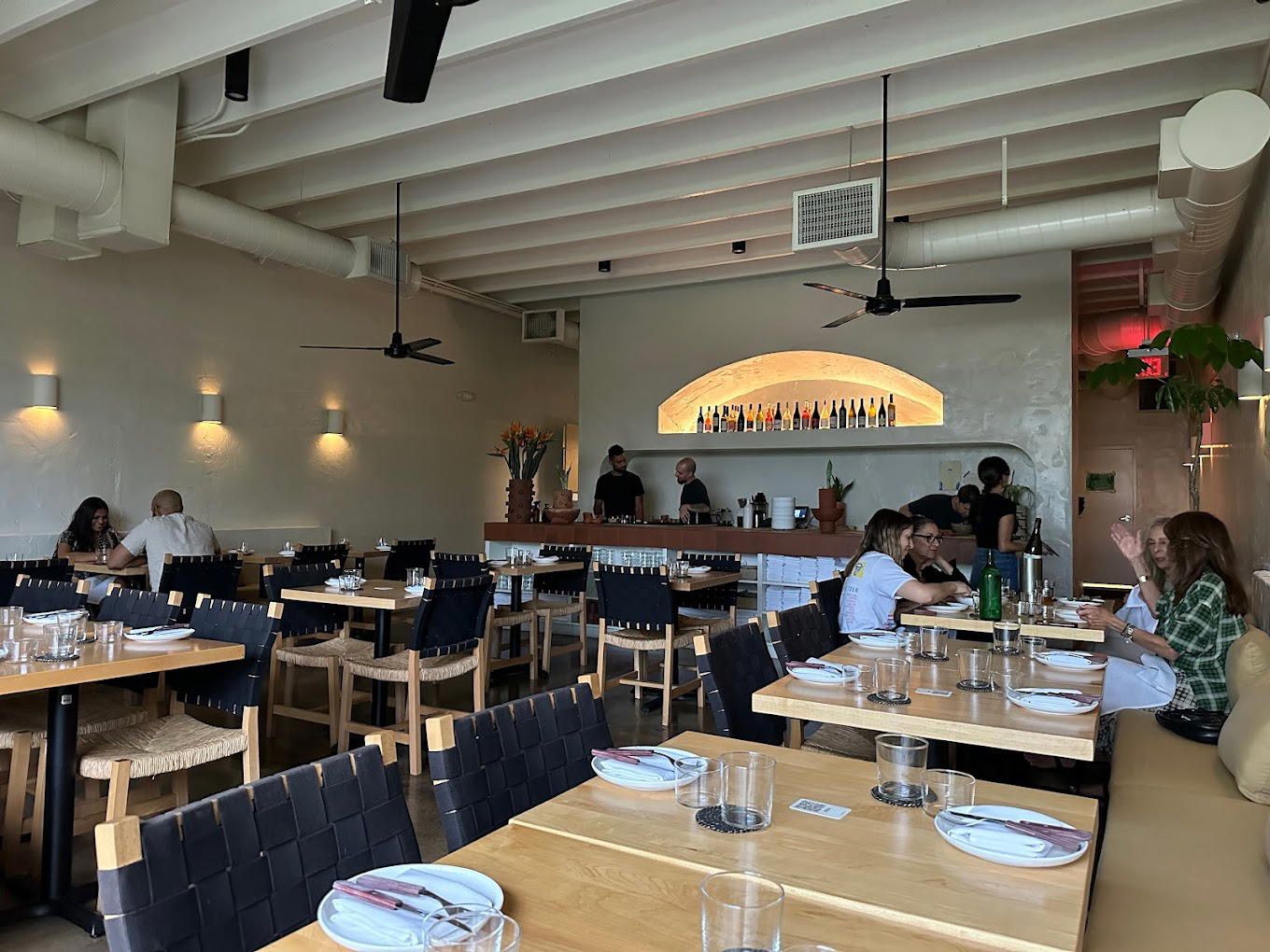
Browse all →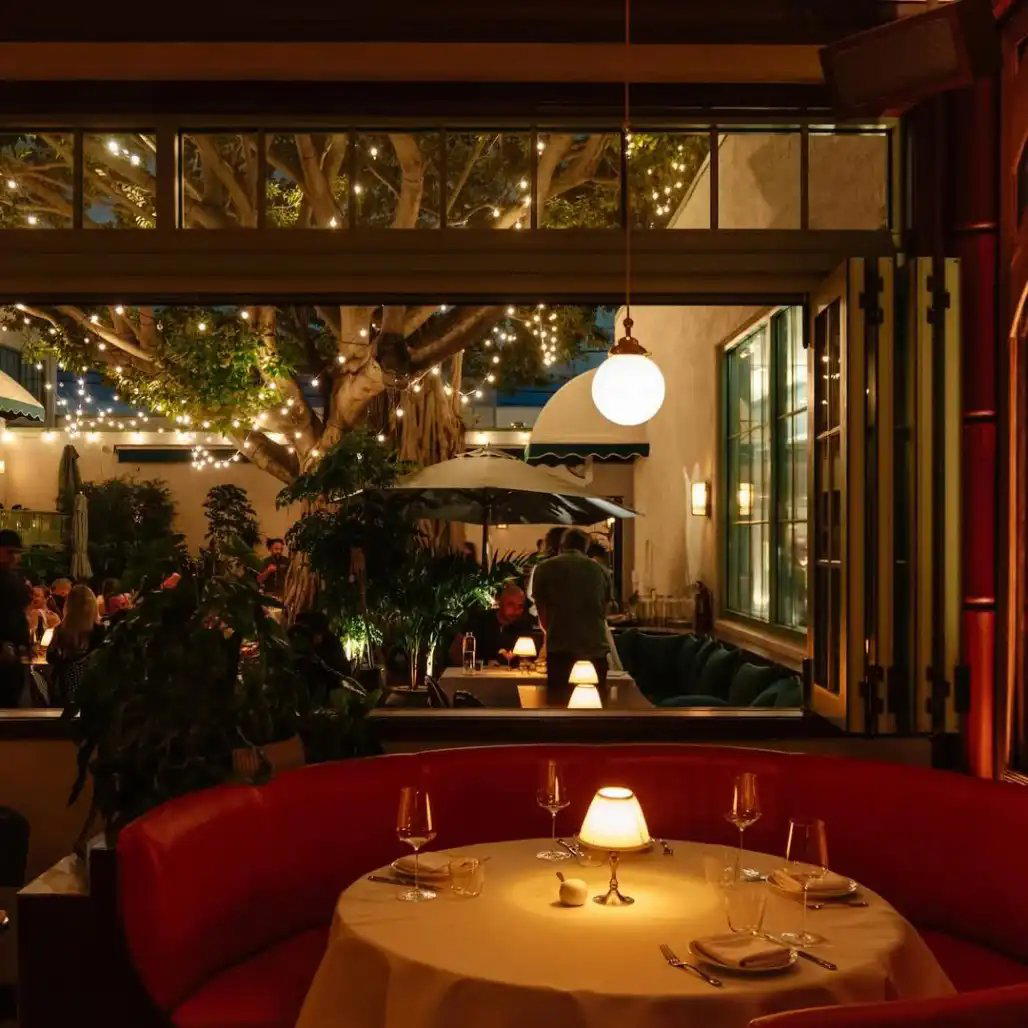
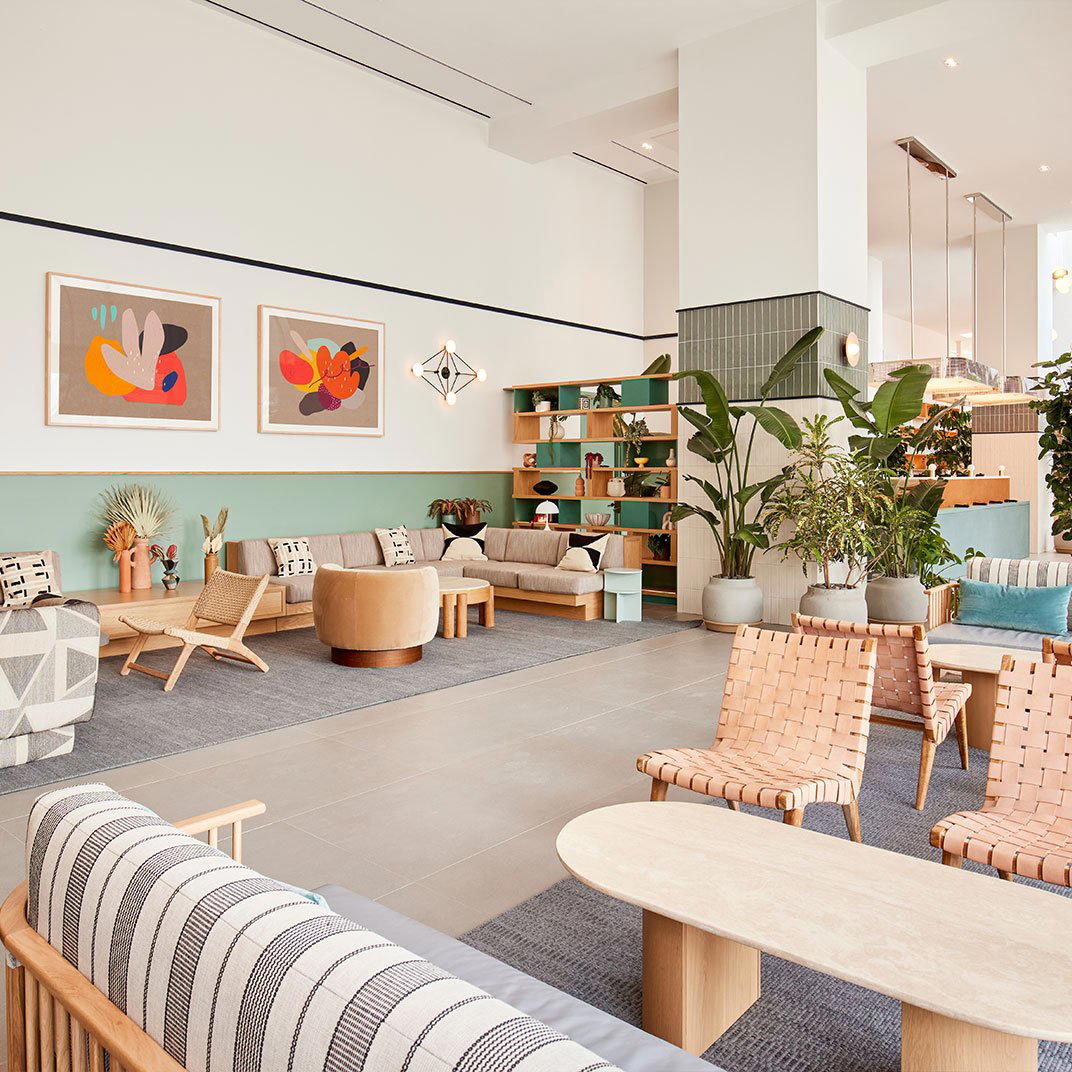
Bars in Wilton Manors
Browse all →



Details
- Cozy
- Sophisticated
- Date Night
- Casual Hangout
- Craft Cocktails
- A La Carte
Current opening hours
- Monday
- Closed
- Tuesday
- 12–9 PM
- Wednesday
- 12–9 PM
- Thursday
- 12–9 PM
- Friday
- 12–10 PM
- Saturday
- 12–10 PM
- Sunday
- 12–9 PM
Hours can change for holidays and private events. Last verified .
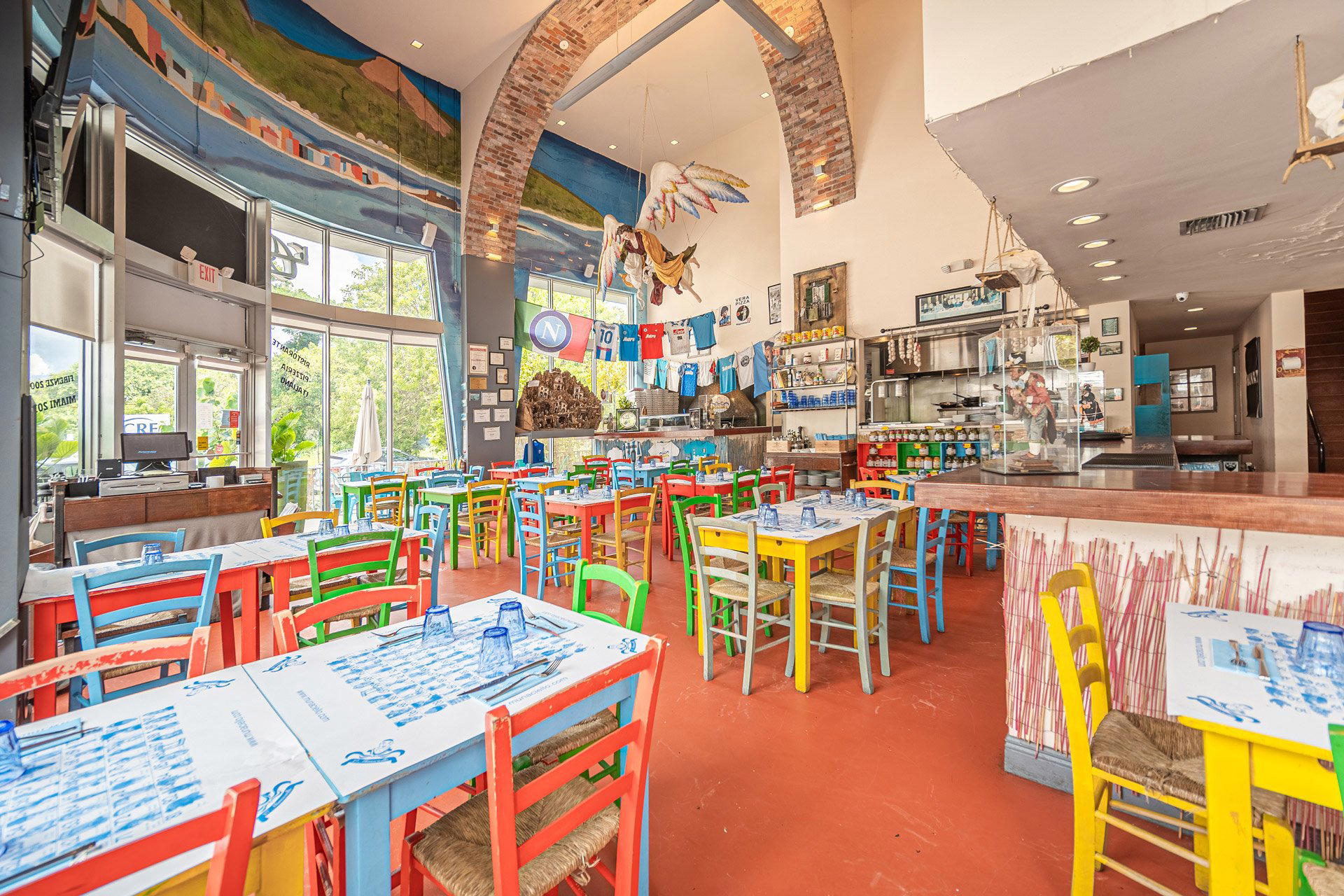
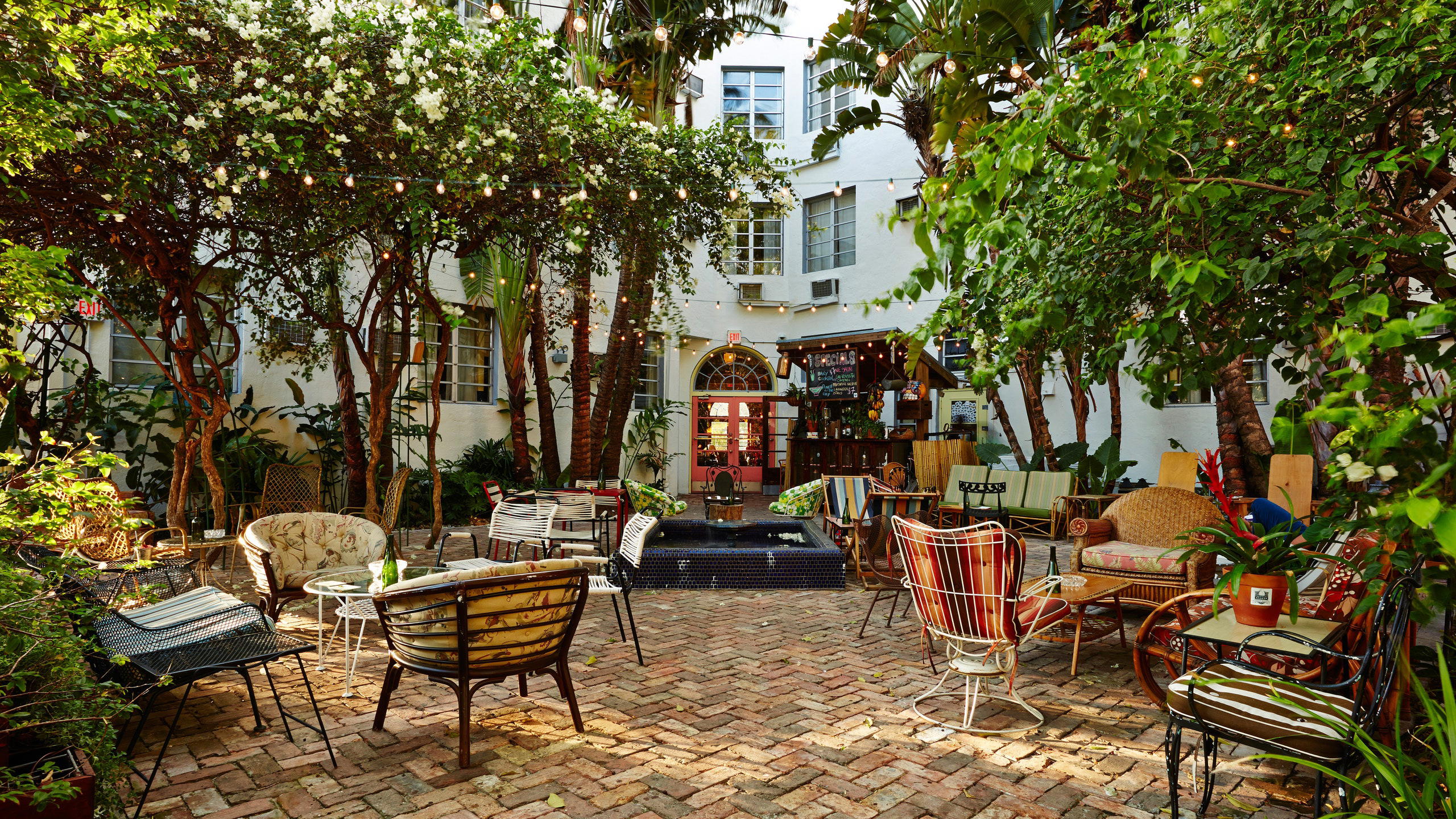
Casual dining atmosphere focused on hand-crafted Peruvian dishes and great cocktails.