Our verdict
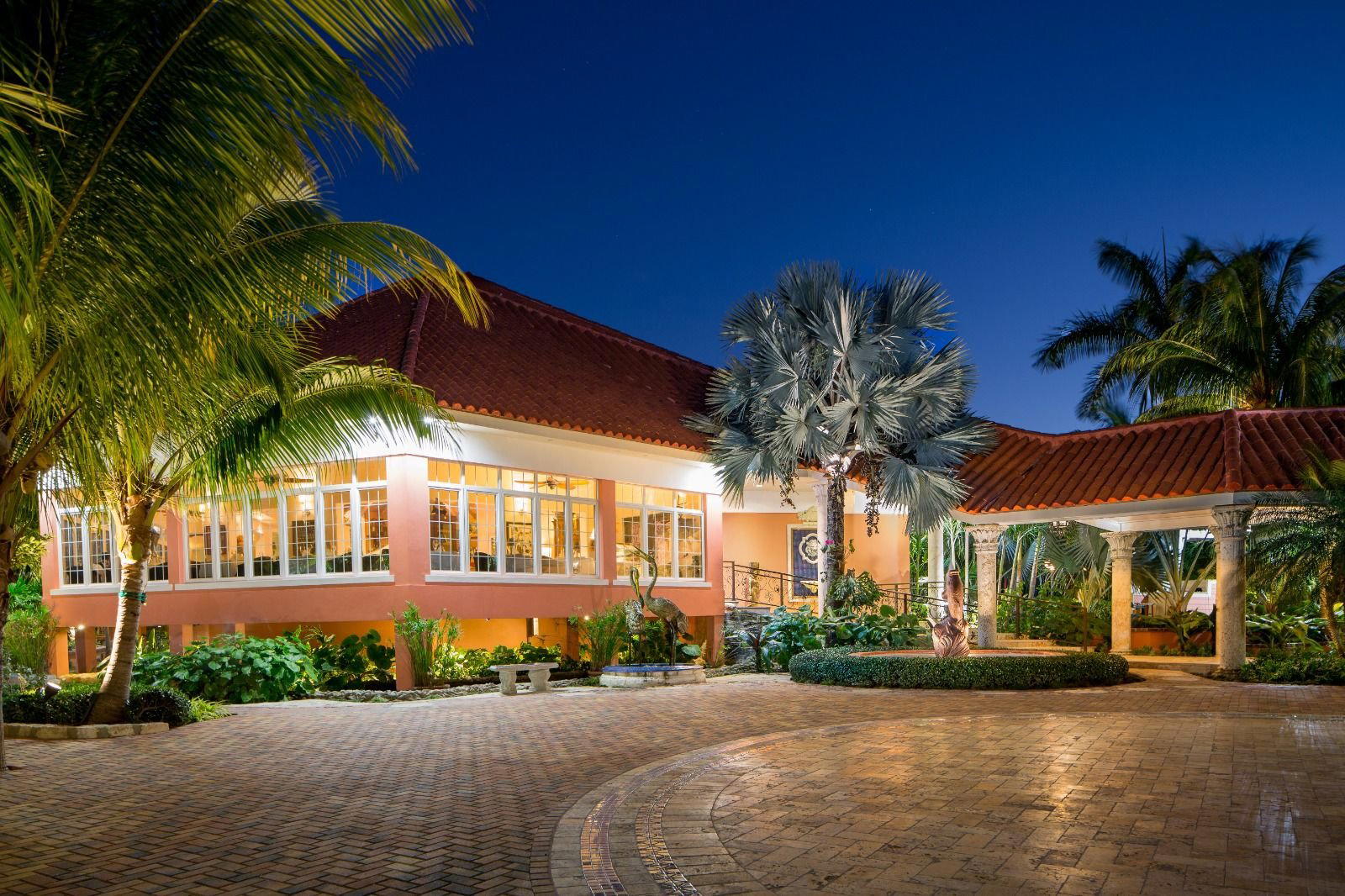
On West Bay Street in Nassau, Sapodilla occupies a stretch of the capital where colonial architecture meets the Caribbean waterfront. The restaurant draws from the Bahamian dining tradition that prizes fresh local seafood and unhurried multi-course hospitality, placing it alongside Nassau's more considered dining options rather than its tourist-facing strip. For visitors working through Nassau's better tables, Sapodilla warrants a reservation.

Pearl is the En Primeur Club membership app, where members save venues, book tables and use the concierge.
The menu
What to order
- Caesar salad (tableside)
- Lemongrass snapper
- Bananas foster (flambéed tableside)
- Grouper
West Bay Street and the Meal It Sets in Motion
West Bay Street carries Nassau's dining identity in a way few other addresses in the Bahamas do. The road runs along the northern edge of New Providence, catching the trade wind off the water and delivering it through open facades and covered terraces that have defined how the capital eats for generations. Sapodilla sits within this corridor, where the physical rhythm of arrival, the salt air, the low afternoon light off the water, and the transition from the street's pace to a table's quiet establish the tone before a menu arrives. In a city where the gap between tourist-facing catering and genuine Bahamian hospitality can be wide, location on this stretch signals which side of that divide a restaurant occupies.
Nassau's fine dining tier has consolidated around a handful of addresses that treat the meal as a progression rather than a transaction. The city's better restaurants, from Café Matisse in the historic district to Café Martinique at Atlantis, share a commitment to sequenced dining that reflects both European training lineages and the Caribbean's own tradition of elaborate Sunday meals built around multiple removes. Sapodilla operates within this context, where the expectation is that dinner unfolds rather than arrives all at once.
How the Meal Moves: Tasting as Tradition
The logic of a progressive meal in the Bahamas draws from overlapping sources. British colonial hospitality introduced the formalities of coursed dining to Nassau's upper tables in the eighteenth and nineteenth centuries, and those structures persisted in the hotels and private clubs that shaped the city's dining culture through the twentieth. The Caribbean itself contributed a layering instinct: meals that begin with lighter preparations, move through richer protein courses, and close with something sweet and often fruit-forward reflect both local ingredient availability and the climate's demand for pacing.
At serious Nassau tables today, this translates into openings built around the sea. The Bahamian waters produce conch in quantities that make it a structural element of the cuisine rather than a novelty, and a well-executed conch preparation early in a meal functions as a regional declaration of intent. Cracked conch, conch ceviche, and conch fritters each carry different textural registers, and how a kitchen handles them reveals its technical baseline. What follows tends to track toward grouper, snapper, or mahi-mahi, fish that the local waters supply in forms that demand precision rather than transformation. The leading Bahamian kitchens understand that the fish arriving from nearby waters needs less intervention than the same species shipped inland would require elsewhere.
The progression logic extends to the table's relationship with the wider Bahamian dining scene. Those planning a multi-night stay in Nassau who want to map their meals across the city's better addresses will find that each restaurant tends to emphasize a different segment of this progression. Cafe Boulud Bahamas leans into French technique applied to local ingredients. Cafe Bombay occupies a different register entirely. Café Coco represents the more casual end of the spectrum. Sapodilla's position on West Bay Street places it in the mid-to-upper tier, where coursed dining and local sourcing intersect.
Nassau in the Broader Caribbean Dining Picture
The Bahamas sits apart from the main arc of Caribbean culinary development in ways that matter to serious diners. Where islands like Barbados or St. Lucia have built internationally recognized fine dining scenes with clear Michelin-adjacent ambitions, Nassau has developed a dining culture that is more internally coherent, less oriented toward external validation, and more dependent on the tastes of the Bahamian population itself alongside a steady stream of high-spend American visitors. That dynamic produces restaurants that do not perform for a critical audience in the way that a New York counter like Atomix or a San Francisco destination like Lazy Bear might, but which often deliver a more grounded version of local cuisine as a result.
Comparison set for Nassau's better tables is not Alléno Paris au Pavillon Ledoyen or Alinea. It is the tradition of serious Caribbean hospitality that values the intelligence of a well-sourced local fish over the theatrics of a deconstructed plate. The leading analog, perhaps, is the Bahamian out-island tradition: places like Staniel Cay Yacht Club in the Exumas or Pete's Pub and Gallery in Little Harbour, where the meal's quality derives from proximity to the source rather than from technical ambition. Nassau's leading restaurants translate that ethos into a more formal setting.
Planning a Meal at Sapodilla
West Bay Street addresses in Nassau generally operate on a dinner-focused schedule, with lunch service less consistent outside of hotel properties. Visitors arriving from abroad typically find that Nassau's better restaurants respond well to advance contact, and for a street that draws both Bahamian diners and hotel guests from the nearby resorts, early-week evenings tend to offer more table availability than Friday or Saturday. The broader out-island Bahamas, including destinations like Haynes Ave in Governor's Harbour or Freedom Restaurant and Sushi Bar in Gregory Town, operates on different rhythms entirely, but Nassau maintains a level of service infrastructure closer to a small international city than a resort island.
For a fuller picture of where Sapodilla sits within Nassau's dining options across price points and styles, the EP Club Nassau restaurants guide maps the city's tables by neighbourhood and category. Those cross-referencing against other Caribbean and international fine dining contexts will find the guide useful for calibrating expectations across the region.
Frequently asked questions
How do I find Sapodilla?
Sapodilla is located at W Bay St, Nassau, Bahamas, Nassau.
Is Sapodilla suitable for a special-occasion dinner in Nassau?
West Bay Street has historically served as Nassau's occasion-dining corridor, and Sapodilla's address places it within that context directly. The combination of waterfront proximity and the coursed dining tradition that characterises the better addresses on this stretch makes it a reasonable choice when the event warrants a more structured meal. Reservations in advance are recommended for any date-specific celebration.
What do people recommend at Sapodilla?
Sapodilla draws from the Bahamian culinary tradition centred on local seafood, with conch preparations and fresh-caught fish from the surrounding waters of New Providence appearing as recurring touchstones. West Bay Street venues at this tier typically build menus around what the local catch delivers that week, so the menu shifts with supply rather than staying fixed. Arriving with an appetite for seafood and a willingness to follow the kitchen's current priorities puts you in the best position.
Do they take walk-ins at Sapodilla?
Walk-in availability on West Bay Street in Nassau depends heavily on the night and the season, with the winter high season, roughly December through April, tightening covers across the corridor considerably. At the mid-to-upper dining tier where Sapodilla sits, a reservation made a few days in advance is a safer approach than arriving unannounced, particularly on weekends. Contacting the venue directly before arrival is advisable given that walk-in policies are not formally published.
Recognition, Side-by-Side
Comparable venues nearby, for context on price, style, and recognition.
| Venue | Cuisine | Price | Awards | Notes |
|---|---|---|---|---|
| SapodillaThis venue (the venue you are viewing) | Elevated Bahamian & European Fine Dining | $50–100 | Not listed | Not listed |
| Lukka Kairi | Contemporary Bahamian Waterfront Grill | $30–50 | Not listed | Downtown |
| JWB Prime Steak and Seafood | Prime Steak and Seafood | Not listed | Not listed | Downtown Nassau |
| Café Matisse | Authentic Italian Fine Dining | $50–100 | Not listed | Downtown |
| Cafe Boulud Bahamas | Refined French Fine Dining | $150–200 | Star Wine List | Baha Mar |
| Shima | Southeast Asian Fusion with Sushi | Not listed | Not listed | Lyford Cay |
Continue exploring
More in Nassau
Restaurants in Nassau
All restaurants in Nassau →
Details
- Elegant
- Sophisticated
- Romantic
- Intimate
- Date Night
- Special Occasion
- Celebration
- Live Music
- Garden
- Private Dining
- Historic Building
- Extensive Wine List
- Local Sourcing
- Garden
- A La Carte
- Vegetarian Friendly
- Vegan Options
- Gluten Free Options
Current opening hours
- Monday
- Closed
- Tuesday
- 6–11 PM
- Wednesday
- 6–11 PM
- Thursday
- 6–11 PM
- Friday
- 6–11 PM
- Saturday
- 6–11 PM
- Sunday
- Closed
Hours can change for holidays and private events. Hours as of .
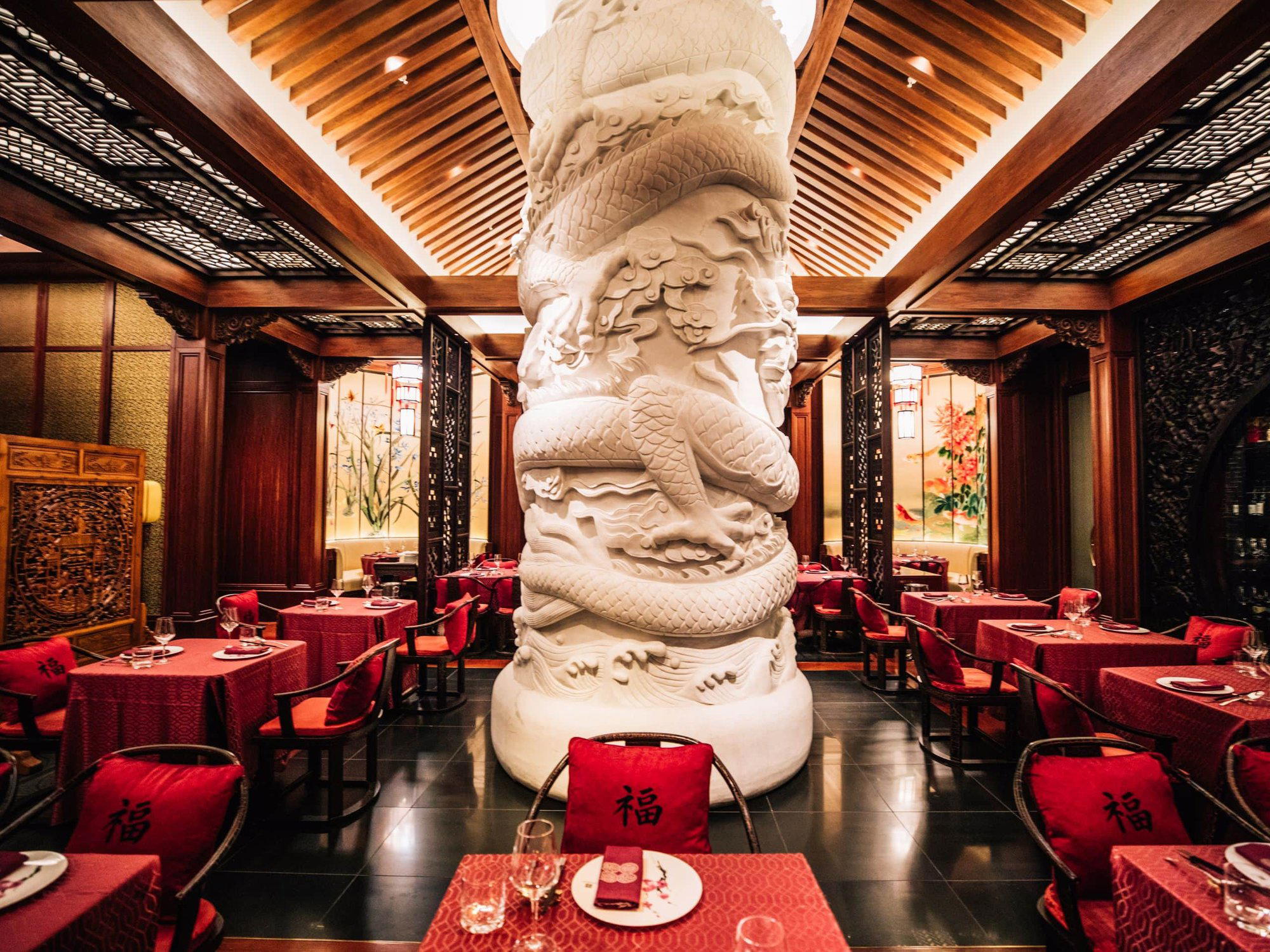
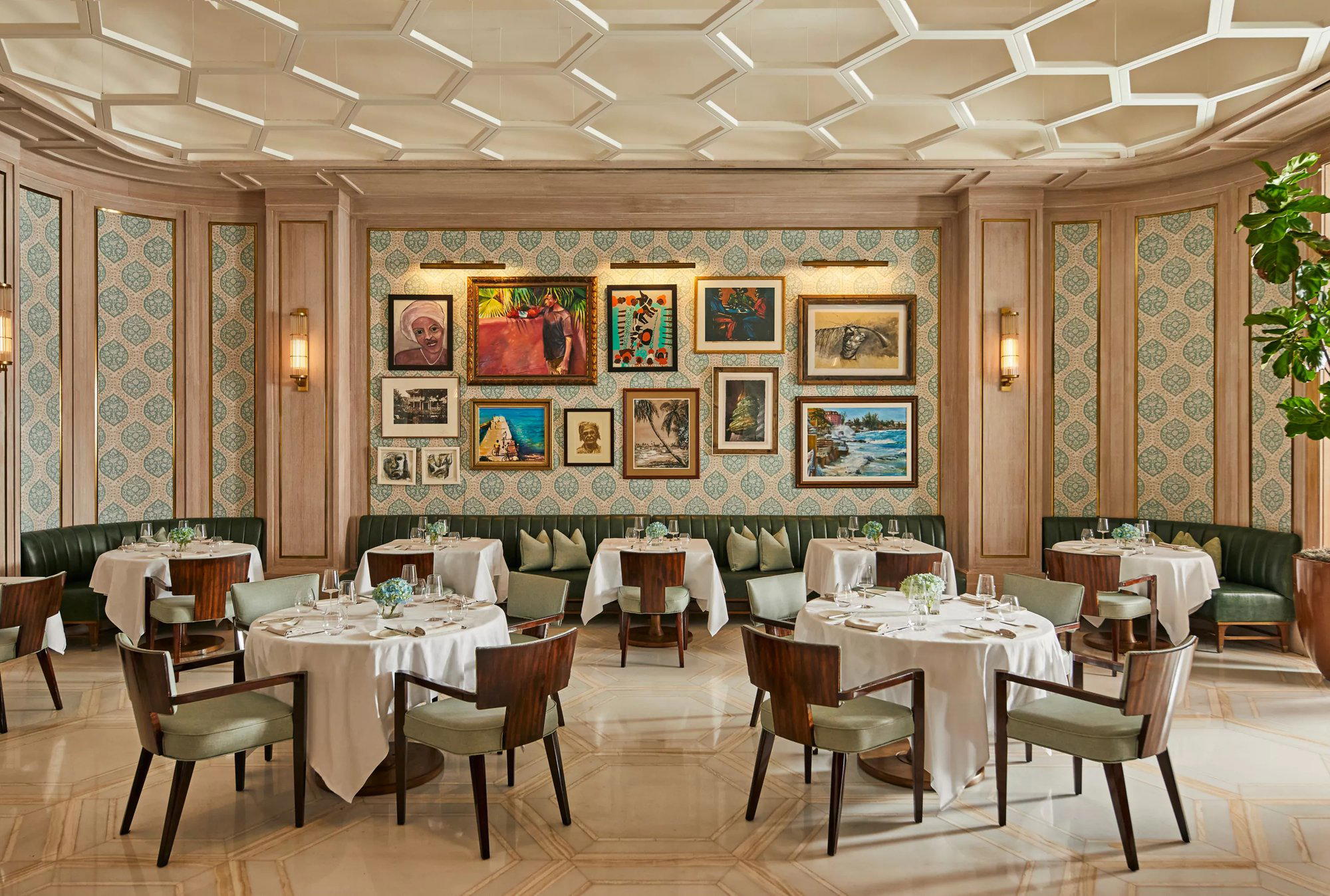
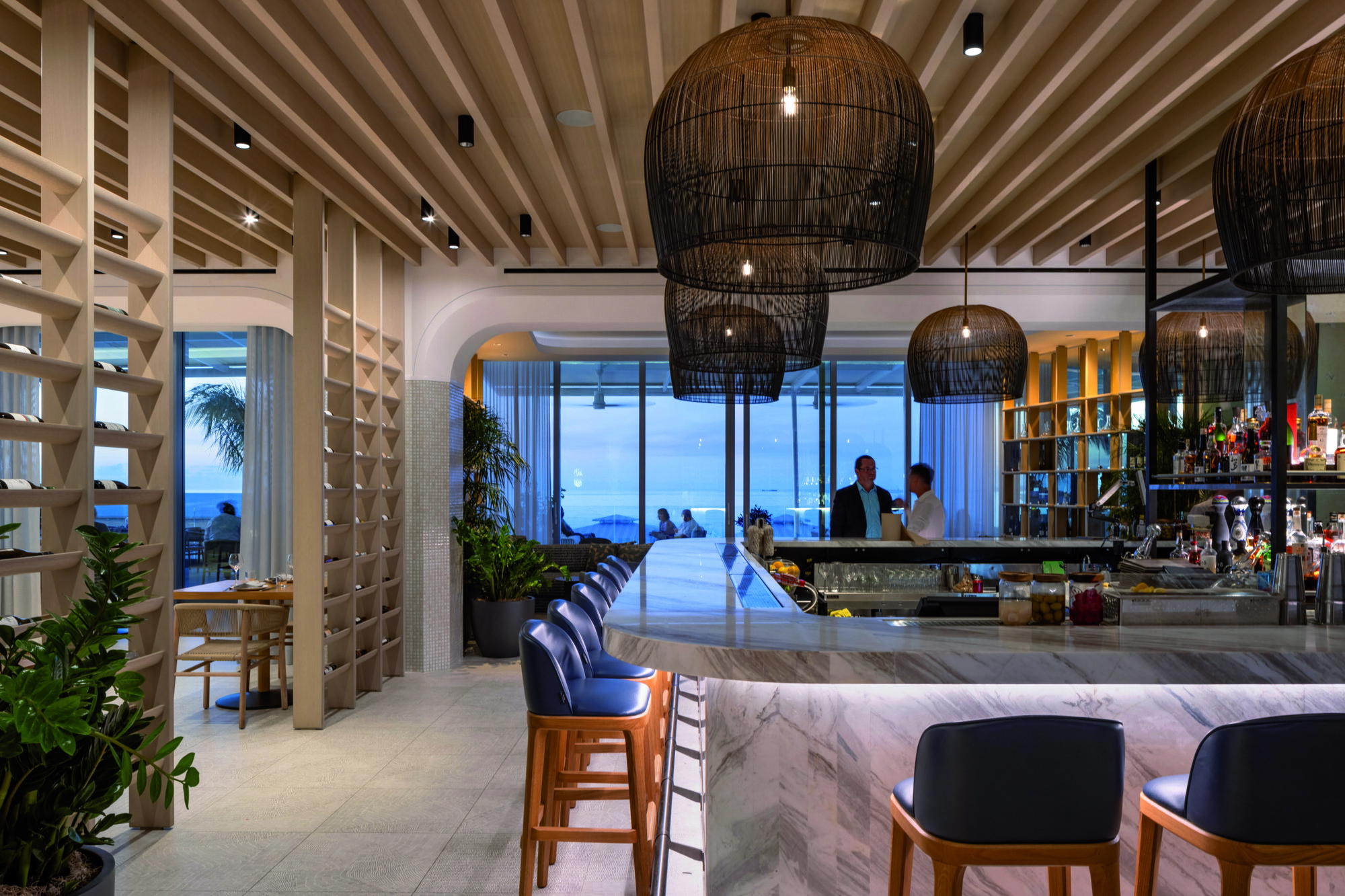
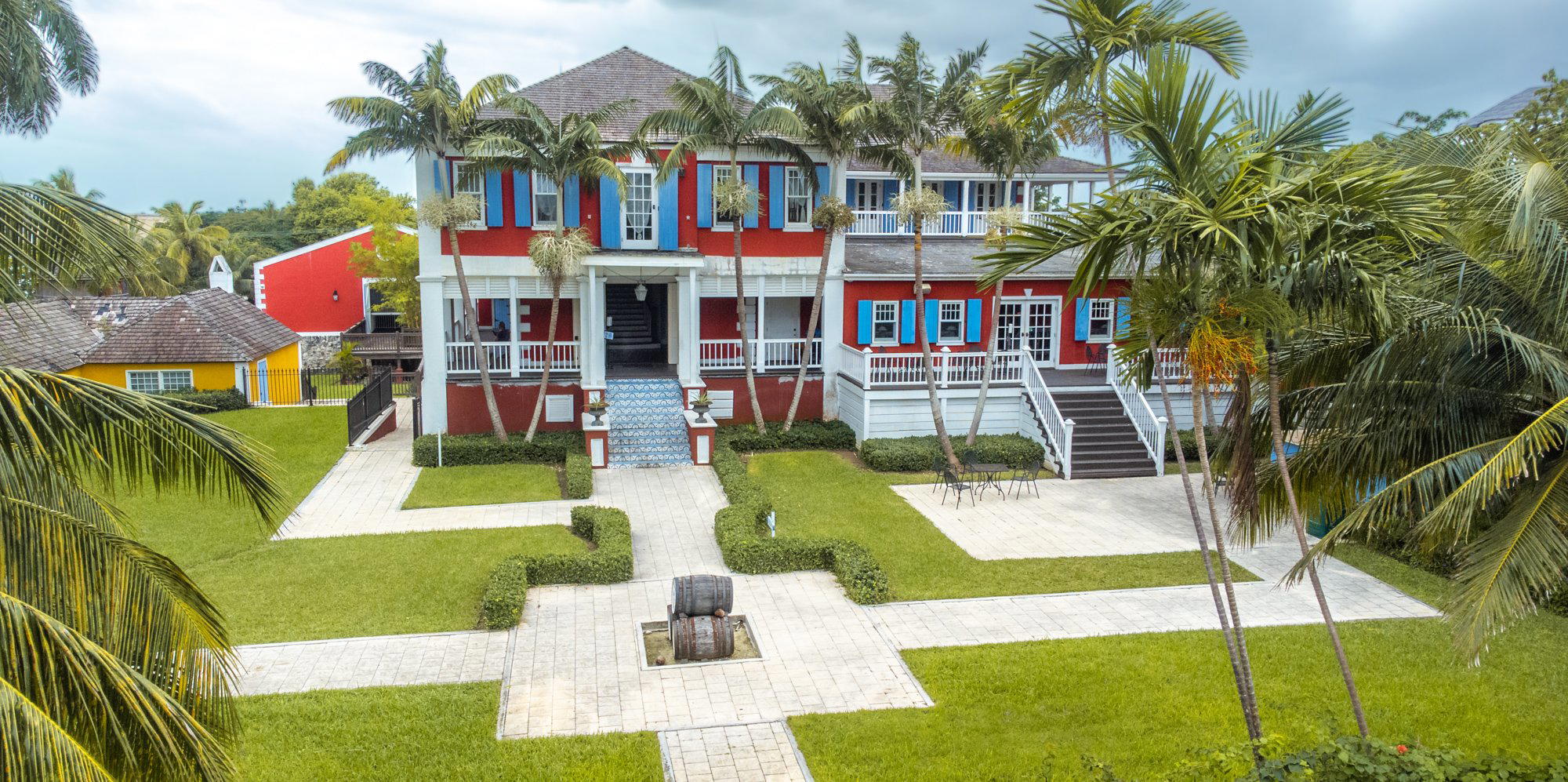
Sophisticated island-style with warm lighting, lush gardens, Bahamian artwork, and ambient live piano music creating an elegant and inviting atmosphere.