Positioned at Prince George Wharf on Bay Street, Lukka Kairi occupies one of Nassau's most-trafficked waterfront points, where cruise arrivals and local foot traffic converge. The kitchen draws on Bahamian ingredients and Caribbean tradition, with a menu structured to serve both the casual drop-in and the more deliberate diner. For a city still refining its restaurant scene, it functions as a reliable marker of where the local dining identity sits.
Pearl is the En Primeur Club membership app — saves, bookings, and concierge access live there. Same editors, same standards.
- Address
- Prince George Wharf (Bay St), Nassau, New Providence District
 Saves & bookings on Pearl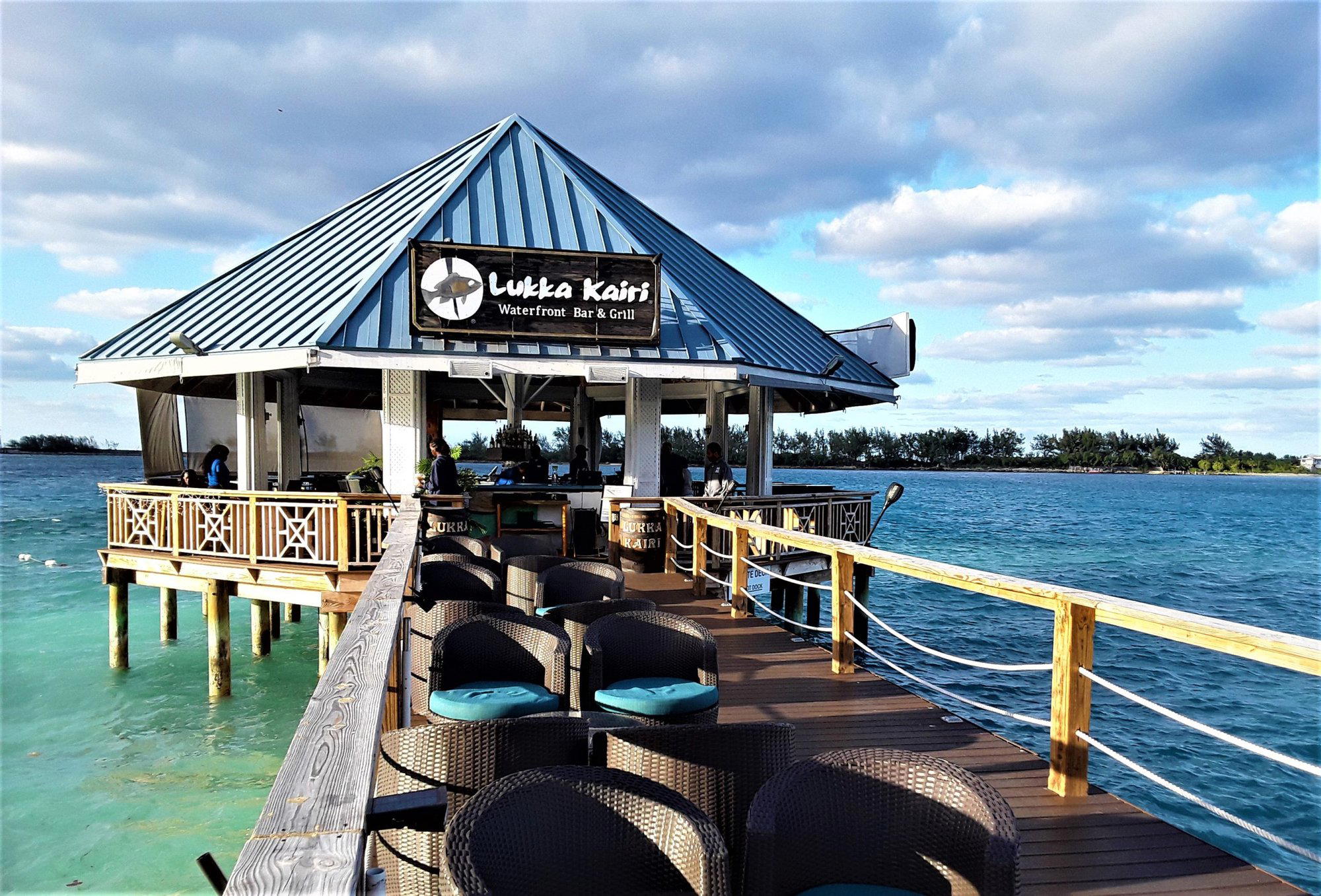
Where the Wharf Meets the Plate
Prince George Wharf is one of those rare urban intersections where a city's commercial ambition and its tourist economy are fully visible at the same time. Cruise ships tie up here by the half-dozen during peak season, and the pedestrian energy on Bay Street registers accordingly: busy, multilingual, and moving quickly. Against that backdrop, Lukka Kairi occupies a particular position, a waterfront address that serves the crowd passing through while also attempting to do something more considered with what Bahamian cooking can look like at a sit-down table.
That dual obligation shapes how waterfront restaurants in Nassau have evolved over the past decade. The properties along this stretch have had to decide whether to hold a point of view about local cuisine. Lukka Kairi sits in that group, and its Bay Street location makes it a natural first stop for visitors whose Nassau time may be measured in hours rather than days.
Menu Architecture: Reading the Structure
In a city where the dining conversation is increasingly split between the resort corridors of Cable Beach and Paradise Island and the more grounded options downtown, a waterfront Nassau menu tends to reveal its priorities quickly. The composition of a kitchen's offering, what gets featured, what gets relegated to the periphery, how local seafood is positioned against international crowd-pleasers, tells you more about a restaurant's self-understanding than any tagline.
At Lukka Kairi, the architecture reflects the reality of its address. A wharf-adjacent menu in the Bahamas almost necessarily leads with seafood, and the Bahamian pantry offers a compelling argument for that decision: conch in multiple preparations, local grouper, and the kind of rum-forward cocktail list that acknowledges where you are geographically. The menu's structure signals an awareness that the diner sitting down at noon may have stepped off a ship ninety minutes earlier, while the one arriving at seven in the evening may be a Nassau resident looking for something closer to a proper dinner.
This structural tension, between accessibility and ambition, is common across Nassau's downtown dining tier. Venues like Café Matisse and Café Martinique have navigated it differently, with Café Matisse leaning into a more European-inflected formality and Café Martinique anchoring itself to the Atlas-inspired legacy of its Paradise Island setting. The restaurant's answer is to position Caribbean familiarity as the connective tissue, keeping the menu readable without draining it of local specificity.
Nassau's Waterfront Dining Context
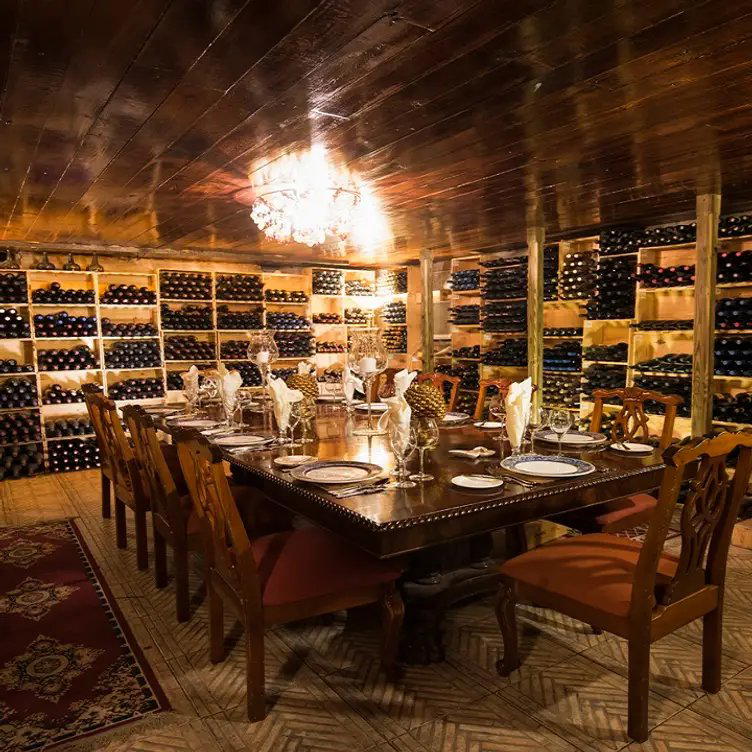
The Bahamian capital's restaurant scene has a clear hierarchy, and it is worth mapping the restaurant against it. At the upper end sit properties with international backing and celebrity-chef associations: Cafe Boulud Bahamas brings the Daniel Boulud imprimatur to the Ocean Club end of the market, while Graycliff operates as a decades-old institution with a wine cellar that functions almost as a separate attraction.
The relevant comparison is with the mid-tier downtown options, places like Cafe Bombay and Café Coco, where the question is not whether to use Bahamian produce but how much of the menu's identity to anchor there. In that conversation, a Bay Street address carries both advantage and constraint: the foot traffic is self-generating, but the expectation management required by a mixed tourist-and-local clientele demands a menu that can communicate across different levels of familiarity with the cuisine.
Where It Fits in the Wider Conversation
Nassau is not positioning itself against the tasting-menu programs that define restaurants like Atomix or the kitchen-as-laboratory ambition of Alinea. The city's dining ambitions are more pragmatic, shaped by tourism cycles, import costs for non-local ingredients, and a customer base that rotates substantially with cruise ship schedules. Within that context, the relevant measure of quality is whether a restaurant uses its local ingredients with confidence.
On that measure, a venue at Prince George Wharf has a ready argument. The Bahamas' proximity to some of the Atlantic's most productive fishing grounds means that a kitchen willing to source well has material to work with that most urban restaurants in North America cannot access as freshly. The question is always execution and intent, and those are harder to assess without the detailed menu and kitchen data that would make a firmer critical verdict possible here.
Planning a Visit
Prince George Wharf is walkable from most of downtown Nassau's hotels and a short taxi ride from the Cable Beach corridor. The Bay Street location means parking is constrained, and during peak cruise days, typically midweek in high season, roughly November through April, the surrounding area operates at near-capacity foot traffic. Arriving early in the morning or later in the afternoon tends to yield a quieter experience both inside the restaurant and on the surrounding streets. For visitors arriving by cruise ship, the walk from the pier to the restaurant's address is minimal, which makes it a logical first stop before the city opens up. Those staying on the island should note that Bay Street dining in general skews toward lunch and early dinner; the later-evening restaurant culture in Nassau tends to concentrate in the resort zones rather than downtown.
Awards and Standing
Comparable venues nearby, for context on price, style, and recognition.
| Venue | Cuisine | Price | Notes |
|---|---|---|---|
| Lukka KairiThis venue — the venue you are viewing | Bahamian Caribbean Seafood | $$ | Not listed |
| Social House Sushi & Grill | Japanese Nikkei Fusion | $$$ | Cable Beach |
| Cafe Bombay | Authentic Indian | $$ | Tropical Gardens |
| Twin Brothers | Authentic Bahamian Seafood | $$ | Arawak Cay Fish Fry |
| Mogano by Giorgio Locatelli | Michelin-Starred Italian Fine Dining | $$$$ | Lyford Cay |
| Solemar | Mediterranean Seafood with Bahamian Fusion | $$$ | West Bay Street |

At a Glance
- Lively
- Scenic
- Rustic
- Group Dining
- Casual Hangout
- Waterfront
- Live Music
- Open Kitchen
- Craft Cocktails
- Local Sourcing
- Waterfront
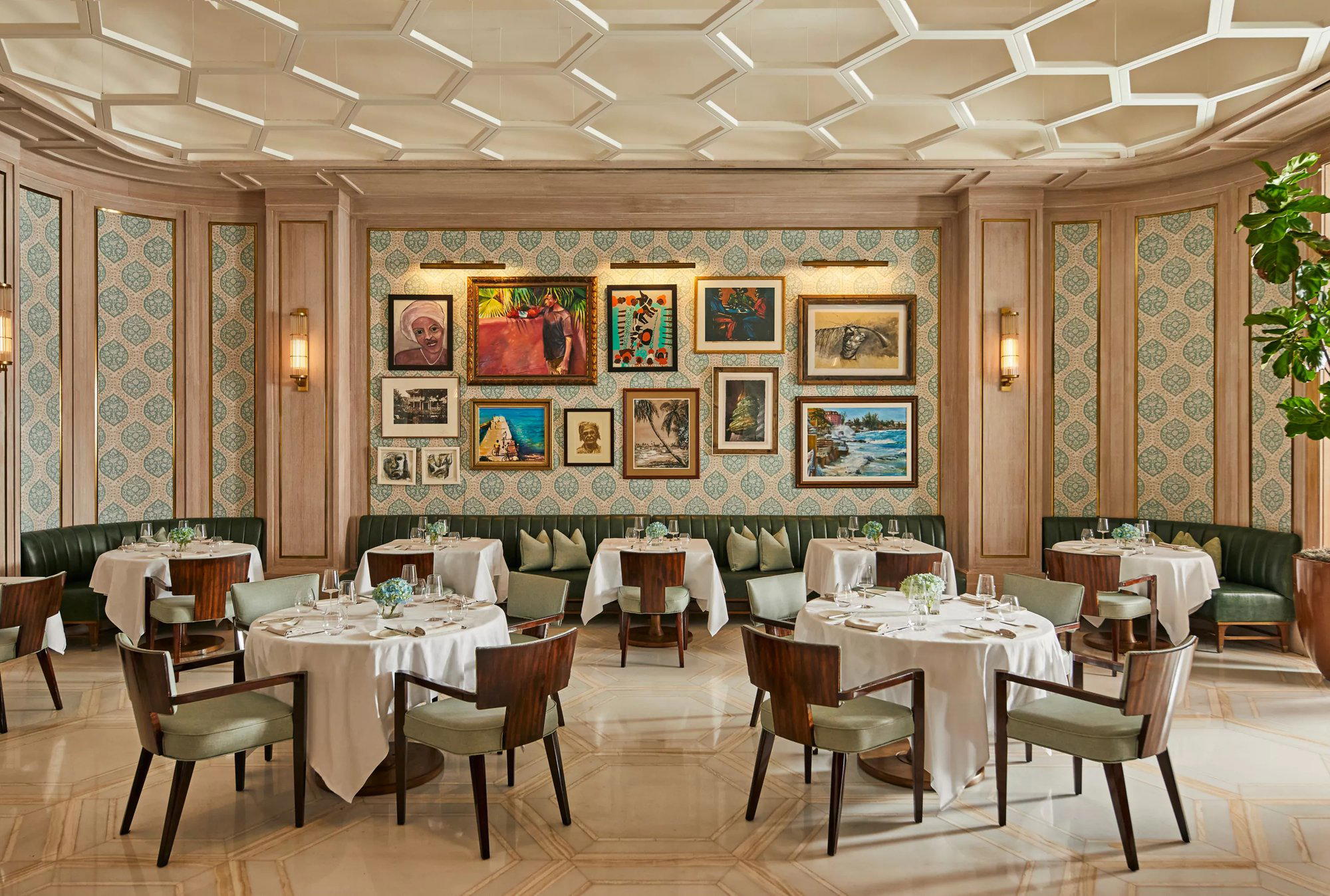
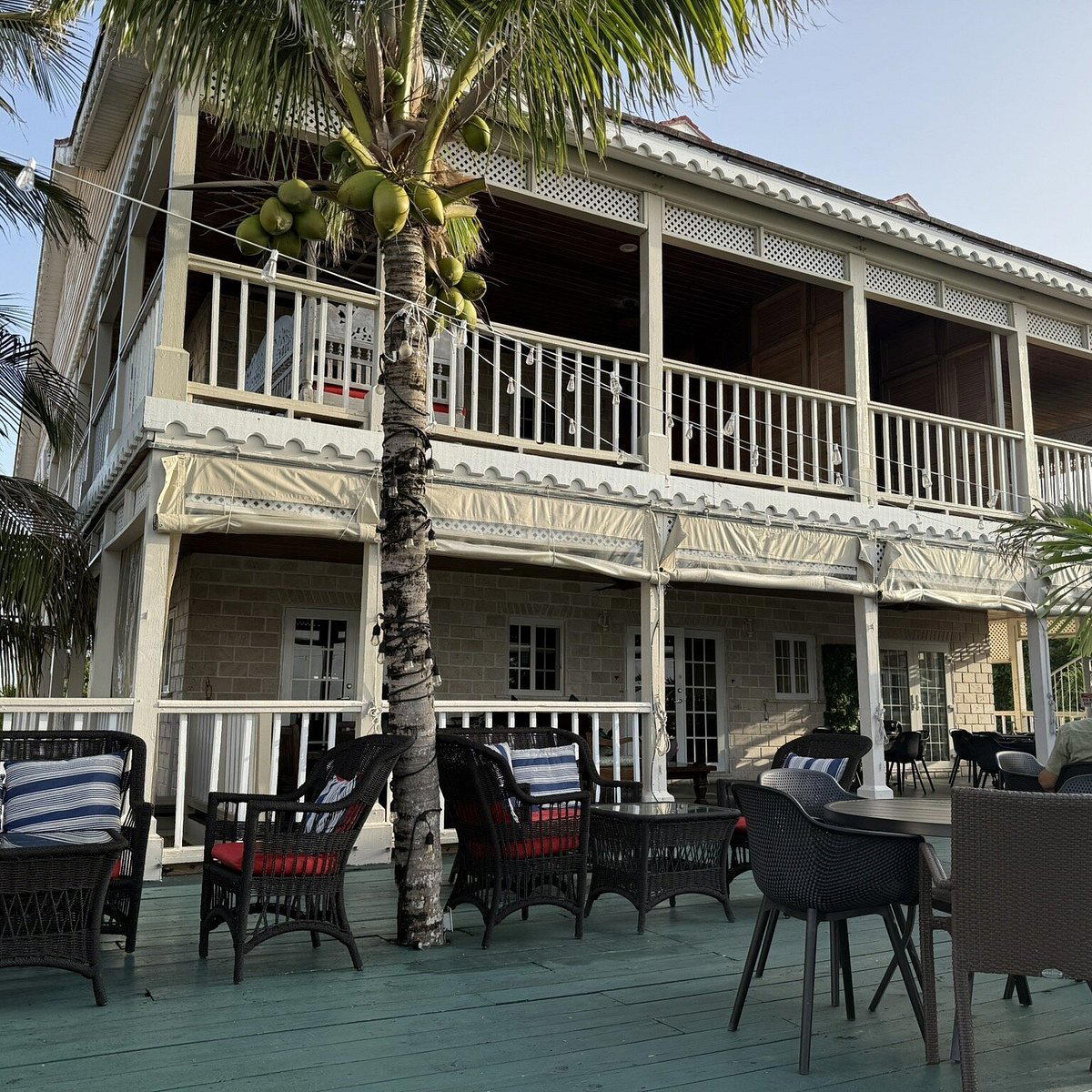
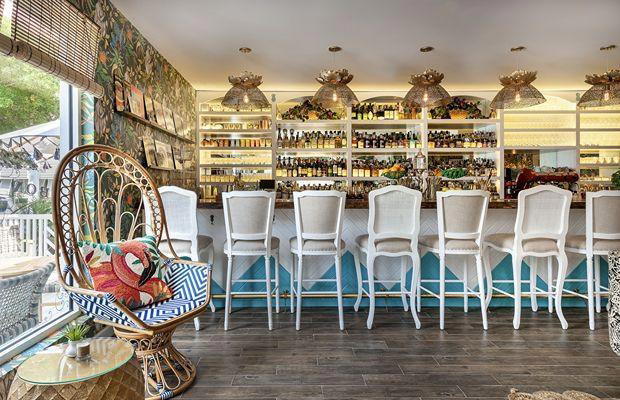
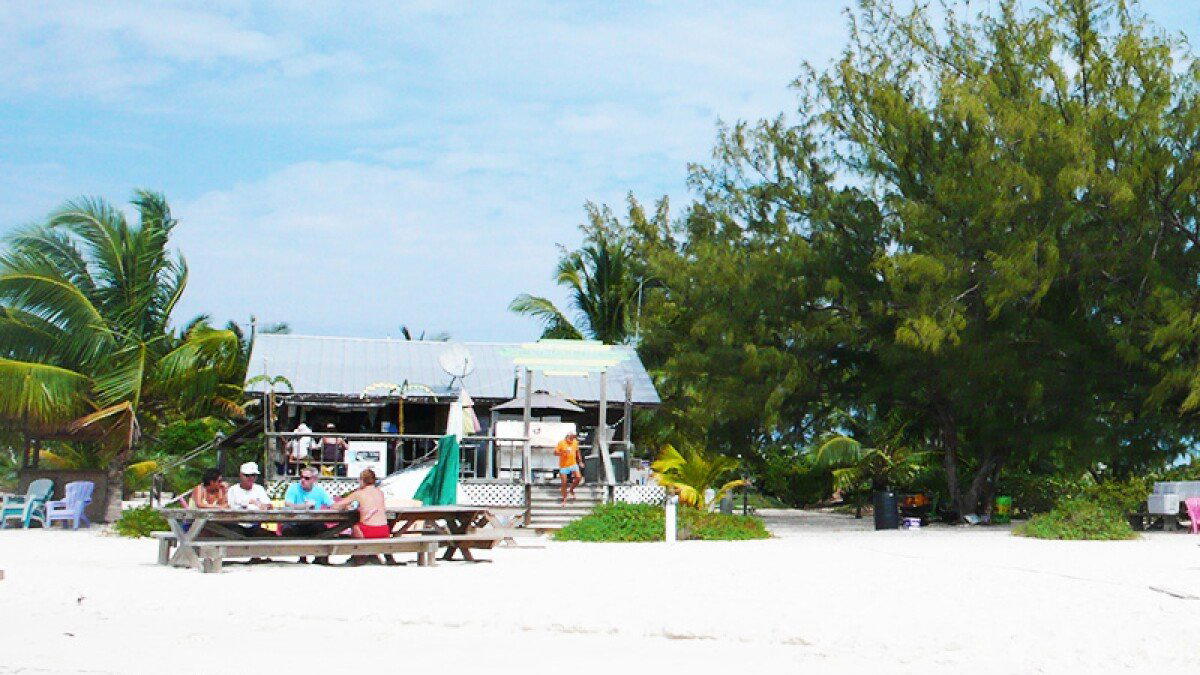
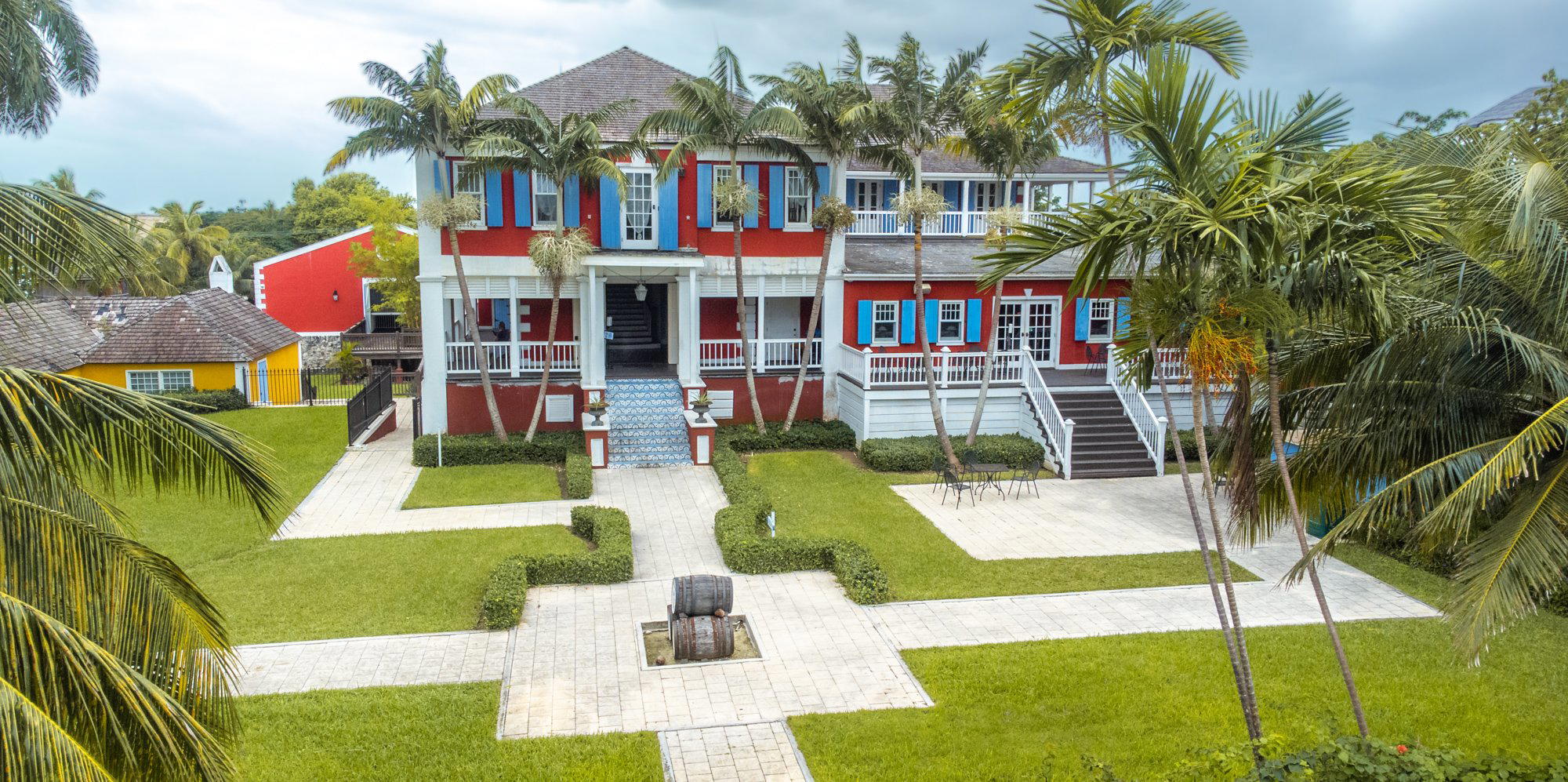
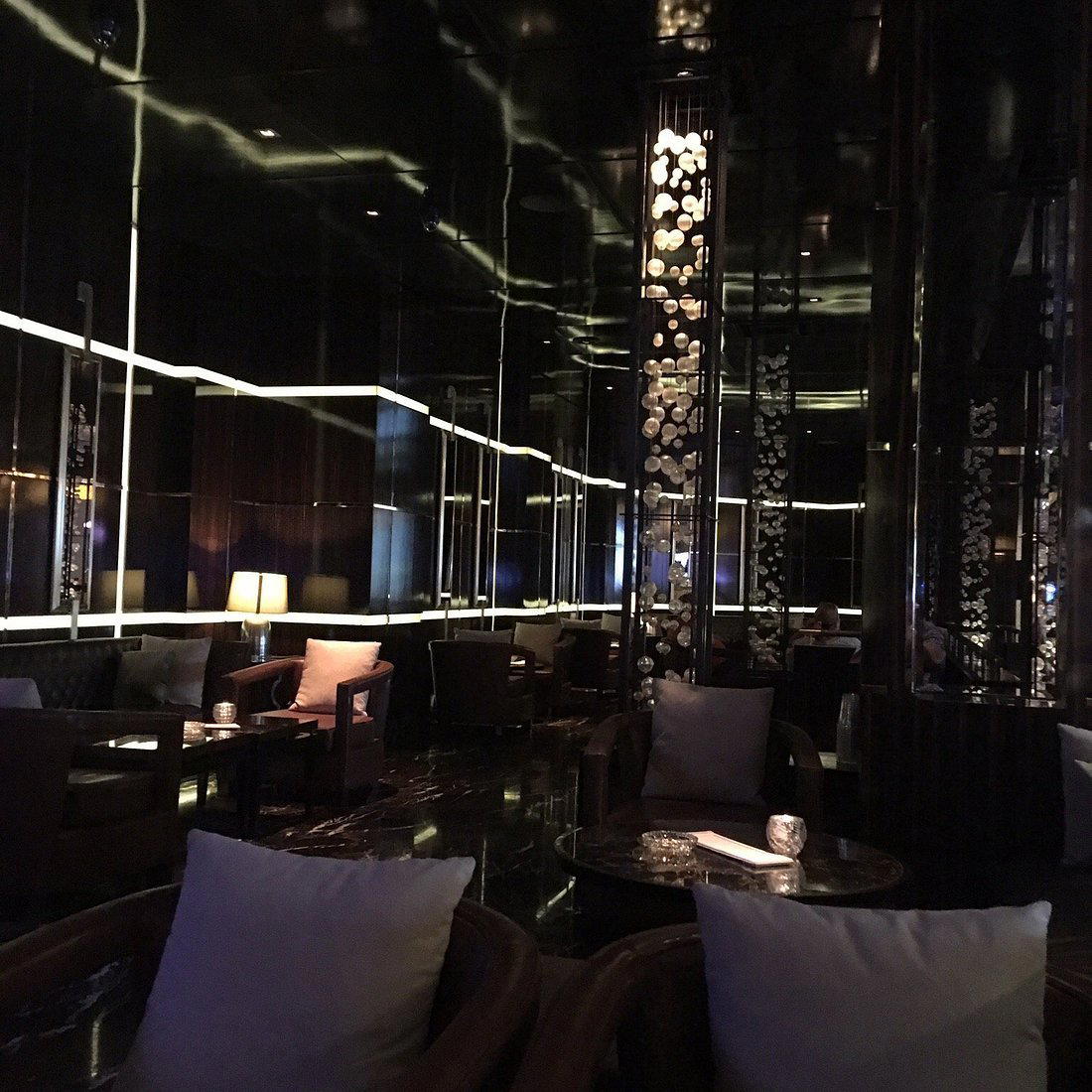
Lively and fun atmosphere with colorful Bahamian-inspired decor, murals, and an open kitchen.