
SANZO places Dazaifu’s mountain-side dining culture in a charcoal-grilled chicken and robatayaki frame, with hearth seating, terrace space, and a drinks list spanning sake, shochu, and wine. Its 2025 Tabelog 100 selection for chicken cuisine gives the room a clear quality signal without pushing it into formal fine-dining territory.
Pearl is the En Primeur Club membership app — saves, bookings, and concierge access live there. Same editors, same standards.
- Address
- 832-2 Uchiyama, Dazaifu, Fukuoka 818-0115, Japan
- Phone
- +81 92-710-1722
- Website
- tabelog.com
- Directions
- Get directions
 Saves & bookings on Pearl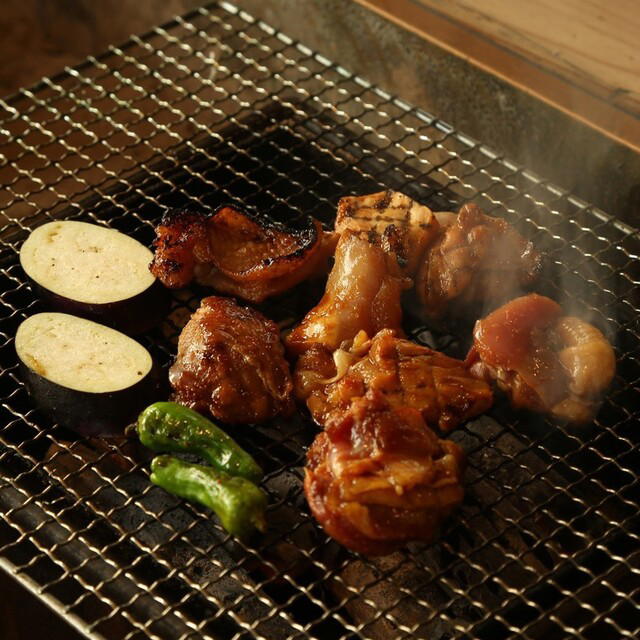
Approaching SANZO in Dazaifu changes a meal’s rhythm before the first order. Daytime movement gives way to a more settled local mood, where charcoal cooking feels slower, warmer, and less urban than central Fukuoka counter formats. SANZO fits that register: a restaurant built around chicken dishes and robatayaki rather than quick daytime snacks.
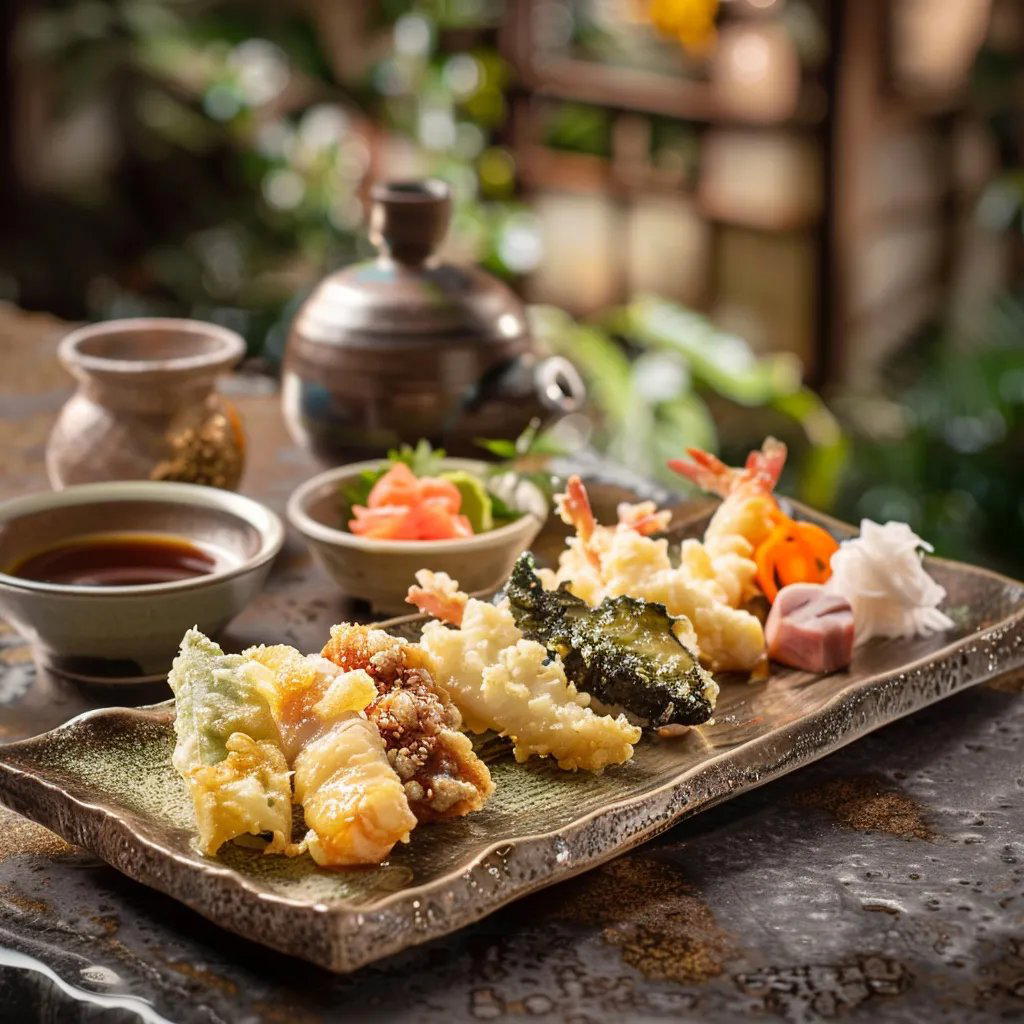
Dazaifu’s food culture is often read through sweets, shrine visits, and daytime grazing, but it also rewards meals beyond sightseeing hours. Chicken cookery has deep Kyushu range, from casual grilled skewers to hearth-led formats where fire management matters as much as seasoning. Here, a 2025 Tabelog Hyakumeiten selection is not decorative; it places the restaurant in a category where specialist technique and repeat diner attention carry weight.
Charcoal chicken gives Dazaifu a slower dining register
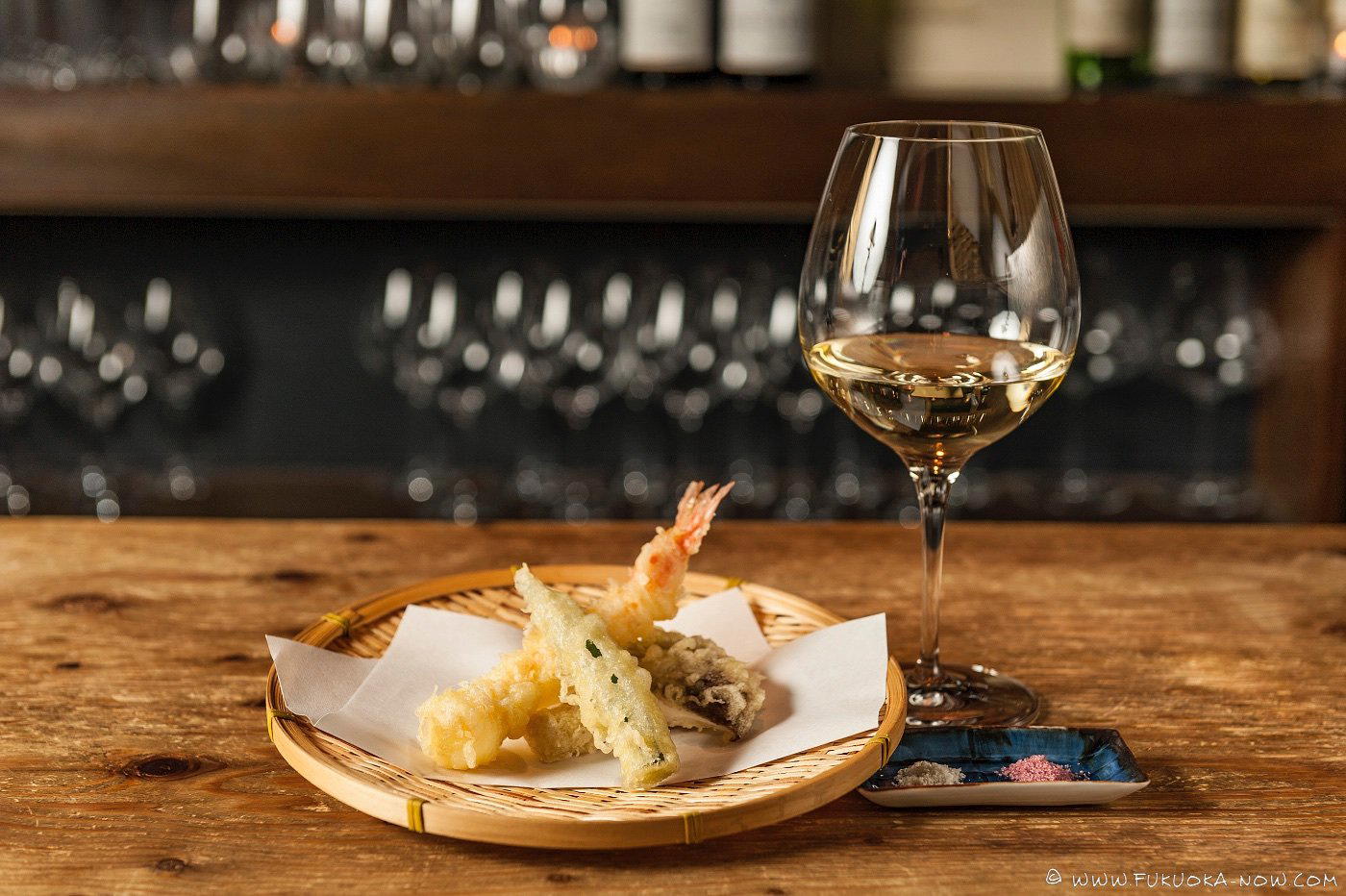
Robatayaki is practical before it is stylistic. Ingredients cook close to the heat, and appeal rests on pacing, smoke control, and holding attention without elaborate plating. At SANZO, the experience is best understood less as a quick city izakaya stop than as a deliberate Dazaifu meal built around fire and chicken.
The category matters because chicken cuisine in Japan is deceptively broad. Some rooms trade on speed and beer; others on cut, cooking temperature, and the feeling of a carefully managed hearth. SANZO sits in that second conversation, with Tabelog listing chicken dishes and robatayaki as core categories. The combination reads regional rather than ceremonial: serious enough to plan around, relaxed enough for a mixed group.
The restaurant’s appeal does not need a long origin story to make sense. Its context is Dazaifu, its frame is chicken cookery, and its distinction comes from being recognized in a national-style dining category. That is enough to explain why a fire-led chicken restaurant here can carry more weight than a narrow grilled-meat stop.
For readers mapping Dazaifu by meal type, the contrast with Oshokuji Dokoro Kasano Ya is useful. Kasano Ya belongs to the lower-priced, daytime pattern; SANZO asks for a longer meal and a deliberate detour. Both explain Dazaifu better than one restaurant can. For the wider city picture, keep Our full Dazaifu restaurants guide close, especially when pairing a visit with dinner rather than treating food as an afterthought.
The room is built for groups, families, and a fire-led pace
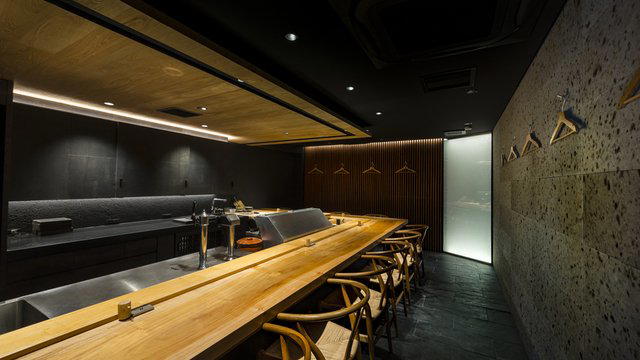
The physical format is part of the case, but it is best described without overclaiming the floor plan. SANZO works as a relaxed Dazaifu restaurant rather than a hushed, one-track counter experience. That makes the room feel flexible for diners who want category recognition without the rigidity of a formal tasting-menu reservation.
Family friendliness in Japan often sits apart from specialist dining, especially when fire, alcohol, or counter pacing are involved. SANZO is easier to frame as a relaxed Dazaifu choice than as a ceremonial destination, which matters in a city where many visitors arrive as couples, families, or day-trip groups rather than solo restaurant hunters.
The setting also reframes value. This is not an ultra-formal tasting-menu room and should not be judged by that vocabulary. It is a specialist chicken and robatayaki address with national category recognition and a budget listed at Dinner: JPY 3,000 - JPY 3,999; Lunch: JPY 2,000 - JPY 2,999. In Fukuoka terms, it reads closer to a regional anchor than a trophy booking.
Travel planning around Dazaifu rarely stops at dinner. The surrounding guides help build a fuller stay: Our full Dazaifu hotels guide, Our full Dazaifu bars guide, Our full Dazaifu wineries guide, and Our full Dazaifu experiences guide. Dazaifu works better when meals, transport, and cultural stops are planned together, particularly on days when visitor crowds shape the town’s pace.
Where it fits in a Japan-wide eating itinerary
SANZO is strongest for travelers who want regional specificity without a formal fine-dining script. The draw is the alignment of place, fuel, protein, and room. Charcoal chicken in Dazaifu has a different logic from sushi in a metropolis or beef in a historic city. It rewards diners who care about category depth and local setting as much as awards.
For comparison across Japan, the useful lens is format. Some trips are built around beef, sushi, seafood counters, or casual café detours; SANZO belongs to the fire-led chicken side of that map. The point is not hierarchy, but choosing the right meal shape for the city and understanding why Dazaifu can support more than a quick daytime snack.
Travelers building a broader Japan food route can compare how regional identity changes by cuisine without forcing every stop into the same fine-dining template. SANZO’s value is not that it imitates an urban luxury room, but that it gives Dazaifu a clear evening register through chicken dishes, robatayaki, and a recognized local following.
The editorial call is simple: come for a fire-led regional meal, not hushed ceremony. The 2025 Tabelog Hyakumeiten recognition gives the kitchen credibility, but the stronger reason to care is how neatly SANZO expresses Dazaifu beyond daytime clichés. In a town often treated as a half-day excursion, it gives dinner enough gravity to stay longer.
A Pricing-First Comparison
Comparable venues by cuisine and price in the same metro.
| Venue | Cuisine | Price | Notes |
|---|---|---|---|
| SANZO | Not listed | $$ | Dazaifu, Charcoal-grilled jidori chicken & robatayaki |
| Oshokuji Dokoro Kasano Ya | Not listed | $ | Dazaifu, Traditional Japanese sweets & light meals |
| 北のうまいもん碧水 | 支笏湖温泉, 北海道ローカルフード | $$ | Not listed |
| RED HOUSE (レッドハウス) | 安比高原, Japanese Slope-Side Casual | $$ | Not listed |
| レストラン横倉 | Not listed | $$ | Zao Onsen, Western-Japanese Ski Resort Fare |
| Gyoza Kogetsu | Kitahama, Traditional Japanese Gyoza | $$ | Not listed |
Recognition history
Dated appearances from independent guides and award organizations, with the underlying list record or original source where available.
Tabelog 100 #39 · No. 39
Tabelog · Tabelog 100 - Chicken cuisine - 2025
At a Glance
- Rustic
- Cozy
- Classic
- Intimate
- Scenic
- Group Dining
- Family
- Date Night
- Casual Hangout
- Celebration
- Special Occasion
- Historic Building
- Design Destination
- Terrace
- Standalone
- Sake Program
- Natural Wine
- Beer Program
- Local Sourcing
- Mountain
- Garden
Current opening hours
- Monday
- 11 AM–10 PM
- Tuesday
- 11 AM–10 PM
- Wednesday
- 11 AM–10 PM
- Thursday
- Closed
- Friday
- 11 AM–10 PM
- Saturday
- 11 AM–10 PM
- Sunday
- 11 AM–10 PM
Hours can change for holidays and private events. Last verified .
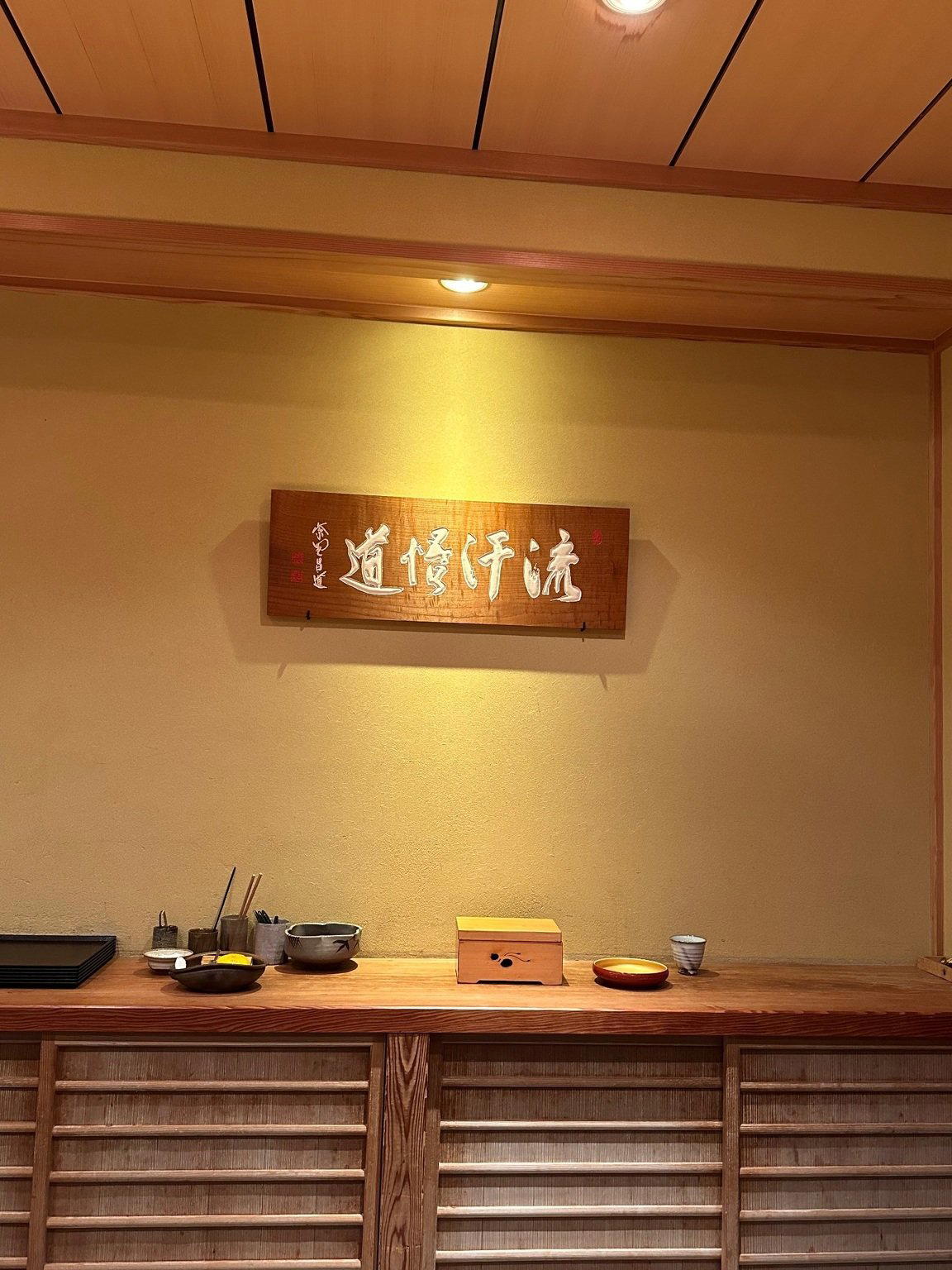
Warm and nostalgic, with a refurbished kominka (old house) interior, irori hearth and horigotatsu counter seating that create a relaxed, countryside retreat surrounded by nature.
Know Before You Go
- Reservations
- Recommended
- Dress code
- Casual
- Getting there
- 832-2 Uchiyama, Dazaifu, Fukuoka 818-0115, Japan