
Tabelog 100 #25
Our verdict
Sanuki Udon Kobo Ai Style belongs to Takamatsu’s serious everyday udon culture: low-priced, small-format, and judged on noodle craft rather than ceremony. Its 2024 Tabelog 100 selection for Kagawa udon places it inside a crowded prefectural benchmark, where wheat, broth, tempura, and turnover matter more than polish.

Pearl is the En Primeur Club membership app, where members save venues, book tables and use the concierge.
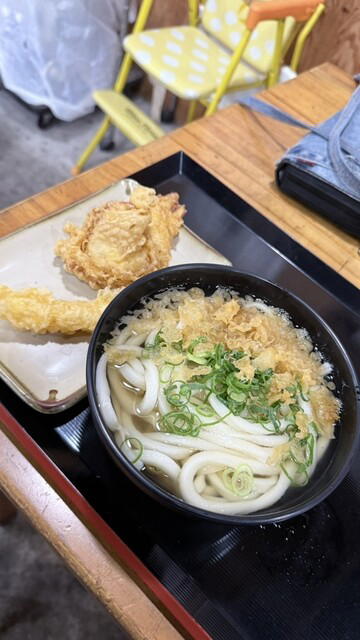
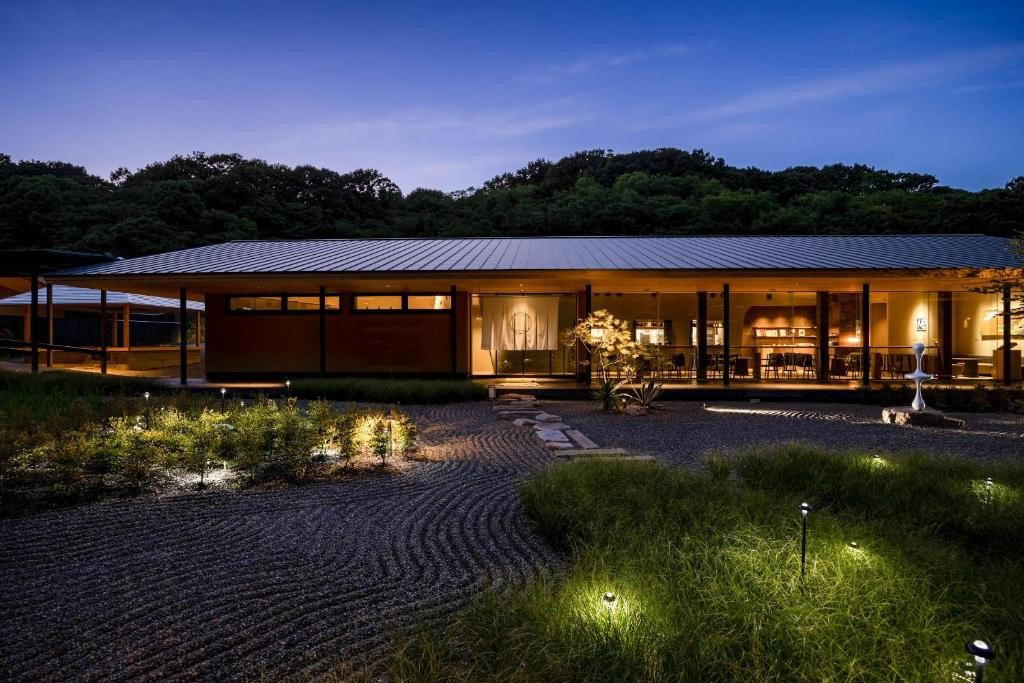
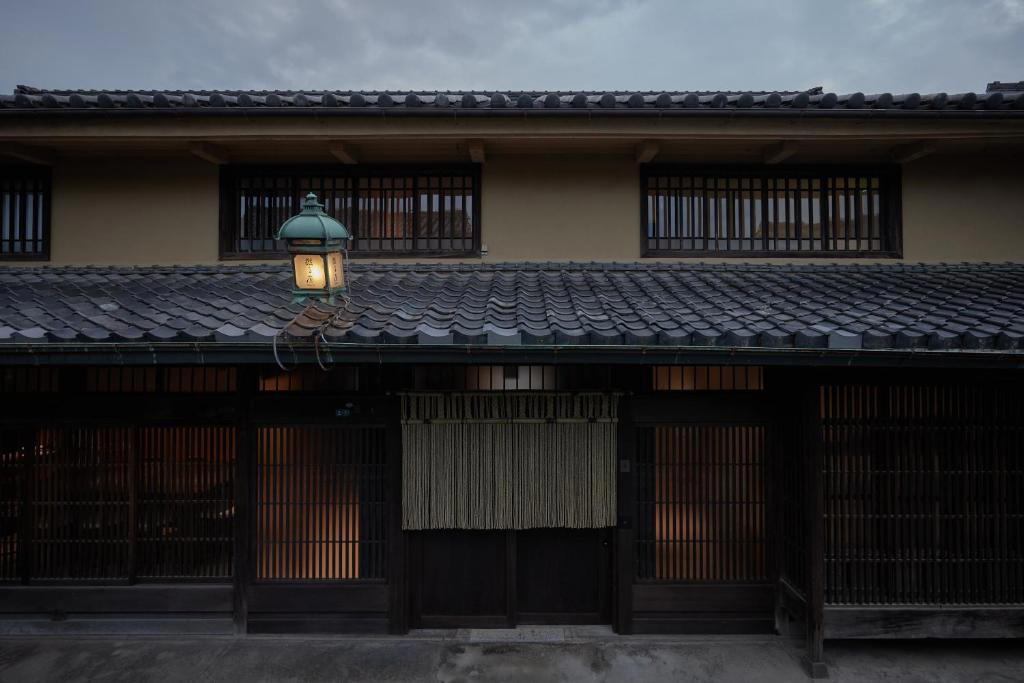
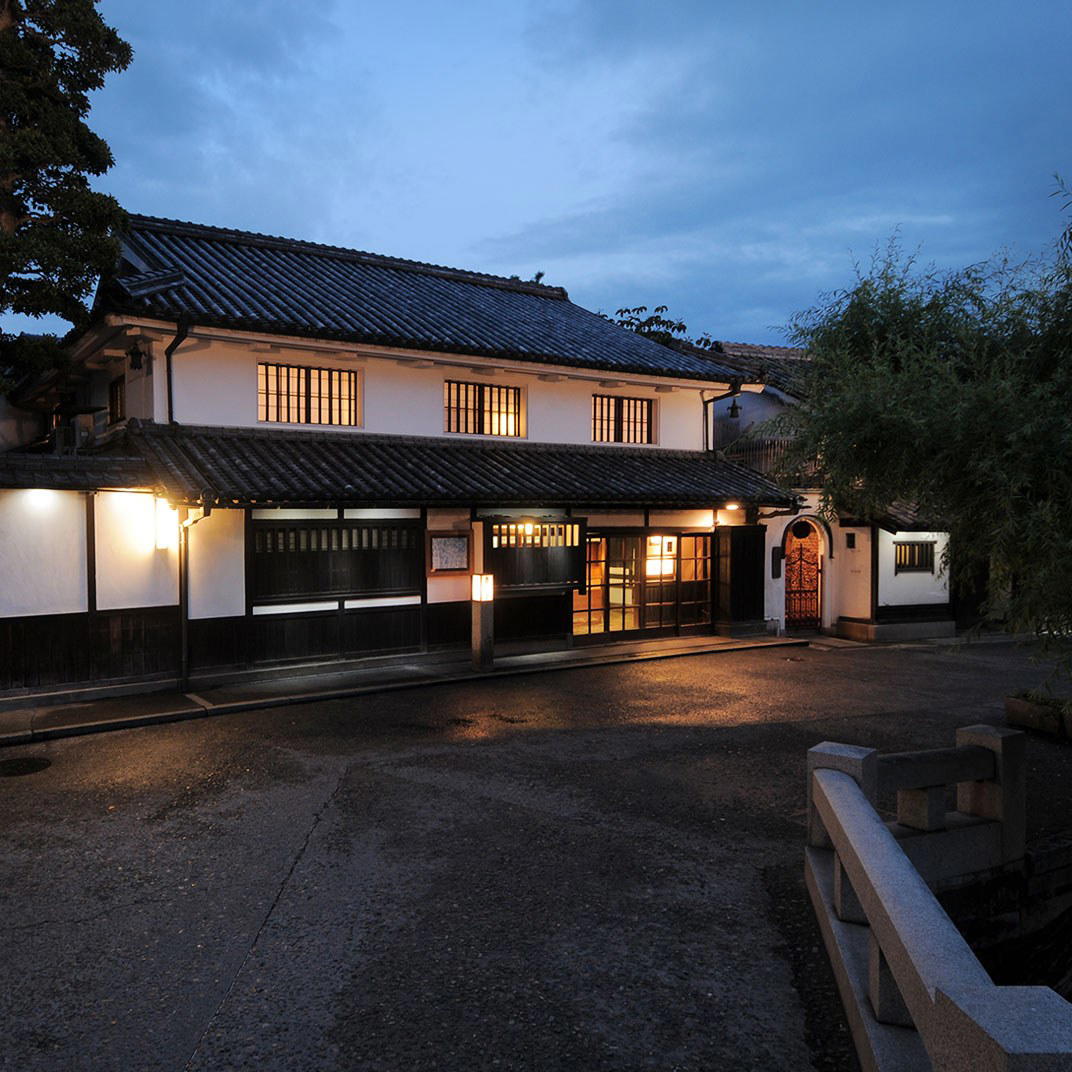
From the street, the signal is domestic rather than theatrical: a house-style udon shop in Takamatsu, the kind of setting that explains why Takamatsu’s noodle culture has never needed much decoration. Sanuki udon is built on repetition, regional wheat habits, and the discipline of a short meal. The room keeps the format close to local daily use rather than destination dining theatre.
Kagawa’s udon economy is unusually competitive because the dish is not a side note here. It is breakfast, lunch, road-trip ritual, and regional identity compressed into a bowl. The standard is not luxury but consistency: noodle tension, broth clarity, topping restraint, and the ability to serve quickly without sanding down character. Sanuki Udon Kobo Ai Style sits in that context, with 2024 Tabelog Hyakumeiten recognition in the udon category and a Tabelog score of 3.64, useful signals in a prefecture where casual noodle counters are judged against a deep field rather than a shallow tourist list.
Sanuki udon measured by wheat, water, and restraint
The ingredient story in Kagawa udon begins with wheat and water, but the more telling distinction is how little the format allows a kitchen to hide. Sanuki noodles need firmness without rubberiness, density without heaviness, and enough surface grip to carry dashi or dipping sauce. That is why low-ticket udon shops can be as revealing as formal restaurants: there are few distractions, and flaws arrive immediately.
Ai Style’s category is listed simply as udon, which matters. In Takamatsu, specialization is a form of editorial clarity. A shop does not need a long menu to make a case; it needs control over dough, boiling, rinsing, and service rhythm. That is also why shops in the same general low-spend band can feel materially different. Furukawa Udon operates in the same broad Takamatsu udon conversation, while Teuchi Judan Udon Baka Ichidai and Yume Kabou Takara Kasugachou honten are also useful local reference points.
The broader city comparison is useful because Takamatsu’s noodle map rewards repetition. Other Takamatsu udon rooms and Ai Style do not ask to be read like luxury restaurants. They ask to be read as variations within a local staple: self-contained, quick, ingredient-led, and unusually sensitive to small differences in noodle handling.
A small-room format in a prefecture that eats udon seriously
The physical arrangement says plenty about the intended meal. The experience points toward a compact service model where solo dining makes sense and lingering is not the point. The shop’s place in the everyday category is part of the appeal. This is not a celebratory dining room; it is a precise, short-form expression of a regional food culture.
That short-form quality is central to the appeal. Kagawa udon culture has a different grammar from larger-city noodle queues or formal restaurant pacing. Speed is not a compromise when the craft has already happened before the bowl reaches the counter. The question is whether the kitchen can translate preparation into texture at service time. Tabelog Hyakumeiten recognition in 2024 places Ai Style among udon shops recognized inside that demanding local frame, not in a luxury category imported from elsewhere.
Its setting in Takamatsu gives the meal a local cast rather than a destination-dining polish. That fits Kagawa’s udon-hopping habits, where the point is often to compare bowls across the city rather than linger over one formal sitting. Ai Style belongs to the serious Sanuki udon conversation: focused, modest in spend, and best understood as part of Takamatsu’s everyday noodle culture.
How to read Ai Style against Takamatsu's wider table
For travellers, the more useful question is not whether to rank one bowl above another. It is how to build a Takamatsu eating day without misunderstanding the city. Udon should anchor the itinerary, but it should not flatten the rest of the local table. Other casual Takamatsu dining shows different registers of the city, while the broader dining map in our full Takamatsu restaurants guide gives the udon stops their proper context.
The practical reading is simple: Ai Style belongs to the low-spend, high-scrutiny end of Takamatsu dining. The listed average spend sits at - JPY 999 for lunch and dinner, according to the provided spending information. Those details shape the experience as much as any culinary description. This is a place to approach as a serious casual meal, not as a long occasion built around luxury signals.
For city planning beyond the bowl, the supporting guides help separate dining from the rest of the trip: our full Takamatsu hotels guide, our full Takamatsu bars guide, our full Takamatsu wineries guide, and our full Takamatsu experiences guide. Readers continuing through Japan’s casual and specialist food rooms can also compare the tone against other casual dining rooms elsewhere in Japan. For a transpacific contrast in Japanese-adjacent casual dining, overseas examples show how format and context shift once the food leaves Japan.
Frequently asked questions
What should I budget for a meal at Sanuki Udon Kobo Ai Style?
Pricing at Sanuki Udon Kobo Ai Style is listed as - JPY 999 - JPY 999 View spending breakdown.
How do I find Sanuki Udon Kobo Ai Style?
Takamatsu.
What's the best way to book Sanuki Udon Kobo Ai Style?
Plan for a casual udon meal in Takamatsu and check current service details before you go.
What is Sanuki Udon Kobo Ai Style known for?
Sanuki Udon Kobo Ai Style is known as a Takamatsu udon shop with 2024 Tabelog Hyakumeiten recognition in the udon category and a Tabelog score of 3.64.
Snapshot
Comparable venues by cuisine and price in the same metro.
| Venue | Cuisine | Price | Awards | Notes |
|---|---|---|---|---|
| Sanuki Udon Kobo Ai StyleThis venue (the venue you are viewing) | Sanuki udon noodle shop | $1–10 | Tabelog 100 #25 | Not listed |
| Mendokoro Wataya Takamatsu ten | Sanuki udon noodle shop | $1–10 | Tabelog 100 #3 | Takamatsu |
| Teuchi Udon Hariya | Traditional Sanuki Udon Counter | $10–20 | Tabelog 100 #66 | Takamatsu |
| 両忘 | Modern Italian Omakase | $100–150 | Tabelog Bronze #375 | Takamatsu |
| Ueta Udon | Sanuki udon shop | $1–10 | Tabelog 100 #74 | Takamatsu |
| Udon Ippuku | Traditional Sanuki Udon Shop | $1–10 | Tabelog 100 #43 | Takamatsu |
Recognition history
Dated appearances from independent guides and award organizations, with the underlying list record or original source where available.
Tabelog 100 #25 · No. 25
Tabelog · Tabelog 100 - Udon - KAGAWA - 2024
Continue exploring
More in Takamatsu
Restaurants in Takamatsu
All restaurants in Takamatsu →
Bars in Takamatsu
Browse all →

Details
- Cozy
- Classic
- Solo
- Casual Hangout
- Standalone
- A La Carte
- Counter Dining
Simple house-like udon shop with counter and tatami seating, non-smoking and relaxed, focused on efficient daytime service rather than decor.