
A Michelin Plate holder on Via di Porta Soprana, Santa Teresa is the more accessible sibling to the celebrated San Giorgio, run by the same Scala family. The kitchen draws on Ligurian market produce and coastal seafood, cappon magro appears regularly, framed in a contemporary register. The €€ price point and outdoor terrace in a pedestrian zone make it one of central Genoa's more considered mid-tier choices.
Pearl is the En Primeur Club membership app — saves, bookings, and concierge access live there. Same editors, same standards.
- Address
- Via di Porta Soprana, 55/R, 16123 Genova GE, Italy
- Phone
- +39 010 583534
- Directions
- Get directions
 Saves & bookings on Pearl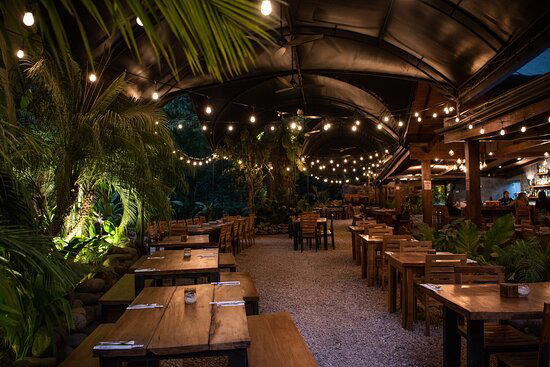
Where Columbus's Neighbourhood Meets the Modern Ligurian Table
The stretch of Via di Porta Soprana carries a particular weight in Genoa's old city. The medieval gate at its end is among the stronger-preserved in Liguria, and the small house nearby is traditionally cited as Christopher Columbus's childhood home. Santa Teresa is a restaurant in Genoa, Italy, serving Modern Ligurian Seafood at about $65 per person. The physical contrast, ancient stone at your back, a relatively unhurried pace on the street, frames the mood before a dish arrives.
The Scala Family's Two-Register Approach
Genoa's mid-to-upper dining tier is not large. At the higher end, The Cook operates at the €€€€ level with an ambitious modern programme. San Giorgio, also run by the Scala family, sits at €€€ and is recognised as one of the city's reference points for refined Ligurian cooking. Santa Teresa occupies a different register: the same family, the same commitment to market-led and regional produce, but at a €€ price point that makes the cooking accessible without abandoning its principles. The relationship between the two addresses is worth understanding. Santa Teresa is not a casual offshoot, it is a parallel operation with its own identity, one that happens to share a culinary lineage and an operator with demonstrable seriousness.
That seriousness is signalled by recognition in both 2024 and 2025. In a city where international dining attention tends to concentrate on the port district or on a handful of starred addresses, that sustained recognition at this price level is not incidental.
Local Ingredients, Applied with Contemporary Precision
The editorial angle that matters most at the restaurant is not any single dish but the methodology behind the menu: Ligurian market produce and coastal seafood treated with a contemporary plating sensibility and what the kitchen describes as a slightly modern interpretive key. This positions the restaurant inside a broader pattern visible across Italian regional cooking, where chefs trained in or exposed to international technique are returning regional ingredients to the table with different structural logic, lighter, more considered compositions that preserve the flavour integrity of the ingredient rather than subordinate it to classical saucing.
Cappon magro is a useful reference point here. The dish is one of Ligurian cuisine's more demanding preparations: a layered construction of poached fish, boiled vegetables, and a sharp green sauce traditionally built to impressive scale. Its presence on the restaurant menu, a dish that requires technical patience and genuine knowledge of the local canon, signals that the kitchen is not simply producing generic Italian food with Ligurian garnish. It is working from the inside of a tradition outward, applying contemporary precision to something with genuine regional depth.
Seafood is the primary emphasis, as it is across Genoa's better restaurants, see also Il Marin, which takes Italian seafood in a different, higher-priced direction from its position in the Porto Antico. But the restaurant keeps meat-based dishes on the menu as well, revisited in the same contemporary register, which broadens the table's usefulness for groups without a uniform preference for fish.
The Wine Selection and What It Signals
A kitchen working at this level of regional specificity requires a wine programme with corresponding depth, and the restaurant offers by-the-glass options alongside a wider list, an arrangement that functions as both a practical courtesy and a hospitality signal. Liguria's wine production is small in volume but distinctive: Vermentino and Pigato from the western Riviera, Rossese from Dolceacqua, Cinque Terre Sciacchetrà for those seeking something rarer. The emphasis on accessible matching by the glass suggests a programme designed to complement the food rather than overwhelm it.
For comparison within the Italian mid-tier, consider the role wine selection plays at addresses like Hostaria Ducale or 20Tre, both of which operate in Genoa's same price and style band. The willingness to curate a by-the-glass programme is increasingly a differentiator at the €€ level, where wine lists are often treated as secondary to the food operation.
Genoa in the Wider Italian Context
It is worth placing Genoa's dining scene against the broader Italian frame. The country's most decorated addresses, Osteria Francescana in Modena, Enoteca Pinchiorri in Florence, Enrico Bartolini in Milan, operate in a different tier entirely. So do coastal specialists such as Quattro Passi in Marina del Cantone or Alpine-focused addresses like Atelier Moessmer Norbert Niederkofler in Brunico. Genoa is not competing for that audience. What the city does well is a specific, unglamorous seriousness: old trading-city pragmatism applied to food, where quality is expected but theatricality is not. The restaurant fits that civic character. The cooking is precise, the setting is historic rather than designed, and the price point makes it repeatable rather than occasional.
Planning the Visit
The restaurant is at Via di Porta Soprana, 55/R, in the historic centre, close enough to Piazza De Ferrari and the Porta Soprana gate to be combined with time in either direction. The location in a pedestrian zone means arrival is easiest on foot from the old city; driving is not the logical approach for this address. The outdoor terrace is a practical asset in good weather, given how compressed most of Genoa's historic-centre dining rooms tend to be. Reservations are recommended.
- Carbonara di Mare
- Trofie al Pesto
- Cappon Magro
- Linguini with Shrimp Pistachios and Lemon Zest
- Crudo Misto di Mare
- Paccheri with Octopus Sauce
Cost Snapshot
Comparable venues nearby, for context on price, style, and recognition.
| Venue | Cuisine | Price | Awards | Notes |
|---|---|---|---|---|
| Santa TeresaThis venue — the venue you are viewing | Modern Cuisine | $$$ | Michelin Plate | Not listed |
| Etra | Not listed | $$$ | Michelin Plate | Piazza de Ferrari, Modern Italian Fine Dining |
| Hostaria Ducale | Piccapietra, Modern Ligurian | $$$ | Michelin Plate | Not listed |
| Le Cicale in Città | Not listed | $$$ | Michelin Plate | Centro (between Via XX Settembre and Piazza della Vittoria), Traditional Ligurian Trattoria |
| Osteria della Foce | Foce, Ligurian Osteria | $$ | Michelin Plate | Not listed |
| Edificio Millo | Porto Antico, Modern Italian Seafood | $$$ | Not listed | Not listed |
Recognition history
Dated appearances from independent guides and award organizations, with the underlying list record or original source where available.
Michelin Plate
Michelin
Michelin Plate
Michelin
Michelin Plate
Michelin
Continue exploring
More in Genoa
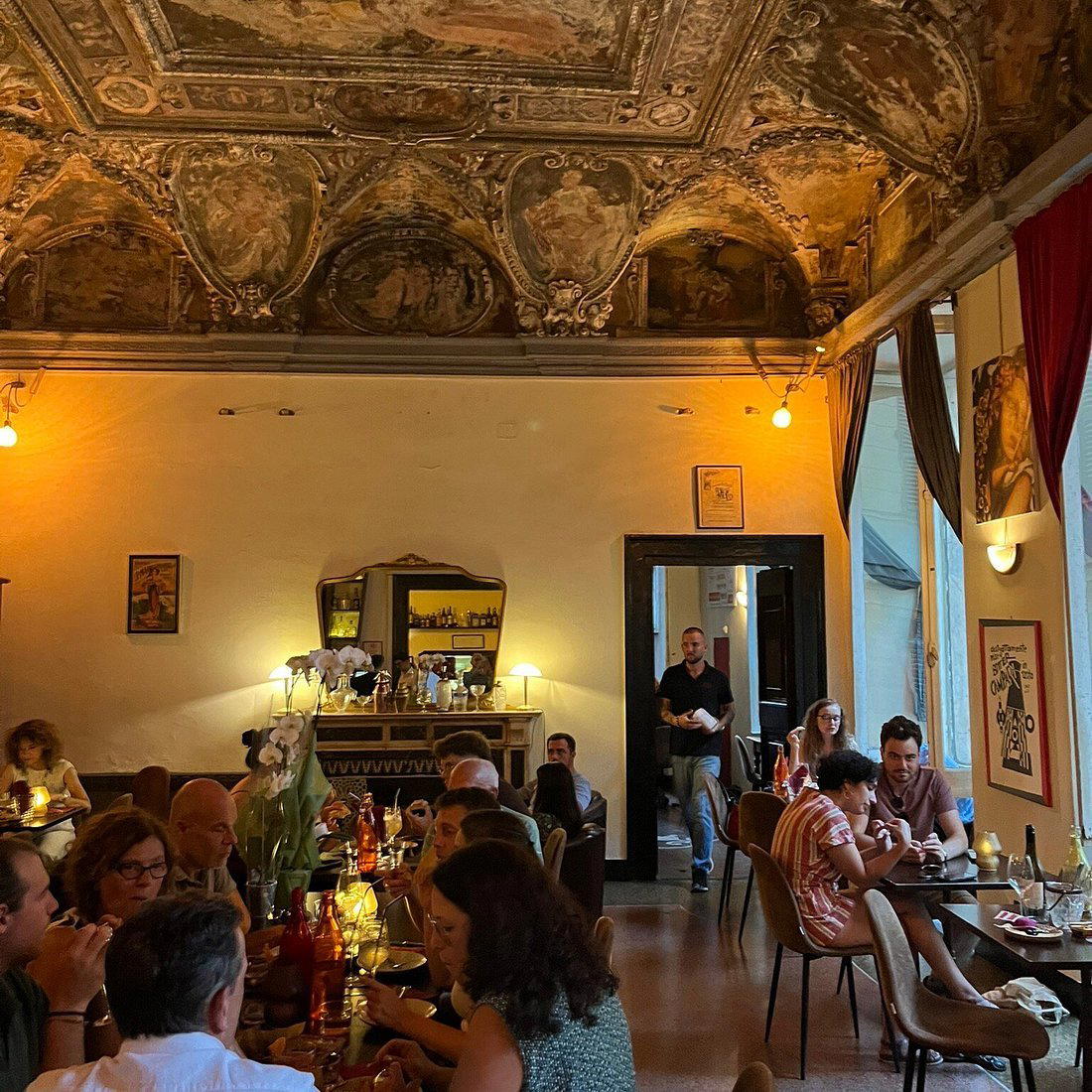
Restaurants in Genoa
Browse all →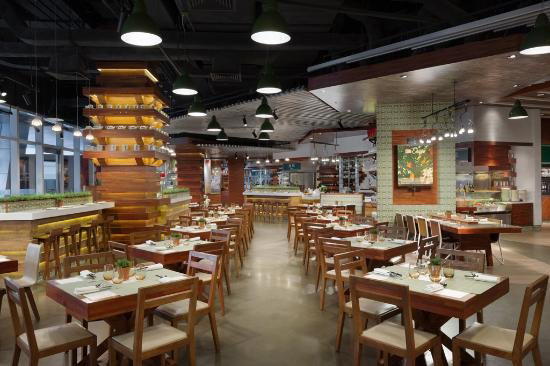
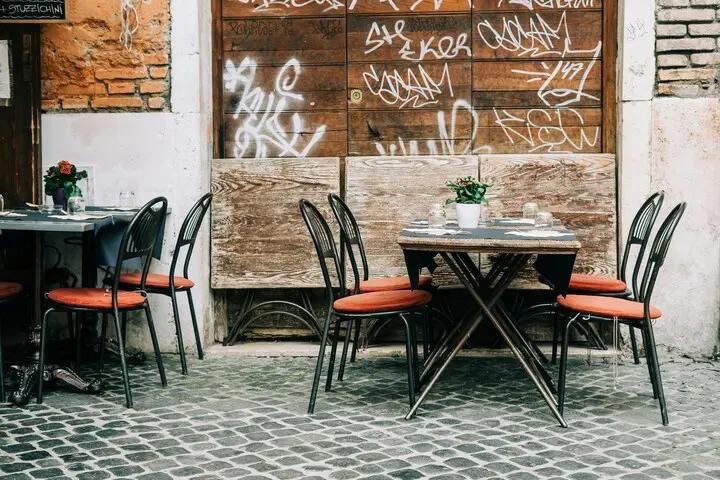
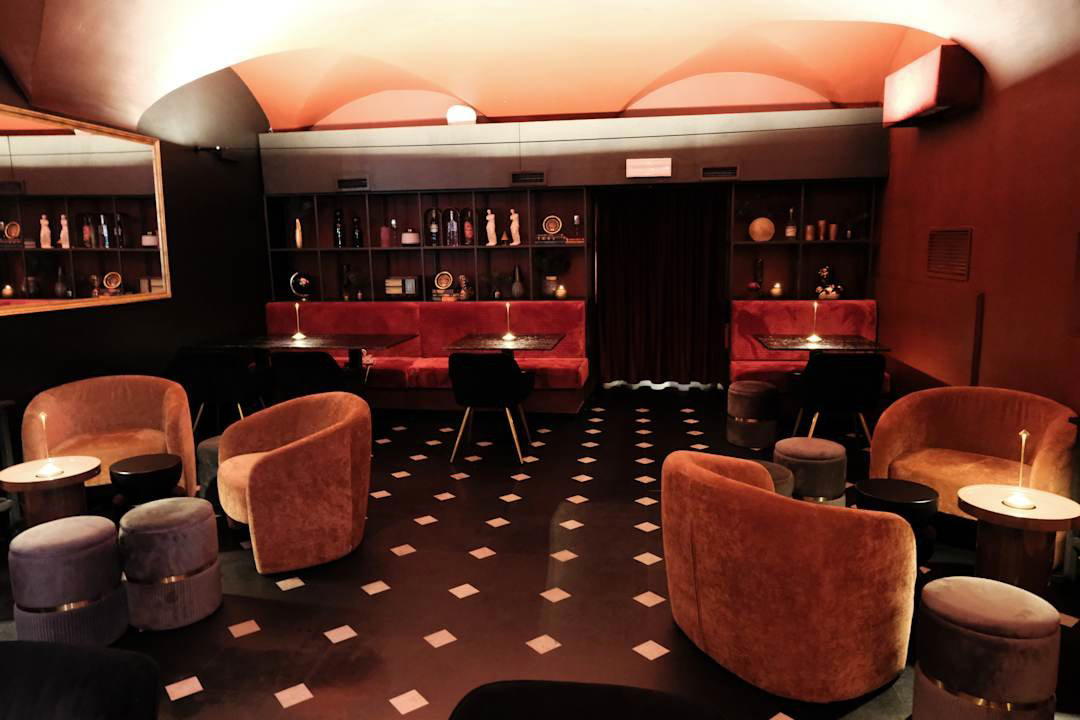
Bars in Genoa
Browse all →
Hotels in Genoa
Browse all →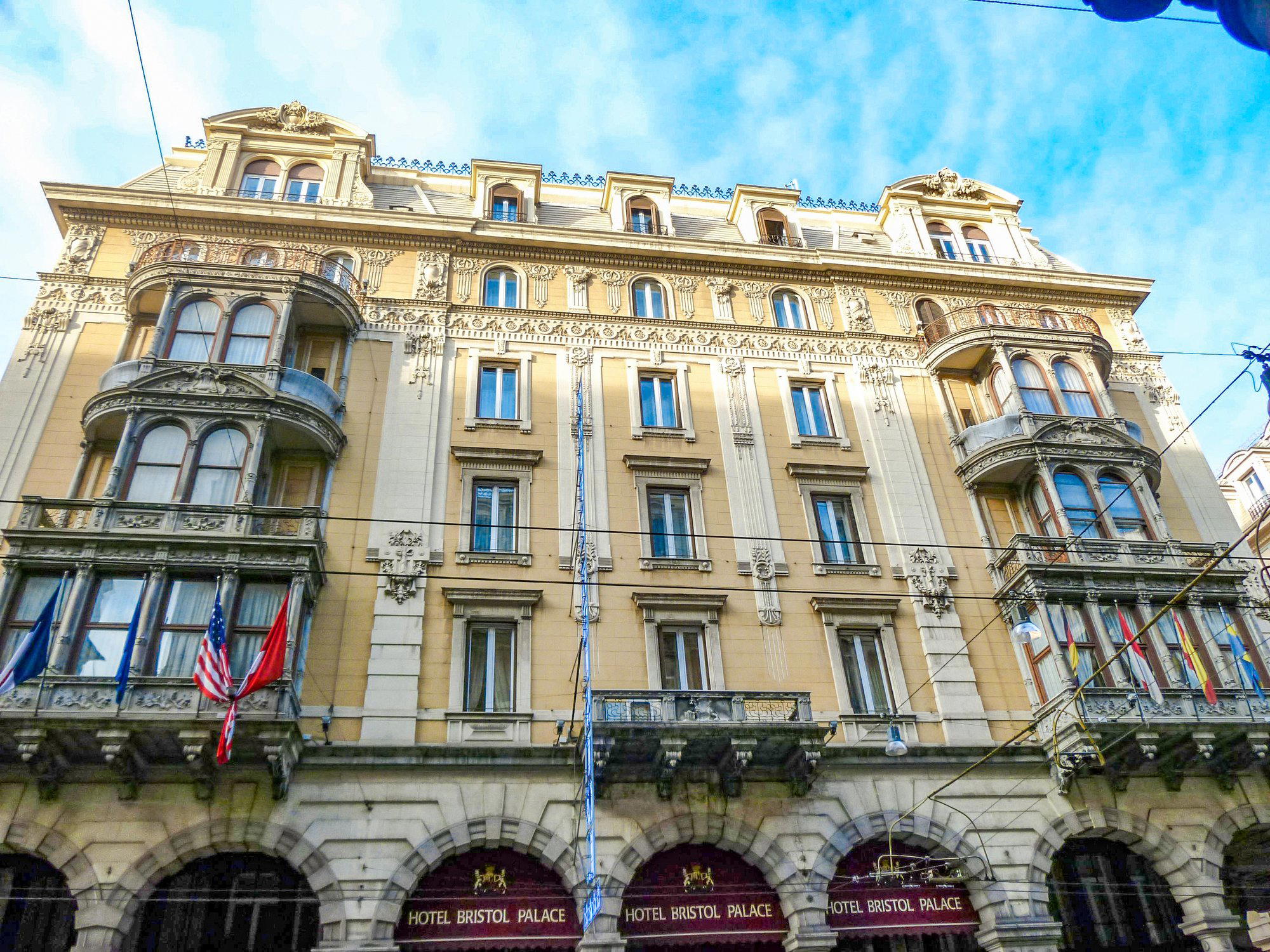

At a Glance
- Classic
- Elegant
- Intimate
- Romantic
- Date Night
- Business Dinner
- Celebration
- Special Occasion
- Historic Building
- Terrace
- Open Kitchen
- Extensive Wine List
- Sommelier Led
- Local Sourcing
- Sustainable Seafood
- Street Scene
Current opening hours
- Monday
- 12–3 PM, 7–11 PM
- Tuesday
- 12:30–3 PM, 7:30–10:30 PM
- Wednesday
- 12:30–3 PM, 7:30–10:30 PM
- Thursday
- 12:30–3 PM, 7:30–10:30 PM
- Friday
- 12:30–3 PM, 7:30–10:30 PM
- Saturday
- 12:30–3 PM, 7:30–10:30 PM
- Sunday
- 11 AM–4 PM
Hours can change for holidays and private events. Last verified .
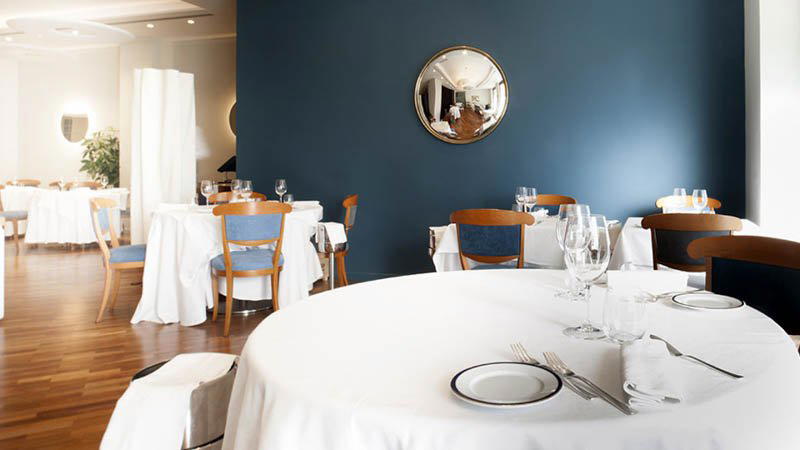
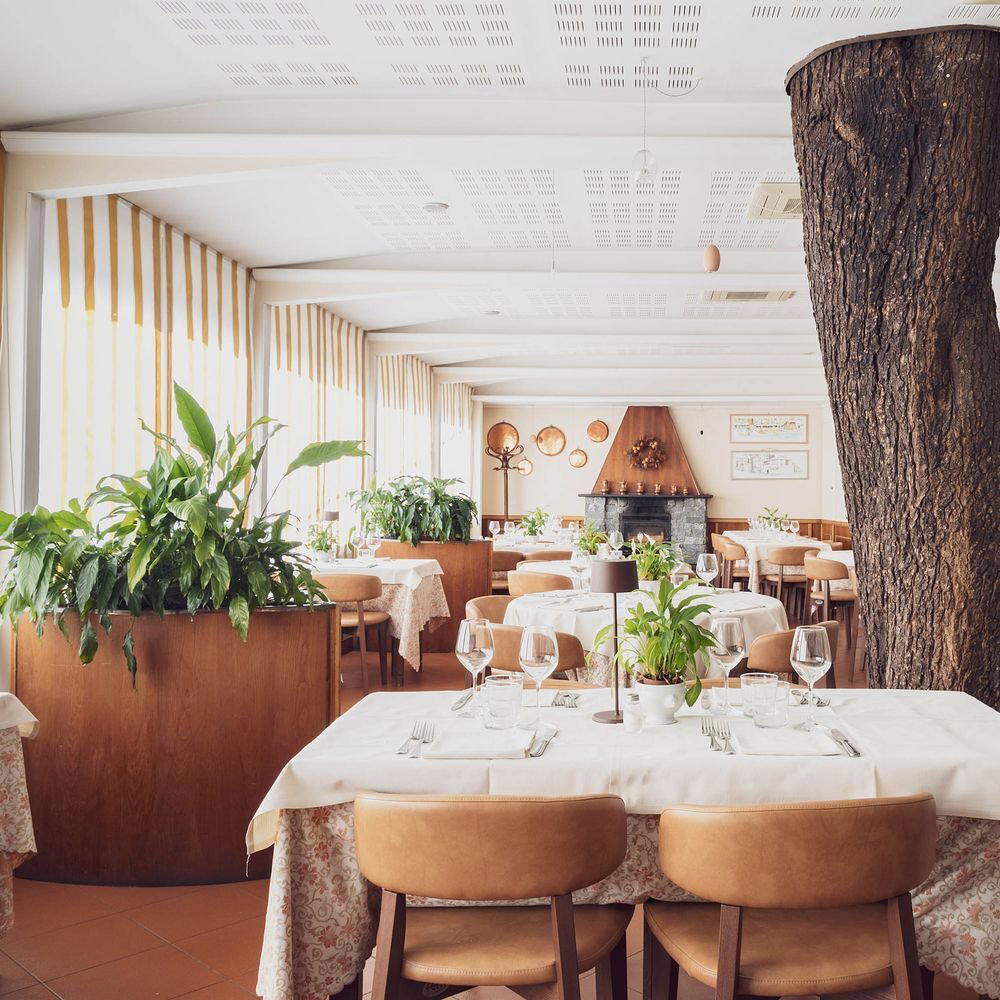
Elegant yet unpretentious with a classic Italian trattoria feel; intimate dining rooms with refined contemporary touches; some tables positioned less favorably with occasional cold atmosphere noted by guests.