Sando
On Rue de la Confédération in Geneva's old town, Sando brings the Japanese sando format into a city better known for French-leaning fine dining and the occasional Italian counter. The concept taps into a format with deep roots in Japanese convenience culture that has since migrated into premium urban settings across Europe. For Geneva, it represents a different register entirely.
Pearl is the En Primeur Club membership app — saves, bookings, and concierge access live there. Same editors, same standards.
- Address
- Rue de la Confédération 8, 1204 Genève, Switzerland
- Phone
- +41797522104
- Website
- spoonfoodhall.ch
- Directions
- Get directions
 Saves & bookings on Pearl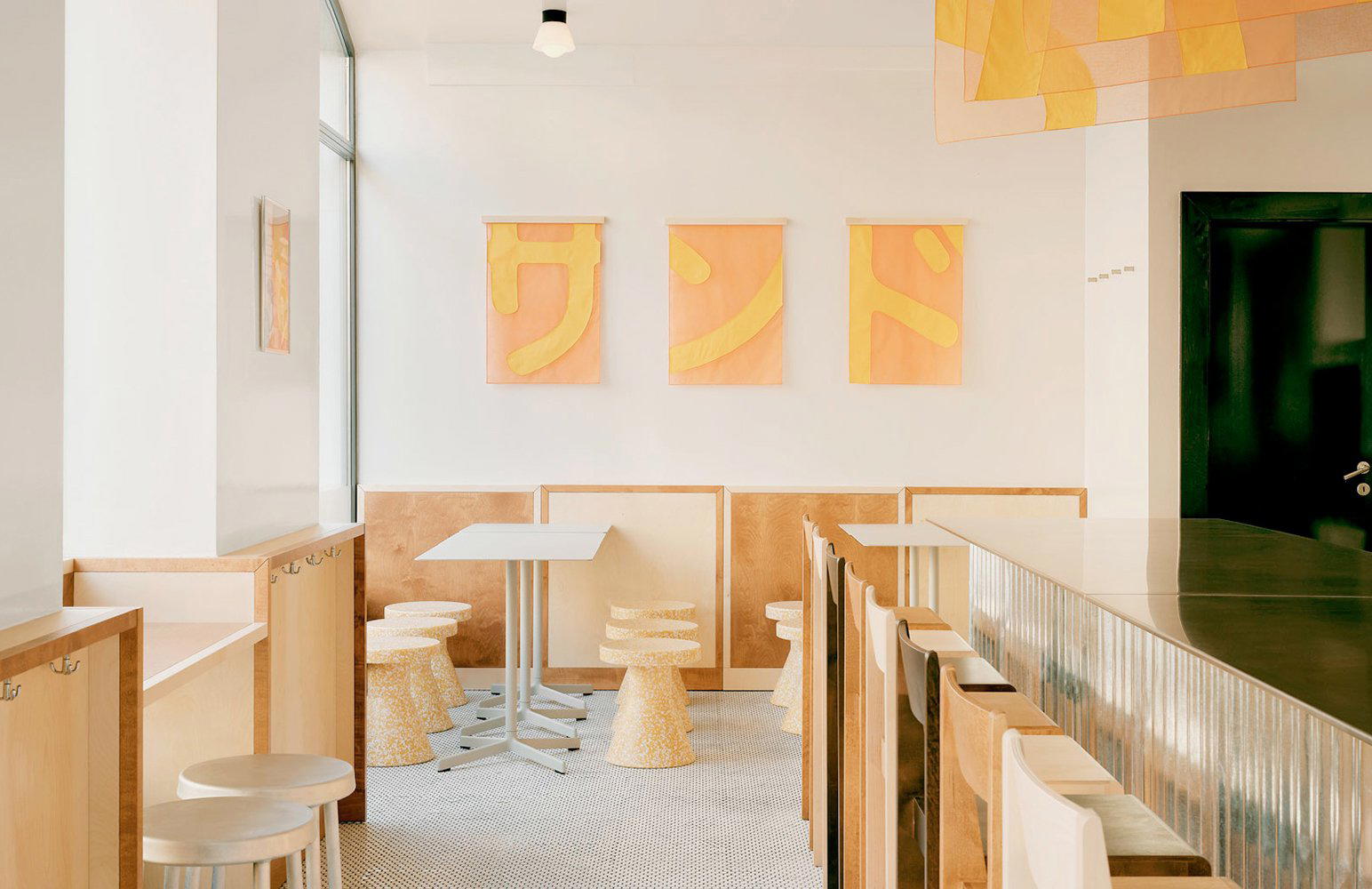
A Japanese Format Finds Its Place in Geneva's Old Town
Rue de la Confédération sits at the junction of Geneva's commercial centre and its historic core, a street where watchmakers and private banks have long set the neighbourhood's register. Against that backdrop, Sando occupies a specific kind of cultural position: it imports a format with roots in mid-century Japanese convenience culture and places it in one of Europe's most formally inclined dining cities. That friction, between the accessible and the precise, between the portable and the considered, is exactly what makes the sando format interesting in a European context.
The sando itself — a crustless sandwich built on milk bread, known in Japan as shokupan — is not casual food that happened to travel well. It is food engineered for a specific experience: uniform texture, clean cross-section, a ratio of filling to bread calibrated so that each bite holds together without collapse. In Japan, the format ranges from convenience-store egg salad versions sold for a few hundred yen to premium katsu sando served at dedicated counters in Tokyo's Ginza district, where Wagyu cutlets and aged pork command prices comparable to a mid-range restaurant meal. That full spectrum is part of what gives the format its cultural depth.
The Sando in Europe: From Novelty to Neighbourhood Fixture
Over the past several years, the sando has moved through European food cities in a recognisable pattern: first appearing in London and Paris as a premium novelty, then establishing itself as a format with staying power in cities where Japanese culinary influence has built up over time. Geneva arrives at that conversation from a particular angle. The city's dining culture has historically skewed toward classical French execution and high-end Italian, venues like Il Lago on the lakefront and L'Atelier Robuchon represent the dominant register. Japanese food has been present in Geneva for decades, but it has largely operated in the sushi-and-ramen tier rather than through the kind of format-specific, ingredient-focused lens that the sando concept requires.
That gap is what venues like Sando address. The format sits between quick-service and sit-down dining in a way that suits Geneva's international workforce, a city with one of the highest concentrations of international organisations and private-sector headquarters in Europe, generating a lunchtime economy that rewards precision, speed, and quality over ceremony. The sando format, at its finest, delivers all three.
What the Format Demands
The credibility of any sando operation rests almost entirely on two things: the bread and the filling. Shokupan is not a forgiving product to source or produce outside Japan. Its characteristic softness and slight sweetness come from a specific hydration ratio and a technique called tangzhong, in which a portion of the flour is cooked with water before mixing into the dough. Bakeries across London, Paris, and increasingly other European capitals have built dedicated shokupan programs over the past five years; in cities where that infrastructure doesn't yet exist, sando operations either import or produce in-house. Which approach a Geneva venue takes matters to the final product in ways that are immediately apparent in texture.
On the filling side, the katsu variant, a crumbed and fried cutlet, typically pork or chicken, though premium versions use Wagyu or aged beef, requires oil temperature discipline and a resting protocol that many high-volume operations skip. The egg sando, by contrast, demands a different kind of precision: a jammy yolk, a specific egg-to-mayonnaise ratio, and enough chill time that the filling holds without weeping into the bread. These are technical problems with technical solutions, and the results are legible to anyone who has eaten the format in Tokyo.
For context on how seriously the format can be executed at the high end, it's worth noting that venues in New York have built substantial critical reputations around Japanese-influenced sandwich and small-plate formats. Atomix, which operates at the fine-dining end of Korean cuisine in New York, illustrates how Asian culinary formats command serious critical attention when executed with rigor. The sando, at its premium tier, belongs in that same conversation about format discipline and ingredient sourcing.
Geneva's Dining Context
Geneva's restaurant scene is broader than its reputation as a formal, French-inflected dining city suggests. The modern French end is well-covered by venues like L'Aparté and Arakel, and the Mediterranean register finds expression at La Micheline. What the city has historically lacked is a developed tier of format-specific, internationally-rooted casual-premium dining, the kind of category that London, Paris, and Zurich have built out significantly over the past decade.
Switzerland's broader fine dining infrastructure is among the most concentrated in the world relative to population. Hotel de Ville Crissier near Lausanne and Schloss Schauenstein in Fürstenau anchor one end of the spectrum, while operations like IGNIV Zürich by Andreas Caminada show how premium casual formats can operate within that same environment. In Basel, Cheval Blanc by Peter Knogl holds at the classical fine-dining tier, while Memories in Bad Ragaz, 7132 Silver in Vals, Colonnade in Lucerne, Da Vittorio in St. Moritz, Einstein Gourmet in Sankt Gallen, and focus ATELIER in Vitznau collectively demonstrate how Switzerland's dining culture rewards precision across a wide range of formats and price points.
Within Geneva specifically, a sando operation at Rue de la Confédération 8 sits in the old town's commercial district, accessible by foot from the central train station and the lakefront in under ten minutes. The address places it within reach of the lunchtime trade from the financial and international-sector offices concentrated in that part of the city. See our full Geneva restaurants guide for broader coverage of the city's dining options across categories and price points.
Internationally, the sando format has also attracted attention in cities where French-trained chefs have engaged with Japanese technique, Le Bernardin in New York represents a different expression of that French-Japanese dialogue at the fine-dining tier, where precision and restraint are the shared language across both traditions.
Planning a Visit
Given the format and address, walk-in availability during off-peak lunch hours is likely more accessible than at Geneva's reservation-driven fine dining venues, but visitors with limited flexibility should verify current operating hours directly before planning around a visit. The Rue de la Confédération address is within the 1204 postcode, the heart of Geneva's old town, and reachable from Bel-Air tram stops on multiple lines.
How Sando Geneva compares with similar nearby venues.
| Venue | Cuisine | Price |
|---|---|---|
| Chez Philippe | Meats and Grills | €€ |
Continue exploring
More in Geneva
Restaurants in Geneva
Browse all →
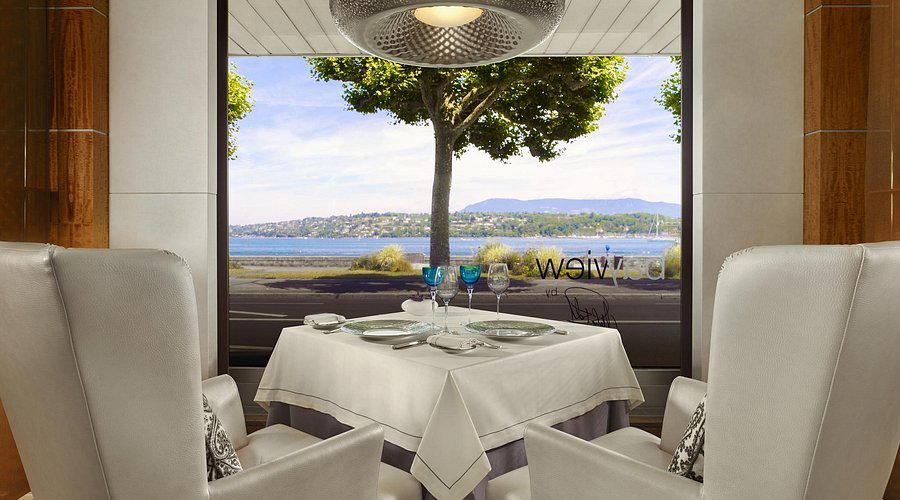
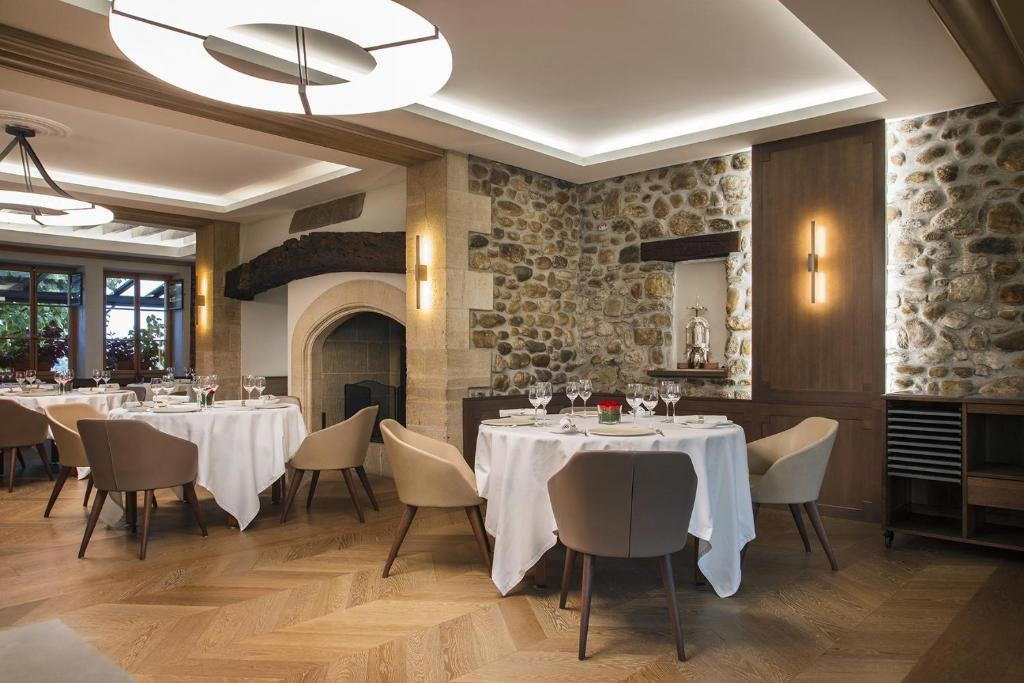
Bars in Geneva
Browse all →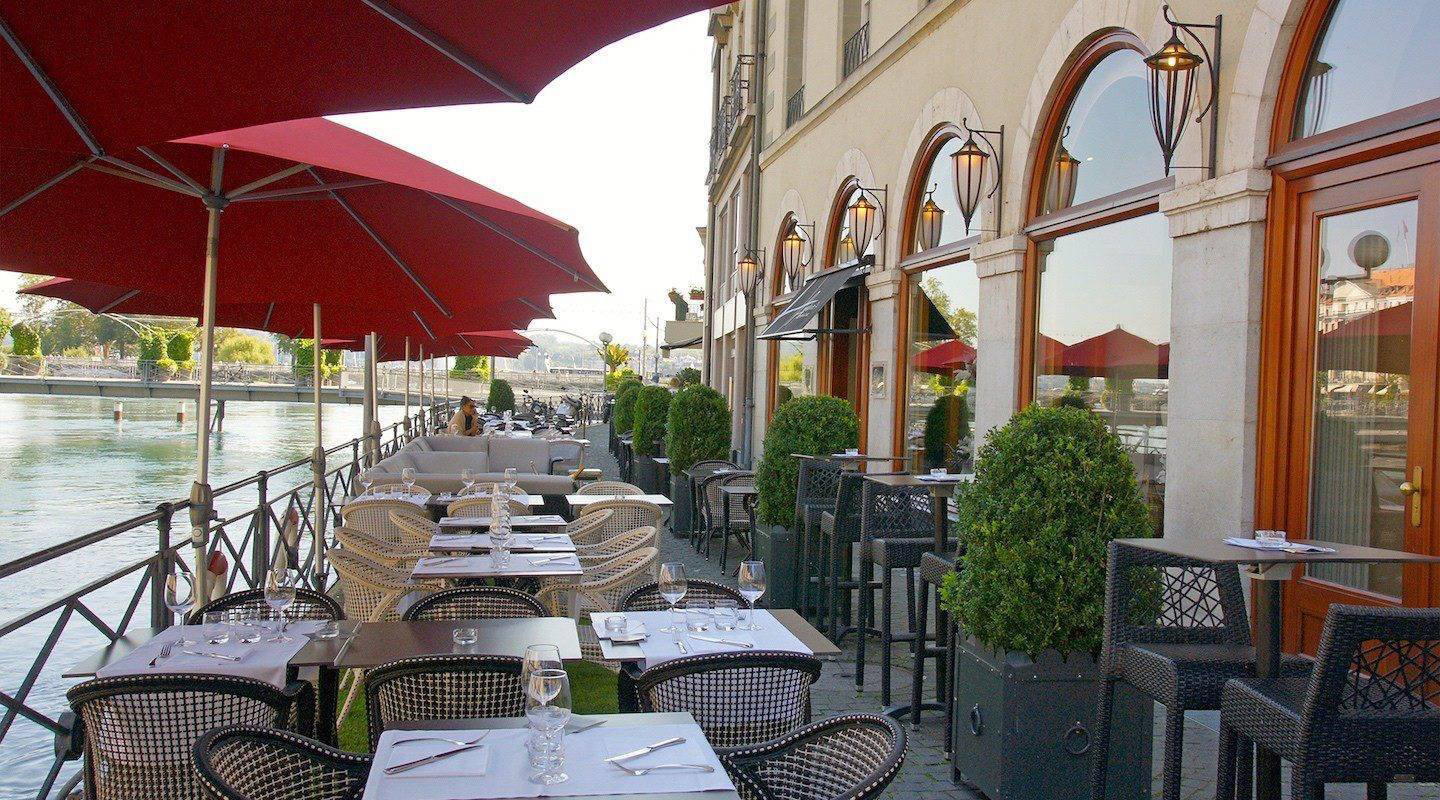
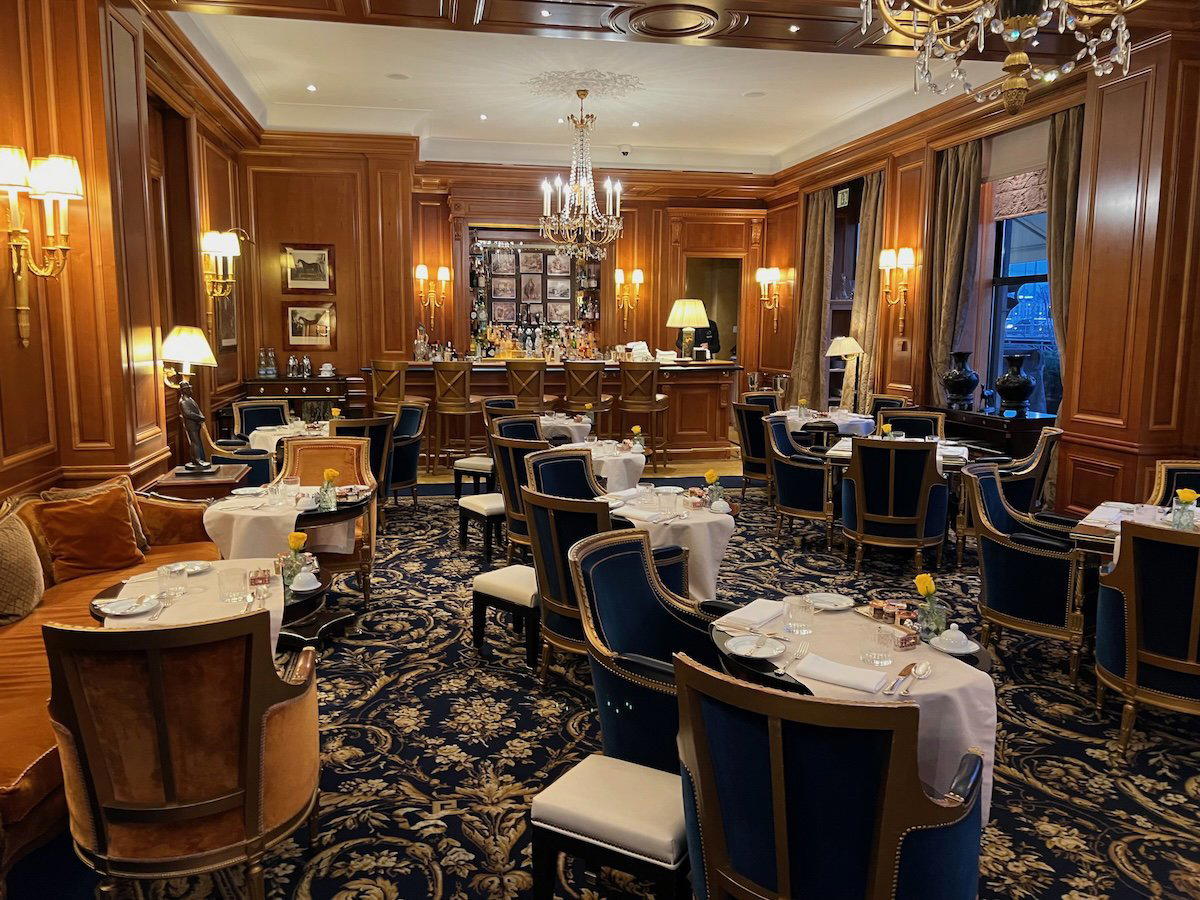
Hotels in Geneva
Browse all →

At a Glance
- Trendy
- Modern
- Lively
- Casual Hangout
- After Work
- Open Kitchen
- Sake Program
- Beer Program
Current opening hours
- Monday
- 11 AM–7 PM
- Tuesday
- 11 AM–7 PM
- Wednesday
- 11 AM–7 PM
- Thursday
- 11 AM–10 PM
- Friday
- 11 AM–10 PM
- Saturday
- 11 AM–10 PM
- Sunday
- Closed
Hours can change for holidays and private events. Last verified .
Casual and lively atmosphere in a food hall setting with a focus on innovative street food.
Know Before You Go
- Getting there
- Rue de la Confédération 8, 1204 Genève, Switzerland