San Martin - Addison
San Martin in Addison sits on Belt Line Road inside a Dallas dining corridor where Latin-inflected kitchens compete for attention alongside steakhouses and Japanese counters. The address places it in a mid-city pocket that rewards diners willing to look past the main-drag newcomers. Expect a setting shaped by the broader evolution of Latin American cooking in North Texas, where regional specificity has gradually replaced generic pan-Latin menus.
Pearl is the En Primeur Club membership app — saves, bookings, and concierge access live there. Same editors, same standards.
- Address
- 5407 Belt Line Rd, Dallas, TX 75248
- Phone
- +19728036770
- Website
- sanmartinbakery.us
- Directions
- Get directions
 Saves & bookings on Pearl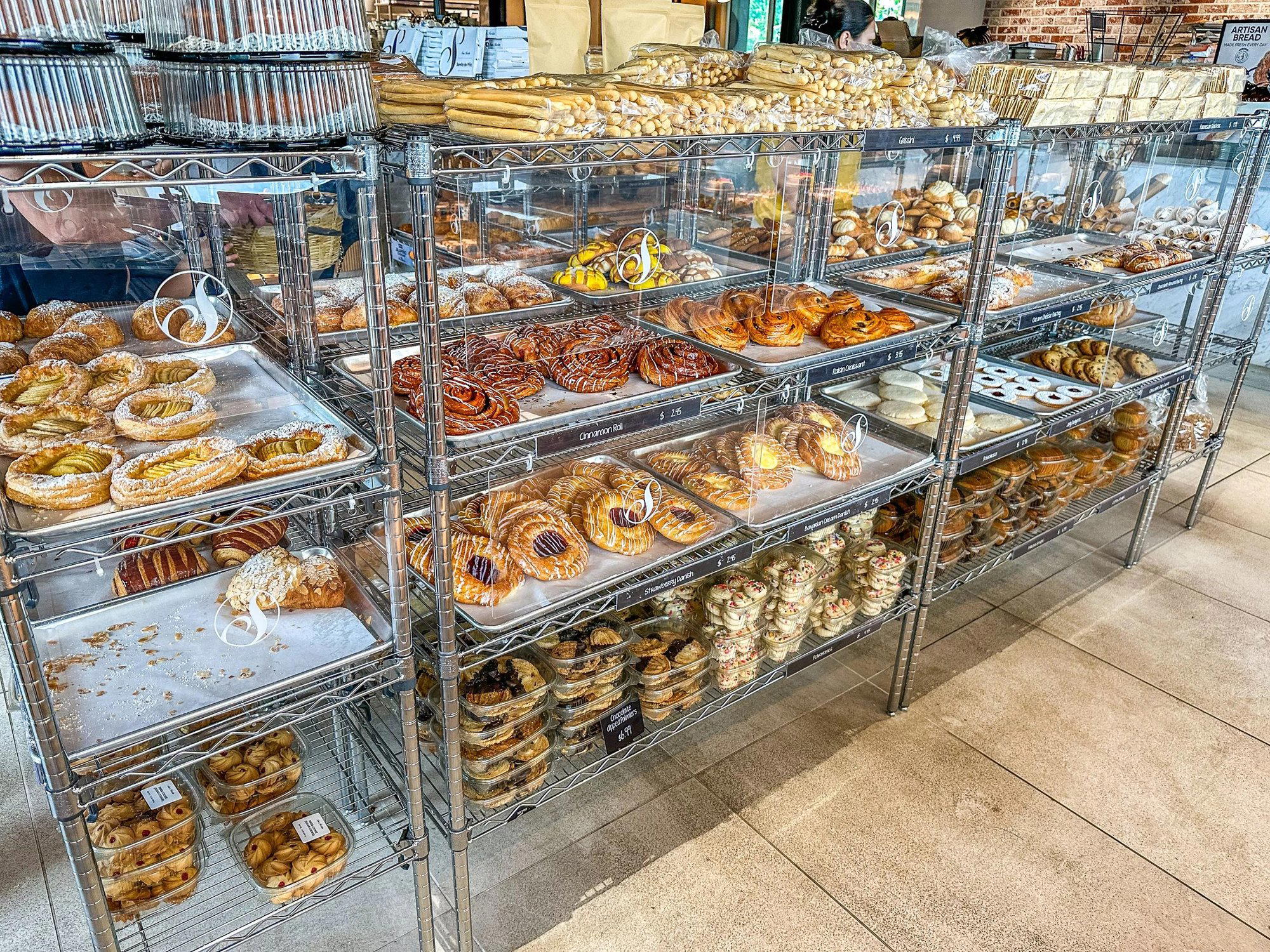
Belt Line Road and the Changing Shape of Latin Dining in North Texas
The stretch of Belt Line Road running through Addison has spent the better part of two decades sorting itself out. What began as a corridor of casual chain outposts and sports bars has, over time, accumulated a more considered dining tier: spots where the cuisine has a point of view, where the room is built for a sit-down experience rather than throughput, and where the kitchen is doing something more specific than the broad strokes of a crowd-pleasing menu.
That shift is worth understanding as context. For most of the 2000s, Latin cuisine in the Dallas suburbs meant Tex-Mex at one end and the occasional upscale Mexican tasting room at the other, with little in between. The mid-tier was thin. What changed it was a combination of demographic pressure, chef mobility out of Mexico City and Buenos Aires, and a Dallas dining public that had grown more traveled and more demanding. By the mid-2010s, the belt of suburbs north of downtown, including Addison, began to see kitchens with genuine regional ambition. San Martin is a product of that period and its aftermath.
What the Address Tells You About the Competitive Set
Addison occupies an unusual position in the Dallas dining geography. It is close enough to the Preston Hollow and North Dallas money corridors to attract a regular clientele with high expectations, but it operates at a slight remove from the Uptown and Knox-Henderson venues that generate most of the city's restaurant press. That distance cuts both ways. Venues here do not benefit from the foot traffic and social currency of a hot neighborhood, but they also do not compete on the same real estate costs, which can translate into more space, more deliberate pacing, and menus that do not need to chase trend cycles at the same velocity.
For comparison, the pricier Latin-adjacent rooms in Dallas proper often carry the overhead of a designed Uptown address. Addison venues like San Martin operate in a middle register where the competitive pressure comes more from direct cuisine peers than from the general prestige arms race of the inner city. That register has its own discipline: you hold a regular clientele through consistency and kitchen credibility rather than through novelty and opening-week momentum. Across Dallas, you can see a similar dynamic at work in spots like Mamani, where the focus on a specific regional tradition gives the venue staying power that trend-driven openings often lack.
The Evolution Question: How Latin Kitchens in Suburban Dallas Reinvent Themselves
The editorial angle that matters most for a venue like San Martin is not the opening story but the durability question. Belt Line Road has seen a rotation of concepts come and go. The ones that persist do so by evolving: tightening the menu around what the kitchen actually executes at a high level, updating the room without abandoning what the regulars recognize, and adjusting the price-to-value proposition as the cost structure of Dallas dining has shifted upward.
That pattern of reinvention is visible across the broader Dallas dining scene. Tatsu Dallas has held its position in the Japanese premium tier by deepening its technical commitment rather than expanding its format. 12 Cuts Brazilian Steakhouse stakes its identity on a specific churrasco tradition that resists dilution. The restaurants that fade are typically the ones that try to be too many things to too many people, or that mistake an opening-year buzz for a durable premise.
For Latin kitchens specifically, the evolution question often comes down to specificity. Broad pan-Latin menus that sample from a dozen countries without committing to any of them have a shorter shelf life than restaurants that plant a flag in a particular culinary tradition, whether that is the seafood-forward cooking of the Peruvian coast, the wood-fire intensity of Argentine parrilla, or the herb-driven complexity of Central American cuisines that are still underrepresented in North Texas dining.
Placing San Martin Against the Dallas Dining Tier
Dallas has restaurants at every price point in the Latin category, from the $$ barbacoa counters that define weekend morning culture to the $$$$ rooms where tasting menus draw comparison to nationally recognized addresses. At the upper end, places like Le Bernardin in New York City or Alinea in Chicago set the international benchmark for what refined, technically ambitious cooking looks like. Closer to home, The French Laundry in Napa anchors the conversation about what sustained excellence at the fine dining tier requires. San Martin is not operating at that altitude, nor is it trying to. Its competitive set is the mid-to-upper tier of suburban Dallas dining, where the relevant comparison is with nearby neighborhood restaurants rather than with Michelin-recognized rooms.
That positioning matters for how a diner should calibrate expectations. This is a neighborhood-anchored restaurant operating in a suburb with a stable, return-visit-driven clientele. The measures of success here are different from those applied to a downtown flagship: consistency over time, value relative to the immediate competitive set, and the ability to hold regulars across multiple years. Nationally, the restaurants that do this well, places like Emeril's in New Orleans or Lazy Bear in San Francisco, tend to combine a clear culinary identity with operational steadiness that keeps the core experience reliable visit after visit.
Peers Worth Knowing
Comparable venues nearby, for context on price, style, and recognition.
| Venue | Cuisine | Price | Notes |
|---|---|---|---|
| San Martin - AddisonThis venue — the venue you are viewing | Latin American Bakery Cafe | $$ | Not listed |
| Cindi's | New York-Style Deli | $$ | Gifford |
| Paciugo Gelato | Traditional Italian Gelato | $$ | Vickery Meadows |
| HG Sply Co. | Farm-to-Table Paleo American | $$ | Belmont |
| Rodeo Goat | Gourmet American Burgers | $$ | Dallas Market Center |
| Elm Street Cask & Kitchen | Southern-inspired American comfort food | $$ | Downtown |


At a Glance
- Cozy
- Classic
- Brunch
- Casual Hangout
- Open Kitchen
Current opening hours
- Monday
- 7 AM–9 PM
- Tuesday
- 7 AM–9 PM
- Wednesday
- 7 AM–9 PM
- Thursday
- 7 AM–9 PM
- Friday
- 7 AM–9:30 PM
- Saturday
- 7 AM–9:30 PM
- Sunday
- 7 AM–9 PM
Hours can change for holidays and private events. Last verified .
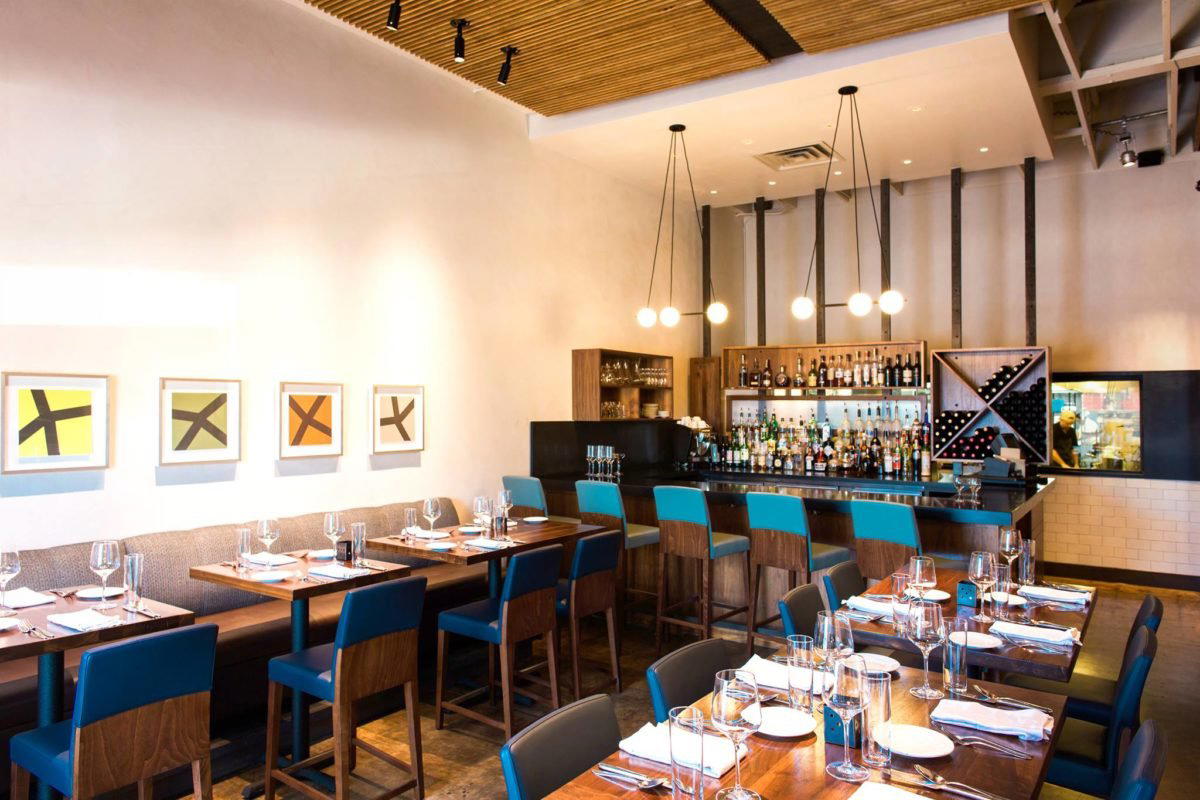
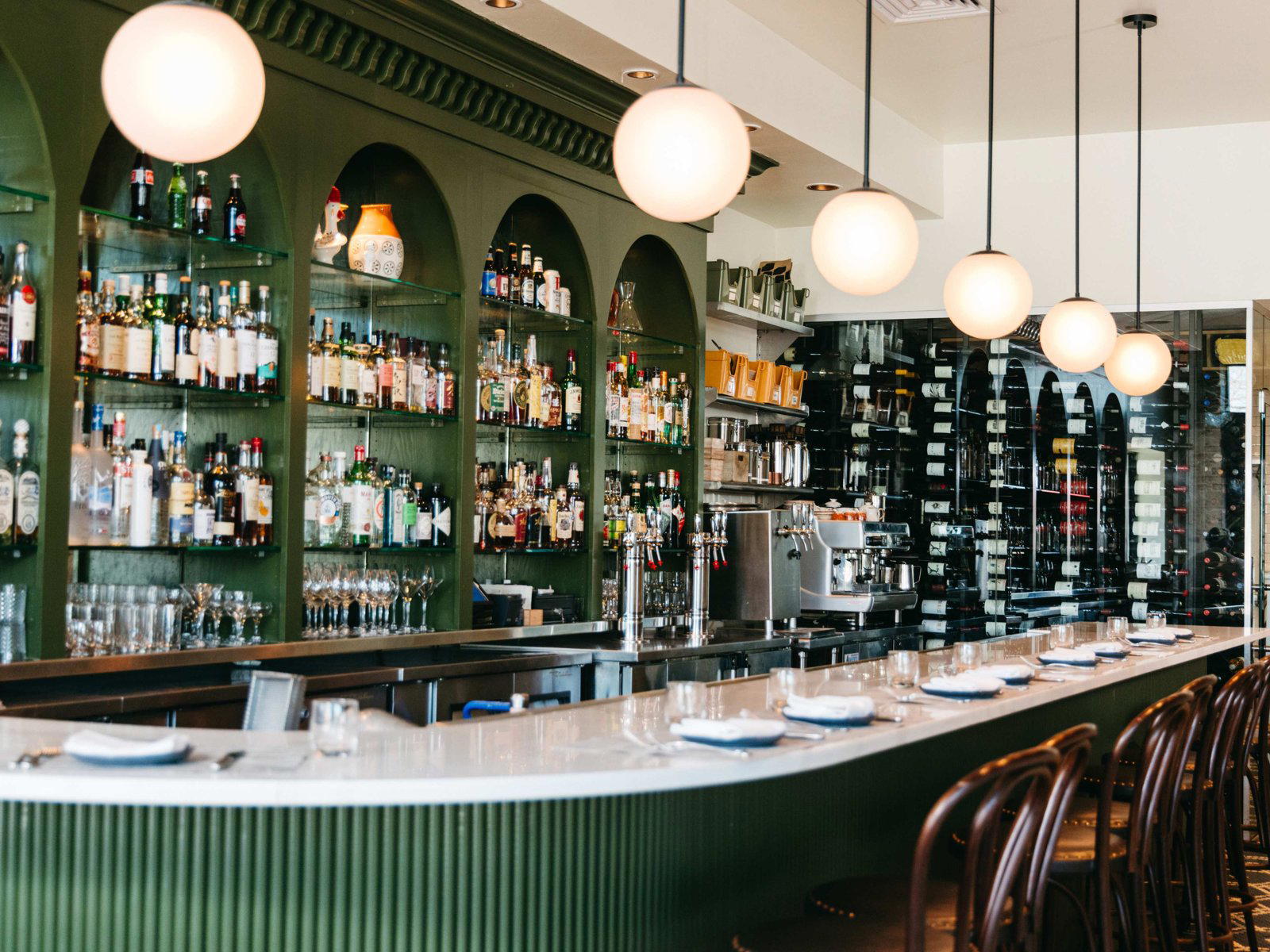
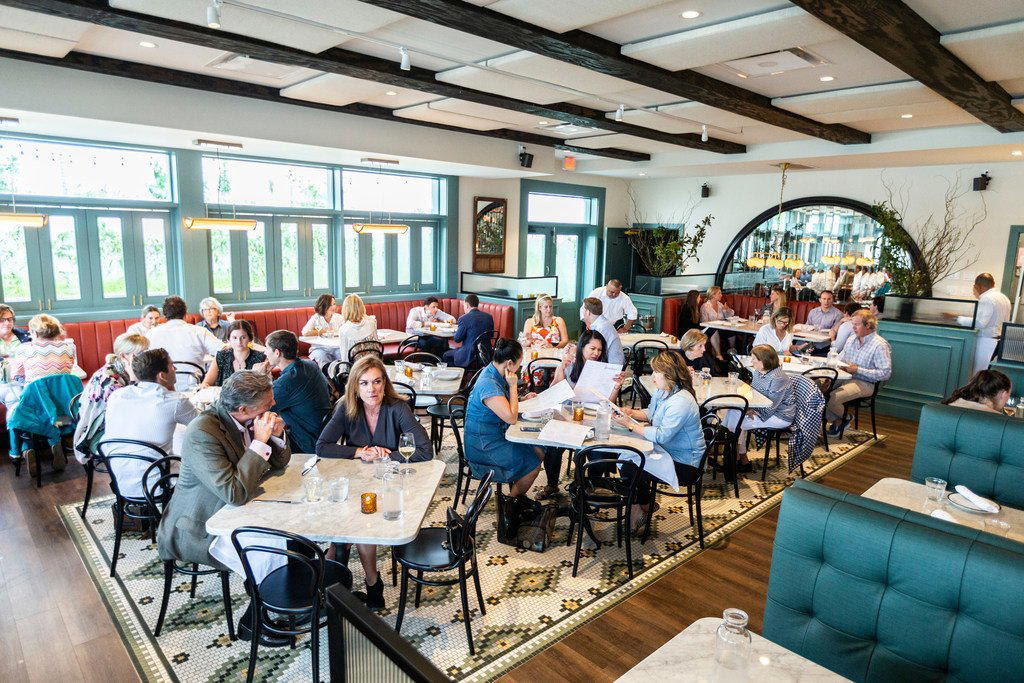
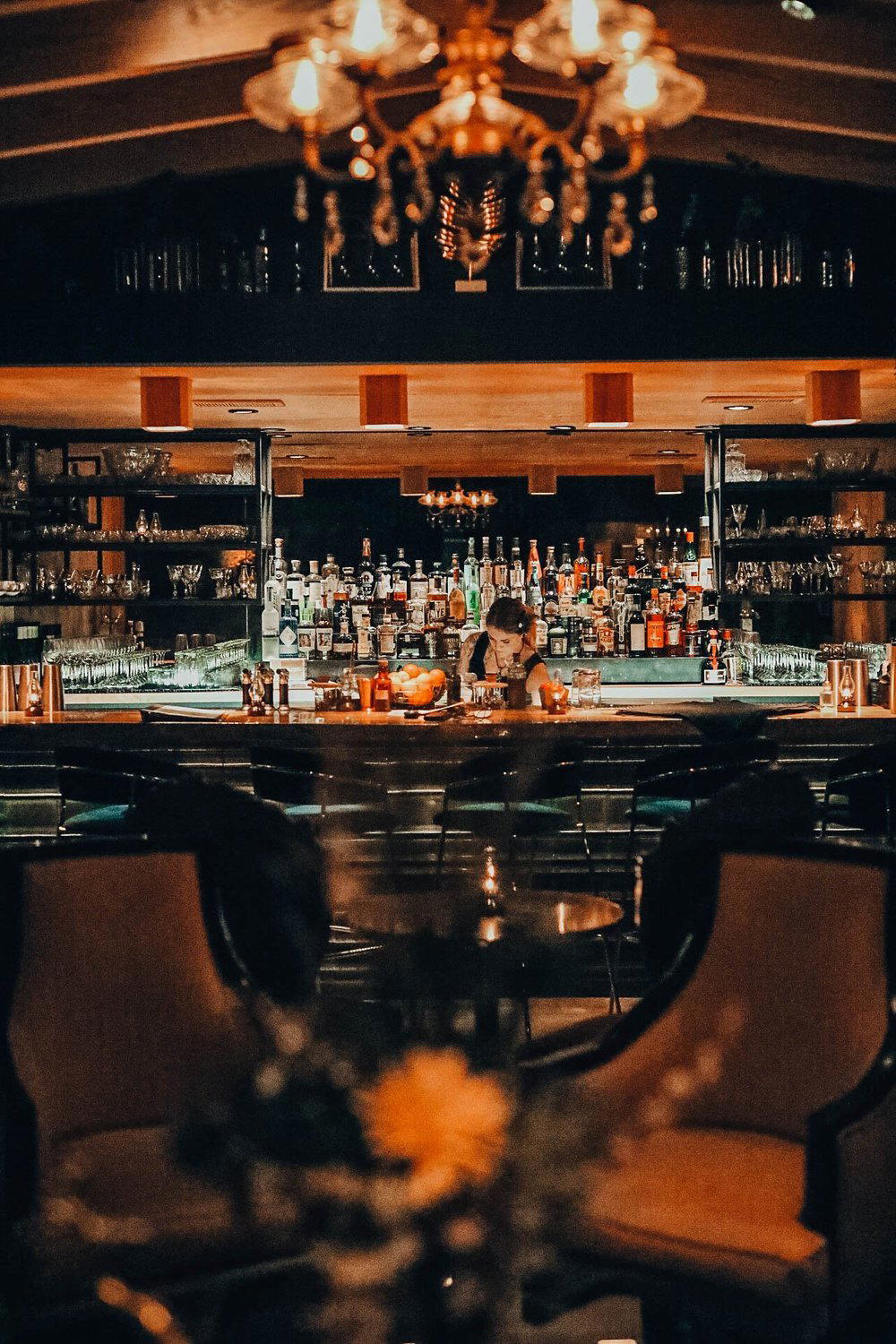
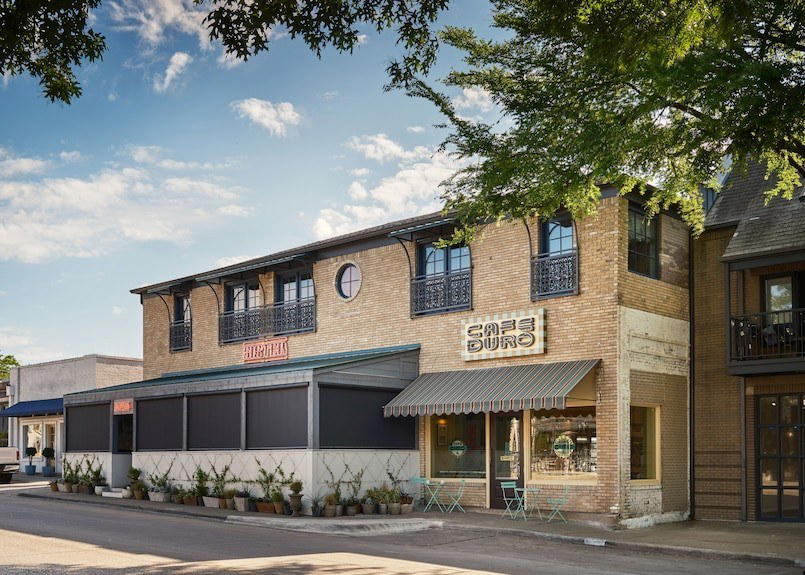
Calm and cozy cafe environment with moderate noise levels.