Salty Cowboy Tequileria
On Zionsville's brick-lined main corridor, Salty Cowboy Tequileria occupies a distinct niche in the town's dining mix: a tequila-forward bar and kitchen at 55 E Oak St that tilts toward the agave-driven traditions of western Mexico rather than the margarita-machine approach that defines most American tequila bars. For Zionsville, a town better known for its French-inflected dining rooms and upscale American kitchens, that positioning carries real weight.
Pearl is the En Primeur Club membership app — saves, bookings, and concierge access live there. Same editors, same standards.
- Address
- 55 E Oak St, Zionsville, IN 46077
- Phone
- +13173440926
- Website
- saltycowboytequileria.com
- Directions
- Get directions
 Saves & bookings on Pearl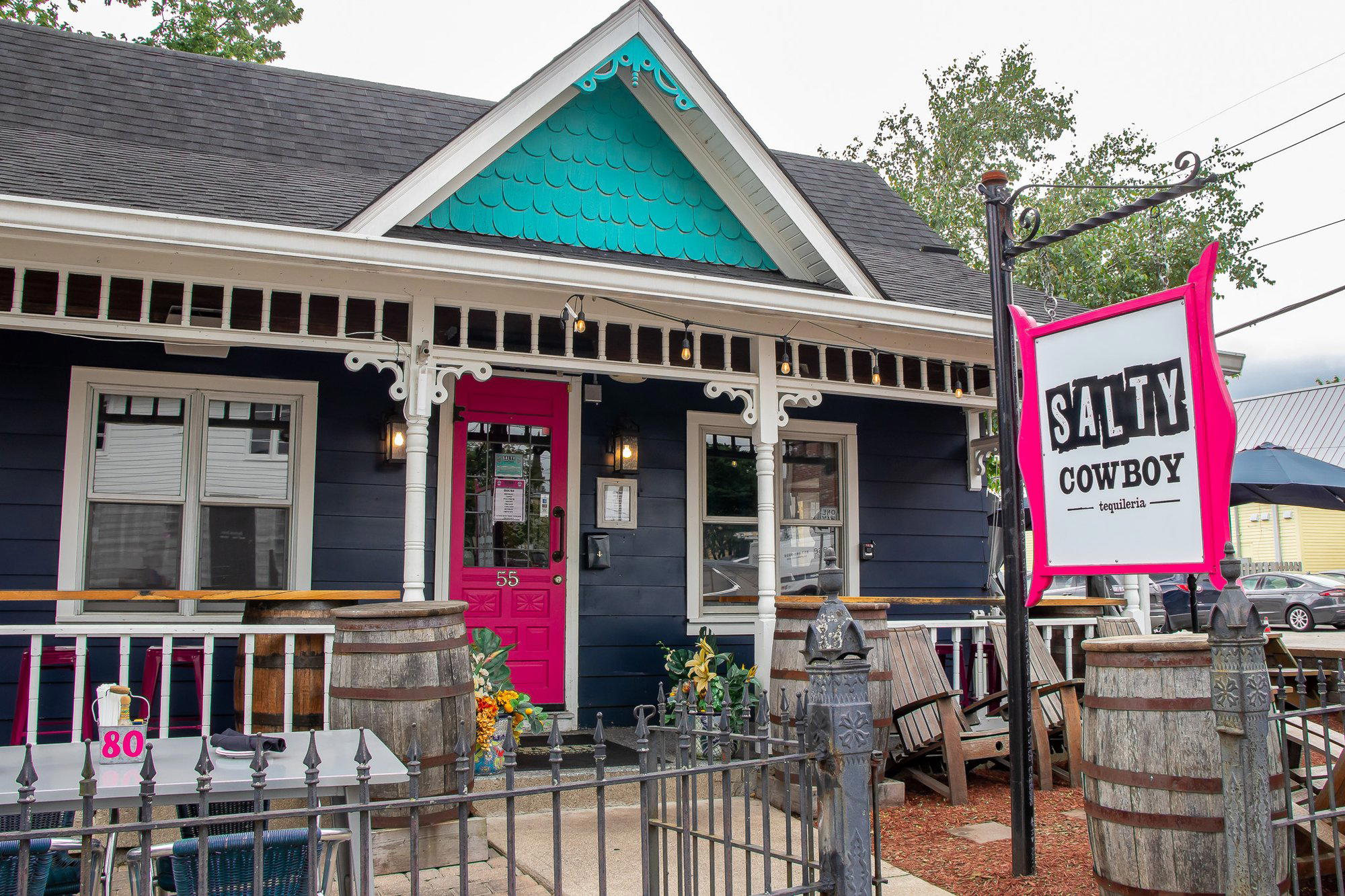
Agave Culture Comes to Zionsville's Oak Street
Walk east along Zionsville's Oak Street and the brick storefronts give way to a string of independent restaurants that collectively define what dining in this Indianapolis suburb actually looks like on a Tuesday night. The town's culinary character skews toward polished American fare and European-leaning kitchens. Against that backdrop, a tequileria sits as something of an anomaly, and Salty Cowboy Tequileria at 55 E Oak St plants its flag exactly there: a bar-forward concept organised around agave spirits at a time when American consumers have made tequila and mezcal the fastest-growing spirits category in the country.
Tequila's rise from novelty shot to sipping spirit mirrors a broader American interest in agave drinks. Tequila's journey from novelty shot to sipping spirit mirrors a broader American reckoning with Mexican drinking culture. The agave plant at the centre of this story is not simply an ingredient. In the Mexican states of Jalisco, Oaxaca, and beyond, the cultivation and distillation of agave-based spirits is a multi-generational tradition, regulated by denomination of origin designations that function much like Champagne's appellation rules. A bar that takes agave seriously is, in effect, taking a regional Mexican cultural practice seriously. That framing matters in a market like Zionsville, where the default for Mexican-leaning venues has historically been Tex-Mex rather than anything rooted in specific regional traditions.
What Tequilerías Mean in the American Midwest
The Midwest has not historically been fertile ground for serious agave programming. Chicago has developed a handful of credible mezcal and tequila bars, but Indianapolis and its surrounding towns have lagged behind coastal markets in building out the category. For comparison, dedicated agave programming in larger markets often includes a wide range from blanco to añejo and mezcal, plus staff who can explain regional differences. Salty Cowboy Tequileria sits within that ambition.
Zionsville diners already have options across multiple registers. Auberge handles the French-leaning fine dining end of the market. Good Omen and Stone Creek - Zionsville cover the upscale American casual tier. Verde - Flavors of Mexico addresses Mexican-leaning cuisine directly, while Tipsy Mermaid Conch House and Cocktails competes more directly in the cocktail bar segment. Salty Cowboy's positioning within this comparable set reads as bar-primary rather than restaurant-primary, which gives it a different function in a night out than any of the above.
The Tequileria Format and What It Asks of a Diner
The tequileria as a format has specific expectations attached to it. Unlike a general cocktail bar, which might rotate a seasonal menu and compete on technique, a tequileria stakes its identity on the quality and range of its agave spirit selection. The format asks guests to engage with the spirit category more directly: to consider whether they want a blanco with the sharp, vegetal character of a young expression, or an añejo with the wood influence of extended barrel aging. It invites comparison across producers, regions, and production methods. That educational dimension is part of the format's appeal in markets where most consumers' tequila reference points remain limited to a handful of mass-produced brands.
For Zionsville specifically, the Oak Street location places Salty Cowboy in the pedestrian core of the village, accessible from the main shopping and dining corridor that defines the town's walkable centre. That geography matters for a bar concept: foot traffic and proximity to other dining options create the conditions for a pre- or post-dinner stop, which is how most bar-primary venues in small towns build their regular customer base.
Regional Context: What Serious Agave Programs Look Like
To understand where a venue like Salty Cowboy sits in the national conversation around tequila bars, it helps to look at what the category looks like at its most developed. At the nationally recognised level, the investment in agave programming at places like Lazy Bear in San Francisco or the beverage programs attached to serious restaurant groups such as Alinea in Chicago illustrates how far the category has moved from novelty to craft. Fine dining properties like The French Laundry in Napa, Le Bernardin in New York City, and Providence in Los Angeles have built beverage programs that treat spirits with the same rigour as wine. Atomix in New York City, Addison in San Diego, Single Thread Farm in Healdsburg, Blue Hill at Stone Barns in Tarrytown, The Inn at Little Washington, Emeril's in New Orleans, and 8 1/2 Otto e Mezzo Bombana in Hong Kong each represent the kind of credentialled beverage thinking that has raised consumer expectations across the board. A focused tequileria in a small Indiana town is not competing in that tier, but the category shift those venues helped drive is exactly what makes a concept like Salty Cowboy viable in Zionsville at all.
Planning a Visit
Salty Cowboy Tequileria is located at 55 E Oak St, Zionsville, IN 46077, within easy walking distance of the village's central dining strip. Current hours, booking options, and pricing are best confirmed directly with the venue. Given the bar-forward format, walk-in visits are the more likely mode of access, though weekend evenings in a town this size can push capacity quickly.
Budget and Context
Comparable venues nearby, for context on price, style, and recognition.
| Venue | Cuisine | Price | Notes |
|---|---|---|---|
| Salty Cowboy TequileriaThis venue — the venue you are viewing | downtown Zionsville, Tex-Mex Tequileria | $$ | Not listed |
| Verde - Flavors of Mexico | Zionsville, Contemporary Mexican | $$$ | Not listed |
| Auberge | Not listed | $$$ | downtown Zionsville, Contemporary French Bistro |
| Stone Creek - Zionsville | Not listed | $$$ | Zionsville, Contemporary American Steakhouse |
| Good Omen | Boone Village, Modern Northern Italian | $$$ | Not listed |
| Tipsy Mermaid Conch House & Cocktails | Not listed | $$$ | Downtown Zionsville, Key West Caribbean Conch House |
Continue exploring
More in Zionsville
Restaurants in Zionsville
Browse all →
Bars in Zionsville
Browse all →
At a Glance
- Lively
- Rustic
- Energetic
- Casual Hangout
- Group Dining
- Family
- Open Kitchen
- Craft Cocktails
Current opening hours
- Monday
- Closed
- Tuesday
- 4:30–9 PM
- Wednesday
- 4:30–9 PM
- Thursday
- 4:30–9 PM
- Friday
- 4–10 PM
- Saturday
- 12–10 PM
- Sunday
- 4–9 PM
Hours can change for holidays and private events. Last verified .
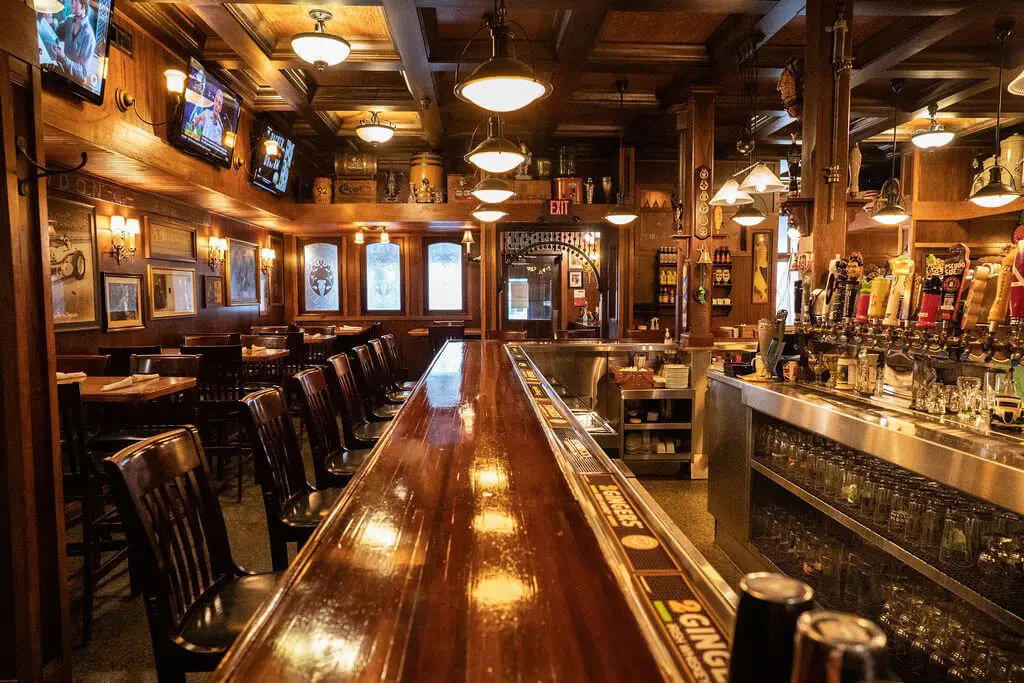
Lively neighborhood vibe with a fun, energetic atmosphere, moderate noise, and laid-back energy well-suited for gatherings.