
Tabelog 100 #86
Our verdict
Salmanje de Yoshino places French technique inside Kamakura’s ingredient culture, with fish and wine treated as the serious signals rather than decorative flourishes. Its Tabelog French EAST 100 selections in 2021, 2023, and 2025 put it in a selective regional bracket, while the small house-restaurant format keeps the experience closer to a coastal dining room than a city dining room.

Pearl is the En Primeur Club membership app, where members save venues, book tables and use the concierge.
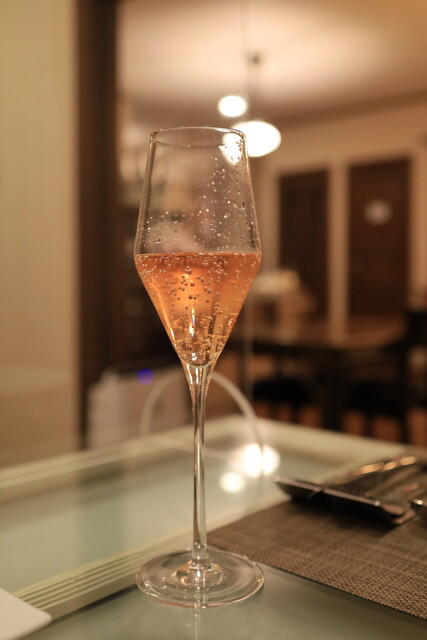
Kamakura changes the tempo before dinner begins. The city’s station-side energy soon gives way to quieter lanes, and the restaurant format here matters: a focused room in a historic coastal city reads differently from the Tokyo version of French dining. The point is not spectacle. It is proximity, to local rhythms, to smaller-scale service, and to a city where temple routes, bakeries, coffee rooms, and serious restaurants can sit within easy reach of one another.
That setting is the useful way to read Salmanje de Yoshino. Kamakura is not trying to behave like Ginza or Aoyama; its stronger dining rooms often work with scale, season, and locality rather than metropolitan theatre. French cuisine in this context becomes a framework for pacing, produce, wine, and service rhythm, not a costume imported wholesale from Paris. The restaurant’s selection for Tabelog French EAST 100 in 2025 gives the room a clear trust signal, but the more interesting point is what that recognition says about French cooking outside Japan’s larger dining capitals.
French technique measured against Kamakura's coastal supply
Ingredient sensibility is the central editorial lens here. The confirmed category marker is direct: French. In Kamakura, that label has a specific logic. The city sits within a wider Kanagawa food culture, so a French kitchen can feel less like a luxury genre and more like a disciplined response to place, scale, and the expectations of diners who come to Kamakura for more than a quick daytime stop.
Japan’s strongest French restaurants have long been fluent in local product, but Kamakura changes the scale of the conversation. The appeal is not a grand dining district with multiple trophy rooms on the same block. It is a smaller circuit where a serious lunch or dinner can sit beside long-running bread culture, coffee specialists, and casual local cooking. A diner comparing the city’s range might move through unnamed bakeries, cafés, and everyday counters, then understand why a compact French room has a different role in the same food map.
Wine and service cadence are part of how many diners read this kind of restaurant, but the better expectation is restraint rather than ceremony. French cooking in Japan often rewards clean pacing, careful technique, and produce handled for clarity. Without a confirmed chef biography or published signature dish to anchor the story, the more reliable assessment is structural: the room’s identity sits at the intersection of French method and Kamakura’s dining scale.
A small-room alternative to the city's casual daytime circuit
Kamakura’s dining character is split between day-trip utility and destination meals. The casual side is easy to read through bakeries, curry counters, coffee rooms, and cafés built around foot traffic from temples and the station. The higher-commitment side asks for planning and usually repays it with intimacy. Salmanje de Yoshino belongs to that second category: not a large-format dining room, but a more controlled restaurant experience within Kamakura’s broader food map.
Against the comparison set, the distinction is clear. Kamakura Lilian, KIBIYA Bakery Honten, La for e t et la table, and Grandir Ensemble sit in more everyday dining conversations, while ETE Kamakura occupies another kind of small-restaurant context. The French EAST 100 recognition moves Salmanje de Yoshino into a more selective regional frame, but the city keeps it from feeling detached from local life. This is the kind of Kamakura meal that makes sense when the day is planned around the restaurant rather than fitted between sightseeing stops.
The format also affects who should choose it. It suits diners looking for a deliberate meal rather than a quick pause in a sightseeing route, and that fits the city’s rhythm: a French table after a slow afternoon in Kamakura is more natural than treating the restaurant as an incidental stop. Practical details should be confirmed directly when booking, especially for access, payment, and reservation policies. That matters for any restaurant working with a planned service model; late changes can affect the kitchen as well as the guest.
How to place it in a wider Kamakura itinerary
For a food-focused Kamakura stay, Salmanje de Yoshino works as the serious anchor rather than the whole story. Use Our full Kamakura restaurants guide to build the dining side, then treat Our full Kamakura hotels guide, Our full Kamakura bars guide, Our full Kamakura wineries guide, and Our full Kamakura experiences guide as the planning frame around it. Kamakura rewards low-friction movement; the better schedules leave space between eating, walking, and temple visits rather than stacking reservations too tightly.
Readers mapping Japan more broadly can use this room as a contrast point. Tokyo’s dense restaurant culture, Osaka’s café and counter scenes, Kyoto’s small-format dining, and regional cities each express scale differently. For comparison across EP Club’s wider Japan and diaspora coverage, look to unnamed small rooms, counters, cafés, bars, and casual specialists in other cities. The comparison is less about cuisine matching than about how compact restaurants define a city’s food culture.
The editorial case is strongest for diners who care about a clear restaurant identity and prefer French technique when it serves the product rather than announcing itself. The Tabelog recognition supplies external validation, the Kamakura setting gives the restaurant a strong sense of place, and the listed budget places it in a considered-meal category: dinner at JPY 15,000 - JPY 19,999 and lunch at JPY 8,000 - JPY 9,999. In a city often reduced to temples and day trips, this is evidence that Kamakura’s dining culture has a serious evening register of its own.
Frequently asked questions
How do I find Salmanje de Yoshino?
Salmanje de Yoshino is located in Kamakura.
What should I budget for a meal at Salmanje de Yoshino?
Pricing at Salmanje de Yoshino is listed as dinner: JPY 15,000 - JPY 19,999; lunch: JPY 8,000 - JPY 9,999.
What are the opening hours for Salmanje de Yoshino?
Opening hours for Salmanje de Yoshino should be confirmed directly with the restaurant before visiting.
What's the standout thing about Salmanje de Yoshino?
The clearest draw is its Tabelog 100 French EAST 2025 selection, which gives the room objective weight before the menu even enters the picture. Add the Kamakura setting and the appeal is focused rather than sprawling.
Comparable Spots, Quickly
Comparable venues by cuisine and price in the same metro.
| Venue | Cuisine | Price | Awards | Notes |
|---|---|---|---|---|
| Salmanje de YoshinoThis venue (the venue you are viewing) | French restaurant in Kamakura | $100–150 | Tabelog 100 #86 | Not listed |
| ナチュール エ サンス Nature et Sens | Seasonal French | $50–100 | Not listed | Kamakura |
| フィエルテ | French Fine Dining | $100–150 | Tabelog 100 #3 | Kamakura |
| ETE Kamakura | French Bistro | $50–100 | Not listed | Kamakura |
| Kamakura Waku | Seasonal Japanese Kaiseki | $50–100 | Tabelog 100 #56 | Kamakura |
| Iwata Coffee Ten | Traditional Japanese kissaten & pancake cafe | $10–20 | Tabelog 100 | Kamakura |
Recognition history
Dated appearances from independent guides and award organizations, with the underlying list record or original source where available.
Tabelog 100 #86 · No. 86
Tabelog · Tabelog 100 - French - EAST - 2025
Continue exploring
More in Kamakura
Restaurants in Kamakura
All restaurants in Kamakura →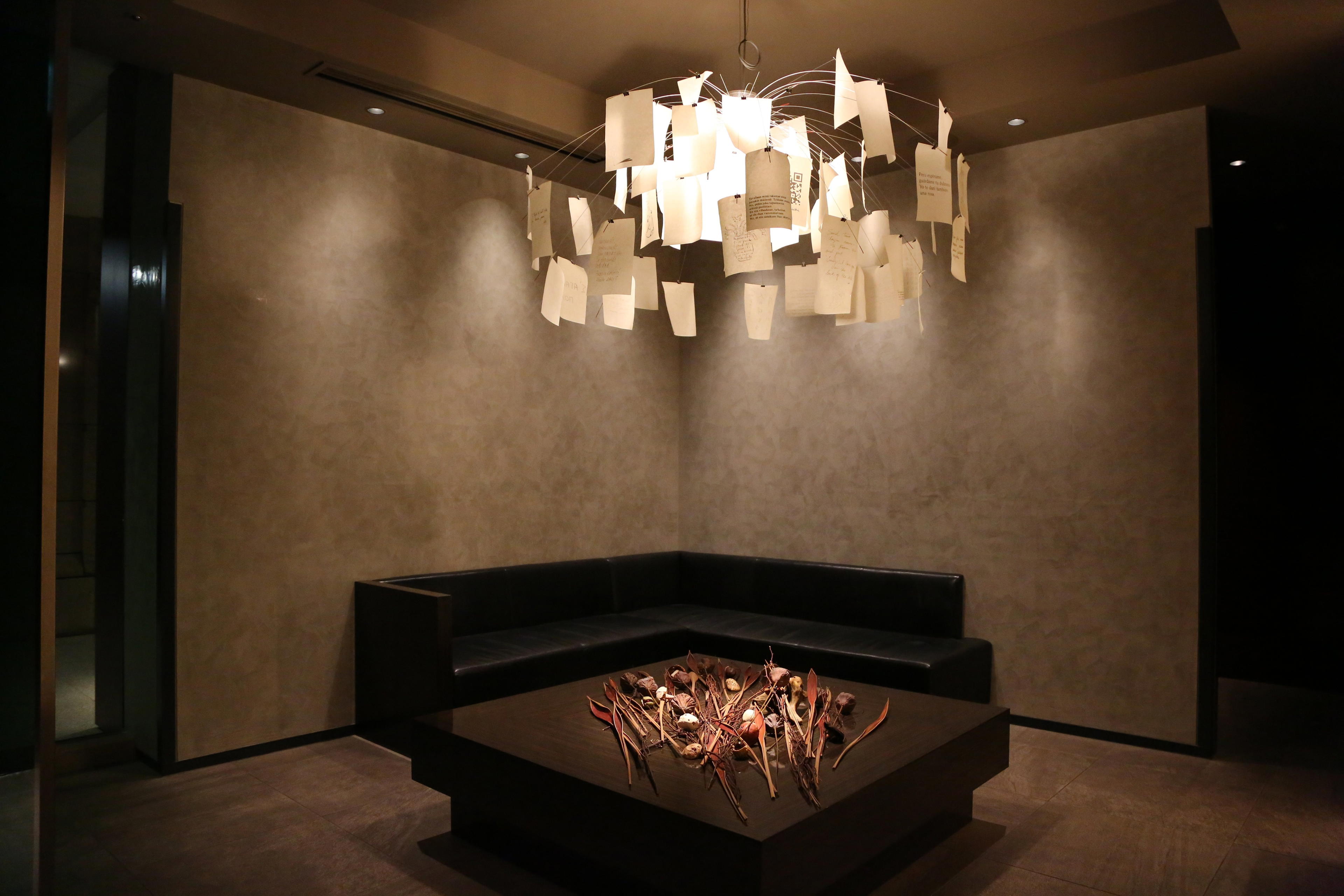

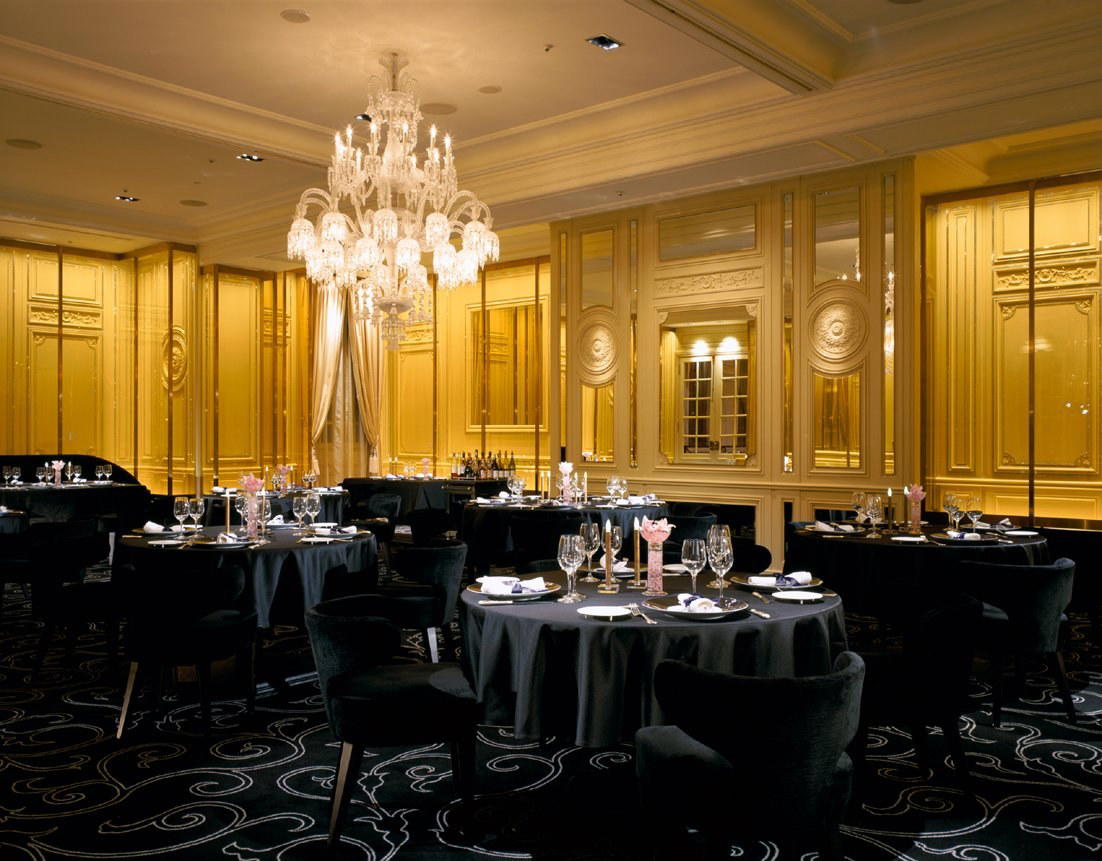


Bars in Kamakura
Browse all →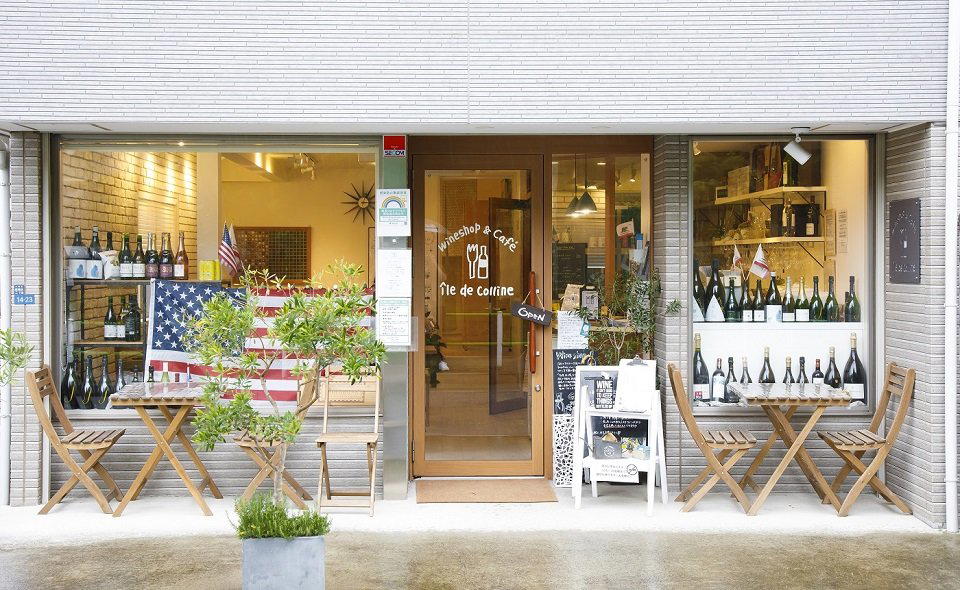


Details
- Cozy
- Quiet
- Intimate
- Date Night
- Special Occasion
- Business Dinner
- Solo
- Standalone
- Extensive Wine List
- Street Scene
- Set Menu
- A La Carte
- Wine
Current opening hours
- Monday
- 11:30 AM–1 PM, 6–8 PM
- Tuesday
- Closed
- Wednesday
- Closed
- Thursday
- 11:30 AM–1 PM, 6–8 PM
- Friday
- 11:30 AM–1 PM, 6–8 PM
- Saturday
- 11:30 AM–1 PM, 6–8 PM
- Sunday
- 11:30 AM–1 PM, 6–8 PM
Hours can change for holidays and private events. Hours as of .
Calm and relaxed with spacious table layout, plenty of natural light from multiple windows, and a quiet, adult-oriented atmosphere suited to leisurely French course dining.