


Salitre holds a Michelin Plate on A Coruña's seafront promenade, serving traditional Galician cooking anchored in the Atlantic larder. The caldeirada de pescado and rice dishes represent the kitchen's commitment to regional technique over reinvention. At the €€€ price point, it occupies the mid-upper tier of the city's traditional dining scene, drawing a loyal 4.6-star rating across 557 reviews.
Pearl is the En Primeur Club membership app — saves, bookings, and concierge access live there. Same editors, same standards.
- Address
- P.º Marítimo Alcalde Francisco Vázquez, 25, 15002 La Coruña, A Coruña, Spain
- Phone
- +34 981 92 32 53
- Website
- salitrecoruna.com
- Directions
- Get directions
 Saves & bookings on Pearl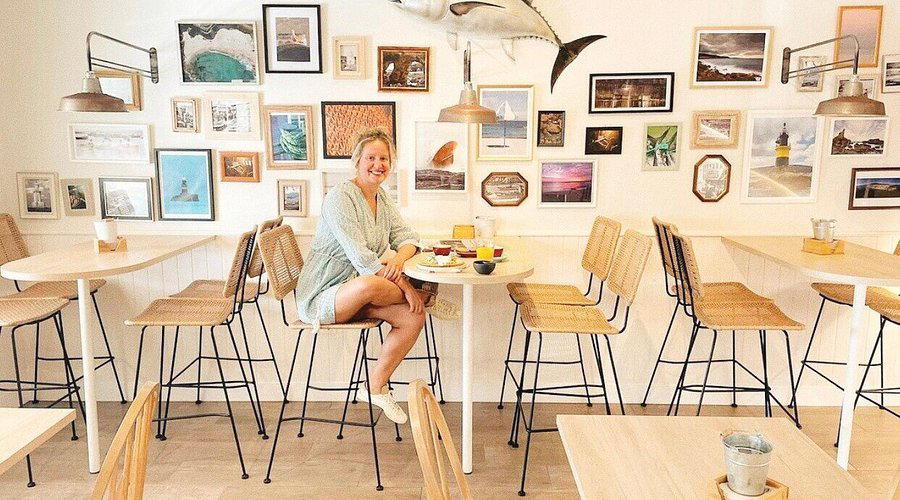
Where the Atlantic Arrives at the Table
Paseo Marítimo Alcalde Francisco Vázquez is one of those seafront promenades that makes a case for a city before you've sat down anywhere. The ocean is immediately present, the light changes with the tide, and the line of restaurants along this stretch has, over decades, developed a shorthand for what Galician cooking at its most direct looks like: fish pulled from cold Atlantic water, rice cooked in the stock of what wasn't sold at market, and wine poured without ceremony from the region's own vineyards. Salitre occupies a specific position on this promenade and in this tradition, holding a Michelin Plate (2024) while staying committed to the kind of cooking that doesn't announce itself.
Traditional Galician Cooking and Its Place in A Coruña's Dining Scene
A Coruña's restaurant scene has split over the past decade in a pattern visible across Spanish coastal cities. On one side, a tier of creative and modern kitchens has emerged, typified locally by Árbore da Veira at the €€€ level and venues like 55 Pasos applying a contemporary lens to Spanish ingredients. On the other, a smaller cohort of traditional Galician kitchens has maintained focus on technique and regional product rather than reinvention. Salitre belongs to the latter. Its Michelin Plate sits alongside its position at the €€€ price point, placing it above the informal midrange but without the pretension of tasting-menu formalism.
For comparison, Artabria occupies the traditional cuisine bracket in A Coruña, and A Espiga represents the farm-to-table end of locally sourced Galician cooking. Salitre's identity is distinct from both: it is a seafront restaurant built around the products of the sea, and it makes no claim to being anything else. That clarity of purpose is worth something in a city where the fishing industry shapes both what arrives in kitchens and what diners expect on their plates.
The Dishes That Define the Kitchen
The caldeirada de pescado is the dish that leading explains what Salitre is doing. Caldeirada is one of Galicia's foundational preparations: a layered fish stew built from local catch, potatoes, onion, and paprika, finished with good olive oil. The version served here draws on that tradition directly. It is a dish that rewards the kitchen's knowledge of fish quality and timing more than technique or innovation. Getting it right means sourcing what arrived that morning and cooking it without overreaching. The savoury rice dishes on the à la carte operate on the same logic. Rice cooked in shellfish or fish stock is a format where the quality of the base determines everything, and in a city with Galicia's access to percebes, berberechos, and the day's catch from the nearby Rías Altas, that base can be exceptional.
These are not dishes designed to surprise. They are dishes designed to be the definitive version of what they are, and in that ambition they align with the broader Galician culinary posture, one that prioritises product fidelity over novelty. Galicia has produced chefs working at the frontier of Spanish cooking, some of whom appear in the broader EP Club Spain selection alongside Aponiente, Arzak, DiverXO, El Celler de Can Roca, Quique Dacosta, and Azurmendi. Salitre is not competing in that register, and it doesn't need to. Its Michelin Plate signals something different: consistent quality within a defined tradition, the kind of recognition that validates rather than transforms.
The Wine Angle: Galicia's Own Cellar
Any serious Galician table is also, implicitly, an argument for the wines of the region. Galicia produces some of the most distinctive whites in Spain, led by Albariño from Rías Baixas but extending into the less-travelled appellations of Ribeiro, Valdeorras, and Ribeira Sacra. A seafront restaurant of Salitre's standing at the €€€ price point is expected to hold a wine list that maps to its food: high-acid Atlantic whites that can carry the minerality of shellfish and the weight of a caldeirada without overpowering either.
Ribeiro, in particular, deserves more attention than it typically receives outside Galicia. Its blended whites, often built on Treixadura with Torrontés and Lado, have the texture to work with rice dishes in a way that a single-varietal Albariño sometimes cannot. Valdeorras Godello brings structure and length. These are not the wines that appear in most international lists, but at a regional table they are the correct pairing, and a well-curated Galician cellar tells you a great deal about a restaurant's relationship to its own territory. Salitre's positioning and recognition suggest a wine offer that leans into that regional identity rather than defaulting to a generic Spanish or international selection. For visitors, the wine list is as much a route into Galician wine culture as the food is into Galician cooking. The two are inseparable here in a way they aren't in most other Spanish regions.
For a broader view of Galician-focused restaurants at different price points and styles, As Garzas in Barizo and Ceibe in Ourense represent how the tradition travels across the region, and A Mundiña in A Coruña itself offers another local reference point.
Planning Your Visit
Salitre sits on Paseo Marítimo Alcalde Francisco Vázquez, address number 25, in the 15002 postcode of La Coruña. The seafront location means the restaurant is accessible on foot from central A Coruña, and the promenade itself is worth arriving early to walk before sitting down. The €€€ price range positions it as an occasion restaurant rather than an everyday spend, though in Galician terms that remains reasonable relative to comparable quality elsewhere in Spain. No booking method is listed in available data, so checking directly or arriving with time to spare during off-peak hours is the practical approach.
For the fuller picture of the city's dining, drinking, and lodging options, the EP Club guides to A Coruña restaurants, A Coruña hotels, A Coruña bars, A Coruña wineries, and A Coruña experiences cover the city across all categories.
Category Peers
| Venue | Cuisine | Price | Awards |
|---|---|---|---|
| SalitreThis venue — the venue you are viewing | Galician | €€€ | Not listed |
| NaDo | Gallician, Creative | Not listed | Gallician, Creative, €€ |
| Árbore da Veira | Creative | €€€ | Michelin 1 Star |
| El de Alberto | Modern Cuisine | Not listed | Modern Cuisine, €€ |
| Miga | Traditional Cuisine | Not listed | Traditional Cuisine, €€ |
| Omakase | Japanese | Not listed | Japanese, €€€ |
Recognition history
Dated appearances from independent guides and award organizations, with the underlying list record or original source where available.
Guía Repsol 1 Sol
Guía Repsol
Macarfi 7.7 Food Rating
Macarfi
Michelin Plate
Michelin
Michelin Plate
Michelin
Michelin Plate
Michelin
Continue exploring
More in A Coruña
Restaurants in A Coruña
Browse all →
At a Glance
- Elegant
- Scenic
- Modern
- Sophisticated
- Date Night
- Business Dinner
- Group Dining
- Family
- Special Occasion
- Waterfront
- Panoramic View
- Open Kitchen
- Extensive Wine List
- Sommelier Led
- Local Sourcing
- Sustainable Seafood
- Waterfront
Current opening hours
- Monday
- Closed
- Tuesday
- Closed
- Wednesday
- 1:30–3:30 PM
- Thursday
- 1:30–3:30 PM, 8:30–11 PM
- Friday
- 1:30–3:30 PM, 9–11 PM
- Saturday
- 1:30–3:30 PM, 9–11 PM
- Sunday
- 1:30–3:30 PM
Hours can change for holidays and private events. Last verified .
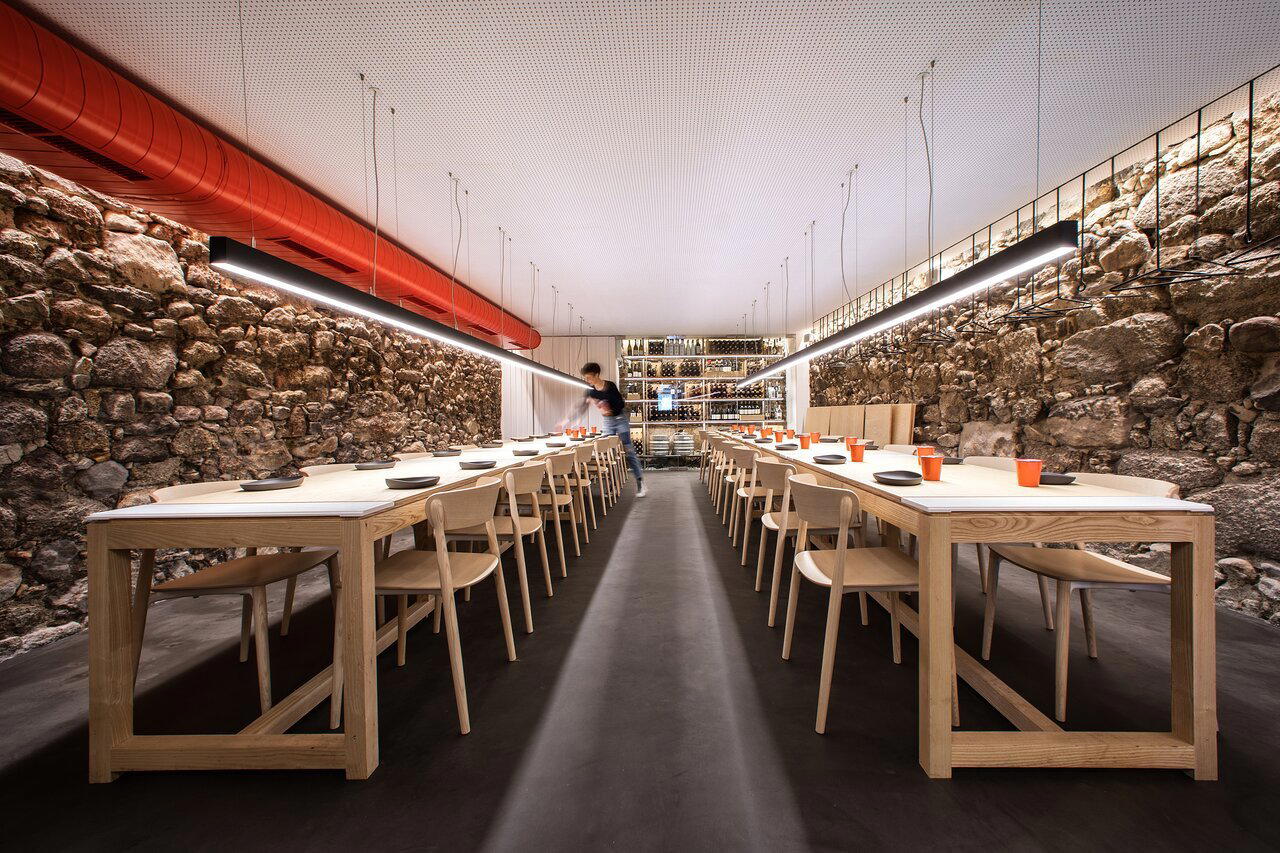
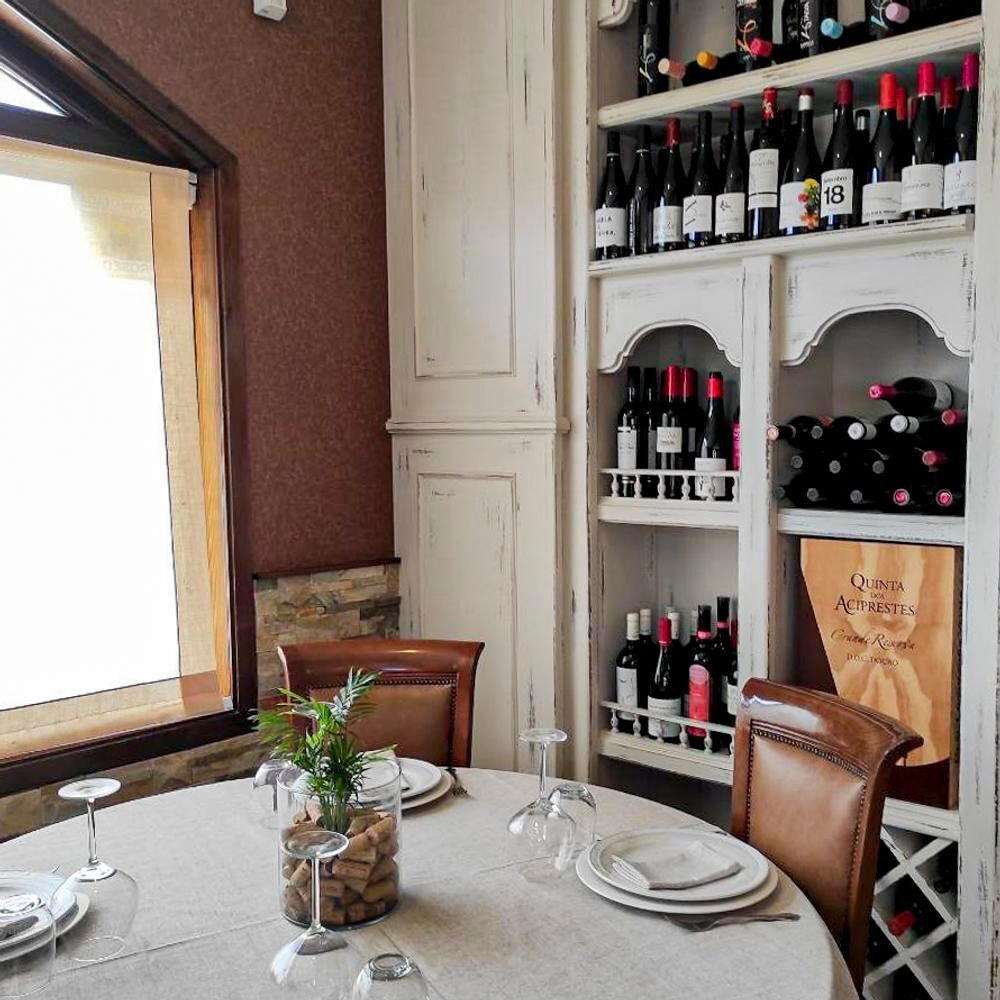
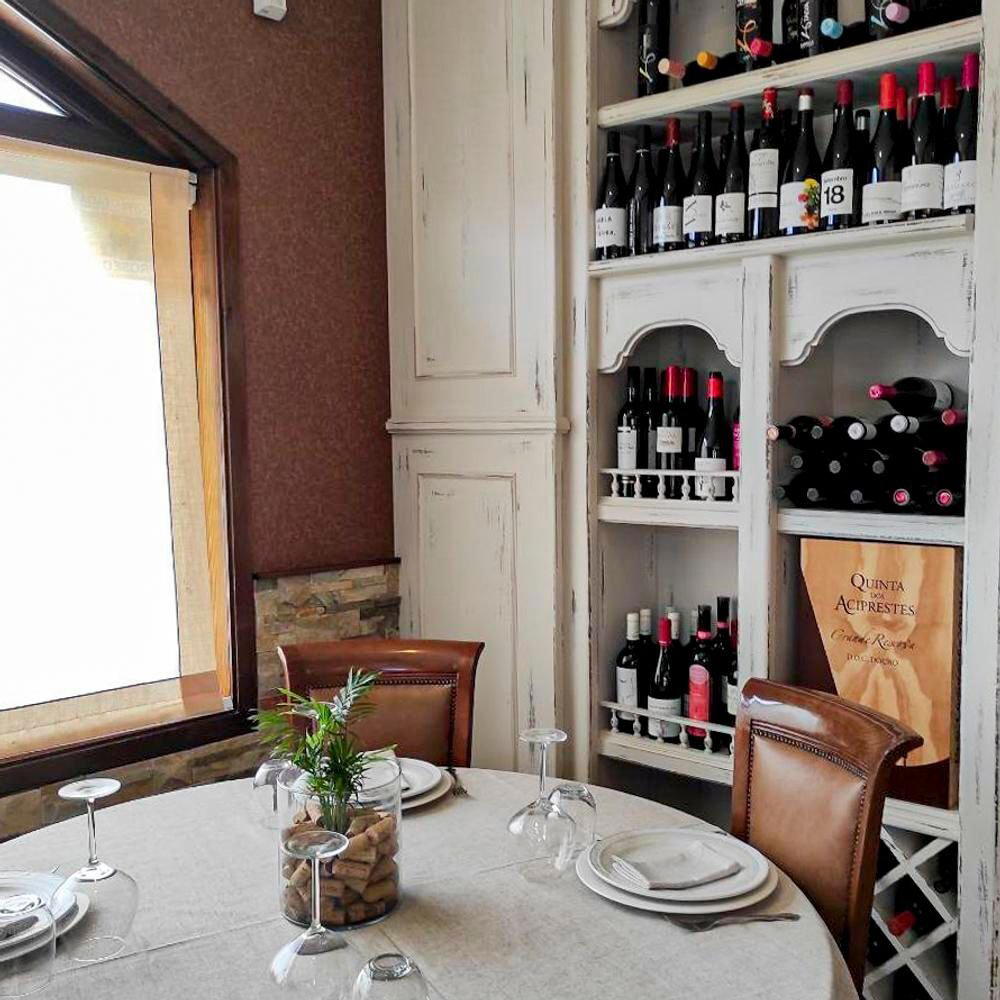
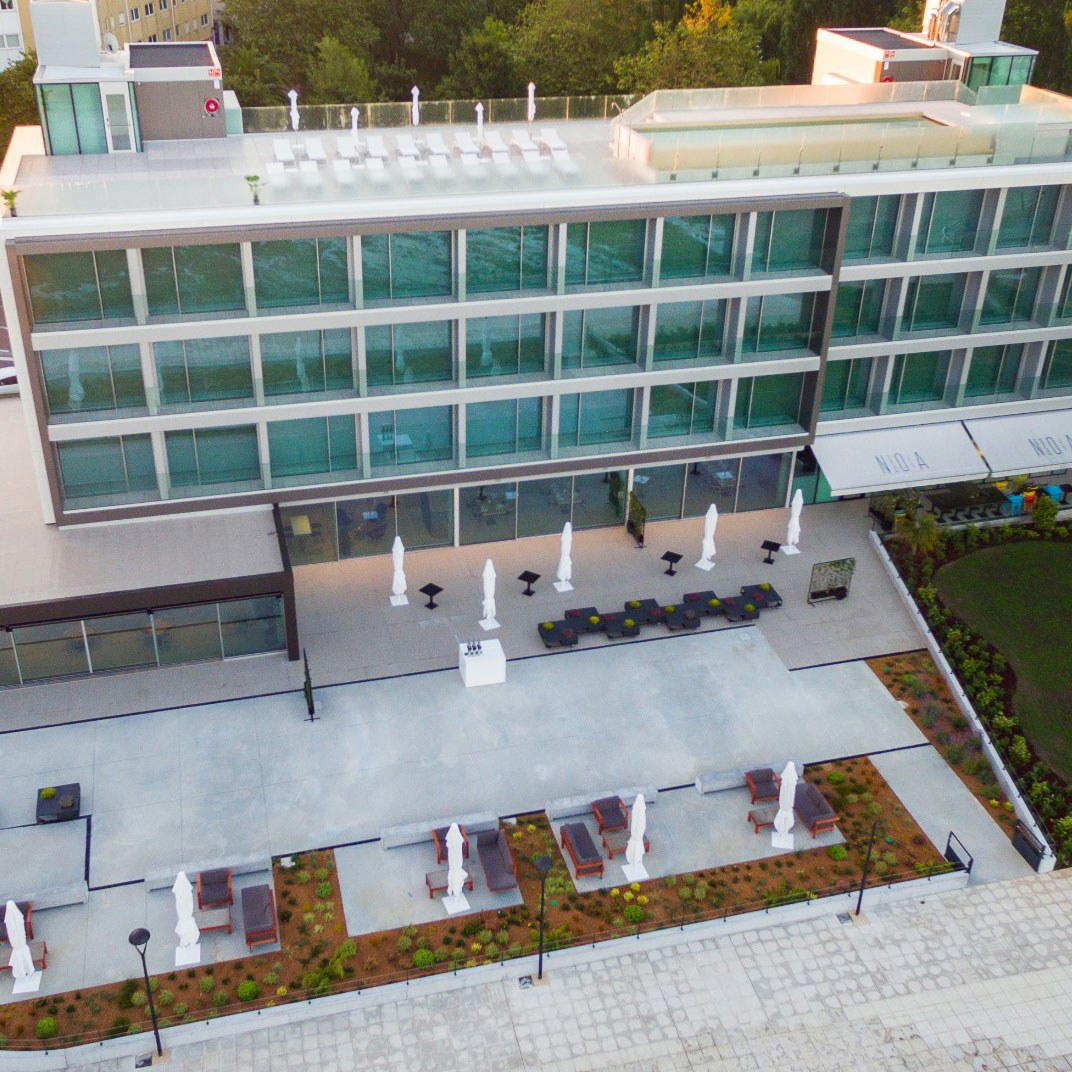
Modern, spacious, and intelligently decorated with abundant natural light from large glass frontage overlooking the sea; minimalist aesthetic with round tables spaced far apart for privacy.
Know Before You Go
- Getting there
- P.º Marítimo Alcalde Francisco Vázquez, 25, 15002 La Coruña, A Coruña, Spain