


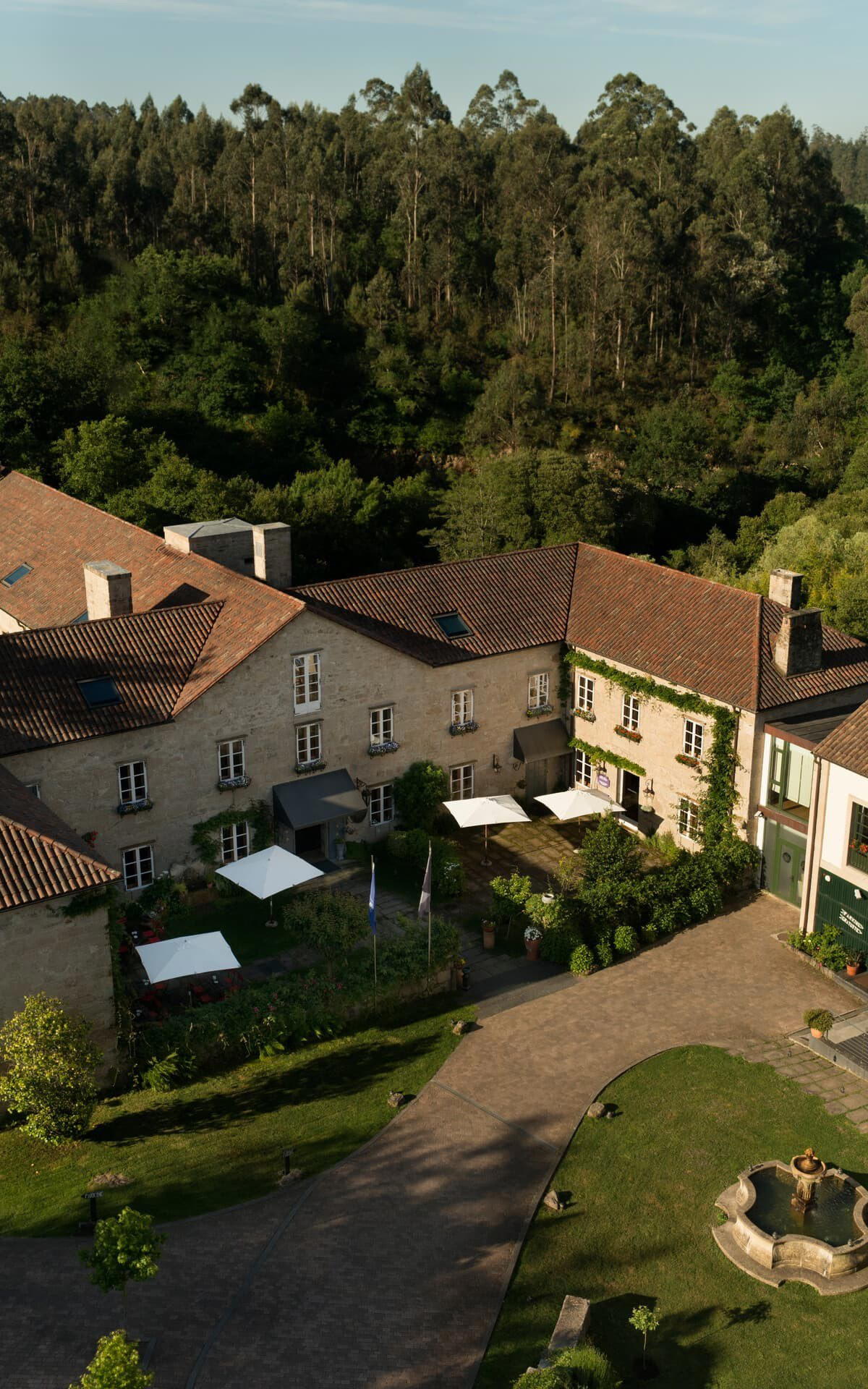
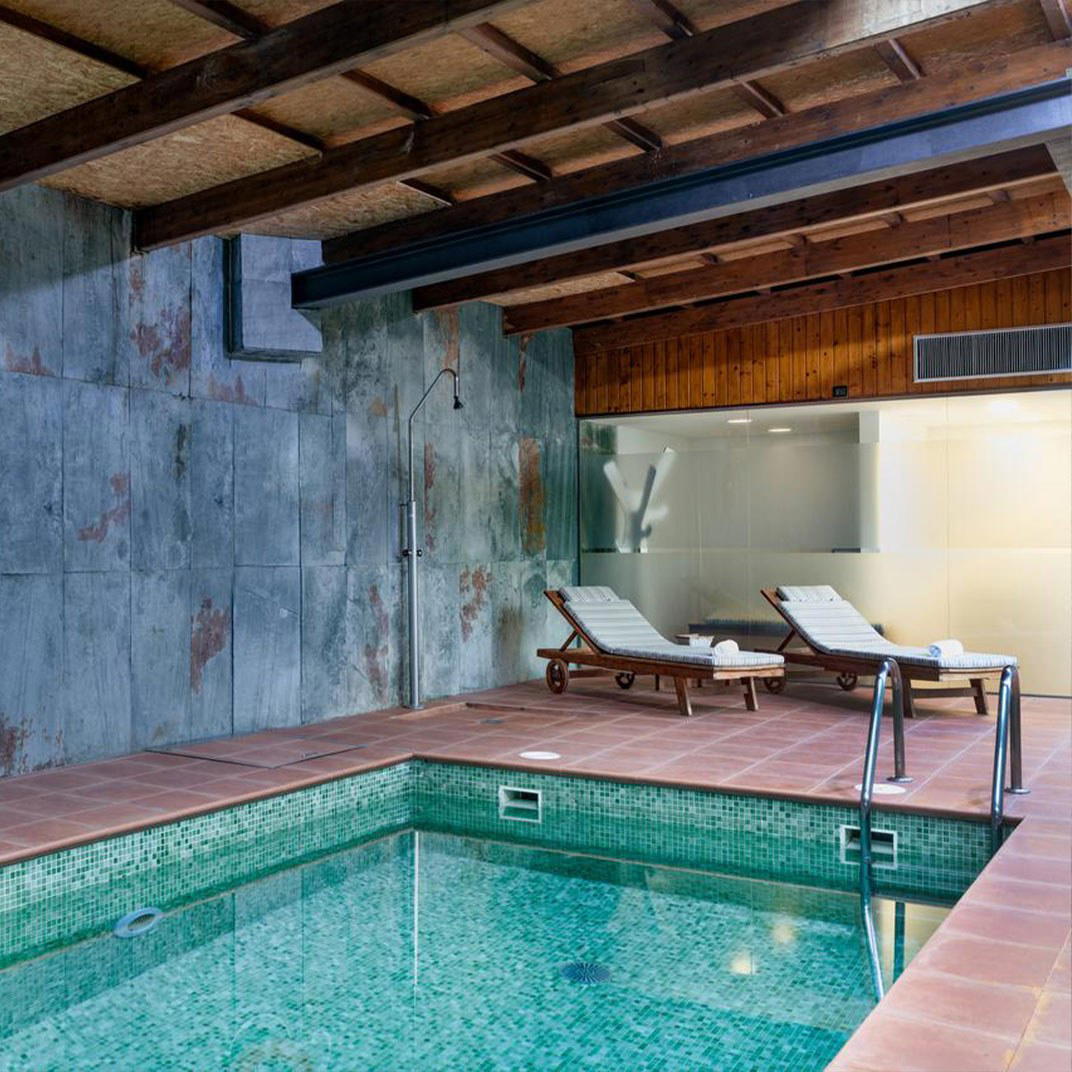
A Michelin-starred restaurant on the Costa da Morte, As Garzas sits above the Atlantic at Porto de Barizo, where the rugged Galician coastline frames a tasting menu built entirely around seasonal, hyper-local ingredients. Chef Fernando Agrasar runs the kitchen alongside his family, with head chef Eva Fares shaping a contemporary approach to Galicia's seafood and produce traditions. A handful of rooms allow guests to extend the stay into the following morning.
Pearl is the En Primeur Club membership app — saves, bookings, and concierge access live there. Same editors, same standards.
- Address
- Porto de Barizo, 40, 15113 Malpica, A Coruña, Spain
- Phone
- +34 981 72 17 65
- Website
- asgarzas.com
- Directions
- Get directions
 Saves & bookings on Pearl
Where the Land Runs Out
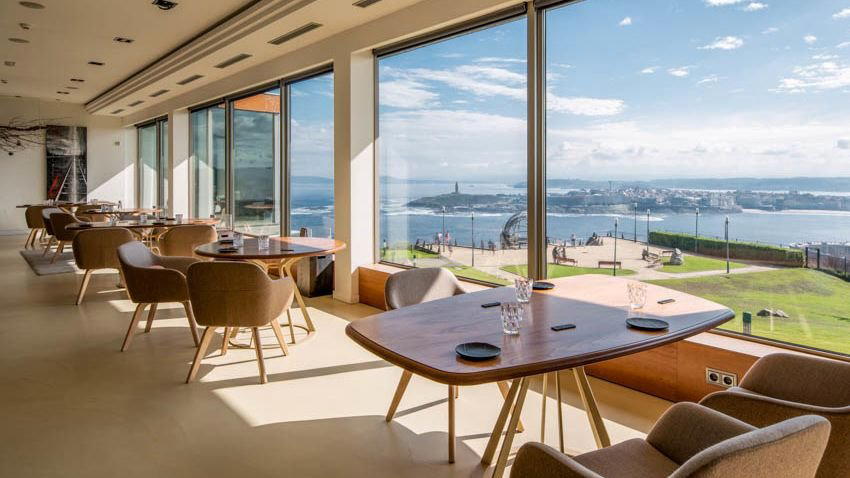
The Costa da Morte, Galicia's "Coast of Death," earned its name from centuries of Atlantic shipwrecks along its granite headlands. Today, that same isolation that once made the coastline treacherous is precisely what draws a particular kind of traveller: one willing to drive two hours from Santiago de Compostela along narrow coastal roads to reach a restaurant perched at the edge of the continent. As Garzas sits at Porto de Barizo, a small fishing harbour in Malpica de Bergantiños, where the ocean doesn't function as backdrop so much as the central argument for everything on the plate. The dining room's picture windows face directly onto the cliffs and the swell, and the kitchen takes its cues from what arrives locally, seasonally, and — on the leading days — from both sea and hinterland simultaneously.
This is not a remote outpost compensated by ambition alone. As Garzas holds a Michelin star (2024), placing it within Spain's broader constellation of regionally rooted fine dining, a category that has grown considerably since El Celler de Can Roca in Girona and Arzak in San Sebastián demonstrated that the country's most compelling cooking doesn't require a capital city address. Within Galicia specifically, the recognition is meaningful: the region's food culture rests on ingredient fidelity rather than technique spectacle, and a Michelin star earned in that tradition signals something different from the progressive, high-intervention formats seen at places like DiverXO in Madrid or Azurmendi in Larrabetzu.
The Source of Everything
Galician cuisine has always been defined by geography rather than fashion. The rias, the deep coastal inlets carved by glacial retreat, produce shellfish of unusual quality: percebes (barnacles), navajas (razor clams), and vieiras (scallops) that supply both village pulperías and starred kitchens. The agricultural interior, particularly the valleys around Coristanco, yields vegetables with the kind of flavour concentration that comes from Atlantic rainfall and granite soils. At As Garzas, this dual geography isn't treated as a marketing position; it functions as the structural logic of the menu.
The tasting menu rotates with the seasons, drawing from that local network of producers and fishermen rather than from a fixed canon of signature preparations. The sourcing is visible in specific ways: teardrop peas from Coristanco, for instance, appear as a named component alongside red mullet with seaweed pil-pil, a preparation that uses the emulsifying technique from Basque tradition but applies it to Atlantic seaweed, connecting the kitchen to both regional identity and broader Spanish culinary conversation. This kind of cross-referencing, hyper-local ingredients, wider technical vocabulary, defines the more interesting tier of contemporary Galician cooking, and As Garzas operates squarely within it.
The à la carte menu runs parallel to the tasting format, with daily fish specials, savoury rice dishes, and time-honoured Galician classics alongside the contemporary preparations. This dual structure matters: it means the restaurant serves a community function as well as a destination-dining one, and the kitchen's relationship with local suppliers is sustained by actual volume, not seasonal performance. For the sourcing to stay honest, the restaurant has to be a consistent buyer, and that consistency is only possible when the menu reflects the full range of what's available, not just the photogenic extremes.
A Family Kitchen at the End of Spain
Family structure of the kitchen at As Garzas is unusual even within Spain's tradition of family-run restaurants, where the format is common but the degree of integration varies. Here, chef Fernando Agrasar leads the kitchen, his wife manages front of house, his eldest son handles bread and desserts, and Eva Fares, head chef and family member by partnership, oversees day-to-day culinary operations. This isn't a detail about who the people are; it's a detail about how the kitchen works. The continuity between front and back of house, the shared stake in the restaurant's reputation, and the generational transfer of knowledge all shape the kind of consistency that's difficult to achieve with conventional staffing structures.
Spain's starred restaurants that have sustained recognition over time tend to share this characteristic. Martin Berasategui in Lasarte-Oria built a multi-property group from a single family operation. Arzak passed from Juan Mari Arzak to his daughter Elena. The model recurs because it works: institutional knowledge, shared risk tolerance, and genuine investment in long-term quality over short-term positioning. At As Garzas, the scale is smaller, a single restaurant in a remote harbour, but the operating logic is the same.
Arriving, Staying, Planning
The restaurant operates on a schedule that reflects its dual identity as both a destination and a local institution. Lunch service runs Thursday through Sunday, from 1:30 PM to 3:00 PM; Friday and Saturday evenings add a dinner service from 9:00 PM to 10:15 PM. Monday and Tuesday are closed. The limited service windows mean booking ahead is necessary, particularly for weekend dinners and for anyone combining the meal with an overnight stay. As Garzas has a small number of rooms for guests who choose to remain for the night, a practical option given the driving distance from Santiago de Compostela and A Coruña, and a worthwhile one given the quality of the setting at dawn, when the harbour lights are still visible against the early Atlantic sky.
The price range sits at €€€, positioning As Garzas below the €€€€ tier occupied by Spain's three-star restaurants, Aponiente in El Puerto de Santa María, Cocina Hermanos Torres in Barcelona, Mugaritz in Errenteria, and Quique Dacosta in Dénia, while remaining in the serious dining tier. Within Galicia, this places it in a distinct category from the region's village seafood restaurants and market-stall pulperías, but the distance in format and price is smaller than the Michelin star might imply. The cooking is technically accomplished and the sourcing is careful, but the atmosphere is not formal in the manner of large urban starred restaurants. The view, the family service, and the Atlantic setting keep the register from tipping into the ceremonial.
For a restaurant of this scale and remoteness, that breadth of review is notable: it reflects visitors arriving specifically for the food alongside locals who return for the à la carte and the daily specials.
For broader context on eating and staying along this stretch of the Galician coast, our full Barizo restaurants guide covers the wider dining options in the area, and our Barizo hotels guide includes accommodation across different price points. If you're extending a trip through Galicia, Ceibe in Ourense and A Mundiña in A Coruña represent the region's Galician cooking in different urban registers. The Barizo bars guide, wineries guide, and experiences guide provide additional planning depth for the surrounding area. For those comparing As Garzas against the wider canon of Spanish regional fine dining, Atrio in Cáceres and Ricard Camarena in València offer useful reference points for how starred kitchens elsewhere in Spain handle the tension between local identity and technical ambition.
How As Garzas Barizo compares with similar nearby venues.
| Venue | Cuisine | Price | Awards |
|---|---|---|---|
| As Garzas | Galician | €€€ | Michelin 1 Star |
| A Mundiña | Galician | €€ | Not listed |
| Salitre | Galician | €€€ | Not listed |
| Ceibe | Galician | €€€€ | Not listed |
| Casa Barqueiro | Galician | €€ | Not listed |
| Ó Fragón | Galician | €€ | Not listed |
Recognition history
Dated appearances from independent guides and award organizations, with the underlying list record or original source where available.
Guía Repsol 2 Soles
Guía Repsol
Macarfi 9 Food Rating
Macarfi
Michelin 1 Star
Michelin
Michelin 1 Star
Michelin
Michelin 1 Star
Michelin
Continue exploring
More in Barizo
Restaurants in Barizo
Browse all →
At a Glance
- Romantic
- Scenic
- Elegant
- Intimate
- Date Night
- Special Occasion
- Celebration
- Panoramic View
- Terrace
- Waterfront
- Private Dining
- Sommelier Led
- Local Sourcing
- Waterfront
Current opening hours
- Monday
- Closed
- Tuesday
- Closed
- Wednesday
- 1:30–3 PM
- Thursday
- 1:30–3 PM
- Friday
- 1:30–3 PM, 9–10:15 PM
- Saturday
- 1:30–3 PM, 9–10:15 PM
- Sunday
- 1:30–3 PM
Hours can change for holidays and private events. Last verified .
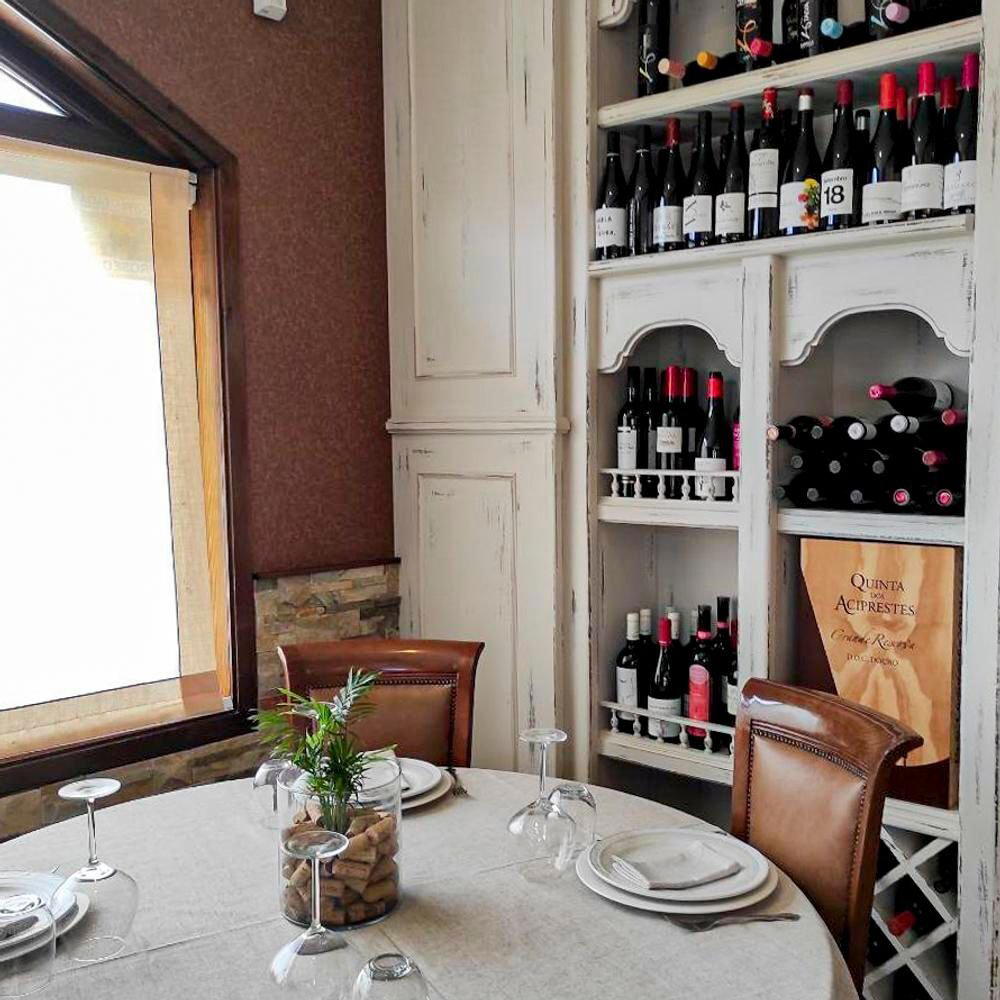
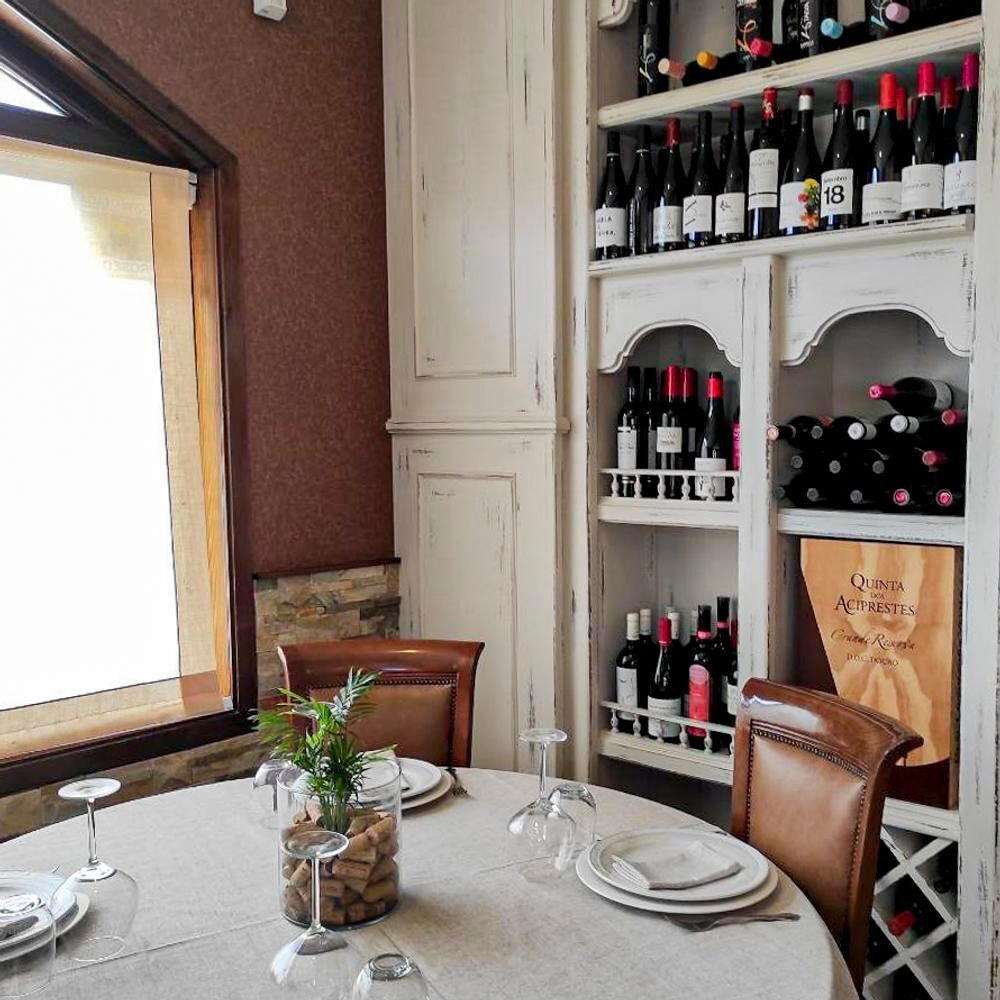
Light, elegant dining room with floor-to-ceiling windows overlooking dramatic coastal cliffs and ocean; serene and refined atmosphere with contemporary styling.
Know Before You Go
- Getting there
- Porto de Barizo, 40, 15113 Malpica, A Coruña, Spain