Saladang
Our verdict
Saladang has anchored the South Fair Oaks dining corridor in Pasadena for years, drawing a loyal crowd to one of the San Gabriel Valley's more characterful Thai kitchens. The room carries a distinct personality that separates it from the valley's utilitarian strip-mall format, and the kitchen applies genuine care to dishes that repay close attention. A Pasadena constant in a neighborhood that keeps evolving.

Pearl is the En Primeur Club membership app, where members save venues, book tables and use the concierge.
The menu
What to order
- Papaya Pok Pok
- Sizzling beef with peanut sauce
South Fair Oaks and the Thai Kitchen That Defined a Block
Fair Oaks Avenue south of Colorado Boulevard operates as one of Pasadena's more interesting dining corridors, distinct from the Old Town tourist circuit and from the relentless strip-mall geometry of the eastern San Gabriel Valley. The block has accumulated restaurants with actual staying power rather than cycling through high-turnover concepts, and Saladang at 363 S Fair Oaks Ave has become one of its fixed points. That kind of longevity in Southern California's restaurant culture is not automatic. It requires a kitchen that keeps a regular clientele returning and a room that holds enough personality to justify the choice over the dozens of Thai options spread across the broader valley.
Thai cooking in the San Gabriel Valley sits in a complicated position. The SGV is among the most culinarily dense corridors in the United States, with serious competition at every price point. The Thai restaurants that carve a lasting place tend to do so either through hyperspecialization in regional subcuisines or through a combination of consistent execution and a room that functions as a genuine neighborhood gathering space rather than a takeout staging area. Saladang has operated in the latter category, building a dining room experience with enough character to hold its own against the broader valley competition.
The Room and What It Signals
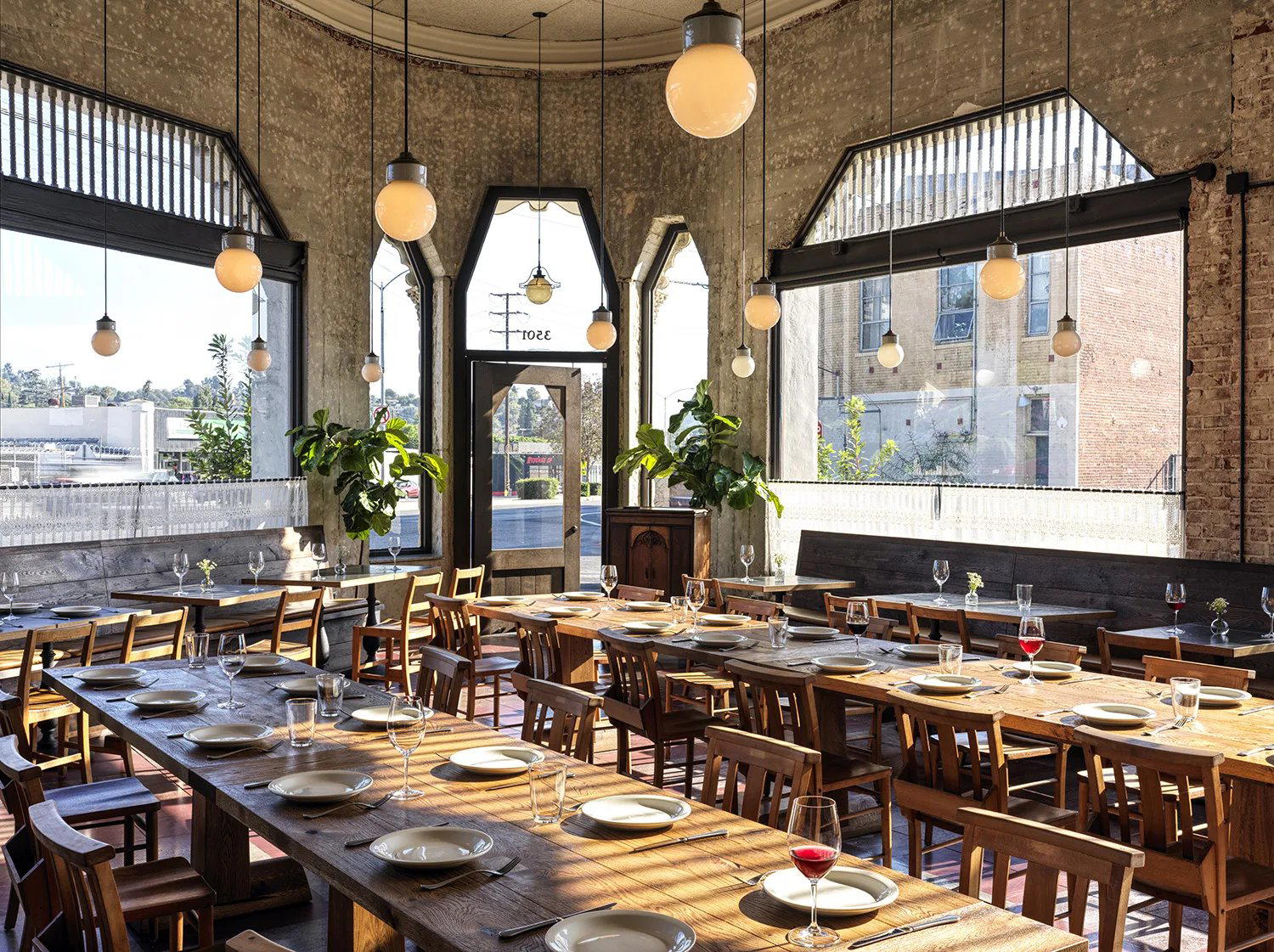
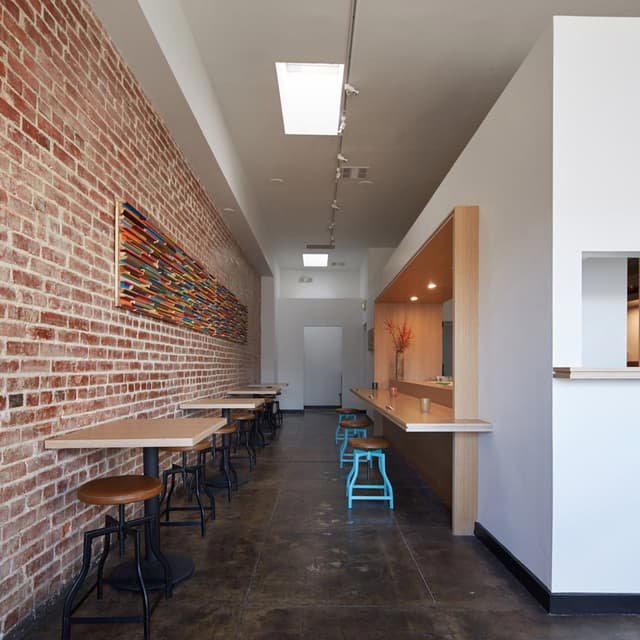
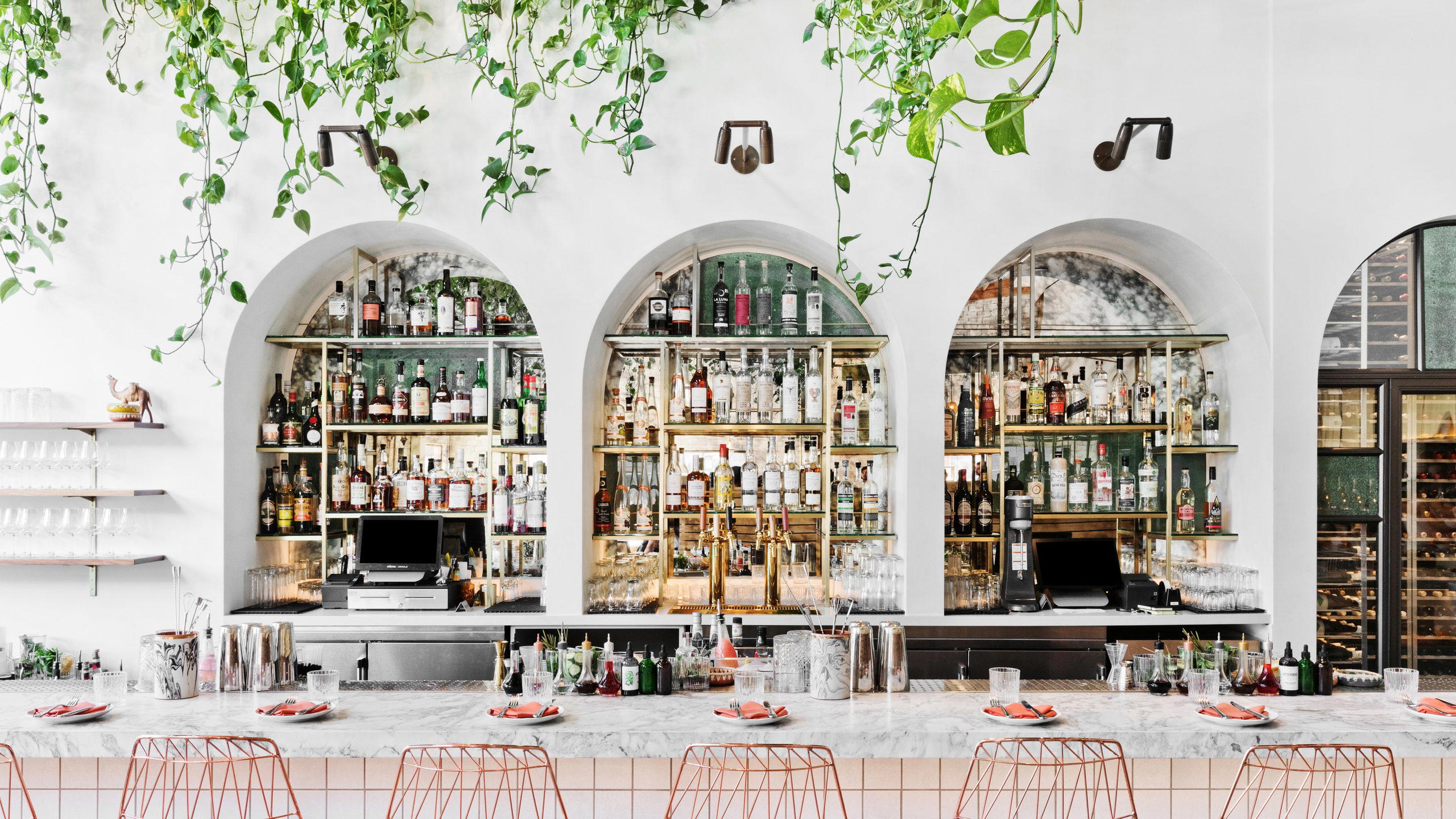
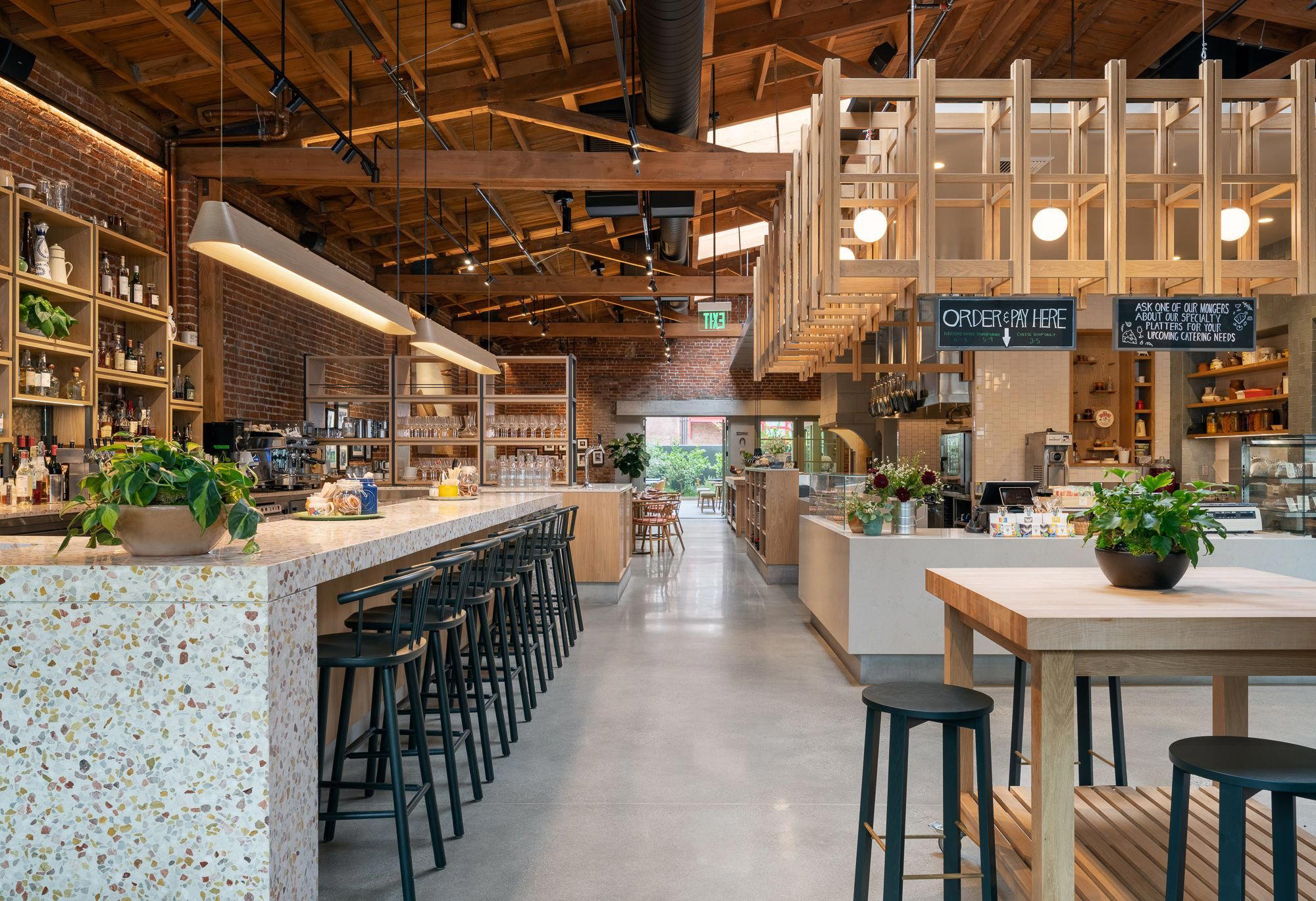
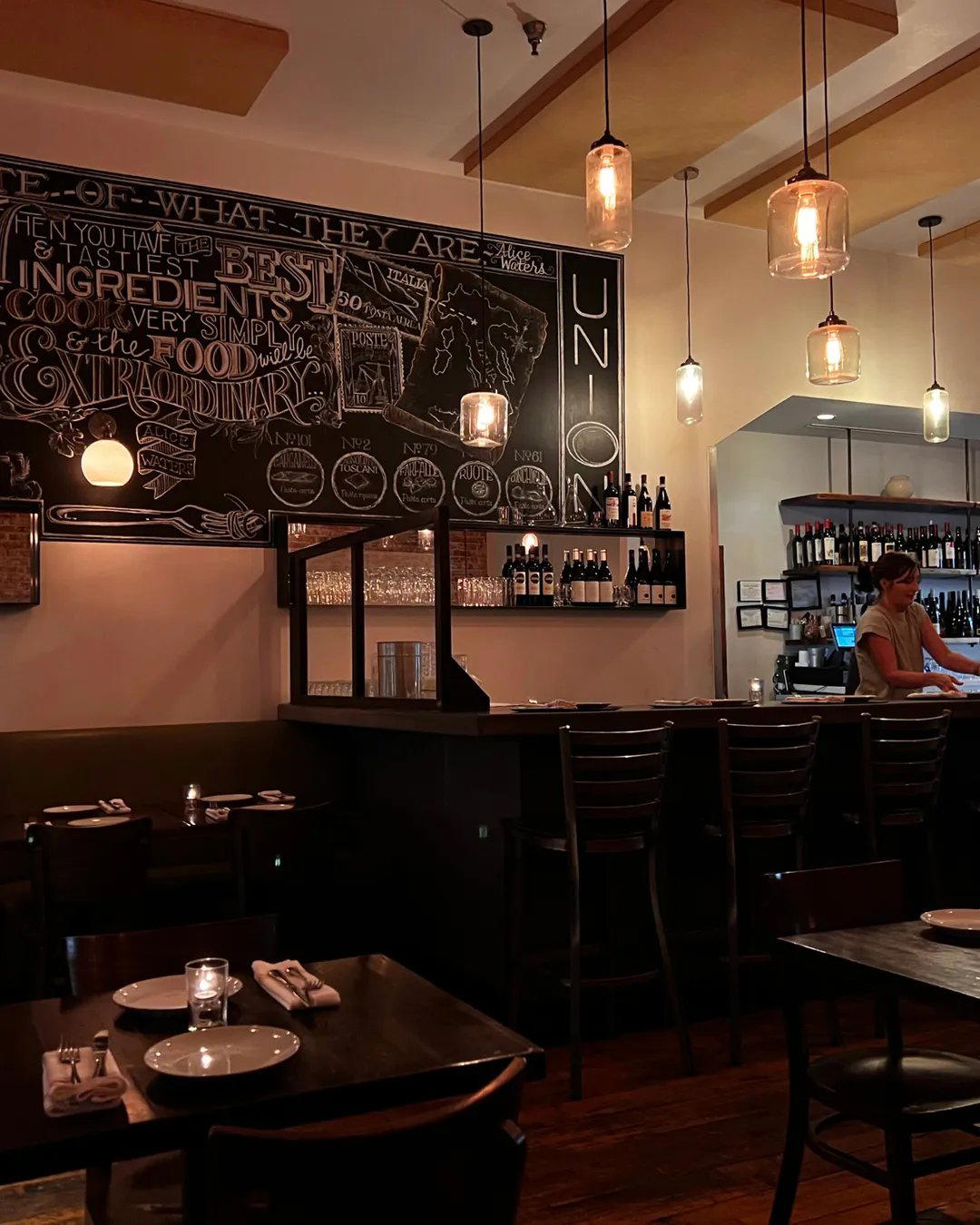
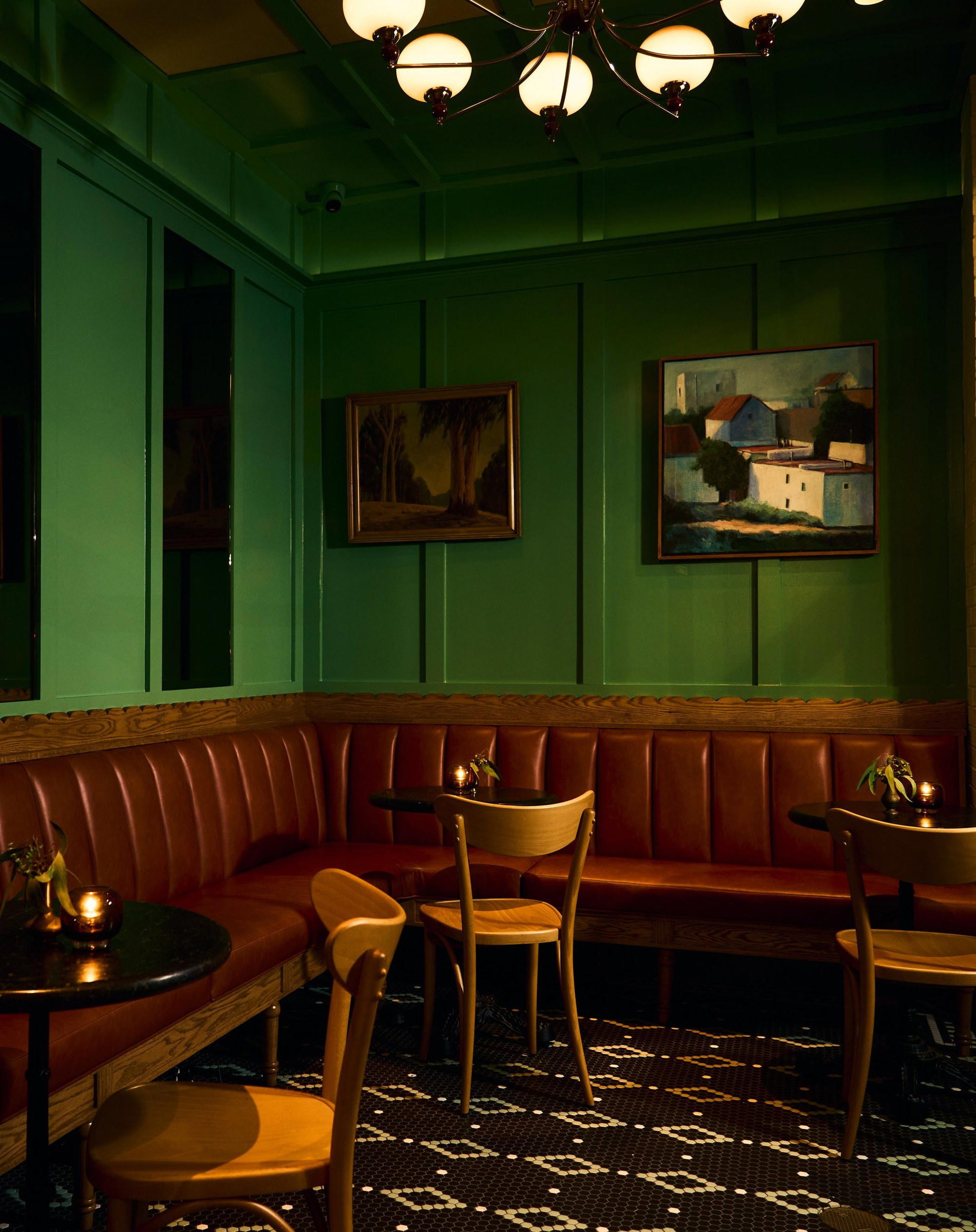
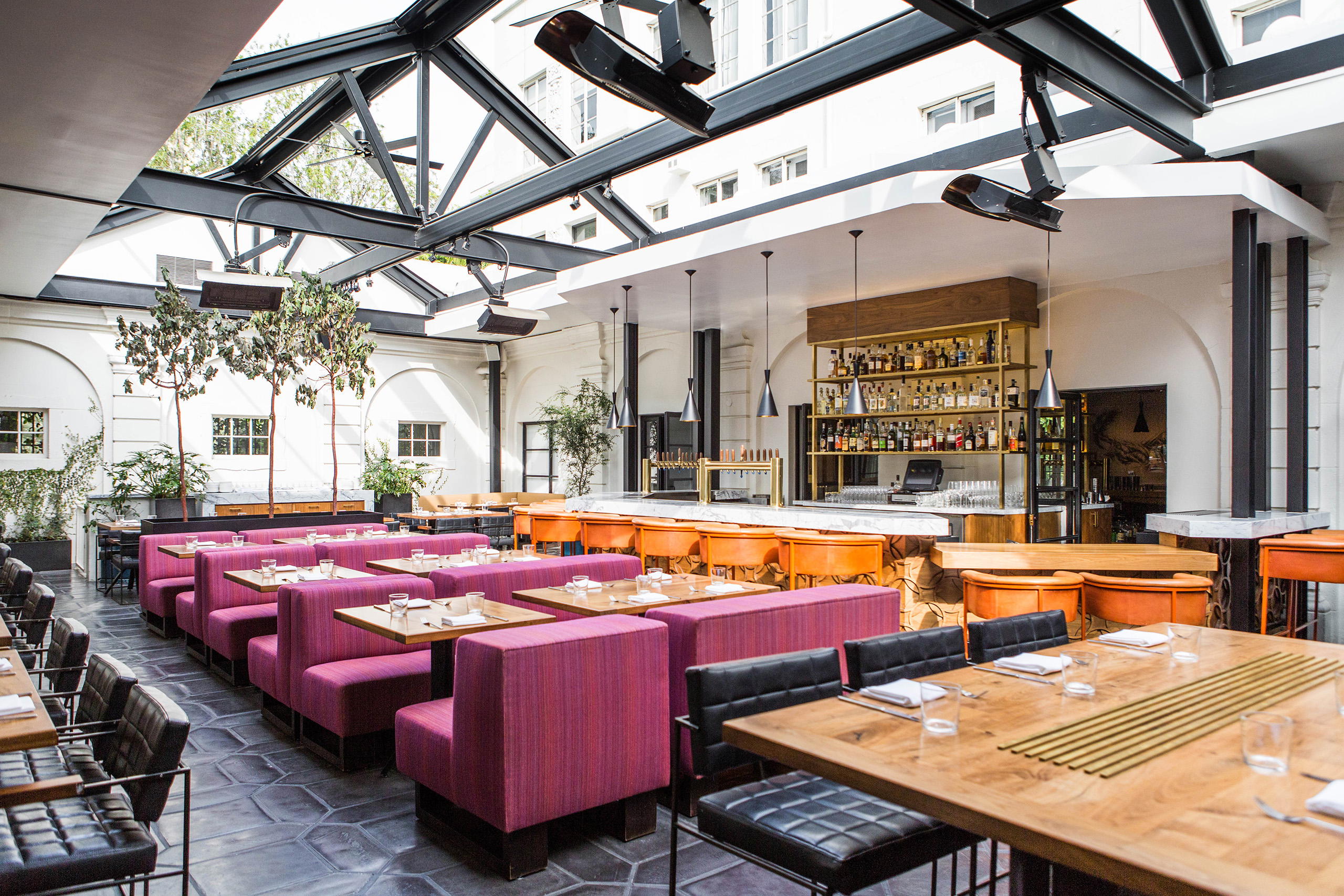
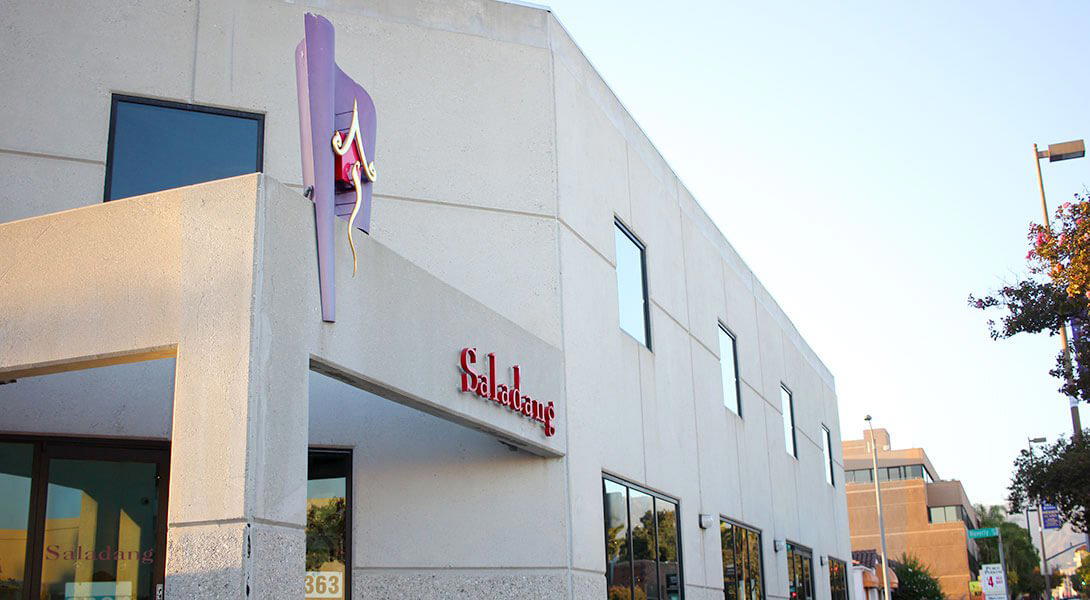
Approaching Saladang on Fair Oaks, the exterior signals something different from the functional efficiency that dominates much of the valley's Thai dining stock. The space has design intention behind it, which in this part of Pasadena places it in a specific tier of the local market. The dining environment here functions as part of the proposition, not merely a container for the food. That distinction matters in a neighborhood where Arbour and other design-conscious operators have raised expectations for what a Pasadena dining room should feel like.
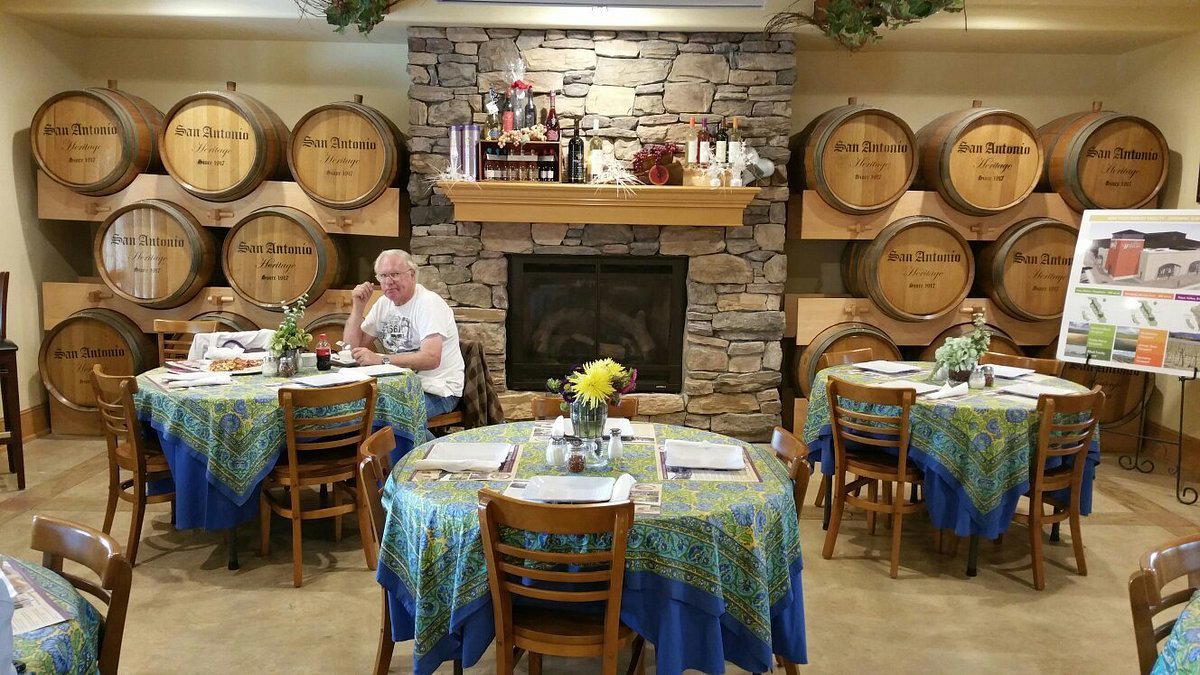
Inside, the atmosphere carries the kind of specificity that comes from a kitchen and room developed together rather than a concept retrofitted into a generic space. For diners who have spent time at the more utilitarian end of the SGV Thai spectrum, the difference registers immediately. This is a place where the physical experience of eating is considered alongside the cooking, which shapes the kind of occasions it suits.
Positioning in Pasadena's Dining Scene
Pasadena's restaurant culture has become more layered over the past decade. The city now holds serious fine dining alongside neighborhood standards, with operators at multiple price points competing for the same base of discerning local regulars. Saladang occupies a middle position in that structure: more considered than a quick-service Thai kitchen, less formal than the city's highest-end tables. That positioning gives it range as a venue, capable of serving both casual weeknight meals and longer, more attentive dinners.
Nearby on the same corridor, Amara Cafe and Restaurant and All India Cafe serve as markers of how this part of Pasadena has developed a genuinely multicultural dining identity rather than defaulting to the Old Town formula. 36 W Colorado Blvd sits in a different register entirely, and Alexander's Steakhouse anchors the high-end protein end of the market. Saladang fits into the middle of that range, where flavor ambition and accessibility coexist without the premium pricing that defines Pasadena's fine dining tier.
On Beverage and the Wine Question
Thai restaurants in the United States have historically operated with limited beverage programs, a structural consequence of the cuisine's relatively late arrival into the mainstream American dining establishment and the persistent perception that Thai food pairs with beer rather than wine. That framing has started to shift. The wine-forward movement that has reshaped how American diners think about pairing with Southeast Asian cuisines has reached California, where the proximity to serious wine country and a more sophisticated dining public has pushed some operators to reconsider what goes on the list.
For Thai kitchens specifically, the case for wine is strongest with off-dry Riesling, Alsatian Gewurztraminer, and certain skin-contact whites that can hold against the aromatics of galangal, lemongrass, and chili without being flattened. The broader American wine establishment, from places like Le Bernardin in New York City and Single Thread Farm in Healdsburg to The French Laundry in Napa, has long understood that matching aromatic whites to complex spice-driven cooking rewards the diner considerably more than a default lager. For visitors to Saladang who want to explore that territory, the practical advice is to ask what is available by the glass and apply the off-dry Riesling framework as a starting point. Thai cooking's interplay of acid, heat, and coconut fat opens up considerably with the right glass.
Operators at the level of Providence in Los Angeles and Alinea in Chicago have demonstrated what a genuinely considered beverage program looks like when it is built to serve the food rather than to signal status, and that principle applies at every price point. At neighborhood-level restaurants like Saladang, the beverage program may be leaner, but the underlying logic of pairing with intention rather than default still holds.
Planning a Visit: What to Know
Saladang sits at 363 S Fair Oaks Ave in Pasadena, within walking distance of the Old Town core but operating in a quieter stretch of the avenue that draws a more local crowd than the tourist-facing blocks further north. For visitors combining a meal here with broader Pasadena exploration, the full Pasadena restaurants guide maps the city's dining geography across neighborhoods and price points. Street parking on Fair Oaks and in the surrounding residential blocks is generally available outside peak weekend dinner hours, which tend to run from early evening through nine o'clock.
Given the absence of online booking data in current systems, visiting the restaurant directly or calling ahead during off-peak hours is the practical approach for groups of four or more. Walk-ins appear to be the standard format based on the restaurant's neighborhood-local positioning, though weekend evenings can run a wait. The Thai restaurant tier in Pasadena and the broader SGV moves quickly in terms of availability, and a modest amount of planning eliminates the friction of arriving on a busy Friday without a plan.
For context on what high-end planning looks like at the opposite end of the spectrum, operations like Atomix in New York City, Blue Hill at Stone Barns in Tarrytown, and Addison in San Diego require weeks or months of advance booking. Saladang operates at a different register, where the accessibility is part of the point and the friction is low.
Frequently asked questions
What's the address for Saladang?
Saladang is located at 363 S Fair Oaks Ave, Pasadena, CA 91105, Pasadena.
Is Saladang a good option for dining near Old Town Pasadena without the Old Town crowds?
Saladang's address at 363 S Fair Oaks Ave places it within walking distance of Old Town Pasadena while sitting on a quieter stretch of the avenue that operates outside the main tourist corridor. That separation means the room tends to run on a neighborhood rhythm rather than a visitor-driven one. For diners who want proximity to Old Town without the corresponding foot traffic, the Fair Oaks location gives a practical middle ground.
What's the signature dish at Saladang?
What is consistent across reporting on the Fair Oaks Ave location is that the kitchen draws from Thai culinary tradition rather than a pan-Asian hybrid format. Visiting and asking the staff directly will give you the most accurate read on what the kitchen is currently executing well.
How far ahead should I plan for Saladang?
Saladang sits at 363 S Fair Oaks Ave in a stretch of Pasadena that draws a loyal local following rather than heavy tourist foot traffic. Walk-in availability tends to be more accessible at lunch on weekdays.
What makes Saladang worth seeking out?
Saladang occupies a specific position in Pasadena's dining corridor that separates it from the Old Town tourist circuit, it operates on South Fair Oaks Ave where the neighborhood functions more as a local resource than a destination strip. That positioning tends to reward regulars more than first-time visitors scanning for novelty, and the restaurant's sustained presence on the avenue reflects an established local standing.
How does Saladang handle allergies?
Thai cooking frequently involves shellfish pastes, peanuts, and fish sauce as foundational ingredients, so guests with relevant allergies should call ahead or raise the question directly with staff at 363 S Fair Oaks Ave, Pasadena, before ordering.
Peers You’d Cross-Shop
Comparable venues nearby, for context on price, style, and recognition.
| Venue | Cuisine | Price | Notes |
|---|---|---|---|
| SaladangThis venue (the venue you are viewing) | Thai | $20–30 | Not listed |
| Gale's | Northern Italian with California Style | $30–50 | Old Town Pasadena |
| 36 W Colorado Blvd #7 | Vegan Acai Bowls & Superfood Toasts | $10–20 | Old Pasadena |
| Stonefire Grill | American BBQ Grill | $20–30 | Hastings Ranch |
| Heidar Baba | Persian Kabobs | $20–30 | East Pasadena |
| Tibet/Nepal House | Himalayan (Nepali/Tibetan/Indian) | $20–30 | Old Pasadena |