Engawa
Engawa sits at 2 Ham Yard in London's Soho, occupying a quiet corner of one of the West End's more considered mixed-use developments. The restaurant applies a Japanese counter-dining sensibility to a European city setting, placing it within a small peer group that treats the dining room as a precision instrument rather than a backdrop. For those planning ahead, the booking logistics here reward research.
Pearl is the En Primeur Club membership app — saves, bookings, and concierge access live there. Same editors, same standards.
- Address
- 2 Ham Yard, London W1D 7DT, United Kingdom
- Phone
- +44 20 7287 5724
- Website
- engawa.london
- Directions
- Get directions
 Saves & bookings on Pearl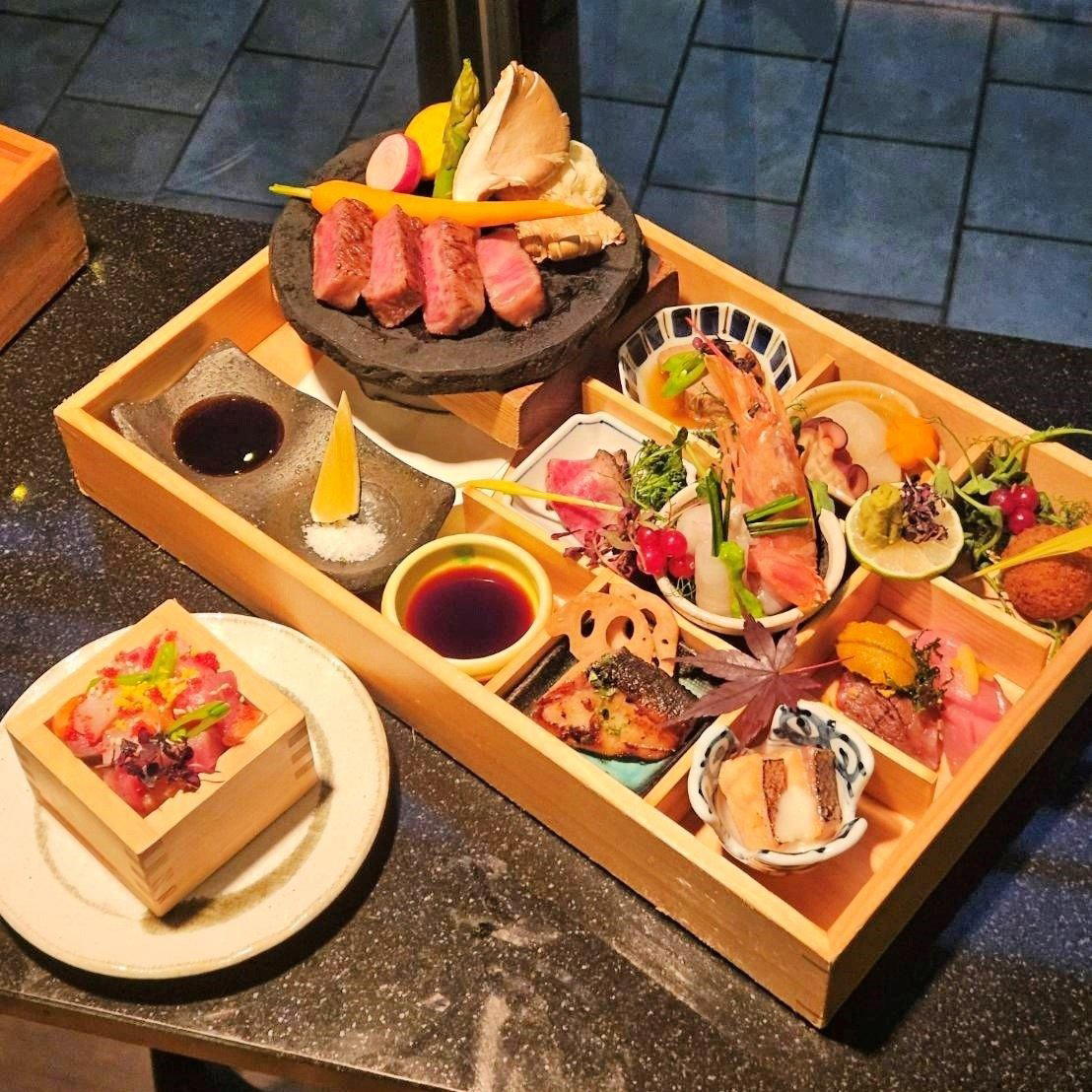
Ham Yard and the Counter-Dining Tier It Belongs To
Japanese counter dining in London has arrived at a meaningful inflection point. A decade ago, the city's omakase offer was thin: a handful of mid-market operations serving set menus with little of the ceremony or ingredient rigour associated with their Tokyo counterparts. By the early 2020s, that gap had narrowed considerably, with a cluster of specialist Japanese restaurants establishing themselves in Mayfair, Soho, and the West End at price points that now compare directly against London's three-Michelin-star European houses, venues like CORE by Clare Smyth, Sketch, The Lecture Room and Library, and Restaurant Gordon Ramsay. Engawa is a modern Japanese omakase with wagyu restaurant at 2 Ham Yard, London W1D 7DT, and reservations are essential.
Ham Yard itself is worth understanding as a location. The development, which opened in 2014, was designed from the outset as a curated enclave rather than a commercial thoroughfare, a deliberate contrast with the broader Soho grid. The dining addresses within it tend toward considered rather than casual, which makes the site a plausible fit for a restaurant that treats the booking process and the dining format with equal seriousness.
A Format Built Around the Counter
The counter-dining format that defines Engawa's proposition carries specific implications for the experience and, critically, for the booking dynamics. Counter restaurants operating in the Japanese omakase or kappo tradition are structured around a fixed number of seats, a sequenced menu decided largely by the kitchen, and a pace set by the chef rather than the guest. This is categorically different from the à la carte model that still governs most of London's high-end European restaurants.
For comparison: Dinner by Heston Blumenthal and The Ledbury both operate at the ££££ tier. A counter restaurant of Engawa's format typically cannot absorb last-minute bookings in the same way: fewer seats means every cancellation is proportionally significant, and kitchens sourcing to daily market availability cannot easily scale up for unexpected covers.
Arriving late to a counter sitting disrupts the sequence for everyone present; dietary restrictions should be shared at booking.
Planning Your Visit: What the Format Demands
For a restaurant operating in this format in central London, the practical intelligence that matters most sits upstream of the meal itself. London's premium Japanese counter tier has seen lead times extend markedly since 2021, tracking the broader recovery in restaurant demand and the growing appetite among London diners for the omakase format specifically. Reserve well in advance for prime seatings.
The Ham Yard address is well-connected: Piccadilly Circus underground station is the nearest tube stop, roughly five minutes on foot through Brewer Street. The development's own parking is limited, and the surrounding Soho streets are not reliably accessible by car in the evening. Public transport or a pre-booked car service are the practical options.
Counter restaurants at this level typically require a credit card to hold a reservation, with cancellation terms that reflect the fixed-cost structure of an omakase sitting. Guests who arrive without having communicated dietary restrictions in advance should expect a more limited experience than those who have flagged requirements at booking. This is not a procedural nicety; it is a structural feature of how these kitchens prepare.
For context on how London's broader restaurant planning compares with other high-density dining cities: New York's equivalent counter tier, represented by venues like Atomix, operates on similarly extended booking windows, while the European fine-dining tradition represented by Le Bernardin in New York City continues to offer more flexible access. The Japanese counter format, wherever it operates, places planning at the centre of the experience rather than the periphery.
Where Engawa Sits in London's Wider Fine-Dining Map
London's fine-dining offer has diversified substantially over the past decade. The city's Michelin-starred European houses remain the public reference points, venues like The Ledbury and CORE by Clare Smyth anchor the conversation about what premium dining in London looks like. But the Japanese counter tier now functions as a parallel track rather than a subordinate one, attracting a guest profile that may have previously defaulted to European tasting menus and now splits its bookings between both formats.
This parallels patterns visible elsewhere in the UK fine-dining market: destinations like The Fat Duck in Bray, L'Enclume in Cartmel, and Moor Hall in Aughton have established that the appetite for highly sequenced, chef-driven dining extends well beyond the capital. In regional contexts such as Gidleigh Park in Chagford and Hand and Flowers in Marlow, that format has been adapted to British produce and service culture. Engawa's positioning in central London places it in the more internationally inflected end of that spectrum.
For visitors building a broader London dining itinerary, the city's offer extends well past restaurants. Our guides to London bars, London hotels, London wineries, and London experiences cover the full picture. The full London restaurants guide maps the city's dining offer by neighbourhood and tier, with additional context on venues like hide and fox in Saltwood for those extending travel beyond central London.
Know Before You Go
- Address: 2 Ham Yard, London W1D 7DT
- Area: Soho, West End, Piccadilly Circus underground station, approximately 5 minutes on foot
- Format: Counter dining; omakase-style sequenced menu
- Booking: Reserve well in advance, counter-format restaurants at this level typically fill 4 to 8 weeks ahead for prime seatings
- Dietary requirements: Communicate at the time of booking, not on arrival
- Getting there: Tube (Piccadilly Circus or Leicester Square lines) or pre-booked car service; street parking in Soho is limited and unreliable
How It Stacks Up
Comparable venues nearby, for context on price, style, and recognition.
| Venue | Cuisine | Price | Notes |
|---|---|---|---|
| EngawaThis venue — the venue you are viewing | Modern Japanese Omakase with Wagyu | $$$$ | Not listed |
| Ine | Modern Japanese Omakase | $$$$ | Hampstead |
| The Araki | Japanese Omakase | $$$$ | Mayfair |
| Materia Prima | Japanese-inspired Tasting Menu | $$$$ | Notting Hill |
| Tokii | Modern Japanese Omakase | $$$$ | Marylebone |
| Aqua Kyoto | Contemporary Japanese with Tokyo Ginza Influence | $$$$ | Soho |

At a Glance
- Elegant
- Minimalist
- Intimate
- Sophisticated
- Date Night
- Special Occasion
- Open Kitchen
- Chefs Counter
- Sake Program
Current opening hours
- Monday
- Closed
- Tuesday
- Closed
- Wednesday
- 12–3:30 PM, 5:30–11 PM
- Thursday
- 12–3:30 PM, 5:30–11 PM
- Friday
- 12–3:30 PM, 5:30–11 PM
- Saturday
- 12–3:30 PM, 5:30–11 PM
- Sunday
- 12–3:30 PM, 5:30–11 PM
Hours can change for holidays and private events. Last verified .
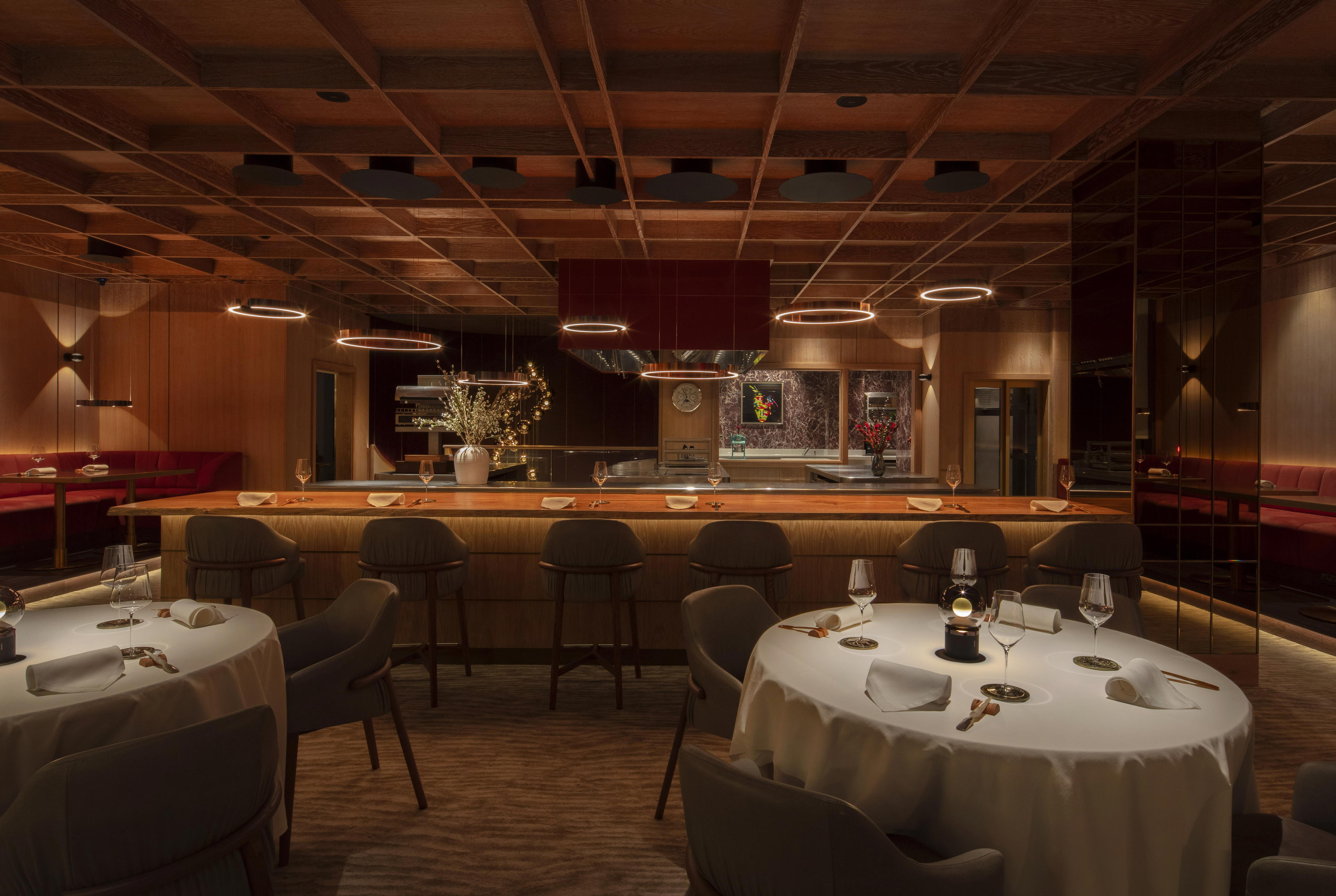
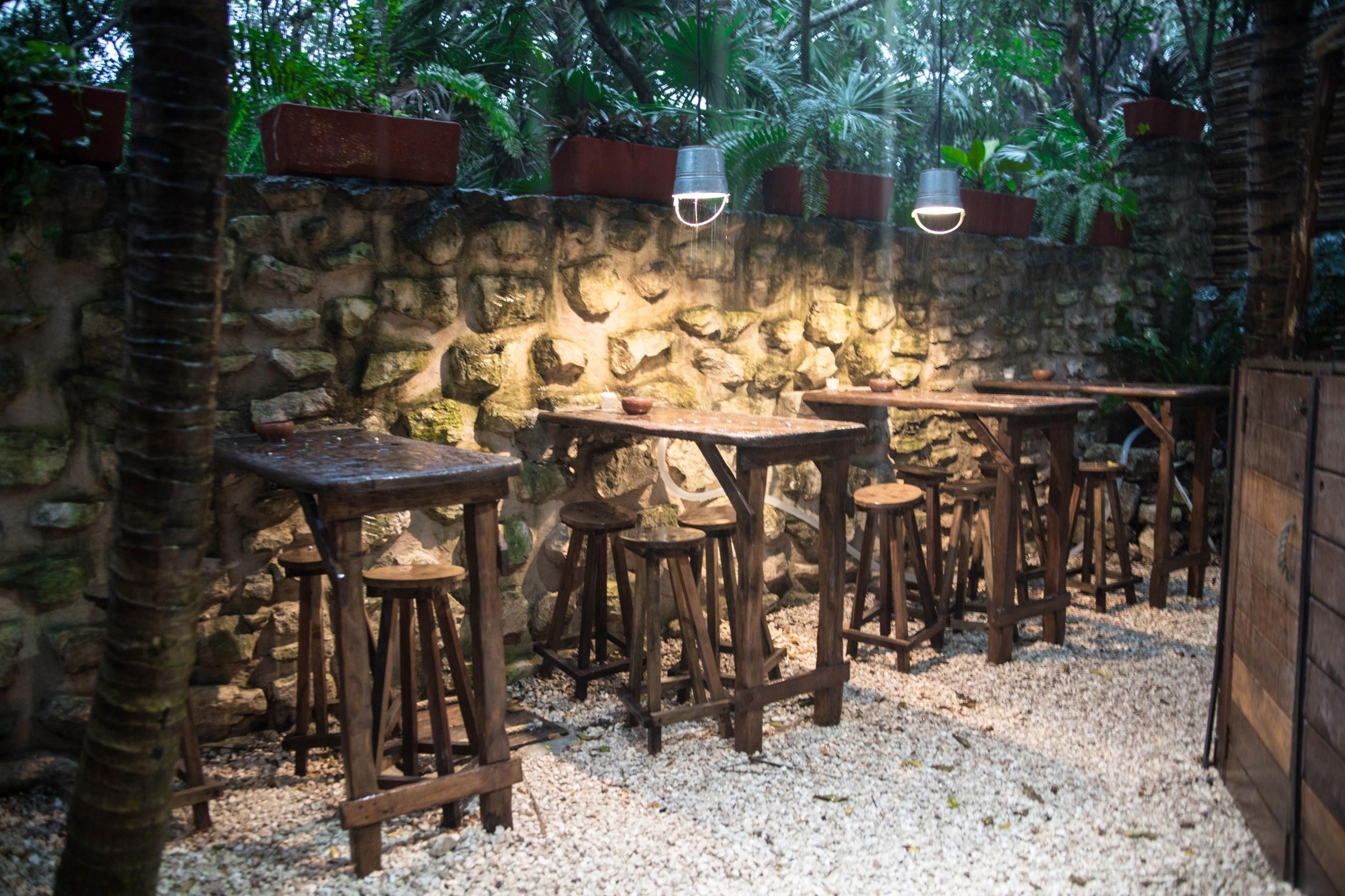
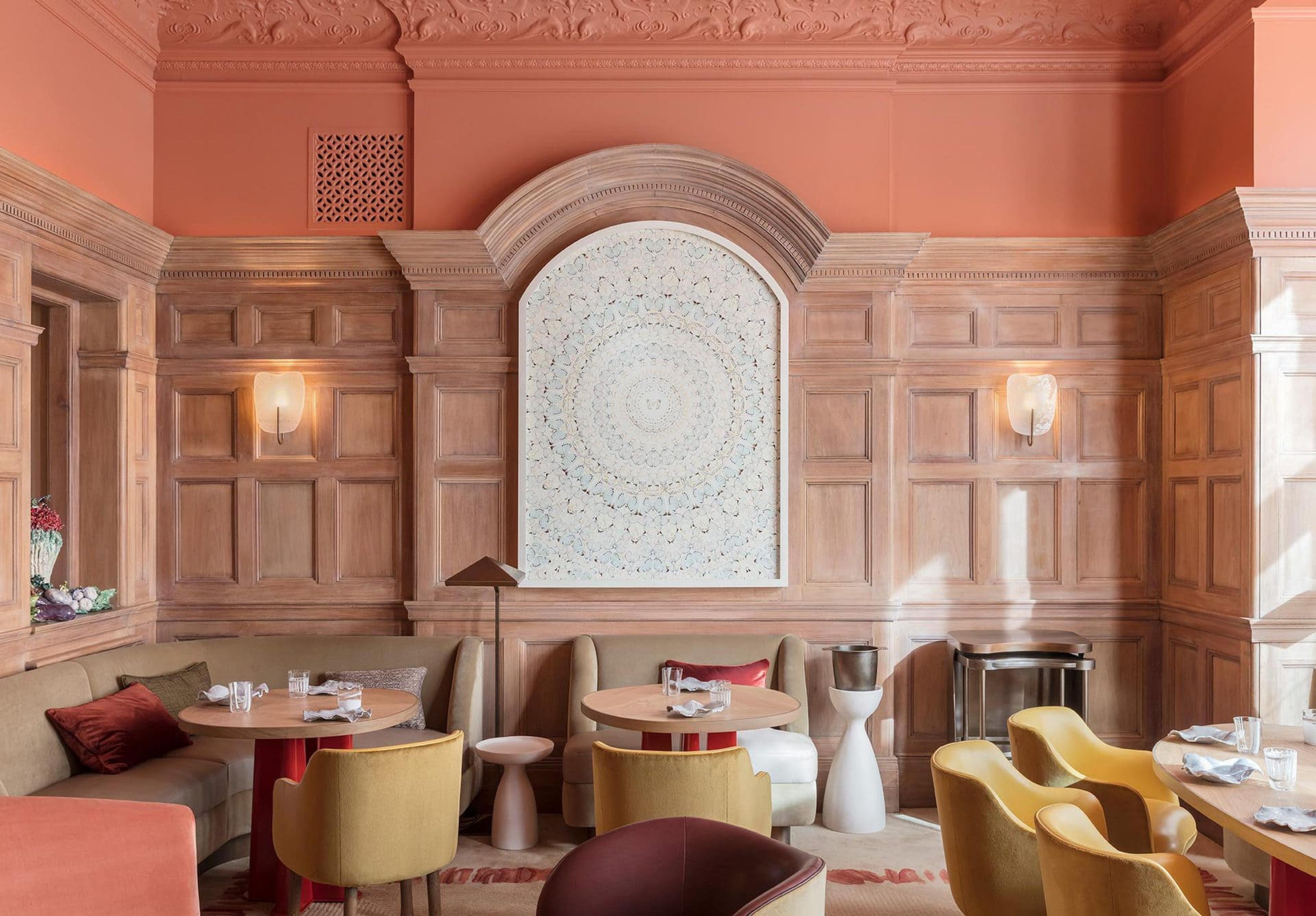
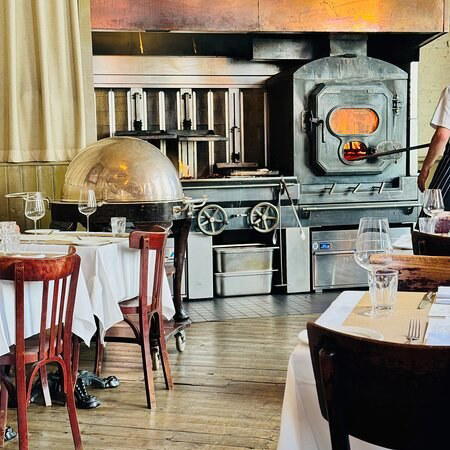
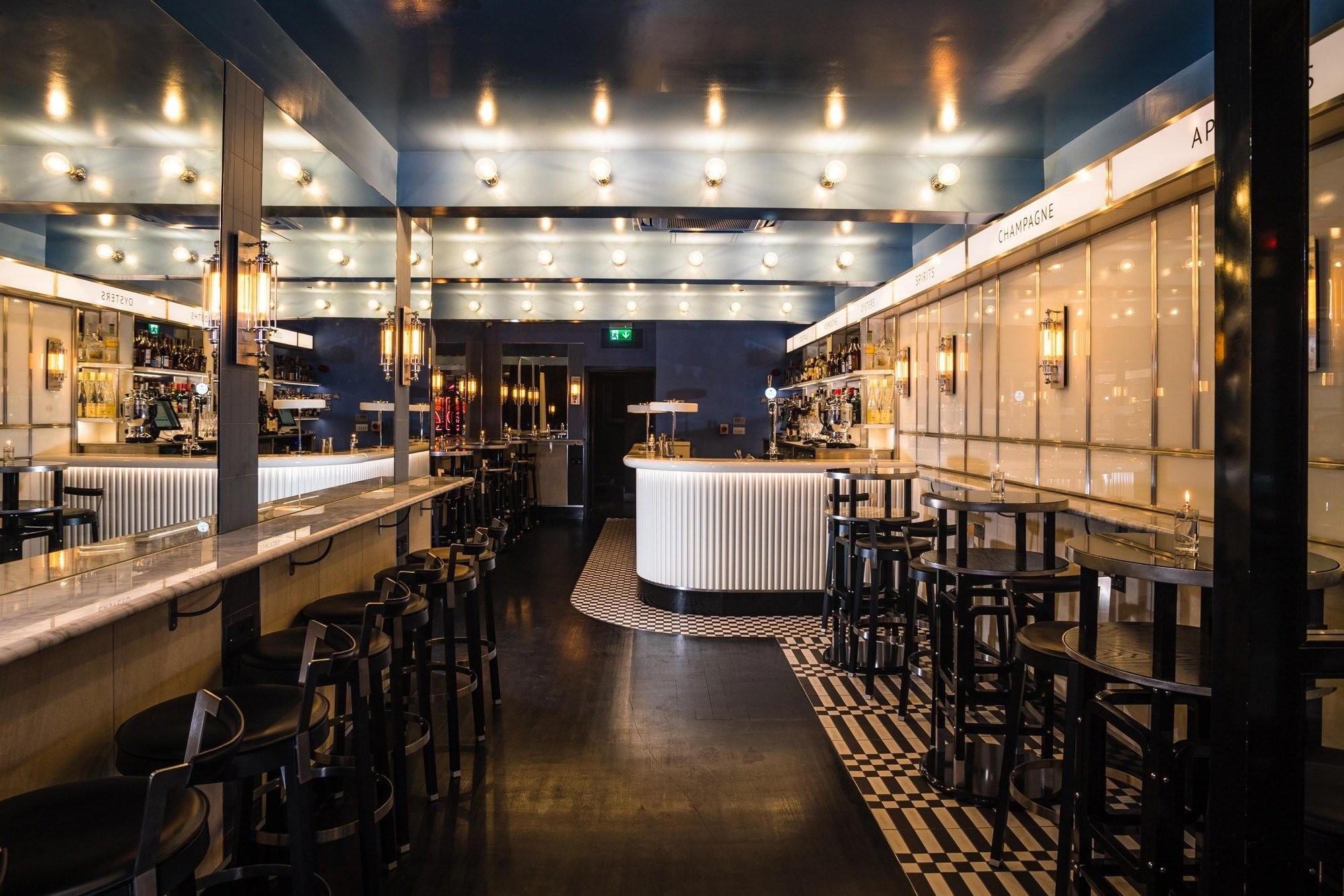
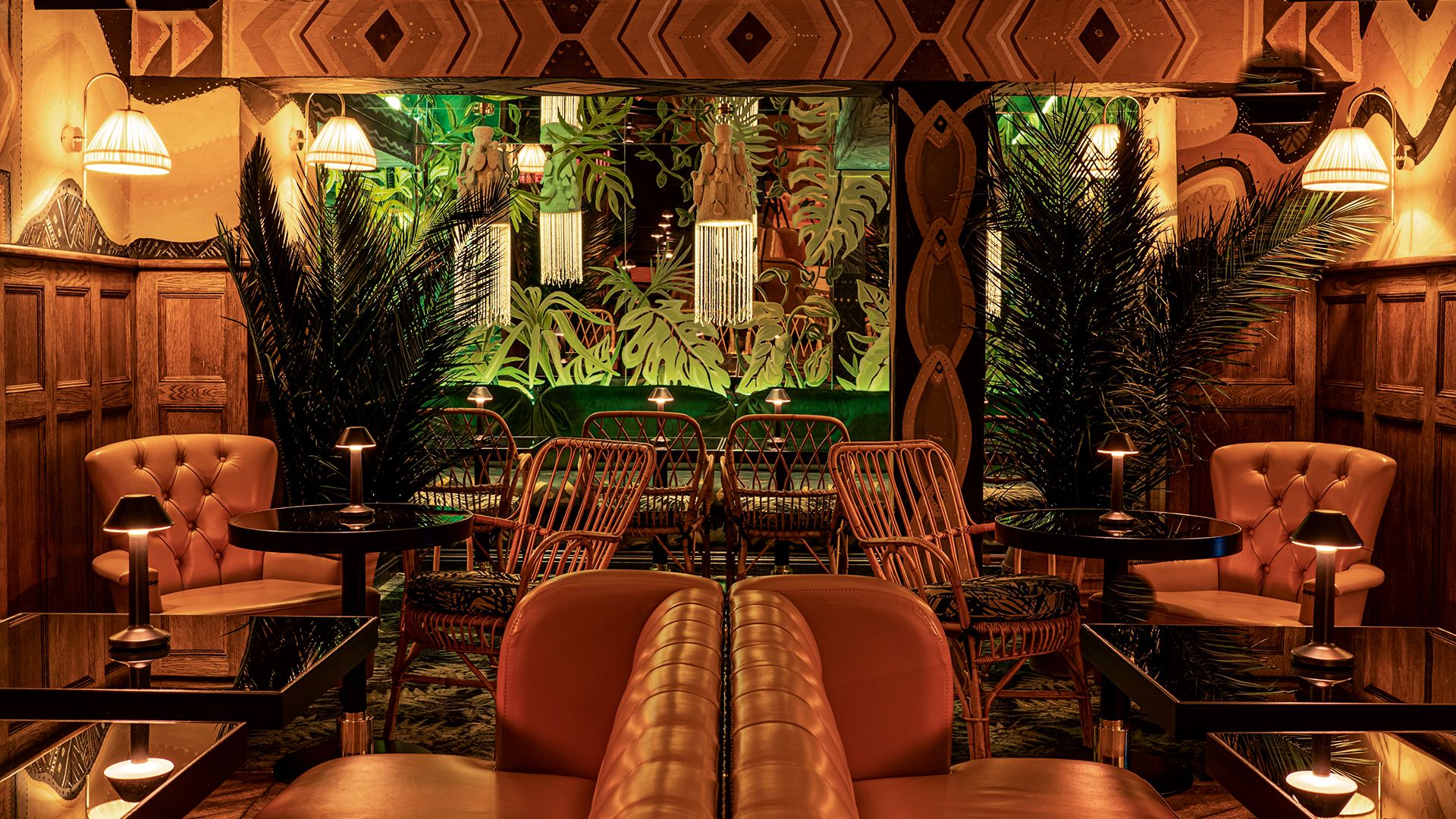
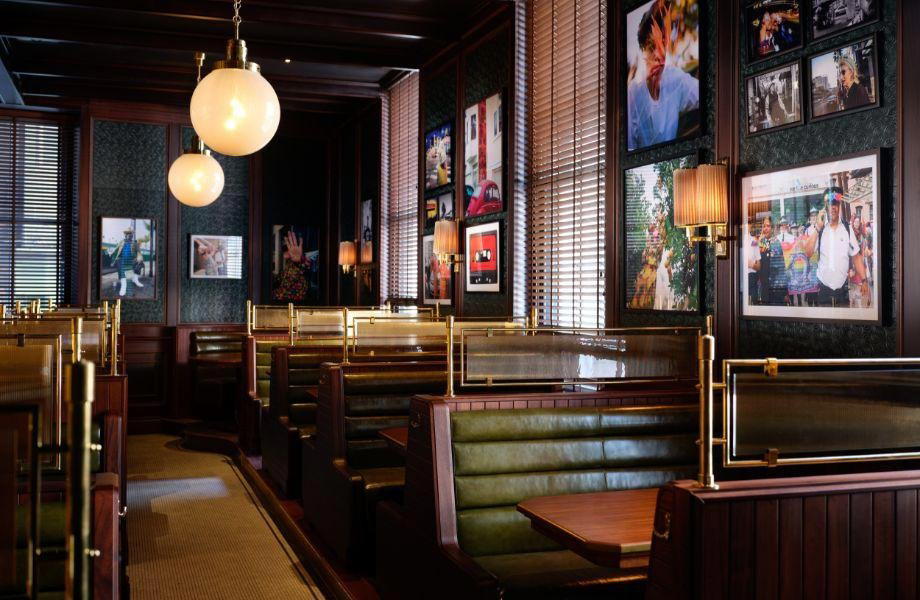
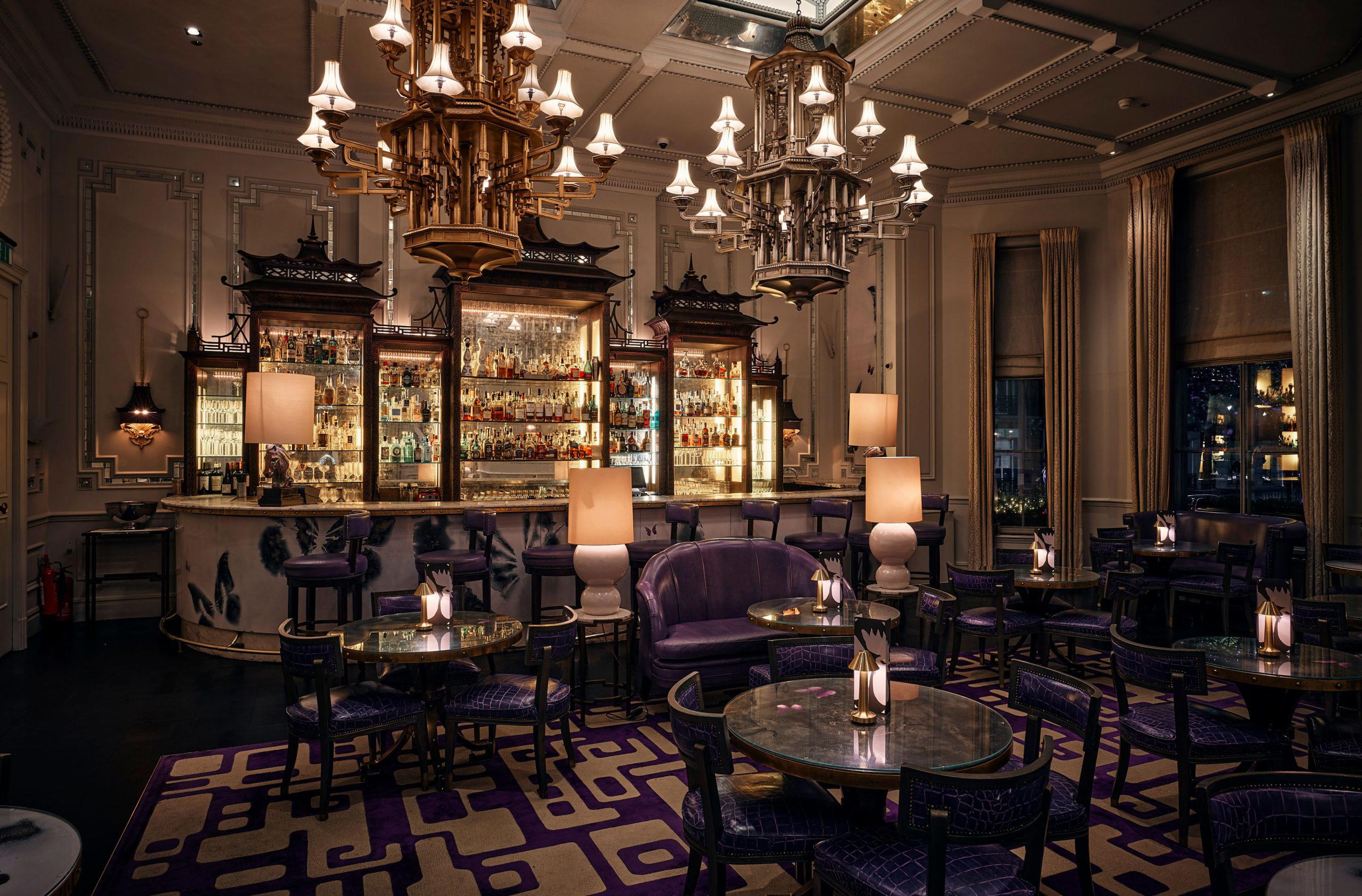
Minimalist and stylish decor with an open kitchen allowing diners to watch chefs at work, creating an intimate and focused atmosphere.