
Tabelog 100 #62
Our verdict
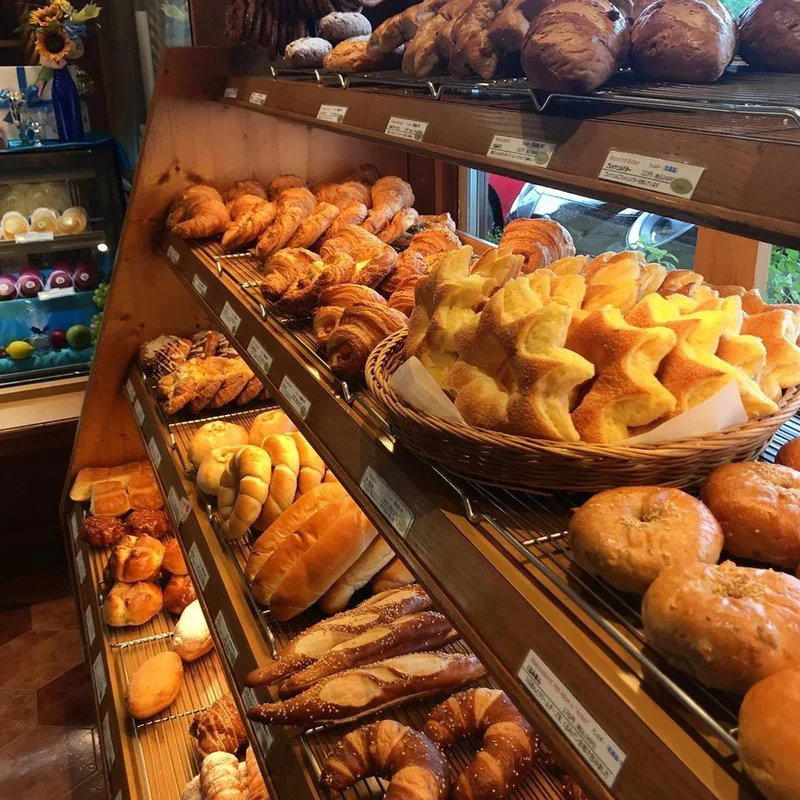
Sailer brings an Austrian bakery frame into Fukuoka’s everyday bread culture, pairing bread, cake, and kissa-style café use rather than operating as a formal restaurant. Its Tabelog Bread WEST 100 selection in 2022 places it among the region’s more closely watched bakeries, with a format that suits a low-key breakfast, snack stop, or take-out run.

Pearl is the En Primeur Club membership app, where members save venues, book tables and use the concierge.
The menu
What to order
- Kirschkuchen
- Kirschstrudel
- Kirschkrapfen
- Pretzel
- Tuna pie
Approaching a serious bakery in Fukuoka is different from arriving at a counter restaurant. The rhythm is earlier, less ceremonial, and more practical: trays, takeaway decisions, café seats, and the quick arithmetic of what travels well. Sailer belongs to that category of Japanese bakery where the menu has to work twice, first as a shopfront of bread and cake, then as a small social room for coffee and a pause between errands.
Fukuoka’s dining reputation often travels through ramen, sushi, yakitori, and izakaya culture, but its bakery scene rewards a slower read. Bread shops here are not simply breakfast utilities. They absorb outside technique, local habits, gift culture, and the Japanese preference for variety at modest spend. Within that field, a bakery carrying Tabelog Hyakumeiten recognition in 2022 has crossed from neighbourhood convenience into regional scrutiny.
Bakery logic inside a Fukuoka café format
The useful way to read Sailer is through menu architecture rather than through a single headline item. The public category spread is bread, cake, and kissa, which says more than it first appears. Bread anchors the daily visit, cake brings in the afternoon and gifting audience, while the kissa element turns the bakery from a pure retail counter into a place where coffee and a pause matter. That structure is common in Japan, but Sailer’s combined format gives this address a clearer identity than a bakery understood only as a takeaway counter.
The broader reference point is craft rather than decorative branding. In Fukuoka, that matters because imported and adapted bread traditions can become either costume or craft grammar. The stronger examples translate technique into Japanese daily use, where portions, sweetness, and takeaway behavior shape what survives on the shelf.
Recognition from Tabelog’s Hyakumeiten list in 2022 is a useful trust signal because bakery quality in Japan is often judged through repeat local use rather than destination dining theatre. A high-scoring dinner counter can build its reputation around rarity; a bakery has to withstand morning traffic, repeat purchases, and the plain test of whether customers return for staples as much as seasonal or sweet items. Sailer’s Tabelog score of 3.67 places it in a serious bracket for a casual-format bakery, especially in a category where spend stays accessible and turnover is part of the experience.
For context across the city, Fukuoka’s premium dining range is broad rather than singular. Sushi Osamu represents the reservation-led sushi lane, torila sits in the yakitori conversation, and bar BaBa moves the evening toward drinks at a different price rhythm. Sailer operates in another register entirely: daytime, low ceremony, and built around choice rather than a fixed sequence. That contrast is precisely why it is useful for travelers who want Fukuoka to read beyond dinner reservations.
The menu reads like a day plan, not a tasting sequence
Bakery menus reveal priorities through category balance. A bread-only shop asks the customer to think in loaves, rolls, and breakfast. A cake shop pushes celebration and afternoon purchase. A kissa-bakery hybrid lengthens the day: early bread, midday coffee, later sweets, then takeaway. Sailer’s format sits in that longer pattern, which makes it more flexible than a destination pastry counter and more characterful than a convenience stop.
That flexibility is the point. Fukuoka rewards itineraries that leave space between meals: a morning in the city, a casual coffee pause, then a more structured dinner elsewhere. Travelers building a broader food map can place Sailer beside other Fukuoka dining rooms without forcing every stop into the same dining category.
The shop’s category signals also matter. Bread, cake, and kissa together suggest a stop that can serve more than one purpose across the day. That combination suits solo travelers and small groups looking for a straightforward bakery-café break rather than staged hospitality. The appeal is public-facing, casual, and built for short-to-medium dwell time rather than the choreography of a formal meal.
Pricing is another sign of contemporary Japanese casual dining. Sailer is listed at JPY 1,000 - JPY 1,999 for both lunch and dinner, keeping the visit in an accessible band for travelers who may be balancing several meals in a day. For visitors, that kind of modest spend removes some of the friction that can surround destination-led food planning in Japan. The bakery’s Fukuoka setting also makes it a practical daytime layer rather than only a special-occasion entry.
How to place it in a Fukuoka itinerary
Sailer makes the most sense as a daytime counterpoint to Fukuoka’s more famous evening food culture. It is not competing with omakase, yakitori, or bar programs; it solves a different traveler problem. The city’s better itineraries need one or two lower-pressure stops where quality is documented but the format remains casual. This is that sort of address.
Readers planning around the wider city can use Our full Fukuoka restaurants guide for meals, then layer in Our full Fukuoka hotels guide, Our full Fukuoka bars guide, Our full Fukuoka wineries guide, and Our full Fukuoka experiences guide for the rest of the trip. For a wider Japan-and-beyond food frame, compare how casual specificity appears across other unnamed dining rooms, cafés, bars, and bakery-adjacent stops, where a focused format can matter as much as ceremony or luxury signals.
The editorial case for Sailer is restrained but clear. It gives Fukuoka visitors a bakery with documented recognition, café use, and everyday pricing logic, without requiring the planning burden of a formal meal. In a city where many travelers over-index on night markets and ramen counters, a morning or afternoon bakery stop can make the food itinerary feel better calibrated.
Frequently asked questions
Is Sailer child-friendly?
The listing does not name a children’s program, but Sailer’s bread, cake, and kissa format in Fukuoka fits daytime family stops. The JPY 1,000–JPY 1,999 price range keeps it accessible for a casual visit.
What is the atmosphere like at Sailer?
Sailer is listed in the bread, cake, and kissa categories, which gives it a café-bakery frame rather than a formal restaurant feel. Its 2022 Tabelog Hyakumeiten recognition also places it among Fukuoka’s more credentialed bread addresses.
What's the price range at Sailer?
Pricing at Sailer is listed as JPY 1,000 - JPY 1,999 JPY 1,000 - JPY 1,999 View spending breakdown.
What is Sailer known for?
Sailer is known in Fukuoka for bread, cake, and kissa-style café use, with Tabelog Hyakumeiten recognition in 2022.
Peers in This Market
Comparable venues at a glance for context.
| Venue | Cuisine | Price | Awards | Notes |
|---|---|---|---|---|
| SailerThis venue (the venue you are viewing) | Traditional Austrian bakery & café | $10–20 | Tabelog 100 #62 | Not listed |
| Sushi Osamu | Traditional Japanese Omakase Sushi | $150–200 | Tabelog Bronze #342 | Sushi |
| IMAISHIHANTEN SUZUKA | Modern Chinese Omakase | $100–150 | Tabelog Bronze #132 | Not listed |
| Shokudo Saison d'Or | French-Japanese Fusion | $150–200 | Not listed | Not listed |
| torila | Yakitori | Not listed | Not listed | Not listed |
| bar BaBa | Spanish bar with Japanese-influenced paella & natural wine | $30–50 | Tabelog 100 #52 | JPY 4,000 - JPY 4,999 |
Recognition history
Dated appearances from independent guides and award organizations, with the underlying list record or original source where available.
Tabelog 100 #62 · No. 62
Tabelog · Tabelog 100 - Bread - WEST - 2022
Continue exploring
More in Fukuoka
Restaurants in Fukuoka
All restaurants in Fukuoka →
Details
- Cozy
- Classic
- Casual Hangout
- Family
- Solo
- After Work
- Brunch
- Live Music
- Standalone
- Design Destination
- A La Carte
- Counter Dining
- Coffee
- Tea
Current opening hours
- Monday
- 7 AM–7 PM
- Tuesday
- 7 AM–7 PM
- Wednesday
- 7 AM–7 PM
- Thursday
- 7 AM–7 PM
- Friday
- 7 AM–7 PM
- Saturday
- 7 AM–7 PM
- Sunday
- 7 AM–7 PM
Hours can change for holidays and private events. Hours as of .
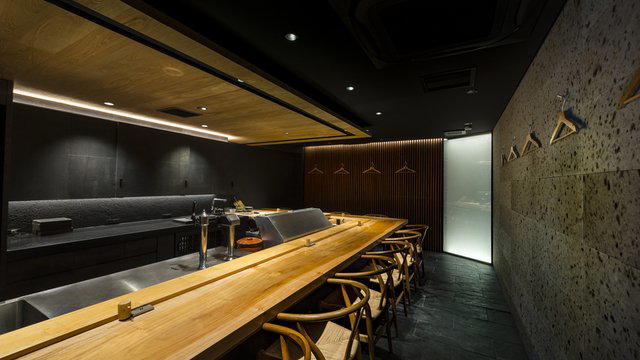
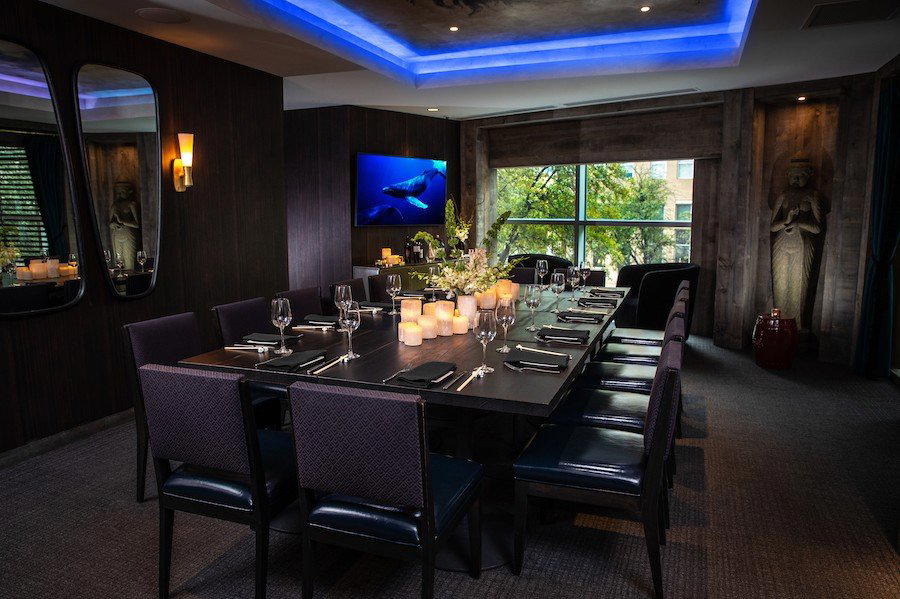
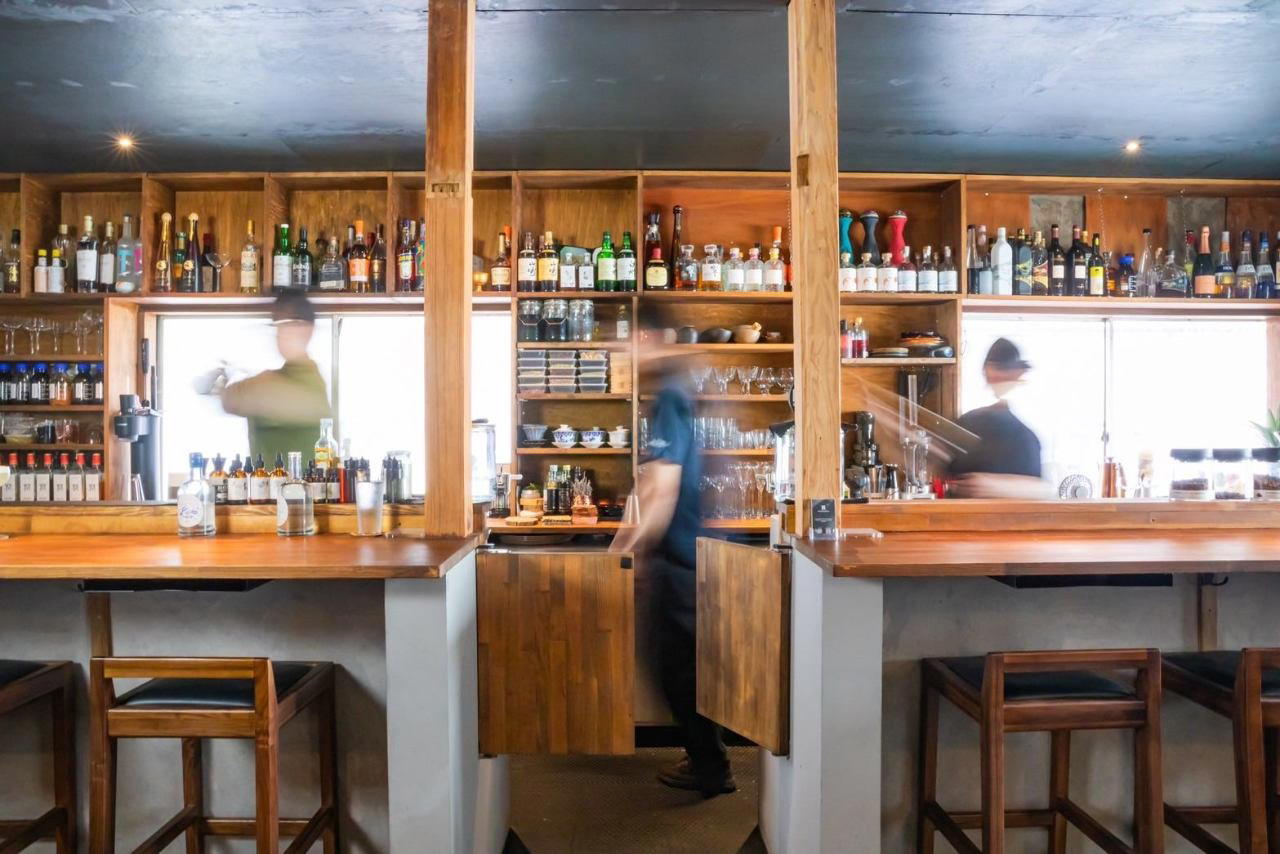
Warm and inviting bakery-café atmosphere with the aroma of freshly baked bread and sweet cakes, casual seating, and a relaxed, neighborhood feel suitable for lingering over coffee and pastries.