Google: 4.6 · 440 reviews
Sado


Sado brought serious Japanese sushi to St. Louis's Tower Grove neighborhood, landing on Esquire's Best New Restaurants list in 2023. The Shaw Avenue address sits within a city better known for smoke and barbecue, which makes the precision of a well-executed sushi counter all the more telling. With a 4.6 Google rating across nearly 370 reviews, it has found a consistent audience in a market rarely associated with omakase-adjacent dining.
 Discover on Pearl
A Sushi Counter in Barbecue Country
St. Louis built its culinary reputation on smoke, fat, and slow time. The city's most-discussed addresses tend toward the pits of Bogart's Smokehouse and Pappy's Smokehouse, or the old-school sugar-and-cream familiarity of Crown Candy Kitchen. Against that backdrop, a Japanese sushi counter on Shaw Avenue in Tower Grove reads as a genuine shift in the city's dining register. Sado's presence in that neighborhood is itself an argument: that St. Louis has developed the appetite and the infrastructure to support cuisine that demands sourcing precision, technical discipline, and a diner willing to slow down.
The address on Shaw puts it within walking distance of the Missouri Botanical Garden and a stretch of the city that leans residential and intentional rather than tourist-facing. Arriving from that tree-lined block and stepping into a Japanese dining format signals a transition in pace as much as in flavor.
Where the Drinks Begin the Conversation
In serious Japanese restaurants in the United States, the beverage program is often where a kitchen's ambitions become legible. A thoughtfully assembled sake list tells you something about how the restaurant reads its food: whether it wants pairing as a throughline or whether sake is an afterthought filed near the cocktail menu. Sado operates in a category of American Japanese dining where the drink and the dish are meant to function in counterpoint, with sake's umami depth either amplifying or cutting the fat in aged fish, and lighter junmai expressions providing contrast against clean, cold preparations.
Sake's structural range is wider than most American diners expect. At the accessible end, a well-chosen honjozo can hold its own against pickled vegetables and lighter rolls. Higher up, a daiginjo — made from rice polished to at least 50 percent — brings floral, almost ethereal aromatics that work with delicate white fish in a way that a heavy red wine simply cannot. American restaurants serious about Japanese cuisine increasingly build their sake sections around these distinctions, and the better programs also include shochu and Japanese whisky as complementary options for guests moving through a longer meal.
The integration of those pairings with the progression of courses is where the format either coheres or fragments. When it works, a sake selection arrives just ahead of a course, changing how you read the dish. The fish tastes different with the right glass alongside it. That cause-and-effect relationship is what separates a deliberate beverage program from a list of imports.
The Esquire Benchmark and What It Implies
Esquire's Leading New Restaurants ranking for 2023 placed Sado at number 29, a national list that typically selects on the basis of originality, execution, and timing. Being on that list positions Sado in a different competitive frame than most St. Louis restaurants occupy. Its reference set on that ranking includes restaurants in coastal cities where Japanese dining has longer local histories and denser competition. Landing there from a Midwestern address, in a city whose dining identity leans toward comfort traditions, is a signal about what Sado is doing relative to its immediate geography.
For comparison, the national list that year drew from the same ecosystem as destinations like Lazy Bear in San Francisco and Atomix in New York City , restaurants where the format and ambition are the story. Sado is not in those cities, and it is not priced or structured identically, but its inclusion in the same editorial conversation is a positioning marker worth taking seriously. It also places it in different company from the city's Vietnamese standout Mai Lee and the Pacific-leaning MAINLANDER, both of which represent St. Louis's broader Asian dining depth but in distinct format registers.
A 4.6 rating across 367 Google reviews suggests a kitchen that has maintained consistency since opening, not just an early surge of critical attention. For a restaurant in a cuisine category that demands precise temperature control, timing, and sourcing, holding that score across a broad sample of diners is a more useful metric than a single opening-year review.
Japanese Sushi in the American Midwest: What the Format Asks
Sushi at the level implied by a national press placement operates differently from a neighborhood delivery order. The format demands from the diner a willingness to engage with the sequence: to accept that the kitchen has a logic, that the beverage pairings serve the food rather than the reverse, and that slower eating produces more from the experience. Midwestern cities have historically rewarded generosity of portion and directness of flavor. The discipline of sushi , its minimalism, its temperature precision, its preference for subtraction over addition , runs counter to those instincts.
What Sado represents in St. Louis is a test of whether a mid-sized American city can sustain that format at volume and over time. The early evidence suggests it can. The Esquire placement in 2023 and the accumulated Google score both point to a restaurant that found its audience without compromising the format to meet the market. That is a harder achievement than it looks, and it carries implications for what kind of dining St. Louis can realistically support as its restaurant culture continues to mature.
For reference against the highest tier of Japanese-influenced fine dining in the US, Le Bernardin in New York City and The French Laundry in Napa represent the ceiling of what technique-first American fine dining looks like. Sado is not playing in that tier, but the national recognition it has earned suggests it is not merely a regional novelty either.
Planning Your Visit
Sado is located at 5201 Shaw Ave in the Tower Grove neighborhood of St. Louis, a residential stretch that rewards arriving by car or rideshare rather than searching for convenient transit. The Shaw address places it close to the botanical garden corridor and a block pattern that empties out in the evenings, which contributes to the quiet approach the format benefits from.
Given the national press placement from 2023 and the consistency of the review score, demand at a venue this size in a cuisine category that tends toward limited seating typically means advance planning is worth building into your approach. Whether the restaurant operates a structured reservation system or takes walk-ins at the bar, checking availability earlier rather than later reflects how these formats behave across the category. If St. Louis is a longer trip rather than a local evening, pairing the visit with other planning resources including our full St. Louis restaurants guide, our St. Louis hotels guide, our St. Louis bars guide, our St. Louis wineries guide, and our St. Louis experiences guide will help build the context around a single strong dinner. For those tracking where Sado fits against the wider range of American fine dining, restaurants like Alinea in Chicago, Emeril's in New Orleans, and Single Thread Farm in Healdsburg occupy comparable national attention within the category of ambitious, technique-forward American dining. Sado is the Midwestern entry in that broader conversation.
A Quick Peer Check
Comparable venues for orientation, based on our database fields.
| Venue | Cuisine | Price | Awards | Notes |
|---|---|---|---|---|
| Sado | Japanese (Sushi) | Esquire Best New Restaurants #29 (2023) | This venue | |
| Bogart’s Smokehouse | Barbecue | Barbecue | ||
| Crown Candy Kitchen | Luncheonette | Luncheonette | ||
| Mai Lee | Vietnamese | Vietnamese | ||
| Pappy’s Smokehouse | Barbecue | Barbecue | ||
| Ted Drewes Frozen Custard | Ice Cream | Ice Cream |
At a Glance
- Cozy
- Elegant
- Modern
- Intimate
- Sophisticated
- Date Night
- Special Occasion
- Open Kitchen
- Sake Program
- Craft Cocktails
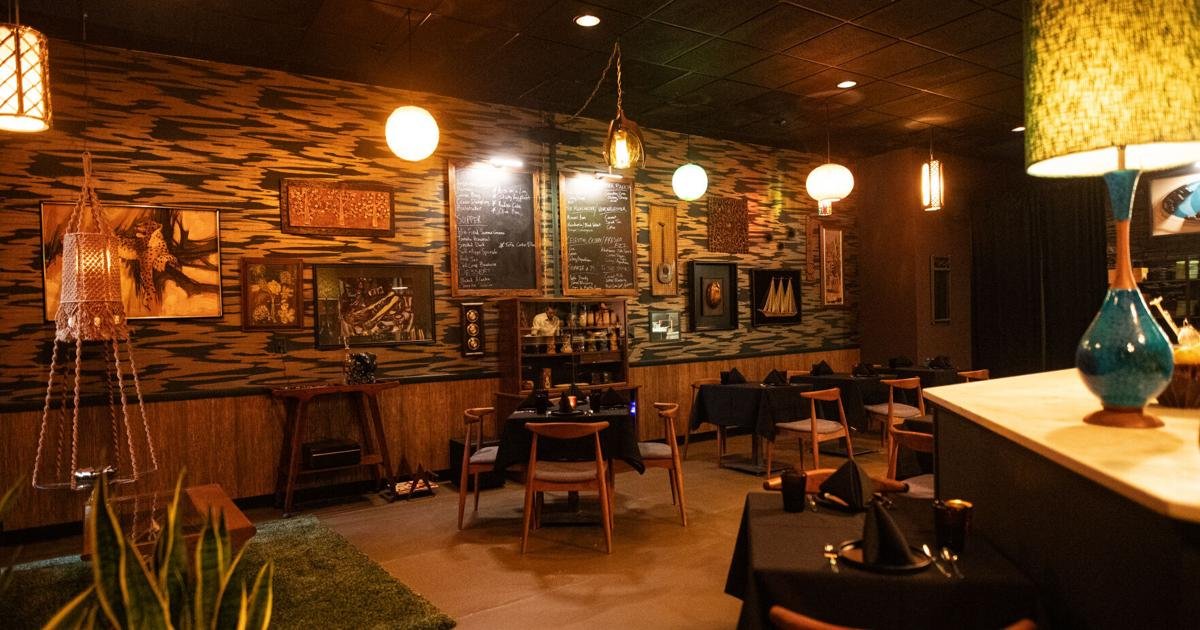
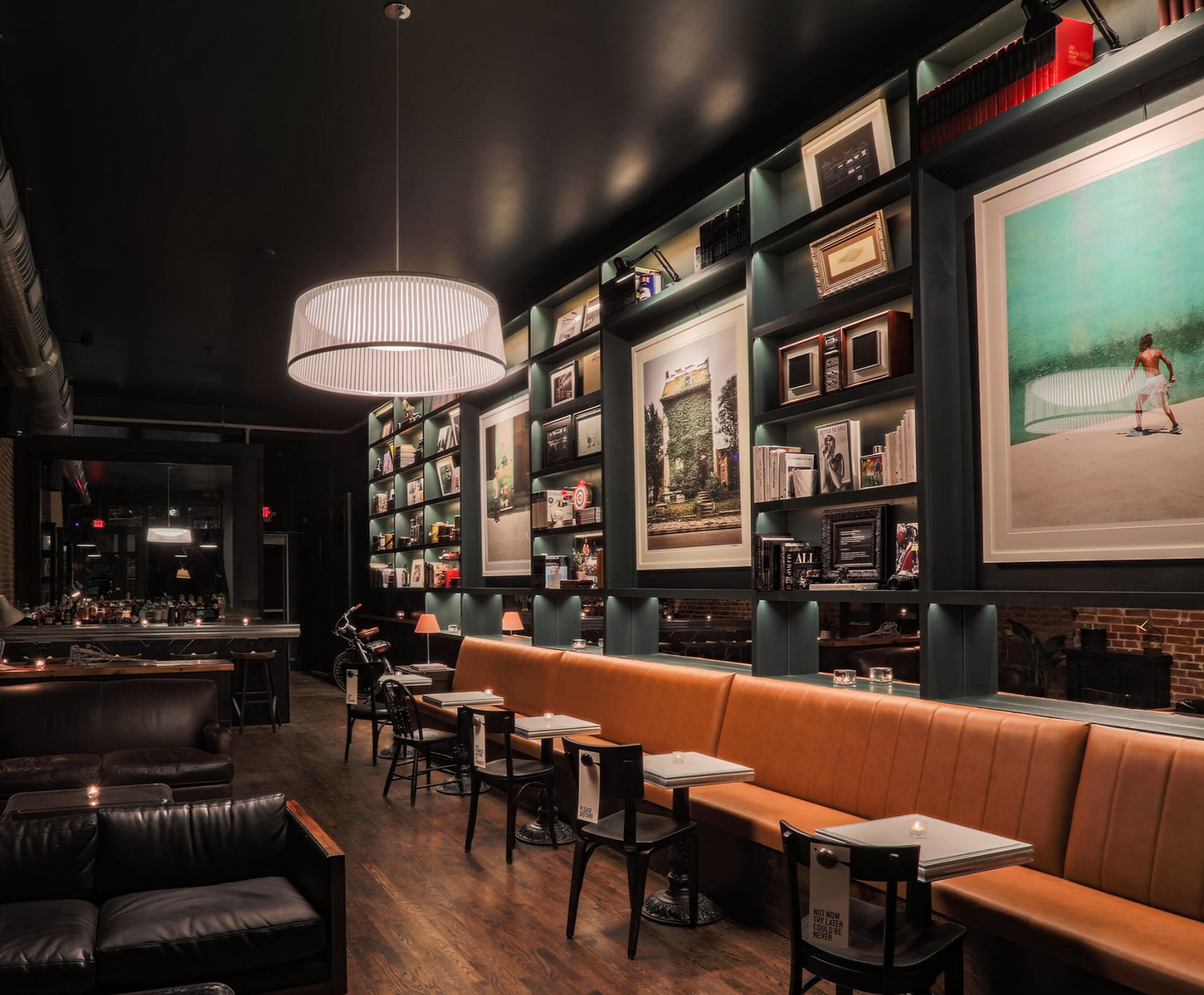
Low lighting with shadowy-gray interiors evoking a cozy Japanese tea house and urban art gallery.