

Michelin Bib Gourmand · Gault & Millau Türkiye 1 Toque
Our verdict
SADE Beş Denizler Mutfağı holds back-to-back Michelin Bib Gourmand recognition (2024 and 2025) while operating at Istanbul's most accessible price point for serious traditional cooking. Located in Teşvikiye, it positions itself against the city's high-concept modern Turkish scene by doing the opposite: slow-cooked regional dishes, unadorned presentation, and a dining rhythm that follows the pace of the food rather than a timed tasting format.

Pearl is the En Primeur Club membership app, where members save venues, book tables and use the concierge.
The menu
What to order
- Wild garlic stew
- Stuffed grape leaves
- Tokat-style keşkek
Teşvikiye's Quieter Register
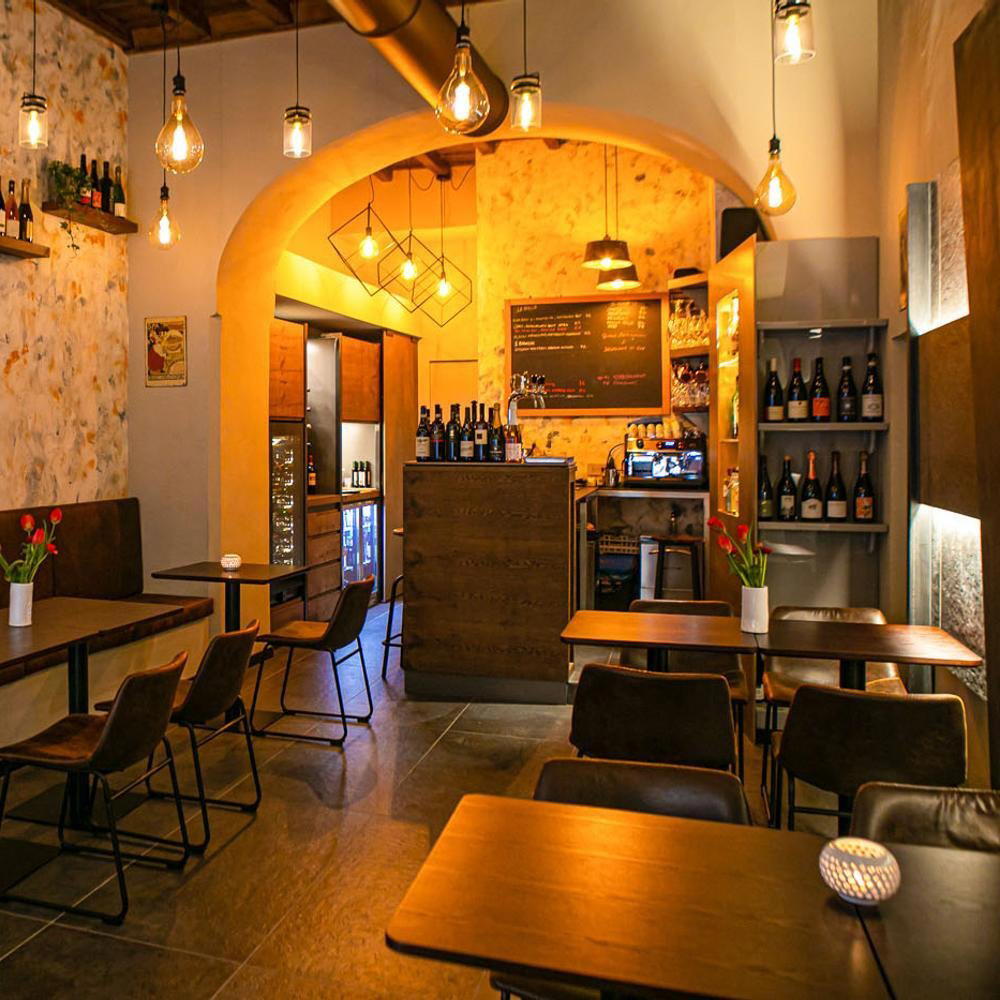
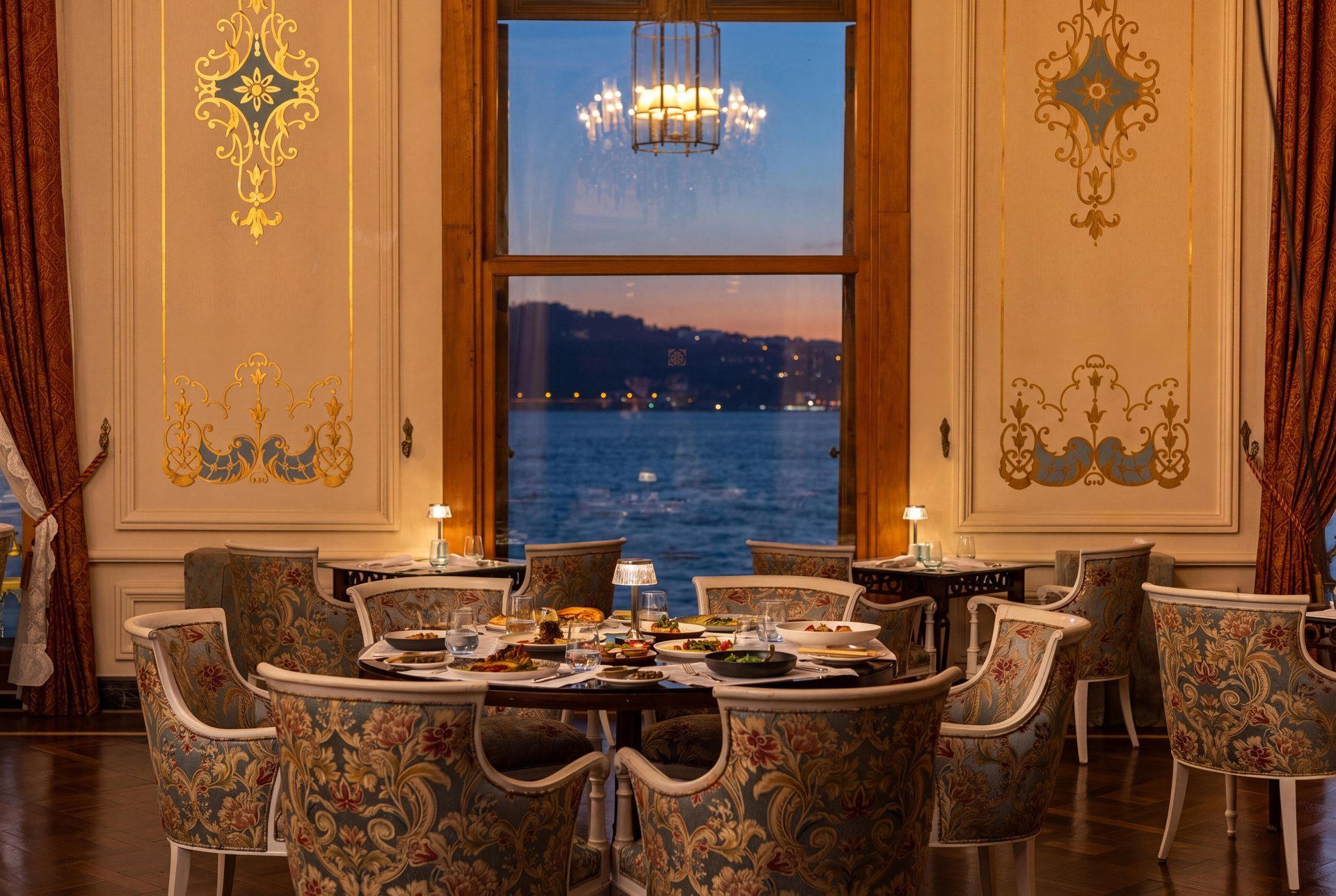
Akkavak Sokak in Teşvikiye runs at a different pitch from Istanbul's louder dining corridors. The neighbourhood has long housed the kind of restaurants that attract regulars rather than tourists, places where the room is unremarkable on purpose and the cooking does the work. SADE Beş Denizler Mutfağı occupies exactly that position: a low-key address in a residential pocket of Şişli where the cooking is the only spectacle on offer. Walking into a room like this, you register the absence of design theatre before anything else. No statement lighting, no visible open kitchen, no amuse-bouche ritual to signal that something ambitious is happening. The ambition is in the bowl.
What the Bib Gourmand Actually Signals Here
Michelin's Bib Gourmand designation, awarded consecutively in 2024 and 2025, marks restaurants offering quality cooking at a price point below the starred tier. In Istanbul's current restaurant economy, where the ₺₺₺₺ bracket, occupied by the likes of Turk Fatih Tutak and Mikla, has pulled steadily upward, the single-lira price tier SADE operates in is increasingly rare for a kitchen with this level of recognition. The Bib Gourmand is not a consolation prize; it is Michelin's explicit acknowledgement that value and quality are coexisting at a specific address. Two consecutive years of that recognition removes the possibility of luck. The kitchen is consistent.
Within Istanbul's traditional cuisine category, this positions SADE in a different competitive set from the modern Turkish flagship restaurants. Where venues like Lokanta by Divan operate in more formal registers, SADE keeps the format closer to the meyhane and traditional lokanta tradition, a style of service where the meal's structure emerges from what's available that day rather than from a fixed tasting architecture. For a broader survey of where this fits in the city's dining order, the full Istanbul restaurants guide maps the range from street-level to starred.
The Dining Ritual: How the Meal Moves
Traditional Turkish dining at this level follows a rhythm that Western tasting-menu culture has largely abandoned: the meal is assembled rather than choreographed. At a kitchen rooted in the Beş Denizler (Five Seas) tradition of Anatolian and coastal cooking, the expectation is that dishes arrive as they're ready, that bread is present throughout, and that the meal's pace is set by the diner and the kitchen in rough consensus rather than by a front-of-house script. This is not informality as an aesthetic choice, it is the structural logic of a cuisine that developed around communal sharing, seasonal availability, and regional variation.
Chef Deniz Şahin's approach, in this context, reflects a broader pattern among Istanbul's traditional-cuisine practitioners who have chosen depth over reinvention. The Bib Gourmand designation rewards this choice: Michelin's inspectors are specifically looking for kitchens where classical technique and honest ingredients produce something that holds up under scrutiny, without the padding of elaborate plating or conceptual framing. The single-price-tier positioning reinforces that this is cooking without artifice, what arrives at the table is what the kitchen does, not what a menu designer has assembled around it.
This approach to pacing and structure contrasts sharply with what's happening at the upper end of Istanbul's modern Turkish scene. At Turk Fatih Tutak or in the tasting-forward format of Mikla, the meal is a designed sequence. At SADE, the sequence is organic. Neither approach is superior, they are answering different questions about what Turkish cooking should do at a restaurant table.
Traditional Cuisine in Istanbul's Wider Context
Istanbul's traditional cooking scene operates across a wider geographic and stylistic range than the city's modern-Turkish headline restaurants suggest. The Beş Denizler framing, five seas, meaning Aegean, Mediterranean, Black Sea, Marmara, and Caspian influences, points to the breadth of the Anatolian culinary inheritance that serious traditional kitchens here are working with. It is a framework that encompasses olive-oil-heavy western Aegean dishes, the anchovy and corn preparations of the Black Sea coast, and the spiced meat traditions of the interior, among other regional idioms.
This same geographic breadth appears in traditional-cuisine restaurants across Turkey that have attracted Michelin attention. Narımor in Izmir and 7 Mehmet in Antalya work with different regional vocabularies, and venues like Kitchen by Osman Sezener in Bodrum and Ahãma in Göcek address coastal traditions from their own positions. Aravan Evi in Ürgüp and Agora Pansiyon in Milas represent the Anatolian interior's contribution to this conversation. SADE sits within this national pattern: a kitchen in the capital city making the case for traditional depth over contemporary novelty. For comparison outside Turkey, the Bib Gourmand category at Auberge Grand'Maison in Mûr-de-Bretagne and Auga in Gijón illustrates how the designation works across different regional-traditional cuisine contexts in Europe.
Neighbourhood and Occasion
Teşvikiye is not a dining-destination neighbourhood in the way that Karaköy or Beyoğlu attract visitors specifically for restaurants. It is a residential area with good transit access and a concentration of affluent locals who eat out regularly, the kind of neighbourhood that sustains serious cooking at accessible prices because the clientele is consistent and local rather than driven by tourism cycles. Casa Lavanda and Khorasani operate in adjacent parts of the city's European-side residential fabric, pointing to a pattern of quality cooking anchored by neighbourhood loyalty rather than destination traffic.
For anyone building a broader Istanbul trip around the dining scene, the city's resources extend well beyond restaurants. The Istanbul hotels guide, bars guide, wineries guide, and experiences guide map the full range of the city.
Know Before You Go
- Address: Akkavak Sok. No:36, Teşvikiye, Şişli, Istanbul
- Price: ₺ (single-tier, among Istanbul's most accessible for Michelin-recognised cooking)
- Awards: Michelin Bib Gourmand 2024 and 2025
- Cuisine: Traditional Turkish, with Beş Denizler (five seas) regional scope
- Chef: Deniz Şahin
- Booking: Contact details not publicly listed at time of publication, local enquiry recommended
- Hours: Confirm directly before visiting
- Neighbourhood: Teşvikiye, European side, Şişli district
Frequently asked questions
What dish is SADE Beş Denizler Mutfağı famous for?
SADE Beş Denizler Mutfağı's recognition rests on its traditional Anatolian and multi-regional cooking rather than a single signature dish. The Beş Denizler (Five Seas) framing signals a menu that draws from Black Sea, Aegean, Mediterranean, Marmara, and Caspian culinary traditions, meaning the kitchen's range is its credential. Chef Deniz Şahin has earned back-to-back Michelin Bib Gourmand awards (2024 and 2025) for consistent quality across this traditional canon rather than for any single showpiece preparation. The practical implication: visit without a fixed dish in mind and follow what the kitchen is producing on the day.
A Lean Comparison
| Venue | Cuisine | Price | Awards | Notes |
|---|---|---|---|---|
| SADE Beş Denizler MutfağıThis venue (the venue you are viewing) | Traditional Anatolian Five Seas Cuisine | $50–100 | Michelin Bib Gourmand · Gault & Millau Türkiye 1 Toque | Not listed |
| Turk Fatih Tutak | Modern Turkish Fine Dining | $200–300 | 2 Michelin Stars · World's 50 Best #66 | Modern Turkish, ₺₺₺₺ |
| Mikla | New Anatolian Kitchen | $100–150 | 1 Michelin Star · World's 50 Best #44 | Modern Turkish, Mediterranean Cuisine, ₺₺₺₺ |
| Neolokal | Modern Turkish Fine Dining | $200–300 | 1 Michelin Star · World's 50 Best #100 | Modern Turkish, Turkish, ₺₺₺₺ |
| Arkestra | Modern European with Global Influences | $100–150 | 1 Michelin Star · Gault & Millau Türkiye 3 Toques | Fusion, ₺₺₺₺ |
| Nicole | Contemporary Turkish Fine Dining | $150–200 | 1 Michelin Star · Gault & Millau Türkiye 3 Toques | Modern Turkish, Modern Cuisine, ₺₺₺₺ |
Recognition history
Dated appearances from independent guides and award organizations, with the underlying list record or original source where available.
Michelin Bib Gourmand
Michelin
Gault & Millau Türkiye 1 Toque
Gault & Millau · Gault & Millau Türkiye 2026 - 1 Toque
Full recognition history (3 entries)
Michelin Bib Gourmand
Michelin
Continue exploring
More in Istanbul
Restaurants in Istanbul
All restaurants in Istanbul →
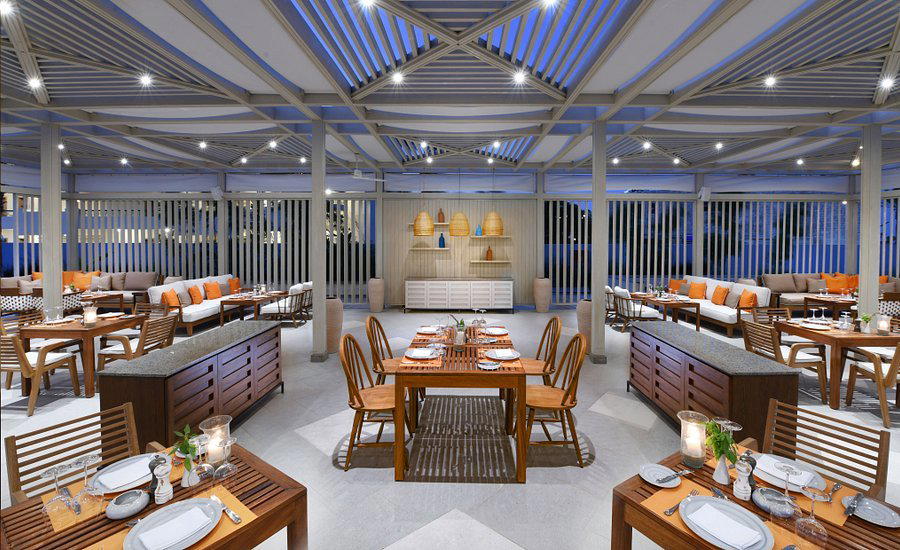
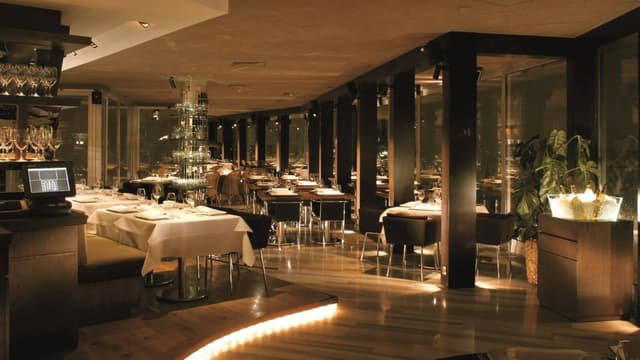
Bars in Istanbul
All bars in Istanbul →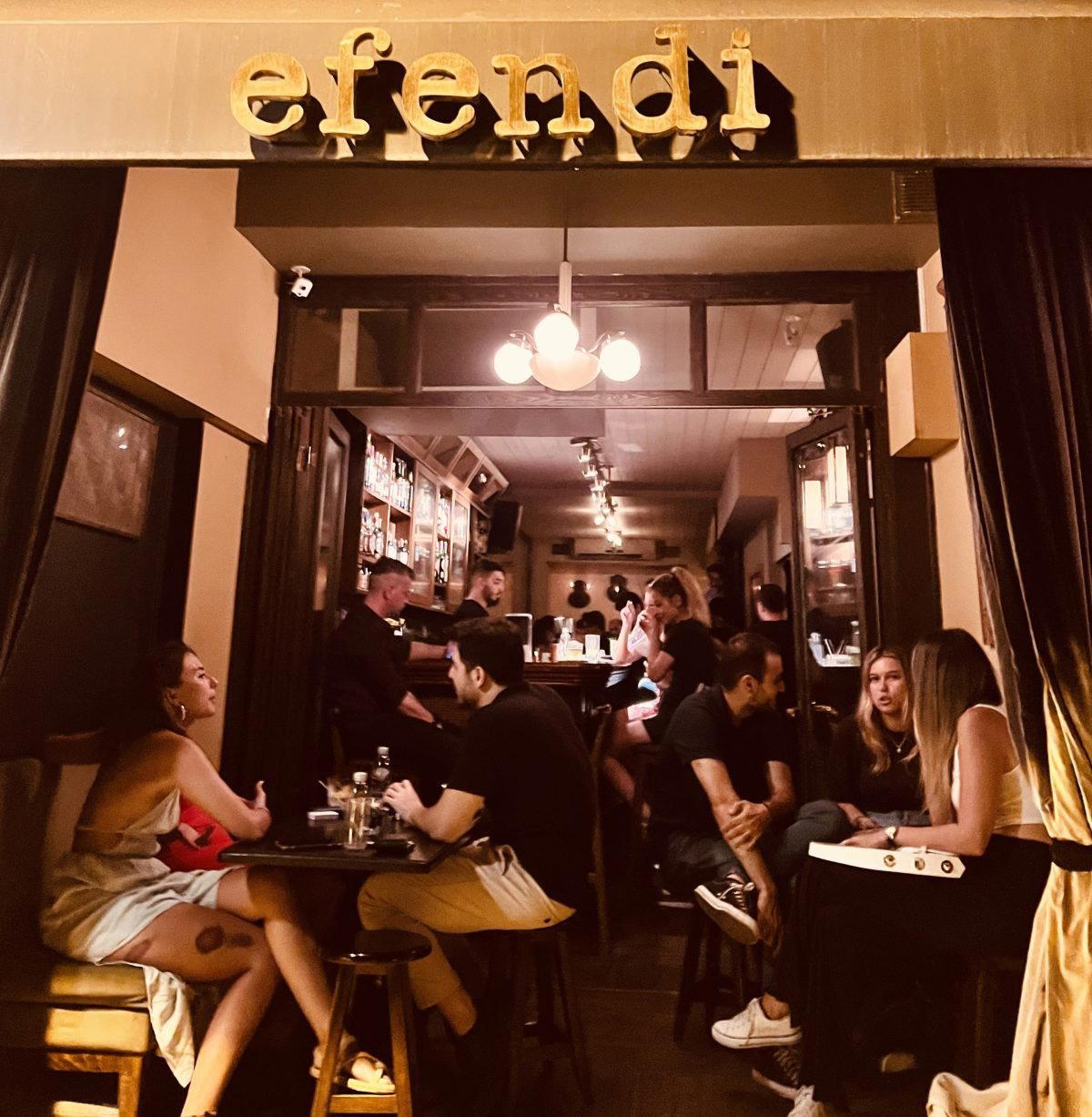
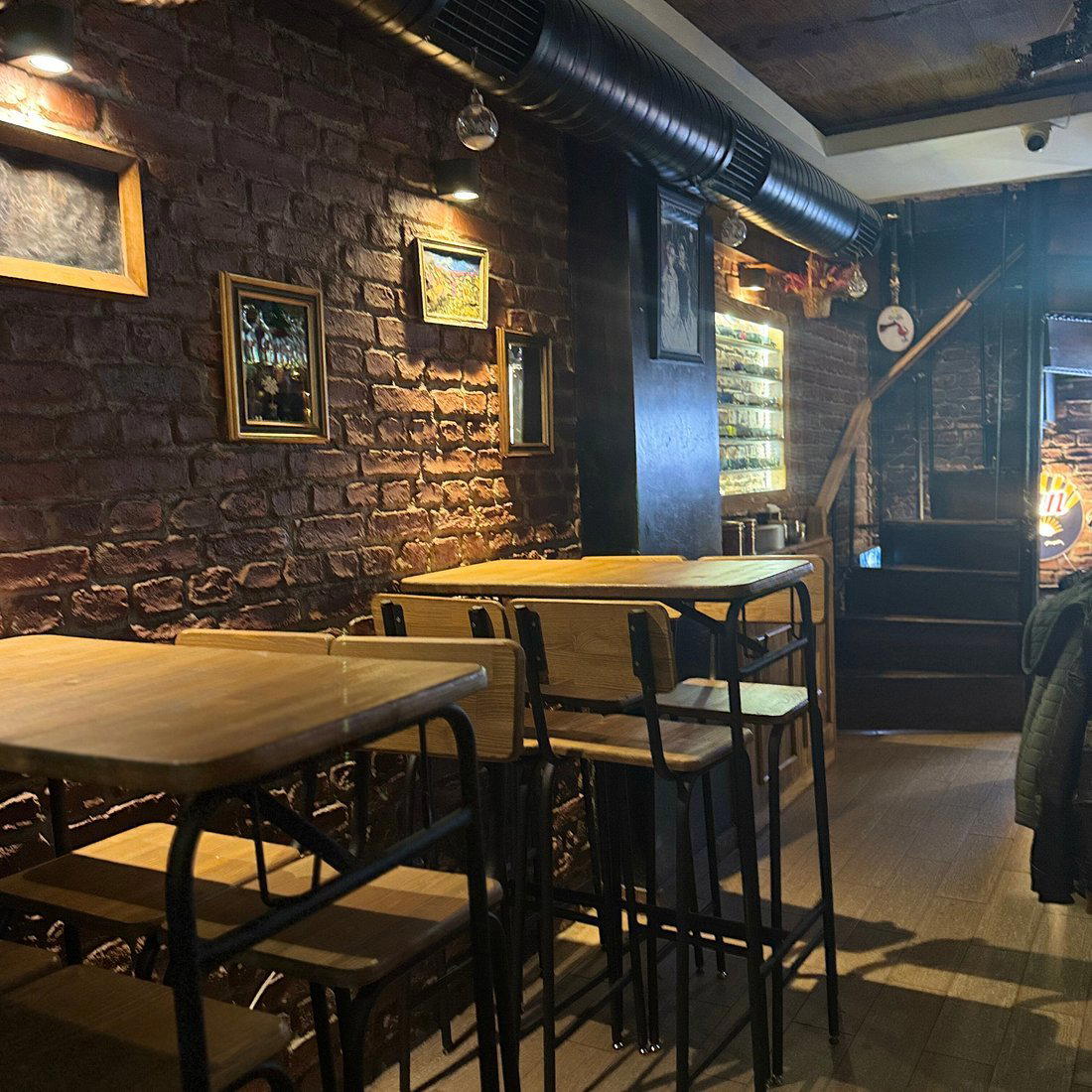
Details
- Cozy
- Elegant
- Lunch
- Dinner
- Garden
- Garden
- A La Carte
- Halal
Current opening hours
- Monday
- 12 PM–12 AM
- Tuesday
- 12 PM–12 AM
- Wednesday
- 12 PM–12 AM
- Thursday
- 12 PM–12 AM
- Friday
- 12 PM–12 AM
- Saturday
- 12 PM–12 AM
- Sunday
- Closed
Hours can change for holidays and private events. Hours as of .
Cozy and elegant interior with a garden, offering warm Turkish hospitality in the lively Nişantaşı neighborhood.