SACHI

Michelin Plate
Our verdict
SACHI holds consecutive Michelin Plates for 2024 and 2025, placing it among Geneva's more credentialed Japanese Contemporary addresses. Positioned on Quai Turrettini, the restaurant occupies a tier between casual Japanese dining and the city's Michelin-starred fine dining circuit.

Pearl is the En Primeur Club membership app, where members save venues, book tables and use the concierge.
The menu
What to order
- Black_cod_yuzu_miso
- Crispy_rice_salmon
- Wagyu_beef
Japanese Contemporary on the Rhône Edge
Geneva's relationship with Japanese cuisine has grown considerably more layered over the past decade. What was once a market dominated by sushi bars aimed at the international business community has fractured into something more interesting: a mid-to-upper tier of Japanese Contemporary addresses that draw on European produce, Swiss precision, and varying degrees of commitment to seasonal sourcing.
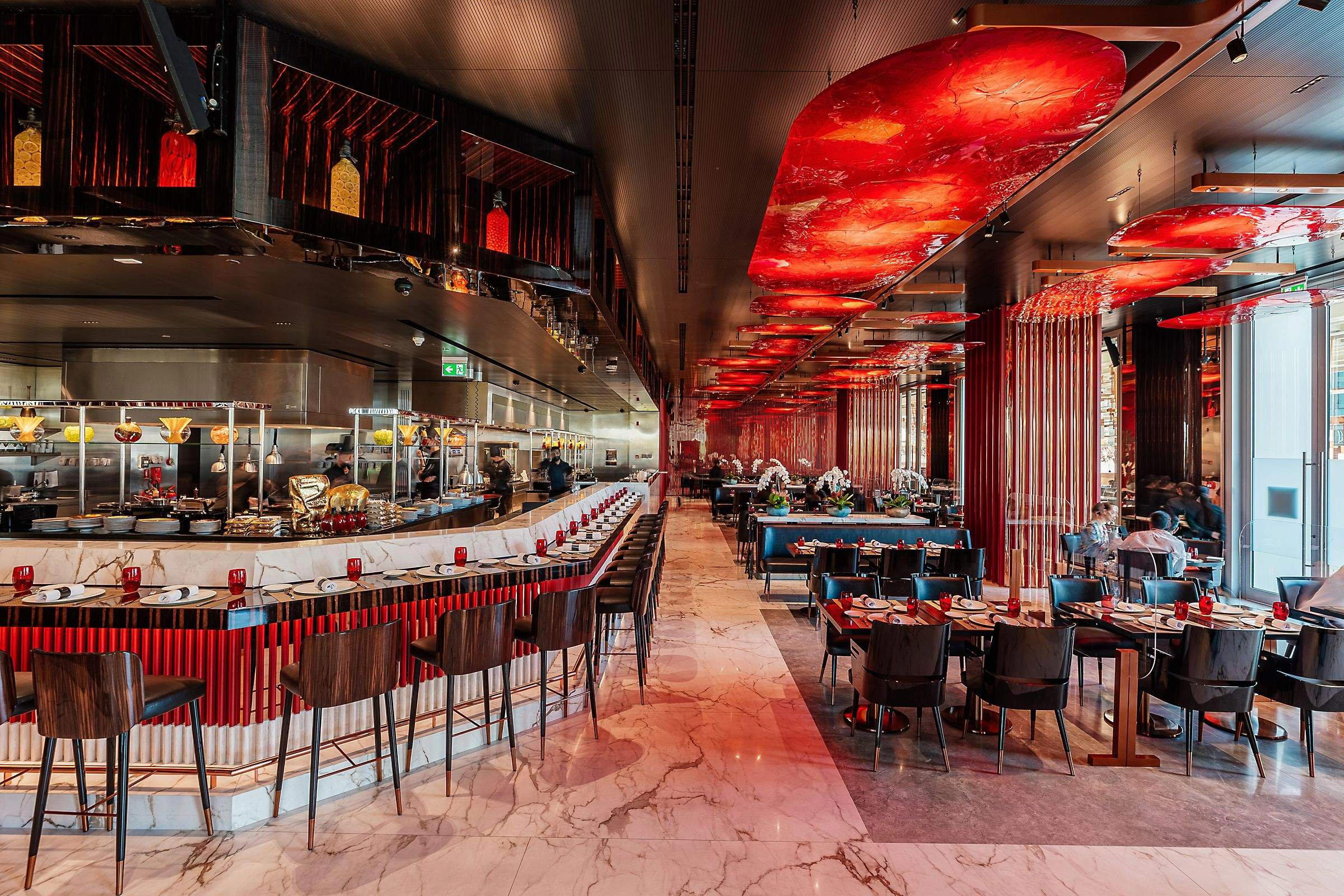
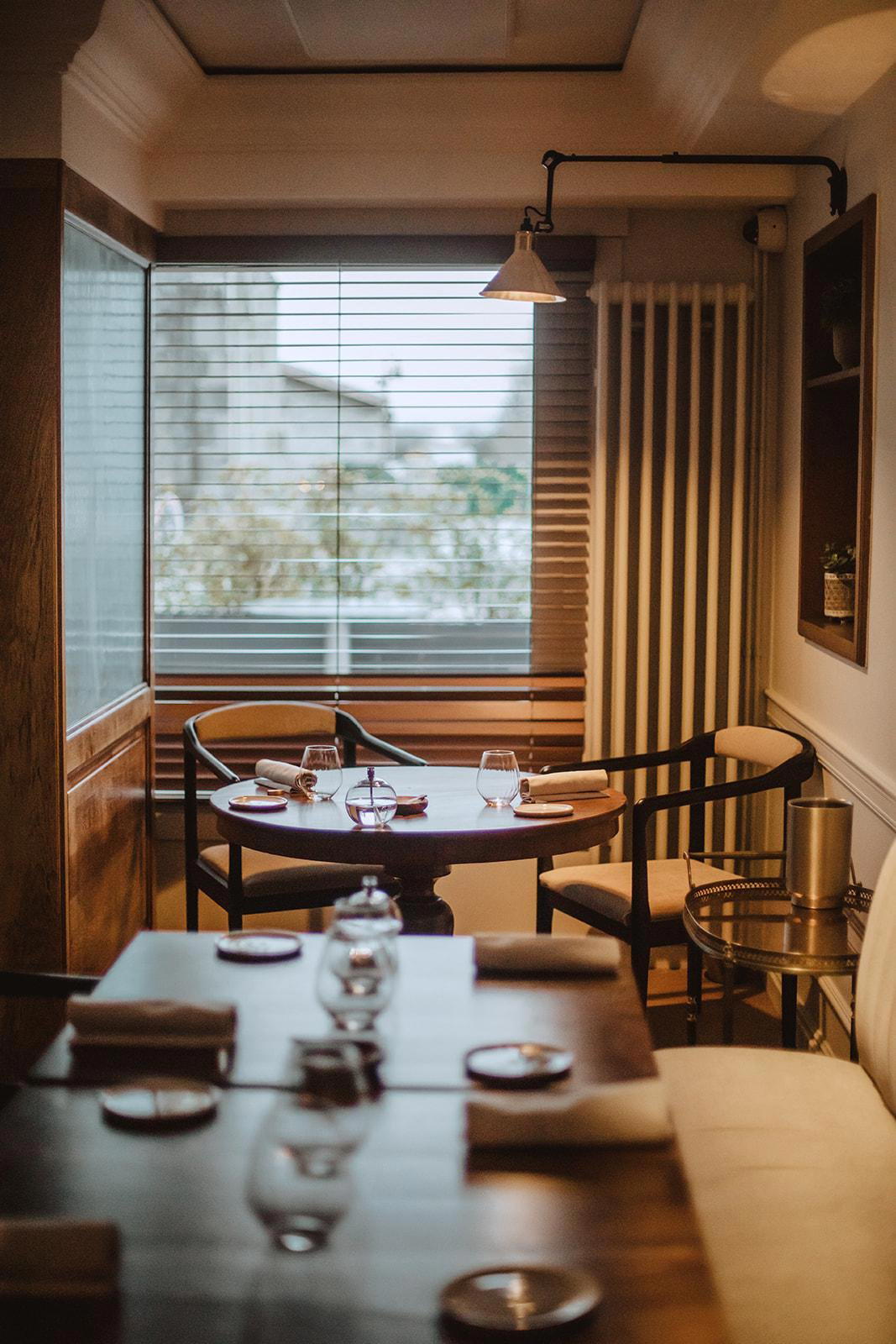
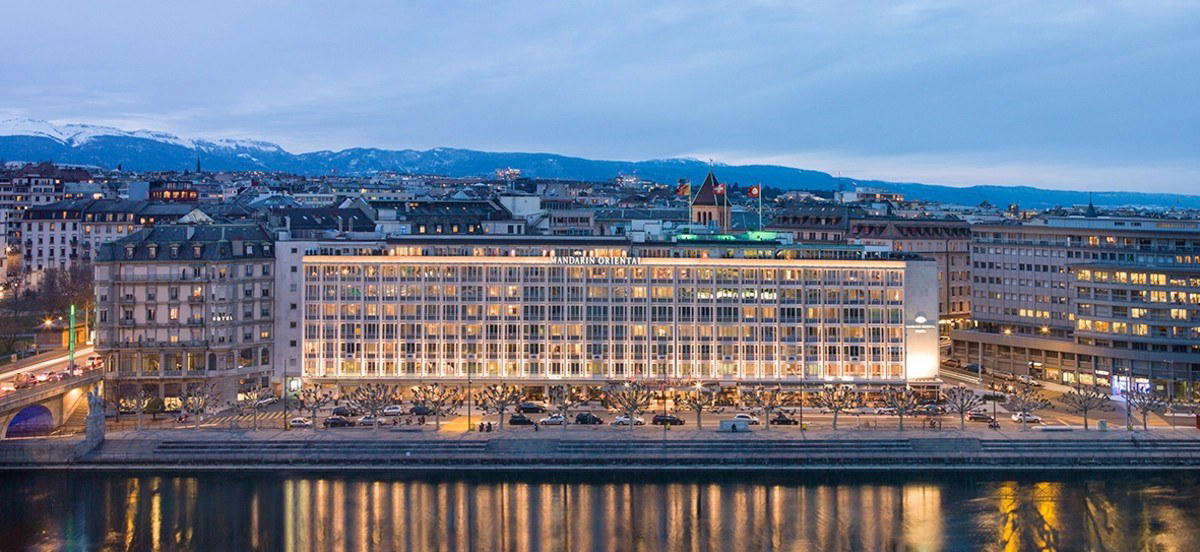
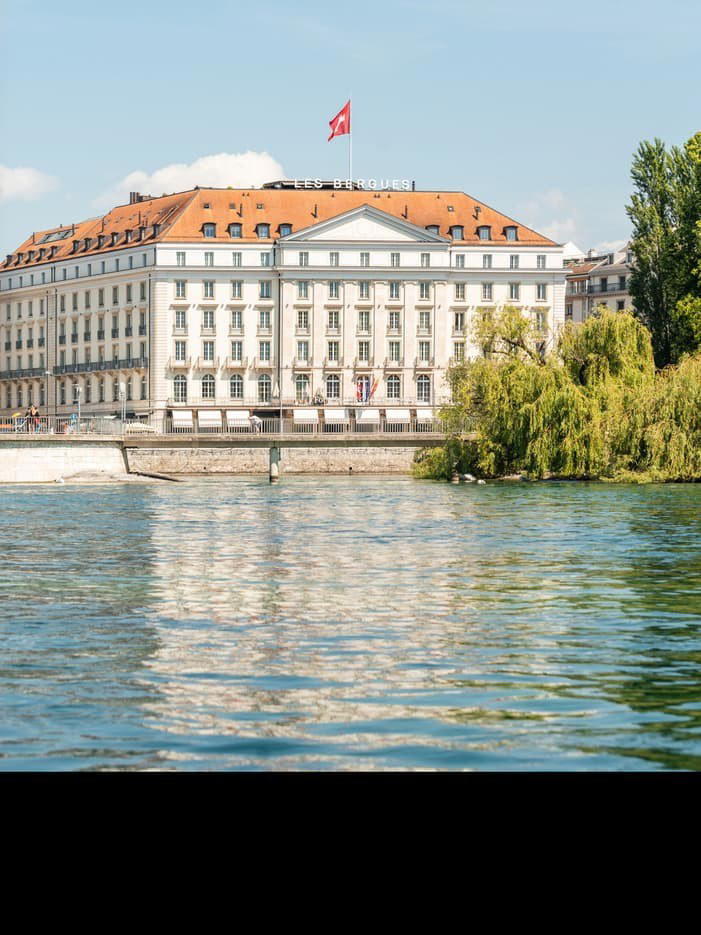
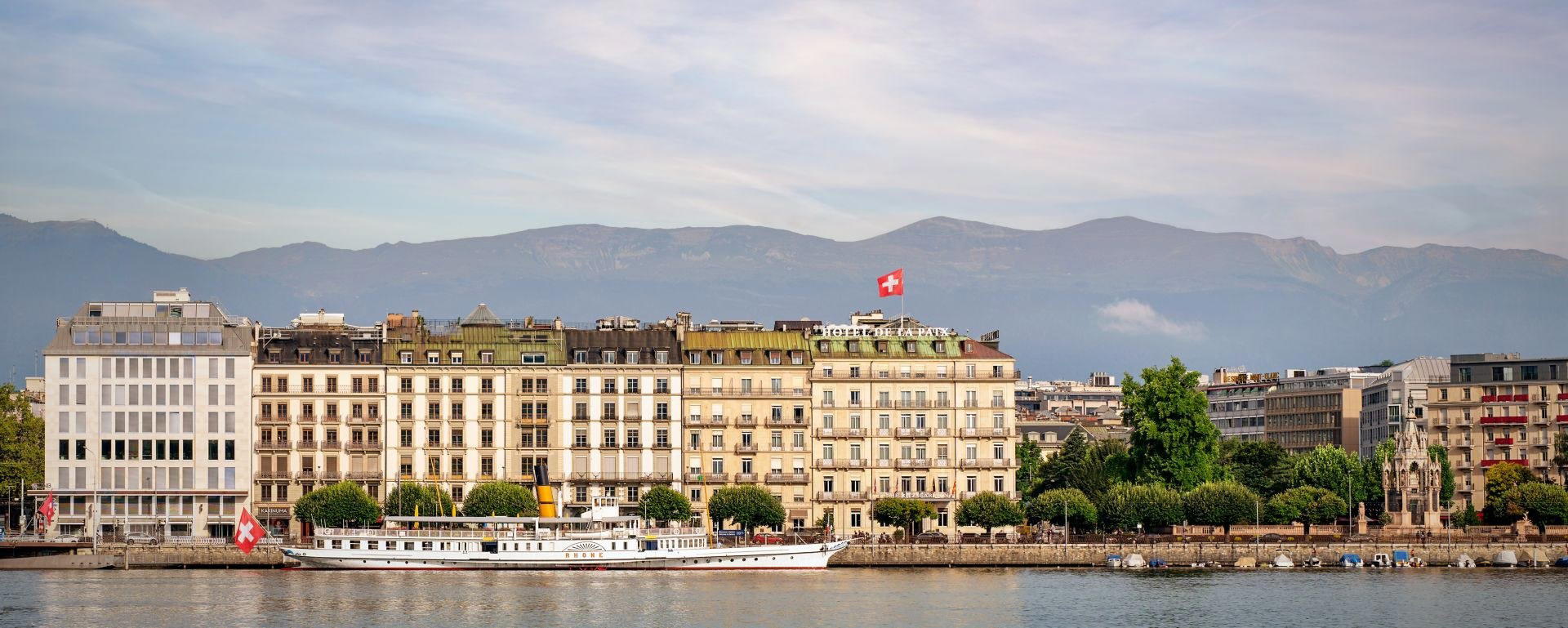
Approaching the restaurant along the quai, with the low grey light that Geneva's winter afternoons compress against the water, the setting already signals a certain register: this is not a neighbourhood ramen counter or a business-district sushi chain. The location, at Quai Turrettini 1, places SACHI within the arc of dining that lines Geneva's waterfront, a stretch that includes addresses across multiple cuisines and price points. Within that corridor, Japanese Contemporary occupies a specific space, one that values restraint and technique over abundance, and where the material sourced for each service matters as much as what is done to it.
Sustainability as Method, Not Marketing
Japanese Contemporary cuisine, when practiced at this level, has an inherent structural affinity with low-waste, ethically sourced cooking. The Japanese culinary tradition from which it descends, rooted in mottainai, the philosophy of minimising waste and honouring the full value of ingredients, sits at the opposite end of the spectrum from the excess-driven French banquet model that dominated European fine dining for much of the twentieth century. At restaurants operating in this idiom, whole-product use, seasonal alignment, and the avoidance of unnecessary processing are not progressive gestures added to attract a certain clientele: they are foundational to the cuisine's logic.
In a Swiss context, this matters for a specific reason. Switzerland's Alpine supply chains, its dairy and mountain produce culture, and its proximity to France's vegetable-intensive regional traditions give a Geneva-based Japanese Contemporary kitchen access to ingredients that align well with the demand for provenance and short supply lines. The city's position at the intersection of French and German food cultures also means that the sourcing question is live and contested in ways it might not be in a more culinarily homogenous city. Where a Tokyo kitchen operating in this idiom draws from Japan's extraordinarily specific fish markets and agricultural prefectures, a Geneva equivalent must construct its own sourcing logic, and the leading kitchens in this category do so deliberately rather than by default.
SACHI's Michelin Plate recognition, held for two consecutive years, implies a kitchen operating with consistency across service. The Plate designation in Michelin's current framework marks restaurants with good cooking that stops short of star qualification, a meaningful signal in a city where the star-rated tables, such as L'Atelier Robuchon at the four-symbol level, set a high benchmark for technical ambition. For a Japanese Contemporary address to hold Plate recognition in Geneva's competitive environment, where Il Lago at the Italian end and Arakel in Modern Cuisine occupy adjacent price tiers, points to a kitchen that has found its register and maintains it.
Where SACHI Sits in Geneva's Japanese Dining Tier
The Japanese Contemporary category in Geneva is not large. Beyond SACHI, the city's Japanese dining scene runs from high-volume sushi operations serving the international community to a handful of more considered addresses.
Within Switzerland more broadly, the Japanese Contemporary category is anchored by a small number of deeply credentialed kitchens. The Japanese Restaurant in Andermatt operates within a different setting entirely, a destination resort context that shifts the dining logic considerably. Looking further afield for comparison, Eika in Taipei represents the Asian end of this culinary category, where the ingredient culture and sourcing infrastructure differ substantially from what a Geneva kitchen can access. The domestic Swiss fine dining scene, represented by addresses such as Hotel de Ville Crissier, Schloss Schauenstein in Fürstenau, Cheval Blanc by Peter Knogl in Basel, and Memories in Bad Ragaz, operates predominantly in the European tradition. SACHI's positioning within this national context, as a Japanese Contemporary address in Switzerland's international financial city, gives it a specific identity that these comparisons help clarify.
At €€€ pricing, the same tier as L'Aparté in Modern French and Tsé Fung in Chinese, SACHI occupies the upper-mid price band rather than the city's ceiling. That pricing, combined with the Michelin Plate recognition, places it in the category of restaurants where the quality-to-investment ratio is worth calculating carefully. The more expensive addresses in Geneva, at the €€€€ level, carry greater technical ambition but also greater formality. SACHI's register appears more accessible without abandoning the discipline that Michelin recognition requires.
Planning a Visit
SACHI sits at Quai Turrettini 1 in Geneva's 1201 postal district, on the right bank of the Rhône in a part of the city with good transport access from the main rail station and the central lakefront hotels. For those building a broader Geneva stay, our full Geneva hotels guide maps the accommodation options across the city's different neighbourhoods. Phone and booking platform details are best confirmed directly through the venue. Those exploring Geneva's wider food and drink scene will find supporting context in our full Geneva bars guide, our full Geneva wineries guide, and our full Geneva experiences guide. For a broader map of where SACHI fits among the city's restaurants, our full Geneva restaurants guide covers the full range, from waterfront fine dining to neighbourhood specialists. For those considering a Swiss fine dining circuit, 7132 Silver in Vals and Colonnade in Lucerne represent different regional registers worth factoring into the itinerary.
Frequently asked questions
Is SACHI Michelin-listed?
SACHI has received recognition including: Michelin Plate (2025); Michelin Plate (2024).
What dish is SACHI famous for?
SACHI's Michelin Plate recognition in both 2024 and 2025 reflects consistent kitchen performance across its Japanese Contemporary format rather than a single signature dish. That category typically organises menus around Japanese technique applied to seasonal European produce, where the throughline is method, fermentation, dashi-based broths, precise knife work, rather than one calling-card plate.
How much does it cost to eat at SACHI?
Pricing at SACHI is listed as €€€.
Do they take walk-ins at SACHI?
Geneva's dining culture skews toward advance reservations at this price tier, and Quai Turrettini 1 is accessible enough to attract both locals and visiting professionals. A reservation is the safer approach; walk-in availability, if it exists, will depend on the day and service time.
The Short List
| Venue | Cuisine | Price | Awards | Notes |
|---|---|---|---|---|
| SACHIThis venue (the venue you are viewing) | Modern Japanese Fine Dining | $150–200 | Michelin Plate | Not listed |
| Il Lago | Michelin-Starred Italian | $200–300 | 1 Michelin Star · Wine Spectator Best of Award of Excellence | Italian |
| Tsé Fung | Michelin-Starred Cantonese | Not listed | 1 Michelin Star · Falstaff Restaurant - 93 Falstaff Points | Chinese |
| Fiskebar | Nordic Seafood | $100–150 | Michelin Plate | Nordic - Seafood, Modern Cuisine |
| Le Jardinier | Contemporary Seasonal French | Not listed | Michelin Plate | French, French Contemporary |
| L'Atelier Robuchon | Modern French Fine Dining | $200–300 | 2 Michelin Stars · La Liste Top Restaurants | French Contemporary |
Recognition history
Dated appearances from independent guides and award organizations, with the underlying list record or original source where available.
Michelin Plate
Michelin
Full recognition history (2 entries)
Michelin Plate
Michelin
Continue exploring
More in Geneva
Restaurants in Geneva
All restaurants in Geneva →
Bars in Geneva
All bars in Geneva →

Details
- Elegant
- Sophisticated
- Modern
- Intimate
- Date Night
- Special Occasion
- Business Dinner
- Chefs Counter
- Waterfront
- Terrace
- Hotel Restaurant
- Open Kitchen
- Extensive Wine List
- Waterfront
- Omakase
- Tasting Menu
- A La Carte
Current opening hours
- Monday
- 12–2 PM, 6:45–11 PM
- Tuesday
- 12–2 PM, 6:45–11 PM
- Wednesday
- 12–2 PM, 6:45–11 PM
- Thursday
- 12–2 PM, 6:45–11 PM
- Friday
- 12–2 PM, 6:45–11 PM
- Saturday
- 12–2 PM, 6:45–11 PM
- Sunday
- 12–2 PM, 6:45–11 PM
Hours can change for holidays and private events. Hours as of .
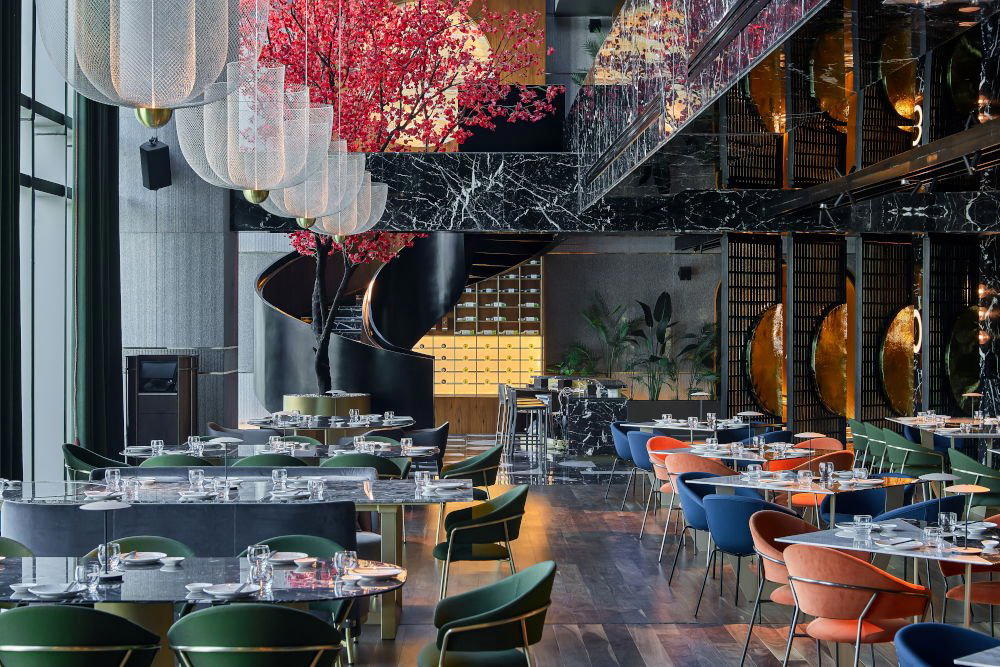
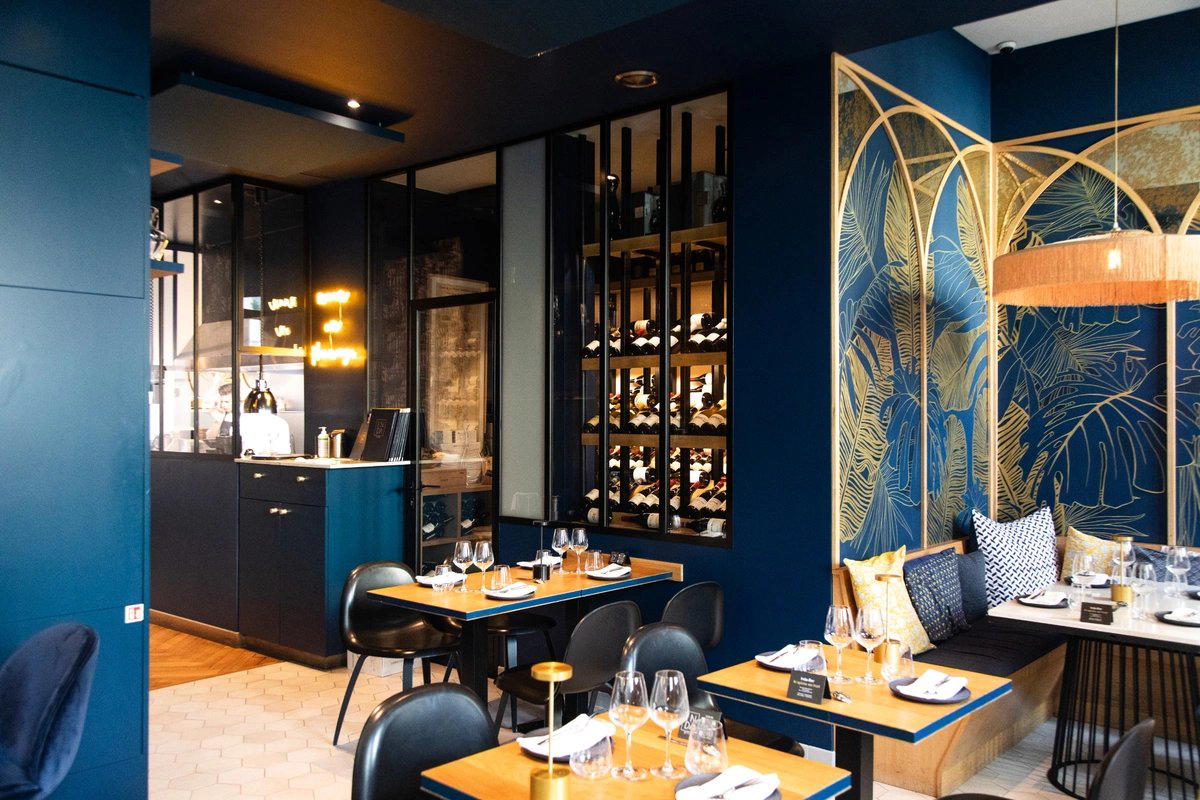
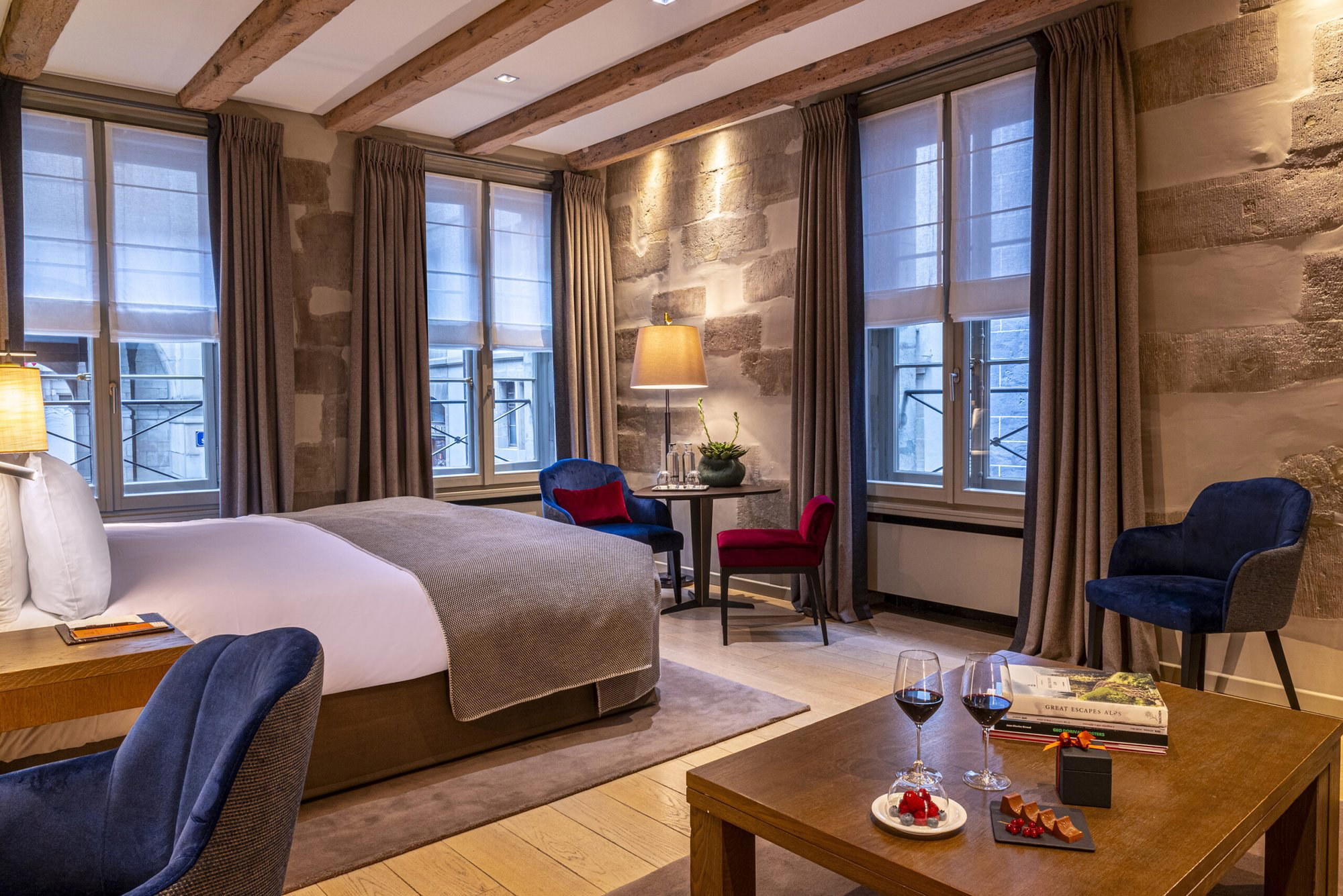
Refined yet relaxed atmosphere with contemporary design, intimate omakase counter, and enchanting Rhône riverside setting.