Rybrew
Our verdict
Rybrew occupies a corner of West Girard Avenue where Brewerytown's industrial past meets a current wave of neighborhood investment. Visitors to the 2600 block will find it worth confirming hours and offerings directly before visiting.

Pearl is the En Primeur Club membership app — saves, bookings, and concierge access live there. Same editors, same standards.
- Address
- 2600 W Girard Ave, Philadelphia, PA 19130
- Phone
- (215) 763-1984
- Hours
- Daily 11 AM–9 PM
- Website
- rybrew.com
- Directions
- Get directions
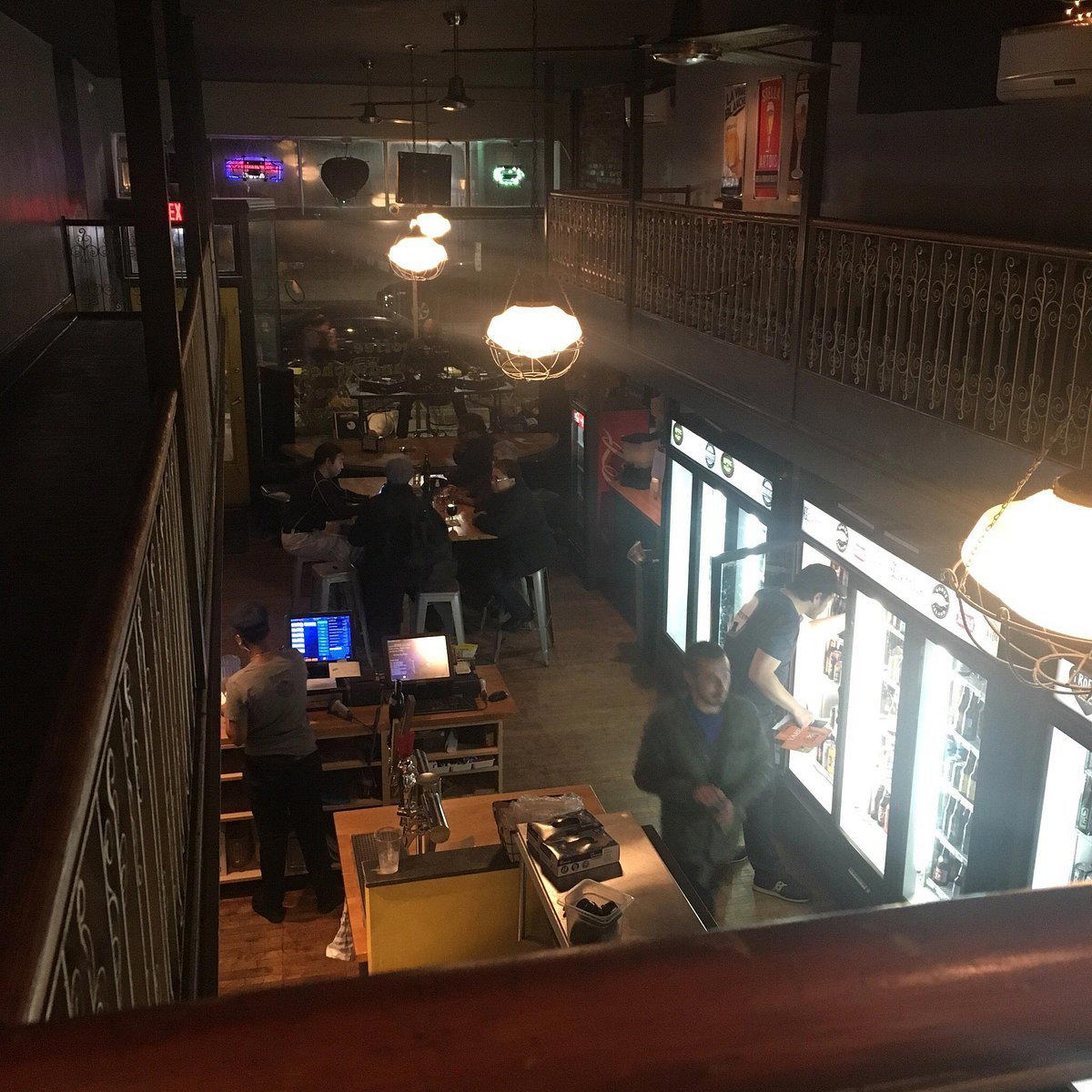
Brewerytown's Changing Frequency
West Girard Avenue has spent the better part of a decade in transition. The stretch running through Brewerytown — a neighborhood whose name references the dense cluster of lager producers that once made it one of America's most productive brewing corridors before Prohibition dismantled the industry — has re-emerged as a corridor where independent operators, not chains, are setting the tone. The physical character of the area still carries that industrial legibility: wide sidewalks, brick warehouse facades, corner buildings with oversized windows. Rybrew sits at 2600 W Girard Ave, one of those corner positions that gives a venue natural visibility without requiring it to perform for foot traffic in the way a busier commercial strip demands.
Philadelphia's bar and brewery scene has bifurcated in recent years. On one side, large-format taprooms with cavernous interiors and rotating 30-tap lineups have become anchors in neighborhoods like Fishtown and Northern Liberties. On the other, smaller-format venues with tighter programs and stronger neighborhood identity have taken root in areas like Brewerytown, where the density of destination drinkers is lower but the loyalty of regulars tends to run deeper. Rybrew occupies the latter category by geography if not necessarily by format, its address places it squarely in that second tier of the city's drinking culture, away from the tourist-facing concentration of Old City and the hyper-visible Passyunk corridor.
What the Address Tells You
In Philadelphia, location is editorial. A venue at 2600 W Girard Ave is making a statement about its audience: it is not positioning for convention-weekend spillover or pre-game crowds from sports complexes. The Brewerytown address signals a local-first orientation, the kind of place that earns its business through repeat visits rather than first-time tourist volume. That model tends to reward consistency over novelty and places more pressure on the quality of the day-to-day experience than on marquee programming.
Philadelphia's broader drinking and dining scene provides useful context here. The city has produced a number of venues with strong neighborhood identity that eventually drew citywide attention, a trajectory visible in how spots along East Passyunk evolved from local fixtures to regional destinations. The mechanism that drives that shift is usually a combination of format discipline and front-of-house quality: the ability to make regulars feel recognized while handling first-time visitors without condescension. Those venues that get that balance right tend to show up on lists like Philadelphia Magazine's annual dining awards before they show up on national radar. For venues in Brewerytown, the path to broader recognition still runs through the neighborhood itself.
The Collaborative Floor
In the current Philadelphia bar and food scene, the most durable venues are rarely built around a single personality. The model that has shown staying power, visible in how places like Friday Saturday Sunday and Fork have maintained relevance across multiple years, tends to involve tight collaboration between whoever is running the bar program, the kitchen (if food is part of the offering), and the people managing the floor. That last role is often undervalued in press coverage but is the primary thing a guest actually experiences: whether the room feels managed or merely staffed.
For a neighborhood venue in Brewerytown, that team dynamic operates at closer range. The regulars know the staff, the staff know the regulars, and the bar between those relationships is lower than at a destination restaurant downtown. That intimacy, when it functions well, produces a kind of service intelligence that is harder to train than technical knowledge. It is the reason some small-format venues in neighborhoods like this one develop followings that resist the logic of star ratings or formal critical recognition, the experience is calibrated for people who return, not for people who are being evaluated.
The Philadelphia venues that have broken out of purely local status to register nationally, from Mawn in its category to My Loup on the French-inspired end, have all done so by maintaining that neighborhood coherence while sharpening the program enough to hold up under outside scrutiny. The question for any Brewerytown venue is whether the local foundation is strong enough to support that kind of outward pressure when it comes.
Philadelphia in a National Frame
It is worth placing Philadelphia's neighborhood bar and brewery culture within the broader national conversation. The cities that have produced the most interesting drinking venues over the past decade, cities like San Francisco, Chicago, New York, have done so not primarily in their glossiest corridors but in the neighborhoods adjacent to them. Smyth in Chicago built credibility through format discipline rather than address prestige. Lazy Bear in San Francisco developed a communal format that ran against the grain of fine dining conventions. Philadelphia has the neighborhood infrastructure to produce that kind of originality; Brewerytown, with its history and its current reinvestment, is one of the more plausible incubators for it.
The comparison set for venues at this end of the market is not The French Laundry or Le Bernardin. It is the set of places in mid-sized American cities that have built durable local institutions without chasing national recognition, places that, years later, turn out to have been the ones worth visiting all along. South Philly Barbacoa is a Philadelphia example of that pattern: a venue with a specific identity and a specific community, recognized eventually by critics who caught up to what the neighborhood already knew.
Planning Your Visit
Rybrew is located at 2600 W Girard Ave in the Brewerytown section of Philadelphia. Brewerytown is accessible from Center City Philadelphia by car or bike along Girard Avenue, which runs as a direct corridor connecting the neighborhood westward from Northern Liberties. For visitors who want to build a broader West Philadelphia and Fairmount itinerary, the area sits within reasonable distance of Fairmount Park and the Philadelphia Museum of Art.
For a fuller view of where Rybrew sits within Philadelphia's dining and drinking map, our full Philadelphia restaurants guide covers the city's neighborhoods in detail, including the Brewerytown and Fairmount corridor.
Frequently asked questions
What do regulars order at Rybrew?
How hard is it to get a table at Rybrew?
What do critics highlight about Rybrew?
Is Rybrew good for vegetarians?
Is Rybrew overpriced or worth every penny?
What makes Rybrew worth visiting if you're already planning a Brewerytown itinerary?
Comparable Spots
| Venue | Cuisine | Price | Awards |
|---|---|---|---|
| RybrewThis venue — the venue you are viewing | American Sandwiches & Craft Beer | $10–20 | Not listed |
| Friday Saturday Sunday | Modern American Tasting Menu | $100–150 | 1 Michelin Star · World's 50 Best #40 |
| Fork | Seasonal New American | Not listed | James Beard Award Outstanding Restaurateur #1 · Wine Spectator Award of Excellence |
| South Philly Barbacoa | Authentic Mexican Barbacoa Taqueria | $10–20 | James Beard Award Best Chef: Mid Atlantic · Chef's Table Featured on Chef's Table |
| Jean-Georges Philadelphia | Modern French Fine Dining | $200–300 | La Liste Top Restaurants · Wine Spectator Best of Award of Excellence |
| Helm | Seasonal New American Small Plates | $50–100 | Not listed |
Continue exploring
More in Philadelphia
Restaurants in Philadelphia
Browse all →
Bars in Philadelphia
Browse all →
Details
- Lively
- Cozy
- Trendy
- Casual Hangout
- Live Music
- Open Kitchen
- Beer Program
- A La Carte
- Craft Beer
- Vegetarian Friendly
Current opening hours
- Monday
- 11 AM–9 PM
- Tuesday
- 11 AM–9 PM
- Wednesday
- 11 AM–9 PM
- Thursday
- 11 AM–9 PM
- Friday
- 11 AM–9 PM
- Saturday
- 11 AM–9 PM
- Sunday
- 11 AM–9 PM
Hours can change for holidays and private events. Last verified .
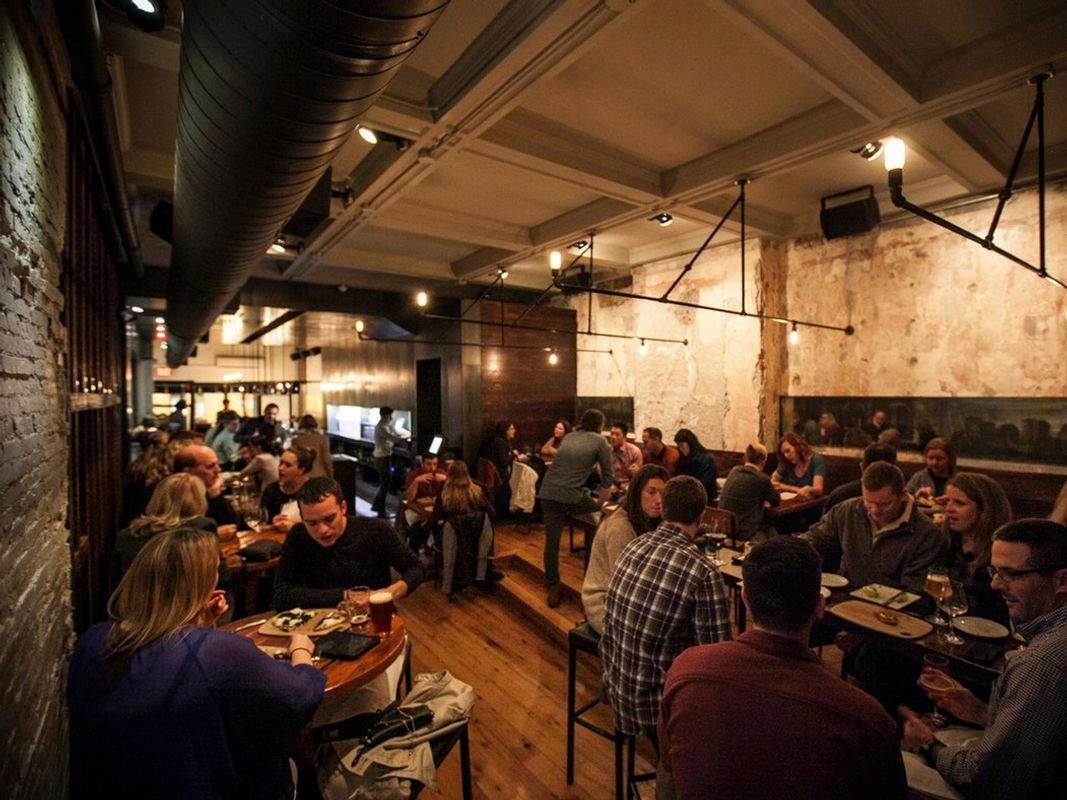
Relaxed and welcoming with live music events and a casual neighborhood vibe.