The Bread Room
The Bread Room is a Philadelphia bakery and sandwich counter operating in a city where daytime dining has grown increasingly serious. Pastries and made-to-order sandwiches anchor the menu, placing it within a broader local tradition of craft-forward casual eating. For visitors building a full day in Philadelphia, it belongs in the same conversation as the neighborhood's most considered quick-service options.
Pearl is the En Primeur Club membership app — saves, bookings, and concierge access live there. Same editors, same standards.
- Address
- 834 Chestnut St Suite 103, Philadelphia, PA 19107
- Phone
- (215) 419-5820
- Website
- thebreadroomphl.com
- Directions
- Get directions
 Saves & bookings on Pearl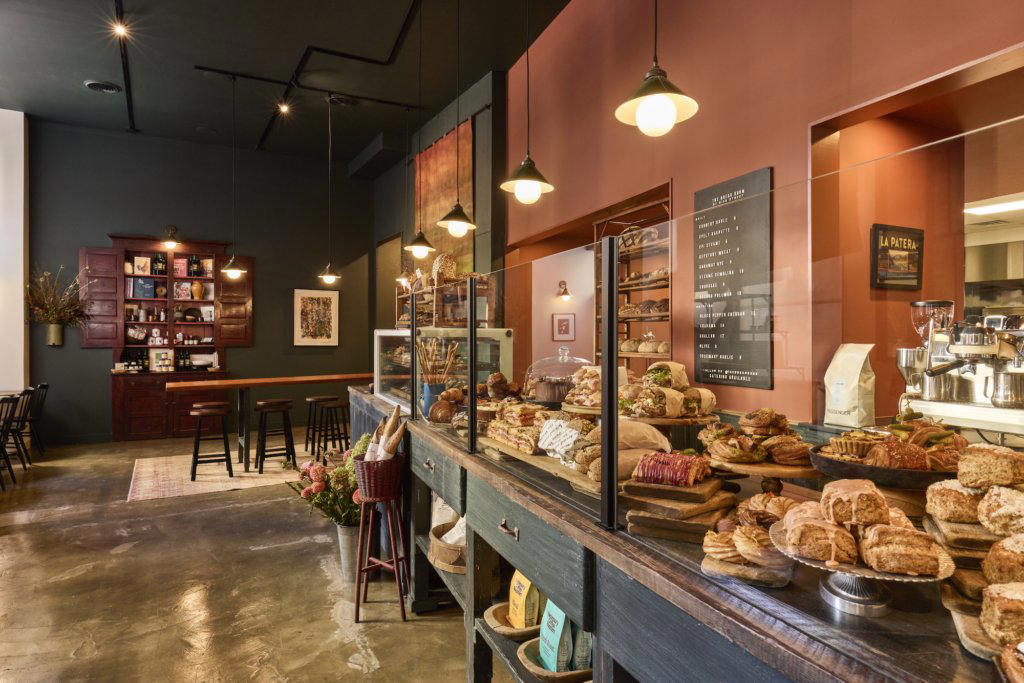
Philadelphia's Daytime Dining Tier, and Where Craft Bakeries Fit
Philadelphia's food scene has spent the last decade sorting itself into tiers that did not exist before. At the leading end, reservation-driven rooms like Fork and Friday Saturday Sunday compete on technique and sourcing with peers in New York or Chicago. Midrange, the city's more adventurous cooking arrives through specialists: Mawn bringing serious Cambodian and pan-Asian cooking to a format that doesn't require a tasting menu commitment, South Philly Barbacoa treating a single Mexican regional tradition with the same depth a fine-dining kitchen would apply to French technique. Below that, though the word "below" misleads, sits a growing tier of daytime operations where craft is the whole point: bakeries and sandwich counters where the work is flour, fermentation, and the discipline of making a small number of things well.
The Bread Room occupies that daytime tier. It is a Philadelphia bakery and made-to-order sandwich counter, which means its reference points are not the white-tablecloth rooms that attract critical attention but the city's broader culture of serious bread and the counter-service formats that have gradually absorbed the same sourcing instincts as their dinner-hour counterparts. In cities where this category has matured, San Francisco being the obvious benchmark, the gap between a considered bakery and a full-service restaurant is narrower than it looks on paper. Philadelphia has been moving in the same direction.
The Logic of the Sandwich Counter as a Collaborative Format
Made-to-order sandwich work is, structurally, a team discipline. Unlike a tasting menu kitchen where a single chef's decisions move in one direction through the room, a counter operation distributes skill across every station simultaneously: the person managing the bread program is setting conditions for whoever assembles the sandwich, who is in turn working against the pace set by the front of the counter. When it functions well, the result feels effortless to the customer. When it doesn't, the seams show immediately, a bread that doesn't hold, a filling applied without attention to proportion, a queue that stalls because handoffs between stations haven't been drilled.
This is a different kind of collaboration than the one on display at a destination dining room like Lazy Bear in San Francisco or Alinea in Chicago, where front-of-house and kitchen choreograph a multi-hour experience. Counter-service collaboration is faster, more repetitive, and less forgiving, the margin for correction on any individual order is close to zero. The bakeries that have earned reputations in cities with mature bread cultures tend to be the ones where that operational discipline is as considered as the recipe development. Pastry work adds another layer: laminated doughs, fermented levains, and enriched pastries all require time-structured workflows that kitchen teams have to coordinate before a single customer walks in.
Bread in Philadelphia: The Tradition Behind the Counter
Philadelphia's relationship with bread is older and more complicated than the current wave of sourdough-forward bakeries suggests. The city's Italian American neighborhoods, particularly in South Philadelphia, sustained a tradition of serious bread baking through decades when other American cities were losing theirs to industrial production. That foundation, the expectation that bread should have character, that a roll should be worth eating on its own, is part of what made Philadelphia receptive to the craft bakery movement when it arrived in force during the 2010s.
The sandwich, in this context, is not a vehicle for bread, it is a test of it. A made-to-order sandwich counter that takes its bread program seriously is making an argument about proportionality: that the structural and textural contribution of the bread matters as much as the filling it carries. This is a different operating philosophy than the deli tradition, where bread is largely neutral, or the fast-casual model, where consistency is prioritized over character. When a bakery counter positions itself in the craft tier, those choices become visible in every order that goes across the pass.
That same logic applies to pastries. The Philadelphia cafe and bakery scene now runs from high-volume chains to small-batch operations that change their display case by the hour depending on what came out of the oven. The serious end of that spectrum tends to produce work that reads more like patisserie than breakfast grab-and-go: laminated croissants with defined layers, morning buns with a specific crumb, financiers or tarts that require a different skill set than a muffin. Visitors who have spent time at the pastry programs attached to places like Single Thread Farm in Healdsburg or the bread service at The French Laundry in Napa will recognize the underlying discipline even when the format is far less formal.
Planning a Visit
Bakeries and sandwich counters in Philadelphia's craft tier operate on different timing logic than dinner restaurants. The leading inventory, pastries especially, moves early, often before mid-morning, and counters that bake in limited quantities do not restock across the day. A visit planned for late morning is a safer window than one that assumes afternoon availability. Made-to-order sandwiches tend to hold longer into service, but peak queues at well-regarded counters in Philadelphia typically cluster between 11am and 1pm.
For visitors building a broader day, Philadelphia's food geography rewards pairing daytime stops with an evening reservation. The city's more destination-level dinner rooms are covered in our full Philadelphia restaurants guide. For those staying overnight, our Philadelphia hotels guide maps the accommodation options by neighborhood. The city's bar program has its own momentum, detailed in our Philadelphia bars guide, and the region's broader food and drink culture extends into wineries and experiences worth building into a longer trip.
The Bread Room sits within a competitive category that has grown more serious in Philadelphia over the past several years. The city that produced a dinner scene capable of standing beside Le Bernardin in ambition, that has produced chefs who have gone on to programs recognized alongside Atomix in New York and Alain Ducasse at the Louis XV in Monaco, has also produced a daytime food culture that rewards attention. A bakery operating at the craft end of that tier is not a lesser category, it is a different one, with its own technical demands and its own standards for what good looks like. And in Philadelphia right now, those standards are higher than they have ever been. For visitors who also want to explore the full breadth of what Philadelphia's kitchens are doing, My Loup represents the French-inspired end of that spectrum, while Emeril's in New Orleans offers a useful point of comparison for how American cities build daytime and evening dining cultures in parallel.
- house-milled local grain miche
- whole grain sourdough loaves
- matcha croissant
- miso tahini cookies
- tahini-honeycomb crullers
- pastrami Reuben rye croissant
Budget and Context
Comparable venues nearby, for context on price, style, and recognition.
| Venue | Cuisine | Price | Notes |
|---|---|---|---|
| The Bread RoomThis venue — the venue you are viewing | Not listed | $ | Not listed |
| Jim's Steaks | Not listed | $ | South Street, Classic Philly Cheesesteaks |
| Rybrew | Not listed | $ | Fairmount, American Sandwiches & Craft Beer |
| Fitzon4th | Tattoo Alley, Modern Vegan Tapas | $$ | Not listed |
| Marathon Grill | Not listed | $$ | Rittenhouse Square, Farm-to-Table American Grill |
| Cafe Lift | Not listed | $$ | Callowhill, Seasonal American Brunch Cafe |
Continue exploring
More in Philadelphia
Restaurants in Philadelphia
Browse all →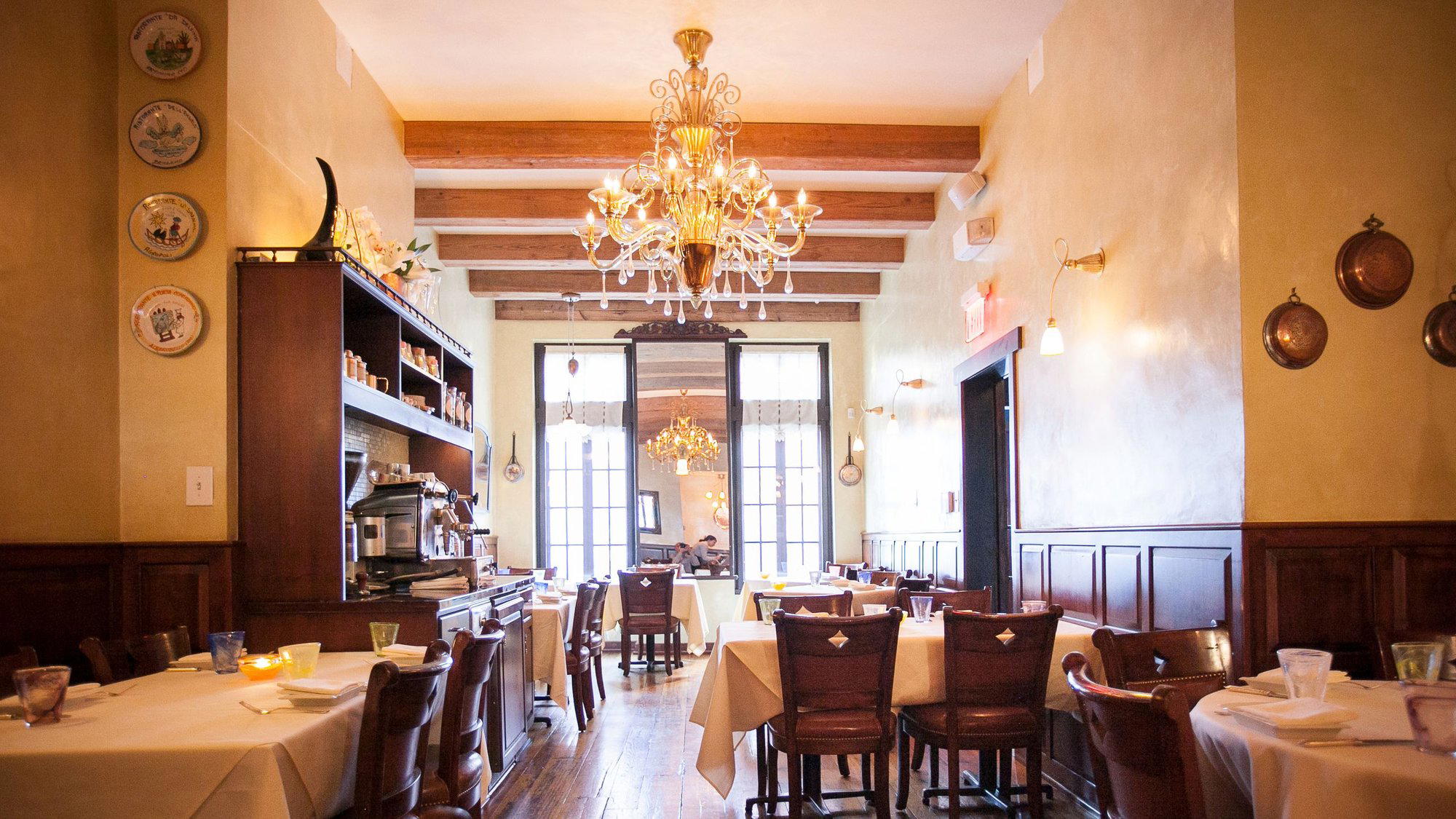
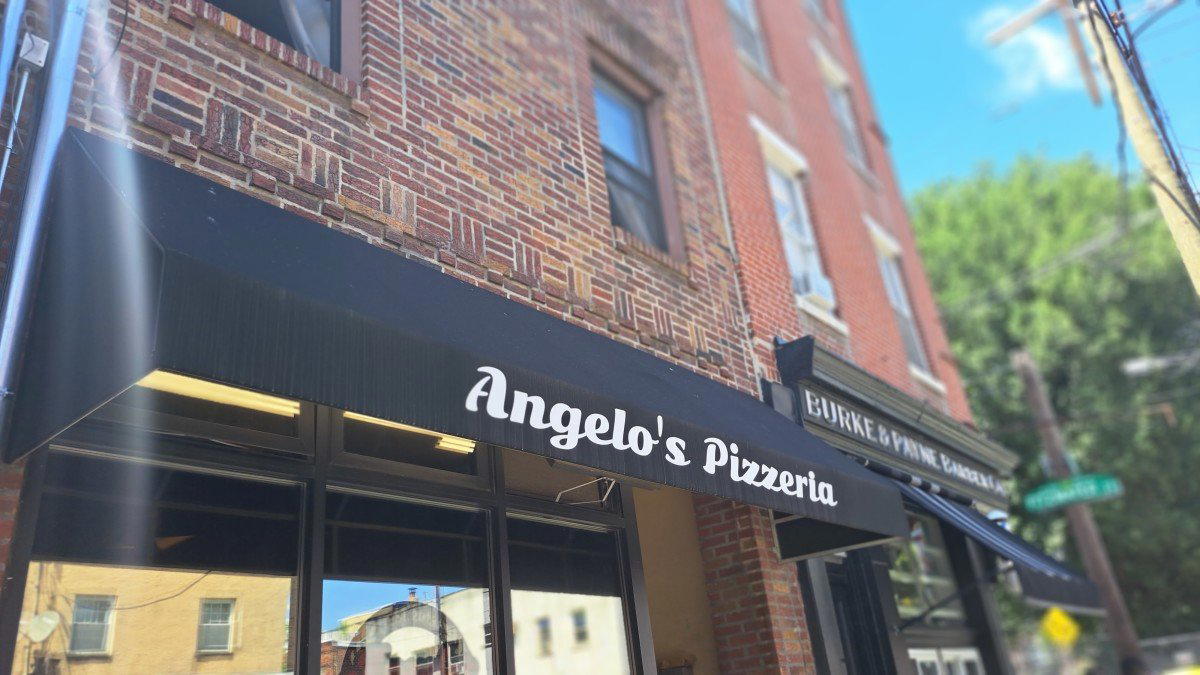
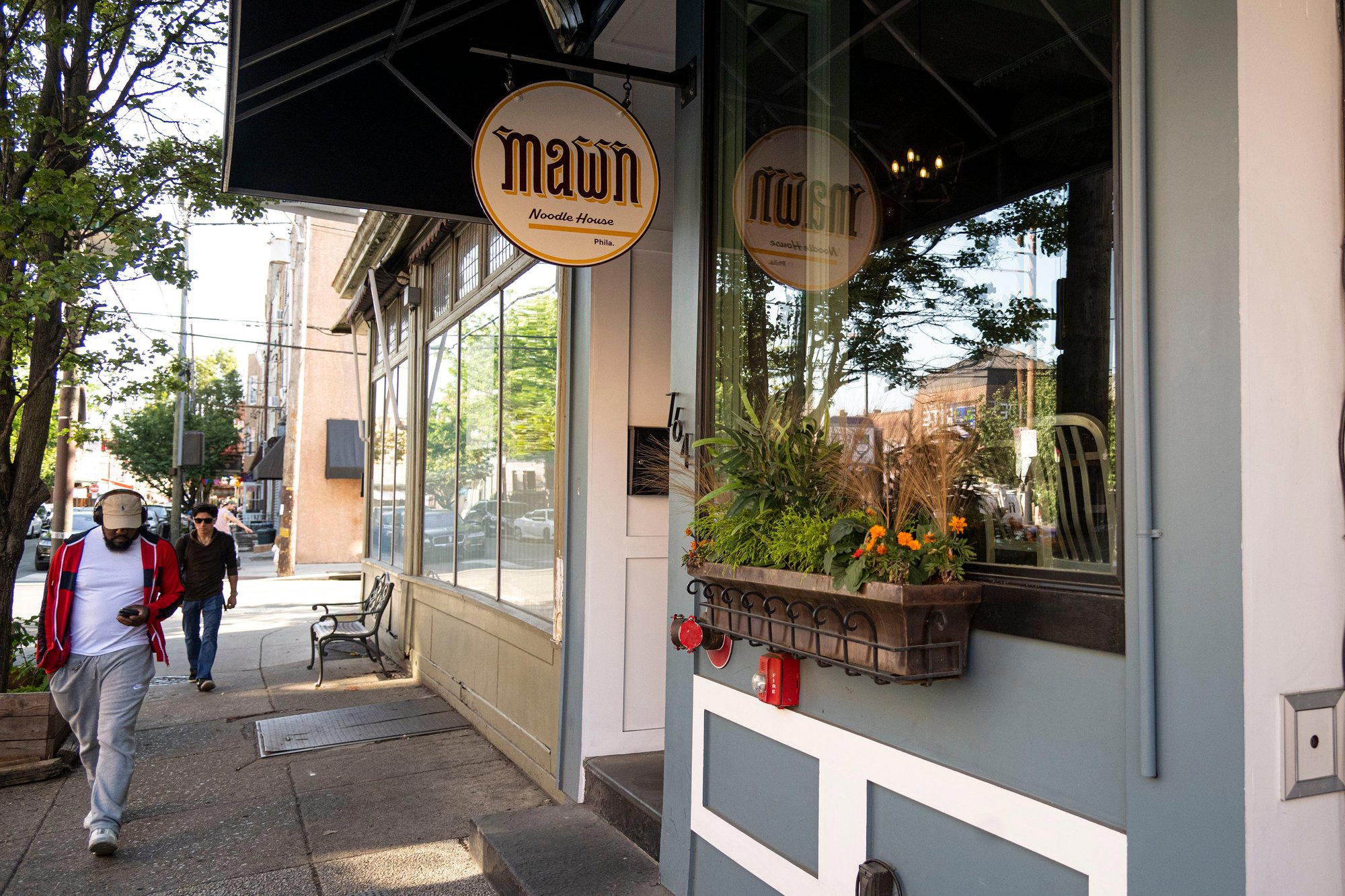
Bars in Philadelphia
Browse all →
At a Glance
- Cozy
- Rustic
- Casual
- Brunch
- Casual Hangout
- Group Dining
- Private Event
- Open Kitchen
- Private Dining
- Standalone
- Local Sourcing
- Organic
Current opening hours
- Monday
- 7 AM–4 PM
- Tuesday
- 7 AM–4 PM
- Wednesday
- 7 AM–4 PM
- Thursday
- 7 AM–4 PM
- Friday
- 7 AM–4 PM
- Saturday
- 9 AM–3 PM
- Sunday
- 9 AM–3 PM
Hours can change for holidays and private events. Last verified .
Warm, inviting, and neighborhood-focused with pleasant surroundings and friendly service; feels like a cozy artisan bakery with fresh breads and pastries.