Rucola

Michelin Plate
Our verdict
Rucola brings a produce-led dining lens to Covent Garden, a district where pre-theatre velocity and members-club privacy increasingly sit side by side. Its position inside The Conduit puts it in a quieter tier of central London dining, where sourcing, seasonality and room culture matter as much as the name on the door.

Pearl is the En Primeur Club membership app, where members save venues, book tables and use the concierge.
The menu
What to order
- Handmade pasta
- House focaccia
- Plant-forward Northern Italian small plates
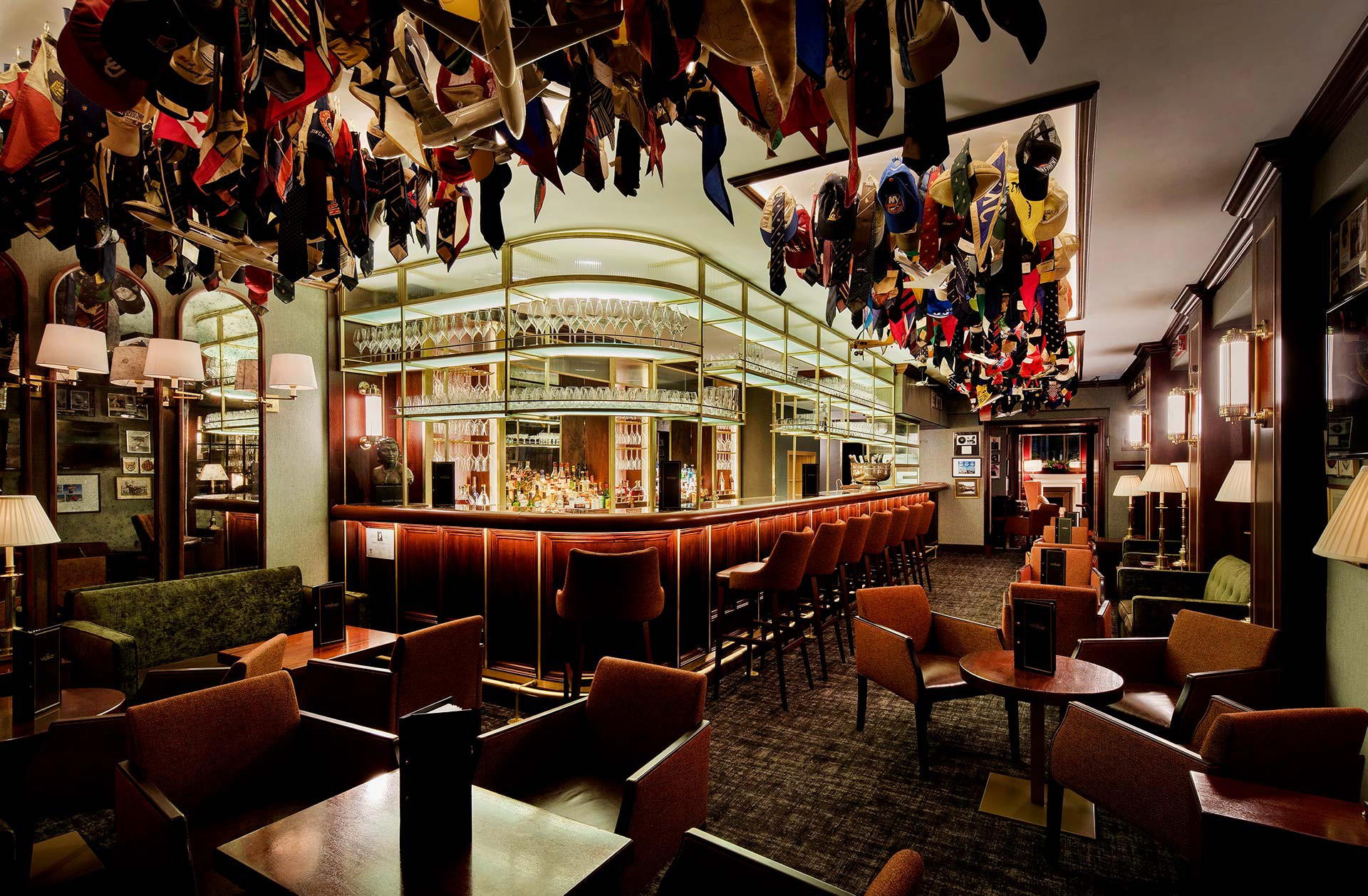
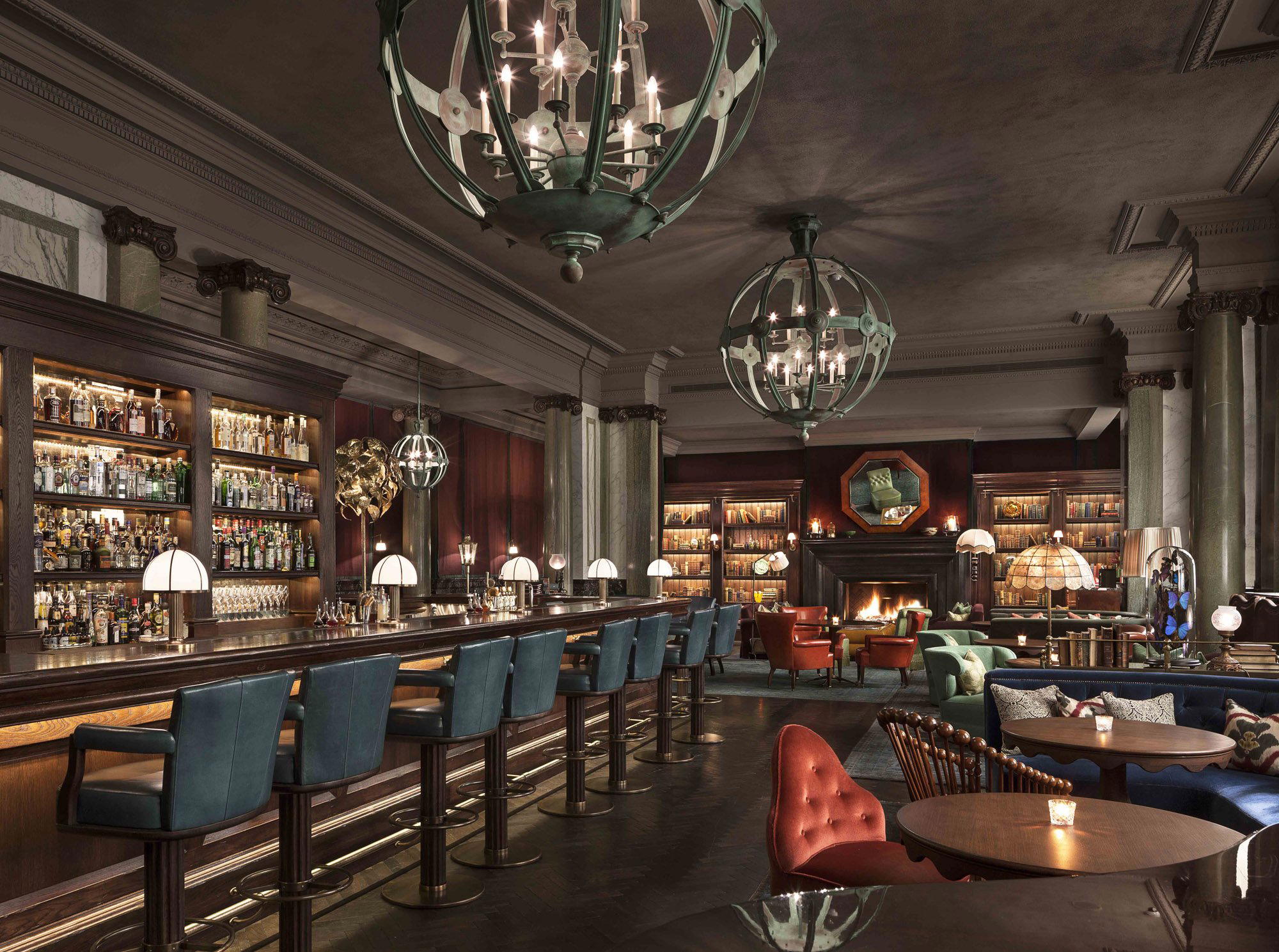
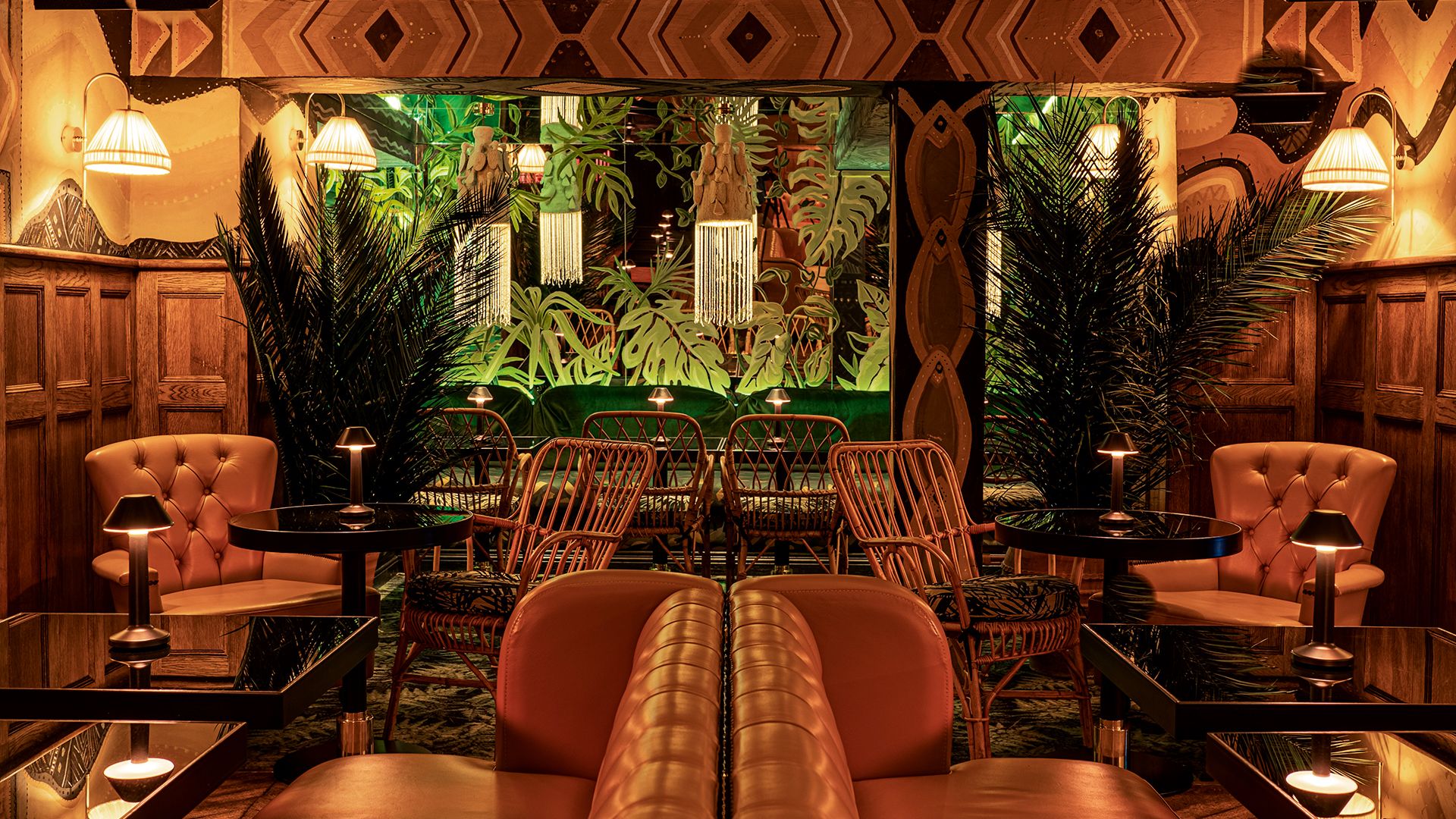
The arrival changes the rhythm of London. At street level, the city can feel all theatre queues, retail footfall and quick-turn dining; inside, the room belongs to a different London habit: longer conversations, softer arrivals, and cooking judged by what reaches the kitchen before any technique is applied to it. Rucola sits within a private-club setting, and that context matters. Private-club dining in London has moved beyond old-school formality into a model where restaurants are expected to read like serious public rooms while retaining a controlled, quieter audience.
That distinction gives the restaurant its context. London can flatten restaurants into convenience: close to the next appointment, close to the evening plan, close to the city’s constant movement. A produce-led room has to resist that gravity. The stronger argument here is not spectacle but sourcing discipline, the kind of cooking where ingredients are presented as the reason for the plate rather than decoration around it. In London, that approach now belongs to a broad contemporary dining conversation, also visible across other careful London dining rooms.
London dining is shifting from convenience to controlled sourcing
The centre of London has always been good at feeding people between events. What has changed is the expectation that a central restaurant should also have a point of view about supply. Diners now read menus for provenance signals, seasonality and a kitchen’s ability to make restraint feel intentional. The name Rucola itself points toward that register: green, peppery, agricultural, more market than theatreland.
That ingredient-first angle is useful because it separates the restaurant from London’s louder formats. Comparison venues show how fragmented the city has become: Suda, Lahpet West End, Kebab Queen and Arôme Bakery each speak to different ways of building a focused dining identity in a high-footfall city. Against that mix, Rucola belongs to the slower, meal-length category, where sourcing and pacing carry the evening rather than novelty or speed.
London’s produce-led cooking also has a practical edge. The city’s better contemporary rooms tend to work with seasonal arcs rather than fixed monuments, which means the menu is less about a permanent signature and more about what the kitchen can handle at a given moment. That is a more demanding promise than it sounds. Ingredient-led cooking gives a restaurant fewer places to hide: overworked plates read as anxiety, under-seasoned plates read as omission, and luxury ingredients alone rarely compensate for weak judgement.
The private-club setting changes the meal's tempo
Restaurants inside members’ clubs occupy a particular place in London hospitality. They are not hotel restaurants, though they share some of the same expectation of composure. They are not conventional neighbourhood restaurants either, because the room often serves repeat guests whose relationship to the building extends beyond dinner. The result can be a calmer style of service and a less transactional atmosphere, especially in London, where many public restaurants are built around fast turnover.
That club context should be read as a format signal rather than a decorative detail. A private-club setting places the meal at a remove from the street, physically and socially, and gives the restaurant distance from the city’s busiest dining circuits. For travellers staying in London, that can be the point: a London dinner without the performative rush that often comes with high-footfall dining. For locals, it puts the restaurant in a category closer to private-room culture than casual walk-in grazing.
The comparison is not only local. London’s dining map now runs from focused independent formats to club-adjacent, design-conscious addresses across the city. Rucola’s relevance lies in that middle ground: composed, London-based, and better understood through sourcing and setting than through chef mythology.
How to read Rucola against the wider UK dining map
For a visitor building a London itinerary, the restaurant makes sense as part of a broader London day rather than as a destination detached from place. The setting puts it within reach of the city’s wider cultural and hospitality circuits, a useful cluster for travellers who want dinner to sit inside an evening rather than dominate it. For broader planning, Our full London restaurants guide, Our full London hotels guide, Our full London bars guide, Our full London wineries guide and Our full London experiences guide map the surrounding choices more cleanly than treating one dinner as the whole trip.
The wider UK comparison is instructive. Regional restaurants across Britain show how dining is increasingly judged by specificity of format rather than postcode prestige. London has scale; the regions often have sharper locality. The stronger London rooms answer by being exact about audience, sourcing and occasion.
Internationally, the same pattern appears in smaller specialist venues around the world: diners reward clarity. A restaurant does not need maximal theatre if it can explain itself through ingredients, format and rhythm. Rucola is at its strongest when read through that lens, as a London room shaped by produce, privacy and the changing expectations of club dining.
Frequently asked questions
Has Rucola won any awards?
Rucola is listed in the Michelin Guide with a MICHELIN Plate distinction.
How do I find Rucola?
Rucola is located in London.
Is Rucola reservation-only?
Rucola operates in a private-club setting in London rather than as a casual walk-in room. Planning ahead is sensible.
What's the defining dish or idea at Rucola?
The defining idea is the setting: a London dining room shaped by produce, privacy and the changing expectations of club dining. Check the venue's official channels for the latest details.
How It Stacks Up
Nearby venues at a similar price tier for orientation.
| Venue | Cuisine | Price | Awards | Notes |
|---|---|---|---|---|
| RucolaThis venue (the venue you are viewing) | Eco-conscious Northern Italian rooftop restaurant | $50–100 | Michelin Plate | Not listed |
| Suda | Modern Thai Street Food | $20–30 | Not listed | Not listed |
| Kebab Queen | Modern Levantine Fine Dining | $100–150 | Not listed | Not listed |
| Arôme Bakery | Bakery | $10–20 | The Good Food Guide Britain's Best Bakeries | Not listed |
| Flesh & Buns | Modern Japanese Izakaya | $30–50 | Not listed | Hamburgers |
| Lahpet West End | Modern Burmese | $30–50 | The Good Food Guide GFG Good | Not listed |
Recognition history
Dated appearances from independent guides and award organizations, with the underlying list record or original source where available.
Michelin Plate
Michelin
Continue exploring
More in London
Restaurants in London
All restaurants in London →
Bars in London
All bars in London →

Details
- Cozy
- Modern
- Rustic
- Trendy
- Intimate
- Date Night
- After Work
- Group Dining
- Special Occasion
- Casual Hangout
- Rooftop
- Terrace
- Open Kitchen
- Design Destination
- Standalone
- Natural Wine
- Extensive Wine List
- Craft Cocktails
- Farm To Table
- Local Sourcing
- Sustainable Seafood
- Natural Wine
- Skyline
- Street Scene
- A La Carte
- Set Menu
- Natural Wine
- Signature Cocktails
- Italian Wines
- Vegetarian Friendly
- Vegan Options
- Gluten Free Options
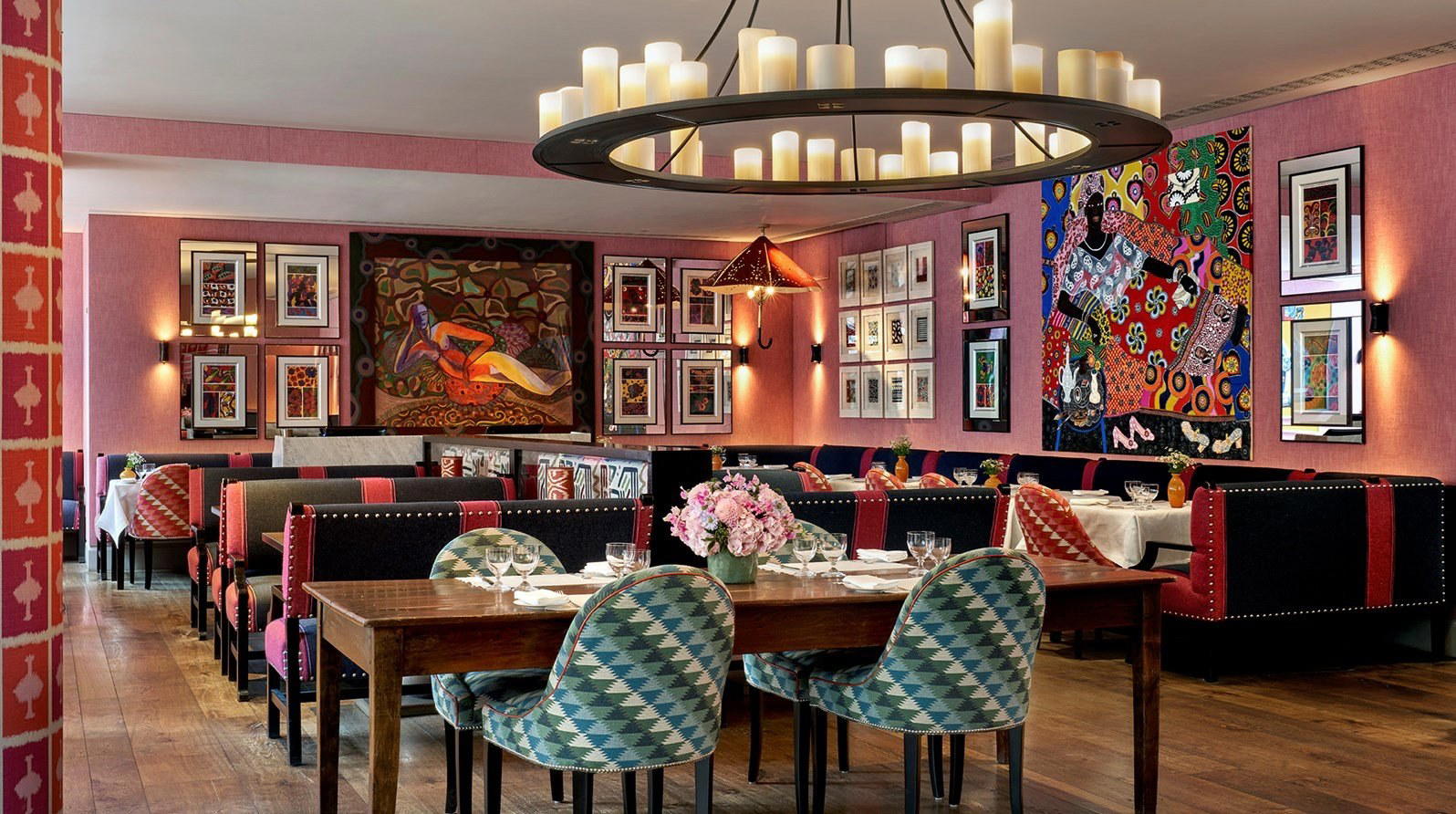
Light-filled rooftop space with easy-going Brooklyn-inspired vibes, an animated open kitchen and busy central bar, combining relaxed neighborhood warmth with a polished, modern feel and lively but not rowdy energy.