Royal Boucherie
Our verdict
Royal Boucherie pairs French brasserie cooking with craft cocktails and an extensive wine list at 52 S 2nd St in Philadelphia.

Pearl is the En Primeur Club membership app — saves, bookings, and concierge access live there. Same editors, same standards.
- Address
- 52 S 2nd St, Philadelphia, PA 19106
- Phone
- (267) 606-6313
- Hours
- Mon–Tue ClosedWed–Fri 11 AM–12 AMSat–Sun 10 AM–12 AM
- Website
- royalboucherie.com
- Directions
- Get directions
- Booking
- Book on Resy
The menu
What to order
- Charcuterie Board
- Duck Frites
- Escargot
Old City's French-American Table, Reconsidered
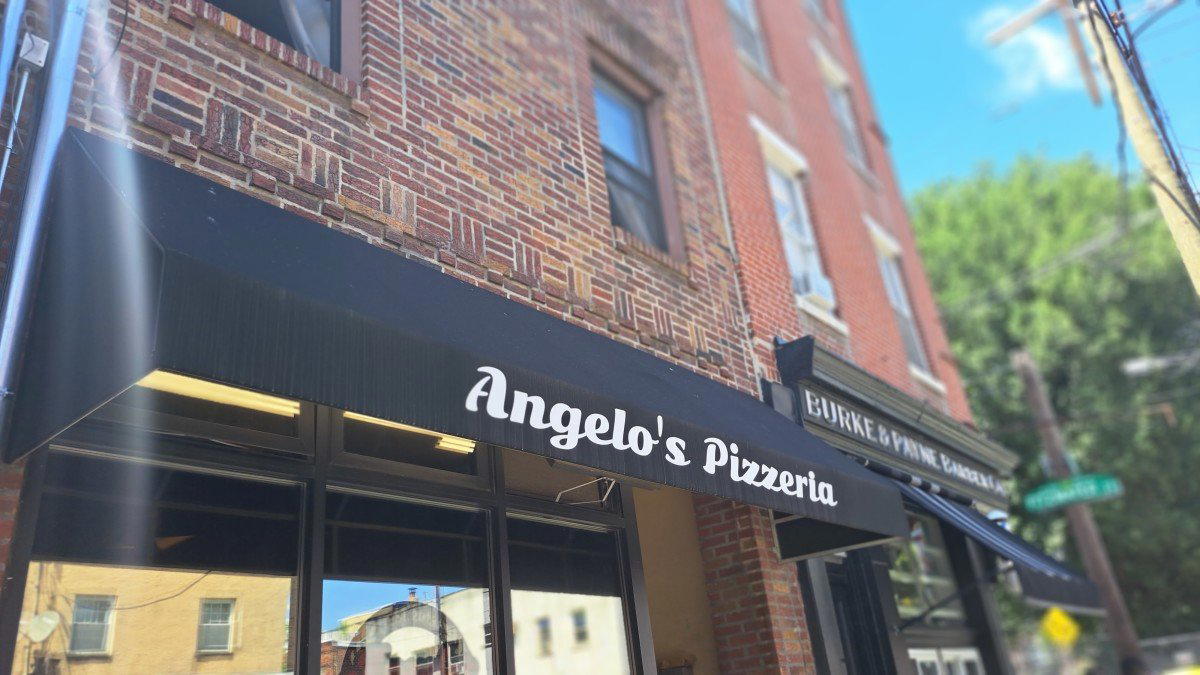
Old City Philadelphia occupies a peculiar position in the city's dining map. The neighbourhood carries the weight of colonial history and, for years, a reputation as a tourist-facing district where kitchens played it safe. The past decade has seen a quiet correction, with a younger cohort of operators choosing the area precisely because real estate allows ambition that would be financially impossible in Rittenhouse or Fishtown. Royal Boucherie, at 52 S 2nd Street, sits within that correction, operating in a building that reads like the neighbourhood itself: old bones, reappointed with a deliberate sense of how French-American bistro cooking should feel in 2024 rather than 1998.
The Bistro Form and Its Current Iteration
French-American bistro cooking has cycled through several identities in American cities over the past thirty years. The first wave, heavy with cream reductions and prix-fixe formality, gave way to a casualised version that stripped the white tablecloths but kept the technique. The current iteration, visible in rooms from New York to San Francisco, tends toward counter-driven energy, tighter menus, and an edited wine list weighted toward natural and low-intervention producers. Royal Boucherie belongs to this third phase, where the reference points are still French but the execution is calibrated for a dining room that expects informality alongside precision. That positioning places it in a peer conversation with New American operators across the city, including Fork and Friday Saturday Sunday, though the French tilt keeps it in its own lane.
How Old City Has Shaped the Room
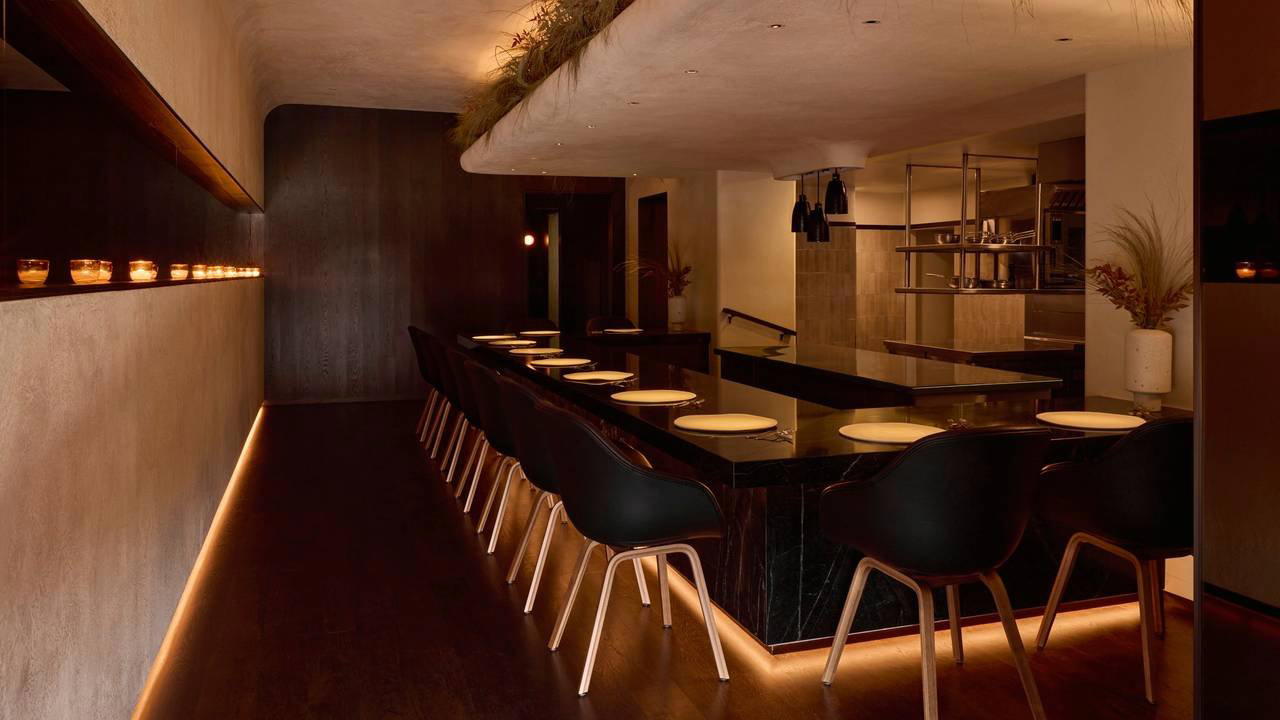
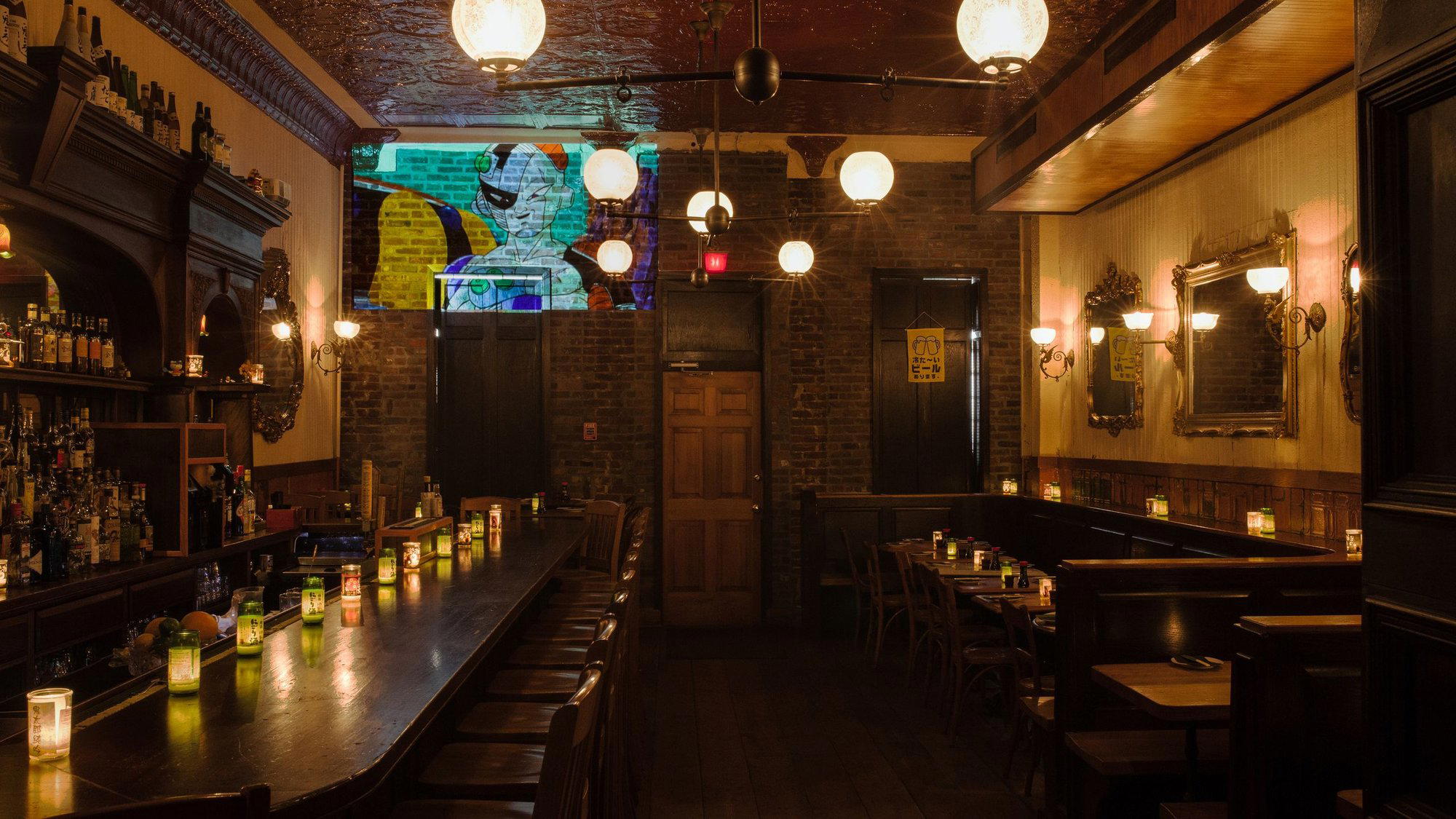
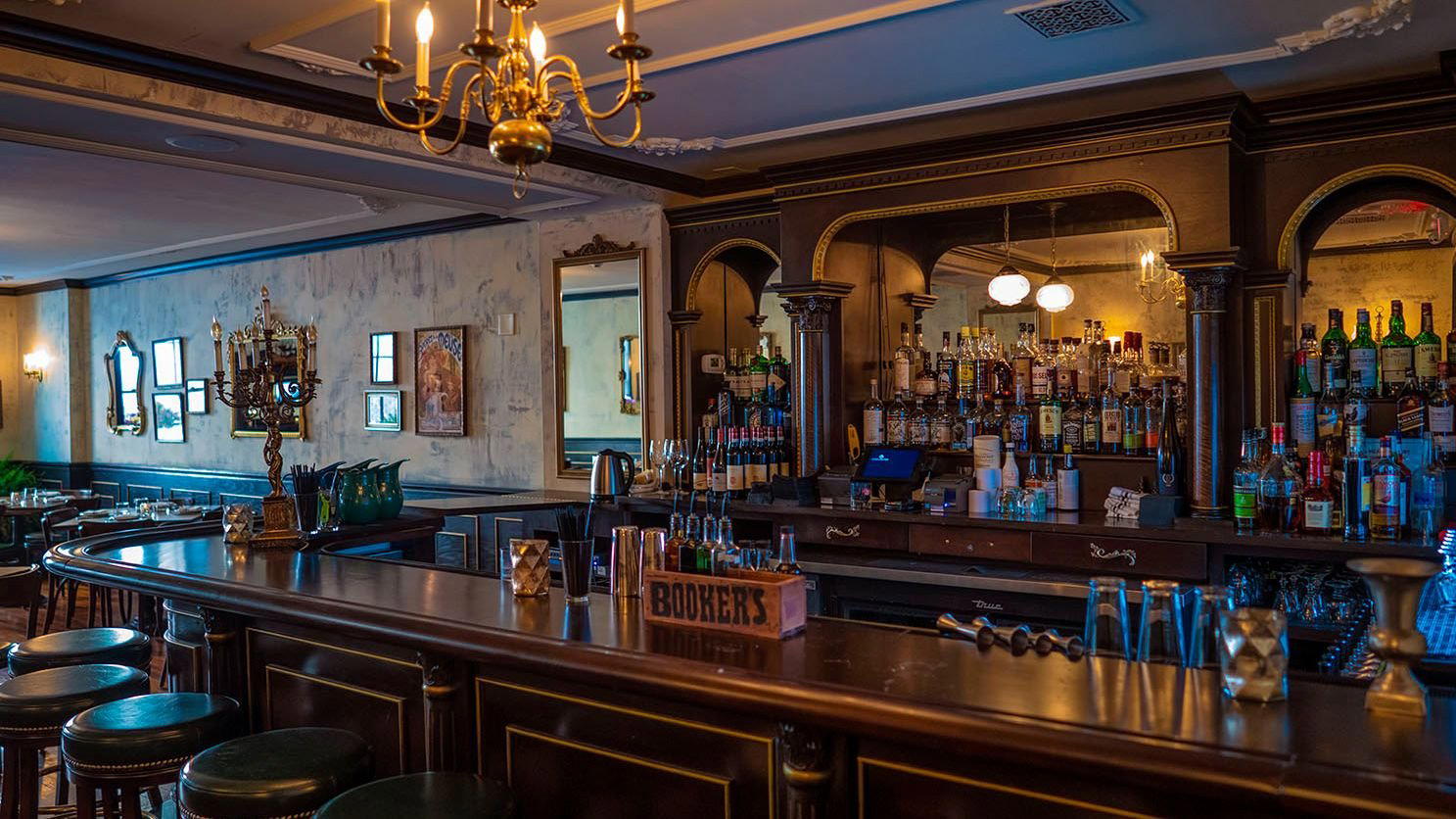
The physical environment at 52 S 2nd Street does much of the editorial work before the first course arrives. Old City blocks tend toward narrow Federal-style storefronts, and kitchens in these spaces work within constraints that shape the menu whether the chef acknowledges it or not. Intimate room dimensions concentrate noise in ways that suit a certain kind of convivial dinner, where the ambient energy of adjacent tables becomes part of the experience rather than an intrusion. The approach contrasts sharply with the larger-footprint dining rooms that define some of Philadelphia's grander addresses. Smaller rooms in this part of the city have historically self-selected for operators who trust food over spectacle, a pattern visible across the neighbourhood's dining stock.
The Evolution Question: How Boucherie Formats Adapt
The boucherie concept, in its original French form, referenced a butcher's tradition, a convivial space where charcuterie and meat anchored the menu and wine was secondary only to company. That template has been stretched, compressed, and repurposed by American operators since the early 2000s, often shedding the meat-forward identity in favour of a broader bistro vocabulary. What marks the more credible iterations of the format is a willingness to retain some specificity, whether in a dedicated charcuterie program, a house-made terrine, or a direct sourcing relationship with a local butcher. Where Royal Boucherie sits on that spectrum is part of what defines its current direction. Philadelphia's expanding interest in ingredient provenance, reflected across operators like Kalaya and Mawn, creates a climate in which sourcing transparency has become a baseline expectation rather than a point of differentiation.
Philadelphia's French-Leaning Tier
Philadelphia has never developed the dense concentration of French fine dining that characterises New York or Washington, where rooms like Le Bernardin and The Inn at Little Washington set a formal ceiling for the category. The city's French-adjacent operators instead occupy a middle register: technique-serious without the prix-fixe architecture, and priced to attract regulars rather than once-a-year occasion diners. That positioning is broadly healthy. It produces rooms with loyal repeat clientele, menus that evolve in response to real feedback, and a commercial sustainability that formal tasting-menu formats in smaller cities often lack. Compared to the tasting-menu arms race visible at destinations like Alinea in Chicago or The French Laundry in Napa, Philadelphia's French-leaning casual tier operates in a different register altogether, one where the cover count and check average reward consistency over theatrics.
Operators in this segment also compete indirectly with the broader New American category. My Loup in Philadelphia's own French-influenced space illustrates how narrow the distinction can become when technique is shared but philosophy diverges. The market rewards clarity of identity, and the boucherie framing gives Royal Boucherie a vocabulary that New American generalism cannot easily replicate.
Reinvention in a Stable Category
The French-American bistro is not a format known for dramatic reinvention. Its staying power comes precisely from a refusal to chase trends, a quality that can read as complacency or as confidence depending on what arrives on the plate. The more interesting evolution in this category over the past five years has been in the supporting cast: wine programs that moved from Burgundy-heavy lists to selections featuring more regional French producers, amuse-bouche cultures imported from higher-end tasting rooms at more accessible price points, and dessert programs that stopped treating pastry as an afterthought. These are the incremental changes that separate a room that has evolved from one that has simply persisted. Nationally, the pattern of quiet reinvention is visible at restaurants as varied as Lazy Bear in San Francisco, Blue Hill at Stone Barns in Tarrytown, and Single Thread Farm in Healdsburg, where the format has been reconsidered without being abandoned.
Know Before You Go
- Address: 52 S 2nd St, Philadelphia, PA 19106
- Neighbourhood: Old City, Philadelphia
- Format: French-American bistro; à la carte dining
- Getting There: Old City is walkable from Market East rail station; street parking is limited on weekend evenings
- Peer Context: Sits within Philadelphia's French-leaning casual tier alongside My Loup; broader New American context covered in our full Philadelphia restaurants guide
Frequently asked questions
Where is Royal Boucherie in Philadelphia?
Royal Boucherie is located at 52 S 2nd St, Philadelphia, PA 19106, Philadelphia.
Is Royal Boucherie a good fit for a group dinner in Philadelphia's Old City?
The boucherie format, rooted in convivial French butcher-house dining, traditionally suits groups well, with shared charcuterie and meat-anchored plates designed for the table rather than the individual plate. Old City Philadelphia's Federal-era building stock tends toward intimate room configurations, so larger parties should confirm capacity directly with the restaurant at 52 S 2nd Street before booking. The neighbourhood's walkable concentration of bars and cocktail spots also makes it a practical anchor for a longer evening out in the historic district.
What's the signature dish at Royal Boucherie?
The name itself signals the kitchen's orientation: boucherie references the French butcher's tradition, so meat-focused preparations and charcuterie anchor the menu. Old City diners familiar with French-American bistro formats can expect the kind of menu where cuts and preparations take precedence over composed vegetable-forward plates.
How hard is it to get a table at Royal Boucherie?
French-American bistros in Philadelphia's historic district generally see the sharpest demand on Thursday through Saturday evenings and during Old City's First Friday events. Contacting the restaurant directly ahead of weekend visits is the practical approach given the neighbourhood's consistent foot traffic.
Side-by-Side Snapshot
Comparable venues nearby, for context on price, style, and recognition.
| Venue | Cuisine | Price | Awards | Notes |
|---|---|---|---|---|
| Royal BoucherieThis venue — the venue you are viewing | French Brasserie | $50–100 | Not listed | Not listed |
| Miel Patisserie | French Patisserie | Not listed | Not listed | Rittenhouse Square |
| Louie Louie | French-Inspired American Bistro | $30–50 | Not listed | University City |
| Parc | Classic French Brasserie | $50–100 | Wine Spectator Award of Excellence · OpenTable Top 100 Restaurants | Rittenhouse Square |
| High Street Restaurant & Bar | Dining | Not listed | Not listed | Washington Square West |
| Bellini | Modern Italian Steakhouse | $50–100 | Not listed | Rittenhouse Square |