Rowdy Rooster


Wine Spectator Award of Excellence
Our verdict
Rowdy Rooster on First Avenue brings Indian American cooking into the East Village's casual-serious dining tier, where the format rewards repeat visits over single-occasion dining. Chef Chintan Pandya's approach sits in a different competitive register from Manhattan's high-concept tasting menus, offering cuisine pricing in the $40–$65 range alongside a wine list that balances California selections with accessible markup.

Pearl is the En Primeur Club membership app, where members save venues, book tables and use the concierge.
The menu
What to order
- Big Rowdy sandwich
- Lil' Rowdy sandwich
- Vada pao
- Eggplant pakora
Where East Village Casualness Meets Indian American Ambition
The East Village has long operated as Manhattan's testing ground for immigrant cuisine done without apology or accommodation. Long before Indian American cooking claimed space in the city's serious dining conversation, the neighbourhood's First Avenue corridor was absorbing and reshaping food traditions from across South Asia. Rowdy Rooster enters that history with a clear point of view: Indian flavour frameworks applied to American formats, at a price point that keeps the room full rather than reverential.
At the $40–$65 cuisine pricing tier, Rowdy Rooster occupies a deliberately different register from the high-concept tasting rooms that define Manhattan's marquee dining. That distinction matters in a borough where a single hyped opening can generate a few hundred reviews overnight, only to fade.
The Scene Rowdy Rooster Belongs To
Indian American cooking in New York has fractured into recognisable tiers over the past decade. At one end, high-format venues price against the same set as Atomix or Eleven Madison Park, where tasting menus run well above $100 per person and booking windows stretch months ahead. At the other end, legacy curry houses on Lexington's Curry Hill stretch hold ground through familiarity and volume. Rowdy Rooster sits between those poles, sharing the mid-tier with a cohort of chef-driven casual venues that take their ingredients and technique seriously without demanding occasion-dining context from the guest.
That positioning is not a compromise. It reflects a broader shift in how ambitious immigrant cooking reaches the city's dining public. Chef Chintan Pandya is the operative figure here, and his presence at Rowdy Rooster places the kitchen in a different conversation than a neighbourhood takeaway. But the room's energy, its pricing, and its repeat-visit dynamic are the real story, they signal a venue built for the long run rather than the launch.
What Brings Regulars Back
The regulars' perspective on any casual-serious venue tends to reveal what the room actually delivers rather than what the concept promises. In the East Village, where competition for a neighbourhood's loyalty is fierce and diners have short institutional memory for disappointment, that kind of consistency is earned rather than assumed.
What regulars return for at venues in this format is rarely the single dish, it is the cumulative knowledge of the menu that builds over multiple visits. Indian American cooking at this level rewards that familiarity: spice calibration, heat gradients, the interaction between a fermented base and a finishing acid all become more legible the more often you eat there. The menu's logic opens up over time in a way that a single visit cannot access. That is the unwritten menu, and it is what separates a venue with returning guests from one that relies on first impressions.
The Wine List as Signal
A mid-tier Indian American kitchen in the East Village carrying a wine inventory of 1,650 bottles across 300 selections is not a standard combination. That depth places Rowdy Rooster's cellar alongside venues that take the pairing question seriously rather than treating wine as an afterthought to spice-forward food. Wine Director Anton Vicar, who also serves as General Manager, has built a California-weighted list with pricing in the $$ tier, meaning the range spans accessible entry points without abandoning the upper end entirely.
The pairing logic for Indian American food at this price point is genuinely interesting. Where ultra-high-end Manhattan venues like Le Bernardin, Masa, or Per Se have established wine programs built around classical European frameworks, a kitchen working with tamarind, ghee, mustard seed, and chilli calls for a different approach. A California-heavy list with a broad price spread suggests a program built for experimentation rather than prescription, which aligns with the regulars' exploratory dynamic.
Wine list depth of this scale is more commonly associated with destination dining in other cities. The French Laundry in Napa and Single Thread Farm in Healdsburg carry extensive cellars as a core part of their identity. At Rowdy Rooster, 1,650 bottles in a casual-serious East Village setting signals genuine investment in the beverage program at a price point where most venues would not bother.
It places Rowdy Rooster in a mid-tier recognition bracket alongside regional American venues like Emeril's in New Orleans and Providence in Los Angeles, both of which carry strong local followings and editorial recognition without the full apparatus of destination-dining infrastructure.
What separates this tier from the concept-heavy, high-spend venues at the top of the New York market is format honesty. Alinea in Chicago and Lazy Bear in San Francisco are built around a specific theatrical proposition. Rowdy Rooster's proposition is different: Indian American cooking at a price point where a two-course lunch or dinner costs $40–$65, in a neighbourhood that expects its kitchens to work hard for continued loyalty rather than coasting on a concept.
Planning Your Visit
| Venue | Cuisine | Cuisine Pricing | Wine Depth | Format |
|---|---|---|---|---|
| Rowdy Rooster | Indian American | $$ | 1,650 bottles / 300 selections | Lunch & Dinner, casual-serious |
| Atomix | Modern Korean | $$$$ | Extensive, Korean-led | Tasting menu only |
| Eleven Madison Park | French / Vegan | $$$$ | Extensive, classical French | Tasting menu only |
| Per Se | French / Contemporary | $$$$ | Deep, European-focused | Tasting menu only |
Rowdy Rooster is at 149 First Avenue, New York, NY 10003. The venue serves lunch and dinner. For broader context on where it sits within the wider New York dining scene, see our full New York City restaurants guide. For hotels, bars, wineries, and experiences across the city, see our New York City hotels guide, bars guide, wineries guide, and experiences guide.
at Rowdy Rooster?
In venues of this type, regulars consistently report that the dishes built around spiced proteins and fermented or acidulated components reward the most attention.
The Minimal Set
A quick peer list to put this venue’s basics in context.
| Venue | Cuisine | Price | Awards | Notes |
|---|---|---|---|---|
| Rowdy RoosterThis venue (the venue you are viewing) | Indian Fried Chicken | $10–20 | Wine Spectator Award of Excellence | Not listed |
| Le Bernardin | French Seafood Fine Dining | $300–500 | 3 Michelin Stars · World's 50 Best #13 | French, Seafood |
| Atomix | Modern Korean Tasting Menu | $300–500 | 2 Michelin Stars · World's 50 Best #7 | Modern Korean, Korean |
| Masa | Seasonal Hokkaido Tempura Omakase | $150–200 | Tabelog 100 #34 | Sushi, Japanese |
| Per Se | French Fine Dining Tasting Menu | $300–500 | 3 Michelin Stars · World's 50 Best #40 | French, Contemporary |
| Eleven Madison Park | Contemporary Plant-Based Fine Dining | $300–500 | 3 Michelin Stars · World's 50 Best #4 | French, Vegan |
Recognition history
Dated appearances from independent guides and award organizations, with the underlying list record or original source where available.
Opinionated About Dining Cheap Eats in North America Ranked #136
Opinionated About Dining
Wine Spectator Award of Excellence
Wine Spectator
Continue exploring
More in New York City
More from Chef Chintan Pandya
Browse all →
Restaurants in New York City
All restaurants in New York City →
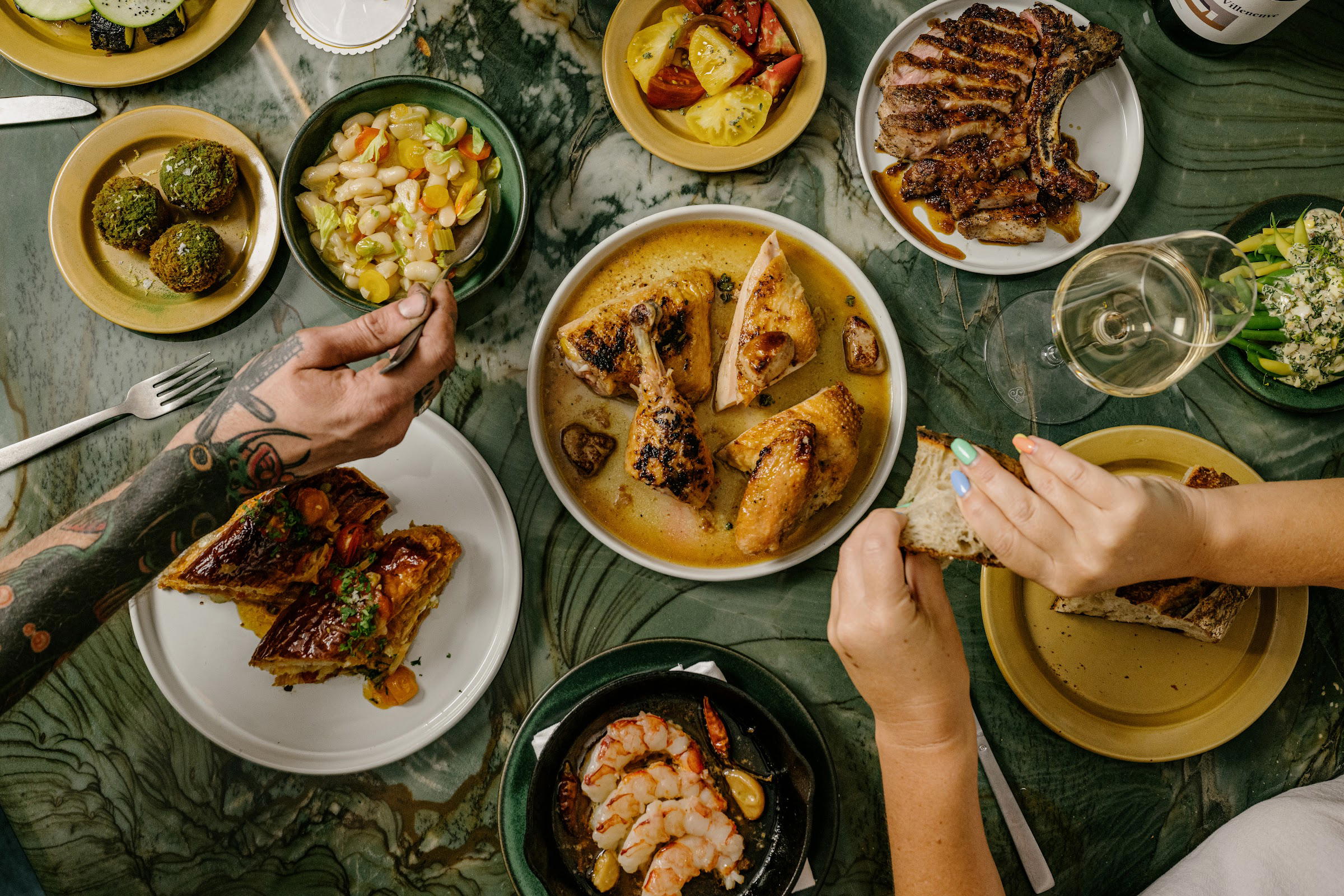

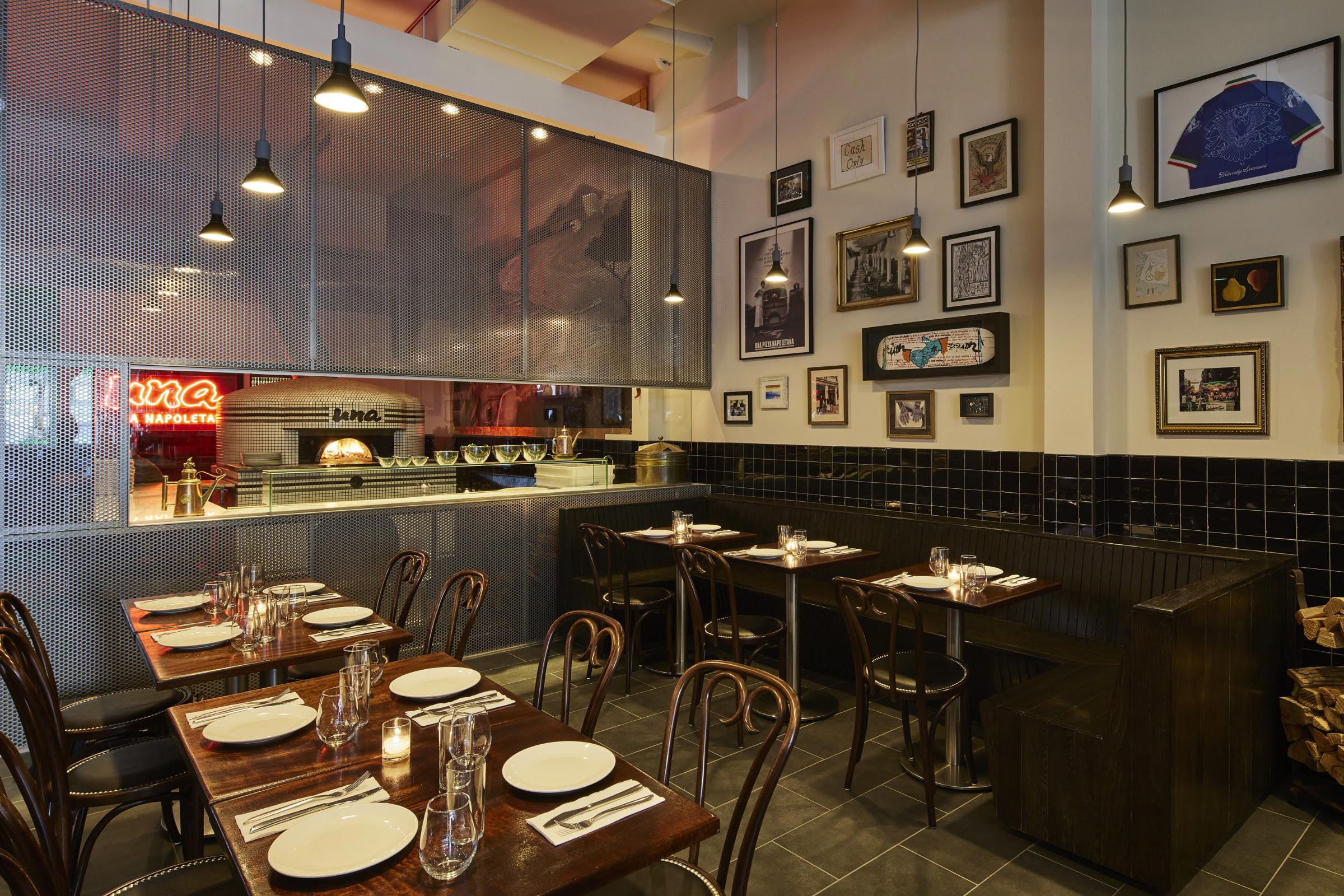
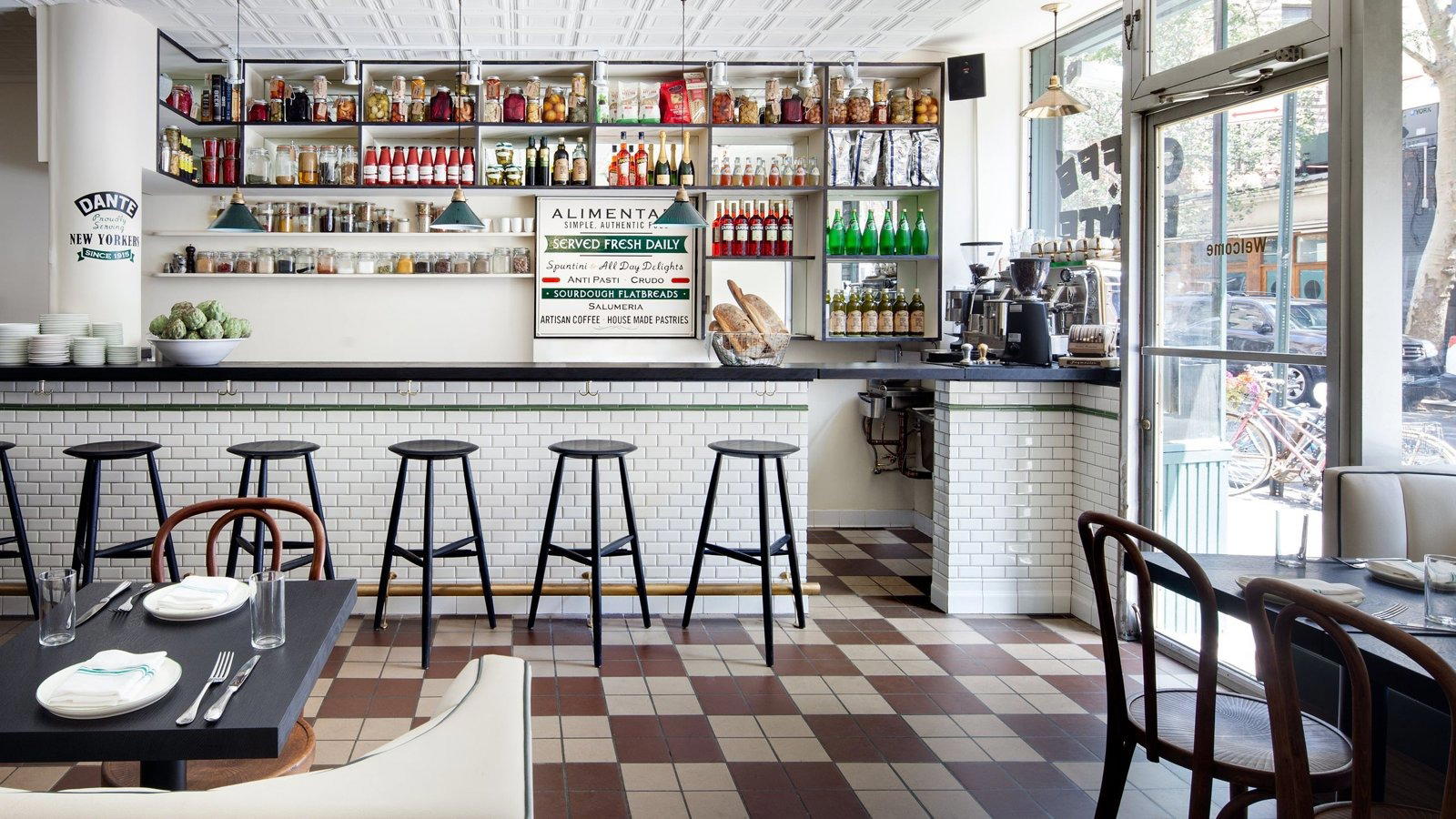
Bars in New York City
All bars in New York City →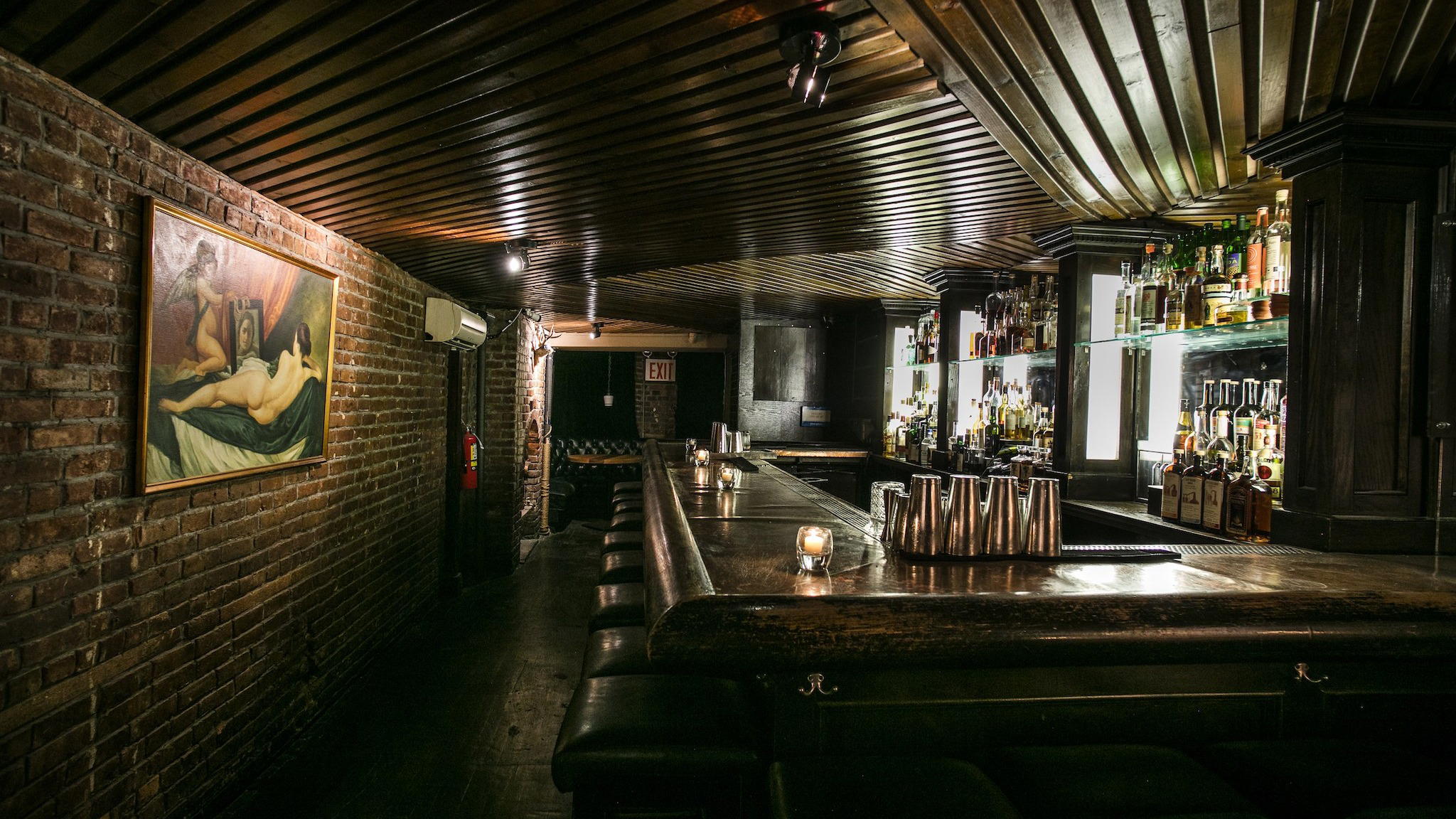






Rowdy Rooster
The wine
Rowdy Rooster holds the Wine Spectator Award of Excellence, which Wine Spectator gives to lists of usually 90 or more selections.
- Wine Spectator
- Wine Spectator Award of Excellence
- Selections
- 300
- Bottles in cellar
- 1,650
- List strengths
- California
- Wine director
- Anton Vicar
Details
- Lively
- Trendy
- Energetic
- Casual Hangout
- Group Dining
- Open Kitchen
- Counter Dining
- A La Carte
- Mango Lassi
- Indian Sodas
- Vegetarian Friendly
- Halal
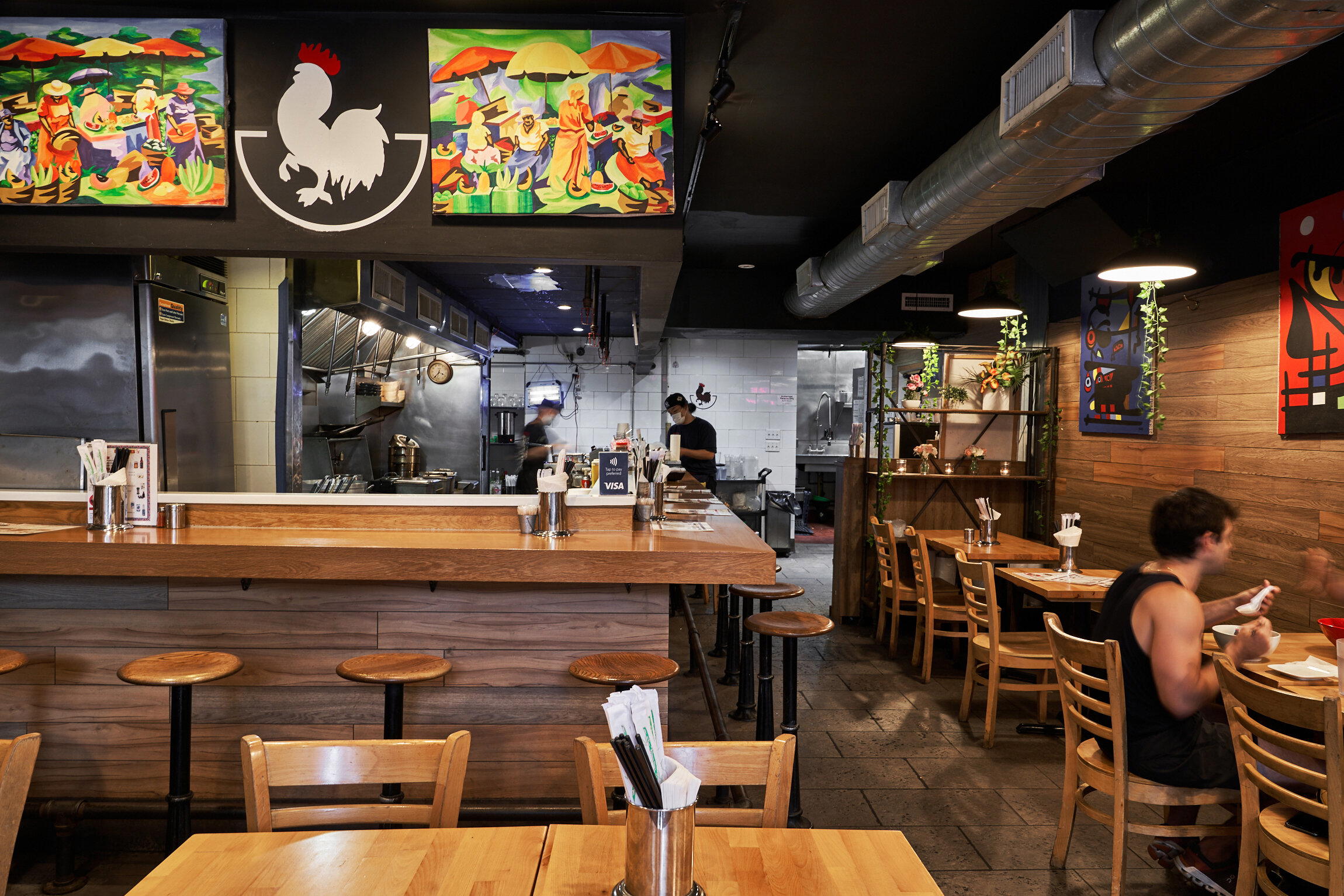
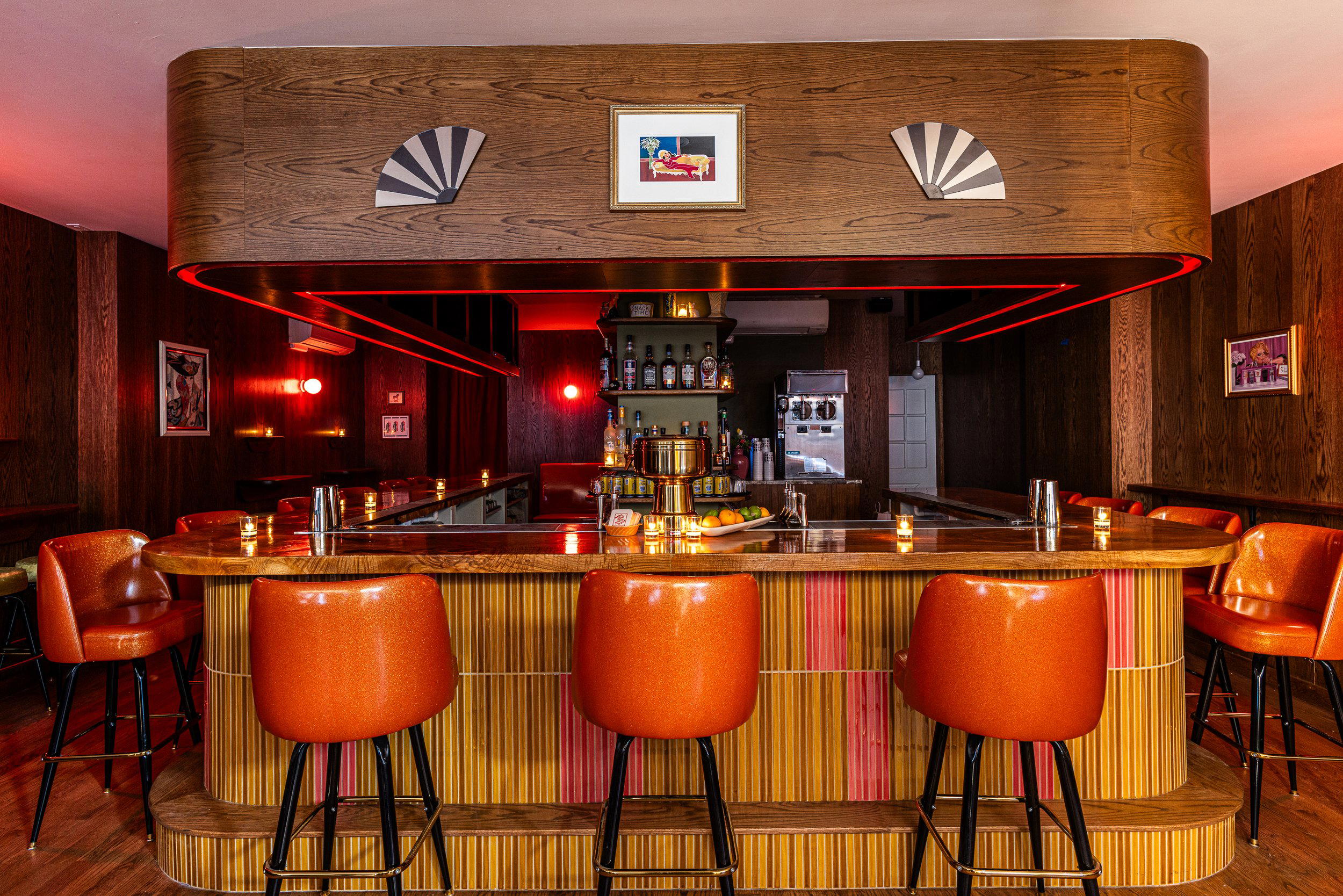
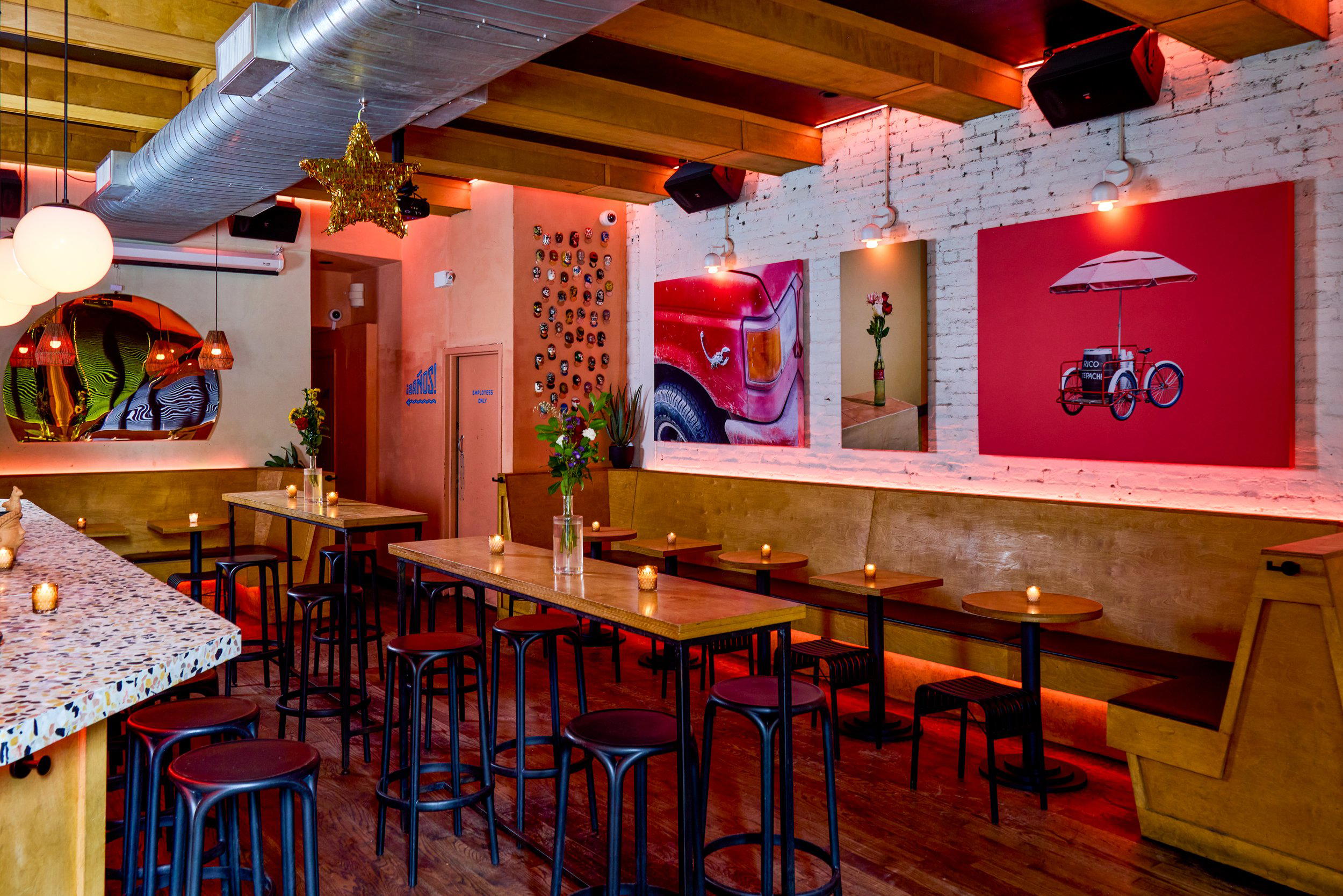
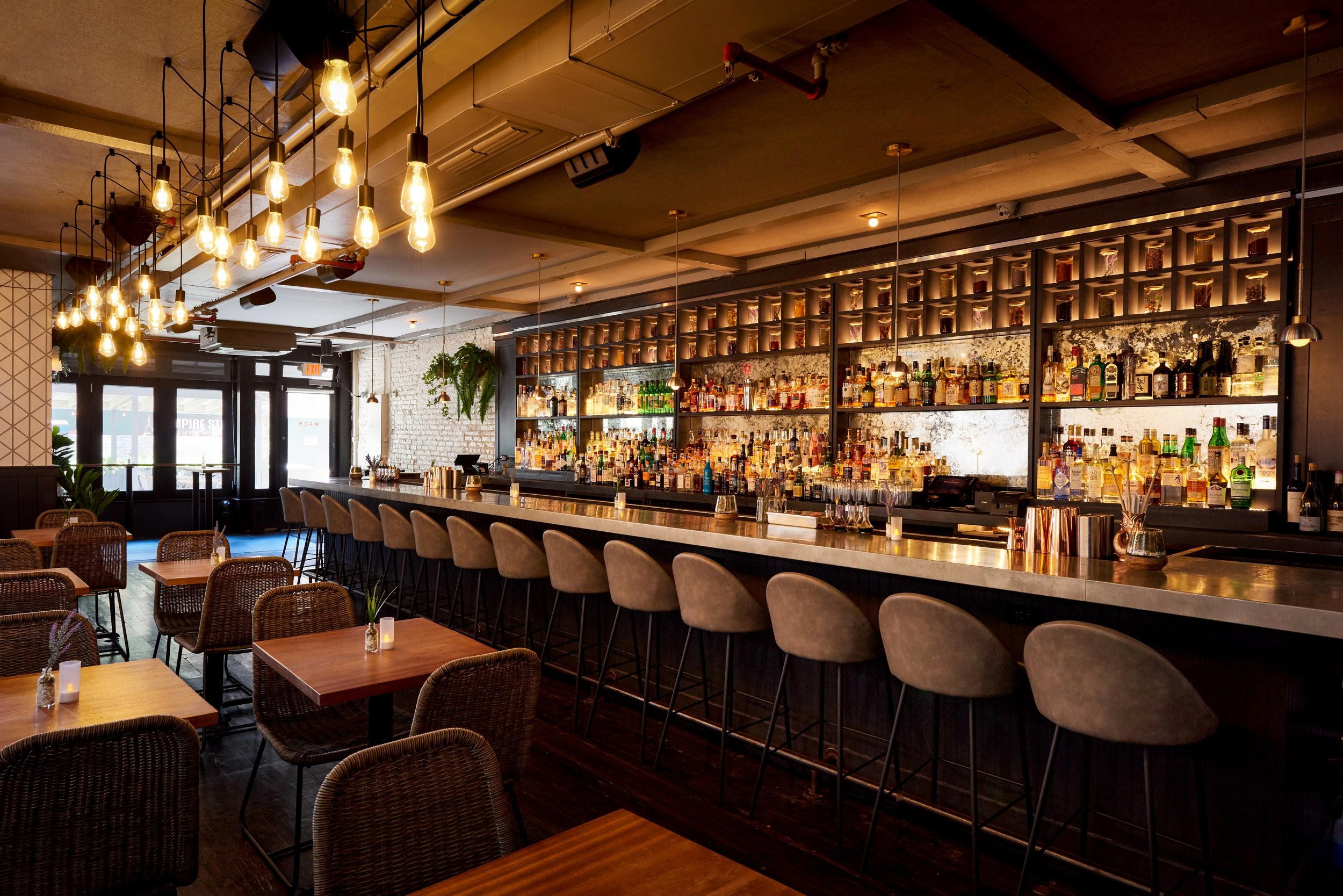
Lively and colorful narrow storefront with kaleidoscopic bird artwork, minimal seating with backless stools and low banquette, counter-service ordering with lines forming out the door even on weekdays.