
One of Budapest's most consistently recognised Jewish-Hungarian restaurants, Rosenstein Vendéglő has held a place on the Opinionated About Dining Casual Europe list for three consecutive years, reaching #468 in 2025. It operates six days a week in the VIII. The kitchen keeps a tradition alive that most of the city's fine-dining circuit has largely set aside.
Pearl is the En Primeur Club membership app — saves, bookings, and concierge access live there. Same editors, same standards.
- Address
- Budapest, Mosonyi u. 3, 1087 Hungary
- Phone
- +36 1 333 3492
- Website
- rosenstein.hu
- Directions
- Get directions
 Saves & bookings on Pearl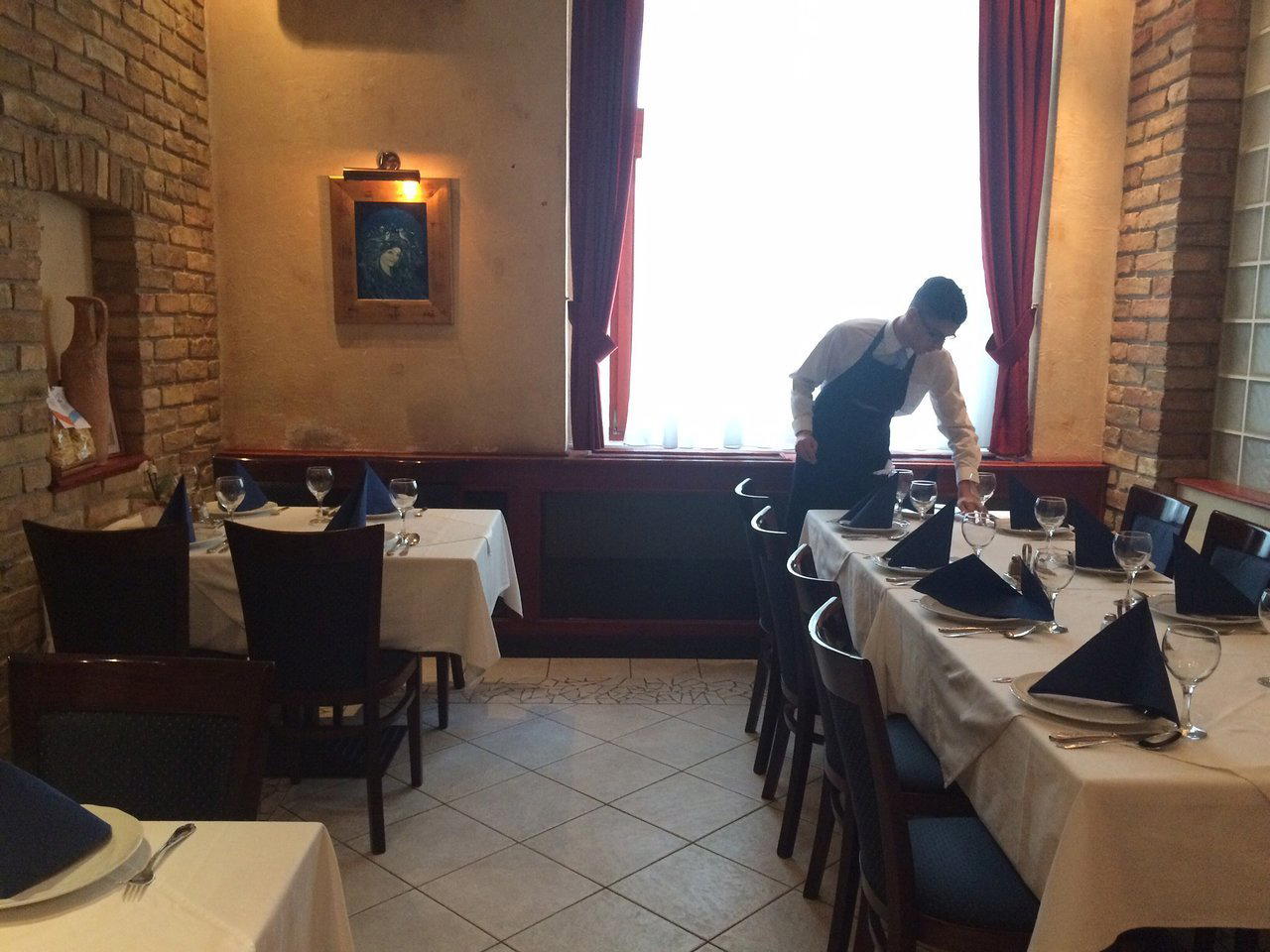
A Tradition the Rest of Budapest Has Mostly Moved Past
The VIII. district sits at a remove from Budapest's polished tourist corridors, and Mosonyi utca 3 does nothing to announce itself. What you find at Rosenstein Vendéglő is a neighbourhood restaurant serving Traditional Hungarian-Jewish cooking. That absence is precisely what gives the place its position. While the capital's celebrated modern kitchens at Stand, Babel, and Costes work through contemporary European frameworks, Rosenstein is doing something structurally different: preserving a cuisine that once defined a substantial portion of Budapest's food culture before the twentieth century dismantled it.
Jewish-Hungarian cooking draws from a layered history of dietary law, Central European pantry ingredients, and the kind of slow-braised, fat-forward technique that long predates the current fashion for it. Goose liver prepared according to kosher-adjacent tradition, paprika-driven braises, sweet-and-sour flavour combinations, and rich pastry work characterise the tradition at its depth. What makes a restaurant operating in this space interesting, from a critical standpoint, is not nostalgia but continuity, whether the technique and sourcing actually sustain a living version of the cuisine rather than a museum replica.
Three Consecutive Years on OAD's Casual Europe List
Critical recognition in Budapest has, for much of the last decade, concentrated on the fine-dining tier. Borkonyha Winekitchen and essência occupy a Michelin-awarded bracket. Babel and Stand sit at the €€€€ tier with modern-cuisine positioning. Rosenstein operates outside that cluster entirely, and its recognition has come through a different channel: Opinionated About Dining, the critic-weighted guide that places particular weight on the casual and traditional end of the market.
The restaurant appeared on the OAD Casual Europe Recommended list in 2023, moved to a ranked position at #474 in 2024, and reached #468 in 2025. That upward trajectory over three consecutive years is a meaningful signal. OAD's casual list is compiled from a voter pool that skews toward food professionals and experienced diners rather than the general public, being ranked at all, and improving year-on-year, points to a kitchen that has not settled into complacency. It also positions Rosenstein in a comparable set that has little overlap with Budapest's Michelin tier: the comparison is closer to specialist traditional restaurants across Central and Eastern Europe than to the city's contemporary fine-dining circuit.
High-volume consumer scores at this level, for a neighbourhood restaurant rather than a destination address, suggest consistent execution rather than occasional excellence. A kitchen that performs well for critics and for regular diners across thousands of visits is doing something reproducible.
What the VIII. District Tells You Before You Sit Down
Budapest's restaurant geography has shifted considerably. The V. district and the central ruin-bar belt attract most of the international dining attention. The VIII. district, historically one of the city's more working-class and immigrant-settled quarters, has been slower to attract the refurbishment that has transformed parts of the VII. The neighbourhood around Mosonyi utca retains a plainness that is, in context, part of the point: this is not a restaurant that has been repositioned for a tourist economy. The address has remained consistent, and the format, a family-run vendéglő operating six days a week from midday through to 11 pm, follows the rhythm of a place serving its community as much as visiting diners.
The closure on Sundays marks the restaurant's weekly day off. It also affects planning: Monday through Saturday, noon to 11 pm, with no Sunday service.
Rosenstein in the Context of Budapest's Wider Table
It is worth placing Rosenstein against the broader map of what Budapest's restaurant scene currently does well and where its gaps sit. The city has developed a credible modern-Hungarian register over the last fifteen years, with chefs reinterpreting local ingredients through contemporary technique. That project has produced recognised results. What it has not systematically produced is sustained investment in pre-war culinary traditions, particularly those tied to the city's Jewish community, a community that accounted for a significant portion of Budapest's food culture, its pastry trade, and its restaurant industry before the 1940s.
Rosenstein sits at the intersection of a culinary preservation argument and a practical dining proposition. Under chef Robert Rosenstein, the kitchen maintains a repertoire that would be difficult to find represented at this level elsewhere in the city. That scarcity is not manufactured; it reflects a genuine gap in what Budapest's restaurant sector has chosen to carry forward. Rosenstein occupies a category largely to itself.
Beyond Budapest, Hungary's regional restaurant scene has developed its own points of critical interest. Platán Gourmet in Tata, Pajta in Őriszentpéter, 42 Restaurant in Esztergom, 67 Sigma in Székesfehérvár, A Konyhám Stúdió 365 in Fonyód, and Alkimista Kulináris Műhely in Szeged each represent different facets of what Hungarian cooking looks like outside the capital. Rosenstein fits into none of those categories. Its reference points are historical rather than contemporary, urban rather than rural, and specific to a cultural tradition rather than a regional ingredient story.
For a different axis of comparison entirely, consider what sustained critical recognition looks like at the summit end of the global casual dining spectrum. Places like Le Bernardin in New York City or Atomix in New York City operate in a formal fine-dining context with substantially different price and format signals, but the consistency of their recognition over years reflects the same underlying dynamic: a kitchen that earns its position rather than inheriting it.
Planning Your Visit
Rosenstein Vendéglő is open Monday through Saturday, noon to 11 pm, and closed Sundays. The address is Mosonyi utca 3 in Budapest's VIII. district, reachable on foot from Keleti railway station in a short walk, which makes it a practical option around arrival or departure. At about $25 per person, it sits well below the city's fine-dining tier.
Cuisine Context
Comparable venues nearby, for context on price, style, and recognition.
| Venue | Cuisine | Price | Notes |
|---|---|---|---|
| Rosenstein Vendéglő | Traditional Hungarian-Jewish | $$ | Jozsefvaros |
| IDA Bistro | Austro-Hungarian Bistro | $$ | Tabán |
| Gettó Gulyás | Authentic Hungarian Stews | $$ | Belvaros |
| Gléda Vendéglö | Modern Hungarian | $$ | Obuda |
| Macesz Bistro | Jewish-Hungarian Fusion Bistro | $$ | Belvaros |
| Franziska Pest | Healthy Brunch Cafe | $$ | Belvaros |
Recognition history
Dated appearances from independent guides and award organizations, with the underlying list record or original source where available.
Opinionated About Dining Casual in Europe Recommended
Opinionated About Dining
Opinionated About Dining Casual in Europe Ranked #468
Opinionated About Dining
Opinionated About Dining Casual in Europe Ranked #474
Opinionated About Dining
Opinionated About Dining Casual in Europe Recommended
Opinionated About Dining
Continue exploring
More in Budapest
Restaurants in Budapest
Browse all →
Bars in Budapest
Browse all →
Hotels in Budapest
Browse all →

At a Glance
- Cozy
- Classic
- Intimate
- Special Occasion
- Group Dining
- Family
- Live Music
- Private Dining
- Historic Building
- Extensive Wine List
- Local Sourcing
Current opening hours
- Monday
- 12–11 PM
- Tuesday
- 12–11 PM
- Wednesday
- 12–11 PM
- Thursday
- 12–11 PM
- Friday
- 12–11 PM
- Saturday
- 12–11 PM
- Sunday
- Closed
Hours can change for holidays and private events. Last verified .
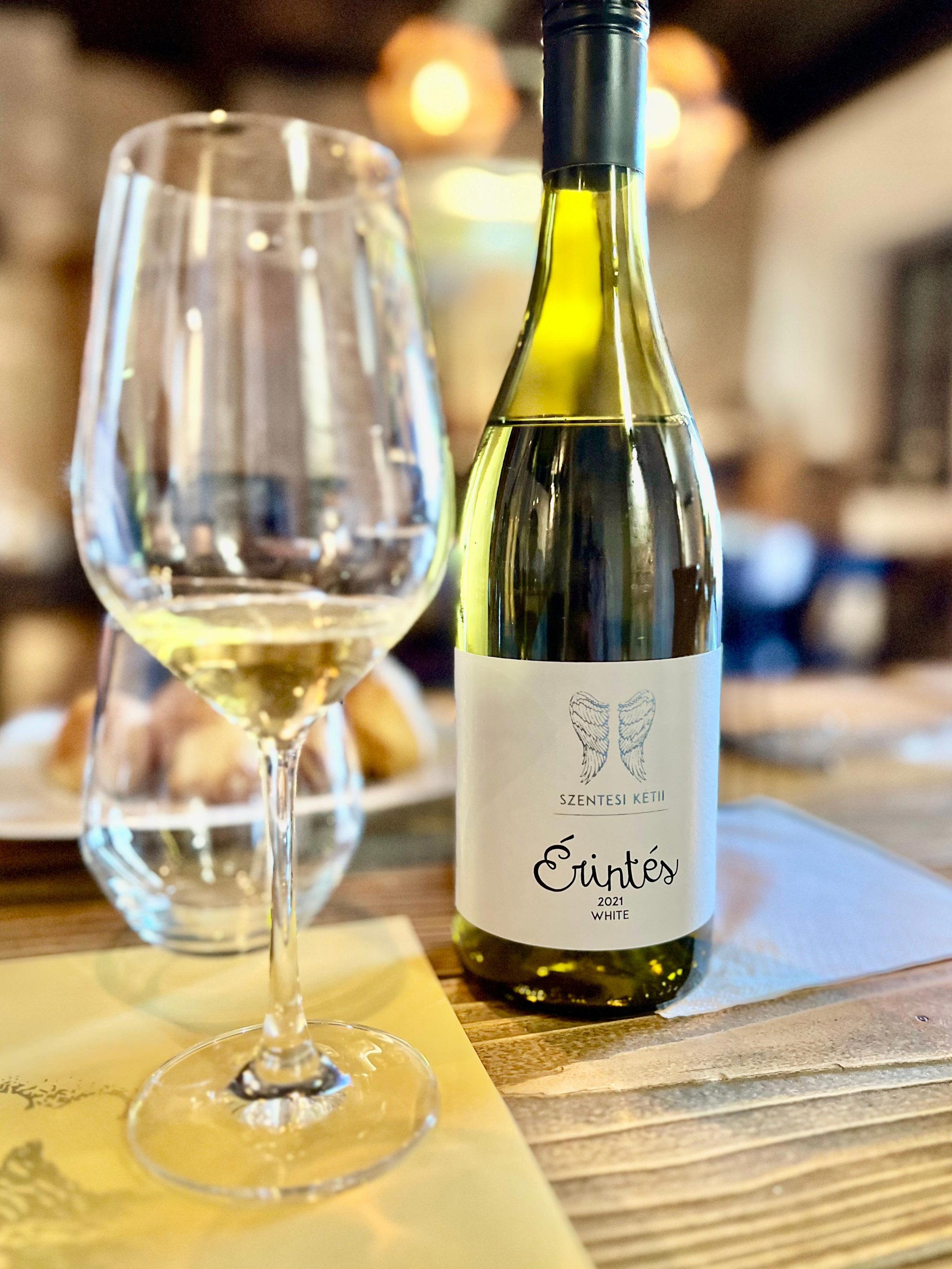
Cozy, elegant, and intimate atmosphere with warm lighting, simple white tablecloths, fresh flowers, and original artwork.