ROOP Chicago

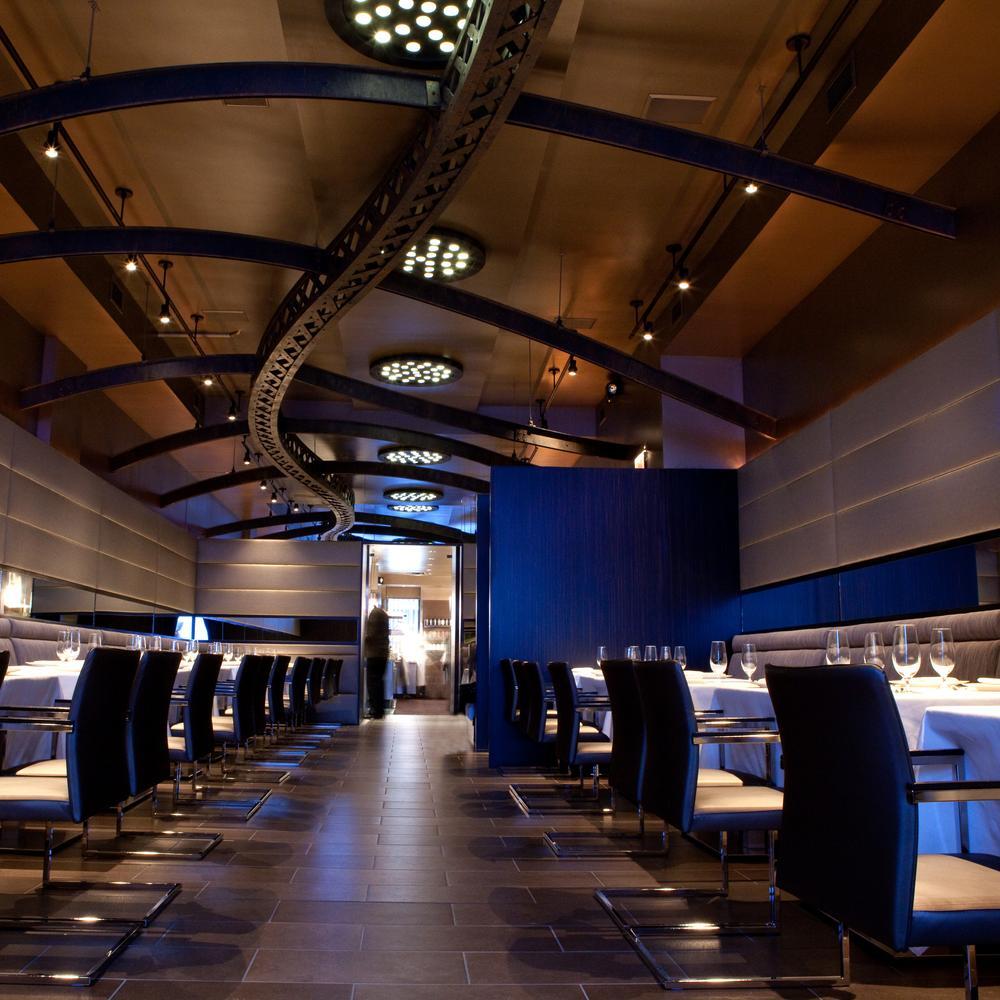
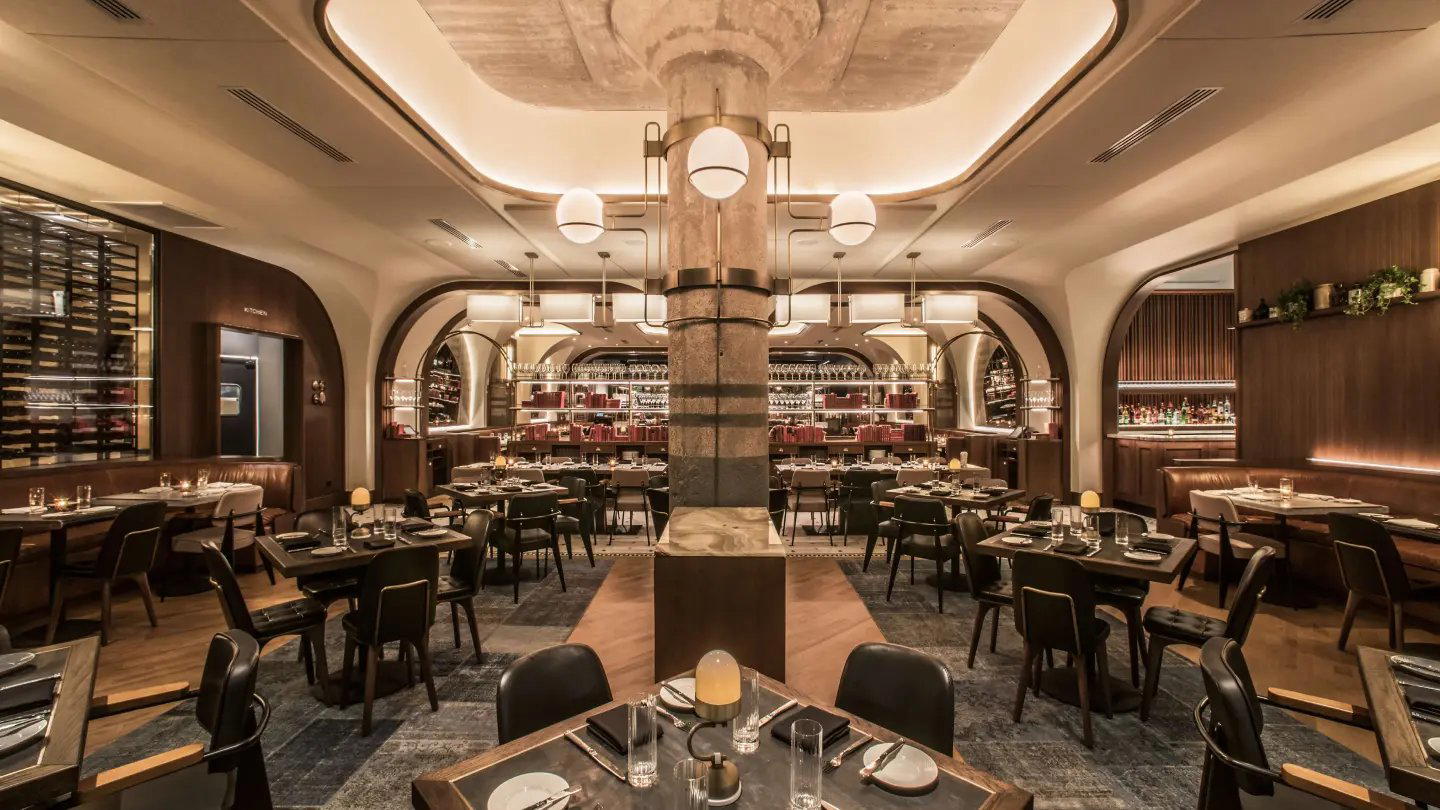
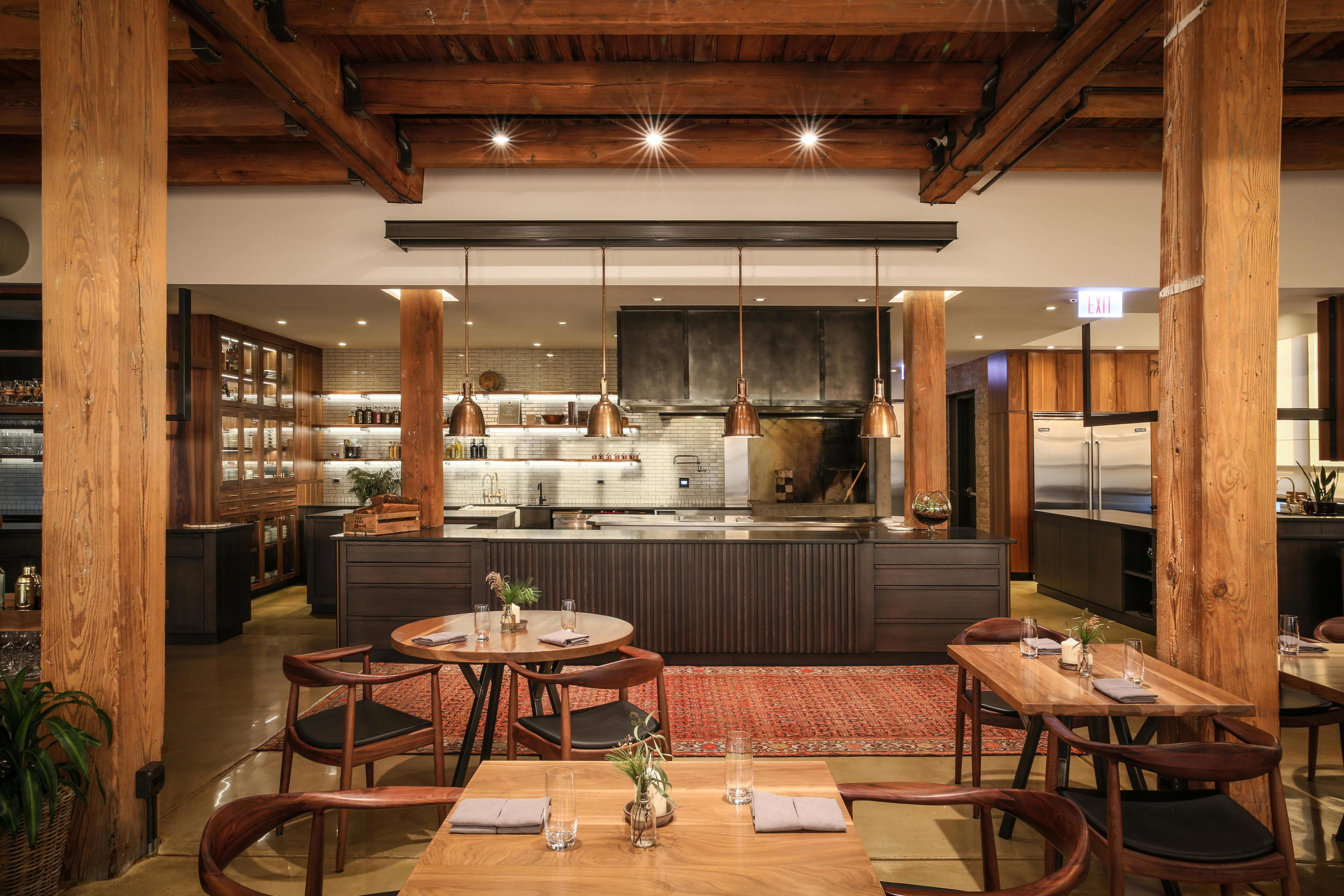
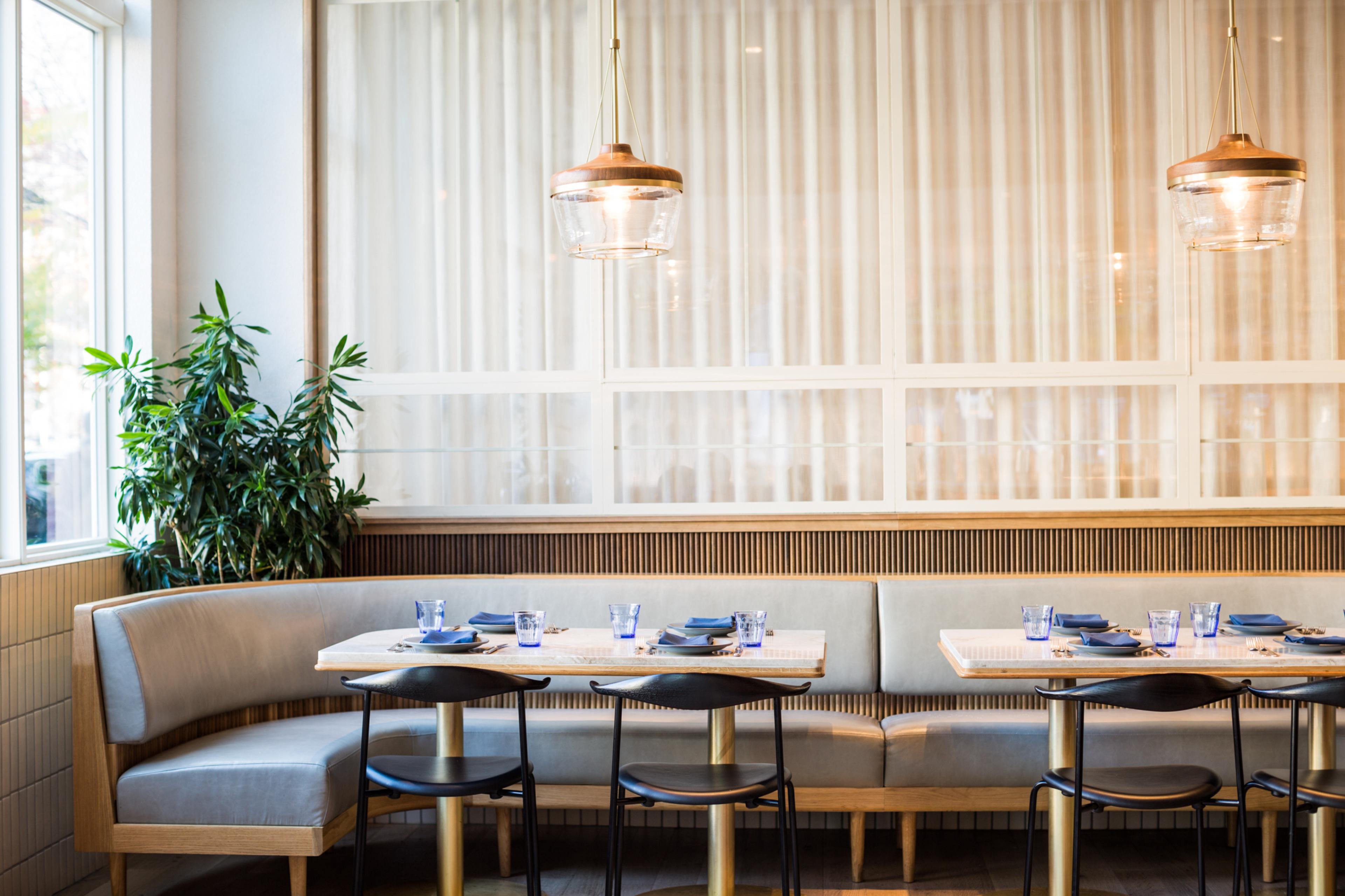
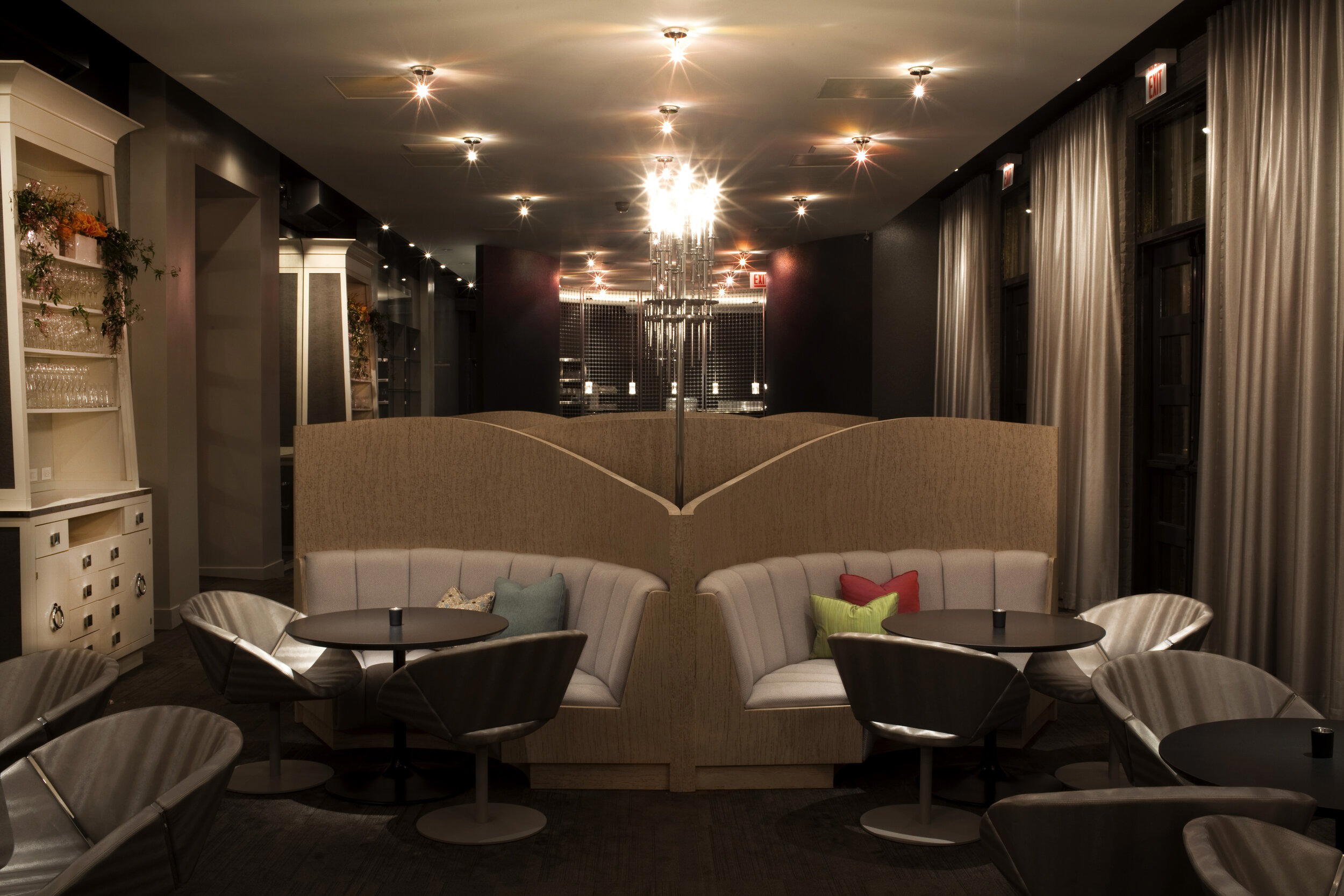
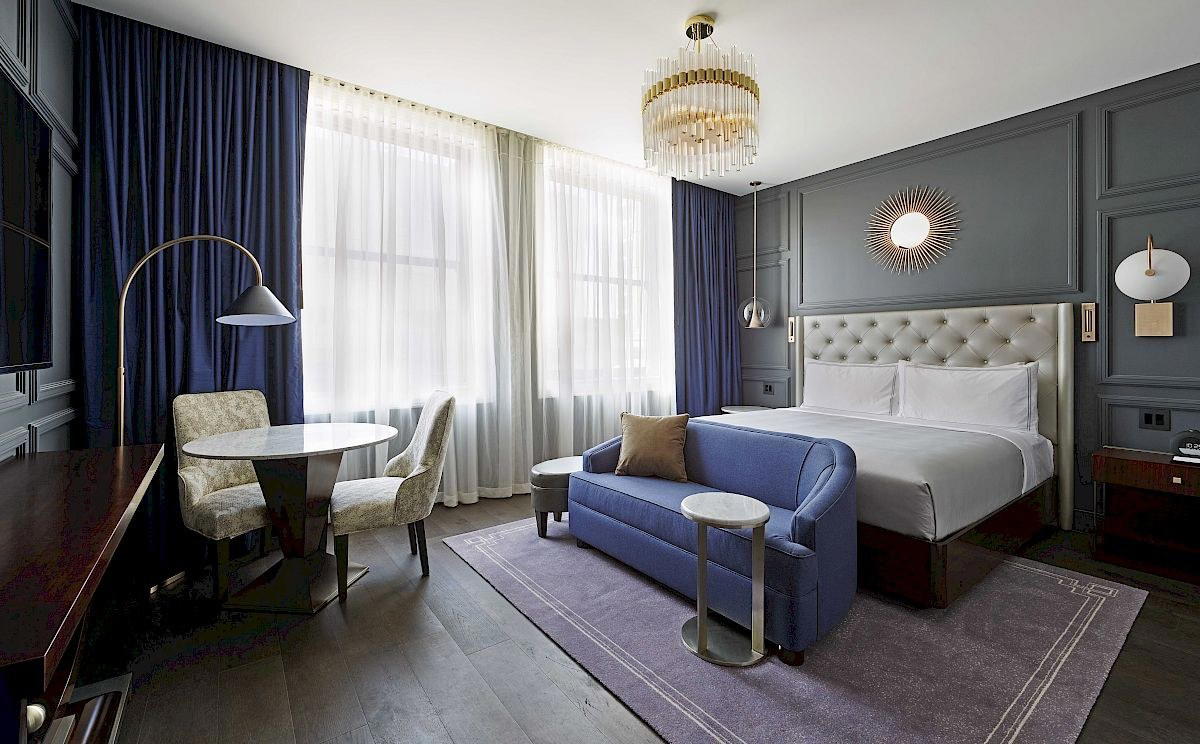
On West Randolph Street, Chicago's most competitive dining corridor, ROOP brings modern Indian cooking to a two-floor room dressed in deep blue velvet. The 2024 Michelin Plate recognises a kitchen that moves between Indian classics and technically ambitious preparations without losing coherence.
Pearl is the En Primeur Club membership app — saves, bookings, and concierge access live there. Same editors, same standards.
- Address
- 736 W Randolph St, Chicago, IL 60661
- Phone
- (312) 809-6964
- Website
- roohchicago.com
- Directions
- Get directions
 Saves & bookings on Pearl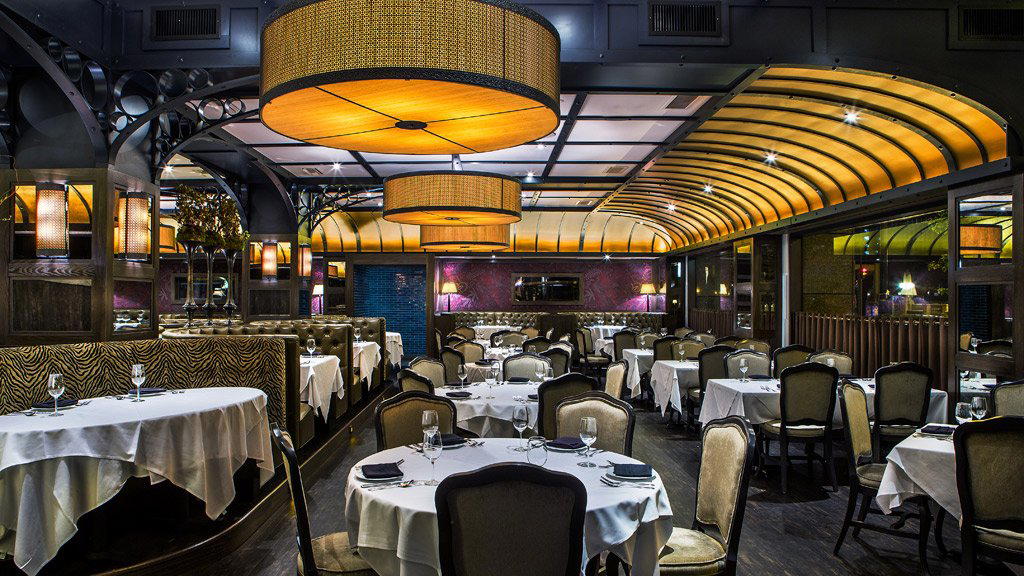
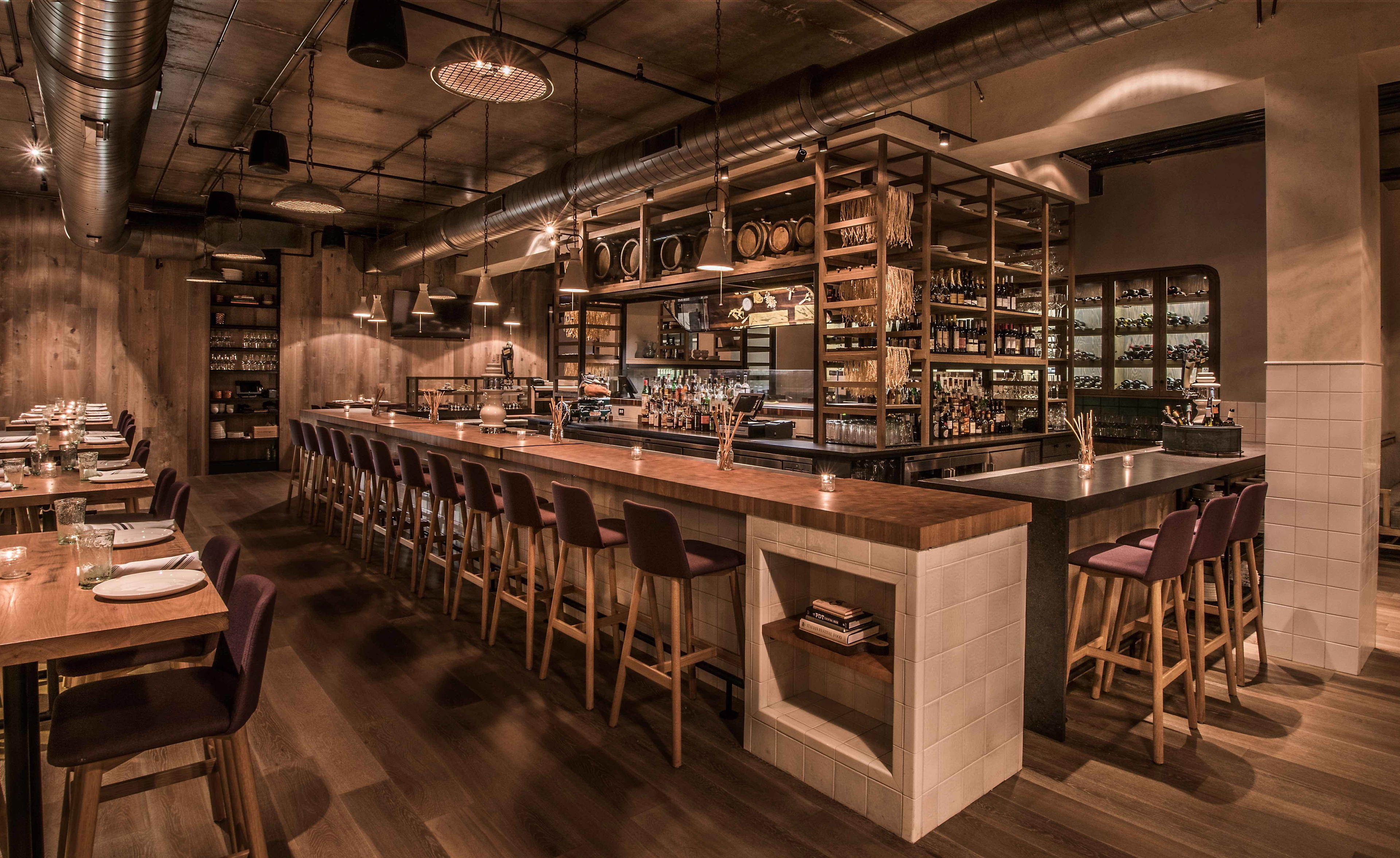
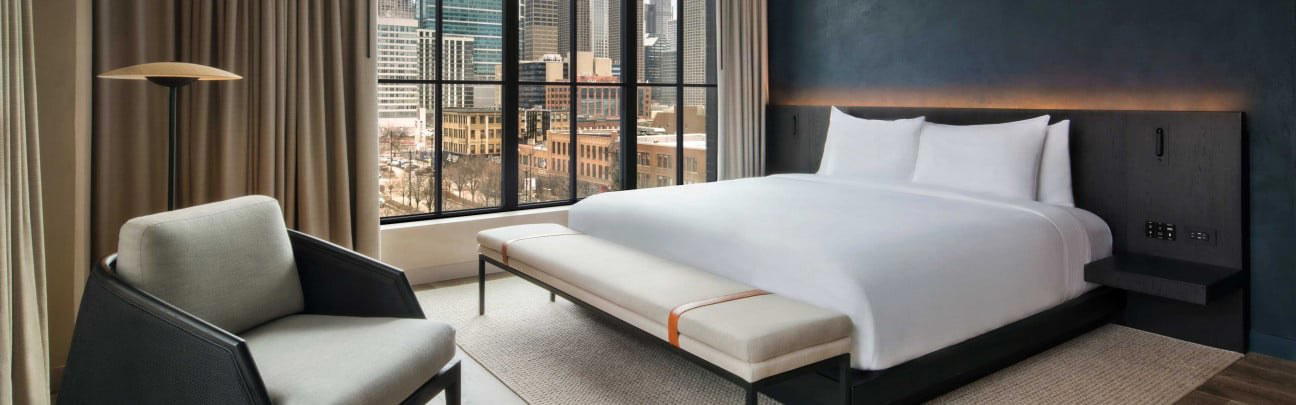
West Randolph Street sets a high threshold. The corridor that runs through Chicago's West Loop has accumulated more serious restaurants per block than almost any comparable stretch in the American Midwest, and new arrivals are measured against neighbours who hold stars, James Beard nominations, and years of critical attention. ROOP occupies a two-floor space at the edge of that strip, outfitted in deep blue velvet, and earns its position on the basis of what it does with Indian cooking rather than how it dresses the room, though the room is dressed well.
The Case for Modern Indian on a Serious Street
Indian cuisine in the United States has spent the better part of two decades shedding the buffet-and-naan associations that defined its mainstream presence. The shift has been uneven: coastal cities accelerated fastest, but Chicago's version of that evolution has produced a smaller, more focused cohort of kitchens working with subcontinental tradition at a genuinely ambitious level. Superkhana International operates in that cohort, as does ROOP, which holds a 2024 Michelin Plate and a 4.3-star average across 1,784 Google reviews. Those two data points together are instructive: the Michelin recognition signals technical credibility, while the volume of reviews suggests the kitchen is reaching a broad audience, not just a narrow critical one.
Globally, the modernised Indian format has its most prominent examples in venues like Trèsind Studio in Dubai and Opheem in Birmingham. ROOP operates in a comparable register, though at the $$$ price tier rather than the higher bands those venues occupy. That positioning matters: it means the cooking has to justify itself through flavour and execution rather than through theatrical format or luxury sourcing alone.
What the Kitchen Is Actually Doing
The menu at ROOP draws its logic from the range of Indian culinary traditions rather than fixing on a single regional identity. That breadth can be a liability in less disciplined kitchens, where it produces a menu that covers everything and commits to nothing. The Michelin notes here describe a kitchen working with more precision than that: cauliflower koliwada arrives deep-fried and paired with tempered yogurt and a rice mousse incorporating peanut thecha. The koliwada technique, a batter-fried preparation with roots in Maharashtra's coastal cooking, is used as a scaffold for textural and acidic contrast rather than reproduced verbatim.
Further into the menu, a beef short rib curry is constructed with carrots and marrow kofta, which introduces a classical Mughal preparation, the kofta, into a braised format more associated with contemporary restaurant cooking. The pairing of bone-in, slow-cooked protein with marrow-enriched dumplings is not accidental: it amplifies the fat register of the dish without tipping into excess. For those who want Indian cooking without the technical elaborations, the dal with plain naan remains on the menu, and the Michelin record describes it as wonderfully creamy, which in that publication's notably restrained language represents a meaningful endorsement.
Dessert follows a similar pattern of familiar reference reworked at the compositional level: a baked semolina cake served with milk ice cream and pistachios. Semolina sweets appear across the subcontinent in forms from halwa to sooji cake, and the milk ice cream here is a contemporary translation of kulfi's dairy-fat richness rather than a direct replacement. The pistachio functions as both flavour anchor and textural counterpoint to the warm cake.
The Drinks Program as a Parallel Argument
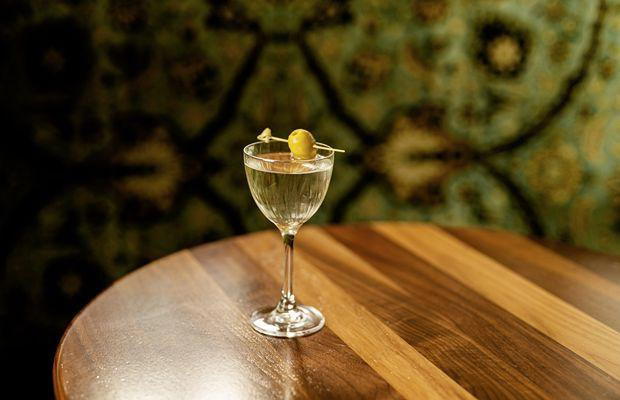
The beverage list at ROOP is described by Michelin as operating with its own flavour matrix, and the framing is worth taking seriously. In the category of Indian-inflected modern restaurants, drinks programs have historically lagged behind food menus, defaulting to generic wine lists or cocktails that reference the cuisine only superficially. A drinks program with internal logic, one that the kitchen's notes suggest visitors should study rather than ignore, is a signal that the beverage operation is treated as a parallel editorial statement rather than an afterthought. The structure of the recommendation points toward a cocktail list built around spice integration and flavour layering rather than standard bar formats.
Where ROOP Sits in Chicago's Dining Hierarchy
The West Loop and the broader Chicago dining scene contain multiple tiers. At the leading, venues like Alinea, Smyth, and Oriole operate at the $$$$ band with multi-course progressive formats. Kasama operates in a comparable space to ROOP in that it brings a non-European culinary tradition, Filipino in that case, to a fine-dining price point with Michelin recognition. ROOP's $$$ positioning and Michelin Plate place it in a tier below the starred rooms but clearly above the neighbourhood-casual category. On a street where the average quality is higher than almost anywhere else in the Midwest, that is a meaningful position to occupy.
For visitors building a Chicago dining itinerary across multiple meals, ROOP provides something the progressive American format cannot: a different set of flavour references, a different structural logic for the meal, and a different kind of pleasure. It belongs on the same shortlist as the rooms on that street without requiring the same level of planning or commitment.
Among comparable restaurants in the United States working at the intersection of serious technique and non-European culinary traditions, useful reference points outside Chicago include Le Bernardin in New York City, Lazy Bear in San Francisco, The French Laundry in Napa, Single Thread Farm in Healdsburg, Providence in Los Angeles, and Emeril's in New Orleans, each of which operates in a distinct tradition but shares the structural ambition that ROOP brings to the Indian canon.
Know Before You Go
Address: 736 W Randolph St, Chicago, IL 60661
Cuisine: Modern Indian
Price tier: $$$ (mid-to-upper range; below the starred rooms on the same street)
Recognition: Michelin Plate 2024; 4.3 stars, 1,784 Google reviews
Format: Two floors, deep blue velvet interior; à la carte menu spanning Indian classics and contemporary preparations
Drinks: Dedicated cocktail program with an integrated flavour approach; worth attention alongside the food menu
Hours: Not confirmed; verify before visiting
- Butter Chicken
- Lamb Keema Hyderabadi
- Potato Tikki
- Whole Sea Bass
- Bengali Lamb Shank
- Chicken Malai Tikka
Quick Comparison
Comparable venues nearby, for context on price, style, and recognition.
| Venue | Cuisine | Price | Awards | Notes |
|---|---|---|---|---|
| ROOP ChicagoThis venue — the venue you are viewing | Modern Indian Fusion | $$$ | Michelin Plate | Not listed |
| The Izakaya at Momotaro | Modern Japanese Izakaya | $$$ | Michelin Plate | West Loop |
| NADU Regional Indian | Regional Indian | $$$ | Bib Gourmand | Lincoln Park |
| Hugo’s Frog Bar & Fish House | Classic Seafood & Steaks | $$$ | Michelin Plate | Gold Coast |
| Oliver's | Modern New American | $$$ | Michelin Plate | South Loop |
| Chef’s Special Cocktail Bar | Modern Chinese-American | $$$ | Bib Gourmand | Bucktown |
Recognition history
Dated appearances from independent guides and award organizations, with the underlying list record or original source where available.
Michelin Plate
Michelin
Michelin Plate
Michelin

At a Glance
- Elegant
- Modern
- Sophisticated
- Lively
- Date Night
- Group Dining
- Special Occasion
- Celebration
- Design Destination
- Private Dining
- Craft Cocktails
Current opening hours
- Monday
- 5–10 PM
- Tuesday
- 5–10 PM
- Wednesday
- 12–10 PM
- Thursday
- 12–10 PM
- Friday
- 12–11 PM
- Saturday
- 12–11 PM
- Sunday
- 12–10 PM
Hours can change for holidays and private events. Last verified .
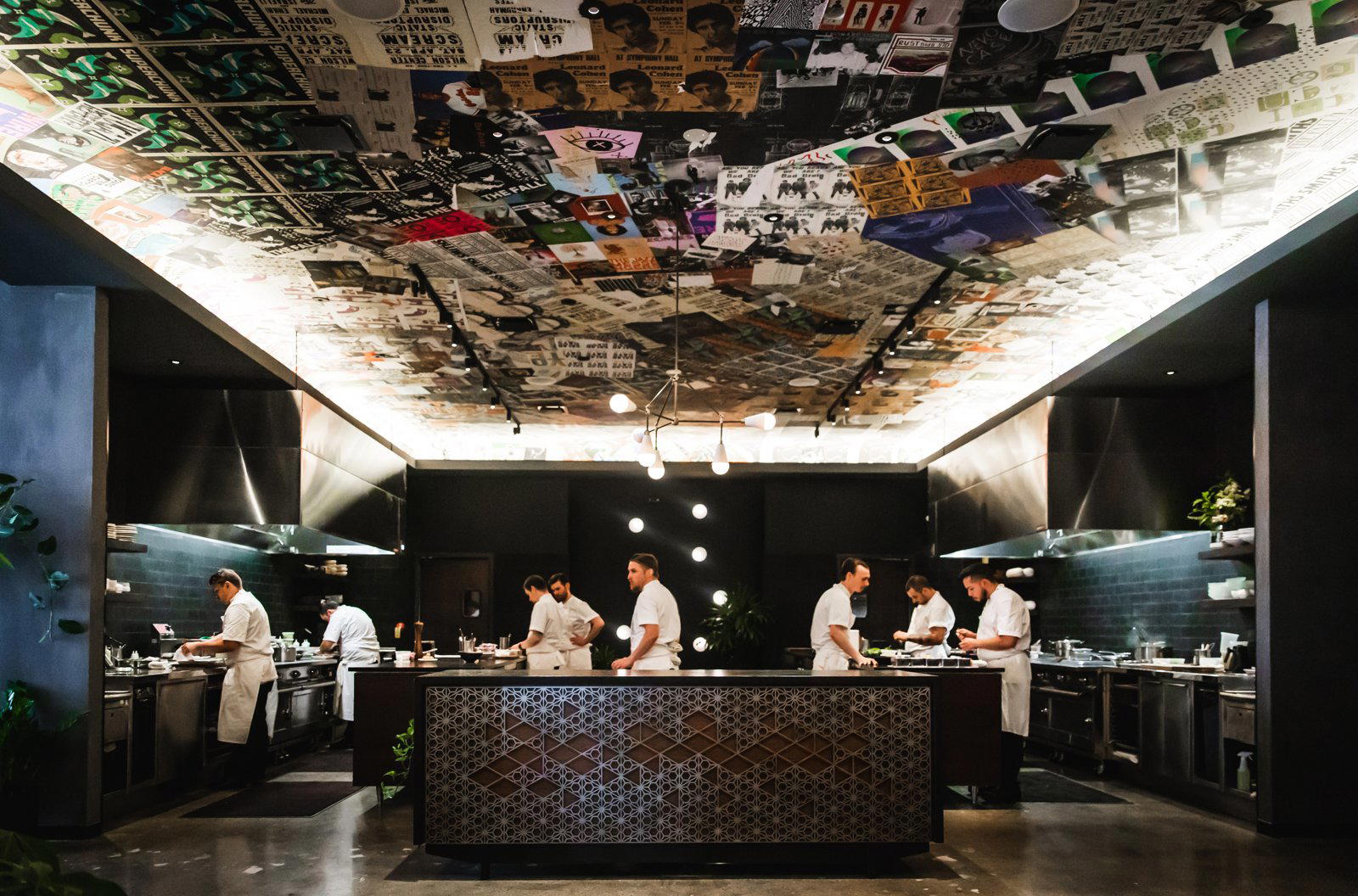
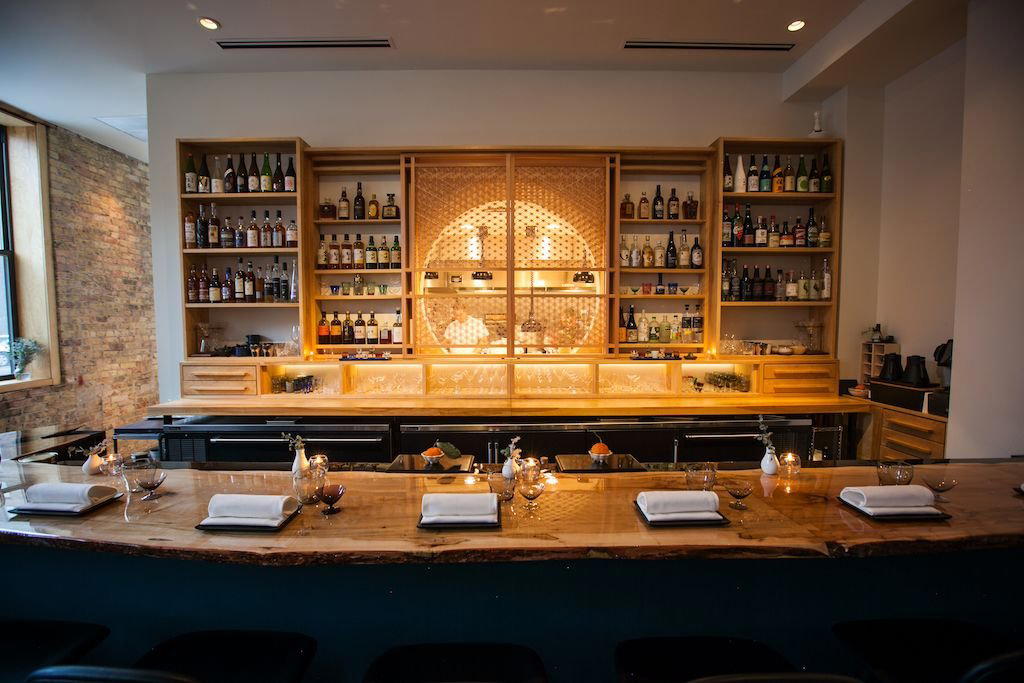
Bright and beautiful two-level setting with deep blue velvet seating; downstairs is loud and busy while upstairs is quiet and spacious.