Rooh Columbus
Our verdict
Rooh Columbus serves Progressive Indian cooking with Butter Chicken, craft cocktails, and local sourcing in an open kitchen, with leisurely pacing and conversational noise.

Pearl is the En Primeur Club membership app — saves, bookings, and concierge access live there. Same editors, same standards.
- Address
- 685 N High St, Columbus, OH 43215
- Phone
- (614) 972-8678
- Hours
- Mon–Thu 5–9 PMFri–Sat 8 AM–2 PM, 5–10 PMSun 8 AM–2 PM
- Website
- roohcolumbus.com
- Directions
- Get directions
- Booking
- Book on OpenTable
Modern Indian Cooking on Columbus's High Street
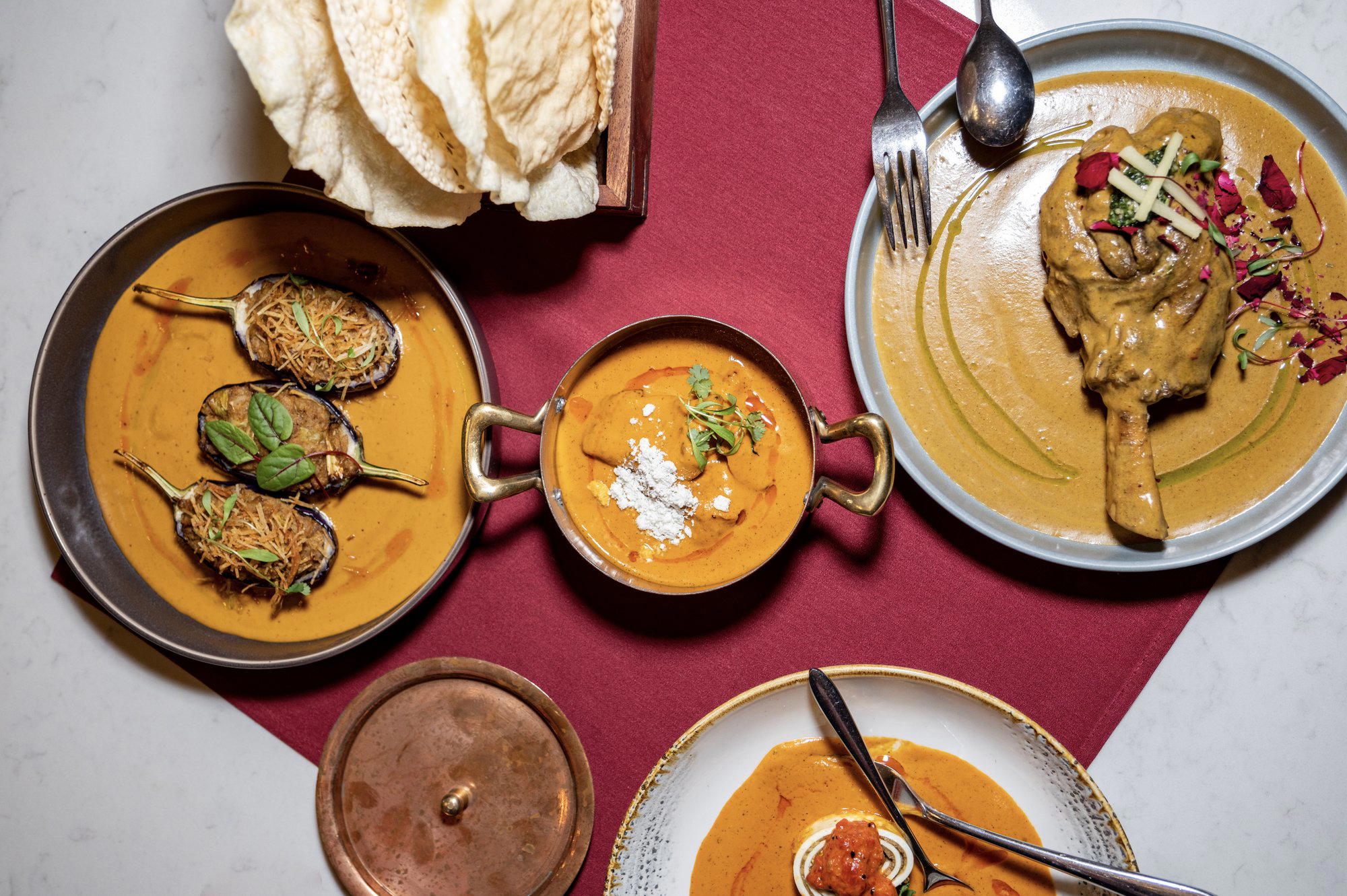
North High Street has developed a recognizable cadence over the past decade: independent restaurants occupying storefronts that cycle between ambition and attrition, each new arrival signaling something about where Columbus dining thinks it is heading. At 685 N High St, Rooh Columbus occupies that same corridor with a format that positions it well above the casual Indian takeout tier that long defined the category in American midsize cities, and measurably below the prix-fixe-only tasting format that defines rooms like Alinea in Chicago or The French Laundry in Napa. The space it occupies — progressive Indian cooking served in a full-service, à la carte or shareable format — is a competitive tier that has grown substantially across American dining since the mid-2010s.
The Shift Modern Indian Made in American Dining Rooms
For most of the twentieth century, Indian restaurants in American cities occupied a narrow bandwidth: generous portions, predictable menu architecture, price points that undercut comparable European or Asian fine dining by a wide margin. The repositioning that began in cities like San Francisco and New York gradually changed that equation. Restaurants applying French-influenced technique to Indian flavor profiles, using spice as precision rather than volume, treating fermentation and charcuterie methods as applicable to subcontinental ingredients, pushed the category toward a new price and service tier. That shift is exactly the context within which Rooh Columbus should be read. It belongs to a cohort of restaurants that treat Indian cuisine as a serious fine-dining register, not an ethnic subcategory with discounted expectations. Comparable moves in Korean cuisine can be tracked at Atomix in New York City; comparable ambition in a regional American context appears at Lazy Bear in San Francisco.
Columbus as a Context for This Format
Columbus has been a more receptive city for ambitious restaurants than its Midwestern reputation historically suggested. The Short North and adjacent High Street corridor have consistently produced restaurants willing to price and operate at levels more commonly associated with coastal markets. That environment has supported venues like Alqueria and Agni, the latter being a direct peer in the modern Indian category. The presence of two serious Indian-forward restaurants on roughly the same axis of the city reflects a broader maturation: Columbus diners are now being asked to make a considered choice between progressive Indian formats, rather than defaulting to a single option. That kind of competitive pressure tends to improve both rooms. For additional context on how Rooh sits within the city's broader restaurant ecosystem, see our full Columbus restaurants guide.
How the Format Has Evolved
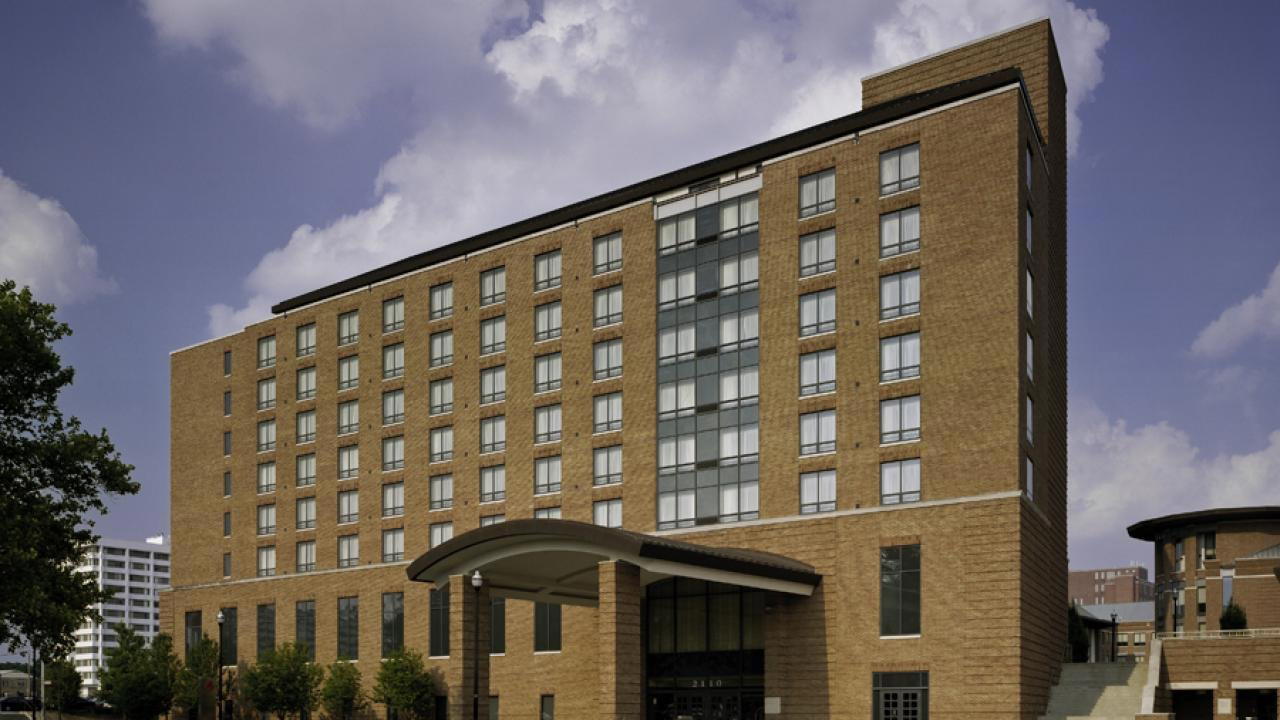
The Rooh concept originated in San Francisco before expanding to additional markets, and that origin matters editorially. Restaurant concepts that cross markets carry a built-in tension: the original location develops a reputation that the subsequent outpost must either replicate or deliberately depart from. In practice, the most durable multi-city concepts, like the approach taken at Le Bernardin in New York City or the regional adaptation visible at Emeril's in New Orleans, tend to maintain a core culinary identity while calibrating format details to the local market. For a Columbus location, that means calibrating to a city where high-end restaurant spending is real but where the price tolerance and pacing expectations differ from a Union Square dining room. Whether Rooh Columbus has leaned into that local calibration, shorter menus, adapted price points, different service cadence, is the operative question for any serious diner choosing between it and a peer like Agni or a broader modern-global option at 2110.
Progressive Indian formats have also had to reckon with how they handle the shareable-plates versus fixed-course question. The original Rooh format leaned toward a sharing structure, which suits the social eating patterns that drove progressive Indian dining's early growth in American cities. That format allows a table to cover more spice registers and technique variations in a single sitting, a structural advantage over fixed tasting menus when the cuisine's native logic is abundance and variety rather than sequential revelation. Rooms built on sequential tasting logic, like Blue Hill at Stone Barns in Tarrytown or Single Thread Farm in Healdsburg, operate on a different philosophy entirely, one that Indian cuisine can support but rarely historically has in the American market.
Columbus diners comparing options in the modern, upmarket South Asian or globally-inflected category have a wider field than they did five years ago. Beyond Agni, the city now has Alqueria operating in the Latin-focused lane, Agave & Rye Grandview at a more casual price point, and 'plas working a different register of creative cooking. For diners who have benchmarked against rooms like Providence in Los Angeles, Addison in San Diego, or The Inn at Little Washington, the expectations at Rooh Columbus will be calibrated differently, this is a city-level, ambitious casual-fine room, not a destination-dining experience in the tasting-menu sense. That is not a criticism; it is an accurate positioning that helps a reader decide whether the room fits their particular occasion. Separately, 8 1/2 Otto e Mezzo Bombana in Hong Kong offers a useful comparison point for what high-end Asian-inflected cooking looks like when operating at full destination-dining intensity.
Planning Your Visit
Rooh Columbus is located at 685 N High St in the Short North, a walkable strip of Columbus where restaurant density is high enough that a pre- or post-dinner drink at a neighboring bar is direct to plan. Given the absence of current booking data, diners should check the restaurant's own channels or third-party reservation platforms for lead times, particularly on weekend evenings when the Short North corridor fills quickly. The progressive Indian format tends to reward tables that allocate time for multiple courses and do not rush the shareable structure, budgeting two hours is reasonable for a full meal. For diners who want a price-tier reference before booking, the modern Indian register in American cities currently runs between the mid-range neighborhood restaurant and the formal tasting-menu room; expect pricing that reflects that middle tier rather than either extreme.
Frequently asked questions
Is Rooh Columbus good for families?
Rooh Columbus sits in the Short North at 685 N High St, a neighborhood where the pace skews toward adult dining. The format, centered on modern Indian cooking with a composed, upmarket sensibility, works better for older teens and adults than for young children. Families with adventurous eaters in the group will find more to work with than those expecting a traditional Indian-American menu.
How would you describe the vibe at Rooh Columbus?
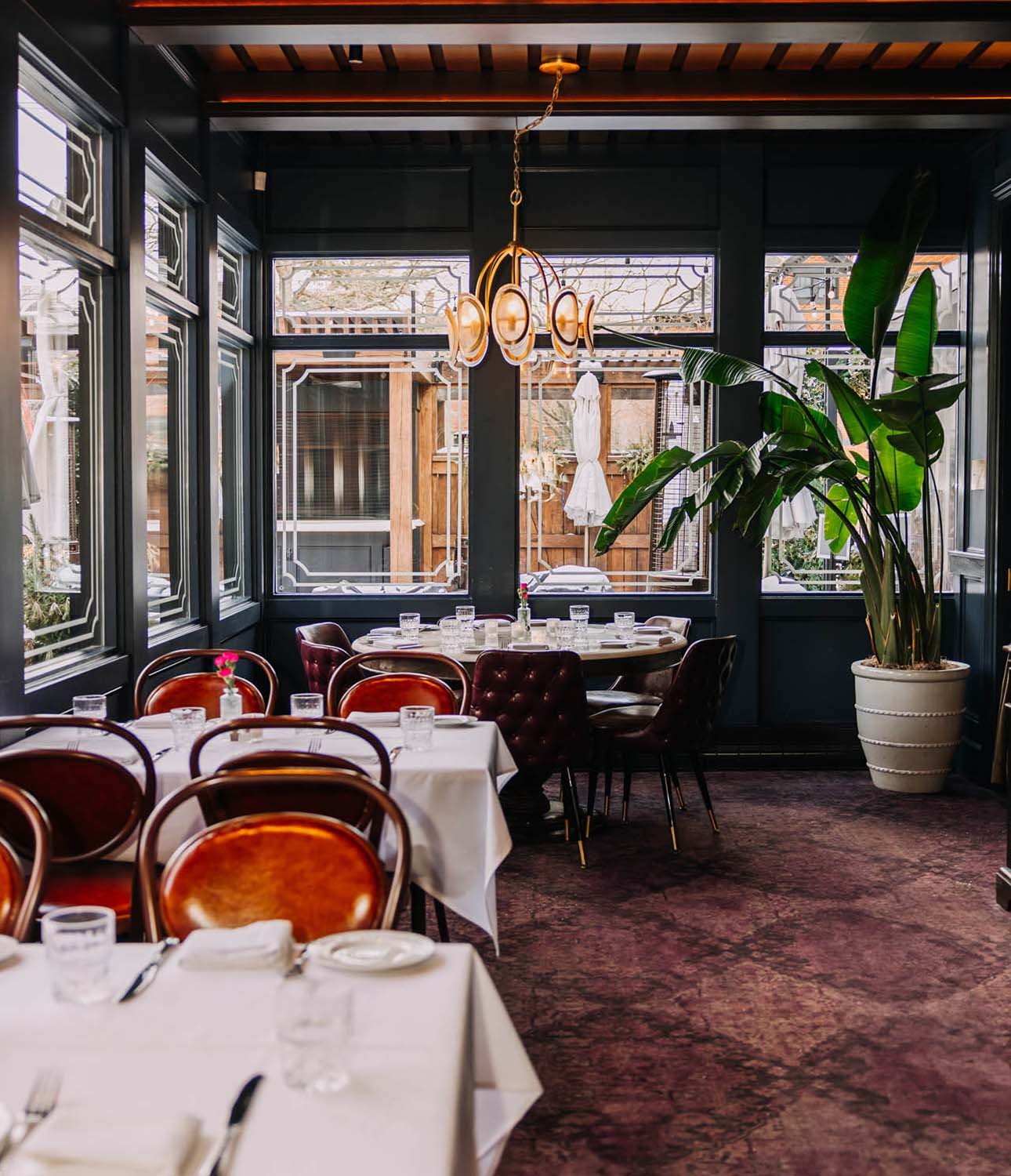
The Short North location places Rooh in one of Columbus's densest stretches of independent restaurants, and the room matches that energy: polished without being stiff. The concept, which originated in San Francisco before reaching Columbus, carries a West Coast minimalism into a Midwestern market that has increasingly embraced that register. Expect a dinner-forward crowd and a room that treats Indian cooking as a serious culinary category rather than a casual takeout alternative.
How does Rooh Columbus differ from the original San Francisco location?
The Rooh concept launched in San Francisco, a market with a larger South Asian dining infrastructure and a longer history of upscale Indian cooking. Columbus represents a different context: a Midwestern city where the category of progressive Indian dining has fewer direct competitors, which gives the format more room to define the genre locally. The core approach carries across locations, but the Columbus version operates in a market where it has less peer pressure and a more open field.
What should I order at Rooh Columbus?
The Rooh concept is built around modern Indian cooking that departs from the predictable menu architecture common in American Indian restaurants. Rather than a long list of curries, the format tends toward composed, technique-forward plates drawing on regional Indian traditions. The safest approach is to ask the server which dishes reflect the kitchen's current direction, as the menu evolves with the concept.
Where is Rooh Columbus in Columbus?
Rooh Columbus is located at 685 N High St, Columbus, OH 43215, Columbus.
What's the best way to book Rooh Columbus?
Rooh Columbus is located at 685 N High St in the Short North, and given the neighborhood's restaurant density, walk-ins on weekend evenings carry real risk. Reservations through a third-party platform such as OpenTable or Resy are the standard approach for venues of this format in Columbus. Booking a week or more ahead is reasonable for Friday and Saturday seatings.
A Minimal comparable set
Comparable venues nearby, for context on price, style, and recognition.
| Venue | Cuisine | Price | Awards | Notes |
|---|---|---|---|---|
| Rooh ColumbusThis venue — the venue you are viewing | Progressive Indian | $50–100 | Not listed | Not listed |
| Barcelona | Authentic Spanish Tapas | $50–100 | Wine Spectator Award of Excellence | Schumacher Place, Authentic Spanish Tapas |
| Gallo's on High | Italian & Cajun Creole | $20–30 | Not listed | Clintonville, Italian & Cajun Creole |
| Stories on High | Japanese Fusion with Omakase | $50–100 | Not listed | Arena District, Japanese Fusion with Omakase |
| Mitchell's Ocean Club | Prime Steaks & Fresh Seafood | $50–100 | Not listed | Cassady, Prime Steaks & Fresh Seafood |
| New Taj Mahal | Authentic Northern & Southern Indian | $20–30 | Not listed | South Clintonville, Authentic Northern & Southern Indian |