Our verdict
Fire, Smoke, and the Sanin Coast: Robata in Tottori There is a particular quality to robata-yaki in Japan's smaller cities that distinguishes it from the genre as practiced in Tokyo or Osaka. In those metros, the charcoal grill has become...

Pearl is the En Primeur Club membership app, where members save venues, book tables and use the concierge.
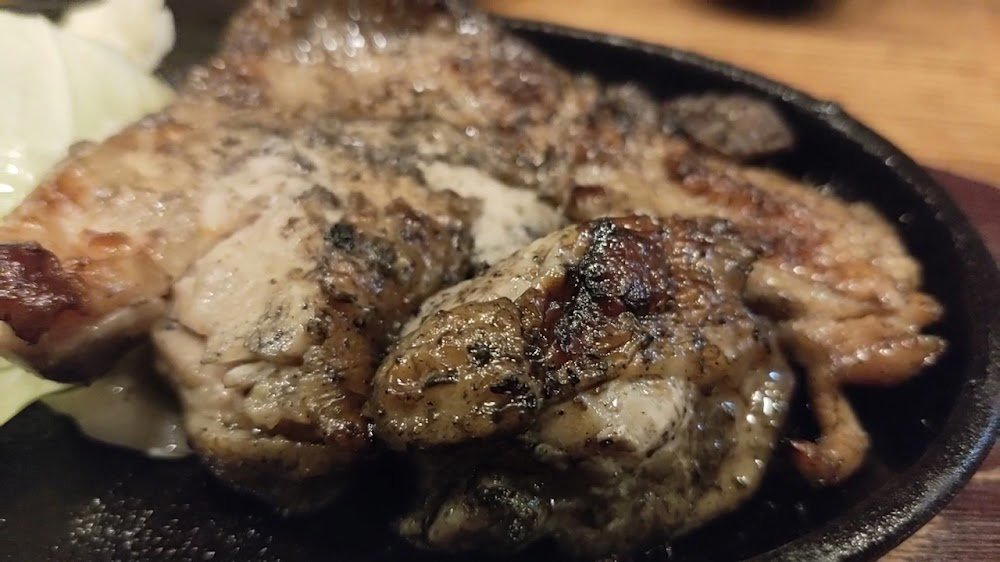
Fire, Smoke, and the Sanin Coast: Robata in Tottori
There is a particular quality to robata-yaki in Japan's smaller cities that distinguishes it from the genre as practiced in Tokyo or Osaka. In those metros, the charcoal grill has become something of a theatrical device, the counter an extension of a brand. In a city like Tottori, prefecture capital of one of Japan's least-populated regions, robata remains closer to its working origins: a hearth around which fishermen and farmers gathered to cook what was directly at hand. Robata Kaba Koyama, addressed in the Koyamachohigashi district on the city's eastern flank, operates in that older register. The approach here is shaped less by culinary trend than by what the surrounding Sanin coast and the Chugoku mountain interior actually yield.
The Sourcing Argument for Tottori
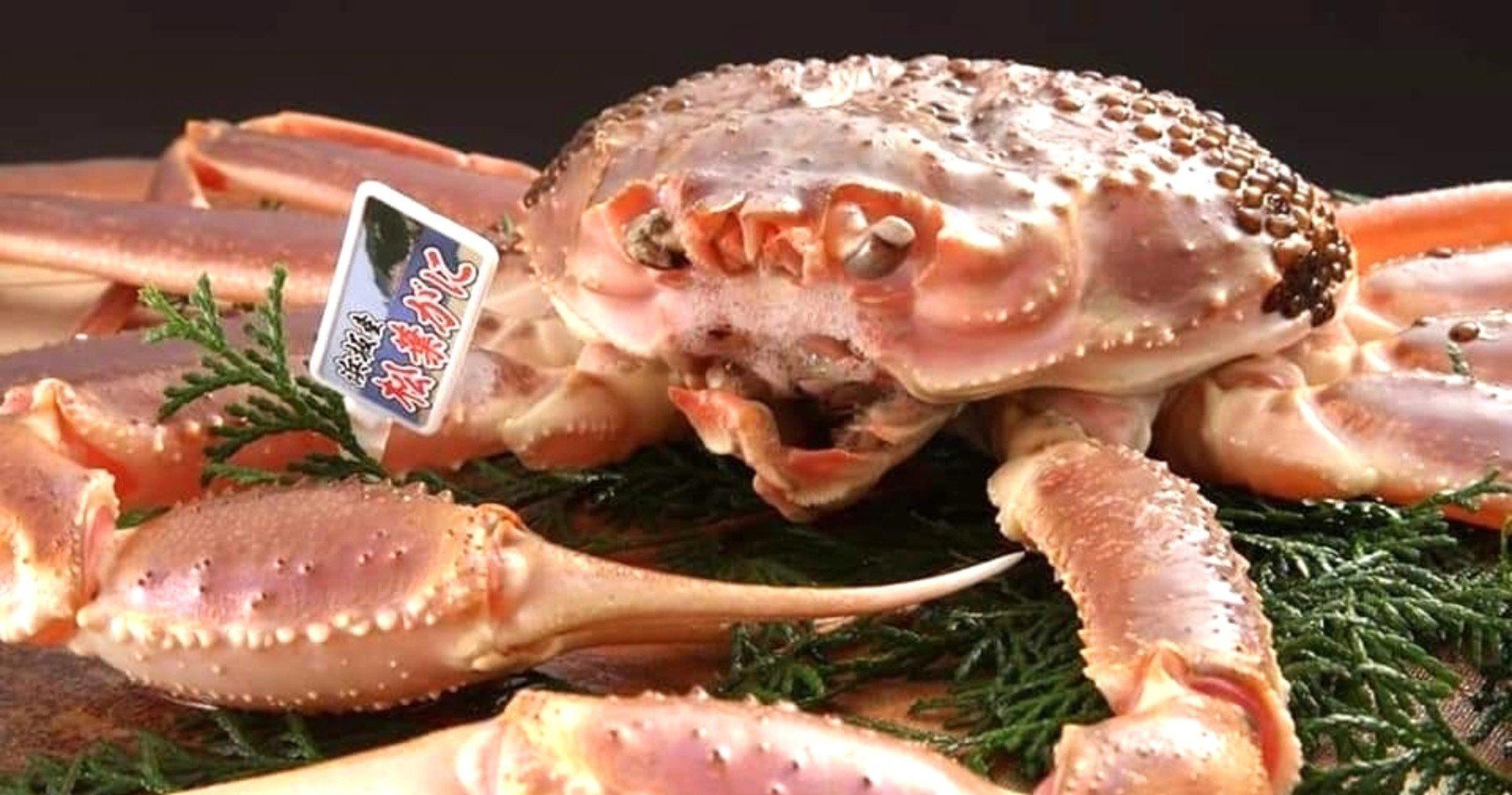
To understand why a robata counter in Tottori carries particular credibility, it helps to understand the prefecture's position as a supply zone. The Sea of Japan coast running through Tottori is one of the country's most productive cold-water fishing grounds. Matsuba crab, the local name for the male snow crab harvested off the Sanin coast, is among the most regulated and closely sourced seafood in Japan, with annual hauls tracked and licensed through prefectural fisheries cooperatives. The season runs from early November to late March, and during that window the ingredient defines what serious Tottori restaurants put on the grill. Beyond crab, the coastal waters deliver white shrimp, shiroebi, that Tottori shares with Toyama as a regional specialty, along with seasonal fish pulled from waters that receive little industrial pressure compared to the Pacific side of Honshu. Inland, the prefecture produces Daisen chicken from the slopes of Mount Daisen, a bird raised at altitude with the kind of feed-to-flavor lineage that robata treatment suits particularly well. A grill-focused restaurant in this prefecture inherits sourcing conditions that urban counterparts often spend considerable effort and premium to replicate.
What the Robata Format Demands
Robata-yaki as a cooking tradition asks more of its ingredients than it asks of its technique. The binchotan charcoal used in serious robata kitchens burns at high temperatures with minimal smoke, conducting radiant heat rather than open flame to the surface of fish, meat, or vegetable. The cook's job is largely one of timing and restraint: knowing when to remove a piece of Daisen chicken before the fat tightens, or how long a thick slice of Tottori negi, the region's green onion, milder and sweeter than standard varieties, needs to caramelize without collapsing. That discipline is precisely why ingredient provenance matters so much in this format. There is no sauce to compensate for a mediocre product, no braising liquid to rehabilitate tough protein. The grill is honest in a way that more interventionist cooking is not. Venues that claim robata credentials in major cities often import Tottori or Sanin-region seafood precisely because the local supply chain in those cities cannot match what a well-connected Tottori restaurant sources at its doorstep. For comparison, robata counters at the level of Harutaka in Tokyo or the multi-course precision of HAJIME in Osaka operate in a different register entirely, where sourcing effort is folded into a much larger premium format. Tottori's version is leaner, more direct.
Koyama District and the Local Dining Pattern
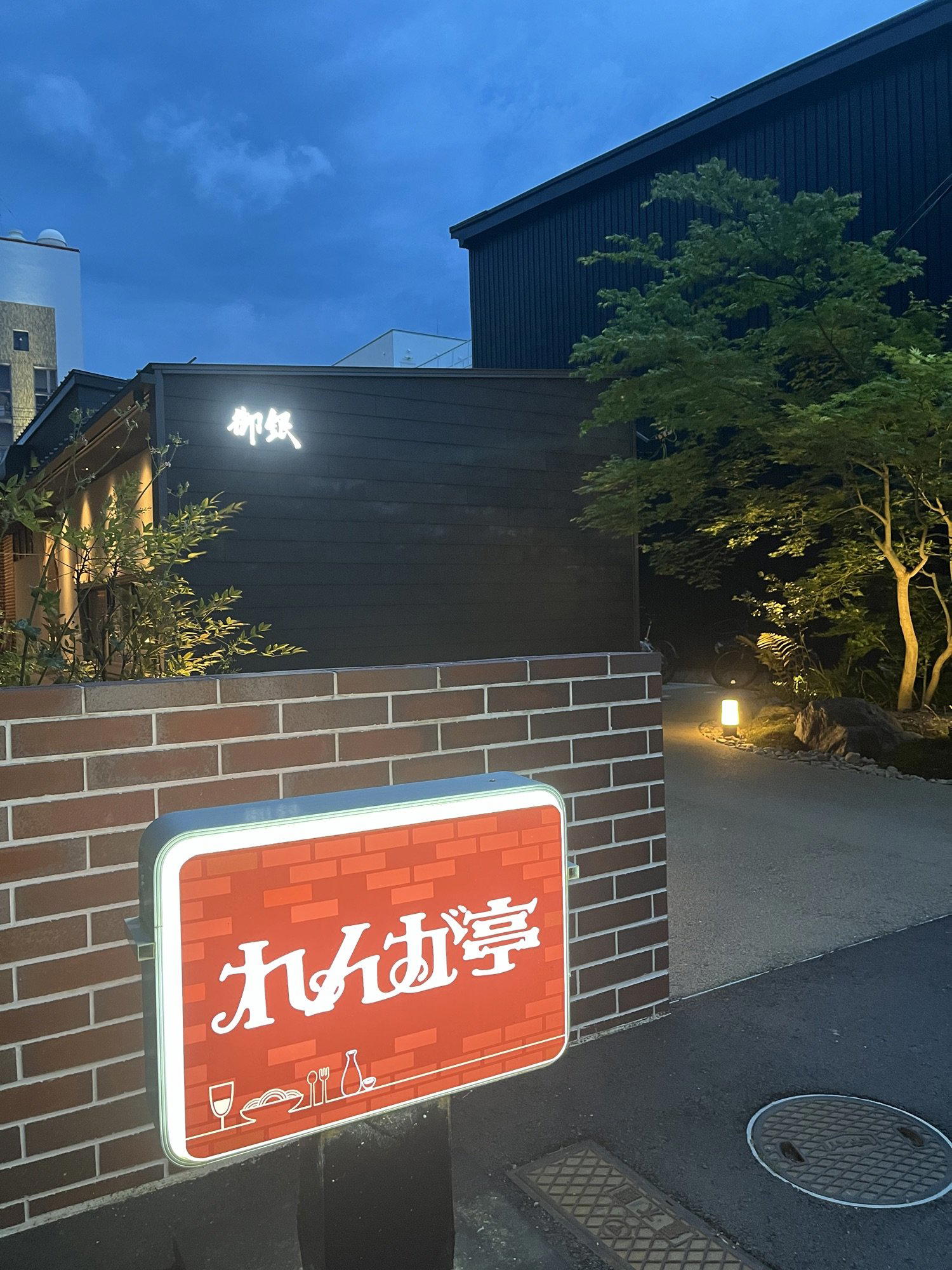
The Koyamachohigashi address places Robata Kaba Koyama in the residential and small-commercial zone east of Tottori's central core, away from the busier izakaya strips that cluster near the station. This kind of location is characteristic of neighborhood-rooted restaurants across provincial Japan: places that earn their clientele through consistency rather than foot traffic, where the room fills because regulars return, not because tourists wander in. Tottori city's overall dining scene runs small and specific. For a city of roughly 180,000 people, it sustains a quiet range of serious restaurants: Kaniyoshi holds a position in the crab-specialist tier, while Mitsuki and local fixtures like れんが亭 and ファロ トラットリア extend the range across Japanese and Western formats. Robata sits within that ecosystem as a format with genuine local logic rather than imported concept. The broader context of Japanese regional grilling is mapped by venues like Gion Sasaki in Kyoto, akordu in Nara, and Goh in Fukuoka, each of which interprets regional ingredients through a distinct formal lens. Robata Kaba Koyama operates without that level of formal apparatus, which is itself a positioning choice. For further context on the city's dining options, see our full Tottori restaurants guide.
Planning Your Visit
Tottori city is accessible by the JR Inbi Line from Okayama, a journey of roughly two hours, and by the Super Hakuto limited express from Kyoto and Osaka, connecting the Sanin coast to the Tokaido corridor. The city does not draw the volume of international visitors that Kyoto or Kanazawa receive, which means restaurant access here operates on a different rhythm than the advance booking required at counters like those listed at Atomix in New York City or Le Bernardin in New York City. That said, a neighborhood robata with a loyal local following will fill on weekend evenings and during the Matsuba crab season, when Tottori draws visitors specifically for that ingredient. Comparably scaled venues across Japan's regional cities, including Birdland in Sakai and Bistro Ange in Toyohashi, typically operate dinner-only with limited covers, a pattern that likely applies here. The November-to-March crab window is the clearest seasonal argument for timing a visit; outside that period, the grilling program leans on fish, chicken, and vegetables drawn from the same Sanin supply chain, which maintains its own integrity year-round. For reference on robata and regional Japanese grill formats elsewhere in the country, the EP Club also covers 一本杉 川島 in Nanao, 古仁屋山之 in Sapporo, 湖岸荘 in Takashima, and 鷹羽屋 in Nishikawa Machi, each of which illustrates how regional ingredient logic shapes grill-focused restaurants across Japan's smaller cities and towns.
Frequently asked questions
What's the address for Robata Kaba Koyama?
Robata Kaba Koyama is located at 2 Chome-160-2 Koyamachohigashi, Tottori, 680-0942, Japan, Tottori.
How does dining at a robata counter in Tottori differ from robata restaurants in Tokyo or Osaka?
In Tokyo and Osaka, robata-yaki venues largely import their Sanin and Hokuriku seafood across several hundred kilometres, adding logistics time between catch and grill. Robata Kaba Koyama sits in Tottori city, the prefectural capital of one of Japan's primary Snow crab and Sanin coast fishing prefectures, which means the supply chain is compressed considerably. For a cuisine whose credibility rests almost entirely on ingredient quality, that geographic proximity is a structural advantage that metropolitan counters cannot replicate.
What's the signature dish at Robata Kaba Koyama?
No single dish has been publicly documented as a house signature. Given Tottori's position as a supply zone for Snow crab, Matsuba crab, and Sanin coast seafood, the robata format at a counter in this prefecture typically foregrounds whatever is in season from those local sources. Confirm the current grill menu directly with the venue when you visit.
What's the best way to book Robata Kaba Koyama?
No phone number or website is currently listed in public records for Robata Kaba Koyama at the 2 Chome-160-2 Koyamachohigashi address in Tottori. For a small robata counter in a residential district like Koyamachohigashi, walk-in enquiry or contact through a local hotel concierge familiar with Tottori's dining scene is often the most reliable approach.
What is Robata Kaba Koyama known for?
Robata Kaba Koyama operates as a charcoal-grill counter in Tottori's Koyamachohigashi district, a residential zone east of the city's commercial core. Tottori prefecture's role as a Sanin coast supply region, producing crabs, wild vegetables, and mountain game, gives robata-yaki practitioners here a sourcing argument that urban equivalents in Tokyo or Osaka cannot replicate on the same terms.
Can Robata Kaba Koyama handle vegetarian requests?
Robata-yaki as a format is centered on protein, particularly seafood and meat, grilled over binchotan charcoal. Tottori's agricultural output does include mountain vegetables and tofu products that appear on regional menus, but whether this specific counter accommodates vegetarian requests is not documented. check the venue's official channels before visiting if dietary requirements are a factor.
Is a meal at Robata Kaba Koyama worth the investment?
Pricing is not publicly listed, which is consistent with many small counter-format restaurants in secondary Japanese cities that operate without an online presence. What the Koyamachohigashi location offers is proximity to Tottori's supply chain: Sanin coast seafood and Matsuba crab travel a fraction of the distance to reach this counter compared to the same ingredients appearing on a Tokyo menu, and that logistics gap typically translates into quality at the source.
Quick Comparison
Comparable venues nearby, for context on price, style, and recognition.
| Venue | Cuisine | Price | Awards | Notes |
|---|---|---|---|---|
| Robata Kaba KoyamaThis venue (the venue you are viewing) | Seafood Robata Izakaya | $20–30 | Not listed | Not listed |
| Goen | Japanese Teppanyaki | Not listed | Tabelog 100 #86 | Suehiro Onsencho, Tottori City |
| れんが亭 | Yoshoku (Japanese Western) | $20–30 | Not listed | Tottori Station |
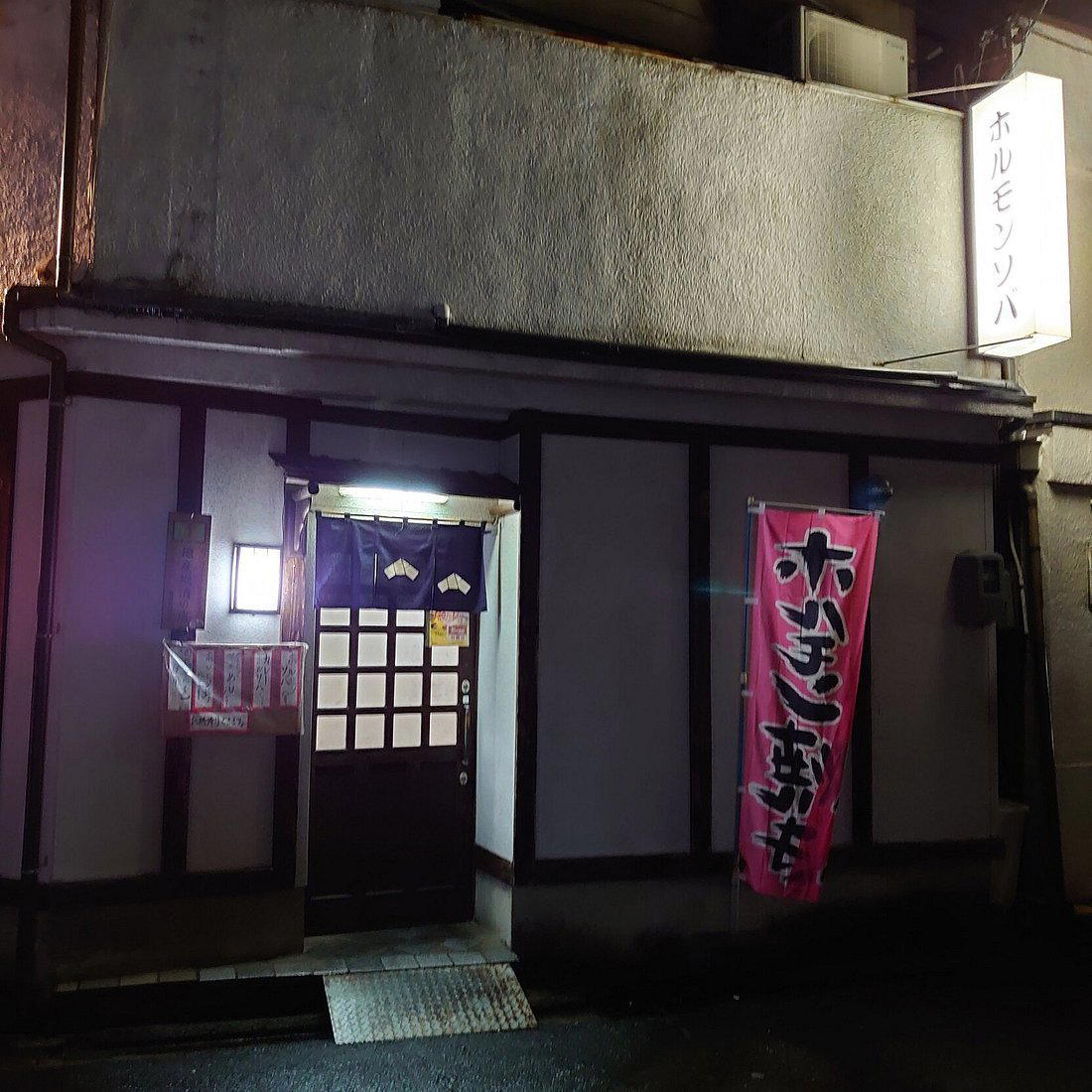
| Matsuya Horumon Ten | Japanese Horumon & Stir‑Fried Noodles Izakaya | $10–20 | Tabelog 100 #25 | Not listed |
| ファロ トラットリア | Italian Trattoria | $50–100 | Not listed | 栄町 |
| Kaniyoshi | Matsuba Crab Kaiseki | $200–300 | Tabelog Bronze #162 | Suehiro Onsencho |
Continue exploring
More in Tottori
Details
- Cozy
- Relaxed
- Group Dining
- Casual Hangout
- Open Kitchen
- Sake Program
- Local Sourcing
- A La Carte
- Small Plates
- Sake
- Shochu
- Vegetarian Friendly
Current opening hours
- Monday
- 5 PM–12 AM
- Tuesday
- 5 PM–12 AM
- Wednesday
- 5 PM–12 AM
- Thursday
- 5 PM–12 AM
- Friday
- 5 PM–12 AM
- Saturday
- 5 PM–12 AM
- Sunday
- 5 PM–12 AM
Hours can change for holidays and private events. Hours as of .
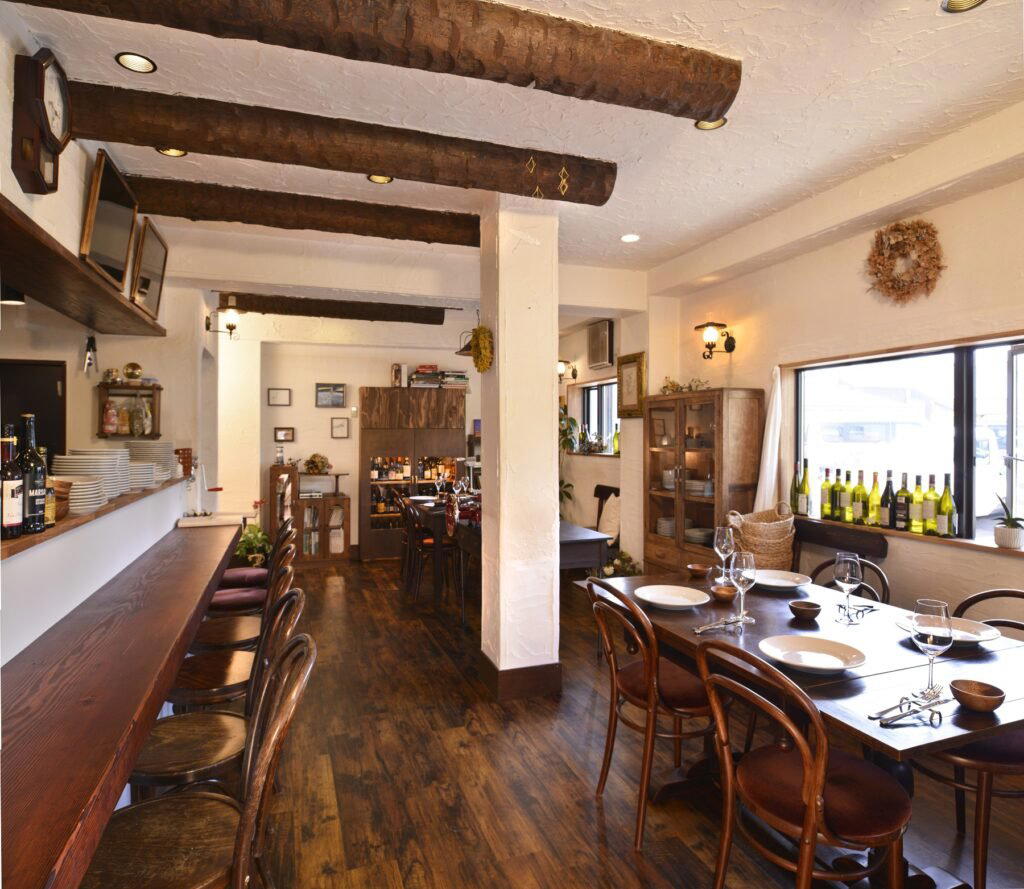
Stylish and relaxing space with counter seating and private rooms.