Our verdict
RIVE runs as a Modern French Bistro in Houlle, with local sourcing, a conversational pace, and smart casual dress that fits lunch or dinner plans.

Pearl is the En Primeur Club membership app — saves, bookings, and concierge access live there. Same editors, same standards.
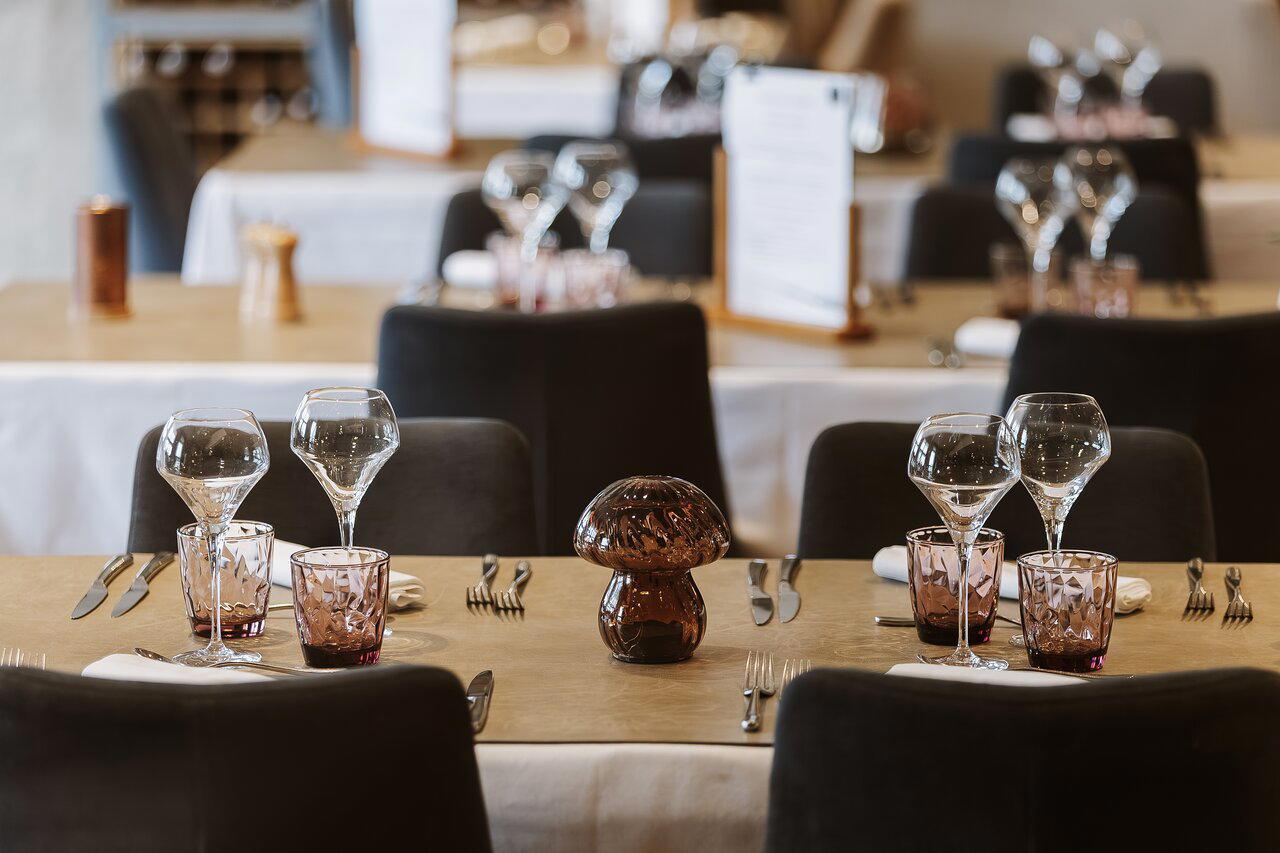
Where the Aa Valley Sets the Table
The road into Houlle runs through flat, open country in the Pas-de-Calais, a region whose agricultural character is shaped more by root vegetables, chicory fields, and the cool, grey proximity of the Channel than by any celebrated appellation or chef mythology. This is not Burgundy or the Côte d'Azur. There are no destination pilgrimages built around a single famous name. What the northern French interior does offer, to those who look, is a grounded relationship between land and plate that the more photographed restaurant corridors of France have spent decades trying to recreate artificially. RIVE, at 31 Route de Watten in Houlle, sits inside that tradition rather than against it.
The approach through the village is quietly instructive. Houlle itself is a small commune of fewer than a thousand residents in the arrondissement of Saint-Omer, and the surrounding flatlands have supplied regional kitchens for centuries with produce that rarely travels far before reaching the table. The Aa river, which gives this part of the Pas-de-Calais its low-lying character, feeds a wetland economy that has historically meant watercress, freshwater fish, and the slow crops of a cooler northern climate. Restaurants that anchor themselves here, rather than in larger nearby towns, tend to do so because the sourcing argument is geographically honest: the distance between field and kitchen is measurable in minutes, not logistics chains.
The Ingredient-Sourcing Logic of Northern France
France's most celebrated kitchens have made sourcing a formal discipline over the past two decades. At Mirazur in Menton, the garden functions as a direct extension of the kitchen. At Bras in Laguiole, the Aubrac plateau is effectively an ingredient. At La Marine in Noirmoutier-en-l'île, tidal rhythms govern what arrives on the plate. What these places share is a commitment to place as primary ingredient, with technique arriving in service of that rootedness rather than ahead of it.
The Pas-de-Calais equivalent of this logic is quieter but no less specific. The region produces some of France's most underrated vegetables, including the Genièvre-flavoured chicory of the Flemish borderlands, the watercress grown in the cold streams near Saint-Omer, and the early-season endive that French cuisine largely takes for granted. A restaurant positioned in Houlle, at the edge of these growing zones, carries an inherent sourcing argument that venues in Paris or Lyon have to construct deliberately. The question for any kitchen in this position is whether it uses that proximity with discipline or simply benefits from it passively.
Across northern France more broadly, the most compelling recent dining has often come not from the region's few awarded addresses but from smaller tables that treat the Flemish coast, the Boulonnais fishing ports, and the Artois grain belt as a coherent pantry. That approach places sourcing ethics and seasonal precision at the centre of the dining proposition, and it is the framework against which RIVE is most usefully read. Larger reference points from across France, including Alléno Paris au Pavillon Ledoyen, Auberge du Vieux Puits in Fontjoncouse, and Christopher Coutanceau in La Rochelle, each demonstrate how a deep commitment to a specific territory can become the organising principle of an entire kitchen philosophy.
The Scene in Houlle and the Saint-Omer Area
Saint-Omer, roughly seven kilometres southeast of Houlle, anchors the most visited dining circuit in this part of the Pas-de-Calais. The watergangs, the medieval town centre, and the market gardens that stretch between the two communes draw visitors who are often surprised by the agricultural density of the area. The region sits between Calais and Lille, making it accessible from the Channel Tunnel at Coquelles in under forty minutes by road, and from central Lille in roughly an hour. For visitors travelling from the UK, the Pas-de-Calais is one of the most geographically accessible parts of rural France, though it remains considerably less toured than Normandy or Brittany despite sharing a comparable coastal and agricultural tradition.
The dining culture of the wider arrondissement is defined less by fine-dining formality than by a practical relationship with seasonal produce. Estaminets, the traditional Flemish taverns found throughout northern France and across the Belgian border, set the tone: generous portions, local beer, and a menu that follows what the land offers rather than what the calendar dictates. RIVE, positioned on the Route de Watten with an address that places it between the village and the surrounding farmland, operates within this regional culture while potentially pointing toward a more considered approach to what that culture's ingredients can achieve. For a broader orientation to dining in the area, the EP Club Houlle restaurants guide covers the regional context in more detail.
Northern France's place in the national dining conversation has shifted noticeably since the mid-2010s, driven in part by the success of addresses like Assiette Champenoise in Reims and the continued relevance of Alsatian institutions such as Au Crocodile in Strasbourg and Auberge de l'Ill in Illhaeusern. That critical attention has gradually moved westward along the northern arc, creating an environment in which smaller addresses in the Pas-de-Calais and Hauts-de-France receive more serious consideration than they did a generation ago. The comparison set internationally includes kitchens such as Le Bernardin in New York City and Atomix in New York City, where the discipline of sourcing and the rigour of technique have driven recognition independent of geography.
Longer Reference Points in French Regional Cooking
To understand what a kitchen in northern France can aspire to, it helps to look at how France's most durable regional addresses have built their reputations over decades. Georges Blanc in Vonnas and Paul Bocuse - L'Auberge du Pont de Collonges in Collonges-au-Mont-d'Or represent one model: generational continuity tied to a specific place and a specific product tradition. Troisgros - Le Bois sans Feuilles in Ouches and L'Oustau de Baumanière in Les Baux represent another: landscape-led cooking where the surrounding terrain is treated as the primary culinary text. Flocons de Sel in Megève and AM par Alexandre Mazzia in Marseille show how individual creative vision, grounded in a specific regional vocabulary, can generate international recognition from provincial bases. The Pas-de-Calais has not yet produced a kitchen with that level of external profile, but the conditions for it, in terms of raw material quality and geographic specificity, exist.
Planning a Visit
RIVE is located at 31 Route de Watten, 62910 Houlle, in the Pas-de-Calais department of northern France. The venue sits in a small village commune, and visitors arriving by car should plan for rural road conditions rather than urban navigation. The nearest significant town is Saint-Omer, from which Houlle is a short drive west. Given the venue's rural position, advance planning around transport and accommodation in the Saint-Omer area is sensible for visitors coming from outside the region.
Frequently asked questions
Is RIVE good for families?
RIVE sits in Houlle, a small village commune on the Route de Watten in the Pas-de-Calais — the kind of address that tends toward relaxed, room-for-everyone dining rather than tightly choreographed formal service. check the venue's official channels at 31 Route de Watten, 62910 Houlle to confirm any family-specific arrangements.
What's the vibe at RIVE?
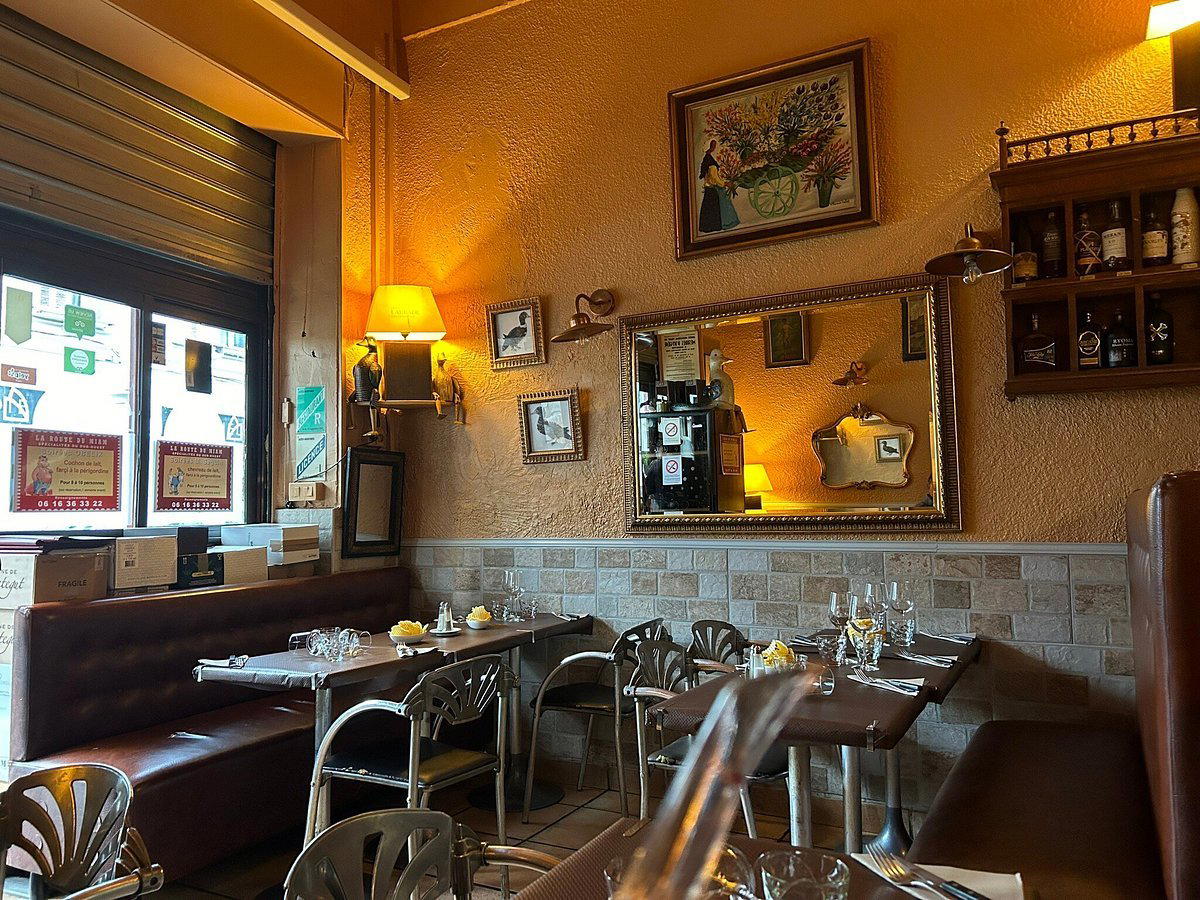
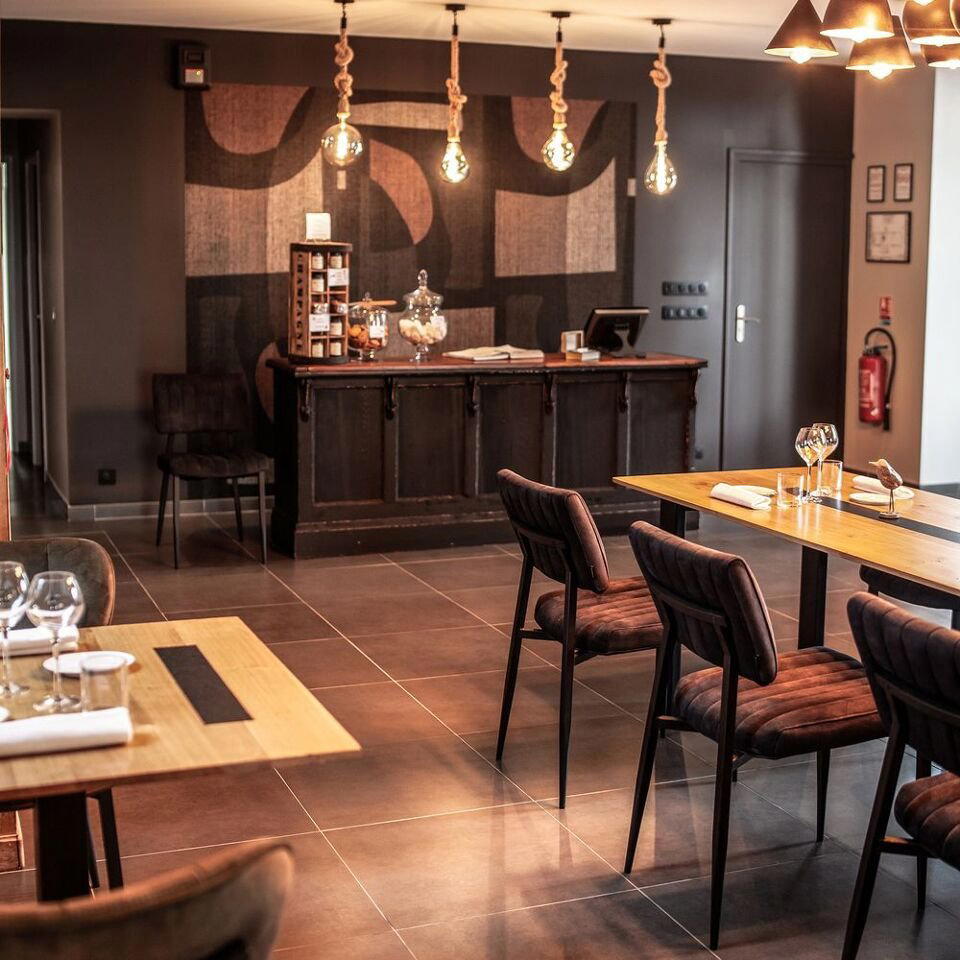
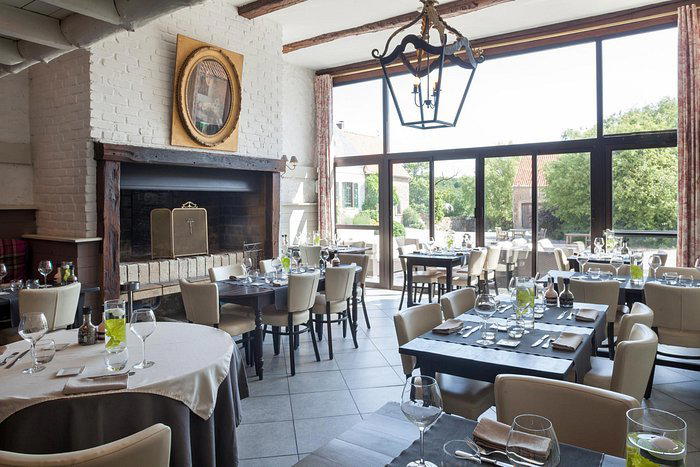
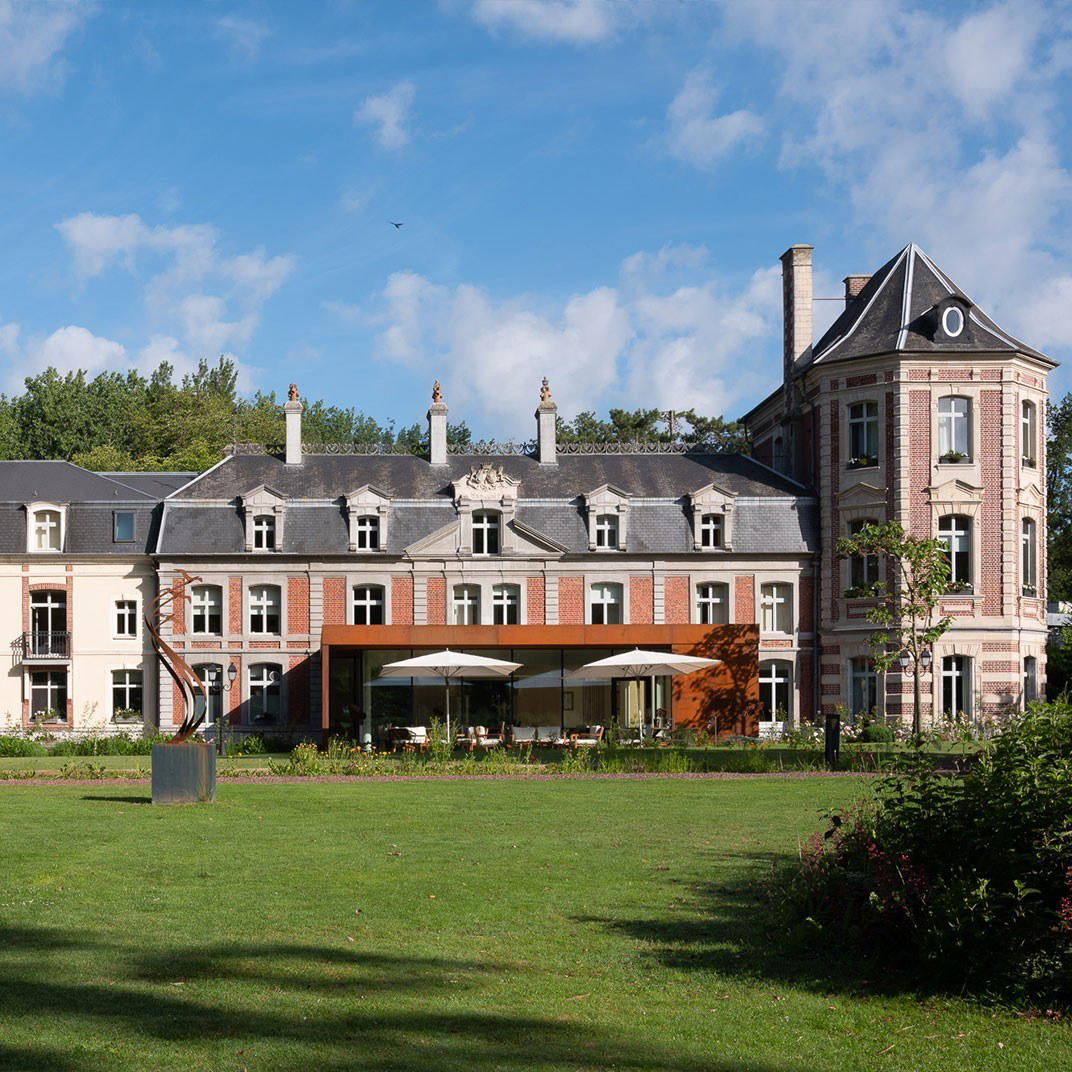
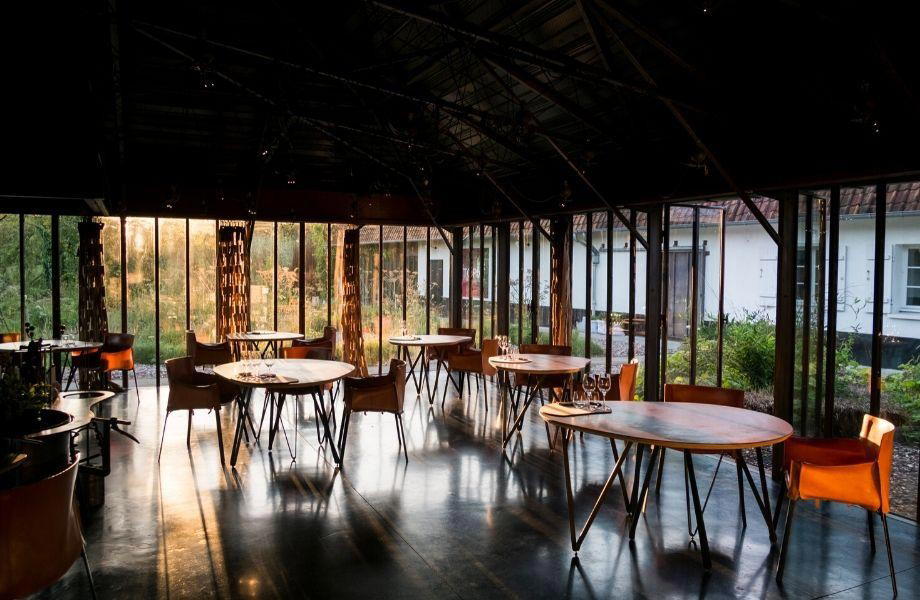
The address on the Route de Watten in a small Pas-de-Calais commune points toward a quiet, agricultural tone — flat open country, root vegetable fields, and the proximity of the Saint-Omer watergangs rather than a buzzing urban dining room. Think rural northern France: functional, grounded, and shaped by what grows within a few kilometres. That is a specific identity, not a consolation prize.
Is RIVE connected to the Saint-Omer watergangs and its dining tradition?
Houlle sits at the western edge of the Saint-Omer watergangs, a UNESCO-recognised area of market gardens threaded by canals that has supplied northern French tables for centuries. Restaurants operating in this corridor draw on one of France's most distinctive horticultural systems — chicory, leeks, and water-grown vegetables that are rarely available at this proximity anywhere else in the country.
What should I order at RIVE?
Houlle sits within the Saint-Omer agricultural zone, one of the largest market garden areas in northern France, where chicory, endive, leeks, and root vegetables define the seasonal supply. Any kitchen working at this address has direct access to that produce, so dishes rooted in the region's vegetable and waterway traditions are the logical focus.
Where do I go for RIVE?
RIVE is located at 31 Rte de Watten, 62910 Houlle, France, Houlle.
What's the best way to book RIVE?
No website or published phone number appears in the current public record for RIVE at 31 Route de Watten, 62910 Houlle. Small rural French restaurants in the Pas-de-Calais typically take reservations by telephone, so arriving in the area without a confirmed booking carries real risk, particularly on weekends.
What's RIVE best at?
RIVE's geographic position in Houlle, at the edge of the Saint-Omer watergangs and within the agricultural belt of the Pas-de-Calais, gives the kitchen a meaningful supply advantage in northern French produce. Kitchens in this position tend to build their identity around exactly that: seasonal, land-specific cooking shaped by what is growing close by rather than by imported luxury ingredients.
In Context: Similar Options
Comparable venues nearby, for context on price, style, and recognition.
| Venue | Cuisine | Price | Awards | Notes |
|---|---|---|---|---|
| RIVEThis venue — the venue you are viewing | Modern French Bistro | $30–50 | Not listed | Not listed |
| La table de Cha' | Traditional French Bistro | Not listed | Not listed | Citadelle |
| Le Bistro du Port | Regional French Bistro | $20–30 | Not listed | Port de Calais |
| Le Bruegel | Traditional Flemish Regional Cuisine | $10–20 | Not listed | Bergues city centre |
| Au Côte d'Argent | French Seafood Bistro | $30–50 | Not listed | Digue Gaston Berthe |
| Froggy's Tavern | French Rotisserie Tavern | $30–50 | Relais Chateaux Award | Montreuil-sur-Mer |
Continue exploring
More in Houlle
Details
- Cozy
- Warm
- Family
- Casual Hangout
- Special Occasion
- Standalone
- Local Sourcing
- A La Carte
- Set Menu
Current opening hours
- Monday
- 12–2 PM
- Tuesday
- 12–2 PM
- Wednesday
- Closed
- Thursday
- 12–2 PM
- Friday
- 12–2 PM, 7:30–9 PM
- Saturday
- 12–2 PM, 7:30–9 PM
- Sunday
- 12–2 PM
Hours can change for holidays and private events. Last verified .
Warm and friendly atmosphere.