Our verdict
Au Côte d'Argent sits on the Calais seafront at 1 Digue Gaston Berthe, where the Channel's proximity is less backdrop than supply chain. Calais has long operated as a transit point between Britain and France, but this address treats that geography as an asset, drawing on the northern French coastal tradition of putting the catch front and centre. For travellers passing through or arriving by ferry, it is one of the more considered dining options the port city offers.

Pearl is the En Primeur Club membership app, where members save venues, book tables and use the concierge.
The menu
What to order
- Assiette de la mer
- Dos de cabillaud aux graines de sésame
- Waterzoï de poissons
Where the Channel Is the Menu
Stand at the edge of the Digue Gaston Berthe and the logic of northern French coastal cooking becomes immediate. The water you're looking at is the same water that supplies the day's fish. The English Channel at this latitude produces some of Europe's most consistently worked seafood territory: sole, turbot, brill, bass, langoustine, and coquilles Saint-Jacques cycle through depending on season and catch. Au Côte d'Argent, at number 1 on that same digue, sits as close to that supply chain as a restaurant can get without being on the boat itself.
Calais operates differently from most French port cities. It is a place people move through rather than to, which means its restaurant culture has historically served transit travellers rather than building the kind of resident dining audience that sustains destination kitchens. That context matters when assessing what a seafront address here can credibly offer. The stronger operators in town, including Aquar'aile and Le Channel, have staked their reputations on the same short supply-chain argument: proximity to the catch, prepared without the kind of elaboration that would obscure it. Au Côte d'Argent holds the same address-as-argument position.
Northern French Coastal Cooking and What It Demands
The cuisine tradition along this stretch of the Côte d'Opale is not the refined, sauce-led classicism of Paris or Lyon. It sits closer to the Breton and Norman model: direct, relatively unadorned, built on the assumption that the raw ingredient is doing most of the work. Where houses like Flocons de Sel in Megève or Bras in Laguiole express a regional terroir through elaborate technique, the northern Channel kitchens tend to prove their point through restraint. A turbot served here is a statement about the turbot, not the kitchen's repertoire.
That philosophy carries real demands. A kitchen working this way has almost nowhere to hide if the sourcing slips. The restaurants along this coast that earn sustained respect, from Le Grand Bleu to Histoire Ancienne, each resolve the tension differently: some lean toward classical French preparation, others toward lighter modern technique. The shared discipline is the insistence on locally landed fish as the starting point rather than a selling point added afterward.
French restaurant tradition at large has spent decades debating the relationship between terroir and technique. The conversation looks different when you're sitting forty kilometres from the English coast. What Mirazur in Menton does with Mediterranean proximity, or what Le Bernardin in New York City achieves by treating fish as the centre of gravity, are reference points for how serious seafood cooking gets framed internationally. The northern Channel tradition is less celebrated at that level, but the underlying argument, that the sea defines the kitchen, is the same.
The Seafront Address as Editorial Statement
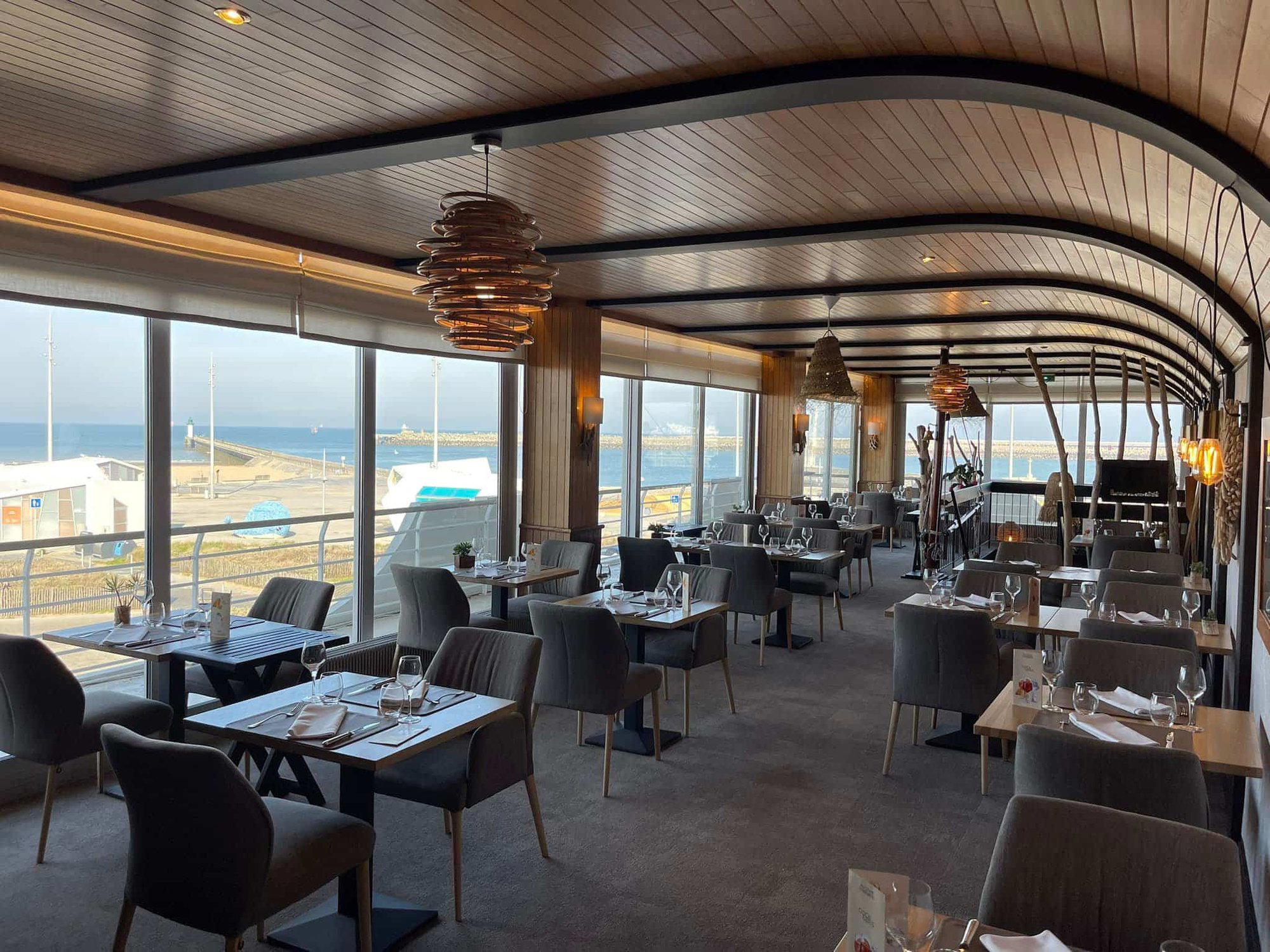
1 Digue Gaston Berthe is not a tucked-away location. The address places the restaurant on Calais's main seafront promenade, visible and exposed to the Channel winds that characterise the town for much of the year. The physical setting gives the dining room a particular quality: light off the water, the movement of ferries in the distance, and the kind of ambient noise that belongs to working port towns rather than sanitised resort fronts.
Calais receives ferry traffic from Dover year-round, with the crossing taking roughly 90 minutes. That makes it a realistic stop rather than a detour for travellers on either side of the Channel. The stronger case for eating here, rather than pushing straight to Paris or retreating to Dover, is that the northern French fishing ports offer a category of seafood that doesn't travel particularly well to the capital. The arguments made by Le Bistro du Port and the other harbour-adjacent addresses in town rest on exactly this geography.
For context on what French restaurant culture looks like at the other end of the ambition spectrum, the legacy houses, including Paul Bocuse's Auberge du Pont de Collonges, Auberge de l'Ill in Illhaeusern, and Les Prés d'Eugénie, all operate on the logic of destination travel built over decades. A seafront address in Calais occupies a different structural position: it earns its case through proximity and accessibility rather than accumulated prestige.
Calais Seafood in Its Competitive Tier
Within Calais itself, the seafood tier clusters at the €€ price point, shared by Aquar'aile, Le Channel, and the other credible options on and near the waterfront. That pricing sits comfortably below the dedicated destination dining of houses like Alléno Paris au Pavillon Ledoyen or Troisgros in Ouches, and is better understood in the context of serious regional cooking rather than trophy dining. At this level, across the northern French ports, the differentiator between operators tends to be the kitchen's honesty about the day's catch rather than menu architecture or formal service codes.
What separates a reliable seafront restaurant from a merely convenient one in a transit city is that discipline. The northern Channel catch is genuinely among the better-quality fish available in Europe at this latitude. A kitchen that commits to buying locally landed product and preparing it with clean technique earns a different kind of authority than one importing from elsewhere while trading on a waterfront view. The question any visitor to a port-city restaurant of this type should be asking is a simple one: does this kitchen actually source from the water outside, or is the view doing the work the menu should be doing?
For a broader read on where Au Côte d'Argent sits within the full range of Calais dining, the EP Club Calais restaurants guide maps the city's options across cuisine type and price tier. The port city's dining scene is narrower than Paris or Lyon, but within its own category, the seafront tier offers a specific case for regional French coastal cooking that the capital cannot replicate.
Planning Your Visit
The address at 1 Digue Gaston Berthe is walkable from the Calais ferry terminal, making it a practical option before or after a Channel crossing without requiring a taxi or hire car. Given Calais's role as a transit hub, tables at the better seafront restaurants tend to fill during peak ferry windows, particularly summer weekends and bank holiday periods when cross-Channel traffic is highest. Arriving outside those windows, or contacting the restaurant in advance, reduces the risk of a wait. For comparable seafood options with confirmed availability, Aquar'aile and Le Channel operate in the same tier and neighbourhood.
Frequently asked questions
Is Au Côte d'Argent suitable for children?
The seafront setting on Digue Gaston Berthe and the straightforward northern French coastal cooking tradition make this a practical family option. The cuisine style along the Côte d'Opale favours direct, unfussy preparation of fresh fish and shellfish, which tends to suit younger diners more readily than tasting-menu formats.
What's the vibe at Au Côte d'Argent?
The address at 1 Digue Gaston Berthe places the restaurant on Calais's main exposed seafront promenade, which sets the tone: this is a working harbour city, not a resort, and the atmosphere reflects that directness. The cooking tradition of this stretch of the French coast is practical and product-led rather than ceremonial. Expect a room shaped by the Channel view rather than interior theatre.
Is Au Côte d'Argent a good option before or after a Calais Channel crossing?
The address at 1 Digue Gaston Berthe is walkable from the Calais ferry terminal, making it one of the more logistically convenient seafood options on the northern French coast for passengers transiting by ferry. The Côte d'Opale coastal cooking tradition here is grounded in the same waters you cross, which gives the stop a coherence that motorway alternatives lack. Factor in ferry schedule timing when planning your visit.
What's the signature dish at Au Côte d'Argent?
What is consistent with the Côte d'Opale cooking tradition is a focus on the day's landed catch from the Channel, prepared with minimal intervention. Sole, turbot, and local shellfish are the currency of serious kitchens along this coastline.
Where is Au Côte d'Argent in Calais?
Au Côte d'Argent is located at 1 Digue Gaston Berthe, 62100 Calais, France, Calais.
Do I need a reservation for Au Côte d'Argent?
Given the restaurant's position on the main Calais seafront at 1 Digue Gaston Berthe and its proximity to the ferry terminal, demand is likely to peak around peak crossing times and summer weekends. Contacting the venue directly before arrival is advisable.
Comparable Spots, Quickly
Comparable venues nearby, for context on price, style, and recognition.
| Venue | Cuisine | Price | Awards | Notes |
|---|---|---|---|---|
| Au Côte d'ArgentThis venue (the venue you are viewing) | French Seafood Bistro | $30–50 | Not listed | Not listed |
| Histoire Ancienne | Classic French Bistro | $30–50 | Michelin Bib Gourmand | City Center |
| Le Bistro du Port | Regional French Bistro | $20–30 | Not listed | Port de Calais |
| Le Channel | Traditional French with Modern Seafood Focus | $30–50 | Michelin Plate | Calais Centre Ville |
| Le Grand Bleu | Modern French Seafood | $30–50 | Michelin Plate | Calais center |
| Aquar'aile | Classic French Seafood | $50–100 | Michelin Plate | Calais |
Continue exploring
More in Calais
Restaurants in Calais
All restaurants in Calais →
Bars in Calais
Browse all →
Details
- Scenic
- Elegant
- Cozy
- Date Night
- Special Occasion
- Waterfront
- Terrace
- Historic Building
- Extensive Wine List
- Local Sourcing
- Sustainable Seafood
- Waterfront
- Street Scene
- A La Carte
- Vegetarian Friendly
- Vegan Options
Current opening hours
- Monday
- Closed
- Tuesday
- Closed
- Wednesday
- 12–2 PM, 6:45–9:30 PM
- Thursday
- 12–2 PM, 6:45–9:30 PM
- Friday
- 12–2 PM, 6:45–9:30 PM
- Saturday
- 12–2 PM, 6:45–9:30 PM
- Sunday
- 12–2 PM
Hours can change for holidays and private events. Hours as of .
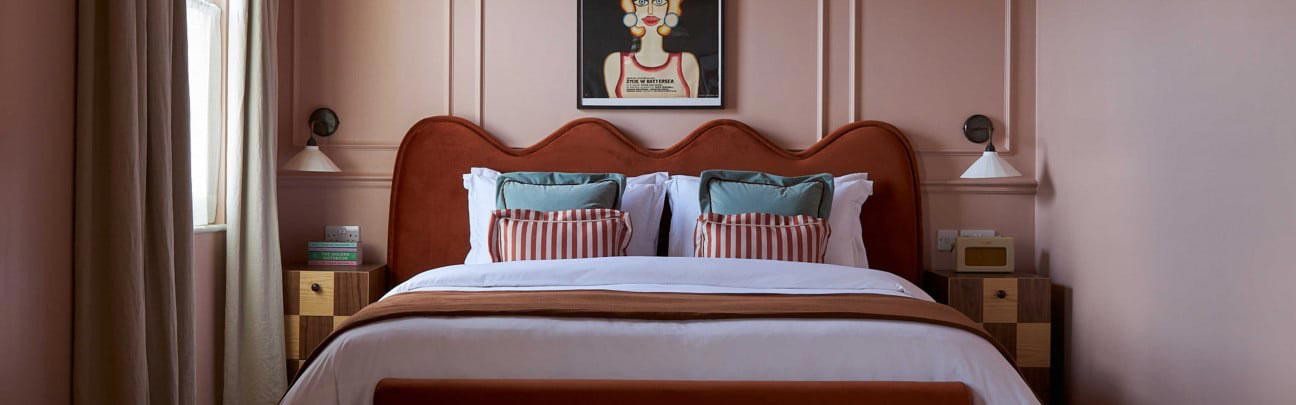
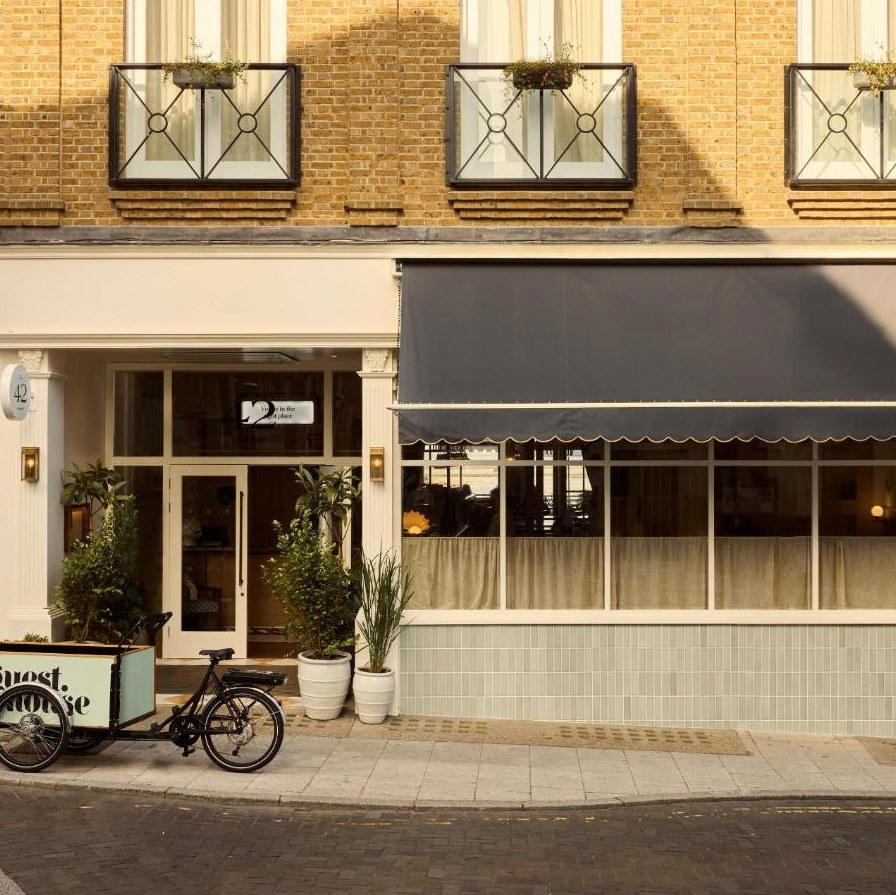
Light airy seaside atmosphere with elegant, simple decor and dramatic waterfront vistas.