← Guides
Jancis Robinson's September tastings put Kumeu River Chardonnay beside Burgundy and under the scrutiny of an every-vintage vertical.
Jancis Robinson's September tastings put Kumeu River Chardonnay beside Burgundy and under the scrutiny of an every-vintage vertical.
Kumeu River Chardonnay led Jancis Robinson's 28 September 2026 report after Paul Brajkovich hosted a vertical tasting of every single vintage of one single-vineyard bottling. Robinson also joined a blind tasting that set New Zealand Chardonnays against Burgundy examples, giving collectors two forms of evidence in the same September window: one producer examined through time, and one country tasted without labels (Jancisrobinson1).
That combination is the point. A vertical tasting asks whether a wine can carry its identity across vintages. A blind comparison asks whether reputation survives without the bottle shape, the appellation name, or the familiar hierarchy doing the work. For New Zealand Chardonnay, and especially for Kumeu River Chardonnay, those are the right questions.
Kumeu River sits in this conversation because Robinson's report did not treat New Zealand Chardonnay as a broad category exercise alone. Paul Brajkovich hosted the producer-led tasting, and the format was exacting: every single vintage of one single-vineyard Kumeu River Chardonnay. That is not the same as pouring a few strong recent releases. It places early, middle, and current wines in sequence, then asks whether the line holds.
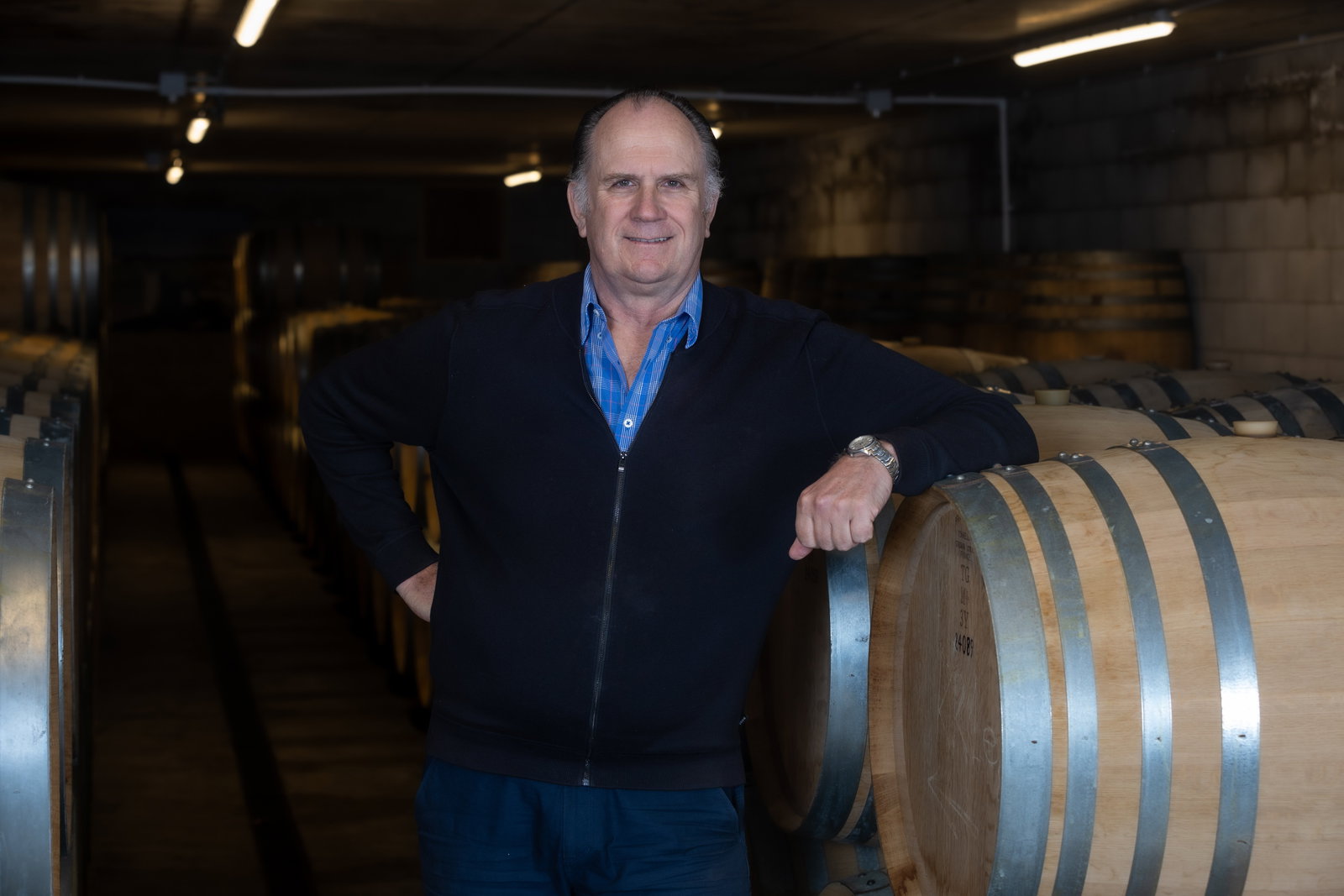
The Brajkovich name is central here. Michael, Paul, Marijana, and Milan Brajkovich of Kumeu River were pictured in Maté's vineyard, with Hunting Hill in the background, in the image attached to Robinson's piece. If you buy by producer and parcel, that setting gives the tasting its frame: family, vineyard, and bottling, not a generic national success note.
For collectors, that distinction is useful. The market already knows how to process white Burgundy: village, premier cru, grand cru, grower, vintage, reduction, bottle age, condition. New Zealand Chardonnay has not always had such an immediate mental map in fine-wine buying circles. Robinson's September tastings offer a cleaner route into the category. Start with producers whose wines can bear a vertical. Then ask how those bottles behave when tasted blind beside Burgundy.
The phrase that matters in Robinson's visible account is "convincing vertical tasting". It is restrained, but it carries weight because the tasting was not a single-vintage showcase. A vertical can expose dips, stylistic changes, and years where ambition outruns the wine. Pouring every single vintage of a single-vineyard bottling is a different level of scrutiny.
The second tasting in Robinson's September sequence was a blind taste-off against Burgundy's leading. This was not a casual comparison between New Zealand Chardonnay and an anonymous set of international whites. Burgundy was the reference point, and the wines were tasted without the usual visual and reputational cues.
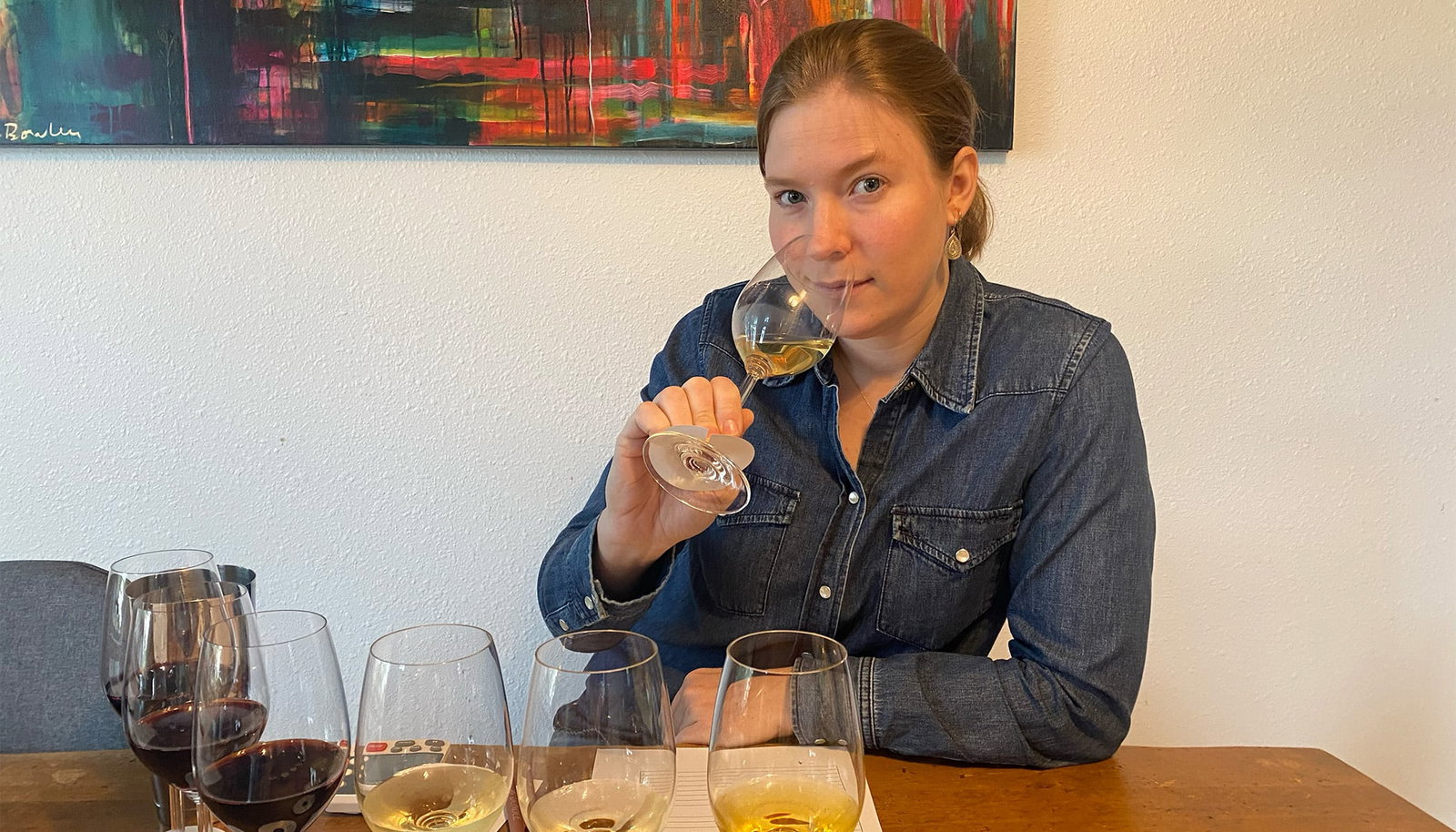
Blind tasting is not well-suited theatre. It can reward certain phases of development, punish closed bottles, and flatten context. Yet for a grape as tied to place and producer prestige as Chardonnay, it remains a useful pressure test. If a New Zealand wine holds attention in a blind Burgundy comparison, the taster has to deal with the wine in the glass before the hierarchy on the label.
Robinson's report, published Monday 28 September 2026, presented the blind comparison alongside the Kumeu River vertical. One tasting looked outward, placing New Zealand Chardonnay in direct conversation with Burgundy. The other looked inward, taking a single Kumeu River bottling through its full vintage history. For you as a buyer, that pairing offers both breadth and depth.
The blind format also changes the question. It is less useful to ask whether New Zealand Chardonnay is "like" Burgundy, since that can reduce the wine to imitation. The better question is whether the structure, flavour development, and finish persuade when the origin is concealed. Robinson's participation in that tasting gives the result critical scrutiny that collectors will register, even without a public medal table or a full list of individual notes in the visible summary.
Keep the limits clear. This is not a vintage chart. It is not a set of drinking windows by bottle. It is a category signal based on tasting formats serious enough to matter: blind benchmarking and a complete single-vineyard vertical.
A complete vertical of a single-vineyard wine is difficult to stage because it requires continuity, cellar stock, and confidence in the weaker years as well as the stronger ones. Paul Brajkovich's tasting of every single vintage of a single-vineyard Kumeu River Chardonnay therefore tells us something before a single note is read. The producer was willing to let time, not release copy, make the argument.
Vertical tastings are especially revealing for Chardonnay. Youth can show citrus, oak imprint, struck-match reduction, or lees-derived texture, depending on the producer's choices. Age asks a more severe question: does the wine retain line, or does it broaden into softness? The word "convincing" is the anchor.
Collectors should read that with discipline. A vertical tasting does not automatically mean every vintage is equal, nor does it replace bottle-by-bottle condition checks. It does mean Kumeu River Chardonnay has now been framed, by one of wine's most influential critics, through the same lens normally reserved for serious cellar wines: continuity across years.
That is where the single-vineyard element matters. Blended regional Chardonnay can be judged by house style, but a single-vineyard bottling carries a more specific promise. It asks the drinker to follow a site through seasonal variation. In the Kumeu River tasting, the wine was not presented as a one-off success. It was presented as a line.
If you already cellar white Burgundy, the practical takeaway is not to replace one shelf with another. Taste with the same habits: compare vintages, keep notes on bottle evolution, and separate producer signature from origin assumptions. The tastings described put vertical comparison and blind comparison with Burgundy at the center of the exercise.
Robinson's tastings did not happen in isolation. The week before her published report, Julia Harding was the main speaker at the Aotearoa Chardonnay Symposium in Hawke's Bay. That detail widens the story from one producer to a national conversation, with Chardonnay given its own symposium platform rather than treated as an appendix to better-known New Zealand categories.
Hawke's Bay matters here as a place where the discussion was formal enough to gather speakers, producers, and visiting tasters around the grape. Robinson's own line is precise: while Harding was occupied as the main speaker at the symposium, Robinson took part in two tastings designed to showcase the special qualities of New Zealand Chardonnay. The phrasing keeps the focus on the grape, not on tourism language or regional boosterism (Jancisrobinson1).
For wine-focused travel, this is the sort of signal worth building an itinerary around, with restraint. A symposium is not the same as a tasting-room appointment, and a critic's private or trade tasting does not guarantee public access. Still, it tells you where the serious conversations are taking place. If Chardonnay is your reason for flying south, Hawke's Bay now sits alongside producer visits and comparative tastings as part of the map.
The September sequence also shows how New Zealand Chardonnay is being discussed: not only through new releases, but through mature bottles, single-vineyard identity, blind benchmarking, and public-facing intellectual exchange. For collectors, those are the useful contexts to bring back to the dinner table.
The strongest claim is also the cleanest: Jancis Robinson participated in two different tastings in September 2026 that showcased New Zealand Chardonnay, one of them a blind comparison with Burgundy examples, and Paul Brajkovich hosted a complete vertical of a single-vineyard Kumeu River Chardonnay. Those facts are enough. They show that the category is being tested by method, not merely praised by assertion.
What they do not prove is just as important. They do not give us a complete buying list. They do not identify every vintage in the Kumeu River sequence in the visible material. They do not provide a ranked order of the New Zealand wines against the Burgundies. A disciplined collector should resist filling those gaps with assumptions.
Instead, use the tastings as a due-diligence prompt. If you follow Kumeu River Chardonnay, revisit the single-vineyard releases you already own and note how they are evolving. If you buy white Burgundy by producer rather than appellation alone, apply the same habit here. Track the Brajkovich family name, the vineyard designation, the vintage, and the condition of each bottle. The useful comparison is not a slogan; it is a tasting note written over time.
The blind Burgundy tasting also sharpens how to serve these wines. Pouring New Zealand Chardonnay next to Burgundy at dinner is not a stunt if the bottles have the concentration and composure to stand in the same flight. The pleasure lies in removing the easy tells. Let the glass show whether origin, producer, and age align with expectation.
For restaurant buyers and private hosts, that makes New Zealand Chardonnay a more interesting placement on a serious list. It can sit in a Chardonnay flight, in a single-vineyard discussion, or in a blind white-wine course where the table has to work. Kumeu River Chardonnay, in particular, now has a fresh critical reference point for that role.
The next useful development will be more detail: named flights, bottle ages, vintage sequences, and public notes that allow collectors to compare impressions across cellars. Robinson's September report gives the frame. The trade and collector community will want the granular evidence that follows from repeated tastings, especially where single-vineyard wines are concerned.
Kumeu River's position in this story is clear because the Brajkovich family and a complete vertical gave the report its producer spine. Maté's vineyard and Hunting Hill appear in the visual record; Paul Brajkovich supplied the every-vintage format; Robinson supplied the critical lens; Harding's Hawke's Bay symposium role placed the grape in a wider New Zealand forum.
That is enough to change how the next bottle should be approached. Do not open Kumeu River Chardonnay as a curiosity beside Burgundy. Open it as Chardonnay from a producer whose single-vineyard wine has been tested through a full vertical and discussed in the same September breath as a blind comparison with Burgundy's leading. The next chapter belongs to the bottles collectors choose to keep, open, and taste without labels in the room.
Paul Brajkovich hosted a tasting of every single vintage of one single-vineyard Kumeu River Chardonnay, not just recent releases. This format exposes whether the wine maintains its identity across early, middle, and current years, giving collectors evidence of continuity rather than a selective showcase.
Jancis Robinson's September 2026 report featured a blind comparison in which New Zealand Chardonnays were tasted against Burgundy examples without labels or visual cues. The format tested whether the wines could hold attention based on what was in the glass, independent of appellation prestige or bottle hierarchy.
Michael, Paul, Marijana, and Milan Brajkovich of Kumeu River were photographed in Maté's vineyard with Hunting Hill in the background. Paul hosted the vertical tasting featured in Robinson's report, emphasizing the producer's connection to family continuity and specific vineyard parcels.
Robinson's report was published on Monday 28 September 2026. It featured both the Kumeu River vertical tasting of a single-vineyard bottling and a separate blind comparison of New Zealand Chardonnays against Burgundy examples.
Get the App
Take the shortlist into the En Primeur Club app for concierge access, saved places, and the next step after discovery.
Get Exclusive AccessMore from the editors