Our verdict
On Via Alghero in central Sassari, Ristorante Il Giamaranto sits within a city that takes its dining traditions seriously, where the pace of a meal is measured in courses rather than minutes. The restaurant draws on the culinary character of northern Sardinia, a territory defined by pecorino, myrtle, and seasonal produce rather than the coastal seafood associations most visitors bring to the island. For those exploring Sassari's table beyond the obvious, Il Giamaranto is a point of reference worth knowing.

Pearl is the En Primeur Club membership app, where members save venues, book tables and use the concierge.
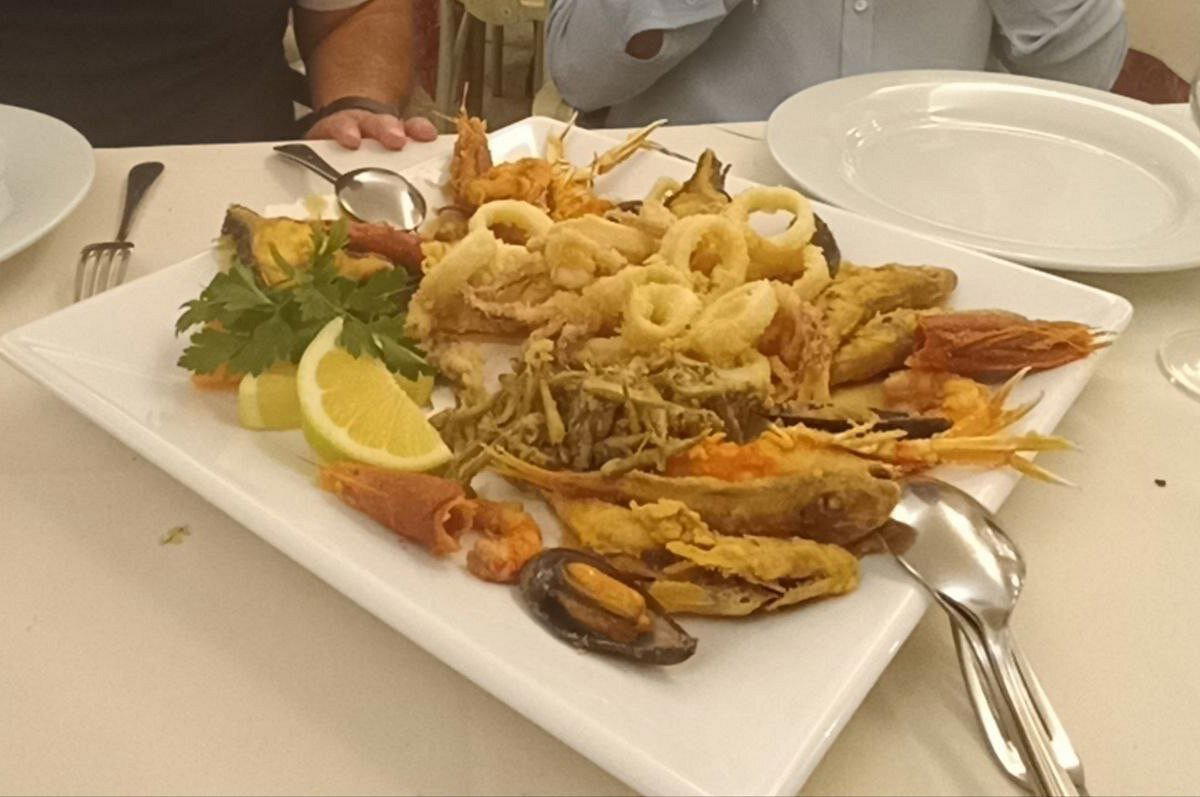
The menu
What to order
- Mixed grilled fish of the day
- Gnocchetti alla sarda
Where Sassari Sets the Table
Via Alghero is not a tourist artery. It runs through a section of Sassari where locals go about the rhythms of a mid-sized Sardinian city with little theatrical interest in impressing outsiders, and restaurants on this street tend to answer to a neighbourhood audience rather than a passing one. Arriving at Ristorante Il Giamaranto, you are entering a dining environment shaped by that context: a room that earns its regulars through consistency and through the particular gravity that northern Sardinian cooking carries when it is done with attention.
Sassari occupies a different culinary register from the coastal resorts an hour to the south or west. The city's food tradition draws from the Logudoro and Anglona hinterland, a territory of sheep pastures, cork oak, and volcanic soil, where the kitchen has historically been structured around preserved meats, aged cheeses, and the kind of slow-cooked preparations that emerge from a range of long winters and austere plenty. This is not the Sardinia of bottarga and sea urchin, though the island's maritime produce is never entirely absent. It is a more land-facing tradition, and any serious restaurant in Sassari positions itself relative to that inheritance.
The Architecture of the Meal
In Sardinian dining culture, the meal is not a transaction. It is a structured event with a logic of its own, and the rhythm of service at a place like Il Giamaranto reflects that orientation. Northern Sardinia's table customs expect you to arrive unhurried and leave late. Antipasti arrive in sequence: house-cured meats, olives, soft cheeses, flatbreads. The pacing is deliberate, not slow through negligence but slow through intention, the kind of measured progression you find at similarly rooted trattorias across the Italian interior, from Umbria to Basilicata, where the meal's architecture is considered as important as any individual dish.
That tradition of ritualized eating has a parallel in how Italy's most formally recognized restaurants approach the tasting menu format. At Osteria Francescana in Modena or Piazza Duomo in Alba, the structure of service is itself a statement. At the neighbourhood level in a city like Sassari, that same principle operates without the formal scaffolding: the meal has a beginning, a middle, and an end, and the kitchen expects you to respect that sequence. Arriving and asking to order all at once tends to flatten the experience considerably.
First courses lean heavily on pasta formats native to Sardinia: malloreddus, the ridged semolina dumplings that absorb meat ragù with particular efficiency; culurgiones, the stuffed pasta of the Ogliastra tradition that has spread across the island; and broader preparations of fresh pasta dressed with local sausage and saffron, the latter a Sardinian agricultural product with a history reaching back to the medieval spice trade. These are not dishes invented for visitors. They are the formats that have structured Sunday tables in the Sassari province for generations.
Northern Sardinia's Table in Context
Sassari's dining scene is less documented internationally than that of Cagliari or the Costa Smeralda resorts, which means its restaurants operate largely beneath the radar of the publications and award bodies that shape reservation queues across the mainland. This has consequences in both directions. On one hand, the restaurants here are not priced or paced for trophy dining tourism. On the other, they lack the external validation signals that make booking decisions easier for first-time visitors. The absence of Michelin coverage in Sassari does not imply absence of serious cooking; it reflects the guide's historical underinvestment in Sardinia's interior cities relative to its coastal and mainland concentration.
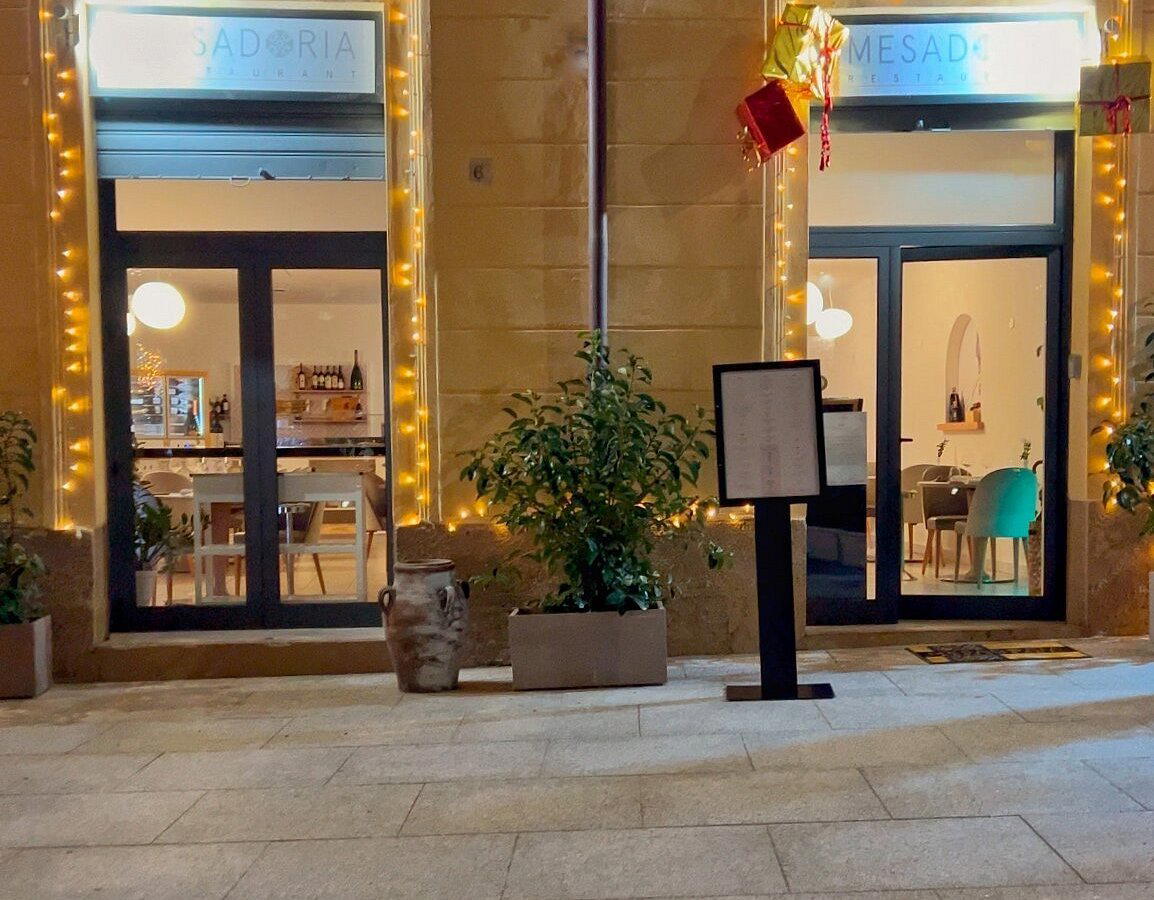
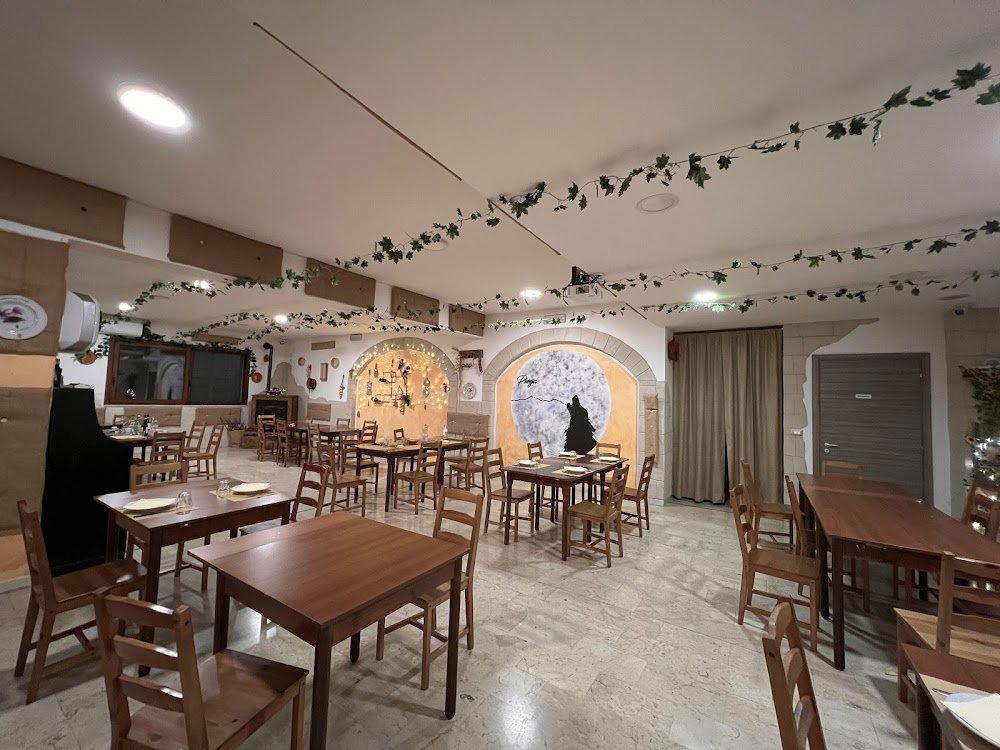
For comparison, the recognition gap between Sardinia and the mainland's decorated addresses is considerable. Atelier Moessmer Norbert Niederkofler in Brunico, Dal Pescatore in Runate, Le Calandre in Rubano, and Enoteca Pinchiorri in Florence all operate in well-mapped critical territory. Sassari's restaurants, including Il Giamaranto and its peers such as Il Cenacolo, Mesadoria Restaurant, and Osteria Piega, operate in a different register: undecorated but consistent, and answerable to a local audience that returns frequently enough to make complacency commercially inconvenient.
The broader Italian restaurant scene in this tier, from Uliassi in Senigallia to Quattro Passi in Marina del Cantone, shows how regional Italian cooking at serious neighborhood level often carries as much weight as its starred counterparts when placed in the right cultural context. Reale in Castel di Sangro and Enrico Bartolini in Milan demonstrate how Italian regional cooking scales upward with recognition. Il Giamaranto occupies the foundational tier of that spectrum in northern Sardinia: local, grounded, and oriented toward the repeat diner rather than the one-time visitor.
The Wine Logic of the Table
Sardinian wine pairing at this kind of restaurant follows a predictable but sensible logic. Cannonau, the island's dominant red grape, shares genetic identity with Grenache and performs well against the fatty protein of roast lamb and braised pork, the proteins that anchor second-course plates across the Sassari province. Vermentino di Sardegna, particularly from the Gallura zone to the northeast, handles the island's lighter fish preparations and the fat of pecorino with the kind of textural contrast that the island's more formal restaurants, from the coast inward, have learned to deploy reliably. A restaurant on Via Alghero that understands this pairing logic is not doing anything complicated; it is doing something regionally correct, which in Sardinian terms carries more weight than novelty.
Planning Your Visit
Ristorante Il Giamaranto sits at Via Alghero 69 in central Sassari, accessible on foot from the historic centre. Sassari's dining culture follows Italian continental hours: lunch service runs from early afternoon, dinner from 7:30pm onward, with the room typically filling later in the evening as locals arrive after work. Neighbouring options on the broader Sassari dining circuit include Osteria de' Mercati and Casa Del Kebab, and the full Sassari restaurants guide provides the wider map of the city's table.
Frequently asked questions
What part of town is Ristorante Il Giamaranto in?
Ristorante Il Giamaranto is located at Via Alghero, 69, 07100 Sassari SS, Italy, Sassari.
Is Ristorante Il Giamaranto a good option for experiencing Sassari's cuisine rather than the more widely promoted coastal Sardinian food?
Sassari's culinary identity is rooted in the land-facing cooking of the Logudoro and Meilogu interior zones, a tradition distinct from the seafood-centred plates associated with the Costa Smeralda or even Cagliari. A restaurant on Via Alghero, operating for a local Sassari audience, is more likely to reflect that inland tradition than venues calibrated to tourist expectations. For a visitor specifically interested in the grain, meat, and cheese cooking of northern Sardinia, the city itself is a more instructive destination than the island's coastal resorts, and Il Giamaranto's address places it squarely within that context.
What do people recommend at Ristorante Il Giamaranto?
Given Il Giamaranto's positioning on Via Alghero in Sassari, a city whose cooking traditions lean toward the interior rather than the coast, the kitchen's strengths are likely to follow the northern Sardinian repertoire: pasta formats like malloreddus or culurgiones, roasted meats, and aged local cheeses. Dishes rooted in the Logudoro hinterland tend to dominate menus at restaurants of this type.
What's the best way to book Ristorante Il Giamaranto?
No online booking platform is confirmed for Il Giamaranto, and no phone number is listed in the current public record. In Sassari, as in much of provincial Italy, restaurants at this level typically accept bookings by telephone or in person, so visiting or calling ahead during mid-morning hours before service begins is the standard local approach.
What's the standout thing about Ristorante Il Giamaranto?
The address tells much of the story: Via Alghero 69 is not a street that appears on tourist itineraries, which means the restaurant's audience is predominantly Sassari residents rather than visitors passing through. That local accountability shapes the kitchen in ways that resort-facing restaurants on the Costa Smeralda are not subject to. In a city whose dining culture remains less documented internationally than Cagliari's, Il Giamaranto represents the kind of place where northern Sardinian cooking is practiced without adjustment for outside expectations.
Can Ristorante Il Giamaranto accommodate dietary restrictions?
Provincial Italian restaurants in Sardinia, particularly those working within a traditional regional format, tend to build menus around established local ingredients, which can limit flexibility for strict dietary requirements. Contacting the restaurant directly before your visit is the practical step, and arriving with specific needs communicated in Italian will generally produce a more useful response than raising them at the table.
Category Peers
Comparable venues nearby, for context on price, style, and recognition.
| Venue | Cuisine | Price | Awards | Notes |
|---|---|---|---|---|
| Ristorante Il GiamarantoThis venue (the venue you are viewing) | Modern Sardinian Seafood | $50–100 | Not listed | Not listed |
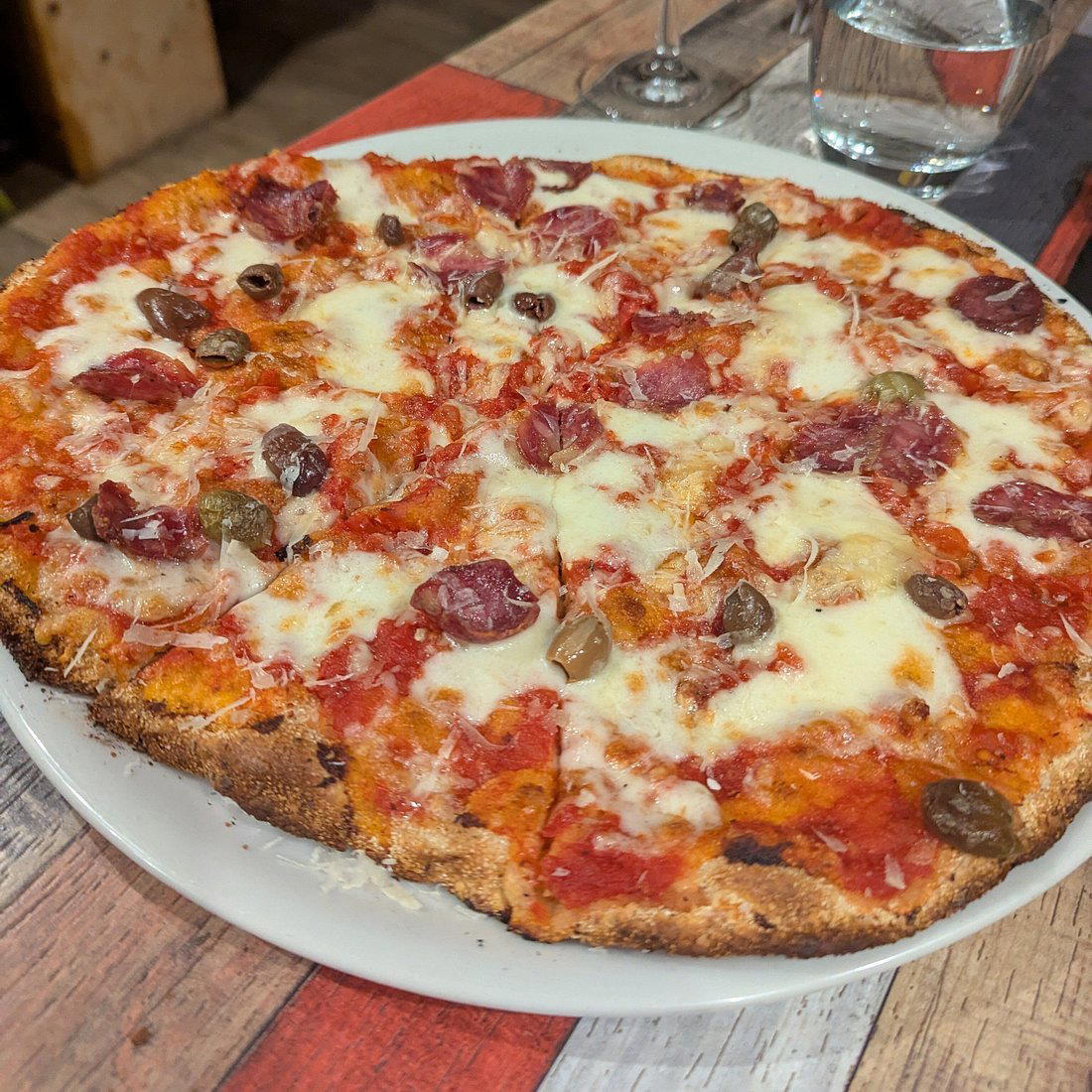
| Re I Mi | Modern Italian Pizza | $20–30 | 50 Top Pizza Italia #38 | Liscia di Vacca |
| Il Cenacolo | Modern Italian Seafood Fine Dining | $30–50 | Not listed | Historic Center |
| Osteria Piega | Traditional Italian Osteria | Not listed | Not listed | Sassari |
| Osteria de' Mercati | Modern Mediterranean Seafood | Not listed | Michelin Plate | city center |
| Casa Del Kebab | Turkish Kebab | Not listed | Not listed | Li Punti |
Continue exploring
More in Sassari
Restaurants in Sassari
All restaurants in Sassari →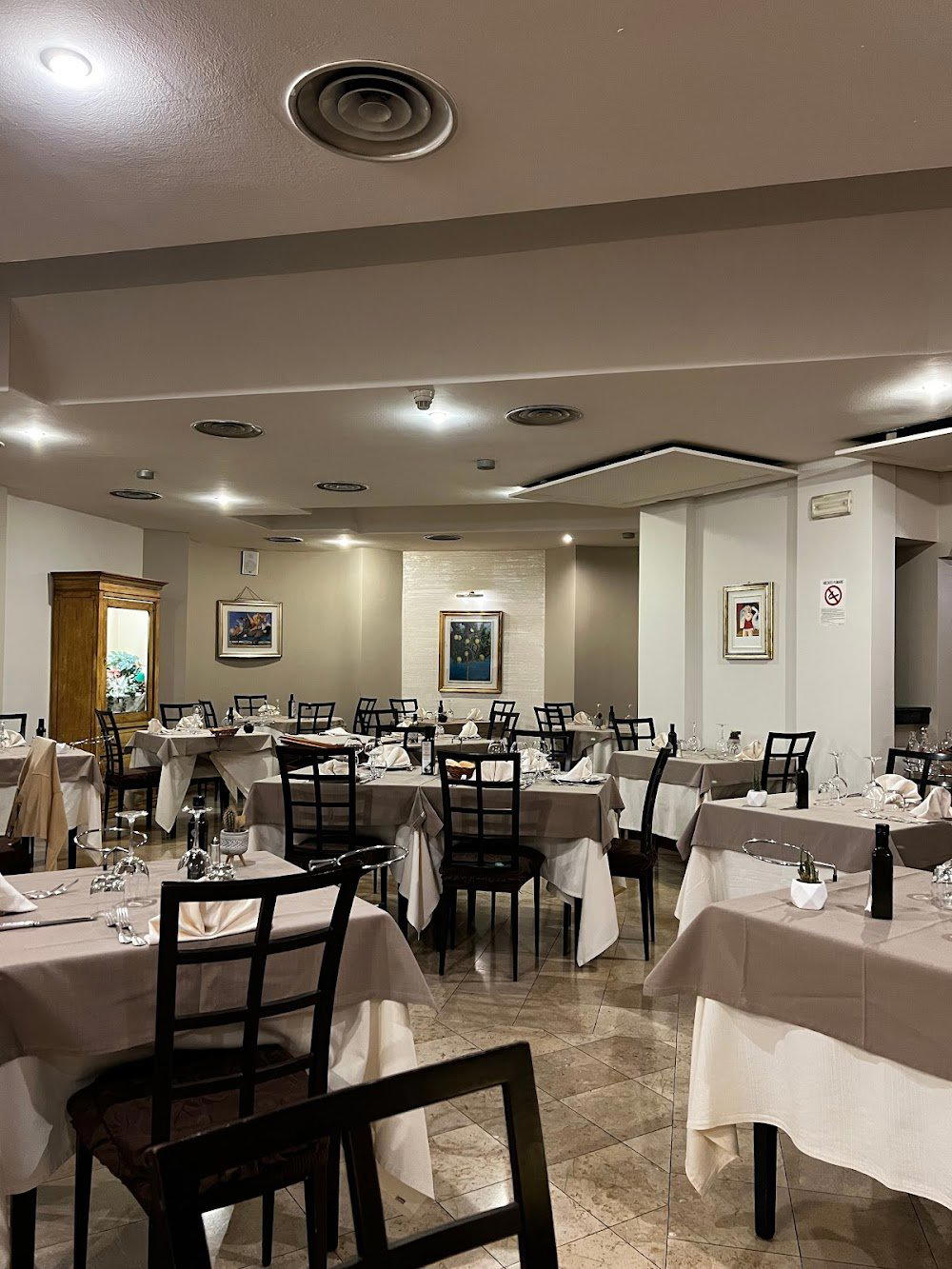
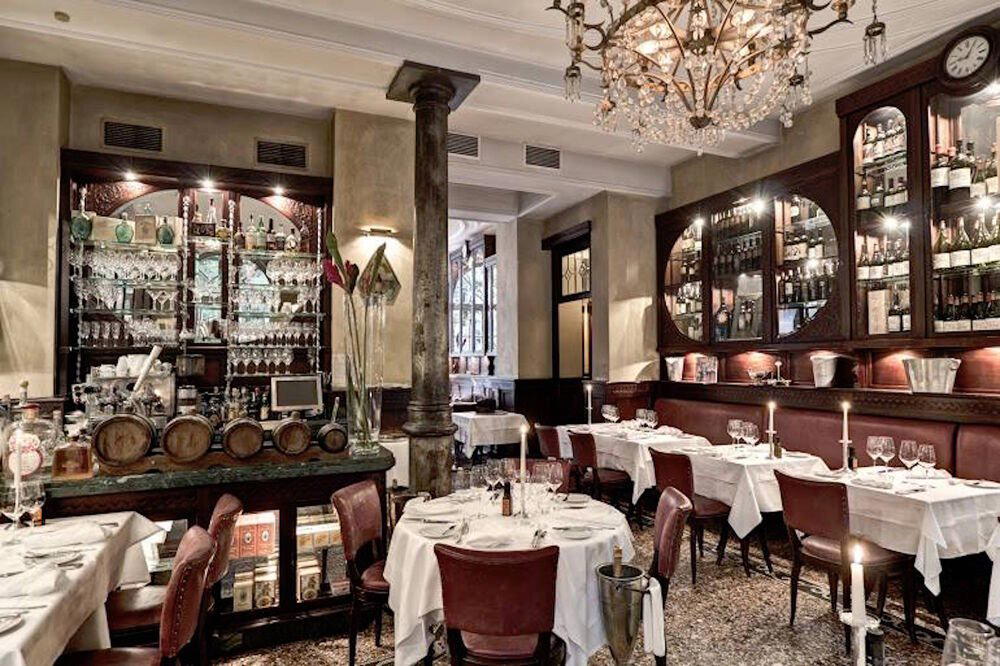
Hotels in Sassari
Browse all →

Details
- Elegant
- Sophisticated
- Classic
- Date Night
- Business Dinner
- Special Occasion
- Historic Building
- Local Sourcing
- A La Carte
- Vegetarian Friendly
- Vegan Options
- Gluten Free Options
Current opening hours
- Monday
- 1–2:30 PM, 8–10:30 PM
- Tuesday
- 1–2:30 PM, 8–10:30 PM
- Wednesday
- 1–2:30 PM, 8–10:30 PM
- Thursday
- 1–2:30 PM, 8–10:30 PM
- Friday
- 1–2:30 PM, 8–10:30 PM
- Saturday
- 1–2:30 PM, 8–10:30 PM
- Sunday
- Closed
Hours can change for holidays and private events. Hours as of .
Sophisticated atmosphere in the historic heart of Sassari, well-suited for romantic dinners, business lunches, and celebrations.